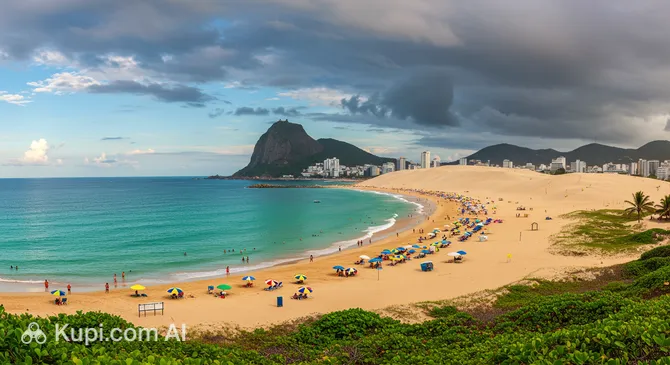
Welcome to Natal, the vibrant capital of the state of Rio Grande do Norte, affectionately known as the "City of the Sun" thanks to its bright, sunny days year-round. Famous for its dazzling coastline, fresh air, and welcoming atmosphere, this destination offers a perfect blend of urban excitement and natural beauty. Located on the northeastern tip of Brazil, Natal serves as a major gateway to the stunning beaches of the Atlantic coast.
Natal. Illustration.
Source: Kupi.com AI
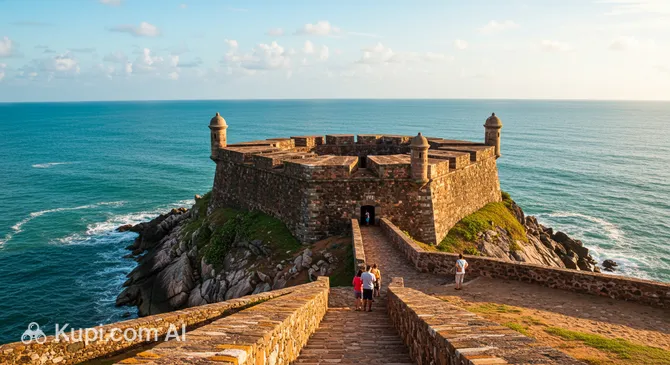
The city is not only defined by its breathtaking scenery but also by its deep cultural roots. Visitors interested in the past can explore the iconic Fortress of the Three Wise Men (Forte dos Reis Magos), a star-shaped structure standing guard at the mouth of the Potengi River. To learn more about the fascinating events and colonial origins that shaped this region, you can delve into the history of Natal, which reveals the city's strategic importance over the centuries.
Modern Natal is a hub of activity with a population of nearly one million residents. Tourists flock to Ponta Negra Beach, home to the famous Morro do Careca, a massive sand dune that has become the city's postcard symbol. Another unique attraction nearby is the Maior Cajueiro do Mundo, the world's largest cashew tree, which covers an area larger than a football field. Whether you are seeking relaxation by the ocean or an adventure in the dunes, Natal promises an unforgettable experience.
Weather Overview
True to its reputation as the "City of the Sun," Natal enjoys a warm tropical climate that makes it a welcoming destination throughout the year. Temperatures are remarkably consistent, with monthly averages generally hovering between 25.3°C and 27.3°C. Even during the slightly cooler period around June and July, the weather remains pleasant with minimums rarely dipping below 23°C, while the warmest months of January and February often see daytime highs reaching nearly 30°C.
While the heat is steady, rainfall patterns do vary. The city experiences a distinct wet season, with March and April being particularly active, recording up to 27 wet days per month. Conversely, the latter part of the year, especially from August to November, offers drier conditions with fewer rainy days. For a more comprehensive breakdown of what to expect during your trip, you can consult the guide to weather in Natal.
Average monthly temperature
Average monthly precipitation
Interesting Facts
Beyond the golden dunes and turquoise waters, Natal holds a treasury of stories and unique distinctions that often surprise visitors. From its festive name to its strategic role in world history, the city offers fascinating layers to explore.
Fortress of the Three Wise Men. Illustration.
Source: Kupi.com AI
Traveler photos:
The city's name, which translates to "Christmas" in Portuguese, is a direct reference to its founding date on December 25, 1599. The historic Fortress of the Three Wise Men stands as a testament to this era, marking the strategic point where the settlement began.
During World War II, Natal was known as the "Trampoline to Victory" due to its location on the "bulge" of Brazil. It hosted a major American airbase used to ferry aircraft across the Atlantic, a presence that reportedly introduced American culture, such as chewing gum and jeans, to the region earlier than the rest of the country.
Natal is frequently cited as having the purest air in the Americas, a claim often attributed to data from NASA. The constant trade winds blowing in from the Atlantic Ocean effectively sweep away pollution, making the air quality exceptionally fresh.
Geographically, the city sits on the strategic northeastern "corner" of South America. It is actually closer to the African continent than to the southernmost cities of Brazil, a unique position that contributes to its consistent "City of the Sun" climate and notably early sunrises.
How to Get There
Reaching this sunny destination is relatively straightforward, with air travel being the most convenient method for international and distant domestic visitors. For a comprehensive guide on planning your journey, you can read more about how to get to Natal, which covers various transport options in detail.
The primary entry point for most travelers is the Governador Aluízio Alves International Airport (NAT). It is the main facility serving the city and is located approximately 19.3 km from the center of Natal. This modern hub handles a steady flow of passengers and offers essential services for tourists. A taxi or shuttle ride from here to the main hotel districts or the city center typically takes around 50 minutes.
For those who cannot find a direct flight, the Guararapes-Gilberto Freyre International Airport (REC) in Recife serves as a major regional alternative. It is a large international hub located about 260 km from Natal. While the distance is significant, offering a wider range of flight connections, the overland journey to Natal by bus or car can take approximately 7 hours. Another option is the Presidente Castro Pinto International Airport (JPA) in Joao Pessoa. Situated about 153 km away, it provides a closer alternative than Recife, with a travel time to Natal of roughly 4 hours by road.
For clarity, here is a summary of the main airports:
Natal offers a diverse range of attractions that go beyond its famous sand dunes, inviting visitors to explore its rich culture, modern landmarks, and marine life. Whether you are interested in local history, architectural marvels, or family-friendly activities, the city provides plenty of options to fill your itinerary.
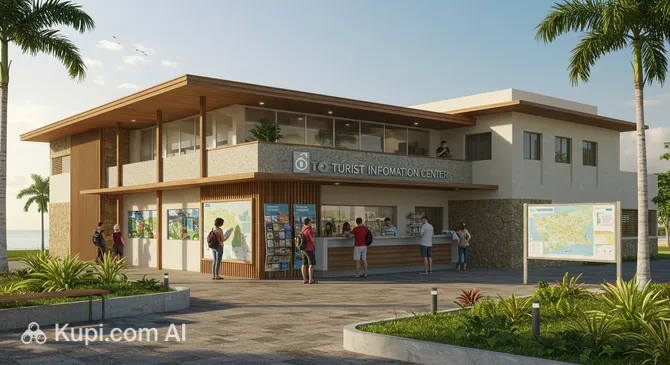
One of the best places to experience local culture and pick up unique souvenirs is the Natal Tourism Center. Housed in a beautifully preserved 19th-century building that once served as a prison, this site has been transformed into a vibrant hub for regional handicrafts. Visitors can browse through cells turned into shops selling traditional lace, embroidery, and ceramics. On Thursday nights, the center comes alive with the "Forró with Tourists," a traditional dance event that offers a fun immersion into northeastern Brazilian music.
Natal Tourism Center. Illustration.
Source: Kupi.com AI
Traveler photos:
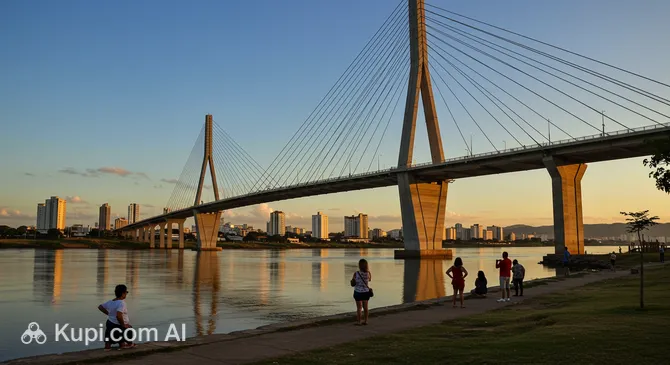
Dominating the city's skyline is the impressive Newton Navarro Bridge. This massive cable-stayed bridge spans the Potengi River, connecting the northern and southern districts of Natal. It is not just a vital transport link but also a scenic landmark, renowned for its architectural grandeur. Many tourists visit the area to capture photos of the bridge, which is particularly spectacular at sunset when the sky changes colors behind its towering cables.
Newton Navarro Bridge. Illustration.
Source: Kupi.com AI
Traveler photos:
For nature lovers and families, the Natal Aquarium is a must-visit destination located near Redinha Beach. It serves as both a tourist attraction and a rehabilitation center for marine animals. The aquarium features a variety of species, including sharks, rays, seahorses, and even penguins. It provides an educational experience where visitors can learn about the local marine biodiversity and the importance of conservation efforts in the region.
If you prefer a lively urban beach atmosphere, Praia dos Artistas is a popular choice situated close to the city center. Historically one of the most glamorous spots in Natal, it remains a favorite for both locals and tourists. The beach is known for its strong waves, making it a good spot for surfers, while the surrounding promenade is lined with bars, restaurants, and craft stalls, ensuring there is always something to do day or night.
Local Cuisine
The culinary scene in Natal is a delightful reflection of its coastal location and northeastern Brazilian heritage, offering a flavorful mix of fresh seafood and hearty regional staples. Known as the "Land of Shrimp," the city is a paradise for seafood lovers. You can find shrimp prepared in countless ways, from simple garlic and oil sautés to the rich and creamy bobó de camarão, a stew made with cassava cream, coconut milk, and palm oil.
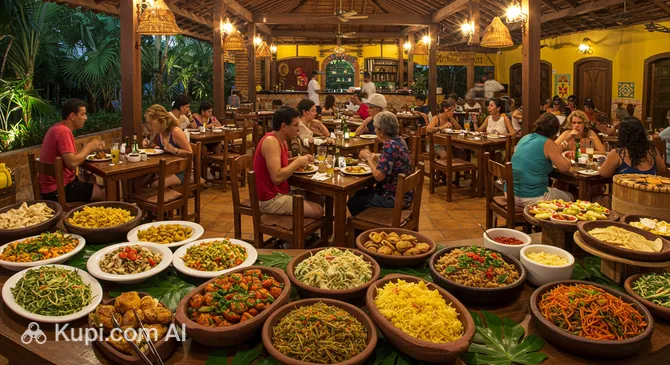
For a true taste of the region's interior, you must try Carne de Sol, a sun-dried, salted beef that is typically cured for a few days to concentrate its flavor. It is traditionally served with macaxeira (boiled or fried cassava), green beans, and paçoca—not the sweet peanut candy, but a savory flour mixed with shredded meat. A fantastic place to experience the vast variety of these local dishes is Mangai, a renowned restaurant famous for its extensive buffet of northeastern specialties and rustic decor.
Mangai. Illustration.
Source: Kupi.com AI
Traveler photos:
Street food in Natal also has its own unique star: Ginga com Tapioca. This simple yet beloved snack consists of small fried fish (ginga) skewered and wrapped in a coconut tapioca crepe. It is a cultural icon of the city, particularly associated with the Redinha Public Market. If you are looking for a place to enjoy local bites in a charming historical setting, the Petrópolis Cultural Market is another excellent spot to explore regional flavors and crafts.
To wash down these savory meals, locals often turn to fruit juices, taking advantage of the region's tropical abundance. Cashew juice (suco de caju) is a refreshing favorite, as the fruit grows plentifully in the area. For something stronger, the traditional caipirinha is widely available, often made with locally produced cachaça and exotic fruits like cajá or graviola, providing a sweet and tangy finish to your gastronomic adventure.
Travel Tips
To ensure your visit to the "City of the Sun" is as relaxing and enjoyable as possible, we have compiled a set of practical guidelines for your journey. These tips will help you navigate the local customs, stay comfortable in the tropical climate, and make the most of your time in this beautiful coastal destination.
Clothing and Gear: Given the consistent tropical heat, lightweight and breathable fabrics like cotton or linen are essential. You will spend a lot of time outdoors, so pack high-SPF sunscreen, sunglasses, and a wide-brimmed hat to protect against the strong equatorial sun. While swimwear is standard for the beach, remember to wear modest clothing if you plan to visit religious sites. Comfortable sandals are perfect for the day, but sturdy sneakers are recommended if you plan to hike the dunes.
Transportation: The most convenient way to get around the city is by using ride-hailing apps like Uber or 99, which are widely available, safe, and often cheaper than regular taxis. Public buses exist but can be crowded and confusing for visitors. If you want to explore the coastline north or south of the city at your own pace, renting a car is a great option, though driving in city traffic requires some patience.
Finances: The local currency is the Brazilian Real (BRL). Credit and debit cards are widely accepted in hotels, restaurants, and shops throughout Brazil. However, it is wise to carry some cash for small purchases, such as buying coconut water or snacks from beach vendors who may not have card machines. ATMs are easily found in shopping malls and supermarkets. Tipping is customary, with a 10% service charge usually included in restaurant bills.
Health and Safety: Never drink tap water; always opt for bottled or filtered water to avoid stomach issues. Pharmacies are abundant, and major chains like Pague Menos or Drogasil often have 24-hour branches. regarding safety, stick to well-lit and populated areas, especially at night. While the main tourist zones like Ponta Negra are generally safe, avoid flashing expensive jewelry or electronics, and keep an eye on your belongings on the beach.
Communication: Portuguese is the official language, and English is not widely spoken outside of major hotels and tourist agencies. Learning a few basic phrases like "Bom dia" (Good morning) and "Obrigado" (Thank you) will be appreciated. Installing a translation app on your phone is highly recommended. WhatsApp is the primary method of communication for everything from booking tours to ordering food, so having a data plan is very useful.
Local Etiquette: Locals are warm and friendly, often greeting with a handshake or a kiss on the cheek (usually two in this region). The "thumbs up" gesture is universally used to say "yes," "okay," or "thank you." It is polite to greet shopkeepers or hotel staff when entering a room. Brazilians are generally informal and welcoming, so do not be surprised if people strike up a conversation with you.
What to Avoid: Avoid walking alone on deserted beaches after sunset, as these areas can be unsafe. Also, try not to leave your personal items unattended on the sand while swimming; it is better to take turns going into the water if you are in a group.
Dune Buggy Insight: When booking a famous buggy ride across the dunes, the driver will likely ask if you want the ride "com emoção" (with emotion) or "sem emoção" (without emotion). "With emotion" means a thrilling, rollercoaster-like experience with steep drops and sharp turns, while "without emotion" offers a calmer, scenic drive. Choose wisely based on your adrenaline tolerance!
By keeping these practical tips in mind, you can focus on what really matters: soaking up the sun and enjoying the vibrant culture of Natal. Whether you are racing down sand dunes or relaxing by the warm Atlantic waters, a little preparation ensures your trip will be a smooth and memorable adventure.
Entertainment & Nightlife
When the sun sets over the dunes, Natal transforms into a lively hub of entertainment, with the most vibrant action concentrated in the Ponta Negra district. Specifically, the area known as Alto de Ponta Negra is the city's nightlife capital, featuring bustling streets lined with bars, open-air pubs, and restaurants. The atmosphere here is infectious, characterized by a mix of locals and tourists enjoying everything from live forró—the rhythmic regional music—to international pop hits.
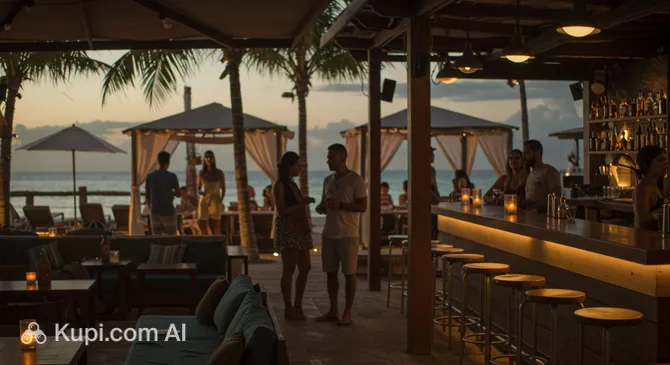
For those looking to dance the night away, Casanova Ecobar is one of the most popular destinations. This nightclub is known for its energetic vibe, diverse crowd, and eclectic music selection, making it a staple of the local party scene. If you prefer a more relaxed evening where you can sit down, enjoy a cold drink, and chat with friends, Bodega Mané offers a classic Brazilian bar experience with excellent snacks and a welcoming environment.
Casanova Ecobar. Illustration.
Source: Kupi.com AI
Traveler photos:
Another great option for starting your evening is Mexican Territory, a spot that combines a lively dining atmosphere with great drinks, perfect for fueling up before a long night out. The dress code in Natal is generally casual; you will rarely need formal attire. Light, comfortable clothing is the norm, though some nightclubs may require closed shoes for men. Bars typically get busy around 9:00 PM, while clubs peak later, often after midnight.
Safety and transportation are important considerations for a worry-free night. It is highly recommended to use ride-hailing apps like Uber or 99 rather than hailing taxis on the street, as they offer tracked journeys and fixed prices. While the main streets of Ponta Negra are well-policed and safe for walking, you should strictly avoid the beach areas after dark, as they are unlit and deserted.
During the day, the city offers a different kind of entertainment focused on culture and leisure. History enthusiasts can visit the Cascudo Museum to delve into the anthropology and natural history of the region. For a mix of heritage and scenic river views, the Rampa Cultural Complex is a fascinating site located at a historic seaplane base. If you need a break from the heat, Midway Mall provides a massive modern space with a cinema, theater, and extensive shopping options.
Parks & Museums
Parks and Museums:
Beyond its famous coastline, Natal offers a wealth of green spaces and cultural institutions that invite visitors to explore the city's natural heritage and artistic depth. From sprawling urban reserves preserving the Atlantic Forest to architectural landmarks that tell the story of the region's faith and geology, there is much to discover away from the sand.
The city's most significant green lung is undoubtedly the Lovers' Woods at Dunas Park (Bosque dos Namorados). This area serves as the public gateway to the massive Parque das Dunas, the second-largest urban park in Brazil. It is a sanctuary for nature enthusiasts, offering paved trails for jogging and walking amidst lush native vegetation. The park is an excellent spot for a family picnic or simply to enjoy the fresh air, surrounded by the sounds of local birds and the rustle of the Atlantic Forest.
Lovers' Woods at Dunas Park. Illustration.
Source: Kupi.com AI
Traveler photos:
For a different kind of outdoor experience, the area surrounding the Mirassol Christmas Tree (Praça de Mirassol) is a popular gathering spot for locals. While famous for its towering illuminated structure during the holiday season, the square itself is a pleasant public space year-round, offering panoramic views of the city and a relaxed atmosphere for an evening stroll.
On the cultural front, the Rio Grande do Norte Minerals Museum offers a fascinating look into the geological wealth of the state. The museum houses an impressive collection of rocks, crystals, and fossils found in the region, making it an educational stop for those interested in natural history and science. It provides a unique perspective on the land that lies beneath the beautiful landscapes of the northeast.
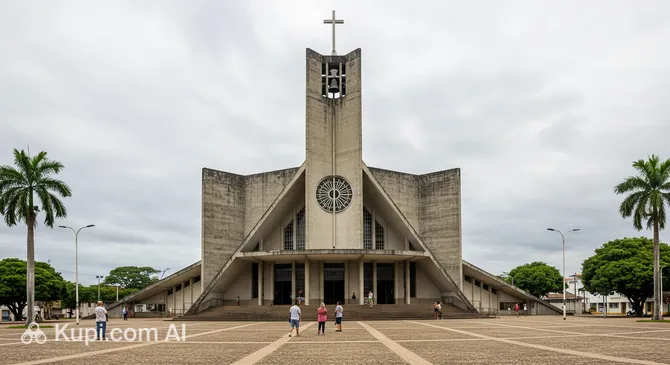
Architecture lovers should not miss the Metropolitan Cathedral of Our Lady of the Presentation. This striking religious monument is renowned for its unconventional trapezoidal design, which resembles a tent pointing towards the sky. Inside, the stained glass windows create a serene play of light, while the basement houses a small museum of sacred art, adding another layer of cultural insight to your visit.
Metropolitan Cathedral of Our Lady of the Presentation. Illustration.
Source: Kupi.com AI
Traveler photos:
Another intriguing site is the Sun Clock located at Areia Preta beach. This simple yet ingenious instrument allows visitors to tell the time using the position of the sun, highlighting the city's proximity to the equator. Nearby, the Mãe Luiza Staircase features colorful mosaics and offers a vigorous climb that rewards adventurous tourists with sweeping views of the coastline.
For an insider tip, seek out the Pedra do Rosário on the banks of the Potengi River. It is a historical marker associated with the city's patron saint and offers one of the most beautiful and tranquil sunsets in Natal, often overlooked by tourists who flock to the beaches. It is a quiet place to reflect on the city's history while watching the sun dip below the horizon.
Getting Around
Public transport in Natal is primarily reliant on an extensive network of buses, which serves as the backbone of mobility for locals and visitors alike. The bus system covers most neighborhoods, including the popular tourist areas like Ponta Negra, the historic center, and the coastal avenues. While there is no underground metro system, the city does operate a suburban train line known as the VLT (Light Rail Vehicle). This surface train connects the capital to nearby municipalities and northern districts, offering a scenic and affordable, though less frequent, alternative to road transport.
For most tourists, buses are the most accessible option, easily identified by their colorful liveries representing different zones of the city. Payment is straightforward: you can pay in cash directly to the conductor on board, which is convenient for short stays. For longer visits, there is the electronic ticketing system known as NatalCard. While the card offers slightly discounted fares and integration benefits, paying with cash is perfectly acceptable and hassle-free for occasional trips. Fares are generally affordable, making it a budget-friendly way to explore.
Navigating the system requires a bit of proactive effort. Bus stops are not always clearly marked with schedules, so it is highly recommended to use navigation apps like Google Maps or Moovit to plan your route and track arrival times. When waiting at a stop, remember to wave your hand to signal the driver; buses in Natal will not stop unless hailed. Boarding typically takes place at the front door where you pay or tap your card, and passengers exit through the rear doors.
The VLT train system is a unique feature worth mentioning, particularly for those on a budget or rail enthusiasts. Operated by CBTU, it runs on two main lines: North and South. While it doesn't reach the main beach hotels in Ponta Negra, it is an incredibly cheap way to travel to the historic Ribeira district or further out to neighboring towns. The trains are comfortable and air-conditioned, providing a respite from the heat, though they operate on a fixed schedule that is less flexible than the bus network.
If you prefer more comfort and speed, ride-sharing apps like Uber and 99 are extremely popular and widely available throughout the city. They are often the preferred choice for tourists, especially at night, offering door-to-door service at reasonable rates. Standard taxis are also abundant; they are white with a red stripe and can be hailed on the street or found at designated stands near hotels and shopping malls. All official taxis run on a meter.
Finally, no discussion of transport in this coastal city would be complete without mentioning the famous dune buggies. While technically a tourist attraction rather than public transit, they are a legitimate and iconic mode of transport for exploring the coastline and dunes where standard vehicles cannot go. For many visitors, a buggy ride is the most memorable "commute" they will experience during their stay.
Accommodation
Accommodation:
Finding the perfect place to stay in Natal is an easy task, as the city offers a wide spectrum of accommodation options tailored to every type of traveler. From charming, family-run guesthouses known as pousadas to imposing luxury resorts with direct beach access, the infrastructure is well-developed and welcoming. Whether you are a backpacker looking for a budget-friendly hostel or a family seeking an all-inclusive experience, you will find suitable lodging that fits your needs.
The two most popular areas for tourists are Ponta Negra and the Via Costeira (Coastal Way). Ponta Negra is the heart of the city's tourism, bustling with nightlife, restaurants, and shops. staying here puts you within walking distance of the famous Morro do Careca and the beach's lively promenade. In contrast, Via Costeira is a scenic 10-kilometer strip connecting Ponta Negra to the city center, lined almost exclusively with large resorts on one side and the dunes on the other. This area is ideal for those who prefer a more secluded, resort-style vacation where the hotel itself is a destination.
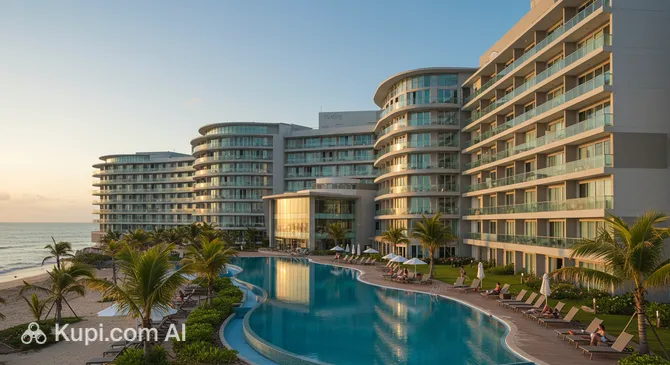
For travelers seeking a high standard of comfort and extensive amenities, the Wish Natal Resort is a prime example of the luxury accommodation available along the coast. These types of properties often feature expansive pools, entertainment programs, and stunning ocean views, providing a relaxing retreat after a day of exploration.
Wish Natal Resort. Illustration.
Source: Kupi.com AI
Traveler photos:
Another excellent option for visitors is the Itália Beach Hotel Natal, which offers a blend of convenience and comfort. Hotels in this category are typically well-situated, making it easy to access local attractions and enjoy the sun and sea without traveling far. Many establishments in the city pride themselves on their hospitality, often including a delicious breakfast featuring local tropical fruits and regional delicacies in the daily rate.
Regarding prices and booking, Natal is generally considered to offer good value for money compared to other Brazilian coastal capitals. Budget and mid-range options are plentiful, but prices can spike significantly during the peak summer season (December to February) and during Carnival. Therefore, a key booking tip is to reserve your accommodation at least a few months in advance if you plan to visit during these busy periods. Most hotels and inns can be easily booked through major online platforms, though contacting smaller pousadas directly can sometimes yield better deals or personalized service.
Nearby Cities
For those looking to explore the surroundings, Natal serves as an excellent base for day trips to several interesting nearby locations:
City
Population
Distance
São Gonçalo do Amarante
87 668
14 km
Extremoz
24 569
14 km
Parnamirim
202 456
17 km
Macaíba
69 467
19 km
Ceará-Mirim
68 141
29 km
Parnamirim is virtually an extension of the capital to the south and is a top choice for a quick getaway. It is world-famous for hosting the largest cashew tree in the world at Pirangi Beach, a natural wonder that attracts visitors from all over the globe. Beyond the tree, the city offers beautiful coastal spots like Cotovelo Beach, known for its calm waters and dramatic cliffs, as well as the Barreira do Inferno Launch Center, a fascinating stop for those interested in Brazil's space history.
Heading slightly inland, Ceará-Mirim offers a journey back in time through its "Valley of the Sugar Mills." This historic town was once a powerhouse of sugarcane production, and today, visitors can explore the remnants of this era through preserved colonial mansions and old mills (engenhos). It provides a stark and cultural contrast to the beach-focused tourism of the coast, perfect for history enthusiasts and those who appreciate colonial architecture.
Another culturally rich destination is São Gonçalo do Amarante, located just west of Natal. This city is renowned as the cradle of potiguar folklore and is home to the Monument of the Martyrs of Cunhaú and Uruaçu, a significant pilgrimage site dedicated to Brazilian saints. The town is also celebrated for its skilled artisans who produce intricate clay pottery, making it a great place to observe local craftsmanship.
These nearby destinations offer a glimpse into the diverse culture and landscapes of the region.
Shopping & Souvenirs
Shopping in Natal is a delightful experience that ranges from browsing sophisticated modern malls to hunting for unique treasures in bustling local markets. The city is particularly renowned for its rich tradition of handicrafts, making it an excellent place to find authentic Brazilian souvenirs. Whether you are looking for high-street fashion, electronics, or handmade gifts, the diverse retail scene caters to all tastes and budgets.
For tourists, the most sought-after items are undoubtedly the region's handicrafts. The state is famous for its intricate embroidery and lace, particularly the delicate "renda de bilro." Another iconic souvenir is the bottle of colored sand (garrafinhas de areia colorida), where artisans create detailed landscapes and patterns inside glass bottles using sand in natural shades derived from the local cliffs. Cashew nuts are also a popular edible purchase, available in various flavors from salted to caramelized, reflecting the region's status as a major producer.
When it comes to finding these local goods, the city has several dedicated spaces. The Natal Tourism Center is a favorite stop for high-quality crafts sold in former prison cells, offering a unique historical backdrop to your shopping spree. Another charming spot is the Petrópolis Cultural Market, which offers a mix of art, antiques, and regional delicacies in a refined setting. For a more bustling atmosphere, the neighborhood of Alecrim serves as the city's commercial heart with a massive street market, while the handicraft fair in Ponta Negra is perfect for picking up beachwear and souvenirs near the sea.
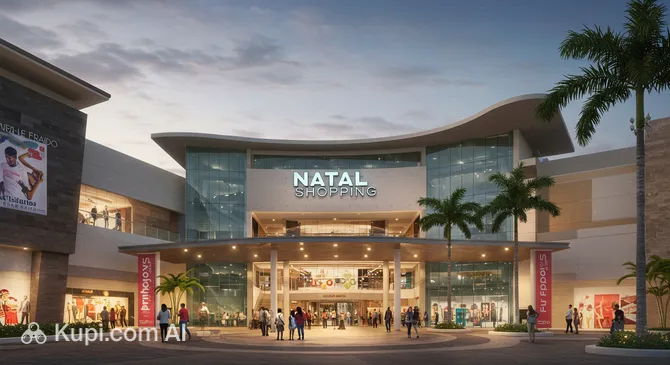
If you prefer a modern shopping environment with air conditioning, the city boasts impressive shopping centers. Natal Shopping is a traditional favorite among locals and visitors alike, offering a wide variety of national and international brands, a food court, and cinema facilities. It provides a comfortable and safe atmosphere for a full afternoon of browsing and dining.
Natal Shopping. Illustration.
Source: Kupi.com AI
Traveler photos:
Another major destination is Midway Mall, which stands as one of the largest shopping centers in the region. It houses hundreds of stores, a large theater, and extensive leisure options, making it a convenient one-stop destination for everything from clothing to electronics. Its central location makes it easily accessible from most parts of the city.
Standard business hours for street shops are typically from 8:00 AM to 6:00 PM on weekdays, and until noon on Saturdays. Shopping malls usually operate longer hours, generally from 10:00 AM to 10:00 PM daily, including Sundays. Credit and debit cards are widely accepted almost everywhere, including most market stalls, but carrying some cash (Brazilian Reals) is advisable for small purchases from beach vendors or smaller artisans.
Regarding tax refunds, travelers should note that Brazil does not currently operate a standard "Tax-Free" or VAT refund system for international tourists similar to those found in Europe. The price displayed on items is the final price you will pay, so there is no need to save receipts for customs processing upon departure.