Support

Mossoró

About

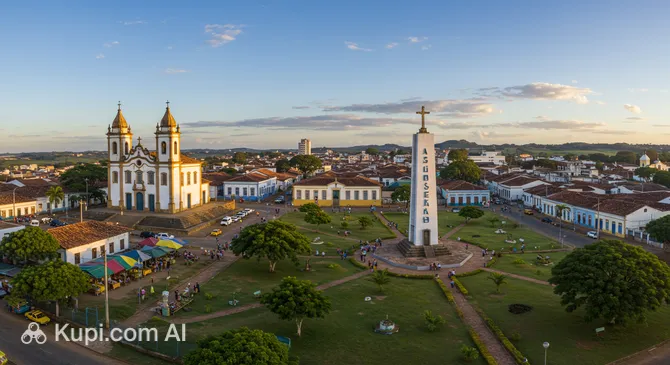
Welcome to Mossoró, a dynamic and culturally rich city located in the state of Rio Grande do Norte. Known as the "Land of Liberty" for its pioneering spirit, this destination offers a fascinating blend of history, industry, and festive traditions. Situated in the sun-drenched Northeast of Brazil, roughly equidistant between the state capitals of Natal and Fortaleza, Mossoró serves as a major economic and cultural hub for the region.

Mossoró. Source: Kupi.Binoculars

With a population of over 250,000 residents, the city thrives in a semi-arid climate, characterized by warm temperatures year-round. It is famous for being the largest salt producer in the country and for its fruit cultivation, particularly melons. Beyond its industrial strength, the history of Mossoró is truly remarkable, marked by its early abolition of slavery five years before the national law and the legendary resistance of its townspeople against the infamous bandit Lampião in 1927.

Travelers are drawn to the city's unique attractions, such as the Mossoró Cidade Junina, one of the largest and most vibrant June festivals in the country, which transforms the streets into a colorful celebration of music, dance, and theater. Visitors can also relax in the therapeutic thermal waters at local resorts or explore the Memorial da Resistência, which honors the city's brave past. Whether you are interested in cultural heritage or seeking a lively atmosphere, Mossoró invites you to discover its warmth and resilience.

Weather Overview

The climate in this region is typically hot and semi-arid, offering sunshine and high temperatures throughout the year. Visitors can expect averages ranging from roughly 27°C to 29.5°C, with the heat peaking later in the year. For a more detailed forecast to help you pack, you can view the weather in Mossoró guide.

Rainfall patterns are quite distinct, dividing the year into two main phases. The early months, particularly from February to April, bring frequent showers; March is notable for having up to 25 wet days. In contrast, the second half of the year is extremely dry. From August to October, there are virtually zero wet days, and maximum temperatures can soar to 34.8°C, making it the hottest and sunniest time to visit.

Interesting Facts

Beyond the main attractions, Mossoró holds many fascinating secrets that showcase its pioneering spirit and resilience. This city is not just an industrial hub but a place where history was made and left visible marks that can still be explored today.

  • A Pioneer for Women's Rights: Mossoró is the birthplace of the female vote in the country. In 1928, local teacher Celina Guimarães Viana registered and voted here, making the city a vanguard for women's suffrage in Latin America long before it became a national right.

  • Scars of Resistance: While the city is famous for expelling the notorious bandit Lampião in 1927, few visitors know that the physical evidence of this battle remains. The towers of the Church of São Vicente still bear the original bullet marks from the conflict, serving as a silent, tangible memorial to the town's bravery.

  • Freedom Before the Law: The city has a proud tradition of liberty, having abolished slavery on September 30, 1883. This was fully five years before the "Golden Law" ended the practice throughout the rest of Brazil, a fact that is celebrated annually with great local pride.

  • The Salt Capital: The region surrounding Mossoró, known as the Costa Branca, is responsible for over 90% of the nation's entire sea salt production. The combination of strong winds, high temperatures, and low rainfall creates the perfect natural laboratory for this massive industry.

How to Get There

Reaching this destination in Rio Grande do Norte typically involves flying into one of the major hubs in neighboring state capitals and completing the journey by road. While there are various routes, planning ahead is essential for a smooth trip. You can find detailed information and more about how to get to Mossoró on our dedicated transport page.

The city of Mossoró does not have a major international airport of its own listed among the primary gateways, but you can fly into Pinto Martins Airport (IATA: FOR) in the city of Fortaleza, which is about 205 km from Mossoró. This large hub offers numerous connections, and the subsequent travel time by taxi or bus is approximately 5 hours and 30 minutes. Another viable option is the Governador Aluízio Alves International Airport (IATA: NAT) located in Natal, roughly 227 km away. The drive from Natal takes about 6 hours. Both airports are significant regional hubs, making them convenient starting points for your adventure.

For clarity, here is a summary of the main airports:

Airport Name City Passenger Traffic Km from City
Pinto Martins Airport Fortaleza High 204.8
Governador Aluízio Alves International Airport Natal High 227.3
Joao Suassuna Airport Campina Grande Medium 280.0

Main Attractions

The city of Mossoró offers a compelling mix of history, culture, and architecture that reflects its unique identity in the Northeast of Brazil. Visitors can explore sites that celebrate the region's brave past, its religious devotion, and its economic strength. Below are some of the most interesting places to visit during your stay.

One of the most significant landmarks is the Memorial da Resistência. This museum is dedicated to a defining moment in the city's history: the 1927 battle where local citizens successfully repelled the notorious bandit Lampião and his gang. Through photographs, panels, and historical artifacts, the memorial tells the story of the town's bravery and the heroes who defended it. It is located in the "Corredor Cultural" and serves as a proud symbol of the local spirit of liberty.

Another cultural hub is the Estação das Artes Elizeu Ventania. Housed in a beautifully preserved railway station dating back to 1915, this building was once a key transport link for the salt and cotton industries. Today, it has been transformed into a vibrant center for arts and events, including the famous "Mossoró Cidade Junina" festivities. The architecture itself is a sight to behold, blending historic charm with modern cultural utility.

For those interested in the region's economic heritage, the Museu do Petróleo is a fascinating stop. Often located within the Estação das Artes complex, this museum highlights Mossoró's status as a major onshore oil producer in Brazil. Exhibits explain the process of oil extraction and refining, showcasing machinery and geology that have driven the local economy for decades.

Finally, the Catedral de Santa Luzia stands as the spiritual heart of the city. Dedicated to the patron saint of Mossoró, this imposing church features beautiful architecture and has been a central gathering place for the community since the 19th century. It is especially lively in December during the Feast of Santa Luzia, but its peaceful interior and striking facade make it a worthy visit year-round.

Local Cuisine

The local cuisine of Mossoró is a flavorful reflection of the Brazilian Sertão (hinterland), offering hearty and savory dishes that tell the story of the region's culture and geography. As a city located in a semi-arid zone, the food here is robust and heavily influenced by the traditions of cattle herding and agriculture, making it a paradise for meat lovers and those who appreciate authentic regional flavors.

One of the most iconic dishes you must try is Carne de Sol (sun-dried meat). Historically preserved with salt to withstand the hot climate, this meat is typically served fried or roasted, accompanied by macaxeira (cassava), green beans, and pirão (a manioc flour porridge made with meat broth). Another local favorite is Paçoca, but not the sweet peanut candy known elsewhere in Brazil; in Mossoró, this refers to a savory dish made from dried meat thoroughly pounded with cassava flour and onions, often eaten with bananas for a sweet and salty contrast.

For those with an adventurous palate, Buchada de Bode is a culinary staple of the region. This is a rich stew made from goat entrails, seasoned with herbs and spices, and cooked inside the animal's stomach. Goat meat, in general, is very popular here, celebrated annually at local festivals. If you prefer something lighter, be sure to sample the local fruits. Mossoró is one of the country's largest producers of melons, and you will find them incredibly sweet and fresh, alongside other tropical delights like cashew fruit (caju) and mangoes.

When it comes to drinks, the heat of Mossoró calls for refreshing options. Fresh fruit juices are ubiquitous and delicious, particularly those made from local harvests. For an alcoholic option, a cold beer is the standard accompaniment to heavy meals and social gatherings. You might also find locally produced cachaça, the famous Brazilian sugarcane spirit, which is often enjoyed as an appetizer or in cocktails.

The food culture in Mossoró is vibrant and social. Locals often gather in the evenings along the Corredor Cultural, where numerous restaurants and bars offer open-air dining. For a truly authentic experience, visiting the Mercado Central (Central Market) during the day is highly recommended. Here, you can sit at simple counters to enjoy freshly prepared regional snacks, tapioca, and couscous while soaking in the lively atmosphere of the city.

Travel Tips

To help you make the most of your visit to the "Land of Liberty," we have compiled a set of essential travel tips. Whether you are here for the vibrant June festivals, business, or to explore the unique history of the Brazilian Northeast, these practical guidelines will ensure a smoother and more enjoyable experience in Mossoró.

  1. Clothing and Gear: Due to the semi-arid climate, the heat in Mossoró can be intense year-round. Pack lightweight, breathable fabrics like cotton or linen to stay cool. A wide-brimmed hat, high-quality sunglasses, and strong sunscreen are mandatory accessories. Comfortable walking shoes are best for exploring the city center, while sandals are perfect for casual outings.

  2. Transportation: While there is a public bus system, it can be confusing for visitors. The most convenient way to get around is by using ride-hailing apps like Uber or 99, which are widely available and affordable. If you plan to visit the nearby Costa Branca beaches or salt flats, renting a car is highly recommended for flexibility.

  3. Finances: The local currency is the Brazilian Real (BRL). Credit and debit cards are widely accepted in hotels, restaurants, and shopping malls. However, it is wise to carry some cash for small purchases at the Mercado Central, street food vendors, or smaller shops. ATMs are easily found throughout the city.

  4. Health and Safety: The sun is strong, so staying hydrated is crucial; always carry a bottle of water with you. Pharmacies are plentiful, with major chains often open late or 24/7. As in any medium-sized Brazilian city, exercise standard caution: avoid displaying expensive jewelry or electronics in public, and use taxis or ride-shares rather than walking in unfamiliar areas at night.

  5. Communication: Portuguese is the primary language, and English is not widely spoken outside of major hotels. It is highly advisable to download a translation app and offline maps before you arrive. Buying a local SIM card (from providers like Vivo, Claro, or Tim) is easy at pharmacies or newsstands and will give you essential data access.

  6. Local Etiquette: People in Rio Grande do Norte are generally warm and welcoming. A handshake is a standard greeting, though locals may offer a hug or a kiss on the cheek once they know you better. The "thumbs up" gesture is a universal sign of approval and friendliness here.

  7. What to Avoid: Do not drink tap water; stick to filtered or bottled water to avoid stomach issues. Also, be mindful of the "OK" hand sign (forming a circle with thumb and index finger), as it is considered an offensive gesture in Brazil.

  8. Local Insight: Embrace the evening culture. Because the midday sun (typically between 12:00 PM and 3:00 PM) can be exhausting, locals often rest during these hours and socialize later in the day. The Corredor Cultural truly comes alive after sunset, so plan your dinners and strolls for the cooler evening hours to experience the city at its best.

By keeping these tips in mind, you will be well-prepared to navigate the city with confidence and ease. Mossoró is a place of resilience and joy, and a little preparation will allow you to focus on the wonderful culture and warm hospitality that await you.

Entertainment & Nightlife

As the sun sets and the desert heat begins to fade, Mossoró transforms into a lively hub of social activity. The city's nightlife is characterized by its relaxed, open-air atmosphere, where locals gather to enjoy cold drinks, regional food, and vibrant music. Unlike the frantic pace of larger metropolises, the evening scene here is welcoming and communal, often centered around long conversations at sidewalk tables and spirited dancing to the rhythm of forró and sertanejo.

The epicenter of entertainment is undoubtedly the Corredor Cultural along Avenida Rio Branco. This broad avenue, which cuts through the city center, is lined with squares, snack bars, and restaurants that stay open late. It is the perfect place to start your night with a stroll, soaking in the energy of the crowd. On weekends, the area is particularly bustling, with live music spilling out from various venues and families and groups of friends enjoying the cooler night air.

For those looking to experience the local bar scene, Cândidus is a traditional favorite. Known for its laid-back vibe and excellent regional snacks, it is a great spot to try a cold beer accompanied by paçoca or fried macaxeira. If you are in the mood for something more energetic, Tenda Music Club offers a mix of gastronomy and nightclub entertainment, frequently hosting local bands and DJs that keep the dance floor full until the early hours. Another popular choice is 27 Saideira, a bar that attracts a younger crowd and is well-regarded for its variety of drinks and appetizers.

The dress code in Mossoró is generally casual. Due to the warm climate, light clothing is the norm, even in nightclubs; jeans and a nice shirt or blouse are perfectly acceptable. The fun usually starts around 8:00 PM for bars and restaurants, while clubs tend to fill up after 11:00 PM. Prices are typically reasonable compared to Brazil's coastal capitals, making a night out here quite affordable for visitors.

Regarding safety, the main nightlife districts like the Corredor Cultural and the area around the Partage Shopping mall are generally safe for walking, especially when crowds are present. However, as the night deepens, it is advisable to use taxis or ride-hailing apps like Uber or 99 to move between venues or return to your accommodation. Avoid walking alone in poorly lit or deserted streets on the outskirts of the city center.

While the nights are lively, daytime entertainment in Mossoró also offers cultural depth. The Teatro Municipal Dix-Huit Rosado is an architectural landmark that hosts plays, dance performances, and musical concerts throughout the year. For a more modern leisure experience, Partage Shopping Mossoró provides a cool refuge from the midday sun, featuring a cinema, a wide range of retail stores, and a food court, making it a popular destination for families and shoppers.

Parks & Museums

While the city is bustling with industry and culture, it also offers refreshing spaces for relaxation and deep dives into local heritage. For travelers looking to escape the urban heat and connect with nature, the Parque Municipal Maurício de Oliveira is the premier green sanctuary in town. Situated centrally along the banks of the river, this park serves as an environmental oasis amidst the semi-arid landscape. It is a favorite spot for locals to enjoy morning jogs, family picnics, and leisurely walks along its tree-lined paths. The park not only offers shade and fresh air but also showcases native vegetation, providing a peaceful contrast to the dry climate of the region.

One of the most relaxing natural features you can enjoy here is the abundance of thermal waters. Mossoró sits atop a vast geothermal basin, fueling leisure complexes known as Thermas. These facilities feature naturally heated pools that can reach soothing temperatures, making them perfect for hydrotherapy and relaxation. Visitors can spend hours soaking in the mineral-rich waters, enjoying water slides, or simply unwinding in a resort-style atmosphere that takes full advantage of this unique geological gift.

To truly understand the depth of local history beyond the open-air monuments, a visit to the Museu Histórico Lauro da Escóssia is indispensable. Housed in the imposing structure of the former Public Jail (Cadeia Pública), the building itself is a piece of heritage. Inside, you will find an eclectic and fascinating collection ranging from prehistoric fossils discovered in the region to artifacts from the abolitionist movement. Most captivating for many is the dedicated section on the cangaço, which displays authentic weapons, clothing, and photographs from the legendary 1927 battle against Lampião, offering a tangible connection to the city's heroic past.

For a landscape that feels almost otherworldly, venture slightly outside the urban center to witness the Salinas (salt flats). As the largest salt-producing region in Brazil, the horizon here is dominated by massive white mounds of salt that sparkle under the sun, resembling mountains of snow. This industrial scenery is surprisingly beautiful and photogenic, especially at sunset when the stark white salt contrasts with the vibrant oranges and purples of the sky, offering a unique sightseeing experience typical of the "Costa Branca."

Getting Around

The public transport system in Mossoró primarily relies on a network of urban buses that connect the city center to the main residential neighborhoods and districts. There is no metro, tram, or train service for passenger transport within the city limits. The bus system, known locally as the Sistema Integrado de Transporte, is operated by concessionary companies and offers a cost-effective way to move around, although the frequency of service can vary significantly depending on the route and the time of day.

For payment, the most convenient option for short-term visitors is cash. You can pay the fare directly to the conductor or driver upon boarding the bus. While there is an electronic ticketing card system used by locals and students (often referred to as the Cartão de Passagem), it is generally not practical for tourists to acquire one for a brief stay. The fare is quite affordable, making it a budget-friendly choice, but it is advisable to carry small change, as breaking large bills on board can be difficult.

Given the semi-arid climate and the often high temperatures, many visitors and locals prefer alternatives to the bus system. Ride-hailing apps like Uber and 99 are extremely popular, widely available, and relatively inexpensive compared to larger cities. They offer the distinct advantage of air conditioning, which provides much-needed relief from the heat. Additionally, traditional taxis are available at designated stands, particularly near the bus terminal, the central market, and major hotels.

A unique and ubiquitous feature of transport in this region is the Mototaxi. These are motorcycle taxis that are officially regulated by the city; accredited drivers wear distinctive orange or yellow vests with identification numbers. Mototaxis are a fast and agile way to navigate traffic, especially for short distances or solo travelers. If you choose this mode of transport, ensure the driver provides a helmet, as it is a mandatory safety requirement.

If you decide to use the bus, be aware that operating hours generally run from early morning, around 5:30 AM, until approximately 10:00 PM or 11:00 PM, with reduced schedules on weekends and holidays. Bus stops often lack detailed signage or timetables, so using navigation apps on your smartphone is highly recommended to track routes and arrival times. Remember to signal clearly with your hand when you see your bus approaching, as drivers will not stop unless hailed.

Accommodation

Finding the right place to stay in Mossoró is relatively easy, as the city boasts a well-developed hospitality infrastructure that caters to both business travelers and tourists. The accommodation scene is diverse, ranging from functional budget hotels in the commercial center to upscale resorts that take advantage of the region's geothermal features. Since the city is a major industrial hub between Natal and Fortaleza, standards are generally high, with many establishments offering modern amenities tailored to the local climate.

For those who prioritize convenience and proximity to historical landmarks, the Centro (City Center) is the best choice. Staying here places you within walking distance of key attractions like the Catedral de Santa Luzia, the Municipal Market, and the vibrant Corredor Cultural, which serves as the heart of the city's events and nightlife. This area is bustling during the day with commerce and offers easy access to banks, pharmacies, and public transport. Hotels in the center tend to be practical and budget-friendly, making them ideal for travelers who plan to spend most of their time exploring the streets.

If you prefer a more modern and upscale atmosphere, the neighborhood of Nova Betânia is highly recommended. Distinct from the historic center, this rapidly growing residential and commercial district is home to the Partage Shopping mall and a variety of contemporary conveniences. The area is known for its upscale dining scene, featuring excellent restaurants and bars where visitors can enjoy the evening. Accommodations here are often newer, offering spacious rooms and business facilities, making it a top choice for those seeking comfort and modernity.

A unique highlight of the hospitality sector in this city is its thermal resorts. The region sits on a geothermal basin, and several hotels offer access to naturally heated mineral pools. These establishments are perfect for leisure travelers seeking relaxation and hydrotherapy. The most famous of these is the expansive Thermas Hotel & Resort, which functions as a destination in itself with its massive pool complex, though other hotels also offer smaller-scale thermal experiences. These resorts are typically located slightly further from the commercial bustle, providing a tranquil oasis.

When booking your stay, keep the local calendar in mind. During the month of June, the city hosts the massive Mossoró Cidade Junina festival, attracting over a million visitors. During this period, hotel occupancy hits 100%, and prices can rise significantly. It is essential to book months in advance if you plan to visit during the festivities. Regardless of when you visit, ensure your room has reliable air conditioning, as the semi-arid heat makes this amenity non-negotiable for a comfortable night's sleep.

Nearby Cities

For those looking to explore the surroundings, Mossoró serves as an excellent base for day trips to several interesting nearby locations:

City Population Distance (km)
Aracati 72,727 84
Russas 69,833 76
Limoeiro do Norte 56,264 84
Açu 53,227 64
Apodi 34,763 73

One of the most fascinating destinations for nature and history lovers is Apodi. This town is home to the spectacular Lajedo de Soledade, a massive limestone formation featuring canyons, caves, and ravines. It is one of the most important archaeological sites in Brazil, where visitors can view prehistoric rock paintings and fossils of megafauna that roamed the region thousands of years ago.

If you prefer colonial history and coastal vibes, a trip to Aracati is highly recommended. Located just across the state border in Ceará, its city center is a protected national heritage site filled with beautiful 18th and 19th-century buildings. Aracati is also the gateway to the world-famous Canoa Quebrada beach, known for its striking red cliffs, dune buggy rides, and vibrant nightlife.

Closer to Mossoró lies the historic city of Açu. Often called the "Land of Poets" due to its rich literary tradition, the city boasts well-preserved colonial mansions and churches. It is also situated near the Lagoa do Piató, a large freshwater lagoon that offers a peaceful setting for relaxation and is vital to the local ecosystem.

These nearby destinations offer a glimpse into the diverse culture and landscapes of the region.

Shopping & Souvenirs

Shopping in Mossoró offers a delightful mix of modern retail convenience and traditional Northeastern culture. As the economic hub of the Costa Branca region, the city attracts visitors from surrounding towns who come to trade and purchase goods. While it may not be a global fashion capital, the city provides a genuine Brazilian shopping experience where you can find everything from high-street brands to unique artisanal crafts that reflect the local heritage.

For a bustling, authentic atmosphere, the Centro (City Center) is the primary destination. The streets here, particularly around the Praça do Pax and Rua Coronel Gurgel, are lined with a multitude of shops selling clothing, footwear, electronics, and fabrics. This area is always lively and offers the best opportunities to find bargains on everyday items. Walking through these busy streets gives you a real sense of the city's commercial pulse, with vendors and shopkeepers creating a vibrant, noisy, and colorful environment.

If you prefer a more comfortable and air-conditioned experience, especially during the heat of the day, Partage Shopping Mossoró is the place to go. This is the city's main shopping mall, featuring a wide range of national and international brands, a large food court, and a cinema. It serves as a modern oasis where tourists can shop for familiar labels, enjoy a meal in comfort, or simply escape the intense semi-arid sun for a few hours.

To truly connect with the local culture, a visit to the Mercado Central (Central Market) is essential. Located in the heart of the city, this historic market is a sensory adventure. Here, you will find stalls piled high with regional fruits, medicinal herbs, and traditional foods. It is also an excellent spot to see the famous Vuco-Vuco, a flea market style area where traders sell new and used goods, creating a unique chaotic charm that is typical of the Brazilian Northeast.

When it comes to souvenirs, Mossoró offers distinctive items that make for perfect gifts. The region is famous for its leather goods, such as sandals, belts, and the iconic "hat of the cangaceiro," referencing the city's history with the bandit Lampião. Carnauba straw crafts are also popular, as are bottles of colored sand, a craft tradition native to the state of Rio Grande do Norte. Foodies should look for castanha de caju (cashew nuts), bottles of clarified butter (manteiga de garrafa), and locally produced honey.

Store opening hours in Mossoró generally follow standard Brazilian patterns. Street shops in the center typically open from 8:00 AM to 6:00 PM on weekdays and until 12:00 PM or 1:00 PM on Saturdays, remaining closed on Sundays. The shopping mall operates longer hours, usually from 10:00 AM to 10:00 PM daily, including Sundays (though Sunday hours for stores may be shorter). Credit and debit cards are widely accepted in malls and most established shops, but it is highly recommended to carry cash (Brazilian Reais) when visiting markets or smaller street vendors.

Tourists should be aware that Brazil does not currently operate a Value Added Tax (VAT) refund system for international visitors. The price you see on the tag is the final price you pay. While bargaining is not common in department stores or the mall, it is acceptable and often expected when purchasing multiple items in the Central Market or from independent street stalls.
Reached the end of the page?

That means the route is fully explored