Support

Fortaleza

About

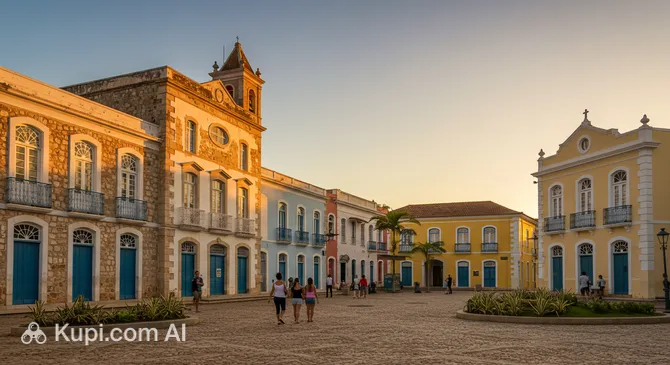
Welcome to Fortaleza, the sun-soaked capital of the state of Ceará and one of the most vibrant destinations in northeastern Brazil. Known for its endless stretches of sandy coastline, lively urban atmosphere, and rich cultural tapestry, this bustling metropolis is a favorite among travelers seeking both relaxation and excitement. With a population of approximately 2.4 million inhabitants, it stands as one of the country's largest and most dynamic cities, offering a perfect blend of modern amenities and traditional charm.

Geographically, the city is blessed with a warm tropical climate that invites visitors year-round, though the refreshing ocean breeze often helps temper the heat. The city's development has been deeply influenced by its strategic coastal location. Visitors interested in how this former colonial outpost transformed into a major tourist hub can delve deeper into the history of Fortaleza, which traces the city's journey from early fortifications to its modern-day prominence.
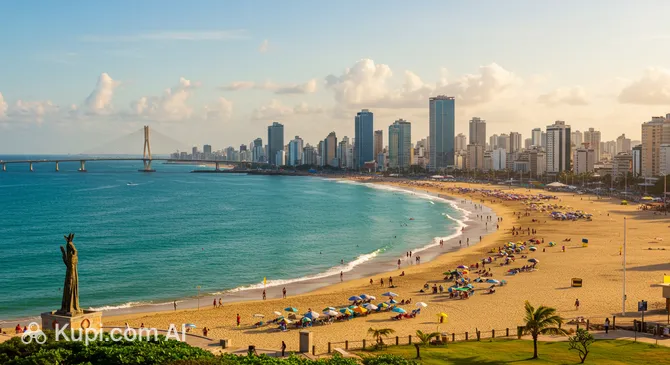
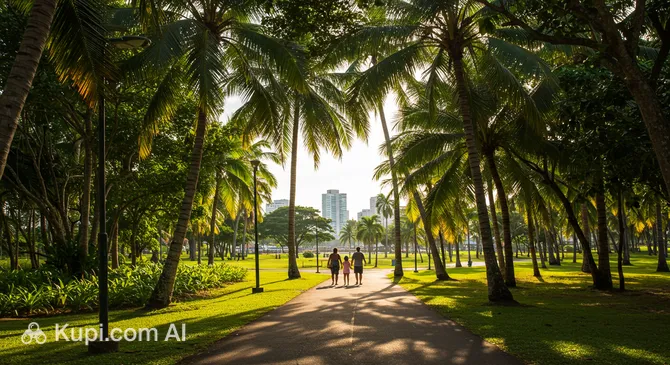
Fortaleza. Source: Kupi.Binoculars

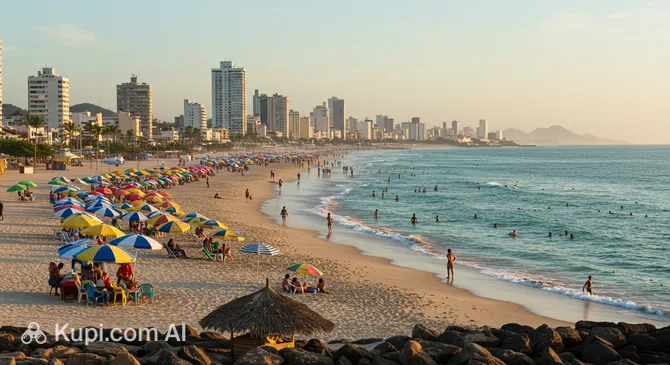
Tourists are drawn to Fortaleza for its diverse array of attractions. The city is famous for its urban beaches, such as Praia de Iracema and Meireles, which are lined with bustling promenades perfect for a scenic evening stroll. For those seeking a cultural experience, the Dragão do Mar Center of Art and Culture is a must-visit complex featuring museums, theaters, and a planetarium. The city is also renowned for Praia do Futuro, a favorite spot for locals and visitors alike, known for its excellent infrastructure and "barracas" (beach huts) serving fresh seafood.

Whether you are looking to enjoy the local cuisine, shop for intricate handmade lace at the central market, or simply relax by the Atlantic Ocean, Fortaleza promises an unforgettable experience. It is a city that pulsates with the rhythm of forró music and the warmth of its welcoming people, making it an ideal destination for your next tropical getaway.
Weather Overview

Fortaleza is known for its consistently warm tropical climate, making it a popular destination for sun-seekers at any time of year. Temperatures remain remarkably stable, with monthly averages fluctuating only slightly between 26.6°C and 27.8°C. Daily highs typically reach around 29°C, while nights stay pleasant with minimums rarely dropping below 24°C.

The city experiences distinct wet and dry periods based on the frequency of rainfall. The first half of the year, particularly from January to May, sees a high number of wet days, peaking in March with rain occurring on up to 30 days of the month. Conversely, the second half of the year is much drier; August through October is especially arid, with rainfall occurring on as few as 1 to 3 days per month. For travelers planning their trip, it is helpful to review the detailed weather in Fortaleza to choose the best season for outdoor activities. Generally, visitors can expect warm conditions year-round, with frequent showers in the early months and long stretches of sunshine later in the year.

Interesting Facts

Beyond the main attractions and bustling beaches, Fortaleza holds many fascinating secrets that reveal its rich history and strategic importance. Here are some unique insights into the character of this vibrant Brazilian capital:

  • A Dutch Foundation: The city's origins are surprisingly international. It began as Fort Schoonenborch, established by the Dutch West India Company in the mid-17th century. When the Portuguese later took control, they renamed the structure the Fortress of Our Lady of the Assumption, and the settlement that grew around it eventually adopted the name "Fortaleza," which simply means "Fortress."

  • First to Freedom: Fortaleza played a heroic role in the abolition of slavery. The state of Ceará abolished slavery four years before the rest of Brazil, largely due to a strike led by a local raft fisherman named Francisco José do Nascimento, also known as "Dragão do Mar" (Sea Dragon). He refused to transport enslaved people to ships, a legacy now celebrated at the Dragão do Mar Center of Art and Culture.

  • An Urban Green Giant: While famous for its blue waters, the city also boasts one of the largest urban parks in Latin America. The Cocó State Park is a massive ecological reserve of mangroves and dunes located right in the middle of the city, covering an area significantly larger than New York's Central Park.

  • The Digital Crossroads: In a surprising modern twist, Fortaleza is one of the most important digital hubs on the planet. Its strategic geographic location makes it the landing point for numerous submarine fiber-optic cables that connect South America to Africa, Europe, and North America, serving as a primary gateway for internet traffic between continents.

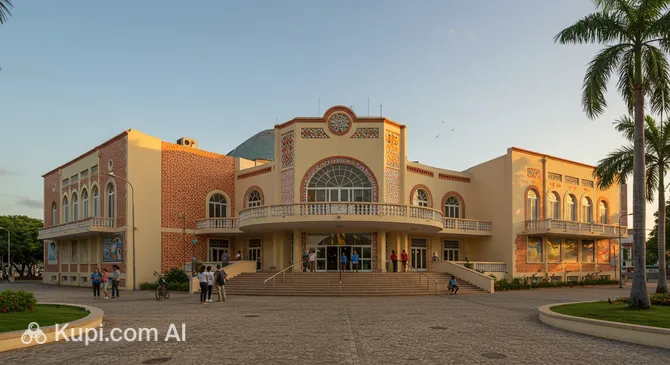
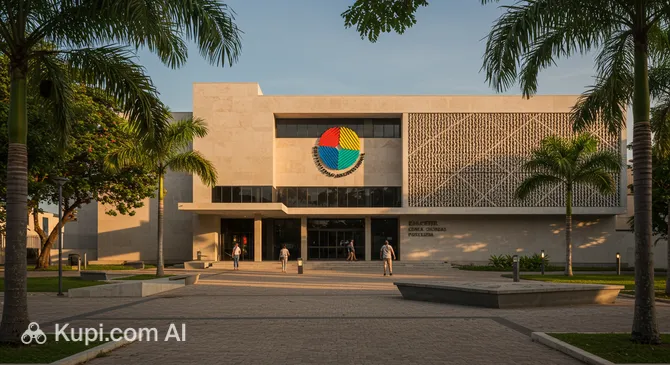
Dragão do Mar Center of Art and Culture. Source: Kupi.Binoculars

How to Get There

Reaching this vibrant coastal metropolis is straightforward, with air travel being the most common and convenient method for the majority of visitors. Whether you are arriving from another Brazilian state or from abroad, the local infrastructure is well-equipped to welcome tourists. For a detailed breakdown of all transport options, including long-distance buses and driving routes, you can read more about how to get to Fortaleza on our dedicated page.

The primary entry point for travelers is Pinto Martins Airport (IATA: FOR), also known as Fortaleza International Airport. It is a modern facility that serves as a major hub for the region, handling a large volume of domestic and international flights annually. Conveniently located within Fortaleza itself, the airport is only about 5 km from the city center. This proximity makes transfers quick and easy; a taxi or ride-share journey to the main hotel districts typically takes around 30 minutes.

For those planning to explore the wider coastline of Ceará, Jericoacoara Airport (IATA: JJD) is another option, though it serves a different purpose. It is located in the municipality of Jericoacoara, approximately 223 km from Fortaleza. This regional airport is much smaller and is primarily used by tourists heading directly to the famous dunes and lagoons of Jericoacoara rather than the capital. If you fly into this airport, be prepared for a significant overland journey if your final destination is Fortaleza.

For clarity, here is a summary of the main airports:

Airport Name City Passenger Traffic Km from City
Pinto Martins Airport Fortaleza Large 4.9
Jericoacoara Jericoacoara Small 222.9

Main Attractions

Fortaleza offers a delightful mix of natural beauty, historical architecture, and bustling markets. Whether you want to soak up the sun on world-class beaches or explore the local culture through handicrafts and cuisine, the city has something for everyone. Here are some of the top places to visit during your stay.

One of the most popular destinations for sun lovers is Praia do Futuro. Unlike the urban beaches closer to the center, this stretch of coastline is famous for its powerful waves and clean water, making it ideal for swimming and surfing. What truly sets it apart, however, is its incredible infrastructure of "barracas"—large beach complexes that offer everything from fresh seafood restaurants and showers to live music and swimming pools.

Praia do Futuro. Source: Kupi.Binoculars

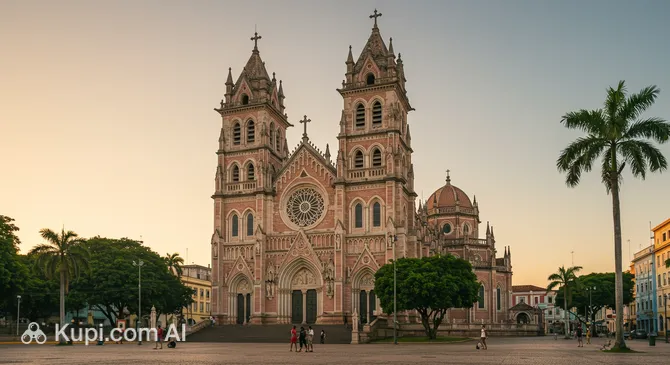
For a touch of architectural grandeur, the Metropolitan Cathedral of Fortaleza is an awe-inspiring sight. Located in the historic center, this massive church is built in a distinctive Gothic-Roman style and can hold thousands of worshippers. Its imposing spires and intricate stained-glass windows make it a peaceful and visually stunning retreat from the busy city streets.

Metropolitan Cathedral of Fortaleza. Source: Kupi.Binoculars

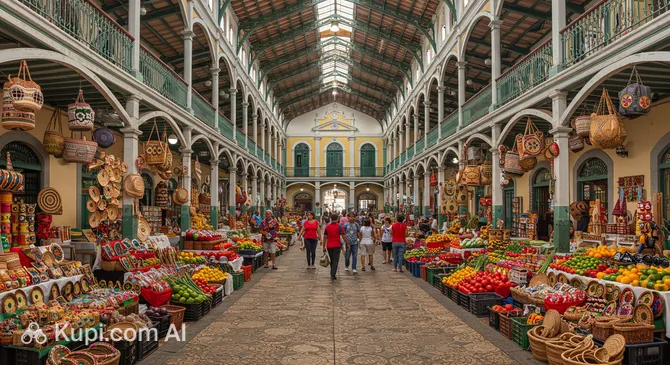
Shoppers and culture enthusiasts should not miss the Fortaleza Central Market. This multi-story complex is the best place to find authentic regional handicrafts, particularly the state's famous intricate lace (renda) and embroidery. With hundreds of stalls, you can also find leather goods, cashew nuts, and local spirits, making it the perfect spot to pick up souvenirs.

Fortaleza Central Market. Source: Kupi.Binoculars

Finally, no trip is complete without a stroll along the Fortaleza Seafront Promenade (Beira Mar). This lively avenue connects the main beaches and serves as the city's social hub. It is especially vibrant at sunset when locals and tourists gather to walk, jog, or visit the famous evening craft market that sets up daily along the shore.

Local Cuisine

The culinary scene in Fortaleza is a vibrant reflection of its geography, blending the rich flavors of the Atlantic Ocean with the rustic traditions of the arid hinterland, known as the sertão. Visitors can expect a gastronomic journey that ranges from fresh seafood caught daily to hearty, savory meat dishes that have sustained the region's people for generations. The city is renowned for its "Thursday Crab Day" (Caranguejada), a weekly tradition where locals and tourists alike gather at beach shacks and restaurants to crack open fresh crabs, usually served with a vinaigrette sauce and flour (farofa).

One of the most iconic dishes you must try is Carne de Sol, heavily salted beef that has been cured in the sun. It is typically served with Baião de Dois, a delicious mixture of rice and string beans cooked with cheese, herbs, and sometimes dried meat. Another local favorite is moqueca cearense, a fish stew that is lighter than its Bahian counterpart but equally flavorful, often made with locally caught fish and vegetables. For a quick and authentic snack, look for tapioca stalls serving crepes made from cassava flour, filled with anything from cheese and coconut to dried meat.

When it comes to beverages, Fortaleza offers an abundance of tropical delights. Since the cashew fruit is native to this region, you will find it in many forms, from fresh juice to the non-alcoholic, amber-colored soda known as Cajuína. For those seeking something stronger, a classic Caipirinha made with local cachaça and exotic fruits like cajá, graviola, or acerola is the perfect accompaniment to a sunset meal.

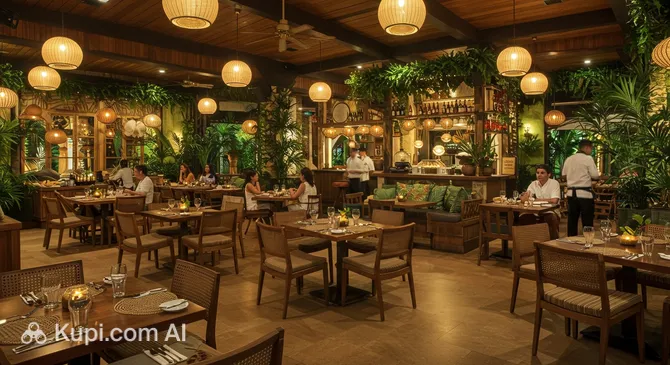
Coco Bambu Meireles. Source: Kupi.Binoculars

The dining culture in Fortaleza is diverse, ranging from casual feet-in-the-sand experiences to upscale dining. The famous beach "barracas" are the go-to spots for lunch, offering extensive menus and a lively atmosphere right by the water. For a more refined evening, Coco Bambu Meireles is a landmark institution famous for its massive portions of shrimp and seafood, making it a favorite for groups and families.

Nightlife and dining often merge along the bustling Beira Mar, where you can find numerous kiosks and restaurants serving local delicacies. If you are looking for a place to enjoy appetizers and drinks in a relaxed setting, Moleska Gastrobar offers a modern twist on pub food, while Tatu Bola Bar & Grill provides a spirited atmosphere with live music and traditional Brazilian grilling.

Travel Tips

To ensure your trip to Fortaleza is as relaxing and enjoyable as possible, a little preparation goes a long way. While the city is famous for its laid-back vibe, knowing the local logistics and customs will help you navigate the capital of Ceará with the confidence of a seasoned traveler.

  1. Clothing and Gear: Given the tropical climate, lightweight and breathable fabrics like cotton or linen are essential. Pack plenty of swimwear, sunglasses, and a wide-brimmed hat to protect against the strong equatorial sun. Comfortable sandals or flip-flops are the footwear of choice for most occasions. Since the ocean breeze can be quite strong, especially in the evenings, a light windbreaker might be useful. Dress codes are generally very casual, even for dinner, though modest attire is respectful if visiting religious sites like the cathedral.

  2. Transportation: The most convenient and safe way for tourists to get around is by using ride-hailing apps like Uber or 99. They are widely available, affordable, and overcome language barriers since you input your destination in advance. Public buses exist but can be crowded and confusing for non-Portuguese speakers. Renting a car is a good option if you plan to explore distant beaches along the coast, but be prepared for somewhat chaotic traffic within the city center.

  3. Finances: The local currency is the Brazilian Real (BRL). Credit and debit cards are accepted almost everywhere, including most beach "barracas" and restaurants. However, it is wise to carry some cash for small purchases at street markets or for tipping. ATMs are easy to find in shopping malls and banks; for safety, avoid using street-side machines at night. A standard service charge of 10% is usually added to restaurant bills, so additional tipping is optional but appreciated for exceptional service.

  4. Health and Safety: Fortaleza is a large metropolis, so standard urban precautions apply. Stick to populated tourist areas like Beira Mar and Meireles, and avoid walking on deserted beaches or unlit streets after dark. Keep expensive electronics and jewelry out of sight to avoid attracting attention. Pharmacies (farmácias) are abundant, and many major chains operate 24/7. Always drink bottled or filtered water to avoid stomach issues.

  5. Communication: The primary language is Portuguese. English is not widely spoken outside of high-end hotels and major tourist agencies, so learning a few basic phrases like "Bom dia" (Good morning) and "Obrigado/a" (Thank you) will be very helpful. It is highly recommended to download a translation app and offline maps before you arrive. Buying a local SIM card or an e-SIM is crucial for staying connected and using navigation or transport apps.

  6. Local Etiquette: Brazilians are generally warm and informal. It is common to greet people with a smile, and a "thumbs up" gesture is a universal sign of approval or agreement. When meeting someone for the first time in a social setting, a handshake or a light kiss on the cheek (usually one or two) is standard. In public, locals are expressive and friendly, so don't be surprised if strangers strike up a conversation.

  7. What to Avoid: Avoid flashing your smartphone openly on street corners or while waiting for a car, as "snatch-and-grab" thefts can occur. Also, do not underestimate the sun; because Fortaleza is close to the equator, UV rays are intense even on cloudy days. Avoid sunbathing between 10 AM and 3 PM without high-factor protection.

  8. Sun Cycle Tip: Be aware that the sun sets relatively early and quickly, typically around 5:30 PM year-round. To make the most of your day, start your activities early in the morning. This is also when the wind is calmer, making it the best time for swimming before the famous afternoon breezes pick up.

By keeping these practical tips in mind, you will be well-equipped to embrace the warmth and energy of Fortaleza. Whether you are bargaining for lace at the market or enjoying fresh coconut water by the sea, a bit of local know-how will make your Brazilian adventure smooth and memorable.

Entertainment & Nightlife

As the sun sets over the Atlantic, Fortaleza transforms into a lively hub of music and celebration. The city's nightlife is fueled by an infectious energy, largely centered around the rhythm of forró, a traditional genre that locals dance to with passion. Unlike many other cities where nightlife is strictly a weekend affair, Fortaleza buzzes throughout the week, with different nights dedicated to specific venues and traditions.

One of the most iconic areas for evening entertainment is the neighborhood surrounding the Dragão do Mar Center of Art and Culture. This bohemian district is packed with restored colonial buildings that now house bars, coffee shops, and clubs. It is the perfect place to start the night, offering a mix of live music venues and open-air tables where friends gather for cold beer and conversation. For a more upscale and cosmopolitan atmosphere, the Varjota district is the gastronomic heart of the city, featuring trendy pubs and sophisticated wine bars that attract a stylish crowd.

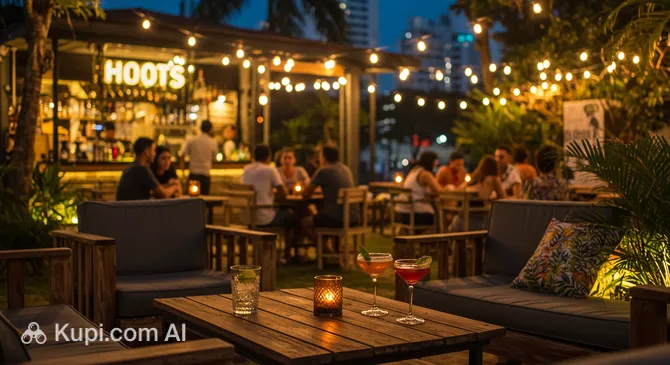
For those seeking a modern pub experience with a vibrant social scene, Hoots Gastropub is a popular choice. It combines a relaxed beer garden atmosphere with a diverse menu, making it an excellent spot for both dining and partying. If you are looking for a venue that captures the spirited energy of Brazilian nightlife with live music and a bustling crowd, 88 Bier Bar offers a fantastic setting to dance and mingle.

Hoots Gastropub. Source: Kupi.Binoculars

Beach clubs are also a significant part of the entertainment landscape here. Sunrise Beach Club is a prime example of a venue that transitions seamlessly from a sunny daytime retreat to an electric evening hotspot, often hosting DJs and parties right by the ocean. It is worth noting that Thursday nights in Fortaleza are legendary for the "Caranguejada" (Crab Night), particularly at the beach shacks along Praia do Futuro, which often host live music shows that last late into the night.

When planning your night out, keep in mind that the action usually starts relatively late. Bars begin to fill up around 9:00 PM, while clubs peak after midnight. The dress code is generally "casual chic"—light fabrics and smart sandals are perfect for the climate, though closed shoes are recommended for nightclubs in Varjota. In terms of safety, it is best to use ride-hailing apps like Uber or registered taxis to move between districts rather than walking, especially late at night.

Beyond the nightlife, Fortaleza offers plenty of daytime entertainment options for families and culture enthusiasts. Visitors can explore the marine life at the Habitat Aquarium or enjoy active fun at Vila Trampolim. For a dive into local heritage, the Museum of Image and Sound of Ceará provides a fascinating look at the region's audiovisual history through immersive exhibitions.

Parks & Museums

While the coastline captures most of the attention, Fortaleza boasts a surprising array of lush green spaces and cultural institutions that preserve its rich heritage. For travelers looking to step away from the sand for a moment, the city's parks and museums offer a refreshing glimpse into local nature, history, and artistic expression.

The city's ecological heart is undoubtedly Cocó State Park. As one of the largest urban parks in Latin America, it protects a vast mangrove ecosystem right in the middle of the metropolis. It is an ideal spot for nature lovers, offering extensive trails for hiking, boat rides along the river, and ample space for picnics under the shade of indigenous trees. For a more manicured and tranquil experience, the Japanese Garden located on the Beira Mar promenade provides a peaceful retreat with its traditional landscaping, small bridges, and ocean views. Another significant green space is Martyrs' Square (Passeio Público), the oldest square in the city, known for its historic Baobab tree and charming colonial atmosphere.

Cocó State Park. Source: Kupi.Binoculars

Fortaleza's museums provide a deep dive into the region's artistic and social history. The Ceará Tourism Center (Emcetur) is a fascinating stop; housed in a 19th-century colonial jail, it now serves as a museum of popular art and culture, as well as a bustling craft market. For photography enthusiasts, the Museum of Photography is a world-class institution holding one of the largest collections in Brazil, featuring works by renowned national and international photographers. Additionally, the UNIFOR Cultural Space, located within the University of Fortaleza campus, regularly hosts high-caliber art exhibitions ranging from classical to contemporary works.

Museum of Photography. Source: Kupi.Binoculars

History buffs will appreciate the city's architectural landmarks that tell the story of its origins. The Fortress of Our Lady of the Assumption marks the spot where the city began and continues to serve as a military headquarters. Nearby, the revitalized Estação das Artes Cultural Complex has transformed an old railway station into a vibrant hub for events and exhibitions, blending historical industrial architecture with modern cultural programming.

For families traveling with children, the Sargento Prata Zoo offers a pleasant day out, focusing on Brazilian fauna and environmental education. As an insider tip, try to visit the museums on weekdays to avoid the weekend crowds, and take a moment to enjoy a quiet coffee in the courtyard of the Ceará Tourism Center to soak in the historic ambiance.

Getting Around

The public transport system in Fortaleza is extensive and primarily relies on a vast network of buses, complemented by a developing metro and light rail system. For tourists, the most relevant rail option is the VLT (Light Rail Vehicle), particularly the Parangaba-Mucuripe line, which connects the airport region to the tourist-heavy Mucuripe area near the coast. The Metrofor (Fortaleza Metro) operates South and West lines, but these are generally more useful for commuters traveling from the suburbs to the city center rather than for visitors exploring the main attractions.

Buses are the backbone of the city's transit, reaching virtually every corner of the municipality. The system is integrated through large terminals (Terminais de Integração), allowing passengers to switch buses without paying a second fare. In addition to standard buses, there are smaller vans known as "topiques" that operate on specific routes. To navigate this network, the Meu Ônibus app is an essential tool, providing real-time arrival estimates and route planning, while Google Maps is also reliable for general directions.

Payment is typically managed through the Bilhete Único card, which can be purchased and recharged at terminals, pharmacies, and authorized newsstands. This card allows for free transfers within a certain time window. While many buses still accept cash payments made directly to a conductor (cobrador) seated near the turnstile, the metro and VLT require a ticket or card to enter the station. A standard single fare is affordable, generally costing around 4.50 BRL, though prices are subject to change.

For a more scenic and active alternative, the city offers an excellent public bike-share system called Bicicletar. These green bikes are stationed throughout the city, especially along the coastline and the Beira Mar promenade. Tourists can use the Bicicletar app to purchase a daily or monthly pass for a nominal fee, making it a fun way to hop between beaches. Taxis are widely available, but ride-sharing apps like Uber and 99 are extremely popular, offering a safe, air-conditioned, and convenient way to get around, often at very competitive rates compared to traditional taxis.

Public transport generally operates from around 5:00 AM to 11:00 PM or midnight. For tourists, it is advisable to use ride-sharing services or taxis during the evening and night hours for safety and comfort. If you plan to use the bus during the day, try to avoid the peak rush hours (early morning and late afternoon) when vehicles can become extremely crowded.

Accommodation

Finding the perfect place to stay in Fortaleza is easy, as the city offers a diverse range of accommodation options to suit every budget and travel style. From towering luxury hotels with ocean views to charming, budget-friendly hostels (known locally as pousadas) and self-catering apartments, the local hospitality sector is well-developed. Whether you are looking for a full-service resort experience or a simple base for your explorations, you will find plenty of choices along the city's sun-drenched coastline.

The most popular areas for tourists are concentrated along the famous Beira Mar avenue, which connects the neighborhoods of Iracema, Meireles, and Mucuripe. Meireles is often considered the best all-around location, offering a safe, upscale environment with easy access to the night market, restaurants, and the beach promenade. Praia de Iracema is ideal for those who want to be close to the city's bohemian nightlife and cultural centers, while Mucuripe offers a more relaxed vibe near the traditional fishing port. For travelers whose priority is purely sun and surf, staying near Praia do Futuro is an option, though it is further from the city center and dining hubs.

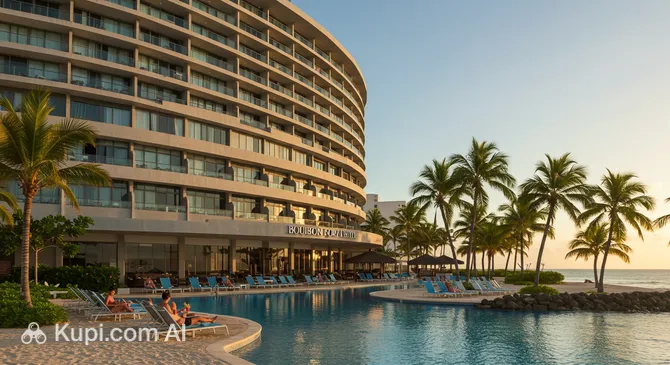
For visitors seeking a comfortable stay with excellent amenities, the Bourbon Fortaleza Hotel is a well-known establishment. Located strategically to provide easy access to the city's main attractions, it is a fine example of the high-quality lodging available in the region.

Bourbon Fortaleza Hotel. Source: Kupi.Binoculars

Prices in Fortaleza are generally competitive compared to other major Brazilian coastal cities. Budget travelers can find dormitory beds or simple rooms at very affordable rates, while mid-range hotels offer great value, often including breakfast. Luxury resorts are available but remain reasonably priced by international standards. It is highly recommended to book your accommodation in advance, especially if you plan to visit during the peak summer months (December to February) or during major holidays like Carnival, when demand surges and prices rise.

Nearby Cities

For those looking to explore the surroundings, Fortaleza serves as an excellent base for day trips to several interesting nearby locations. The region offers a mix of historic towns, adrenaline-pumping coastal activities, and serene mountain retreats just a short drive from the capital.

Aquiraz is a must-visit destination, historically significant as the first capital of Ceará. Today, it is best known for hosting Beach Park, one of the largest and most famous water parks in Latin America, making it a favorite spot for families. To the west lies Caucaia, home to the village of Cumbuco. This area is world-renowned for its strong winds, attracting kitesurfers from around the globe, and offers thrilling buggy rides across its rolling sand dunes. For travelers seeking a break from the coastal heat, Maranguape provides a refreshing escape into the mountains, offering lush green trails and a glimpse into the life of the famous Brazilian comedian Chico Anysio, who was born there.

City Population Distance (km)
Caucaia 368,918 15
Maracanau 209,057 19
Maranguape 113,561 25
Aquiraz 80,935 25
Pacatuba 72,299 22

These nearby destinations offer a glimpse into the diverse culture and landscapes of the region.

Shopping & Souvenirs

Shopping in Fortaleza is a vibrant experience that offers everything from high-end fashion to some of the finest traditional handicrafts in Brazil. The city is widely recognized as a textile hub, particularly famous for its intricate lace production, leather goods, and beachwear. Whether you are looking for modern brands or authentic local treasures, the capital of Ceará provides a diverse array of retail therapy options to suit every taste and budget.

For those interested in clothing and footwear, Avenida Monsenhor Tabosa is a must-visit destination. Located near Iracema Beach, this open-air shopping street is lined with hundreds of boutiques. It is particularly renowned for its vast selection of shoes, bikinis, and summer clothing, often sold at factory prices. Walking down this avenue offers a pleasant mix of window shopping and the chance to find unique fashion pieces that define the colorful local style.

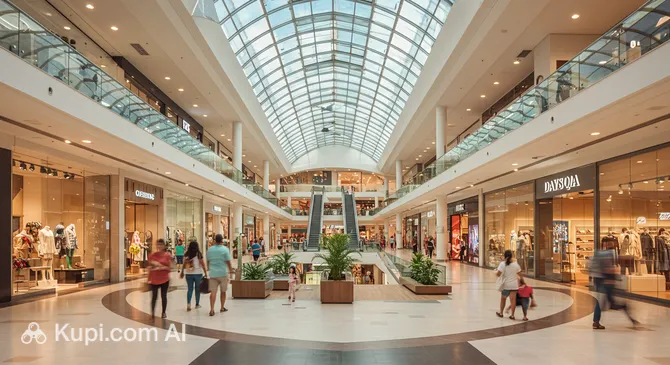
When it comes to modern conveniences and air-conditioned comfort, the city boasts impressive shopping centers. The most iconic is Iguatemi (often referred to as Iguatemi Bosque), a sprawling complex that serves as a major social hub. It features hundreds of national and international stores, a cinema, and extensive food courts. For a more contemporary and architectural experience, the BS Design Corporate Towers complex offers a curated selection of upscale shops and dining options in a visually stunning setting.

Iguatemi. Source: Kupi.Binoculars

However, the true soul of shopping in Fortaleza lies in its traditional markets. The Fortaleza Central Market (Mercado Central) is a massive four-story pavilion housing over 500 stalls. It is the ultimate place to buy the region's famous handicrafts. Another historical gem is the Ceará Tourism Center (Emcetur). Housed in a beautifully restored 19th-century colonial jail, this market allows you to shop for souvenirs in former prison cells that have been converted into charming craft shops, all surrounded by a shady courtyard.

Ceará Tourism Center (Emcetur). Source: Kupi.Binoculars

Every evening, the Fortaleza Seafront Promenade comes alive with the Feirinha da Beira Mar. This open-air night market is a favorite among tourists for a relaxed evening stroll. Here, vendors set up stalls selling embroidered clothes, paintings, jewelry, and local snacks. It is an excellent spot to practice your bargaining skills and pick up gifts while enjoying the ocean breeze.

When looking for souvenirs, the most prized item is undoubtedly renda de bilro (bobbin lace), a delicate and intricate textile art passed down through generations. Other popular items include colorful hammocks (redes), leather sandals, and bags. Foodies should not leave without buying roasted cashew nuts or a bottle of cachaça, the Brazilian sugarcane spirit, which is produced with high quality in the region.

Most shopping malls operate from 10:00 AM to 10:00 PM, Monday through Saturday, with reduced hours on Sundays (usually late afternoon for stores). Street shops typically open from 9:00 AM to 6:00 PM and close on Saturday afternoons and Sundays. Credit and debit cards are widely accepted, even by smaller market vendors, though carrying some cash is useful for small purchases. Tourists should note that Brazil does not currently offer a VAT refund (tax-free) system for international visitors.

Reached the end of the page?

That means the route is fully explored