Support

Crateús

About

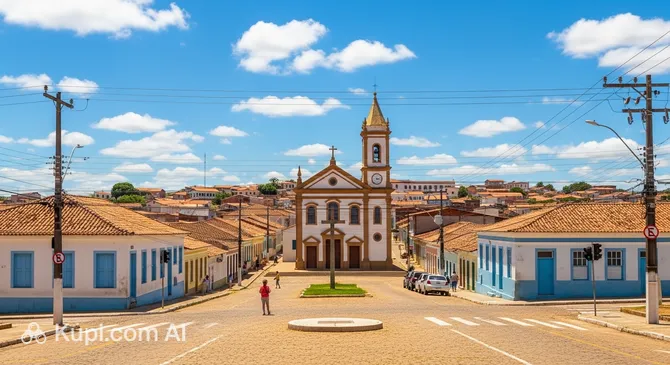
Welcome to Crateús, a prominent city located in the western part of the state of Ceará, Brazil. Situated in the semi-arid region known as the Sertão, this municipality serves as a vital commercial and administrative hub for the surrounding area. With a population of over 70,000 residents, it offers visitors an authentic experience of the rugged beauty and warm hospitality characteristic of the Brazilian Northeast.

The geography of the region is defined by the Poti River (Rio Poti), which flows through the city and shapes the local landscape. The area is dominated by the unique Caatinga biome, featuring distinct flora adapted to the dry climate. For those interested in how this regional center developed over time, exploring the history of Crateús reveals a fascinating journey from early settlements to its current status as a key economic player in the interior of Ceará.

Crateús is also celebrated for its cultural traditions and religious festivities, particularly the celebrations honoring the city's patron, Senhor do Bonfim. Whether you are visiting to explore the natural sights of the Sertão de Crateús or simply passing through, the city provides a genuine glimpse into the daily life and resilient spirit of this captivating part of the country.

Weather Overview

The climate in Crateús is characteristic of the Brazilian semi-arid region, featuring consistently warm temperatures throughout the year and distinct wet and dry seasons. Average monthly temperatures generally range between 26°C and 30°C, making it a destination where lightweight clothing is essential. The heat tends to peak towards the end of the year, with October often seeing maximum temperatures reach around 35.5°C.

Rainfall patterns vary significantly depending on when you visit. The first half of the year, from January through May, constitutes the rainy season, with March being the wettest month in terms of frequency, recording up to 24 wet days. In contrast, the second half of the year is extremely dry; months like August, September, and October typically experience zero wet days, offering clear skies but intense heat. To help plan your activities around the rain and sun, you can consult the detailed guide to the weather in Crateús.

Interesting Facts

Beyond the main attractions and its reputation as a commercial hub, Crateús holds fascinating secrets that reveal the deep historical and natural richness of this region. Uncovering these details offers a more profound appreciation for this dynamic city in the Brazilian hinterland.

  • Ancient Rock Art: The rural areas surrounding the city are home to significant archaeological sites featuring prehistoric rock inscriptions, known locally as itacoatiaras. These ancient carvings provide a mysterious glimpse into the lives of the indigenous tribes that inhabited the Poti River valley long before European colonization.

  • The "Princess of the West": Crateús is affectionately nicknamed the "Princesa do Oeste" (Princess of the West). This title reflects its historical dominance as the primary economic and political center in the western part of the state, a status that was solidified by the arrival of the railway in the early 20th century.

  • A Sanctuary for the Caatinga: The region serves as a gateway to the Serra das Almas Nature Reserve, a vital preservation area recognized for its immense biodiversity. This reserve is one of the few protected areas of the Caatinga biome and shelters rare wildlife, including the endangered three-banded armadillo.

  • Indigenous Etymology: The name "Crateús" is deeply rooted in the native languages of the region, likely of Kariri or Tupi origin. While exact translations vary, the name stands as a linguistic tribute to the indigenous peoples who were the original custodians of this land.

How to Get There

Reaching this destination in the Brazilian interior typically requires a combination of air and road travel. While you can find comprehensive details on how to get to Crateús on our dedicated page, the most common route involves flying into a major regional hub and completing the journey by bus or rental car.

One of the closest major gateways for travelers is Teresina Airport (THE) in the city of Teresina. Located approximately 239 km away, this airport serves as a practical entry point, even though it is situated in the neighboring state of Piauí. The overland journey from here involves crossing state lines and traveling through the scenic hinterlands.

Alternatively, many visitors choose to arrive via Pinto Martins Airport (FOR) in the state capital, Fortaleza. Situated roughly 283 km from Crateús, this international airport offers a wider range of flight connections. Another viable option is the Orlando Bezerra de Menezes Airport (JDO) in Juazeiro do Norte, located about 274 km away. Additionally, the regional airport in Jericoacoara (JJD) is approximately 254 km from the city.

For clarity, here is a summary of the main airports:

Airport Name City Passenger Traffic Km from City
Pinto Martins AirportFortalezaLarge283.3
Teresina AirportTeresinaMedium239.2
Orlando Bezerra de Menezes AirportJuazeiro do NorteMedium273.6
JericoacoaraJericoacoaraSmall253.7

Main Attractions

Visitors to Crateús will find a destination that beautifully balances its rugged natural surroundings with deep-rooted cultural traditions. While the city serves as a commercial hub, its surroundings offer unique opportunities for eco-tourism and exploration of the Brazilian semi-arid landscape.

One of the most important ecological sites in the region is the Serra das Almas Nature Reserve. Located on the border between Ceará and Piauí, this protected area is recognized by UNESCO as an Outpost of the Caatinga Biosphere Reserve. It is a haven for nature lovers, offering well-maintained trails that lead through preserved vegetation where you can spot diverse bird species and possibly the rare three-banded armadillo. The reserve provides an immersive experience into the biodiversity of the Caatinga, making it a must-visit for those interested in environmental conservation.

Another spectacular natural landmark is the Poti River Canyon. This geological formation is created by the river cutting through the Ibiapaba mountain range, resulting in stunning rock walls and scenic views. Beyond its natural beauty, the area is historically significant due to the presence of prehistoric rock engravings, or itacoatiaras, found along the riverbanks. Tourists can explore the canyon to appreciate its raw beauty and connect with the ancient history of the early inhabitants of the valley.

In the city center, the Cathedral of Senhor do Bonfim stands as a central symbol of local faith and architecture. Dedicated to the city's patron saint, this church is not only a place of worship but also the focal point for the city's major religious festivities held in August and September. Its structure and the vibrant atmosphere of the surrounding square offer visitors a glimpse into the spiritual life and community spirit that define Crateús.

For those interested in the city's development, the Old Railway Station represents a crucial chapter in local history. The arrival of the railway in the early 20th century transformed Crateús into a major economic hub. While the trains no longer dominate the landscape as they once did, the legacy of the railway remains an integral part of the city's identity, reminding visitors of the era that earned Crateús the title of "Princess of the West."

Local Cuisine

The local cuisine of Crateús offers a delicious journey into the heart of the Brazilian Sertão. Reflecting the region's cattle-ranching heritage and semi-arid climate, the food here is hearty, flavorful, and unpretentious. Visitors can expect generous portions of dishes that rely heavily on dried meats, native vegetables, and dairy, providing a true taste of the northeastern hinterland.

A culinary staple that every visitor must try is Carne de Sol (sun-dried salted beef), typically served with Baião de Dois. This iconic side dish consists of rice and string beans cooked together with cheese, herbs, and sometimes bits of bacon or dried meat. Another local favorite for those seeking an authentic gastronomic experience is Panelada, a rich stew made from cow's stomach and intestines, seasoned with herbs and peppers. It is traditionally eaten in the morning or for lunch to provide energy for the day.

The region's abundance of tropical fruits influences both its desserts and beverages. You will frequently find sweets and juices made from caju (cashew fruit) and cajá. When it comes to drinks, the non-alcoholic highlight is Cajuína, a golden, clarified carbonated beverage made from cashew apples. It is refreshing, sweet, and deeply ingrained in the culture of Ceará and the neighboring state of Piauí. For something stronger, locally produced cachaça is widely available and often enjoyed as an aperitif.

Dining in Crateús ranges from casual street food to family-run restaurants. The Public Market (Mercado Público) is a vibrant spot where locals gather to eat traditional dishes like cuscuz (corn couscous) and stews at affordable prices. In the evenings, the city's squares come alive with street vendors selling tapioca pancakes filled with cheese, coconut, or meat, as well as espetinhos (meat skewers), making it easy to sample the local flavors in a relaxed, social atmosphere.

Travel Tips

To ensure your visit to Crateús is as enjoyable and smooth as possible, a little preparation goes a long way when venturing into the Brazilian interior. These practical tips are designed to help you navigate the local customs, climate, and logistics of this welcoming city in the Sertão.

  1. Clothing and Gear: Given the semi-arid climate, lightweight and breathable fabrics like cotton or linen are essential to stay cool. A wide-brimmed hat, sunglasses, and high-SPF sunscreen are non-negotiable protections against the strong sun. If you plan to visit the Serra das Almas Nature Reserve, bring sturdy, closed-toe shoes for hiking and long pants to protect against thorny vegetation in the Caatinga.
  2. Transportation: Crateús does not have a metro or tram system. The most common and efficient way to get around for short distances is by using mototaxis (motorcycle taxis), which are widely used by locals and very affordable. Regular taxis are available at specific stands, usually near the city center or bus station. While ride-hailing apps may work, availability can be inconsistent compared to major capitals, so having cash for local transport is advisable.
  3. Finances: The official currency is the Brazilian Real (BRL). While supermarkets and larger restaurants accept credit and debit cards, smaller shops, street vendors, and market stalls often prefer or only accept cash. It is wise to carry small bills for daily expenses. ATMs are available in the city center, primarily at branches of Banco do Brasil, Bradesco, and Caixa.
  4. Health and Safety: Pharmacies are plentiful in the downtown area, and some may offer delivery services. For medical emergencies, the city has a public hospital and private clinics. As in many parts of Brazil, it is best to drink bottled or filtered water rather than tap water to avoid stomach issues. Regarding safety, Crateús is generally calmer than large cities, but it is still prudent to avoid walking in unlit areas at night and to keep expensive electronics out of sight.
  5. Communication: The primary language is Portuguese, and English is not widely spoken outside of specialized tourism services. Downloading a translation app or learning basic phrases like "Obrigado" (Thank you) and "Por favor" (Please) will be incredibly helpful. You can purchase a prepaid SIM card from major carriers like Vivo, TIM, or Claro at local kiosks to stay connected, as Wi-Fi is standard in hotels but may be spotty in public areas.
  6. Local Etiquette: The people of Crateús are known for their warm hospitality. It is polite to greet shopkeepers and people you interact with; a simple "Bom dia" (Good morning) or "Boa tarde" (Good afternoon) is expected. The "thumbs up" gesture is commonly used to say yes, thank you, or that everything is okay.
  7. What to Avoid: Avoid scheduling strenuous outdoor activities between 10:00 AM and 3:00 PM, when the sun is at its peak intensity. The heat in the Sertão can be deceptive, and dehydration can happen quickly. Also, avoid taking photos of residents without asking for permission first, as a sign of respect.
  8. Business Hours: Be aware that many smaller local businesses may close for a lunch break, typically between 12:00 PM and 2:00 PM, to avoid the midday heat. Planning your shopping or errands for the early morning or late afternoon is often more productive and comfortable.

Armed with these tips, you are ready to fully immerse yourself in the unique culture and landscapes of Crateús. Embrace the slower pace of life in the interior, enjoy the local flavors, and you will surely have a memorable experience in the heart of Ceará.

Entertainment & Nightlife

Entertainment in Crateús reflects the city's warm and sociable spirit, offering a nightlife scene that is more about lively gatherings and good conversation than high-energy clubbing. As the sun sets over the Sertão, the atmosphere cools down, and locals head to the streets to enjoy the evening breeze. The nightlife here is centered around open-air squares and casual bars where the sound of forró and sertanejo music fills the air, creating a welcoming environment for visitors to mingle with residents.

The heart of the action can typically be found around the city's main squares, particularly Praça da Matriz and Praça Gentil Cardoso (often referred to by locals as Praça dos Pirulitos). These areas serve as the primary meeting points where friends gather at outdoor tables to share large bottles of cold beer and snacks. For a more spirited night out, BOM BAR CLUBE is a popular venue that combines a pub atmosphere with a club vibe, often hosting live music events and drawing a younger crowd looking to dance. Another local favorite is Arena Bar, known for its relaxed setting and reliable service, making it a great spot to start your evening.

For those seeking a truly authentic experience, Bar Arara Azul is highly regarded by locals for serving some of the coldest beer in town. The dress code in Crateús is generally casual and comfortable; jeans and a t-shirt are perfectly acceptable for almost any venue. Nightlife here tends to pick up after 9:00 PM and can go on until the early hours on weekends. Prices are very reasonable compared to larger cities, with affordable drinks and generous portions of appetizers like espetinhos (meat skewers) available from nearby street vendors.

When it comes to safety and logistics, it is best to stick to the busy, well-lit areas around the central squares. While the city is relatively safe, standard precautions apply. Public transport is scarce at night, so the most convenient way to get around is by using mototaxis, which are ubiquitous and efficient. Make sure to have the number of a local taxi service or arrange a ride beforehand if you plan to stay out late, as ride-hailing apps may have limited availability.

During the day, entertainment shifts towards cultural and historical appreciation. While Crateús is not famous for large amusement parks, visitors can explore the architectural heritage around the Old Railway Station, which stands as a monument to the city's growth. The surrounding area offers a pleasant setting for daytime walks, allowing you to appreciate the local history before the town transforms into its vibrant evening self.

Parks & Museums

For travelers venturing into the heart of the Brazilian Sertão, Crateús offers a fascinating mix of rugged natural beauty and deep-rooted historical heritage. While the city may not boast the traditional large museums found in metropolitan capitals, it compensates with an "open-air museum" of prehistoric art and some of the most significant preserved natural areas in the Caatinga biome. The region invites visitors to trade polished galleries for ancient rock carvings and manicured gardens for wild, protected forests.

The crown jewel of the region's natural attractions is undoubtedly the Serra das Almas Nature Reserve (Reserva Natural Serra das Almas). Recognized by UNESCO as an Outpost of the Caatinga Biosphere Reserve, this private protected area covers over 6,000 hectares and serves as a vital sanctuary for the local ecosystem. It is one of the best places in Ceará to observe the unique flora of the semi-arid region and spot wildlife, including the endangered three-banded armadillo (tatu-bola). The reserve offers several hiking trails, such as the Trilha das Arapucas, which guide visitors through diverse landscapes ranging from dry shrubland to taller forests, providing an immersive educational experience about environmental preservation.

Another spectacular natural site is the Rio Poti Canyon State Park (Parque Estadual do Cânion Cearense do Rio Poti). Created to protect the stunning geological formations where the Poti River cuts through the Ibiapaba mountain range, this park offers breathtaking scenery of towering rock walls and river rapids. Beyond its scenic value, it is a hub for adventure tourism, perfect for kayaking, trekking, and photography. The rugged terrain and the interaction between the river and the dry landscape create a dramatic backdrop that captures the essence of the northeastern wilderness.

Culturally, the city's history is best explored through its archaeological heritage, which effectively functions as an Open-Air Museum of Prehistory. The banks of the Poti River and the canyon area are dotted with archaeological sites featuring itacoatiaras—ancient rock engravings carved by the region's early inhabitants thousands of years ago. These sites, particularly near the district of Oiticica, offer a direct connection to the ancestral past of the Poti Valley, allowing tourists to view mysterious geometric symbols and figures in their original, undisturbed setting.

In the urban center, the Old Railway Station (Estação Ferroviária) stands as a key architectural and historical landmark. Built in the early 20th century, this structure symbolizes the era of economic prosperity that earned Crateús the title "Princess of the West." While it is not a traditional museum with rotating exhibits, the building itself is a monument to the city's development and railway heritage. It often serves as a reference point for local culture and a reminder of the pivotal role the railway played in connecting the interior of Ceará to the rest of Brazil.

For a truly authentic experience, consider hiring a local guide to visit the rural districts where the archaeological inscriptions are most prominent. These lesser-known spots are rarely crowded, offering a quiet and profound encounter with history. Additionally, spending a late afternoon at Praça da Matriz allows you to experience the city's living culture, where the community gathers in a relaxed, park-like atmosphere under the shadow of the cathedral.

Getting Around

Navigating Crateús is relatively straightforward, though the city operates differently from major metropolitan hubs. Visitors should not expect a complex network of metros, trams, or extensive municipal bus lines. Instead, the public transport system is informal and adapted to the needs of a medium-sized city in the Brazilian interior. The city center is compact and walkable, but for longer distances, residents and tourists alike rely primarily on smaller, more agile vehicles.

The most popular and efficient way to move around the city is by using mototaxis (motorcycle taxis). You will see them everywhere, usually identified by drivers wearing numbered vests and riding motorcycles with specific colored plates. They are the backbone of urban mobility in Crateús, offering a fast and inexpensive way to navigate the streets. For those who prefer four wheels, standard taxis are available, typically found at designated stands (pontos de táxi) near the main squares, the bus terminal, and the hospital.

Regarding payment, cash is essential. While digital payments are growing in popularity across the region, mototaxi drivers and many taxi drivers generally prefer or exclusively accept the Brazilian Real (BRL). Mototaxi rides usually have fixed rates depending on the zone or neighborhood you are traveling to, but it is always widely recommended to confirm the price with the driver before hopping on. Ride-hailing apps may be available, but availability can be inconsistent compared to state capitals, so it is wise not to rely on them as your sole method of transport.

For travel between the city center and the rural districts or outlying neighborhoods, you may encounter vans or minibuses, locally often referred to as "topics." These do not follow a strict timetable like a city bus system but generally depart when they have a sufficient number of passengers. They are a viable option if you are planning to visit areas further from the urban core, but for general sightseeing within the city, they are less practical than private transport.

Practical advice for tourists: If you choose to take a mototaxi, ensure that the driver provides you with a helmet, as it is mandatory by law. For safety and convenience, it is best to use mototaxis from official stands or those that are clearly marked. Transport availability decreases significantly late at night, so if you are out in the evening, arrange your return trip in advance or keep the phone number of a local taxi service handy.

Accommodation

Accommodation in Crateús is primarily designed to serve business travelers and visitors exploring the natural beauty of the Sertão. The city does not feature large luxury resorts or international hotel chains; instead, you will find a selection of functional mid-range hotels and family-run guesthouses, known locally as pousadas. These establishments typically offer clean, comfortable, and unpretentious lodging with essential amenities like air conditioning and Wi-Fi, reflecting the practical nature of this regional hub.

The most convenient area to stay is the City Center (Centro). Choosing a hotel in this district places you within walking distance of the main commercial streets, the Cathedral of Senhor do Bonfim, and a variety of dining options. Staying centrally also makes it easier to access transportation services, such as taxi stands and mototaxis, which are essential for getting around. For those arriving by bus, there are also practical lodging options located near the bus terminal, offering quick access for travelers in transit.

When planning your stay, it is important to consider the local calendar. While accommodation is generally easy to find year-round, the city fills up quickly during the Feast of Senhor do Bonfim in August and September. During this period, pilgrims and visitors from neighboring regions flock to Crateús, so booking your room several weeks in advance is highly recommended to secure a spot.

In terms of cost, lodging in Crateús is generally very affordable compared to coastal tourist destinations in Brazil. Prices typically range from budget to mid-range. While larger hotels often appear on major online booking platforms, many smaller pousadas may still rely on direct bookings via phone or messaging apps. It is also a good idea to confirm if your chosen accommodation accepts credit cards, although most established hotels do.

Nearby Cities

For those looking to explore the surroundings, Crateús serves as an excellent base for day trips to several interesting nearby locations:

One of the most inviting destinations for a short visit is Ipueiras, located approximately 70 km away. This town is well-known in the region for the statue of Christ the Redeemer (Cristo Redentor), which stands at a high vantage point offering sweeping panoramic views of the landscape. It is a peaceful spot to appreciate the transition of the vegetation and enjoy a quiet afternoon away from the commercial bustle.

Situated about 100 km to the south, Tauá offers a deeper dive into the history of the Inhamuns region. It is a significant cultural hub, famous for its paleontological heritage and the "Parque da Cidade," a large urban park that serves as a central meeting point for residents. A trip here provides insight into the geological history of the area and the unique traditions of the Ceará hinterland.

Another interesting option is Santa Quitéria, known for its strong religious traditions and lively local commerce. The town centers around the devotion to its patron saint, attracting visitors during religious festivals and offering a genuine look at the faith and community spirit that defines the interior of the state.

City Population Distance (km)
Campo Limpo 80847 53
Tauá 55716 100
Santa Quiteria 42763 109
Pedra Branca 41890 110
Ipueiras 37862 70

These nearby destinations offer a glimpse into the diverse culture and landscapes of the region.

Shopping & Souvenirs

Shopping in Crateús offers a genuine slice of life in the Brazilian interior, serving as the primary commercial hub for the surrounding Sertão region. While you will not find high-end luxury boutiques or sprawling international shopping complexes here, the city provides a vibrant retail experience focused on practical goods, regional handicrafts, and authentic local products. It is the perfect place to observe the daily bustle of the locals and discover items that reflect the unique culture of Ceará.

The heart of the shopping scene is located in the City Center (Centro). This area is a lively maze of streets packed with independent stores, clothing boutiques, shoe shops, and appliance retailers. Walking through the downtown district, particularly around the main squares and the streets near the Cathedral, allows visitors to browse a wide variety of merchandise while soaking in the energetic atmosphere of a busy regional market town.

Unlike major metropolitan areas, Crateús does not feature large-scale shopping malls. Instead, the retail landscape is dominated by street commerce and small shopping galleries (galerias). These compact commercial centers often house a collection of smaller shops and service providers under one roof, offering a cooler and more organized alternative to the busy sidewalks, though they are much more modest than the malls found in capital cities.

For a truly traditional experience, a visit to the Public Market (Mercado Público) is essential. This is where the local culture comes alive, with stalls selling everything from fresh tropical fruits and vegetables to medicinal herbs and regional staples like sun-dried meat (carne de sol) and coalho cheese. It is a sensory experience filled with the colors and scents of the Sertão, and it serves as a major meeting point for residents from both the city and the rural countryside.

When looking for souvenirs, the best items to bring back are those that showcase the region's craftsmanship and culinary heritage. Leather goods, such as sandals, hats, and belts, are iconic to the area's cattle-ranching history. Additionally, local delicacies make excellent gifts; look for bottled butter (manteiga de garrafa), cashew nuts, and traditional sweets made from tropical fruits. Artisanal cachaça produced in the region is another popular choice for those wishing to take home a taste of Brazil.

Standard store opening hours in Crateús are typically from 8:00 AM to 6:00 PM on weekdays, with many shops closing around midday on Saturdays. Sunday is generally a quiet day with most retail businesses closed, except for supermarkets and pharmacies. Regarding payment, major credit and debit cards are widely accepted in established stores and supermarkets. However, if you plan to shop at the Public Market or buy from street vendors, carrying cash (Brazilian Reals) is highly recommended, as small merchants often do not have card machines.

Tax-free shopping or VAT refunds are generally not available for tourists in Crateús. The tax refund systems found in some international travel hubs do not apply to the local retail sector in this municipality, so the price you see on the tag is the final price you will pay.
Reached the end of the page?

That means the route is fully explored