Support

Iguatu

About

Welcome to Iguatu, a vibrant and economically significant municipality located in the state of Ceará. Often referred to as the "Capital of the Center-South," this city serves as a major commercial and service hub for the surrounding region. Situated in the northeastern part of Brazil, Iguatu offers travelers a glimpse into the authentic culture and daily life of the diverse Brazilian interior.

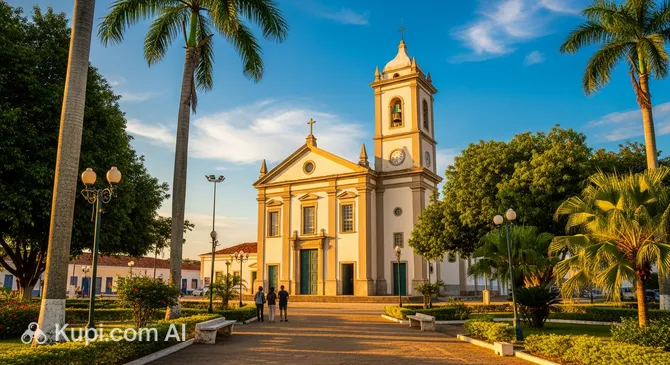
Iguatu. Source: Kupi.Binoculars

Geographically, the city is positioned along the banks of the Jaguaribe River, which plays a crucial role in the local landscape and agriculture. With a population of approximately 96,000 residents, it balances the amenities of a growing urban center with the welcoming atmosphere of a smaller town. The climate here is typically semi-arid and hot, characteristic of the Caatinga biome, making it a sun-drenched destination for most of the year.

Those interested in the past will find that delving into the history of Iguatu reveals a fascinating journey from its origins as a small settlement known as Telha to its current status. The city is culturally renowned as the birthplace of Humberto Teixeira, a famous composer known as the "Doctor of Baião," who co-wrote many classics with Luiz Gonzaga. This musical heritage is a point of great pride for the locals.

Visitors can enjoy pleasant moments at the Lagoa da Bastiana, a large urban lagoon that serves as a popular spot for leisure, walking, and enjoying the sunset. Additionally, the city features charming religious architecture, such as the Church of Senhora Sant'Ana, the city's patron saint. Whether you are passing through on business or exploring the Ceará countryside, Iguatu welcomes you with open arms and warm hospitality.

Weather Overview

Travelers planning a trip should be prepared for a consistently warm climate, as the weather in Iguatu remains hot for most of the year. The city experiences distinct seasonal changes primarily defined by rainfall rather than temperature, with average monthly values generally staying between 26°C and 30°C.

The first half of the year brings the rainy season, particularly from January to April, with March being the wettest month featuring up to 24 days of precipitation. In contrast, the months from August to November are extremely dry, often recording zero wet days. Visitors during October can expect the highest temperatures, with maximums reaching around 36°C, while the coolest nights occur in July, when lows dip to approximately 21.8°C.

Interesting Facts

Beyond its reputation as a commercial hub, Iguatu holds historical quirks and cultural treasures that often surprise visitors. From its humble architectural beginnings to its golden era of agriculture, the city's past is woven with fascinating details that define its unique identity.

  • The "Tile" Landmark: Before adopting its current name, the settlement was widely known as Telha (Tile). This peculiar moniker originated from a single house in the area that featured a tiled roof—a rarity at the time. This distinct structure served as a crucial geographical reference point for drovers and travelers navigating the backlands.

  • Meaning of the Name: The name Iguatu is of indigenous Tupi origin, translating to "good water" (derived from y for water and catu for good). This title is a direct homage to the abundant water resources in the area, particularly the lagoons and the Jaguaribe River, which provided a vital lifeline in the semi-arid landscape.

  • The Capital of Cotton: In the mid-20th century, the city earned the prestigious title of the "Capital of Cotton" (Capital do Algodão). During this period, the cultivation of "white gold" was the driving force of the local economy, and the harvest was often celebrated with festivals that highlighted the municipality's status as a premier agricultural producer in the region.

  • A Musical Shrine: While the city is known as the birthplace of Humberto Teixeira, the "Doctor of Baião," it also hosts a dedicated cultural space in his honor. The Humberto Teixeira Cultural Center preserves the legacy of the composer who, alongside Luiz Gonzaga, popularized the baião rhythm, ensuring his influence on Brazilian music is never forgotten.

How to Get There

Reaching this municipality in the heart of Ceará typically involves a combination of air and ground travel, as the city itself does not host a commercial airport. For a detailed breakdown of routes and transport modes, you can read more about how to get to Iguatu to help plan your journey.

The closest facility for air travelers is Orlando Bezerra de Menezes Airport (JDO), located in the city of Juazeiro do Norte, roughly 95 km from Iguatu. It is a regional hub that receives regular domestic flights. The transfer by taxi or bus from Juazeiro do Norte usually takes approximately 2 hours and 45 minutes. For those arriving from international destinations or major Brazilian capitals, the Pinto Martins Airport (FOR) in Fortaleza is the most significant option. Although it is situated about 298 km away, it handles a large volume of passengers and offers extensive connections. The overland journey from Fortaleza to Iguatu is longer, taking around 7 hours and 45 minutes.

For clarity, here is a summary of the main airports:

Airport Name City Passenger Traffic Km from City
Pinto Martins Airport Fortaleza Large 297.9
Orlando Bezerra de Menezes Airport Juazeiro do Norte Medium 95.1

Since there is no passenger railway service connecting directly to the city, the road network serves as the primary means of arrival. Visitors landing in Fortaleza or Juazeiro do Norte can easily find intercity buses or rent a car to complete the trip. The drive offers a scenic view of the semi-arid landscapes typical of the Brazilian northeast, making the travel time part of the experience.

Main Attractions

Exploring Iguatu offers visitors a delightful mix of historical landmarks, natural beauty, and cultural heritage. The city’s attractions reflect its development from a small settlement to a regional hub, providing interesting spots for sightseeing and leisure. Whether you are interested in architecture or simply want to relax by the water, there are several key places to include in your itinerary.

One of the most iconic symbols of the city is the Ponte Metálica (Metal Bridge) spanning the Jaguaribe River. Inaugurated in 1916, this railway bridge was constructed by British engineers and played a pivotal role in the region's economic growth by connecting the interior to the coast. Its impressive steel structure, featuring two large arches, remains a favorite subject for photography and stands as a testament to the railway era that transformed the local landscape.

For a relaxing break, the Lagoa da Bastiana is the perfect destination. This large urban lagoon is not just a scenic body of water but also a central meeting point for the community. It is an excellent spot for late afternoon walks, jogging, or simply watching the sunset reflect over the calm waters. The area around the lagoon often bustles with activity, offering a glimpse into the social life of the residents.

In the heart of the city stands the Church of Senhora Sant'Ana (Igreja Matriz), dedicated to the patron saint of Iguatu. This religious building is a focal point for the local faith and features traditional architecture that commands the attention of passersby. The square in front of the church is a gathering place for families and hosts various religious festivities throughout the year, making it a vibrant cultural hub.

Music lovers should not miss the chance to learn about the city's most famous son at the Humberto Teixeira Cultural Center or related memorial spaces. As the birthplace of the legendary composer known as the "Doctor of Baião" and partner of Luiz Gonzaga, Iguatu preserves his legacy through exhibits that may include photographs, documents, and recordings. It is a fascinating stop for anyone interested in the roots of traditional Brazilian northeastern music.

Local Cuisine

The culinary scene in Iguatu is a delicious reflection of the Brazilian "Sertão" (hinterland), offering hearty meals that are deeply rooted in the traditions of the Ceará countryside. The local gastronomy is characterized by strong flavors and ingredients sourced from the surrounding land and the Jaguaribe River. Visitors can expect generous portions of comfort food, often prepared with recipes passed down through generations, making every meal a warm introduction to the local culture.

One of the absolute must-try dishes is Baião de Dois, a beloved staple throughout the state but prepared with a special touch in the interior. This mixture of rice and beans (usually green beans) is often enriched with queijo coalho (squeaky cheese), nata (clotted cream), and fresh cilantro. It is frequently served alongside Carne de Sol, salted sun-dried beef that is grilled to perfection. Another regional favorite is Paçoca, but not the sweet kind; here, it is a savory side dish made from crushed dried meat mixed with cassava flour and onions.

Due to the city's proximity to large reservoirs like the Trussu Dam, freshwater fish also plays a significant role in the local diet. Fried Tilapia or Tucunaré are popular choices, often served fresh with a side of salad and farofa. For the more adventurous eater, traditional stews like Panelada (made from cow's stomach) and Buchada (goat's entrails) offer an authentic taste of the rustic cuisine that fuels the hardworking people of the region.

When it comes to drinks, nothing beats the refreshing taste of Cajuína, a non-alcoholic, amber-colored beverage made from cashew apples, which are abundant in the area. It is sweet, light, and perfectly complements the savory local dishes. You will also find a wide variety of fresh fruit juices, such as cajá, graviola, and acerola. For those seeking something stronger, the region produces excellent sugarcane cachaça, which can be enjoyed neat or in a classic caipirinha.

The food culture in Iguatu is best experienced in its lively public squares and family-run restaurants. In the evenings, it is common to see locals gathering at street stalls to enjoy a Pratinho, a small bowl filled with a mix of varied dishes like crème de galinha (chicken cream), vatapá, and rice. This casual dining style is not just about the food but also about socializing, offering tourists a chance to mingle with residents and soak up the friendly atmosphere of this welcoming city.

Travel Tips

Traveling to Iguatu offers a genuine taste of the Brazilian hinterland, but the unique climate and local rhythm require a bit of planning to ensure a smooth trip. To help you navigate the "Capital of the Center-South" with ease and comfort, here are some essential practical tips for your stay.

  1. Clothing and Gear: Given the semi-arid Caatinga climate, the heat can be intense. Pack lightweight, breathable fabrics like cotton or linen to stay cool. A wide-brimmed hat, high-SPF sunscreen, and sunglasses are non-negotiable essentials for protection against the strong sun. Brazil uses Type N power outlets (three round pins) and sometimes Type C, so bring a universal adapter to keep your devices charged.

  2. Transportation: Public transport options like buses are limited within the city itself. The most common and efficient way to get around for short distances is by using mototaxis (motorcycle taxis), which are fast and affordable. Regular taxis are also available, and while ride-hailing apps may operate, availability can vary compared to larger capitals. Renting a car is highly recommended if you plan to visit the surrounding lagoons or the Trussu Dam independently.

  3. Finances: The official currency is the Brazilian Real (BRL). Credit and debit cards are widely accepted in hotels, supermarkets, and established restaurants. However, it is crucial to carry some cash for small purchases, street food vendors, or local markets where digital payments might not be an option. ATMs are available at major bank branches like Banco do Brasil and Bradesco in the city center.

  4. Health and Safety: The dry heat requires constant hydration, so always carry water with you. Do not drink tap water; stick to bottled or filtered water to avoid stomach issues. Pharmacies are plentiful and well-stocked for minor ailments. In terms of safety, Iguatu is generally calmer than big cities, but you should still exercise common sense: avoid unlit areas at night and do not display expensive jewelry or electronics openly in the streets.

  5. Communication: Portuguese is the primary language, and English is rarely spoken outside of high-end hotels or by tourism professionals. It is highly advisable to download a translation app and offline maps before you arrive. Buying a local SIM card (from providers like Vivo, TIM, or Claro) is easy and ensures you have data connectivity, which is vital for navigation and communication via WhatsApp, the most popular messaging app in the country.

  6. Local Etiquette: The people of Ceará are known for their warmth and hospitality. Greetings are important; a simple "Bom dia" (Good morning) or a friendly handshake goes a long way. The "thumbs up" gesture (known as joinha) is universally used to say thank you, agree, or indicate that everything is okay. Don't be surprised if locals are chatty and curious about where you are from.

  7. What to Avoid: Avoid underestimating the sun, especially between 10:00 AM and 3:00 PM. Walking around without protection during these hours can lead to quick dehydration or heatstroke. Also, avoid being impatient; the pace of life in the interior is more relaxed than in major metropolises, so service might take a little longer than you are used to.

  8. Local Insight: Many shops and businesses may close for a break during the hottest part of the day, typically around lunch time, and reopen later in the afternoon. Use this time to rest or enjoy a long, leisurely lunch like the locals do, saving your energy for the cooler late afternoon and evening when the city comes alive again.

By keeping these practicalities in mind, you will be well-prepared to embrace the authentic charm of Iguatu without any hassles. Enjoy the warm hospitality, the delicious regional food, and the beautiful landscapes of the Ceará interior!

Entertainment & Nightlife

Nightlife in Iguatu is a reflection of the city's warm and welcoming spirit, characterized by open-air gatherings and a laid-back atmosphere. Unlike the intense clubbing scenes of major metropolises, the evening entertainment here revolves around lively "barzinhos" (small bars), public squares, and restaurants that turn into social hubs after dark. The climate remains pleasant well into the night, encouraging locals and visitors to sit outside, enjoy cold drinks, and listen to live music, which often features popular Brazilian genres like forró, sertanejo, and MPB (Musica Popular Brasileira).

The heart of the action can typically be found in the city center and around the main plazas. Praça da Matriz and the areas surrounding Praça das Crianças are popular meeting points where families and groups of friends gather. On weekends, these spots buzz with activity, with street vendors selling snacks and local bars setting up tables on the sidewalks. It is an unpretentious environment where the dress code is casual; light clothing, such as shorts and t-shirts, is perfectly acceptable and even recommended due to the heat.

For those looking for specific places to enjoy a drink and some local flavor, Boteco do Léo is a well-known spot. It is famous for its vibrant atmosphere and is an excellent place to try regional appetizers like carne de sol (sun-dried beef) accompanied by a refreshing caipirinha. If you prefer a more pub-like vibe with the chance of catching a DJ or a live band performance, InBraza Pub is another venue that draws a younger crowd looking to dance or enjoy a more energetic night out. Additionally, Bar do Seu Zé offers a cozy setting for those who appreciate craft beers and a friendly chat with the locals.

Practicality is key when planning your evening. The nightlife in Iguatu usually starts to pick up around 8:00 PM or 9:00 PM and can go on until past midnight on weekends. Prices are generally very affordable compared to coastal cities. To get around, mototaxis are the most common and efficient mode of transport. They are readily available and inexpensive, but you can also find regular taxis at designated stands near the main squares. Walking is safe in the busy central areas, but it is advisable to take a vehicle if you are returning to your accommodation late at night or venturing into quieter neighborhoods.

While the nights are for socializing, daytime entertainment in Iguatu offers a mix of culture and leisure. Visitors can explore the local history at the Humberto Teixeira Cultural Center, dedicated to the famous composer, or enjoy a relaxing afternoon at the city's lagoons. Whether day or night, the city offers a genuine slice of life in the interior of Ceará, where hospitality is always the main attraction.

Parks & Museums

Immersing yourself in Iguatu means experiencing a city where nature and culture are deeply intertwined with the history of the Brazilian Northeast. While it is not a metropolis filled with vast botanical gardens, the city offers charming green spaces centered around its water resources, alongside cultural venues that celebrate its rich musical and artistic heritage.

The most prominent natural attraction within the urban area is Lagoa da Bastiana. This expansive lagoon acts as the city's main recreational lung, offering a refreshing escape from the semi-arid heat. It is an ideal spot for visitors who enjoy outdoor activities, featuring walking paths and spaces for physical exercise. The lagoon is particularly magical at sunset, when the fading light reflects off the water, creating a picturesque setting that draws families and photographers alike.

For a more rugged natural experience, the Trussu Dam (Açude Trussu) is a must-visit location situated a short drive from the city center. As one of the largest reservoirs in the state of Ceará, it is a vital water source that has transformed into a leisure hub. Tourists and locals flock here to swim, take boat rides, or simply relax by the water's edge. The surrounding area is dotted with small eateries serving fresh fish, making it a perfect destination for a day trip combining nature and gastronomy.

Culturally, the city takes immense pride in its musical roots, best explored at the Memorial Humberto Teixeira. This space is dedicated to the life and work of the legendary composer known as the "Doctor of Baião." Visitors can view a collection of personal items, photographs, and documents that tell the story of his partnership with Luiz Gonzaga and their role in popularizing Northeastern music. It is a fascinating stop for anyone wishing to understand the rhythmic soul of the region.

Another significant venue is the Cine Teatro Iguatu. As a hub for the performing arts, this theater hosts a variety of events ranging from plays and musical performances to film screenings. The building itself is a testament to the city's commitment to the arts, providing a modern space for local artists to showcase their talent. Checking the local schedule for a show here offers a great opportunity to engage with the contemporary cultural scene of the municipality.

History enthusiasts will appreciate the Ponte Metálica (Metal Bridge), an architectural landmark that dates back to the early 20th century. Built by British engineers for the railway, its imposing steel arches spanning the Jaguaribe River are a symbol of the city's economic development. Nearby, the Igreja Matriz de Senhora Sant'Ana stands as a beacon of faith and colonial-influenced architecture, anchoring the historic center with its peaceful ambiance.

For a truly authentic experience, try to visit the Praça da Matriz in the early evening. This isn't just a square; it's the living room of the city where the community gathers. Grab a seat on a bench, enjoy a local snack from a street vendor, and watch the world go by to feel the genuine pulse of daily life in the Brazilian interior.

Getting Around

The public transport system in Iguatu is relatively modest and straightforward, designed to meet the needs of a medium-sized municipality rather than a bustling metropolis. There is no metro, tram, or passenger train network within the urban area. Instead, the city relies entirely on road-based transportation, with a mix of collective vehicles and personalized services facilitating movement across the neighborhoods and into the rural districts.

For collective travel, the most common options are buses and privately operated minibuses or vans, often referred to locally as "topiques." These vehicles cover the main routes connecting the city center to residential areas. While they are an affordable way to get around, stops are not always clearly marked with signage. It is common practice to flag down a van along the main avenues or ask locals for the nearest boarding point. Schedules can be somewhat flexible, so patience is often required.

A distinctive and extremely popular mode of transport in the city is the mototaxi. Due to the warm climate and the city's layout, these motorcycle taxis provide a fast, breezy, and inexpensive way to navigate the streets. You can easily spot them by the drivers' uniformed vests and at designated stands (pontos) located throughout the city. For solo travelers, this is often the most efficient option, though it is strictly limited to one passenger per motorcycle.

The payment system is overwhelmingly cash-based. There are no complex electronic travel cards, zoning systems, or mobile ticketing apps for the local buses or vans. Passengers simply pay the fare directly to the driver or conductor upon boarding. Similarly, mototaxis and standard taxis require cash payment at the end of the ride. It is highly advisable to carry small bills and coins, as drivers frequently run short on change for larger banknotes.

For those seeking more comfort or traveling in groups, traditional taxis are available at specific stands, particularly near the bus terminal, hospital, and major public squares. Ride-hailing apps do operate in the region, but the fleet size is smaller than in major capitals, meaning wait times can be longer, especially during off-peak hours. Renting a car remains a solid alternative for visitors who wish to explore the outskirts, such as the Trussu Dam, with greater independence.

Tourists should keep in mind that the frequency of public transport drops significantly during the evening and on weekends. If you plan to stay out late, it is wise to have the phone number of a reliable taxi service or arrange your return transport in advance. When using a mototaxi, always ensure the driver provides a helmet—it is a mandatory safety requirement. Additionally, for unmetered rides or mototaxis, it is a good practice to confirm the price with the driver before starting the journey.

Accommodation

Finding a place to stay in Iguatu is a straightforward experience, with options that reflect the city's status as a regional commercial hub rather than a mass tourism destination. Travelers will not find sprawling luxury resorts or all-inclusive beach complexes here. Instead, the accommodation landscape is dominated by functional mid-range hotels designed for business travelers and cozy, family-run guesthouses known locally as pousadas. These establishments typically offer clean, comfortable, and unpretentious lodging with essential amenities like air conditioning—a must-have in the semi-arid heat.

The most convenient area for visitors to base themselves is the city center (Centro). Staying in this district places you within walking distance of the main commercial streets, banks, and the lively public squares where the local nightlife unfolds. Being in the center also ensures easy access to restaurants, snack bars, and taxi stands, making it the most practical choice for those without a rental car. There are also a few options located along the main access roads (CE-060), which are suitable for travelers passing through who prefer quick highway access.

When it comes to costs, accommodation in Iguatu is generally very affordable compared to Brazil's coastal capitals. Most properties fall into the budget to mid-range price categories. While the larger hotels are listed on major international booking platforms, many smaller pousadas may not have a significant online presence. In such cases, booking is often done directly via phone or messaging apps like WhatsApp, which is standard practice in the region.

Booking Tip: Although room availability is usually good throughout the year, the city can get busy during major local events. If you are planning to visit during the traditional São João festivities in June or the feast of the patron saint in July, it is highly recommended to book your room several weeks in advance to secure the best spots.

Nearby Cities

For those looking to explore the surroundings, Iguatu serves as an excellent base for day trips to several interesting nearby locations that highlight the rich heritage of the Ceará hinterland.

History enthusiasts should consider a visit to Ico, located approximately 49 km away. This city is a historical treasure of the state, famous for its well-preserved colonial architecture dating back to the 18th century. Highlights include the Teatro da Ribeira dos Icós, the oldest theater in Ceará, and grand mansions that reflect the prosperous era of the cattle cycle.

For a quick and convenient trip, Acopiara is situated just 34 km from Iguatu. Known as the "Land of the Farmer," this town offers an authentic glimpse into the rural life and agricultural traditions of the region. It is also recognized for its vibrant cultural festivals and warm hospitality, making it a welcoming stop for visitors.

Another delightful destination is Varzea Alegre, about 48 km away. Often called the "City of Contrasts," it is celebrated for its scenic landscapes and strong musical heritage, particularly the tradition of the sanfona (accordion). The town's joyful atmosphere makes it a pleasant spot for a relaxing afternoon excursion.

City Population Distance (km)
Ico 65,456 49
Acopiara 53,135 34
Mombaca 42,690 77
Varzea Alegre 38,434 48
Lavras da Mangabeira 31,090 57

These nearby destinations offer a broader perspective on the diverse culture and landscapes that define this part of Brazil.

Shopping & Souvenirs

Shopping in Iguatu offers a practical and authentic experience that reflects its status as the commercial hub of the Center-South region of Ceará. While you will not find the massive luxury complexes typical of major capitals, the city provides a vibrant retail environment where visitors can find everything from modern clothing and electronics to traditional regional products. The shopping scene here is less about international brands and more about immersing yourself in the daily life of the Brazilian interior, offering a great opportunity to purchase goods at affordable prices.

The heartbeat of the city's commerce is located in the Centro (City Center). This bustling district is packed with a wide variety of stores lining the streets, particularly along Rua Floriano Peixoto and its intersecting avenues. This area serves as an open-air mall where locals from Iguatu and neighboring towns come to shop. Here, you can wander through department stores, shoe shops, and small boutiques selling fashion that suits the hot climate. The atmosphere is lively, with music often playing from storefronts and vendors showcasing their wares on the sidewalks.

For those looking for a more enclosed shopping environment, the city is home to Shopping Iguatu. Although smaller in scale compared to the mega-malls of Fortaleza, it serves as a convenient spot for leisure and retail. It typically features a selection of clothing stores, a food court, and sometimes entertainment options like a cinema. It provides a comfortable, air-conditioned escape from the midday sun, making it a popular meeting place for residents.

To experience the true flavor of the region, a visit to the Mercado Público (Public Market) is essential. This is where the local culture shines brightest. The market is a sensory overload of colors and smells, offering fresh tropical fruits, vegetables, and regional meats. It is also the best place to find traditional "Sertão" products, such as blocks of rapadura (unrefined cane sugar), bottles of manteiga da terra (clarified butter), and the famous queijo coalho. The market is not just a place to buy food; it is a social hub where you can interact with friendly stall owners.

When searching for souvenirs, focus on items that represent the craftsmanship and culinary traditions of Ceará. Leather goods, such as hats, sandals, and bags, are high-quality and deeply connected to the local vaqueiro (cowboy) culture. Hammocks (redes) are another excellent buy; often handmade with intricate fringes, they are a staple in local homes and make for a beautiful, functional gift. Additionally, bringing home a bottle of Cajuína (a non-alcoholic cashew drink) or locally produced honey is a great way to share the taste of Iguatu with friends back home.

Most street shops in Iguatu operate from 8:00 AM to 6:00 PM on weekdays, with a break for lunch often observed by smaller independent stores. On Saturdays, commerce is busy in the morning but tends to wind down by 1:00 PM. While major supermarkets and department stores accept credit and debit cards, cash is still king in the Mercado Público and with smaller street vendors. It is advisable to carry some Brazilian Reais (BRL) for small purchases and bargaining.

Tourists should note that tax-free shopping or VAT refund schemes are generally not available in Iguatu. The tax refund system in Brazil is limited and typically does not apply to standard purchases made in interior cities. Therefore, the price you see on the tag is the final price you will pay.
Reached the end of the page?

That means the route is fully explored