Support

Patos

About

Welcome to Patos, a vibrant and sun-drenched city located in the state of Paraíba. Often referred to as the "Capital of the Sertão," this bustling regional hub offers visitors a unique glimpse into the authentic culture and spirit of northeastern Brazil. With a population of approximately 106,000 inhabitants, Patos serves as an important commercial and educational center, characterized by its lively atmosphere and the welcoming nature of its people.

Geographically, the city is situated in the heart of the semi-arid backlands, surrounded by the distinctive vegetation of the Caatinga biome. Travelers should be prepared for a warm climate, as Patos is known for its high temperatures and abundant sunshine throughout the year. This sunny disposition perfectly matches the energetic vibe of the city, particularly during its famous festivals.
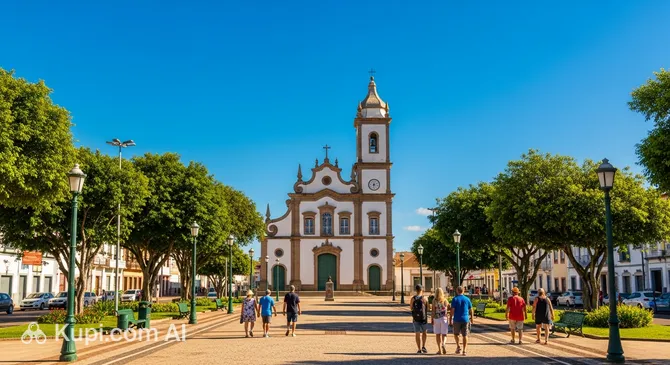
Patos. Source: Kupi.Binoculars

The city has evolved significantly over the years, transforming from a small settlement near a lagoon into a thriving urban center. Those interested in how this transformation unfolded can delve deeper into the history of Patos, which reflects the resilience and rich traditions of the sertanejo people. The city's heritage is visible in its architecture and the enduring customs of its residents.

One of the main reasons tourists flock to Patos is its renowned São João festival. Celebrated in June, this event is considered one of the best and most traditional June festivals in the country, featuring music, dance, and local cuisine. Beyond the festivities, visitors can admire the beautiful Cathedral of Nossa Senhora da Guia, a striking religious landmark, or visit the Cruz da Menina Religious Park, a site of great spiritual significance and pilgrimage in the region.

Whether you are drawn by the promise of vibrant cultural festivals or the stark beauty of the Brazilian interior, Patos offers a memorable experience. We invite you to explore its streets, taste the local flavors, and enjoy the unparalleled hospitality of the "Capital of the Sertão."

Weather Overview

Patos is well-known for its semi-arid tropical climate, characterized by intense heat and abundant sunshine throughout the year. Visitors should expect consistently high temperatures, with the hottest conditions typically occurring between October and January. During these months, average temperatures hover around 29°C, and daily maximums can soar up to 35.7°C, making sun protection essential for any outdoor activities.

The "winter" months of June and July offer a slight relief, though the weather remains warm with average temperatures around 26°C and minimums staying above 20°C. Rainfall is generally sparse; the period from August to October is extremely dry with virtually zero precipitation. Conversely, the early part of the year, particularly March, sees the highest frequency of wet days, although the overall rainfall volume remains low. For a more detailed outlook to help you pack, you can check the current weather in Patos before your trip.

Interesting Facts

Beyond its reputation as a busy commercial hub, Patos holds several fascinating secrets and stories that are deeply woven into its local identity. From curious geographical origins to spiritual legends, the city offers much more than meets the eye.

  • The Origin of the Name: You might wonder why a city in the semi-arid interior is named "Patos," which translates to "Ducks." The name actually traces back to the 18th century and a large lagoon, now filled in, that was located near the Espinharas River. Early settlers reported that this body of water was surprisingly abundant with wild ducks and waterfowl, a stark contrast to the dry landscape seen today.

  • The "Home of the Sun": Patos is affectionately nicknamed "A Morada do Sol" (The Sun's Residence). While this poetic title highlights the city's consistently high temperatures—often ranking among the hottest in Brazil—it also reflects the warmth and energy of its people. The local culture has fully embraced this solar identity, which influences everything from city symbols to the timing of daily activities.

  • The Legend of Cruz da Menina: One of the most visited sites in the city is the Parque Religioso Cruz da Menina, a sanctuary born from a tragic local history. It is dedicated to the memory of a young girl named Francisca, who died in the 1920s. Over the decades, she became a folk saint, with thousands of pilgrims visiting her shrine annually to pay respects and attribute miracles to her intercession.

  • Official Capital Status: While locals have long considered their city the most important in the region, Patos was officially recognized by state law as the "Capital of the Sertão" of Paraíba only recently. This title acknowledges its vital role as a hub for health, education, and commerce, serving not just the city's residents but a network of over 70 surrounding municipalities.

How to Get There

Reaching the "Capital of the Sertão" typically involves a journey through the scenic landscapes of Paraíba, as the city is located in the interior of the state. While there are no direct commercial flights landing within the city limits, travelers can fly into major hubs in neighboring cities and complete the trip by ground transport. For a comprehensive guide on all available transport options, including driving directions and bus companies, you can read more about how to get to Patos.

The city of Patos does not have its own airport for regular commercial flights, but you can fly into Joao Suassuna Airport (IATA: CPV) in the city of Campina Grande, which is the closest option, located about 155 km from Patos. The drive from Campina Grande takes approximately 2.5 to 3 hours by taxi or bus. For those arriving from international destinations or seeking more flight connections, the Guararapes-Gilberto Freyre International Airport (IATA: REC) in Recife is a major hub. Although it is situated in the city of Recife, roughly 287 km away, it offers a wider range of flights. The overland journey from Recife to Patos generally takes around 4 to 5 hours. Alternatively, the Presidente Castro Pinto International Airport (IATA: JPA) in Joao Pessoa is another viable entry point, located approximately 257 km away.

For clarity, here is a summary of the main airports serving the region:

Airport Name City Passenger Traffic Km from City
Guararapes-Gilberto Freyre International Airport Recife Large 286.9
Governador Aluízio Alves International Airport Natal Medium 252.4
Presidente Castro Pinto International Airport Joao Pessoa Medium 257.4
Orlando Bezerra de Menezes Airport Juazeiro do Norte Small 221.3
Joao Suassuna Airport Campina Grande Small 154.9

Regarding rail travel, Patos is not currently served by passenger railway stations. The railway infrastructure in this part of Brazil is primarily used for freight or is no longer in operation for regular passenger service. Visitors are advised to rely on the extensive network of intercity buses or rent a car to navigate between the coastal capitals and the interior.

Main Attractions

Patos is a city where faith, culture, and history converge, offering visitors a distinct experience of the Brazilian interior. While it is famous for its lively festivals, the city also possesses permanent landmarks that reflect the deep-rooted traditions and the daily life of its residents. Here are some of the key places to visit during your stay.

Cathedral of Nossa Senhora da Guia
Located in the heart of the city, this cathedral is one of the most significant architectural landmarks in Patos. Dedicated to the patron saint of the city, the building stands out for its imposing structure and beautiful interior details, including intricate religious art and stained glass. It is a peaceful retreat from the bustling city streets and offers tourists a chance to admire the religious heritage that is central to the local community's identity.

Cruz da Menina Religious Park
This sanctuary is perhaps the most moving and spiritually significant site in the region. Situated just outside the main urban area, it is dedicated to the memory of Francisca, a young girl whose tragic story in the 1920s turned her into a folk saint. The park attracts thousands of pilgrims who come to pay their respects and leave ex-voto offerings. For tourists, it provides a fascinating, albeit somber, insight into the popular Catholicism and mysticism of the Brazilian Northeast.

Fundação Ernani Sátyro
For those interested in history and literature, a visit to this cultural foundation is essential. Housed in the former residence of Ernani Sátyro, a prominent politician and writer from Patos, the museum preserves the colonial-style architecture of the house along with personal belongings, a vast library, and historical documents. It serves as a guardian of the city's memory, offering a glimpse into the lifestyle of the local elite in the 20th century.

Terreiro do Forró
While it comes fully alive only during the June festivals, the Terreiro do Forró remains a symbol of the city's title as the "Capital of the Sertão." This vast event space covers nearly three hectares and is the epicenter of the famous São João de Patos. Visiting the site gives travelers a sense of the scale of the celebrations that define the city's cultural calendar, representing the joy and musical tradition of the region.

Local Cuisine

The local cuisine of Patos is a proud reflection of its location in the heart of the Brazilian Sertão. Gastronomy here is defined by "comida sertaneja" (backcountry food)—hearty, flavorful dishes designed to provide sustenance in a semi-arid climate. The ingredients are locally sourced, relying heavily on goat meat, sun-dried beef, cassava, corn, and artisanal cheese. For visitors, dining in Patos is an opportunity to taste the authentic soul of the Northeast.

One of the absolute must-try dishes is Carne de Sol. This salted, sun-cured beef is a regional staple, typically served grilled with a side of macaxeira (boiled or fried cassava) and doused in manteiga da terra, a rich, clarified bottled butter that is ubiquitous in Paraíba. Another iconic delicacy is Buchada de Bode. While it might be for the more adventurous eater, this stew made from goat innards seasoned with herbs and spices is a culinary symbol of the region and is prepared with great pride by local cooks.

For a comforting meal, look for Rubacão, a creamy and savory dish specific to Paraíba. It is a mixture of rice, green beans (feijão verde), jerky (charque), and coalho cheese, often cooked with cream or milk to achieve a risotto-like consistency. Given the city's fame for its June festivals, corn-based treats are also available year-round but peak during the harvest; be sure to try pamonha (corn paste wrapped in husks) and canjica (a sweet corn pudding).

To combat the intense heat of the "Home of the Sun," locals turn to refreshing fruit juices. The region is rich in tropical fruits, and you will find excellent fresh juices made from cajá, acerola, and graviola (soursop). For those seeking alcoholic beverages, the local cachaça is the drink of choice. It is often enjoyed pure or mixed into a classic caipirinha, serving as the perfect accompaniment to heavy meat dishes.

The food culture in Patos is casual and welcoming. The best places to experience authentic flavors are often the simplest. The Mercado Público (Public Market) is a hub of activity where you can find traditional breakfasts and affordable lunches amidst the bustle of daily life. In the evenings, the city's squares come alive with street food vendors selling skewers (espetinhos) and tapioca pancakes, offering a relaxed environment where tourists can mingle with locals over a good meal.

Travel Tips

Planning a trip to Patos means preparing for the intense warmth of the Brazilian hinterland and the equally warm hospitality of its people. To help you navigate the "Capital of the Sertão" with ease and confidence, here is a collection of practical advice designed to make your stay as comfortable and enjoyable as possible.

  1. Dress for the Heat: Patos is famously known as the "Home of the Sun," so packing appropriate clothing is crucial. Bring lightweight, breathable fabrics like cotton or linen to stay cool. A wide-brimmed hat, high-quality sunglasses, and strong sunscreen are non-negotiable accessories for protection against the intense UV rays. If you plan to visit religious sites like the Cathedral, remember to dress modestly, covering shoulders and knees.

  2. Getting Around: Public transportation in the city consists primarily of buses, but they may not always adhere to strict schedules. For short distances, mototáxis (motorcycle taxis) are a very popular, affordable, and efficient way to navigate the local streets, just be sure to ask for a helmet. If you want to explore the surrounding region or value air-conditioning, renting a car is highly recommended.

  3. Handling Finances: The official currency is the Brazilian Real (BRL). While major supermarkets, hotels, and restaurants accept credit and debit cards, cash is king in smaller shops and the public market. It is wise to carry small bills for purchasing street food or paying for transport. ATMs are available in the city center, but it is best to withdraw money during daylight hours for safety.

  4. Stay Hydrated and Safe: Due to the dry and hot climate, dehydration is a real risk. Always carry a bottle of water with you and avoid drinking tap water; stick to bottled or filtered water. Pharmacies are plentiful in the city center, and some major chains operate 24/7 if you need minor medical supplies. Patos is generally safer than large state capitals, but you should still exercise common sense: keep valuables out of sight and avoid poorly lit areas at night.

  5. Language Barrier: Portuguese is the primary language, and English is not widely spoken outside of high-end hotels or specific tourist services. It is highly beneficial to learn a few basic phrases like "Bom dia" (Good morning) and "Obrigado" (Thank you). Downloading an offline translation app and an offline map on your phone will be incredibly useful for daily interactions.

  6. Social Etiquette: The people of Brazil's northeast are known for their friendliness. Greetings are often warm, involving a handshake or even a hug once you get to know someone. When entering a shop or boarding a bus, a simple greeting to those around you is considered polite. Service is generally relaxed, so patience is a virtue here.

  7. Respect the Midday Sun: One specific thing to avoid is planning strenuous outdoor activities between 12:00 PM and 3:00 PM. The heat during these hours can be oppressive and dangerous for those not acclimatized. Follow the local custom: use this time for a long lunch or a rest indoors, and venture out again when the sun begins to lower.

  8. Local Business Hours: Be aware that many smaller businesses and local shops may close for a lunch break, typically from 12:00 PM to 2:00 PM, to escape the peak heat. However, the city comes alive in the late afternoon and evening, with squares and eateries staying open late into the night, enjoying the cooler breeze.

By keeping these tips in mind, you will be well-equipped to handle the unique climate and culture of Patos. Embrace the slower pace of life, respect the local customs, and you are sure to have a memorable adventure in the heart of Paraíba.

Entertainment & Nightlife

As the sun sets and the intense heat of the day begins to fade, Patos transforms into a lively hub of social activity. The nightlife here is driven by a vibrant mix of university students and locals who take advantage of the cooler evening temperatures to socialize outdoors. The atmosphere is predominantly casual and welcoming, with a strong emphasis on open-air seating, cold drinks, and regional music.

One of the most popular areas to experience the local vibe is the Orla de Patos (the waterfront promenade around the Açude Grande). This scenic spot is perfect for an evening stroll and is lined with kiosks and bars where friends gather to chat. For a more bustling scene, the streets surrounding the Guedes Shopping center and the downtown squares often feature live music and a concentration of dining spots that stay open late.

If you are looking for specific places to enjoy the night, the city offers diverse options ranging from traditional pubs to modern lounges. Bar do Cido is a local favorite known for its authentic "boteco" feel, serving ice-cold beer and delicious portions of carne de sol to the sound of live forró. For a more sophisticated evening, the Orla Lounge Bar offers crafted cocktails and a refined atmosphere with a view of the city's waterfront. Those who prefer dancing to electronic beats or modern hits can head to SoundWave Club, which frequently hosts DJs and themed parties for a younger crowd.

For a more relaxed evening or daytime entertainment, the Cine Guedes, located inside the Guedes Shopping mall, is the go-to destination for movie lovers, featuring modern screens and the latest releases. During the day, cultural enthusiasts can visit the Fundação Ernani Sátyro to explore local history, while families might enjoy a walk in the city's public parks before the temperature peaks.

Practical advice for enjoying Patos at night includes dressing for the weather; light, breathable fabrics are standard, and the dress code is almost everywhere casual (shorts and t-shirts are acceptable in most bars). The action typically kicks off after 9:00 PM. Prices are generally very affordable compared to larger Brazilian capitals. In terms of safety, the main nightlife districts are secure, but it is always recommended to use a taxi or a mototáxi (motorcycle taxi)—a very common and efficient way to get around the city—when returning to your accommodation late at night.

Parks & Museums

While Patos is primarily known for its bustling commercial life and vibrant festivals, the city also offers distinct spaces where visitors can connect with nature and explore the region's rich cultural heritage. From open-air sanctuaries that tell stories of faith to cultural centers preserving the memory of the Sertão, the city provides interesting stops for those looking to understand the local soul beyond the heat and the busy streets.

Orla do Açude Grande
Considered the "postcard" of the city, the area surrounding the Açude Grande is the primary recreational space for locals and tourists alike. Since Patos is far from the coast, this large water reservoir serves as a refreshing focal point in the semi-arid landscape. The promenade is paved and lined with trees, making it an excellent spot for a late afternoon walk or a morning jog. It is here that you can witness the most beautiful sunset in the city, watching the sun dip below the water's horizon while the streetlights begin to twinkle, reflecting off the calm surface.

Parque Religioso Cruz da Menina
More than just a park, this is a sprawling open-air sanctuary that combines green space with profound spirituality. Located on the outskirts of the city, it offers a peaceful environment for walking and reflection. The park is dotted with statues and religious iconography, and the landscaped gardens provide a serene contrast to the surrounding Caatinga vegetation. It is a unique place to observe the local flora while witnessing the devotion of pilgrims who travel from across the region to pay their respects.

Fundação Ernani Sátyro
For history buffs, this foundation is a treasure trove located in the city center. Housed in the former residence of one of the state's most influential political figures, the museum preserves a slice of 20th-century life in the interior of Brazil. Inside, visitors can explore a vast library, personal archives, and period furniture that remains exactly as it was decades ago. The institution plays a vital role in preserving the collective memory of Patos and frequently hosts literary events and small exhibitions.

Centro Cultural Amaury de Carvalho
Situated in a historic building in the downtown area, this cultural center is a hub for local artistic expression. It often hosts temporary art exhibitions, craft fairs, and workshops that showcase the talent of regional artists. The building itself is an architectural highlight, and stepping inside offers a cool respite from the midday sun while providing insight into the contemporary cultural scene of the city.

Architectural Highlights
Beyond the museums, the city streets serve as a living gallery of religious architecture. The Cathedral of Nossa Senhora da Guia is a must-see for its grandeur and artistic details, featuring beautiful murals and a peaceful ambiance. Another notable site is the Church of Santo Antônio, which, though more modest, carries deep historical significance for the older neighborhoods of the city.

For a truly authentic experience, try visiting the Mercado Público (Public Market) in the early morning. While not a museum in the traditional sense, it is a living exhibition of Sertanejo culture. Here, you can see the vibrant trade of leather goods, medicinal herbs, and regional foodstuffs, offering a sensory immersion into the daily life and traditions of the Paraíba backlands that you won't find in any guidebook.

Getting Around

Navigating the public transport system in Patos is a relatively straightforward experience, though it differs significantly from the complex networks found in larger metropolitan areas. The city relies primarily on a municipal bus network to connect the downtown area with outlying neighborhoods. These buses are the most economical way to travel, covering major routes that pass through the commercial center, the public market, and key institutions like universities and hospitals. However, visitors should be aware that the frequency of service can vary, with intervals being longer during weekends and holidays.

A distinctive and highly popular mode of transport in the city is the mototáxi (motorcycle taxi). Due to the city's layout and the intense heat, these agile vehicles are often the preferred choice for locals needing to get somewhere quickly. Official drivers wear standardized vests, usually in bright colors like orange or yellow, and are regulated by the local authority. This service is not only affordable but also offers a breezy ride, which can be a welcome relief from the high temperatures.

Regarding payment, the system in Patos is predominantly cash-based, especially for short-term visitors. For buses, you typically pay the fare directly to the conductor or driver upon boarding; it is highly recommended to carry small bills and coins, as change for large notes is often unavailable. While some local residents use electronic transport cards, these are generally not marketed to tourists. Similarly, moto-taxis operate almost exclusively on cash, with prices often fixed for specific zones or negotiated before the ride begins.

For those who prefer the comfort of a car, standard taxis are widely available and can be found at designated stands, particularly near the bus terminal, shopping centers, and main squares. Ride-sharing apps have also established a presence in the city, offering a convenient alternative with upfront pricing. However, availability can fluctuate depending on the time of day, so it is wise to have a backup plan, such as the phone number of a local taxi dispatch service.

Practical advice for tourists includes planning your travel around the heat. Walking to bus stops can be exhausting during the midday sun, so waiting in shaded areas is essential. Bus stops may not always be clearly marked with signage or schedules, so asking locals for the correct waiting spot is common practice. Additionally, buses in the region often operate on a "hail-and-ride" basis in less congested areas, meaning you should wave clearly to the driver to signal that you wish to board.

Accommodation

Accommodation in Patos reflects its status as a commercial and service hub for the Brazilian hinterland. The city primarily caters to business travelers and visitors passing through the region, so the options largely consist of functional mid-range hotels and budget-friendly pousadas (guesthouses). While you will not find ultra-luxury resorts, the hospitality standards are generally high, with a strong focus on cleanliness and essential amenities. Given the intense local climate, air conditioning is a standard feature in almost all reputable establishments, from simple hostels to the best hotels in town.

When choosing where to stay, location is a key factor. The Centro (City Center) is the most convenient area for tourists, placing you within walking distance of the Public Market, banks, and the Cathedral of Nossa Senhora da Guia. Staying here means easy access to public transport and taxis. Another popular area is the vicinity of Guedes Shopping, a modern part of the city that offers a slightly quieter environment while still providing immediate access to dining, cinema, and shopping facilities. For those attending events or looking for a scenic view, looking for options near the Açude Grande can be a pleasant alternative.

A critical tip for anyone planning a trip to Patos is to be mindful of the calendar. During the São João festival in June, the city's population swells significantly, and the demand for beds skyrockets. If you intend to visit during this festive period, it is imperative to book your accommodation several months in advance. Prices during the festival can double or triple, and last-minute availability is practically non-existent.

In terms of cost, Patos is generally an affordable destination. Most accommodations fall into the budget to mid-range price categories. Booking can be done easily through major online travel platforms for the larger hotels, which ensures your reservation is secure. However, smaller family-run pousadas may still operate via direct contact or phone reservations. Regardless of where you choose to stay, the warm hospitality of the sertanejo people ensures a welcoming experience.

Nearby Cities

For those looking to explore the surroundings, Patos serves as an excellent base for day trips to several interesting nearby locations. The city's central position in the interior allows travelers to easily reach historic towns and cultural hubs in Paraíba and neighboring states.

Pombal
Located approximately 64 km from Patos, Pombal is one of the oldest cities in the state of Paraíba. It offers a fascinating journey into the past with its preserved colonial architecture and historic churches, such as the Church of Our Lady of the Rosary. The city is also the birthplace of notable Brazilian figures and hosts lively religious festivals that showcase the deep traditions of the Sertão.

Caicó
Just across the border in the state of Rio Grande do Norte, roughly 66 km away, lies the city of Caicó. It is renowned throughout Brazil for its gastronomy, particularly the famous "Queijo de Caicó" (artisanal cheese) and high-quality sun-dried beef. Besides its culinary appeal, Caicó is a cultural center famous for its intricate embroidery work and one of the most vibrant carnivals in the region.

São José do Egito
About 49 km away in the state of Pernambuco, this town is widely known as the "Capital of Poetry." It has a unique cultural heritage defined by its high concentration of poets and repentistas (improvisational singers). A visit here offers a rare opportunity to experience the living tradition of oral literature and folk music that is central to the identity of the Northeast.

City Population Distance (km)
Caicó 67,259 66
Afogados da Ingazeira 35,088 89
Pombal 32,712 64
Sao Jose do Egito 31,829 49
Tabira 26,427 69

These nearby destinations offer a glimpse into the diverse culture and landscapes of the region, allowing visitors to experience the distinct flavors and traditions of the Brazilian interior.

Shopping & Souvenirs

Patos serves as the primary commercial hub for the entire Sertão region of Paraíba, drawing shoppers from dozens of surrounding municipalities. While it may not be a destination for high-end international luxury, it offers a robust and authentic shopping scene. For tourists, the city provides an excellent opportunity to purchase genuine regional products, from durable leather goods to unique culinary delights, often at very reasonable prices compared to the coastal capitals.

The heartbeat of the city's commerce is located in the Centro (Downtown). The streets here are bustling with activity, particularly during the morning hours before the sun reaches its peak. Rua Solon de Lucena and the surrounding thoroughfares are lined with a diverse mix of clothing boutiques, appliance stores, and variety shops. Walking through this district offers a genuine look at the local lifestyle, where street vendors selling fruit and small trinkets operate side by side with established retailers.

For those seeking a modern retail experience and a welcome escape from the outdoor heat, the city boasts two main shopping centers. Guedes Shopping is a traditional landmark in the city center, offering a convenient mix of stores, a food court, and a cinema. More recently, the city has seen the addition of Patos Shopping, a larger and more contemporary complex. This newer mall houses major national brands, department stores, and extensive leisure facilities, providing a complete shopping and entertainment experience in a climate-controlled environment.

To truly experience the culture of the Sertão, a visit to the Mercado Central (Public Market) is essential. This is not merely a place to buy goods but a sensory immersion into local traditions. Visitors can navigate through aisles filled with the aroma of spices, medicinal herbs, and regional cheeses. It is the premier location to find traditional leather handicrafts, such as the iconic "percatas" (leather sandals) and cowboy hats, which are deeply rooted in the history of the northeastern people.

When looking for souvenirs to take home, focus on items that represent the region's identity. Leather goods are a top choice due to their high quality and affordability. Culinary souvenirs are also highly recommended; look for bottles of manteiga da terra (clarified butter), blocks of rapadura (unrefined cane sugar), or artisanal queijo de coalho. Hand-embroidered linens and locally made hammocks also make for beautiful and practical mementos of your trip.

regarding practicalities, street shops in the downtown area typically operate from 8:00 AM to 6:00 PM on weekdays, with many closing around 1:00 PM on Saturdays. Be aware that some smaller, family-run businesses may close for a lunch break between 12:00 PM and 2:00 PM. The shopping malls offer extended hours, generally open from 10:00 AM to 10:00 PM, including Sundays (though individual store hours may vary). While credit and debit cards are widely accepted in malls and formal shops, carrying cash is necessary for purchases at the Public Market and from street vendors.

Reached the end of the page?

That means the route is fully explored