Support

Paulo Afonso

About

Paulo Afonso is a captivating city located in the state of Bahia, renowned for its stunning landscapes and immense hydroelectric potential. Nestled in the northeastern region of Brazil, this destination offers a fascinating blend of natural wonders and engineering marvels. With a population of approximately 119,000 residents, it serves as a vibrant hub where the raw power of the São Francisco River shapes both the scenery and the local way of life.

The city's development is deeply intertwined with the river, particularly due to the construction of major hydroelectric plants that transformed the region. Visitors interested in the history of Paulo Afonso will discover how a small settlement grew into a crucial energy producer for the country. The surrounding area is characterized by a semi-arid climate and the unique vegetation of the Caatinga biome, providing a distinct and rugged backdrop for exploration.

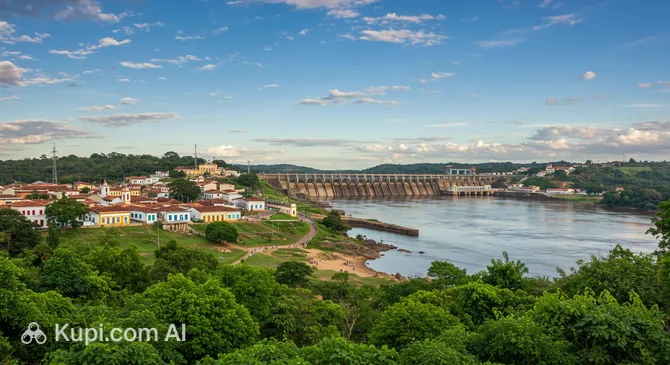
Paulo Afonso. Source: Kupi.Binoculars

Travelers are primarily drawn to the spectacular Paulo Afonso Falls, a series of waterfalls that showcase the river's strength, especially when the dam gates are open. The city is also a gateway to the Raso da Catarina ecological reserve, a haven for biodiversity featuring dramatic sandstone canyons. For adventure enthusiasts, the terrain offers excellent opportunities for extreme sports, earning the city a well-deserved reputation as a regional capital for adrenaline-fueled activities.

Whether you are an admirer of industrial heritage or a nature lover seeking breathtaking views, Paulo Afonso promises an unforgettable experience. Its welcoming atmosphere and unique geological features make it a must-visit stop on any itinerary through the Brazilian Northeast.

Weather Overview

Paulo Afonso typically enjoys a hot and semi-arid climate, characterized by warm temperatures throughout the year. The heat is most intense from November to February, where the average temperature stays around 28°C, and daily highs can often reach up to 34°C. This period is ideal for those who enjoy sunny weather, although it is advisable to stay hydrated and protected from the sun.

For a more comprehensive breakdown of seasonal changes, you can consult the guide on weather in Paulo Afonso. The coolest months are generally June and July, offering a milder atmosphere with average temperatures dropping to approximately 23°C and minimums around 19.6°C, providing a comfortable respite from the peak heat.

Precipitation in the region is quite unique; while the overall rainfall volume is recorded as very low (0-2mm), the frequency of "wet days" varies significantly. Expect a drier season towards the end of the year, particularly in October which sees only about 1 wet day. In contrast, the mid-year period from March to July brings more frequent moisture, peaking in June with up to 14 wet days, despite the low accumulation.

Interesting Facts

Beyond the main attractions, Paulo Afonso holds many fascinating secrets that blend its rich history with impressive engineering feats. Visitors are often surprised to learn that this industrial hub is deeply connected to the legendary tales of the Cangaço and boasts architectural marvels hidden beneath the earth.

  • The Queen of Cangaço's Roots: Paulo Afonso is the birthplace of Maria Bonita, the iconic partner of the outlaw Lampião. Her childhood home in the Malhada da Caiçara village has been restored as a museum, offering a rare and intimate glimpse into the life of the most famous woman in the history of the Brazilian Northeast.

  • A City on an Island: The geography of the city center is quite unique; it is effectively situated on an artificial island. The construction of the massive diversion canals for the hydroelectric complex separated the downtown area from the mainland, leaving it surrounded by the waters of the São Francisco River.

  • An Underground Titan: The region is home to one of the most remarkable engineering works in Brazil: the Paulo Afonso IV power plant. Its massive powerhouse is located deep underground, housed in a cavern excavated directly into solid rock that is large enough to contain a cathedral.

  • The "Brazilian Niagara": Before the flow of the river was regulated for energy production, the Paulo Afonso Falls were widely known as the "Niagara of Brazil" due to their immense volume and thunderous power. Today, the full spectacle is a rare event, visible only when the dam gates are opened during periods of heavy excess rain.

How to Get There

Reaching this destination in the heart of Bahia typically involves a combination of air travel and a scenic road trip. While the city has its own local airport, flight options can be limited, so most visitors choose to fly into larger regional hubs nearby and complete the journey by ground transport. For a comprehensive guide on all available routes and transport modes, you can check how to get to Paulo Afonso.

One of the most common entry points is Aracaju Airport (IATA: AJU), located in the city of Aracaju. It is the closest major facility listed, situated approximately 215 km from Paulo Afonso. As a medium-sized hub, it offers reliable domestic connections. Upon arrival, the drive to Paulo Afonso by rental car or taxi typically takes around 3.5 to 4 hours. Public buses are also available but generally require more travel time due to stops.

Another significant option is the Maceio-Zumbi dos Palmares International Airport (IATA: MCZ) in Maceio. This international airport handles a large volume of passenger traffic and provides a wide range of flight schedules. It is located roughly 267 km from the city, with a driving transfer time of approximately 4 to 5 hours. Alternatively, Petrolina International Airport (IATA: PNZ) in Petrolina is about 258 km away, taking around 4 hours to reach by car.

For clarity, here is a summary of the main airports:

Airport Name City Passenger Traffic Km from City
Maceio-Zumbi dos Palmares International Airport Maceio Large 266.7
Aracaju Airport Aracaju Medium 215.6
Orlando Bezerra de Menezes Airport Juazeiro do Norte Small 267.7
Petrolina International Airport Petrolina Small 258.3

Since Paulo Afonso is not served by a passenger railway network, the final leg of your journey will invariably be by road. The region is well-connected by an extensive bus network that links the city to major capitals in the Northeast. Renting a car is also a popular choice, allowing tourists to explore the Caatinga landscapes at their own pace while driving from the airports to the city.

Main Attractions

Paulo Afonso offers a fascinating mix of natural beauty and industrial grandeur, making it a unique destination in the Brazilian Northeast. The city's main sights revolve around the majestic São Francisco River, which has been harnessed to produce energy while creating breathtaking scenery. Below are some of the most compelling places to visit.

Paulo Afonso Falls
Historically known as the "Niagara of Brazil," this set of waterfalls is the city's most iconic landmark. Located within the hydroelectric complex, the falls are formed by the waters of the São Francisco River plunging roughly 80 meters into a deep gorge. Although the full volume of the falls is controlled by the dam and is best seen during the rainy season or when the spillways are open, the rocky canyon and the surrounding pools remain a spectacular sight year-round. Tourists flock here to witness the sheer power of nature and the impressive engineering that utilizes it.

Dom Pedro II Bridge (Ponte Metálica)
This architectural marvel from the 1950s connects the state of Bahia to Alagoas, spanning the dramatic canyon of the São Francisco River. Suspended 84 meters above the water, the bridge offers one of the most photogenic views in the region. It is a favorite spot for visitors to admire the steep rocky cliffs and the deep green waters below. Adventure seekers often visit the area for activities like bungee jumping, while others simply come to appreciate the panoramic scenery and the bridge's intricate metal structure.

Raso da Catarina
For those seeking adventure and raw nature, this ecological reserve is an unmissable highlight. It is a semi-arid region characterized by sandstone canyons, unique rock formations, and typical Caatinga vegetation. The area is famous for being a historical hideout for the cangaceiros (outlaws) led by Lampião, adding a layer of cultural intrigue to its natural beauty. It is also the sanctuary of the endangered Lear's Macaw, making it a top destination for birdwatchers and eco-tourists exploring the wilder side of the Northeast.

House of Maria Bonita Museum
Located in the rural village of Malhada da Caiçara, approximately 38 kilometers from the city center, this museum preserves the birthplace of Maria Bonita, the "Queen of Cangaço." The restored mud-brick house offers an intimate look into the life of the famous outlaw who joined Lampião's band. It is a key cultural attraction for history enthusiasts, providing context about the social struggles and legendary figures of the Brazilian backcountry during the early 20th century.

O Touro e a Sucuri Monument
Situated in the Belvedere gardens, this striking bronze sculpture is a symbolic representation of the city's identity. Created by artist Deocleciano Martins de Oliveira, it depicts a struggle between a bull and an anaconda. The monument serves as an allegory for the taming of the São Francisco River (often represented by the bull) by human engineering and science (represented by the snake). It is a popular stop for photos and offers a moment to reflect on the massive hydroelectric endeavors that shaped the region.

Local Cuisine

The culinary scene in Paulo Afonso is a delightful fusion of traditional Northeastern flavors and the bounty of the São Francisco River. Situated in the heart of the semi-arid region of Brazil, the city offers dishes that are hearty, flavorful, and deeply connected to the local culture. The food here tells the story of the sertão (backcountry), combining ingredients from the dry lands with fresh catches from the river.

Given the city's location on the banks of the "Velho Chico," freshwater fish plays a central role in the local diet. The most popular choice is undoubtedly Tilapia, which is farmed extensively in the region. You will find it prepared in various ways, but the most beloved version among locals and tourists alike is fried tilapia strips (iscas de tilápia), served as a crispy appetizer with lime and tartar sauce. For a more substantial meal, try a moqueca de peixe, a rich fish stew cooked with vegetables, coriander, and palm oil, often served with rice and pirão (a thick gravy made from fish broth and cassava flour).

Beyond the river, the cuisine of the Caatinga biome shines through in its meat dishes. Bode Assado (roasted goat) is a regional specialty and a must-try for carnivores. The meat is typically seasoned with simple, robust spices and grilled to perfection, resulting in a tender and savory experience. Another staple is Carne de Sol, heavily salted and sun-cured beef, which is traditionally served with macaxeira (boiled or fried cassava) and queijo coalho (squeaky cheese). These dishes are often accompanied by Baião de Dois, a delicious mixture of rice, beans, and spices that is ubiquitous in the Northeast.

To cool down in the year-round heat, locals turn to refreshing drinks made from native fruits. A highlight is the juice of the Umbú, a fruit native to the Caatinga that has a distinctively tart and sweet flavor. It is often served as a creamy juice mixed with milk (umbuzada). Cold beer is also an essential part of the dining culture here, perfectly complementing the salty, fried snacks served at bars and restaurants.

The dining atmosphere in Paulo Afonso is generally casual and welcoming. The best way to experience the local food culture is by visiting the riverside kiosks and restaurants located near the Prainha area or along the riverbanks. Here, you can enjoy a long lunch with a view of the water, feeling the breeze while sharing large platters of food with friends and family. In the city center, you will find a variety of steakhouses and self-service restaurants that offer a wide range of regional comfort foods.

Travel Tips

Planning a trip to Paulo Afonso is an exciting venture into the heart of the Brazilian Northeast, but a little preparation goes a long way in this rugged and beautiful region. To help you navigate the unique climate and local customs, here is a collection of essential advice for a hassle-free experience.

  1. Clothing and Gear: Due to the semi-arid climate, the heat can be intense year-round. Pack lightweight, breathable fabrics, a wide-brimmed hat, and high-SPF sunscreen. If you plan to explore the Raso da Catarina or the canyon trails, bring comfortable, sturdy hiking boots or sneakers to protect your feet on uneven terrain.

  2. Transportation: While the city center is compact, the main natural attractions are spread out. Renting a car is the most convenient option for exploring the area at your own pace. Within the city, taxis and mototáxis (motorcycle taxis) are very popular, affordable, and easy to flag down for short distances.

  3. Finances: The local currency is the Brazilian Real (BRL). While credit and debit cards are widely accepted in hotels, restaurants, and supermarkets, it is essential to carry some cash. You will need it for small vendors, local markets, or entrance fees in more remote rural areas where card machines may not work.

  4. Health and Safety: The sun is strong, so staying hydrated is your top priority; always carry a water bottle. Pharmacies are plentiful in the downtown area if you need basic supplies. Paulo Afonso is generally safe for tourists, but standard precautions apply: avoid walking in deserted areas late at night and keep valuables secure.

  5. Communication: Portuguese is the official language, and English is not widely spoken outside of major hotels. It is highly recommended to download an offline translation app and learn a few basic phrases like "Obrigado" (Thank you) and "Bom dia" (Good morning). A local SIM card from providers like Vivo or Claro can be bought easily to ensure you have internet access.

  6. Local Etiquette: The people of Bahia are known for their warmth and hospitality. Greetings are often friendly, involving a handshake or a smile. The "thumbs up" gesture is universally used to say "yes," "okay," or "thank you." It is polite to greet shopkeepers and drivers when entering their establishment or vehicle.

  7. What to Avoid: Do not drink tap water; always opt for bottled or filtered water to prevent stomach issues. Additionally, strictly observe safety barriers near the canyons and waterfalls. The cliffs can be steep and the river currents powerful, so never venture past marked viewpoints for a photo.

  8. Electrical Voltage: Unlike many other parts of Brazil that use 110V/127V, the voltage in Paulo Afonso is typically 220V. Be sure to check your electronic devices before plugging them in, and bring a universal adapter (Type N or C) if your plugs are not compatible with the deep recessed sockets found in Brazil.

By keeping these practical tips in mind, you will be well-equipped to enjoy the stunning vistas and warm hospitality of Paulo Afonso without any surprises. Embrace the laid-back rhythm of the city, and you are sure to have a memorable adventure in the Brazilian backcountry.

Entertainment & Nightlife

The nightlife in Paulo Afonso reflects the city's warm climate and riverside location, favoring open-air environments over enclosed clubs. Evening entertainment primarily revolves around socializing, outdoor dining, and live music. The atmosphere is casual and welcoming, with locals and visitors gathering to enjoy the breeze from the São Francisco River.

The city center's main hub for activity is Avenida Apolônio Sales. This broad avenue is lined with a variety of snack bars, restaurants, and kiosks, serving as a central meeting point. It offers a convenient and lively setting for grabbing a drink or a meal, with options ranging from quick bites to full dinners.

For a more scenic experience, the Prainha Ayrton Senna complex is a popular destination. Located along the riverbanks, this leisure area features numerous kiosks and bars that serve cold beer and regional appetizers, such as fried fish and crab. It is a common spot for families and groups to relax near the water, often accompanied by live bands playing Brazilian rhythms like Forró, Sertanejo, and MPB on weekends.

Visitors looking for a view of the water often visit establishments situated directly on the river's edge, such as the Santuário Gastro Bar. These venues are known for their sunset vistas and often host musical performances in a setting that caters to those seeking craft cocktails and a seated dinner experience.

Nightlife in the city typically picks up after 9:00 PM. For transportation, mototaxis are a quick and common way to get around town. However, for late-night returns, standard taxis or ride-hailing apps are recommended. While the main tourist areas are generally safe, it is advisable to stick to well-lit streets and avoid walking alone in isolated areas after dark.

Beyond evening activities, the city offers distinct daytime entertainment options. A highlight is the catamaran tour through the canyons of the São Francisco River, which provides a unique perspective of the towering cliffs and emerald waters. Exploring local markets for traditional handicrafts also offers an engaging way to experience the regional culture.

Parks & Museums

Paulo Afonso is often described as an oasis in the middle of the semi-arid Sertão, thanks to its planned urban design and abundance of green spaces. The city offers a refreshing mix of well-maintained gardens, ecological areas, and cultural venues that celebrate its unique history as a hydroelectric hub and a setting for legendary tales of the Brazilian backcountry.

Parque Belvedere is one of the most scenic spots in the city, serving as both a lush garden and a prime observation point. Located near the city center, this area was designed to harmonize with the rocky landscape. Visitors can stroll through manicured lawns and shaded pathways while enjoying panoramic views of the Paulo Afonso Falls and the impressive hydroelectric facilities. It is a perfect place for a late afternoon walk to admire the sunset over the canyon.

Another highlight for nature lovers is the Balneário Prainha. While primarily a leisure area with river beaches, its surrounding parkland offers a relaxing environment filled with trees and picnic spots. Situated on the banks of the São Francisco River, it provides a cool respite from the heat. The area is equipped with kiosks and walkways, making it a favorite destination for families who want to enjoy the natural beauty of the "Old Chico" river in a safe and accessible setting.

In terms of culture, the House of Maria Bonita Museum stands out as the most significant historical repository in the region. Situated in the rural village of Malhada da Caiçara, this preserved mud-brick house was the birthplace of the "Queen of Cangaço." Inside, visitors can see period objects, photographs, and artifacts that tell the story of Maria Bonita and the Cangaço movement. It offers a poignant look at the harsh yet fascinating life of the outlaws who once roamed these lands.

For those interested in the city's artistic expression, the streets themselves serve as an Open-Air Museum. Paulo Afonso is dotted with numerous sculptures and monuments, such as the famous "Touro e a Sucuri," which narrate the region's relationship with the river and industrial progress. Additionally, the Memorial Chesf (often integrated into the company's visitor center) provides insights into the monumental engineering efforts that built the hydroelectric complex, featuring historical photos and equipment that shaped the city's identity.

Architecturally, the Church of São Francisco de Assis is a must-see landmark. Built in 1949, this charming structure is constructed entirely from local stone, reflecting the rugged geology of the area. Its design features a distinctive bell tower and a simple yet elegant nave. The church is a testament to the mid-20th-century boom when workers from all over Brazil arrived to build the dams, creating a lasting symbol of faith and resilience.

For a truly authentic experience, take a walk through the Vila Poty neighborhood. Originally built to house the engineers and workers of the hydroelectric company, this area retains a nostalgic atmosphere with its mid-century bungalows and fence-less gardens. It offers a quiet, leafy contrast to the bustling city center and provides a glimpse into the planned community lifestyle that defined the city's early years.

Getting Around

The public transport system in Paulo Afonso is relatively simple and primarily relies on a network of municipal buses. There are no metro, tram, or train services available within the city. The bus lines connect the central island area, where most hotels and commercial services are located, with the outlying residential neighborhoods on the mainland, such as the populous Tancredo Neves district (BTN). While the network covers the main arterial roads, the frequency of service can vary significantly depending on the route and the time of day.

A highly popular and efficient alternative to the bus is the mototáxi (motorcycle taxi). In this region, these are a fully regulated and standard mode of transport, often faster and more flexible than buses. Official drivers wear distinctive reflective vests and their motorcycles have specific colored license plates. This is often the preferred choice for locals making short to medium trips, offering a breezy way to navigate the city streets, though it is strictly for one passenger at a time.

Regarding payment, the system is quite traditional. For buses, fares are typically paid in cash directly to the conductor or the driver upon boarding. There are no complex zone systems or tourist travel cards commonly available for short-term visitors. It is essential to carry small change, as breaking large bills can be difficult for bus crews. Prices are affordable, generally costing a few local currency units per ride. For mototáxis, prices are usually fixed based on the destination neighborhood, but it is wise to confirm the fare with the driver before hopping on.

For those preferring more comfort, standard car taxis are widely available at designated stands, particularly near the bus terminal and major squares in the city center. Ride-hailing apps are also present in the city, providing a convenient way to book a car without language barriers, although availability may be lower than in larger state capitals, especially late at night. Renting a car remains a strong recommendation for tourists who wish to explore the distant canyons and waterfalls at their own pace.

Travelers should be aware that public transport operating hours are more limited compared to major metropolitan areas. Bus services tend to reduce frequency significantly after 8:00 PM and on weekends. Bus stops are not always clearly marked with signage or schedules, so asking a local or hotel staff for the nearest stop and estimated arrival time is a practical strategy. If you are staying in the city center, many restaurants and shops are within walking distance, making the area pleasant to explore on foot.

Accommodation

Accommodation in Paulo Afonso caters primarily to travelers seeking comfort and practicality, with a focus on mid-range hotels and charming family-run inns known as pousadas. While the city does not feature ultra-luxury resorts, visitors will find a good selection of clean, well-equipped establishments that offer excellent hospitality and amenities such as swimming pools and air conditioning—essential for the region's warm climate.

The most convenient area to stay is undoubtedly the City Center (Centro), which is situated on the artificial island formed by the hydroelectric canals. Staying here places you within walking distance of the main commercial streets, such as Avenida Apolônio Sales, where you can easily access restaurants, banks, and shops. This central location is perfect for those who want to be close to the urban buzz and the primary transport links.

For a more scenic experience, consider looking for accommodations near the Prainha area or along the banks of the São Francisco River. These locations offer a quieter atmosphere and often provide stunning views of the water and the surrounding canyons. It is an ideal choice for travelers who prefer a relaxing environment to unwind after a day of sightseeing.

Regarding specific establishments, travelers often look for well-known local names that have built a reputation for reliability. San Marino Hotel is frequently cited as a top choice for its modern facilities and central convenience. Similarly, the Belvedere Hotel is a classic option in the heart of the city, often favored for its traditional service. For those prioritizing views, Hotel Portal da Ilha is a popular option situated to take advantage of the river scenery.

Booking Tip: Paulo Afonso hosts several major events that attract large crowds, most notably the Copa Vela regatta in September and the traditional São João festivities in June. During these periods, the city's occupancy rates soar, so it is highly recommended to book your accommodation at least two months in advance to secure a room.

In terms of pricing, the city is generally very affordable compared to Brazil's coastal capitals. Options range from budget-friendly guesthouses to mid-range hotels. Most established hotels are listed on major online booking platforms, making reservations easy. However, smaller pousadas may offer better rates or more personalized service if you contact them directly via phone or messaging apps.

Nearby Cities

For those looking to explore the surroundings, Paulo Afonso serves as an excellent base for day trips to several interesting nearby locations:

Just across the state border in Alagoas, Delmiro Gouveia stands out as a significant historical and scenic destination. It is home to the pioneering Angiquinho Hydroelectric Plant, built into the canyon cliffs, offering spectacular views of the São Francisco River. Another compelling option is Poço Redondo in the state of Sergipe, which attracts visitors interested in the history of the Cangaço. The municipality is the gateway to the Grota de Angico, the famous site where the outlaw Lampião and his band met their end, providing a unique cultural trekking experience.

City Population Distance (km)
Delmiro Gouveia 52262 23
Jeremoabo 41100 76
Poco Redondo 33757 74
Sao Jose da Tapera 32405 94
Mata Grande 25589 62

These nearby destinations offer a glimpse into the diverse culture and landscapes of the region.

Shopping & Souvenirs

Shopping in Paulo Afonso offers a genuine taste of the Brazilian Northeast, focusing more on local culture and regional necessities than on high-end luxury retail. The city serves as a commercial hub for the surrounding area, meaning you will find a lively mix of modern conveniences and traditional trade. Visitors can expect a relaxed experience where friendly service is the norm, and the goods on offer often reflect the unique identity of the Sertão and the craftsmanship of its people.

The heartbeat of the city's commerce is located in the Centro (City Center), particularly along the bustling Avenida Apolônio Sales. This broad avenue and its intersecting streets are lined with a variety of clothing boutiques, shoe stores, pharmacies, and electronics shops. It is the best place to take a stroll, soak in the local atmosphere, and find everything from beachwear for the river to casual fashion. The area is pedestrian-friendly and hosts the majority of the city's banks and services.

Unlike the massive metropolitan areas of Brazil, Paulo Afonso does not have giant mega-malls. Instead, the retail scene is characterized by smaller commercial galleries and shopping centers such as Shopping da Vila. These venues offer a cooler, air-conditioned environment with a selection of stores, food courts, and sometimes a cinema. They provide a comfortable escape from the midday heat and are popular meeting spots for locals in the late afternoon.

For a more traditional experience, the Municipal Market (Mercado Público) and the weekly open-air fairs (feiras livres) are essential stops. These markets are vibrant explosions of color and scent, where farmers from the region sell fresh tropical fruits, vegetables, and regional staples like sun-dried meat (carne de sol), bottled butter (manteiga de garrafa), and coalho cheese. It is an excellent place to observe daily life and perhaps buy some local snacks to try.

When it comes to souvenirs, the city's connection to the history of the Cangaço offers unique options. You can find beautiful handicrafts made from leather, such as the iconic gibão hats and sandals, which are symbols of the cowboy culture. Dolls and figurines depicting Lampião and Maria Bonita are also popular keepsakes. Additionally, look for embroidery, ceramic pieces, and locally produced honey or licuri (a native palm fruit) sweets, which make for delicious gifts to bring home.

Opening hours in Paulo Afonso generally follow the standard Brazilian commercial schedule. Street shops typically open from 8:00 AM to 6:00 PM on weekdays, and from 8:00 AM to 1:00 PM on Saturdays. Most are closed on Sundays, although supermarkets and pharmacies may remain open. The shopping centers usually operate later, often until 10:00 PM. Payment methods are modern, with credit and debit cards (Visa, Mastercard) widely accepted even in smaller stores. However, it is advisable to carry cash (Brazilian Reals) for small purchases at street stalls or the open market.

Regarding tax-free shopping, tourists should be aware that Brazil does not currently have a Value Added Tax (VAT) refund system for international visitors on general goods. The price you see on the tag is the final price you pay. While you won't get a tax rebate at the airport, the relatively lower cost of living in the region often makes local handicrafts and food items very affordable compared to international standards.
Reached the end of the page?

That means the route is fully explored