Support

Petrolina

About

Petrolina. Source: Kupi.Binoculars

Welcome to Petrolina, a dynamic and flourishing city located in the interior of the state of Pernambuco. Often referred to as the "California of the Sertão," this unique destination in Brazil defies the expectations of its semi-arid surroundings thanks to the life-giving waters of the São Francisco River. With a population of over 330,000 inhabitants, it stands as a testament to human ingenuity, transforming dry lands into lush vineyards and fruit orchards that export produce worldwide.

The city sits directly across the river from Juazeiro in the state of Bahia, and together they form a major metropolitan area connected by a bridge. The climate here is typically hot and dry, which, combined with advanced irrigation techniques, creates perfect conditions for agriculture. While exploring the history of Petrolina, visitors will discover how a small riverside settlement evolved into a modern agricultural powerhouse and a surprising hub for wine tourism in the Northeast.

Travelers are often drawn to the scenic riverfront, known as the Orla, where they can enjoy boat tours or simply watch the sunset over the "Old Chico" river. A striking architectural landmark is the Sacred Heart of Jesus Cathedral, built in a neo-Gothic style that commands attention in the city center. For food enthusiasts, the famous Bodódromo is an open-air gastronomic complex dedicated to serving goat meat, a local culinary staple that offers a true taste of the region's culture.

Whether you are interested in touring award-winning wineries, enjoying the river breeze, or experiencing the warm hospitality of the Sertão, Petrolina offers a surprising and delightful escape. It is a place where tradition meets modernity, making it an unmissable stop for those exploring the diverse landscapes of the Brazilian Northeast.
Weather Overview

Petrolina is known for its hot, semi-arid climate, offering sunshine and warmth throughout most of the year. The temperatures remain consistently high, with annual averages generally ranging between 25°C and 29°C. The heat peaks around October, where maximum temperatures can reach up to 35.1°C, making it the warmest time to visit. Conversely, the winter months of June and July are slightly cooler, with average temperatures dropping to around 24.7°C and nightly lows dipping near 20°C, providing a pleasant respite from the intense heat.

Precipitation patterns are quite distinct, dividing the year into a short rainy season and a long dry period. The months of February and March are typically the wettest, with up to 11 wet days recorded per month, though rainfall amounts remain relatively modest. From August to September, the region becomes extremely dry, often seeing zero wet days. For travelers planning outdoor activities or vineyard tours, it is advisable to consult the current weather in Petrolina to choose the most comfortable dates for your journey.

Interesting Facts

Beyond the lush vineyards and the bustling riverbanks, Petrolina holds many fascinating secrets that surprise even the most seasoned travelers. From unique artistic traditions to legends of the semi-arid hinterlands, the city offers a deeper look into the soul of the Northeast.
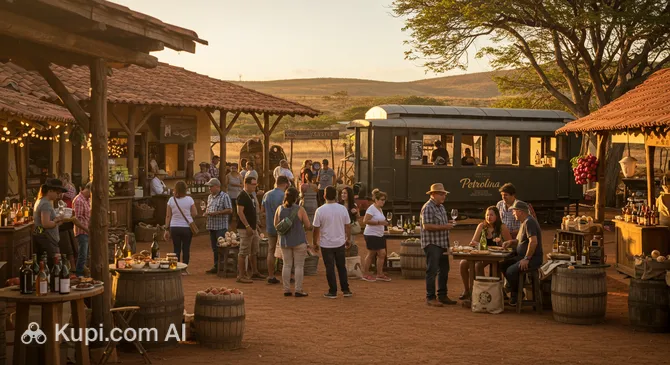
  • Petrolina is one of the few places in the world where grapevines can yield up to two and a half harvests per year. This viticultural phenomenon is made possible by the tropical sun and controlled irrigation from the São Francisco River. Visitors can experience this unique cycle aboard the Wine Train, which combines local history with a journey through the fruit-laden landscapes.

  • The city is a sanctuary for the "Carrancas," fierce-looking wooden figureheads originally attached to the prows of riverboats to scare away evil spirits and water demons. This folklore is kept alive at the Master Craftsman Quincas Workshop, where artisans continue to carve these iconic protectors, preserving a tradition that is synonymous with the São Francisco River culture.

  • History buffs might be surprised to find a deep connection to the Cangaço, the famous social banditry movement of the early 20th century. The Museum of the Sertão houses an intriguing collection of artifacts, including personal objects and letters belonging to Lampião, the legendary leader of the bandits, offering a rare glimpse into this turbulent period.

  • Despite being located in the heart of the semi-arid Sertão, the Petrolina Riverfront fosters a vibrant nautical culture that rivals many coastal cities. The "Old Chico" river is so vast here that it supports a thriving ecosystem of islands and river beaches, creating a refreshing oasis that completely defies the dry climate surrounding it.

Wine Train. Source: Kupi.Binoculars

How to Get There

Reaching this vibrant city in the heart of the Sertão is relatively straightforward, thanks to its well-established transport infrastructure. While the region is known for its interior location, modern connections make it accessible for visitors from all over Brazil and beyond. For a comprehensive overview of routes and transport modes, you can find more about how to get to Petrolina on our detailed page.

The most convenient and common way to arrive is via Petrolina International Airport (IATA: PNZ). Located directly in the city, this airport is the primary gateway for tourists and business travelers alike. It is situated approximately 8.4 km from the city center, making the transfer very quick and easy. A taxi or car ride to the downtown area typically takes around 30 to 35 minutes, depending on traffic. As a regional hub with significant passenger traffic, it offers regular flights connecting Petrolina to major Brazilian capitals.

If you are planning a wider road trip through the Northeast or cannot find direct flights, you might consider arriving at Orlando Bezerra de Menezes Airport (IATA: JDO) in the city of Juazeiro do Norte. However, it is important to note that this airport is about 276 km away from Petrolina. The journey by road from there is substantial, taking approximately 7 hours and 15 minutes by taxi or bus. Another regional option is Serra da Capivara Airport (IATA: NSR) in Sao Raimundo Nonato, located roughly 237 km away. This is a smaller airport, often used by those visiting the nearby national park, and the drive to Petrolina takes about 6 hours and 20 minutes.

For clarity, here is a summary of the main airports:

Airport Name City Passenger Traffic Km from City
Orlando Bezerra de Menezes Airport Juazeiro do Norte Medium 276.7
Petrolina International Airport Petrolina Medium 8.4
Serra da Capivara Airport Sao Raimundo Nonato Small 237.8

Main Attractions

Petrolina offers a captivating mix of cultural heritage, natural beauty, and modern leisure spaces that reflect the unique spirit of the Brazilian Northeast. Visitors can explore a variety of landmarks that range from historical religious sites to vibrant outdoor areas along the majestic São Francisco River. The city's attractions provide an intimate look into the life of the Sertão, making it a rewarding destination for curious travelers.

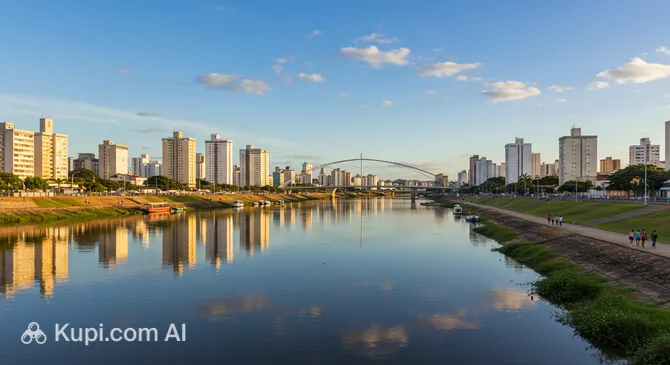
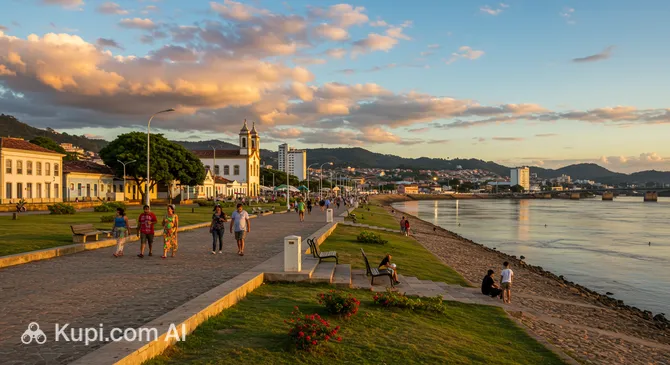
One of the most popular gathering spots in the city is the Petrolina Riverfront (Orla de Petrolina). This scenic promenade stretches along the banks of the São Francisco River and is the perfect place to enjoy a refreshing breeze and watch the sunset. Lined with bars, restaurants, and cafes, it serves as the social heart of the city where locals and tourists alike come to dine and relax. The area is also the departure point for river cruises, offering a different perspective of the city and its lush river islands.

Petrolina Riverfront. Source: Kupi.Binoculars

For those interested in the region's rich history and folklore, the Museum of the Sertão is an essential stop. The museum houses a diverse collection of artifacts that tell the story of the semi-arid hinterlands, including objects related to the majestic "Carrancas" (river figureheads), sacred art, and the rural economy. A significant portion of the exhibit is dedicated to the era of the Cangaço and its infamous figures, providing a fascinating insight into the social struggles and culture of the past.

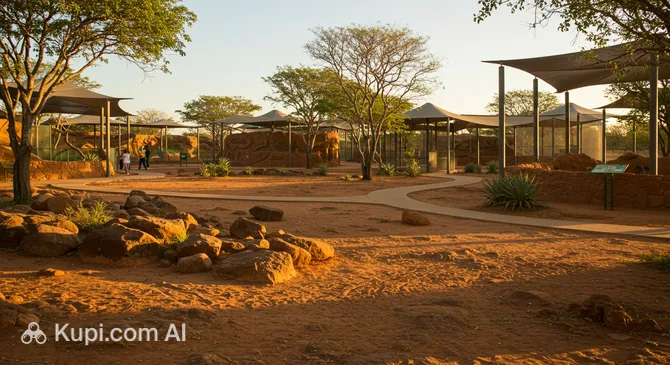
Nature lovers should not miss the Caatinga Zoobotanical Park, a specialized facility dedicated to the preservation and study of the local biome. Unlike typical zoos, this park focuses on the flora and fauna specific to the Caatinga, the unique semi-arid scrubland of Brazil. Visitors can observe native species of animals and plants in an environment that closely mimics their natural habitat, making it an educational experience that highlights the resilience of life in this dry region.

Caatinga Zoobotanical Park. Source: Kupi.Binoculars

Another architectural gem is the Mother Church of Our Lady Queen of Angels. As the oldest church in the city, it stands as a monument to Petrolina's religious foundations and colonial past. The simple yet elegant structure is located near the old city center, offering a peaceful atmosphere for reflection and a glimpse into the spiritual traditions that have shaped the local community for generations.

Local Cuisine

The culinary scene in Petrolina is a delightful reflection of its unique geography, where the rustic traditions of the semi-arid Sertão meet the abundance of the São Francisco River. The city is widely regarded as a gastronomic capital of the interior, offering bold flavors that are both hearty and memorable. At the center of the local diet is goat meat, or bode, which is so popular that the city has an entire open-air complex dedicated to it, known as the Bodódromo. Here, visitors can try the signature "Roast Goat" (Bode Assado), typically served with manioc flour, rice, and beans, providing an authentic taste of the region's ranching heritage.

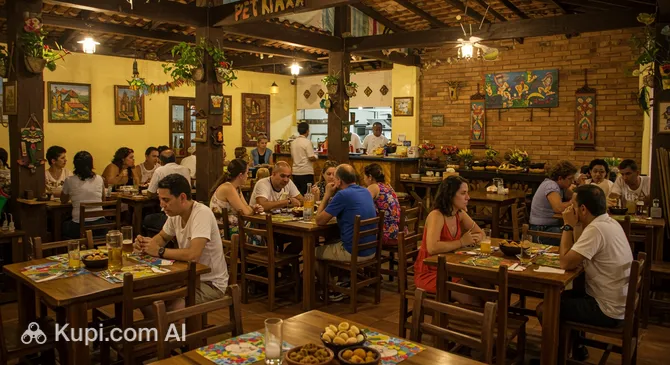
Beyond meat, the "Old Chico" river provides a bounty of fresh fish that is a staple in local households and restaurants. The Surubim, a large catfish native to the river, is a must-try delicacy, often prepared in a rich stew called moqueca or grilled to perfection. These dishes are frequently accompanied by baião de dois (a mixture of rice and black-eyed peas) and fried macaxeira (cassava), creating a comforting meal that highlights the ingredients of the land. For those looking to experience these traditional flavors in a welcoming setting, Caetano Petiscaria is a popular spot to enjoy local appetizers and hearty portions.

Caetano Petiscaria. Source: Kupi.Binoculars

Petrolina is also famous for its remarkable fruit production, which deeply influences the local drink culture. Thanks to irrigation, the region produces sweet mangoes, guavas, and acerolas, which are turned into refreshing fresh juices found everywhere from street stalls to hotel breakfasts. However, the true star is the local wine. The São Francisco Valley is one of the few places in the world producing two harvests a year, and the sparkling wines (espumantes) and young reds made here have gained international acclaim. Touring a vineyard or simply enjoying a glass of local Syrah is an essential part of the dining experience.

The dining atmosphere in the city ranges from lively street food markets to sophisticated eateries along the riverfront. Locals often gather at the Orla to eat while enjoying the breeze, or head to bustling venues to socialize. If you are looking for a relaxed environment to unwind after a day of sightseeing, Bar do Gaúcho offers a friendly vibe where you can enjoy cold drinks and conversation, embodying the warm hospitality that Petrolina is known for.

Travel Tips

Preparing for a trip to the sun-drenched heart of the Sertão requires a little local know-how to ensure your experience is as smooth as it is memorable. To help you navigate the unique climate and culture of Petrolina, we have compiled a set of essential practical tips for your journey.

  1. Clothing and Gear: Given the semi-arid climate, lightweight and breathable fabrics like cotton or linen are your best friends to handle the heat. A high-quality sunscreen, sunglasses, and a wide-brimmed hat are absolute necessities for protection against the strong sun. Bring comfortable walking shoes for exploring the riverfront, and if you plan to visit religious sites like the cathedral, remember to dress modestly (covering shoulders and knees). Note that the standard voltage in the city is 220V, so check your devices and bring a universal adapter if needed.

  2. Transportation: For getting around the city center and to nearby restaurants, ride-hailing apps like Uber and 99 are reliable, affordable, and often more convenient than navigating the public bus system. If you plan to visit the vineyards and wineries, which are often located on the outskirts, renting a car is highly recommended to give you flexibility. For a quick local experience, "mototaxis" (motorcycle taxis) are popular, but ensure they provide a helmet.

  3. Finances: The official currency is the Brazilian Real (BRL). Credit and debit cards are widely accepted in hotels, restaurants, and supermarkets. However, it is wise to carry some cash for small purchases at street stalls, local markets, or for tipping. ATMs are available throughout the city, often located in banks or shopping centers. In restaurants, a 10% service charge is usually included in the bill, so additional tipping is optional but appreciated for exceptional service.

  4. Health and Safety: Hydration is key in this dry climate; always carry a water bottle, but stick to bottled or filtered water rather than tap water to avoid stomach issues. Pharmacies (farmácias) are easy to find, and major chains are often open late. While the city is generally welcoming, exercise standard safety precautions: avoid flashing expensive jewelry or electronics in crowded areas and stick to well-lit, populated streets at night, especially around the riverbanks.

  5. Communication: Portuguese is the primary language, and English is not widely spoken outside of major hotels and tourist-focused wineries. Downloading a translation app or learning a few basic phrases like "Obrigado" (Thank you) and "Bom dia" (Good morning) will go a long way. Wi-Fi is common in hotels and cafes. For constant connectivity, you can purchase a prepaid SIM card from carriers like Vivo, TIM, or Claro at local newsstands or official stores, usually requiring a passport for registration.

  6. Local Etiquette: Locals in the Northeast are known for their warmth and hospitality. Greetings often involve a firm handshake or, among women, a kiss on the cheek. It is polite to greet shopkeepers and drivers upon entering. The "thumbs up" gesture is universally used to say "yes," "okay," or "thank you." When dining, it is customary to take your time; meals are social events and are rarely rushed.

  7. What to Avoid: Avoid assuming that the "winter" months (June-July) will be cold; while nights are pleasant, days are still warm, so don't overpack heavy coats. Also, try not to be impatient with service; the pace of life in the Sertão is more relaxed than in big metropolises like São Paulo, so embrace the slower rhythm known as "island time."

  8. Additional Tip: Experience the local way of crossing the São Francisco River by taking the Barquinhas (small boats) that connect Petrolina to the neighboring city of Juazeiro. It is a cheap, fast, and scenic mode of transport used daily by residents. Just hold on to your hat, enjoy the breeze, and take in the unique view of the twin cities from the water!

With these tips in hand, you are well-prepared to enjoy the vibrant culture, delicious flavors, and stunning landscapes of this Brazilian gem. Pack your bags, prepare for the sunshine, and get ready for an unforgettable adventure in Petrolina!

Entertainment & Nightlife

Nightlife:

As the intense heat of the day subsides, Petrolina transforms into a lively hub of entertainment, fueled by a young university population and a culture that loves to socialize outdoors. The nightlife here is less about exclusive nightclubs with strict door policies and more about open-air bars, live music venues, and bustling gastronomic corridors. The atmosphere is generally relaxed and welcoming, with locals gathering to enjoy the cooling breeze from the São Francisco River while listening to Forró, Sertanejo, or MPB (Brazilian Popular Music).

The epicenter of the city's evening activity is undoubtedly the riverfront promenade, known as the Orla. This area remains vibrant well into the night, offering a safe and scenic environment for a stroll. Here, you can find numerous kiosks and bars serving cold drinks and appetizers. For a more bohemian vibe, the neighborhood of Areia Branca is a favorite among locals. This district is packed with bars and eateries, making it the perfect place to bar-hop and experience the authentic social life of the Sertão.

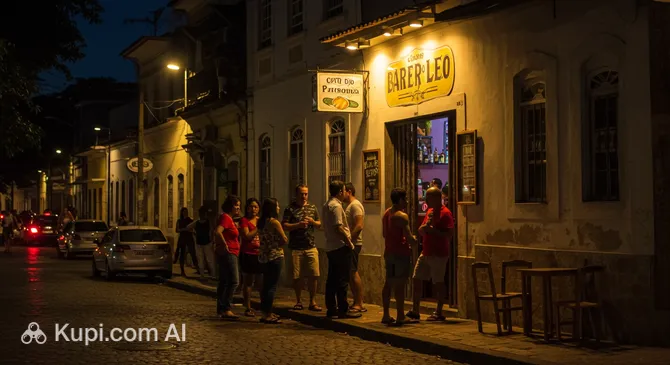
For those seeking a traditional experience, Bar do Léo is a legendary institution in the city. Known for its bohemian atmosphere and walls adorned with photos of famous artists, it is a great spot to enjoy live music and cold beer in a setting that feels deeply connected to the region's artistic roots. If you prefer a more modern culinary experience that extends into the evening, Duchef offers a sophisticated yet casual environment, ideal for dinner followed by drinks.

Bar do Léo. Source: Kupi.Binoculars

Cultural enthusiasts looking for entertainment beyond bars should check the schedule at the João Gilberto Cultural Center. Named after the father of Bossa Nova (who was born in neighboring Juazeiro), this venue hosts theater productions, art exhibitions, and musical performances, serving as a beacon for the arts in the valley. For a lighter evening activity or daytime fun before the sun sets, the Josepha Coelho City Park offers a green urban oasis with sports courts and walking paths, often bustling with families and joggers.

When planning a night out, keep in mind that things typically start late, with venues filling up after 9:00 PM. The dress code is almost exclusively casual; lightweight clothing is recommended due to the lingering warmth. Prices in Petrolina are generally affordable compared to Brazil's coastal capitals. In terms of safety, the main nightlife districts like the Orla and Areia Branca are considered safe for walking, but it is advisable to use ride-sharing apps or call a taxi when moving between neighborhoods late at night.

Parks & Museums

While Petrolina is famous for its irrigated agriculture and river views, the city also maintains dedicated spaces for leisure, history, and artistic expression. Visitors looking to explore the local culture beyond the vineyards will find well-kept urban parks and museums that preserve the unique identity of the Brazilian Sertão. These venues offer a deeper understanding of the region's roots, from its cowboy traditions to its vibrant river folklore.

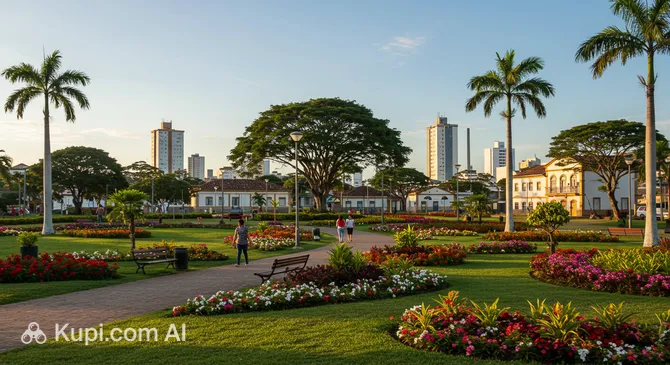
For a refreshing escape within the city limits, the Josepha Coelho City Park is the primary green destination for locals and tourists alike. As the largest urban park in Petrolina, it serves as a vital recreational hub, featuring jogging tracks, sports courts, and playgrounds shaded by native trees. It is an excellent spot for a morning walk or a late afternoon picnic, offering a peaceful atmosphere where you can observe how residents unwind and enjoy outdoor activities away from the bustle of the commercial center.

Josepha Coelho City Park. Source: Kupi.Binoculars

Another significant public space is the São Tiago Maior Square, located in the historic heart of the city near the riverbank. This plaza is more than just a gathering spot; it is surrounded by some of the city's oldest architecture and offers a charming setting for a stroll. The square often marks the starting point for exploring the "Old Petrolina" district, providing a scenic backdrop that connects the urban landscape with the natural beauty of the São Francisco River.

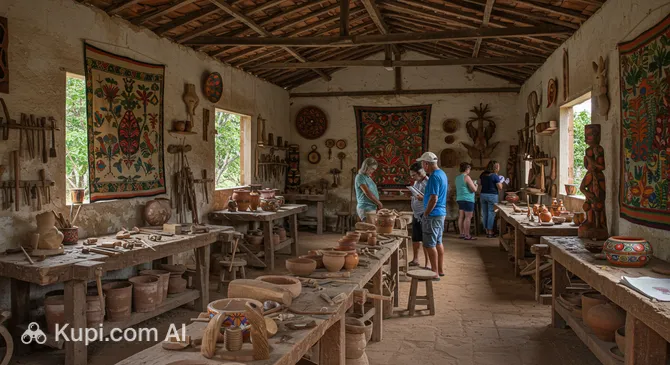
When it comes to cultural immersion, the Museum of the Sertão is the city's most important historical institution. This facility goes beyond standard displays, offering a rich narrative of life in the semi-arid hinterlands. Its exhibits include authentic leather clothing used by the vaqueiros (cowboys), religious artifacts, and a reconstructed rural home that allows visitors to step back in time. The museum also dedicates space to the Cangaço movement, displaying rare items that spark curiosity about the social bandits who once roamed these lands.

Museum of the Sertão. Source: Kupi.Binoculars

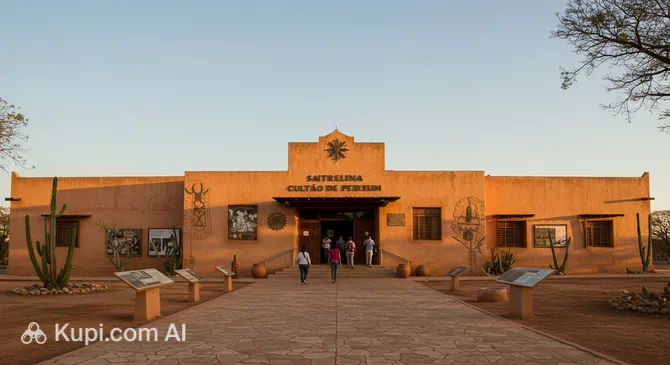
Art lovers should not miss the Master Craftsman Quincas Workshop (Oficina do Artesão Mestre Quincas). This space serves as a living gallery and production center for the famous "Carrancas"—the grotesque yet fascinating wooden figureheads of the São Francisco River. Here, you can watch skilled artisans carving wood and stone, keeping alive a tradition that was once believed to protect boatmen from river spirits. It is both a gallery and a market, making it the perfect place to appreciate and purchase authentic local folk art.

Master Craftsman Quincas Workshop. Source: Kupi.Binoculars

Additionally, the João Gilberto Cultural Center stands as a tribute to one of the region's most famous sons, the father of Bossa Nova. While primarily a venue for theater and music, it frequently hosts art exhibitions and cultural workshops that highlight contemporary regional talent. For a truly authentic experience, try to visit the artisan workshop in the morning when the craftsmen are most active, giving you the chance to chat with them about the stories behind their sculptures.

Getting Around

Public transport in Petrolina primarily relies on a network of buses and a unique river transport system, as the city does not have a metro, tram, or trolleybus infrastructure. The bus system is the backbone of urban mobility, connecting the city center to residential neighborhoods and outlying districts. These buses are generally painted in standardized colors and display their destination on the front marquee. While they are functional and cover most areas of interest to tourists, the frequency can vary significantly depending on the route and the time of day.

A distinctive and highly popular feature of the local transport network is the river crossing system. Small passenger boats, affectionately known as Barquinhas, operate continuously across the São Francisco River, connecting Petrolina to the neighboring city of Juazeiro. These boats are a fast, scenic, and inexpensive way to travel between the two cities, avoiding the traffic on the bridge. They run from early morning until late at night, departing as soon as they fill up, which usually takes only a few minutes during peak hours.

Regarding payment, the bus system utilizes an electronic ticketing card, currently known as the Cartão SIM (SIM Petrolina card). For tourists planning a short stay, it is usually more convenient to pay with cash directly to the conductor or driver upon boarding. However, carrying small change is highly recommended, as large bills can be difficult to break. The river boats also operate on a cash-only basis, with tickets purchased at the small booths at the crossing terminal or directly at the gate before boarding.

For those seeking alternatives to mass transit, mototaxis (motorcycle taxis) are an extremely common and regulated mode of transport in the region. They are faster than cars in traffic and are easily identifiable by the drivers' uniformed vests and yellow license plates. If you prefer a car, ride-hailing apps like Uber and 99 are widely available, reliable, and often offer a more comfortable experience than regular taxis, especially for getting to the airport or wineries on the outskirts.

To navigate the system effectively, visitors are advised to use mobility apps like Siga Atlântico or Bus2, which are the current official tools for the region and provide real-time bus schedules and route planning. Public transport operating hours generally run from around 5:00 AM to 11:00 PM, though service becomes much less frequent after 8:00 PM and on weekends. If you are out late enjoying the nightlife, opting for a ride-share app or a taxi is the safest and most convenient choice.

Accommodation

Finding a place to stay in Petrolina is generally a straightforward experience, as the city is well-equipped to host a mix of business travelers, wine tourists, and visitors exploring the São Francisco Valley. The accommodation landscape is dominated by practical and comfortable mid-range hotels, many of which cater to the region's bustling agricultural and commercial sectors. While you won't find ultra-luxury all-inclusive resorts, the city offers high-quality modern hotels, charming pousadas (guesthouses), and functional apartment rentals that provide excellent value for money.

The most desirable area for tourists is undoubtedly the Riverfront (Orla) and its immediate surroundings. Staying near the banks of the São Francisco River not only offers stunning views of the water and the neighboring city of Juazeiro but also places you within walking distance of the best restaurants, bars, and the lively evening promenade. The city center (Centro) is another convenient option, particularly for those who want easy access to banks, shops, and the historical district, keeping most major landmarks just a short taxi ride away.

For those seeking a more scenic experience, several hotels are situated directly along the river, often featuring amenities such as swimming pools and balconies that take full advantage of the sunny climate. These establishments are perfect for relaxing after a day of visiting vineyards. Budget travelers will find numerous affordable options scattered throughout the downtown area, offering clean and basic lodging that serves as a perfect base for exploring the Sertão.

Booking Tip: Petrolina hosts several major events throughout the year, including the massive São João festival in June and various agricultural fairs. During these peak times, occupancy rates skyrocket, and prices can rise significantly. It is highly recommended to book your accommodation at least a month in advance if you plan to visit during these festive periods to secure the best spots.

In terms of pricing, the city is generally more affordable than Brazil's coastal tourist capitals. Most accommodations fall into the budget to mid-range categories, making it a wallet-friendly destination. Reservations can be easily made through major international online booking platforms, which are widely used by local hoteliers, though contacting smaller guesthouses directly can sometimes yield better personalized rates.

Nearby Cities

For those looking to explore the surroundings, Petrolina serves as an excellent base for day trips to several interesting nearby locations:

City Population Distance (km)
Juazeiro 220,253 4
Senhor do Bonfim 81,330 122
Campo Formoso 72,271 124
Casa Nova 72,172 58
Santa Maria da Boa Vista 39,435 100

The most immediate and essential day trip is to the twin city of Juazeiro, located just across the President Dutra Bridge in the state of Bahia. While the two cities are often spoken of together, Juazeiro has its own distinct soul and historical charm. Visitors can walk across the bridge or take a small boat to explore its historic center, which features colorful colonial buildings and the "Vaporzinho," a preserved steamboat that serves as a monument to the river's navigational past. The city is also famous for its vibrant cultural scene and lively riverfront bars, offering a slightly different culinary and musical atmosphere compared to its neighbor.

Another fascinating destination is Casa Nova, situated about 58 km away. This town is a major hub for the region's wine industry and is home to some of the most renowned wineries in the São Francisco Valley. Beyond enotourism, Casa Nova is famous for the stunning "Dunas do Velho Chico." These massive freshwater sand dunes, formed along the banks of the Sobradinho Lake, create a breathtaking landscape where visitors can swim in crystal-clear waters or enjoy off-road buggy rides, making it a perfect spot for nature lovers.

These nearby destinations offer a glimpse into the diverse culture and landscapes of the region, ranging from historical urban centers to unique natural wonders.

Shopping & Souvenirs

Shopping:

Shopping in Petrolina offers a delightful mix of modern convenience and deep-rooted regional tradition. While the city is not a massive metropolis, it serves as the commercial hub for the São Francisco Valley, providing visitors with everything from standard retail therapy to unique cultural finds. The experience is less about high-end luxury fashion and more about discovering the authentic flavors and crafts of the Sertão, making it a rewarding activity for those looking to take a piece of the Northeast home with them.

The commercial heartbeat of the city is found in the downtown area, or Centro. Bustling thoroughfares like Avenida Souza Filho are lined with a variety of stores selling clothing, footwear, and electronics. This district is always alive with activity, offering a window into the daily lives of the locals. It is the perfect place to find affordable goods and experience the vibrant energy of a Brazilian commercial street, where music often plays from storefronts and vendors display their wares on the sidewalks.

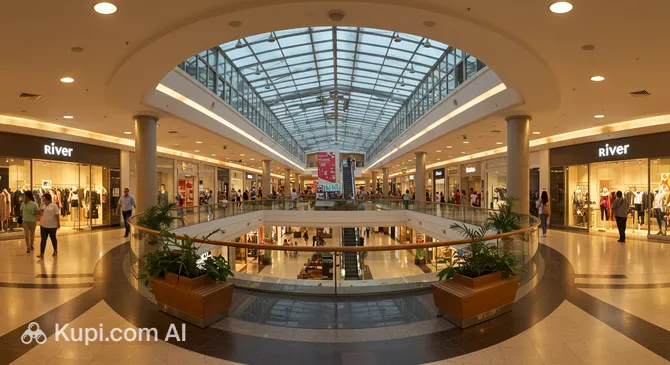
For those seeking a climate-controlled environment and familiar brands, the River Shopping Mall is the primary destination. As the largest and most complete shopping center in the region, it hosts major national retail chains, a cinema, and a diverse food court. It is a popular meeting point for families and offers a respite from the midday heat. Another modern option is the Eco Center Mall, a well-structured complex that provides a convenient selection of shops and services for a quick and easy shopping trip.

River Shopping Mall. Source: Kupi.Binoculars

If you are interested in authentic local culture, the markets and artisan centers are unmissable. The Master Craftsman Quincas Workshop is not just a place to observe art being created; it is also a market where you can purchase exquisite wood carvings directly from the sculptors. Additionally, the city's fruit markets are legendary. given the region's status as a major fruit exporter, you can find the freshest grapes, mangoes, and other tropical delights at excellent prices, often sold by the producers themselves.

When choosing souvenirs, the most iconic item from Petrolina is undoubtedly the Carranca. These fierce-faced wooden figureheads were historically used on riverboats to scare away evil spirits and are now the symbol of the São Francisco River folklore. Another top recommendation is the local wine. The region produces award-winning sparkling wines and reds, so buying a bottle from a local vineyard is a must for oenophiles. Leather goods, such as hats and sandals typical of the vaqueiro (cowboy) culture, also make for durable and meaningful gifts.

Store opening hours generally follow standard Brazilian commercial schedules. Street shops in the center typically open from 8:00 AM to 6:00 PM on weekdays and close around 1:00 PM on Saturdays. The shopping malls operate longer hours, usually from 10:00 AM to 10:00 PM, Monday through Saturday, with reduced operations on Sundays. Credit and debit cards are accepted almost everywhere, including most market stalls, but carrying some cash in Brazilian Reals is always useful for small purchases or bargaining with artisans.

Regarding taxes, visitors should note that Brazil does not have a standard "Tax-Free" refund system for tourists similar to those found in Europe. The price displayed on items is the final price, inclusive of all taxes, and there are no facilities at the airport to claim a refund on goods purchased during your stay.

Reached the end of the page?

That means the route is fully explored