Support

Araripina

About

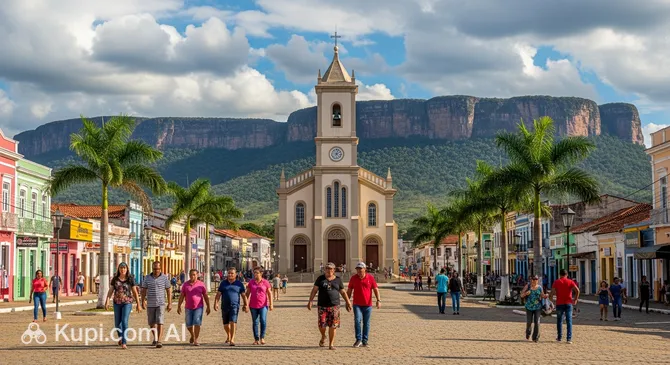
Araripina. Source: Kupi.Binoculars

Welcome to Araripina, a vibrant city located in the western part of the state of Pernambuco. Known strategically as the "Capital of Gypsum," this municipality plays a crucial role in the economy of the region and offers a unique glimpse into the industrial and cultural heart of the Sertão. Situated in the captivating landscapes of Brazil, Araripina sits near the borders of Piauí and Ceará, serving as an important regional hub.

The city is geographically defined by its proximity to the Chapada do Araripe, a plateau that provides a distinct topography compared to the surrounding lowlands. With a population of over 77,000 residents, it maintains the welcoming atmosphere of a countryside town while bustling with commercial activity. The semi-arid climate here shapes the local lifestyle, fostering a resilient and warm community spirit that often charms visitors.

While the city is modernizing rapidly, the history of Araripina remains deeply rooted in its land and people. Originally a small settlement, it has grown into the center of the Araripe Gypsum Pole, which is responsible for a vast majority of the national gypsum production. Beyond its industrial fame, the region is rich in folklore and tradition, particularly during the festive season of São João, when the streets come alive with traditional music and dance.

Travelers exploring the area can appreciate the rugged beauty of the Caatinga biome and the unique geological features of the plateau. Whether you are visiting for business related to the mining sector or simply passing through to experience the authentic culture of the Northeast, Araripina offers a distinct and memorable stop on your journey.

Weather Overview

Araripina experiences a semi-arid climate typical of the Brazilian Northeast, characterized by warm temperatures year-round and clearly defined seasonal changes. Generally, you can expect a rainy start to the year followed by a long, dry period that extends through the middle and end of the year. For those planning a visit, checking the detailed weather in Araripina can help ensure you pack appropriately for the conditions.

The wet season typically spans from January to April, with March being the peak month for precipitation frequency, recording up to 18 wet days. In contrast, the region becomes significantly drier from June onwards, with months like August and September often seeing zero wet days. Temperatures are highest in October, where highs can reach 33.4°C, while July offers the coolest and mildest climate, with average temperatures around 23.1°C and lows dipping to 18.1°C.

Interesting Facts

Beyond the main attractions and industrial fame, Araripina holds many fascinating secrets and specific features that surprise many visitors. Here are some unique facts about this dynamic city in the heart of the Sertão:

  • A National Giant in Gypsum: While it is known as the "Capital of Gypsum," the scale of production here is truly staggering. Araripina and the surrounding Araripe region are responsible for approximately 95% of all gypsum produced in Brazil, supplying the construction and medical industries across the entire country.

  • Prehistoric Treasures: The city sits on the Araripe Basin, a geological formation famous worldwide for its well-preserved fossils from the Cretaceous period. Although the most famous museums are nearby, the ground beneath Araripina is part of this same paleontological treasure trove, containing records of life from millions of years ago.

  • Winds of Change: Taking advantage of its location on the Chapada do Araripe plateau, the city has become a key player in renewable energy. The strong and constant winds at this altitude have led to the development of major wind farm complexes, transforming the local skyline with modern turbines.

  • Historical Roots: Before it was named Araripina, the settlement was originally a district known as São Gonçalo. It was only later emancipated and renamed to honor the majestic plateau that defines its geography and climate.

How to Get There

Reaching Araripina typically involves a combination of air and road travel, as the city is located in the interior of Pernambuco. While the journey offers a scenic drive through the Brazilian Northeast, planning your arrival point is essential. For a complete guide on all transport options, including bus routes and driving directions, you can read more about how to get to Araripina.

The city of Araripina does not have its own commercial airport, so most visitors fly into neighboring cities and complete the journey by road. The closest major hub is Orlando Bezerra de Menezes Airport (IATA: JDO), located in the city of Juazeiro do Norte, approximately 141 km away. The transfer from this airport to Araripina by taxi or car usually takes around 2.5 hours. Another significant option is Petrolina International Airport (IATA: PNZ) in Petrolina, which is about 198 km from the city. The drive from Petrolina is slightly longer, taking approximately 3 to 3.5 hours. Both airports serve as key regional gateways with connections to major Brazilian capitals.

For clarity, here is a summary of the main airports in the region:

Airport Name City Passenger Traffic Km from City
Orlando Bezerra de Menezes Airport Juazeiro do Norte Medium 141.1
Petrolina International Airport Petrolina Medium 197.7
Serra da Capivara Airport Sao Raimundo Nonato Small 289.0

There is currently no passenger railway service directly to Araripina. The region's railway infrastructure is primarily utilized for freight transport, supporting the local gypsum industry. Tourists traveling by land generally rely on intercity buses or rental cars, utilizing the BR-316 highway which connects the city to other parts of the state and the Northeast region.

Main Attractions

One of the most iconic landmarks in the city is the Igreja Matriz de Nossa Senhora da Conceição. This majestic church stands as a symbol of faith and history for the local community, featuring architecture with Gothic influences and beautiful stained glass windows that capture the light during the day. It is not just a place of worship but also a central meeting point where visitors can admire the intricate details of the façade and experience the peaceful atmosphere that defines the town center.

For those interested in the region's past, the Memorial Histórico de Araripina is an essential stop. Housed in the restored building of the old city hall, this cultural space preserves the memory of the municipality through photographs, documents, and artifacts. The museum, also known as the Memorial Ceci Alencar, offers tourists a deep dive into the political and social evolution of the "Capital of Gypsum," showcasing the stories of the people who shaped the city.

Nature lovers will find the Chapada do Araripe to be a breathtaking highlight. This vast plateau, which surrounds the city, offers cooler temperatures and panoramic views of the semi-arid landscape below. It is an excellent area for those who enjoy outdoor activities, offering trails and viewpoints where you can witness the unique contrast between the lush vegetation of the highlands and the dry caatinga. The region is also geologically significant, being part of a basin known worldwide for its fossil records.

To truly experience the local rhythm of life, a visit to the Feira Livre (Open Market) is highly recommended. Bustling with activity, this market is where the vibrant culture of the Brazilian Northeast comes alive. Visitors can browse through stalls selling fresh regional produce, including the city's famous cassava flour and honey, as well as traditional handicrafts. It is the perfect place to interact with friendly locals and taste authentic flavors of the Pernambuco hinterland.

Local Cuisine

The cuisine of Araripina is a true reflection of the Sertão lifestyle, characterized by hearty, rustic ingredients that provide sustenance and comfort. The region is famous for its high-quality goat meat, known locally as bode. Visitors should not leave without trying bode assado (roasted goat) or the more adventurous buchada, a traditional stew made with goat organs and seasoned with herbs, which is a culinary symbol of the Pernambuco hinterland.

Another pillar of the local gastronomy is cassava (mandioca), as the city is a major industrial hub for its production. You will find excellent farinha (cassava flour) accompanying almost every meal, particularly alongside carne de sol—sun-cured salted beef served with boiled cassava and liquid clarified butter, known as manteiga de garrafa. For breakfast or a lighter snack, freshly made tapioca pancakes filled with coalho cheese or coconut are a favorite among locals.

To cool down in the semi-arid heat, residents rely on juices made from native fruits of the Caatinga biome. Umbu is a highlight, often consumed as a refreshing juice or prepared with milk and sugar as a creamy umbuzada. Cashew (caju) juice is also extremely popular and widely available. On the alcoholic side, the region appreciates a good cachaça, which is often enjoyed as an aperitif before a heavy lunch or during social gatherings in the evening.

The food culture in Araripina is unpretentious and community-oriented. While there are family-run restaurants serving regional buffets, much of the authentic dining experience happens in the markets and open-air squares. The bustling Feira Livre is a prime spot to eat like a local, offering stalls where you can sit down for a steaming plate of corn couscous or a hearty meat stew while soaking in the vibrant atmosphere of the city.

Travel Tips

Visiting Araripina offers a genuine taste of the Brazilian hinterland, but the semi-arid environment and specific local customs require a bit of preparation. To ensure your trip to the "Capital of Gypsum" is as smooth and enjoyable as possible, keep these practical suggestions in mind.

  1. Clothing and Gear: Due to the hot and semi-arid climate, pack lightweight, breathable clothing made of cotton or linen to stay cool. A wide-brimmed hat, high-quality sunglasses, and strong sunscreen are essential protections against the intense sun. If you plan to explore the trails of the Chapada do Araripe, bring sturdy, comfortable walking shoes.
  2. Transportation: Public transport options like buses are limited within the city itself, so renting a car is the most convenient way to explore the region and surrounding natural sites at your own pace. For short distances within the town, mototáxis (motorcycle taxis) are a very common, affordable, and popular way for locals to get around.
  3. Finances: The official currency is the Brazilian Real (BRL). While major supermarkets, hotels, and larger restaurants accept credit cards, cash is king in smaller shops and at the open-air market. ATMs are available in the city center, but it is wise to carry enough cash for daily expenses, especially if you venture into rural areas.
  4. Health and Safety: The dry air can be dehydrating, so always carry bottled water and drink frequently; avoid drinking tap water. Pharmacies are readily available in the downtown area for basic needs. Araripina is generally safe, but like anywhere in Brazil, it is best to avoid walking in deserted areas at night and to keep valuables secure.
  5. Communication: Portuguese is the primary language, and English is not widely spoken outside of specialized tourism services. It is highly recommended to learn a few basic phrases or download an offline translation app. Buying a local SIM card from a major carrier (like Vivo, TIM, or Claro) in the city center will ensure you have data access for maps and communication.
  6. Local Etiquette: The people of Pernambuco are known for their warmth and hospitality. A friendly greeting of "Bom dia" (Good morning) or "Boa tarde" (Good afternoon) when entering a shop or meeting someone goes a long way. Handshakes are common, and locals may be quite conversational, so be open to small talk.
  7. What to Avoid: Do not underestimate the sun; avoid strenuous outdoor activities during the peak heat hours between 10:00 AM and 3:00 PM. Also, avoid taking photos of residents without asking for permission first, as a sign of respect for their privacy.
  8. Seasonal Tip: If your travel dates are flexible, consider visiting in June. This is when the city hosts its famous São João festivities, transforming the streets with colorful decorations, traditional forró music, and an abundance of local food, offering a truly immersive cultural experience.

By following these tips, you will be well-equipped to navigate the unique landscape and culture of Araripina. Embrace the slower pace of life in the Sertão, connect with the friendly locals, and enjoy the rugged beauty of this fascinating part of Pernambuco.

Entertainment & Nightlife

Entertainment in Araripina reflects the warm and communal spirit of the Brazilian Sertão. While the city does not have the high-tech nightclubs of a metropolis, its nightlife is vibrant, authentic, and deeply connected to local traditions. The evening usually begins with friends gathering at open-air tables to enjoy cold drinks and hearty appetizers, often accompanied by the sound of forró and sertanejo music, which are the heartbeats of the region.

The nightlife scene is concentrated primarily in the Centro (Downtown) and along the main avenues where bars and restaurants cluster. The atmosphere is casual and welcoming; there is no strict dress code, and locals typically wear comfortable clothing like jeans and t-shirts. On weekends, the energy rises as venues host live music performances, turning simple dinners into lively parties that can last late into the night.

For those looking to experience the local bar culture, Portal da Cidade is a popular choice. It functions as a restaurant and bar, offering a relaxed environment where you can enjoy regional dishes before transitioning into evening drinks. Another well-known spot is Santhiago Drinks, often praised for its variety of beverages and lively setting, making it a great place to socialize with residents. If you prefer a pub-style atmosphere, ArenaSpettus is another venue frequent by locals looking for good snacks and cold beer.

A major hub for large-scale entertainment is the Parque Três Vaqueiros. This venue is the epicenter of the city's biggest events, including the famous São João festival and traditional vaquejadas (rodeo-style events). During these festivities, the park transforms into a sea of people, music, and dance, attracting visitors from all over the Northeast. Even outside of festival season, it remains a reference point for open-air concerts and cultural gatherings.

Regarding daytime entertainment, the city offers cultural and historical experiences. You can visit the Memorial Histórico de Araripina to learn about the region's past or explore the bustling Feira Livre in the morning for a sensory overload of colors and flavors. For nature enthusiasts, a day trip to the slopes of the Chapada do Araripe provides excellent opportunities for hiking and photography before returning to the city for the evening.

Practical Advice and Safety: The best time to go out is from Thursday to Sunday, starting around 8:00 PM. Prices in Araripina are generally very affordable compared to state capitals. For transportation, mototáxis (motorcycle taxis) are the most common and efficient way to get around at night, though regular taxis are also available. The city is relatively safe, but it is advisable to stick to well-lit, busy streets and avoid walking alone in remote areas late at night. Always carry some cash, as smaller vendors or cover charges for live music might not accept cards.

Parks & Museums

While Araripina is primarily recognized for its industrial strength, the city and its surroundings offer surprising pockets of greenery and cultural preservation. For tourists, the experience of the city is grounded in its public squares, the majestic highland landscape that frames the horizon, and the venues that safeguard the memory of the "Sertanejo" people.

Chapada do Araripe is undoubtedly the most significant natural area influencing the city. Although it is a vast geological formation spanning several municipalities, the section bordering Araripina provides a vital green escape from the semi-arid lowlands. This Environmental Protection Area is a sanctuary for biodiversity, home to unique bird species and lush vegetation that contrasts sharply with the dry Caatinga scrub below. It is an ideal spot for visitors interested in eco-tourism, offering potential for hiking and nature photography amidst the cool breezes of the plateau.

In the heart of the city's social life lies the Parque Três Vaqueiros. This expansive venue is more than just an event space; it is a cultural landmark dedicated to the figure of the vaqueiro (Brazilian cowboy), a symbol of the region's history. While it is most famous for hosting the energetic vaquejadas and the massive São João festivals, during quieter times, its open grounds serve as a reminder of the rural traditions that built the community. The park features statues and structures that pay homage to the cattle-herding culture, making it an interesting stop for those wanting to understand the local identity.

For a peaceful break within the urban center, Praça da Matriz (often referred to as Praça Dom Ricardo) offers a classic Brazilian town square experience. Shaded by trees and centered around the main church, it serves as a communal living room where residents gather in the late afternoon. It is a simple yet charming garden space perfect for observing local life, enjoying a snack from a nearby kiosk, and admiring the architectural backdrop of the city center.

The cultural custodian of the city is the Memorial Histórico de Araripina (Memorial Ceci Alencar). Housed in the beautifully preserved Antiga Prefeitura (Old City Hall), this museum is a gem for history enthusiasts. The building itself is an architectural heritage site, dating back to the early 20th century. Inside, the collection features a rich archive of photographs, antique objects, and documents that trace the evolution of the city from a humble settlement to a national gypsum hub. It provides an intimate look at the prominent families and political figures who shaped the municipality.

Another significant site is the Igreja Matriz de Nossa Senhora da Conceição. While primarily a place of worship, it functions as an art and history gallery for the faithful and tourists alike. The structure dominates the downtown landscape with its imposing tower and well-preserved façade. Inside, the religious art and the serene ambiance offer a reflective space that tells the story of the community's deep-rooted faith and resilience over the decades.

For an authentic insider experience, consider a drive to the outskirts to view the massive Wind Farms (Parques Eólicos) located on the ridges of the Chapada. While not a traditional "park," the sight of these colossal white turbines against the deep blue sky and the red earth of the Sertão is mesmerizing. It represents the modern chapter of Araripina's history and offers some of the most spectacular sunset views in the entire region, blending technology with the raw beauty of the landscape.

Getting Around

The public transport system in Araripina is reflective of its size and location in the Brazilian interior. Unlike major metropolitan areas, there is no metro, tram, or train network available for intra-city travel. The system relies entirely on road-based transportation, primarily consisting of buses, vans, and the widely used motorcycle taxis. For tourists, navigating the city is relatively straightforward, but it requires adjusting to a more informal and less scheduled rhythm than what is found in larger capitals.

The most popular and efficient way to get around the city is by mototaxi (motorcycle taxi). This is the primary mode of transport for locals due to its speed and affordability. Mototaxi drivers are regulated and can be identified by their numbered vests and designated stands, known as pontos, scattered throughout the city center and neighborhoods. It is a practical choice for short trips, especially when navigating narrower streets or during peak hours when traffic from the gypsum industry trucks can slow down larger vehicles.

For those preferring four wheels, vans and minibuses (often called transportes alternativos) serve as the backbone of the collective transport network. These vehicles typically connect the city center to the outlying neighborhoods and rural districts. While there are municipal buses, their frequency can be irregular, and they are often more focused on transporting workers and students at specific times of the day. There are no fixed timetables displayed at stops, so asking locals for the estimated arrival time is a common and necessary practice.

Regarding payment, the system in Araripina operates almost exclusively on cash. There are no complex travel cards, digital passes, or tap-to-pay systems for public transit. When taking a bus or van, you pay the driver or conductor directly upon boarding. For mototaxis, it is standard to agree on the fare before the ride begins, although prices for standard routes within the urban area are generally fixed and very affordable. It is highly recommended to carry small bills and coins, as drivers often have difficulty changing large notes.

Standard taxis are also available, usually found at specific taxi stands near the main squares, the bus terminal, and the hospital. Unlike in big cities where you might hail a cab on the street, here it is better to go to a stand or have your hotel call one for you. Ride-sharing apps have a growing presence in the region, but availability can be sporadic compared to major hubs. Therefore, relying on local taxi services or mototaxis is often a safer bet for time-sensitive plans.

For visitors staying in the downtown area, the city center is quite compact and walkable. Many of the main shops, the open market, and the Igreja Matriz are within walking distance of each other. However, due to the intense heat of the semi-arid climate, walking long distances during the middle of the day is not advised. Combining short walks with mototaxi rides is the most comfortable way to experience the city like a local.

Accommodation

Accommodation in Araripina is primarily designed to serve business travelers connected to the gypsum industry and visitors passing through the Sertão. The city offers a practical selection of lodgings, ranging from functional mid-range hotels to modest, family-run guesthouses known as pousadas. You will not find large luxury resorts or international five-star chains here; instead, the focus is on comfort, cleanliness, and essential amenities like air conditioning and Wi-Fi, which are crucial in the semi-arid climate.

The most convenient area to stay is undoubtedly the Centro (Downtown). Staying in the city center places you within walking distance of the main commercial streets, banks, restaurants, and the Praça da Matriz. This area allows for easy access to evening dining options without the need for a car. Alternatively, there are several hotels located along or near the BR-316 highway. These are particularly suitable for travelers on a road trip across the Northeast or those visiting specifically for business in the industrial districts, offering easy arrival and departure routes.

Booking Tip: While finding a room is usually straightforward during most of the year, the situation changes drastically in June. During the São João festivities, the city attracts thousands of visitors, and hotels can reach full capacity weeks in advance. If you plan to visit during this vibrant cultural season, it is highly recommended to secure your reservation at least a month or two beforehand.

Price Range and Booking: The cost of accommodation in Araripina is generally very affordable compared to coastal tourist destinations. Prices typically fall into the budget to mid-range categories. While some of the larger hotels are listed on major international booking platforms, many smaller pousadas still rely on direct bookings via phone or messaging apps like WhatsApp. It is often worth contacting the establishment directly to check availability and potentially negotiate a better rate for longer stays.

Nearby Cities

For those looking to explore the surroundings, Araripina serves as an excellent base for day trips to several interesting nearby locations. The region offers a mix of cultural heritage, natural beauty, and regional commerce that provides a deeper understanding of the Brazilian Sertão.

One of the most culturally significant destinations nearby is Exu. Known as the birthplace of Luiz Gonzaga, the "King of Baião," the city is a pilgrimage site for fans of traditional Northeastern music. Visitors can explore the museum dedicated to his life and work, making it a must-visit for history and music enthusiasts. Another interesting stop is Bodocó, often celebrated as the "Capital of Milk" due to its strong dairy industry. Beyond its cheese production, the town is known for the majestic Pedra do Claranã, a rock formation that attracts eco-tourists and climbers seeking panoramic views of the caatinga landscape. For a more bustling atmosphere, Ouricuri acts as a major commercial hub in the Araripe region, hosting vibrant traditional festivals like the Festa de Janeiro.

City Population Distance (km)
Ouricuri 64,358 57
Bodocó 35,158 66
Exu 31,636 86
Ipubi 28,120 39
Campos Sales 26,506 57

These nearby destinations offer a glimpse into the diverse culture and landscapes of the region, making them perfect options for short excursions to complement your stay in Araripina.

Shopping & Souvenirs

Shopping in Araripina offers an authentic experience of the Brazilian interior, far removed from the polished aisles of international luxury brands. The city's commercial scene is driven by practical needs and regional traditions, making it an excellent place to find goods that are truly representative of the Sertão culture. Visitors will find a vibrant atmosphere where modern retail mixes with traditional street vending, focusing largely on clothing, household goods, and local produce.

The heartbeat of the city's commerce is located in the Centro (Downtown). The streets surrounding the main squares and the central church are lined with a variety of shops, ranging from family-owned boutiques to national appliance chains. This area is walkable and bustling, especially during the mornings. Walking through these streets allows tourists to browse for affordable apparel, footwear, and accessories while observing the daily rhythm of the local residents.

Travelers should not expect the large, sprawling shopping malls found in metropolitan capitals. Instead, Araripina features smaller commercial galleries and shopping centers that house a collection of distinct stores under one roof. These venues offer a more modern and air-conditioned shopping environment, typically including clothing stores, small electronics shops, and snack bars, providing a comfortable break from the outdoor heat.

The highlight of the local shopping scene is undoubtedly the Feira Livre (Open Market). Held weekly, this market is a sensory explosion and the best place to engage with the community. Here, vendors sell everything from fresh tropical fruits and vegetables to regional staples like blocks of rapadura (unrefined cane sugar) and artisanal cheeses. It is also a prime spot to find affordable clothing and household items, often at lower prices than in brick-and-mortar stores.

For those looking to take a piece of Araripina home, regional handicrafts and food products are the best choices. The city is famous for its honey production, considered some of the best in the region, making a jar of local honey a sweet and practical gift. Additionally, items related to the vaqueiro (cowboy) culture, such as leather hats, belts, and sandals, are iconic souvenirs that represent the history of the Pernambuco hinterland. You can also find high-quality cassava flour (farinha de mandioca), a staple ingredient that is essential to Northeastern cuisine.

Most street shops in Araripina operate from Monday to Friday, typically opening around 8:00 AM and closing by 6:00 PM, with a break for lunch often observed by smaller businesses. On Saturdays, shops usually close earlier, around 1:00 PM, and remain closed on Sundays. While major stores and supermarkets accept credit and debit cards, cash is still the preferred method of payment at the open markets and smaller stalls. It is advisable to carry Brazilian Reais (BRL) when visiting the Feira Livre to ensure smooth transactions.

Tax-free shopping or VAT refunds are not available for tourists in Araripina. This service is generally restricted to specific international transit areas in major airports in Brazil. Visitors should expect the listed price to be the final price, although bargaining is acceptable and often expected when purchasing items at street markets.

Reached the end of the page?

That means the route is fully explored