Support

Serra Talhada

About

Welcome to Serra Talhada, a captivating destination located in the heart of the Sertão region in the state of Pernambuco, Brazil. Known for its rugged landscapes and rich cultural heritage, this city serves as a vital economic and trade hub for the interior. With a population of approximately 84,000 residents, Serra Talhada offers a unique blend of urban energy and the traditional, laid-back atmosphere of the Brazilian Northeast.

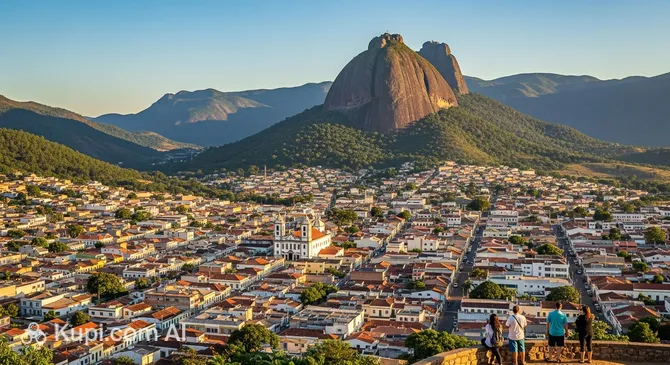
Serra Talhada. Source: Kupi.Binoculars

The city's name, which translates to "Hewn Mountain," is derived from the striking rock formation that dominates the horizon, appearing as if it were carved by hand. The climate here is typically semi-arid, characterized by warm temperatures year-round, which perfectly complements the resilient spirit of the local community. Visitors interested in the past will find the history of Serra Talhada deeply engaging, particularly its fame as the birthplace of Virgulino Ferreira da Silva, better known as Lampião, the most famous leader of the Cangaço movement.

Travelers are drawn to the city not only for its historical significance but also for its vibrant culture. Serra Talhada is celebrated as the Capital of Xaxado, a rhythmic dance traditionally associated with the cangaceiros. You can explore this heritage at the Museu do Cangaço, which houses an impressive collection of artifacts. Whether you are hiking up the namesake mountain for a panoramic view or immersing yourself in local folklore, Serra Talhada invites you to experience the authentic soul of the Sertão.

Weather Overview

The climate in Serra Talhada is characteristic of the Brazilian Sertão, featuring hot temperatures and abundant sunshine throughout the year. Visitors can generally expect a warm atmosphere, with average temperatures peaking at around 28.5°C in November. Even during the mildest months of June and July, the weather remains comfortable, with daily averages hovering around 23°C and minimums rarely dropping below 18°C.

Precipitation follows a distinct seasonal pattern. The first half of the year, particularly from January to May, brings frequent showers, with March seeing up to 16 wet days. In contrast, the period from August to October is extremely dry, often recording zero wet days and maximizing opportunities for outdoor exploration. To help you pack appropriately for your specific travel dates, you can consult the detailed guide to the weather in Serra Talhada.

Interesting Facts

Beyond the main attractions and its fame as a historical hub, Serra Talhada holds fascinating cultural nuances that define its unique identity in the Brazilian Northeast.

  • The Origins of Xaxado: While known as the Capital of Xaxado, few know the specific roots of this dance preserved here. It was originally a war dance practiced by cangaceiros to flatten the dust of the backlands, often using their rifles as dance partners to keep the rhythm because there were few women in their groups initially.

  • Lampião's Birthplace Ruins: History enthusiasts can go beyond the museum exhibits and visit the actual Sítio Passagem das Pedras. This location preserves the ruins of the house where the infamous Lampião was born, offering a tangible connection to the early life of the "King of Cangaço" before he became a legend.

  • Capital of the Pajeú Valley: Geographically and economically, the city is the powerhouse of the Sertão do Pajeú region. It serves as a crucial medical, educational, and commercial center for neighboring towns, earning it a reputation as a modern oasis amidst the semi-arid landscape.

How to Get There

Reaching the heart of the Pajeú Valley requires a bit of planning, as the journey often involves a combination of air and ground travel. While the city is well-connected by highways, international visitors typically fly into larger regional hubs before completing the trip by road. You can find detailed information on routes and transport options in our guide with all ways to reach the city.

The most convenient gateway for many travelers is the Orlando Bezerra de Menezes Airport (IATA: JDO), located in the city of Juazeiro do Norte. It is situated approximately 137 km from Serra Talhada. As the city of Serra Talhada does not have a large international airport of its own, this regional hub serves as a primary entry point. From Juazeiro do Norte, the drive takes about 2.5 hours by taxi or rental car, offering a scenic introduction to the landscapes of the interior.

Another viable option is the Petrolina International Airport (IATA: PNZ), located in Petrolina. Although it is further away, at a distance of about 294 km, it is a significant hub with reliable connections. Travelers arriving here should anticipate a ground transfer of approximately 4 to 4.5 hours. Both airports handle a moderate volume of regional traffic, ensuring essential services and connections are available for tourists.

For clarity, here is a summary of the main airports in the vicinity:

Airport Name City Passenger Traffic Km from City
Orlando Bezerra de Menezes Airport Juazeiro do Norte Medium 137.3
Petrolina International Airport Petrolina Medium 293.7
Joao Suassuna Airport Campina Grande Small 275.6

Regarding rail travel, Serra Talhada is not currently served by passenger train lines. The railway infrastructure in this part of Brazil is primarily dedicated to freight or is no longer in operation for regular tourism. Visitors are advised to rely on the extensive bus network (intermunicipal coaches) or private vehicles to navigate between cities in Pernambuco and neighboring states.

Main Attractions

The city offers a fascinating mix of historical depth and natural beauty, making it a compelling destination for travelers exploring the Brazilian Sertão. From the rugged peaks that gave the municipality its name to the museums preserving the memory of the legendary bandits of the backlands, there is much to discover. Whether you are a history enthusiast or a nature lover, the local sights provide a genuine glimpse into the soul of the Northeast.

Museu do Cangaço is undoubtedly the premier cultural attraction in the city. Housed in the beautifully restored old railway station, this museum boasts the largest collection of Cangaço artifacts in Brazil. Visitors can examine authentic photographs, weapons, and clothing that once belonged to the infamous Lampião and his band. It serves as an essential stop for understanding the complex social history of the region and the life of the "King of Cangaço," who was born right here in Serra Talhada.

Dominating the landscape is the Serra Talhada itself, the striking mountain formation that inspired the city's name. For those who enjoy outdoor activities, hiking to the top is a rewarding experience, offering panoramic views of the Pajeú Valley. The trail leads to the Mirante do Talhado, a viewpoint that is particularly magical at sunset, when the fading light casts dramatic shadows over the caatinga vegetation and the city below.

In the heart of the city stands the majestic Igreja Matriz de Nossa Senhora da Penha. This imposing parish church is a masterpiece of neoclassical architecture and a central landmark for the faithful. It impresses visitors with its grand façade and beautiful stained glass windows. It is not just a place of worship but a symbol of the city's development and religious devotion.

For a relaxing afternoon by the water, the Açude Cachoeira II is a favorite spot among locals and tourists alike. This large reservoir is perfect for boat rides, fishing, or simply enjoying the fresh air away from the urban bustle. It is another excellent location for watching the sunset, as the calm waters reflect the colors of the sky, creating a peaceful atmosphere that contrasts with the arid surroundings.

History buffs willing to venture a bit further should visit the Sítio Passagem das Pedras. Located in the rural zone, this is the actual birthplace of Virgulino Ferreira da Silva, Lampião. The site preserves the ruins of his family's home and offers a tangible connection to the early life of the figure who would become the most feared and famous name in the history of the Brazilian Northeast.

Local Cuisine

The culinary scene in Serra Talhada is a proud representation of Cozinha Sertaneja (backcountry cuisine), known for its robust flavors and reliance on locally raised livestock and native crops. The food here is hearty and savory, designed to sustain the hardworking people of the semi-arid interior. Dining in the city offers an authentic glimpse into the traditions of the Brazilian Northeast, where every meal feels like a celebration of regional identity.

The absolute highlight of the local menu is goat meat (bode), which is prepared in various styles and is considered a regional specialty. A must-try dish is Bode Assado, where the meat is grilled over charcoal to achieve a smoky flavor and tender texture. For those feeling adventurous, the Buchada de Bode is a traditional delicacy made from a goat's stomach stuffed with a seasoned mixture of entrails, herbs, and blood, offering a rich and intense taste experience that is legendary in Pernambuco.

Another cornerstone of the diet is Carne de Sol, sun-dried salted beef that is rehydrated and grilled. It is almost always served with macaxeira (cassava), which can be boiled or fried, and slices of grilled queijo coalho, a salty, squeaky cheese that does not melt away. These main courses are frequently accompanied by Baião de Dois, a delicious and filling mixture of rice, green beans (feijão de corda), cheese, and dried meat.

To complement the rich food, locals often enjoy a glass of cachaça, Brazil's national sugarcane spirit, which is produced in the region. For a refreshing non-alcoholic option, look for juices made from fruits native to the Caatinga biome, such as umbu or cajá. These fruits have a distinctive sweet-and-sour flavor profile that provides a perfect palate cleanser after a heavy meal.

For the most authentic dining experience, visitors should head to the Mercado Público (Public Market) or local open-air eateries known as churrascarias. These venues are where the community gathers, offering a lively atmosphere and generous portions. Eating at the market is not just about the food; it is a social event where you can observe the daily rhythm of the city while enjoying home-style cooking at very affordable prices.

Travel Tips

Visiting Serra Talhada is an immersive experience into the warmth of the Brazilian Sertão, both in terms of its sunny climate and its welcoming people. To ensure your journey through the historic land of Xaxado is as smooth and enjoyable as possible, we have compiled a set of practical recommendations tailored to the local environment and customs.

  1. Clothing and Gear: Given the semi-arid climate, the heat can be intense. Pack lightweight, breathable fabrics like cotton or linen to stay cool. A wide-brimmed hat, high-quality sunglasses, and strong sunscreen are absolute essentials for protection against the sun. If you plan to hike the Serra Talhada mountain, bring sturdy hiking boots. For visiting churches like the Igreja Matriz, dress modestly; avoid swimwear or overly revealing outfits.

  2. Transportation: The city center is relatively compact, but the heat can make walking tiring. Mototaxis (motorcycle taxis) are a very common, fast, and affordable way to get around in the interior of Pernambuco. Regular taxis and ride-hailing apps are available but may have longer wait times than in capital cities. For exploring remote sites like Sítio Passagem das Pedras, renting a car is highly recommended for flexibility.

  3. Finances: The local currency is the Brazilian Real (BRL). While credit and debit cards are widely accepted in hotels, supermarkets, and restaurants in the city center, cash is king in smaller shops and the Mercado Público. Ensure you have small bills for street vendors or mototaxis. ATMs are available at major bank branches (Banco do Brasil, Bradesco, Caixa) in the downtown area.

  4. Health and Safety: Stay hydrated; the dry heat can lead to dehydration quickly, so always carry water. Do not drink tap water; always opt for bottled or filtered water. Pharmacies are plentiful in the center, with major chains like Pague Menos often open late. The city is generally safer than large metropolitan areas, but stick to well-lit streets at night and keep valuables secure.

  5. Communication: Portuguese is the primary language, and English is not widely spoken outside of specific tourist assistance or high-end establishments. downloading a translation app or learning basic phrases like "Bom dia" (Good morning) and "Obrigado" (Thank you) will go a long way. Pre-paid SIM cards from carriers like Vivo, Tim, or Claro can be easily purchased at pharmacies or newsstands for internet access.

  6. Local Etiquette: The people of the Sertão are known for their hospitality. Greetings are warm, often involving a handshake or a friendly nod. If a local offers you a coffee or a glass of water, it is polite to accept, as refusing can be seen as a rejection of their friendship. When visiting museums or historical sites, show respect for the local history, especially regarding the figures of the Cangaço, who are viewed with a mix of historical curiosity and regional pride.

  7. What to Avoid: Avoid taking photos of locals without asking for permission first, especially in rural areas or at the market. Also, avoid underestimating the midday sun; try to schedule strenuous outdoor activities for the early morning or late afternoon to prevent heat exhaustion.

  8. Bonus Tip: Wake up early to visit the Feira Livre (Open Market) if your trip coincides with market days. It is the best time to see the city come alive, buy fresh tropical fruits like umbu or cajá at the best prices, and witness the authentic daily life of the sertanejos before the afternoon heat sets in.

With these tips in mind, you are fully prepared to embrace the authentic spirit of the Brazilian interior. Enjoy the rugged beauty, the fascinating history, and the incredible hospitality that make Serra Talhada a truly unforgettable destination for any traveler.

Entertainment & Nightlife

Nightlife in Serra Talhada reflects the warm and welcoming spirit of the Pernambuco interior. While it may not have the pulsating nightclubs of a major metropolis, the city offers a lively social scene centered around conversation, cold drinks, and regional music. The evenings here are typically warm, encouraging locals to gather at open-air tables to enjoy the breeze and the company of friends. The atmosphere is casual and unpretentious, with a strong focus on botecos (traditional bars) and restaurants that frequently host live performances of forró and sertanejo, the musical heartbeats of the region.

The main hub for evening entertainment has traditionally been the city center (Centro), particularly around the squares where people promenade and socialize. However, the opening of the Shopping Serra Talhada has created a new modern district for nightlife. This complex is not just for shopping; it serves as a safe and comfortable gathering spot with a food court that stays open late, offering various dining options and occasional live music events. It is also home to Cine A, the city’s modern cinema complex, which is the go-to destination for catching the latest blockbuster movies in a climate-controlled environment.

For those seeking a more authentic local bar experience, Tô No Trabalho Bar is a popular choice among residents. It is known for its relaxed vibe, cold beer, and variety of snacks (tira-gostos) that pair perfectly with a casual night out. Another well-regarded spot is Vianey Churrascaria, which, while primarily a restaurant, attracts a crowd in the evenings looking for hearty meals and a lively atmosphere. These venues typically start filling up around 8:00 PM, with the peak action occurring on Friday and Saturday nights.

The dress code in Serra Talhada is relaxed and informal. Jeans, t-shirts, and comfortable footwear are the norm, even for a night out. Prices are generally very affordable compared to coastal capitals like Recife. A night out including dinner and drinks is budget-friendly, making it easy to sample different places. To get around, mototaxis are the most common and efficient form of transport, easily recognized by their colorful vests. They are available throughout the night, but it is always wise to ask for the price before hopping on. Regular taxis are also available but may require a phone call to arrange a pickup late at night.

Safety in Serra Talhada is generally better than in large Brazilian cities, but standard precautions apply. The area around the shopping mall and the main avenues in the center are well-lit and considered safe for evening walks. However, it is advisable to avoid unlit backstreets late at night and to use a taxi or mototaxi if you are returning to your accommodation after midnight. Always keep an eye on your personal belongings in crowded bars.

While the nights are for socializing, the daytime offers its own array of entertainment. History enthusiasts should not miss the chance to revisit the Museu do Cangaço to deepen their understanding of the region's past. For nature lovers, the daylight hours are best spent exploring the trails of the Serra Talhada mountain or enjoying the waters at Açude Cachoeira II. Whether day or night, the city provides a genuine slice of Sertão life that is both engaging and relaxing.

Parks & Museums

The cultural and natural landscape of Serra Talhada is a testament to the resilience and history of the Brazilian Sertão. While the city is famous for its historical figures, it also offers green spaces that showcase the unique beauty of the Caatinga biome, alongside institutions dedicated to preserving the memory of the backlands.

Parque Estadual da Mata da Pimenteira is the crown jewel of the region's natural areas. As the first state park in Pernambuco dedicated exclusively to the Caatinga biome, it offers a rare opportunity to explore this unique semi-arid ecosystem up close. The park is home to a diverse array of flora and fauna, including endangered species, making it a fantastic spot for birdwatching and nature photography. Visitors can explore guided trails that weave through the twisted trees and cacti, learning about the environmental importance of this resilient vegetation.

Another significant natural landmark is the Serra Talhada mountain itself, which functions as a massive open-air park for hikers and climbers. Beyond the challenge of the ascent, the area provides a direct connection to the raw nature of the interior. The geological formations here are striking, and the trails lead to vantage points that offer sweeping views of the Pajeú Valley. It is an ideal location for those looking to disconnect from the city and immerse themselves in the silence and vastness of the landscape.

For cultural immersion, the Museu do Cangaço is the city's most important institution. Housed in the historic Old Railway Station, the building itself is a relic of the early 20th century. Inside, the museum offers a deep dive into the era of the cangaceiros. It goes beyond just displaying weapons and clothes; it contextualizes the social struggle and the daily life of these bands. Tourists will find the photographic archives particularly compelling, as they put faces to the legends that shaped the identity of the Northeast.

Sítio Passagem das Pedras operates as an open-air museum and is essential for history enthusiasts. Located in the rural zone, this site preserves the ruins of the house where Lampião was born. It is maintained to keep the memory of the cangaço cycle alive. Visiting this site offers a different perspective than a traditional indoor museum; standing in the harsh, dry landscape where the "King of Cangaço" grew up provides a visceral understanding of the environment that forged his character.

In terms of architecture, the Igreja de Nossa Senhora do Rosário dos Pretos stands as a poignant historical landmark. Built in the 18th century, it is the oldest church in the city and was constructed by enslaved people. Its simple yet dignified architecture contrasts with the grander Igreja Matriz de Nossa Senhora da Penha. The Matriz, with its neoclassical design and prominent location in the city square, remains the architectural centerpiece of Serra Talhada, representing the religious devotion that is central to local culture.

For a truly authentic experience, try to catch a rehearsal or performance of a local Xaxado group at one of the cultural centers or public squares. Unlike staged tourist shows in big cities, the dance here is a living tradition, performed with intense energy and pride. Watching the rhythmic stomping of the dancers, dressed in traditional leather gear, is the best way to feel the pulse of the city's heritage.

Getting Around

The public transport system in Serra Talhada is relatively simple and straightforward, reflecting the city's size and layout. Unlike major metropolitan areas, there is no metro, tram, or train network available for urban mobility. Instead, the city relies entirely on road-based transportation, with a mix of buses, vans, and private services catering to the needs of residents and visitors. For tourists, navigating the city is generally easy, though it requires adapting to a more informal style of transit compared to larger capitals.

The most popular and efficient way to get around the city is by mototaxi. In the interior of the state, motorcycles are the primary mode of transport due to their agility and low cost. Official mototaxi drivers are regulated by the municipality and can be easily identified by their numbered vests, which are usually brightly colored (often yellow or orange). This service is available at designated stands scattered throughout the city, particularly near the main squares and the public market, or they can be flagged down on the street.

For those who prefer four wheels, taxis are readily available, though they are less ubiquitous than motorcycles. You will typically find taxi ranks (pontos de táxi) at strategic locations such as the bus terminal, the shopping mall, and the central church square. Ride-hailing apps have also established a presence in the region, offering a convenient alternative for those who prefer to book a ride via smartphone. However, availability can vary depending on the time of day, so it is always good to have a backup plan.

Public buses and shared vans (often called lotações) operate within the city, connecting the downtown area with outlying neighborhoods. While this is the most economical option, routes and schedules may not be as strictly defined or frequent as in larger cities. These services are primarily designed for local commuters rather than tourists, so they may not always stop directly at specific attractions. If you choose to use the bus, be prepared for longer wait times and ask locals for the best route to your destination.

Regarding payment, the system in Serra Talhada is predominantly cash-based. There are no complex travel cards or digital ticketing systems for public transit. Whether you are taking a bus, a van, or a mototaxi, you will pay the driver directly upon boarding or arriving at your destination. It is highly recommended to carry small bills and coins, as drivers often do not have change for large banknotes. Prices are generally very affordable, with mototaxi rides costing a fixed fee for short distances within the city center.

For visitors staying within the central district, walking is often the best option. The city center is compact, and many key landmarks, restaurants, and shops are located within a short distance of each other. However, given the semi-arid climate, the heat can be intense during the middle of the day. If you plan to explore the surrounding rural areas or the natural parks, renting a car is the most practical solution, providing the freedom to travel at your own pace and escape the limitations of the urban transport network.

Accommodation

Accommodation in Serra Talhada is characterized by its practicality and warm hospitality, catering primarily to business travelers and visitors exploring the Sertão. The city does not feature large luxury resorts or international five-star chains; instead, it offers a solid selection of mid-range hotels and family-run pousadas (inns). These establishments typically focus on providing essential comforts such as air conditioning—a must in the semi-arid climate—Wi-Fi, and hearty regional breakfasts.

The most convenient area for tourists to stay is the Centro (City Center). Staying here places you within walking distance of key landmarks like the Igreja Matriz de Nossa Senhora da Penha, the public market, and various dining options. It is the heartbeat of the city, where banks, pharmacies, and transport links are easily accessible. Recently, the area surrounding the Shopping Serra Talhada has also become an attractive option for those seeking more modern facilities and proximity to the cinema and food court, offering a slightly quieter atmosphere than the bustling downtown streets.

Regarding costs, travelers will find Serra Talhada to be quite affordable compared to the coastal tourist hubs of Pernambuco. The price range generally spans from budget to moderate, offering excellent value for money. While many of the larger hotels are listed on major online booking platforms, some smaller pousadas may still rely on direct bookings via phone or messaging apps. It is always a good idea to confirm your reservation before arrival.

Booking Tip: While finding a room is usually easy, the city fills up quickly during major regional events. If you plan to visit during the São João festivities in June or the Encontro Nordestino de Xaxado, it is highly recommended to book your accommodation several weeks, or even months, in advance to secure the best locations and rates.

Nearby Cities

For those looking to explore the surroundings, Serra Talhada serves as an excellent base for day trips to several interesting nearby locations. The region of the Pajeú Valley and its neighbors offer a mix of cultural heritage and bustling regional life that complements the experience of the main city.

One notable destination is Afogados da Ingazeira, often celebrated as the "Princess of the Pajeú." Located relatively close by, this city is a cultural beacon known for its deep connection to regional poetry and music. Visitors are often drawn to the imposing Cathedral of Senhor Bom Jesus dos Remédios, a beautiful example of religious architecture in the interior. The city is also famous for hosting one of the most traditional cinema festivals in the interior of Pernambuco, reflecting its vibrant artistic scene.

Another key regional hub is Salgueiro, widely known as the "Crossroads of the Northeast" due to its strategic location at the intersection of major federal highways. While it is a bit further away, it serves as a fascinating example of a commercial and logistical center in the semi-arid region. Salgueiro offers a lively atmosphere with busy markets and is a great place to observe the economic pulse of the Sertão, acting as a bridge between the states of Pernambuco and Ceará.

City Population Distance (km)
Salgueiro 56,629 93
Brejo Santo 45,193 94
Mauriti 44,240 85
Afogados da Ingazeira 35,088 77
Custodia 33,855 73

These nearby destinations offer a glimpse into the diverse culture and landscapes of the region, allowing travelers to broaden their understanding of the Brazilian Northeast beyond the borders of Serra Talhada.

Shopping & Souvenirs

Shopping in Serra Talhada offers a distinct blend of modern convenience and traditional Sertanejo culture. As the commercial hub of the Pajeú Valley, the city attracts residents from neighboring towns, creating a bustling retail environment. While it is not a destination for high-end luxury brands, it is an excellent place to find authentic regional goods, affordable clothing, and items that reflect the unique identity of the Brazilian Northeast.

The primary shopping district is located in the Centro (City Center), particularly along the main avenues such as Rua Enock Inácio de Oliveira and the streets surrounding the central squares. This area is a lively open-air commercial zone where visitors can find everything from large department stores and electronics shops to small family-run boutiques. The atmosphere here is energetic, especially on weekday mornings, offering a genuine slice of local life.

For a more modern and climate-controlled experience, visitors should head to Shopping Serra Talhada. This is the city's first major shopping mall and serves as a key leisure destination. It features a variety of national retail chains, a food court, and a cinema. It provides a comfortable escape from the midday heat and is the best place to find standard fashion, accessories, and services in a contemporary setting.

To truly experience the local culture, a visit to the Mercado Público (Public Market) and the weekly Feira Livre (Open Market) is essential. These markets are the heart of the city's commerce, overflowing with colors and scents. Here, you can browse stalls selling fresh tropical fruits, vegetables, medicinal herbs, and regional staples like sun-dried meat (carne de sol) and coalho cheese. It is also a great spot to observe the dynamic trade interactions of the region.

When it comes to souvenirs, Serra Talhada offers unique items deeply rooted in its history as the land of Lampião and Xaxado. Leather goods are a regional specialty; look for high-quality sandals, belts, and the iconic "hats" worn by the cangaceiros. Local handicrafts, often made from clay or wood, also make for meaningful keepsakes. Additionally, edible souvenirs like bottled butter (manteiga de garrafa), rapadura sweets, and locally produced cachaça are popular choices to bring a taste of the Sertão home.

Store opening hours in the street districts typically run from 8:00 AM to 6:00 PM on weekdays, with shops closing around 1:00 PM on Saturdays and remaining closed on Sundays. The shopping mall operates on a different schedule, usually staying open from 10:00 AM to 10:00 PM Monday through Saturday, with reduced hours on Sundays, primarily for the food court and leisure areas.

Regarding payment, major credit and debit cards are widely accepted in the shopping mall, supermarkets, and established stores in the city center. However, cash is still the preferred method of payment at the Mercado Público, street stalls, and smaller vendors. It is advisable to carry some Brazilian Reais (BRL) in smaller denominations for these transactions. Tax-free shopping or VAT refunds are generally not available for international tourists in standard retail stores in this region.
Reached the end of the page?

That means the route is fully explored