Support

Campina Grande

About

Welcome to Campina Grande, a dynamic metropolis nestled in the heart of the state of Paraíba. Known affectionately as the "Queen of the Borborema," this city offers a fascinating blend of traditional culture and modern innovation. As one of the most important industrial and educational hubs in the Northeast of Brazil, it captivates visitors with its lively atmosphere and welcoming spirit.
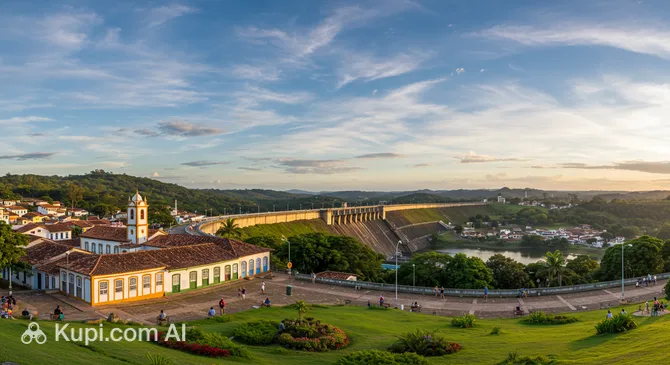
Campina Grande. Source: Kupi.Binoculars

Geographically, the city sits on the Borborema Plateau, which grants it a milder and more pleasant climate compared to the sweltering heat often found in coastal areas. With a population of over 400,000 residents, it serves as a bustling center for trade and technology while retaining a strong connection to its roots.

The history of Campina Grande is deeply rooted in its origins as a resting place for tropeiros (cattle drovers), evolving over centuries into a cultural powerhouse. Today, the city is globally renowned for hosting "O Maior São João do Mundo" (The Biggest Saint John in the World), a spectacular month-long festival in June that attracts millions of revelers with music, dance, and colorful folklore. Beyond the festivities, visitors can explore the scenic Açude Velho, a historic dam surrounded by walking paths and iconic landmarks, such as the Museum of Popular Arts designed by the famous architect Oscar Niemeyer.

Whether you are drawn by the rhythmic beats of forró music, the unique local cuisine, or the city's vibrant energy, Campina Grande promises an unforgettable experience. It is a destination where tradition and progress walk hand in hand, inviting every traveler to discover the authentic soul of the region.
Weather Overview

Campina Grande benefits from a moderate climate thanks to its location on the Borborema Plateau, offering relief from the intense tropical heat often found on the Brazilian coast. The weather in Campina Grande remains relatively warm throughout the year, but visitors will notice a distinct shift between the rainy first half of the year and the drier second half.

Temperatures are generally consistent, with the warmest period spanning from November to February. During these months, average temperatures sit around 26°C, while daytime highs frequently reach roughly 30°C. In contrast, the winter months of June and July bring cooler air, with average temperatures dropping to approximately 22°C and minimums occasionally falling to 19°C, creating a comfortable atmosphere for evening activities.

Precipitation patterns vary significantly, with the wettest season occurring between March and July. March is typically the rainiest month in terms of frequency, seeing up to 20 wet days. Travelers planning a trip later in the year can expect much drier conditions; October is notably the driest month, averaging only about 4 wet days, making it an excellent time for outdoor exploration.

Interesting Facts

Beyond its reputation for hosting massive festivals, Campina Grande holds a treasure trove of architectural and historical secrets waiting to be uncovered. The city’s unique blend of past agricultural wealth and modern intellectual capital has created several fascinating features that often surprise first-time visitors.

Museum of Popular Art of Paraíba. Source: Kupi.Binoculars
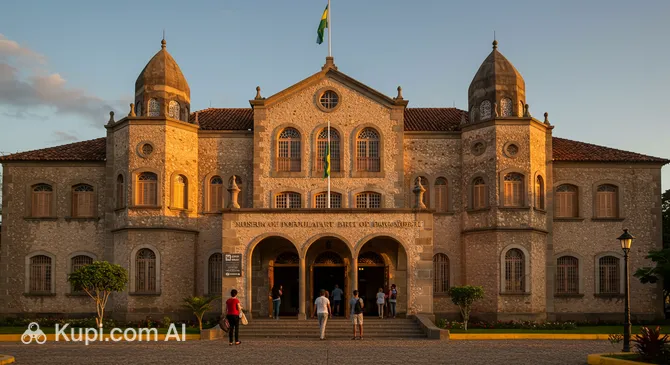
  • Architectural enthusiasts will appreciate the Museum of Popular Art of Paraíba, a striking landmark designed by the legendary Oscar Niemeyer. The building consists of three circular structures suspended over the water, which are affectionately said to resemble giant "pandeiros" (tambourines) in honor of the region's musical heritage.

  • In the early 20th century, the city earned the nickname "The Brazilian Liverpool." This title was bestowed because Campina Grande was the second-largest cotton exporter in the world at the time, a "white gold" era that funded much of the city's early urbanization and railway expansion.

  • Travelers can step directly into the rural past at Vila Sítio São João. This attraction is not just a venue but a faithful reconstruction of a traditional northeastern village, complete with authentic mud houses, a working flour mill, and a bodega, preserving the daily life of the countryside within the urban area.

  • Despite its deep roots in folklore, Campina Grande is frequently cited as the "Silicon Valley of the Northeast." It boasts one of the highest concentrations of PhDs and software engineers per capita in Brazil, serving as a major hub for technological innovation and digital research in Latin America.

How to Get There

Reaching this destination is relatively straightforward, with options ranging from regional flights directly into the city to landing in major coastal hubs and taking a scenic drive inland. For a complete guide on travel logistics and routes, you can read more about how to get to Campina Grande.

The most convenient entry point is Joao Suassuna Airport (IATA: CPV), located just 5.5 km from the city center. Although it is a smaller regional airport, it provides essential links to major Brazilian cities. A taxi or transfer from here is quick, typically taking about 30 minutes to reach downtown hotels.

For international travelers or those seeking a wider variety of flight schedules, the city of Campina Grande is often accessed via larger airports in neighboring state capitals. You can fly into Presidente Castro Pinto International Airport (IATA: JPA) in the city of Joao Pessoa, which is approximately 104 km away. The transfer by road from Joao Pessoa takes roughly 1.5 to 2.5 hours. Another major option is Guararapes-Gilberto Freyre International Airport (IATA: REC) in Recife, situated about 146 km from Campina Grande. As a large hub with high passenger traffic, it offers extensive connectivity, with a travel time of approximately 2.5 to 3.5 hours by bus or car.

For clarity, here is a summary of the main airports:

Airport Name City Passenger Traffic Km from City
Guararapes-Gilberto Freyre International Airport Recife Large 146.3
Maceio-Zumbi dos Palmares International Airport Maceio Medium 253.5
Governador Aluízio Alves International Airport Natal Medium 170.4
Presidente Castro Pinto International Airport Joao Pessoa Medium 103.9
Joao Suassuna Airport Campina Grande Small 5.5

Campina Grande does not have active passenger railway service, as train travel is not a primary mode of transport in this region for tourists. However, the city is exceptionally well-connected by a network of federal and state highways. Visitors often arrive by long-distance buses, which are comfortable and frequent, connecting the city to nearly all major centers in the Northeast. The main bus terminal is a busy hub, making road travel a reliable and popular choice for getting here.

Main Attractions

Campina Grande is a city where culture and history come alive in public spaces. While it is famous for its June festivals, the city offers year-round attractions that celebrate the unique heritage of the Brazilian Northeast. Visitors can explore open-air museums, iconic monuments, and green spaces that reflect the pride of the "Rainha da Borborema."

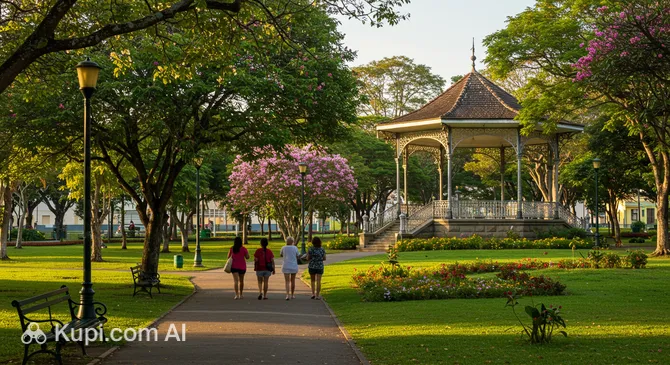
A serene escape can be found at Liberty Park (Parque da Liberdade), a site deeply woven into the city's history. Originally known as the "Tanque do Povo" (People's Tank), it served as a crucial water source for the population in the 19th century. Today, it stands as a revitalized recreational area where visitors can admire the historical atmosphere, enjoy the playground, or simply relax on the benches under the shade of trees.

Liberty Park. Source: Kupi.Binoculars

For those seeking a relaxing break outdoors, the Children's Park (Parque da Criança) is a favorite gathering spot for locals and visitors alike. Despite its name, it appeals to all ages, featuring extensive walking tracks, sports courts, and lush gardens. It is located near the Açude Velho, making it a perfect location for a late afternoon stroll to enjoy the sunset and the city's pleasant climate.

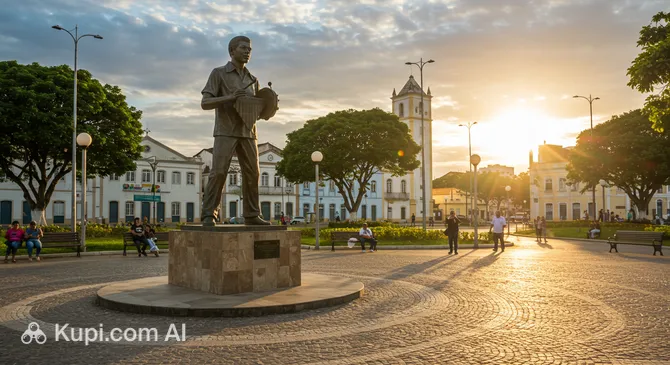
A tribute to one of the region's most influential musicians can be found at the Jackson do Pandeiro Monument. Standing prominently near the water, this bronze statue honors the "King of Rhythm," who played a pivotal role in popularizing northeastern music across Brazil. It is a significant cultural landmark and a popular photo stop for music lovers who wish to pay homage to the artistic legacy of Paraíba.

Jackson do Pandeiro Monument. Source: Kupi.Binoculars

Another striking symbol of the city is the Sesquicentennial Monument of Campina Grande. Built to commemorate the city's 150th anniversary, this architectural structure features stylized figures representing the tropeiros (cattle drovers) who were essential to the city's founding and economic development. Its modern design against the backdrop of the Açude Velho makes it one of the most recognizable postcards of Campina Grande.

Finally, for a taste of the city's modern social life, visitors often stop by Partage Shopping Campina Grande. While it is a commercial center, it serves as a major hub for entertainment, dining, and events. It offers a comfortable environment to cool off, shop for local and international brands, or enjoy a meal at one of the many restaurants, providing a contemporary contrast to the city's historical sites.

Local Cuisine

The culinary scene in Campina Grande is a flavorful reflection of the Brazilian Northeast, known for its hearty ingredients and rich traditions. The local gastronomy relies heavily on the "sertanejo" roots, featuring staples such as corn, cassava (locally called macaxeira), and sun-dried meat. Visitors will find that food here is not just nourishment but a central part of the cultural identity, especially during the festive season of São João.

One of the absolute must-try dishes is Carne de Sol, heavily salted beef that is cured in the sun and typically served with pirão (a cassava puree), rice, and Queijo Coalho (a firm, squeaky cheese that is often grilled). Another regional favorite is Rubacão, a creamy and savory dish similar to a risotto, made with rice, beans, cheese, and jerked beef. For breakfast or a lighter snack, Tapioca pancakes filled with coconut, cheese, or meat are ubiquitous and delicious.

For those interested in the local dining atmosphere, the city offers a mix of traditional markets and modern establishments. A great place to experience the local bar culture and enjoy some appetizers is Seu Manoel. It is a popular spot where friends gather to chat and enjoy cold drinks in a relaxed setting.

If you have a sweet tooth, the region’s corn-based desserts are legendary, particularly Pamonha (sweet corn paste wrapped in husks) and Canjica (a corn pudding). For a more refined bakery experience, La Suissa is a renowned establishment in Campina Grande, famous for its high-quality pastries, savory snacks, and inviting ambiance.

La Suissa. Source: Kupi.Binoculars

To accompany these meals, locals often enjoy fresh tropical fruit juices made from regional fruits like cajá, graviola, and acerola. For an alcoholic option, the region produces excellent Cachaça, Brazil's national sugarcane spirit, which is often enjoyed neat or in a refreshing Caipirinha. Visitors looking for a cozy place to enjoy a coffee or a meal might also visit Kroissant Café & Restaurant, which offers a delightful menu in a comfortable environment.

Travel Tips

Preparing for your journey to the heart of Paraíba? To ensure a smooth and enjoyable experience in Campina Grande, we have compiled a list of essential practical advice covering everything from packing to local customs, helping you navigate the city with confidence.

  1. Clothing and Gear: Unlike many coastal Brazilian cities, Campina Grande sits on a plateau and enjoys a milder climate. While lightweight, breathable clothing is perfect for the sunny days, you should definitely pack a light jacket or sweater for the evenings, especially if you visit between June and August when temperatures drop. Comfortable walking shoes are essential for exploring the parks and the expansive event grounds.
  2. Transportation: The most convenient way for tourists to get around is by using ride-hailing apps like Uber or 99, which are reliable and affordable. The city has a public bus system, but routes can be complex for first-time visitors. Car rental is generally not necessary for city travel but is a great option if you plan to explore the surrounding "Cariri" region or nearby towns like Areia.
  3. Finances: The local currency is the Brazilian Real (BRL). Credit and debit cards are widely accepted in hotels, restaurants, and shopping malls. However, it is wise to carry some cash for small purchases from street vendors, popcorn carts, or at the central market. ATMs are readily available, particularly in the Partage Shopping center and bank branches downtown. A 10% service charge is typically added to restaurant bills.
  4. Health and Safety: Pharmacies are abundant throughout the city, with major chains like Redepharma often operating 24/7. While Campina Grande is relatively safe, standard precautions apply: avoid walking in deserted areas late at night and keep your belongings secure in crowded places. For medical issues, travel insurance that covers private hospitals is highly recommended for faster service.
  5. Communication: Portuguese is the primary language, and English is not widely spoken outside of major hotels and the university environment. Downloading an offline translation app and offline maps is very helpful. You can purchase a prepaid SIM card from carriers like Vivo, TIM, or Claro at the mall; bring your passport, as registration is required.
  6. Local Etiquette: The people of Paraíba are known for their warmth and hospitality. Greetings often involve a handshake or a friendly kiss on the cheek, even among new acquaintances. It is polite to say "Bom dia" (Good morning) or "Boa tarde" (Good afternoon) when entering shops or boarding transport.
  7. What to Avoid: Do not drink tap water; always choose bottled or filtered water to avoid stomach issues. Additionally, avoid displaying expensive jewelry or large amounts of cash openly, especially when visiting the bustling Feira Central (Central Market).
  8. Festival Planning: If you are visiting in June for "O Maior São João do Mundo," proper planning is critical. Accommodation and transport can sell out months in advance due to the massive influx of tourists. Book everything early to secure your spot at the world's biggest Saint John festival.

With these tips in hand, you are fully prepared to embrace the vibrant culture and charm of Campina Grande. Enjoy the unique hospitality of the Brazilian Northeast and have a safe, memorable adventure!

Entertainment & Nightlife

Entertainment in Campina Grande is vibrant and diverse, reflecting the city's warm hospitality and love for music. While the city is world-famous for its massive June festivals, the nightlife scene buzzes year-round with a mix of lively bars, sophisticated restaurants, and cultural venues. The atmosphere is generally casual and welcoming, where locals mingle with visitors to enjoy good conversation, cold drinks, and the rhythmic beats of the Northeast.

For those looking to experience the heart of the city's evening social life, the area surrounding the Açude Velho is a primary hotspot. Another key district is Avenue Manoel Tavares, often referred to as the "Gastronomic Street" of Campina Grande. Here, you will find a high concentration of establishments ranging from open-air pubs to regional steakhouses, making it the perfect destination for a night out.

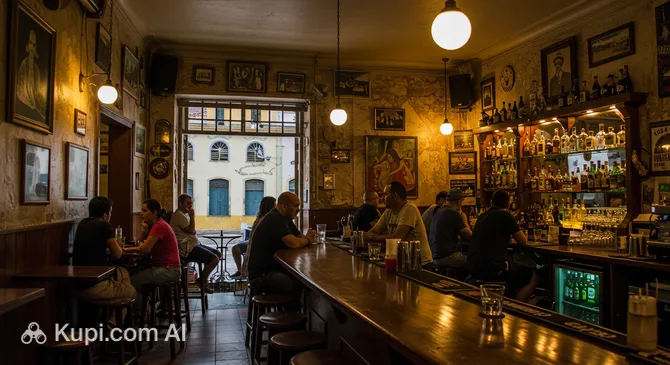
A standout venue for experiencing the local bar culture is Seu Manoel. This establishment is a favorite among residents for its relaxed vibe, excellent appetizers, and wide selection of drinks. It captures the essence of a traditional Brazilian "boteco" but with a modern touch, offering a great setting to unwind after a day of sightseeing.

Seu Manoel. Source: Kupi.Binoculars

If you are interested in immersing yourself in the region's musical heritage, Vila Sítio São João is a must-visit. While it operates as a cultural museum during the day, it frequently hosts evening events, especially during the festive season. It offers a unique opportunity to dance forró in an authentic setting that replicates a rural village of the past.

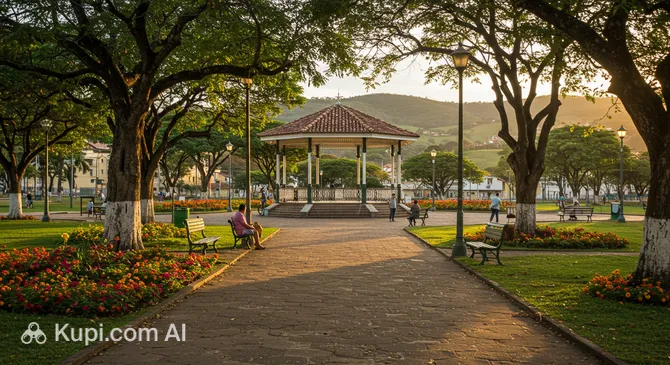
For a more low-key evening, a stroll through Bandeira Square (Praça da Bandeira) allows you to soak in the city's nocturnal charm. Located in the city center, it is a historic meeting point that often buzzes with activity in the early evening. It serves as a peaceful counterpoint to the busier nightlife districts and is safe for a relaxing walk.

Practical Nightlife Tips:

  • Best Time to Go: Bars typically start filling up around 8:00 PM. Thursdays through Saturdays are the busiest nights.
  • Dress Code: The style is mostly casual. Jeans and a nice top are suitable for almost all venues, although some nightclubs may prefer smart-casual attire.
  • Getting Around: Ride-sharing apps like Uber and 99 are the safest and most convenient way to travel between venues at night. Taxis are also available but can be more expensive.
  • Safety: The main nightlife areas like Manoel Tavares and Açude Velho are well-lit and generally safe. However, avoid walking alone in unlit streets late at night and keep an eye on your belongings in crowded bars.

While the nights are lively, daytime entertainment in Campina Grande is equally engaging. Visitors can explore various theaters and cultural centers that showcase local talent. Shopping enthusiasts can visit the bustling Edson Diniz Shopping Center in the downtown area, which offers a glimpse into the daily commercial life of the city before the sun goes down.

Parks & Museums

Campina Grande offers a refreshing mix of green sanctuaries and cultural institutions that celebrate its rich heritage and provide respite from the urban bustle. From architectural masterpieces suspended over water to historical grounds that tell the story of the city's development, visitors will find ample opportunities to explore the outdoors and immerse themselves in local traditions.

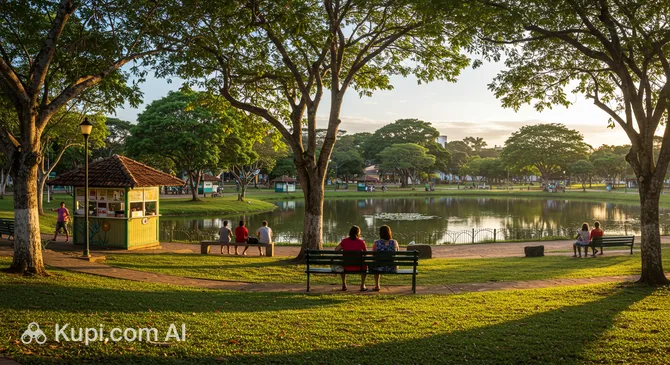
The city's premier recreational area is the Children's Park (Parque da Criança). Despite its name suggesting a playground only for little ones, this expansive park is a hub for all ages, featuring long walking and jogging tracks, sports courts, and skate areas. It serves as the "green lung" of the city, where locals flock in the early mornings and late afternoons to exercise or enjoy a picnic by the lake, making it an ideal spot for tourists to observe the local lifestyle.

Children's Park. Source: Kupi.Binoculars

Another significant site is Liberty Park (Parque da Liberdade), located in the historic center. This area is steeped in history, having once served as the "Tanque do Povo," a vital water reservoir for the population during the 19th century. Today, it is a revitalized space that combines preserved historical structures with gardens, offering a peaceful environment for a contemplative walk amidst the city's busy streets.

In the heart of downtown, Bandeira Square (Praça da Bandeira) stands as a central gathering point known as the "City's Living Room." Surrounded by important buildings and often hosting cultural events, this square is a perfect place to sit and watch the world go by, feeding the pigeons and enjoying the shade of ancient trees.

When it comes to museums, the skyline is dominated by the Museum of Popular Art of Paraíba (MAPP). Designed by the world-renowned architect Oscar Niemeyer, its three circular structures suspended over the Açude Velho are iconic. Inside, visitors can explore galleries dedicated to the region's music, handicrafts, and "Cordel" literature, providing a deep dive into the artistic soul of the Brazilian Northeast.

Vila Sítio São João. Source: Kupi.Binoculars

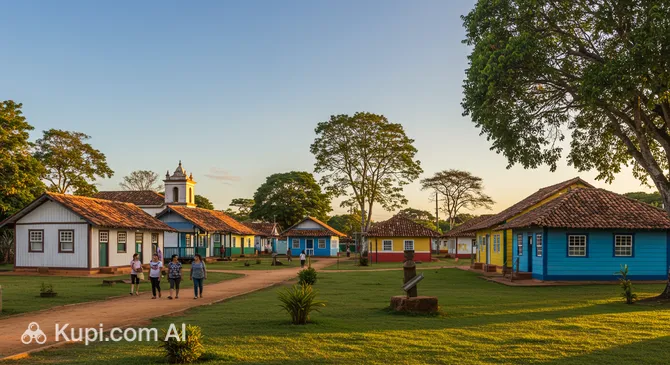
For a more immersive cultural experience, Vila Sítio São João offers a journey back in time. This open-air museum and park faithfully reconstructs a traditional northeastern village from the early 20th century. Visitors can wander through replicas of mud houses, a flour house, and a small church, gaining insight into the rural roots that shaped the region's identity before modern urbanization.

Insider Tip: For a unique look at the city's economic history, seek out the Cotton Museum (Museu do Algodão) located in the old railway station. It houses fascinating machinery and photographs from the "white gold" era that transformed Campina Grande into a major commercial hub.

Getting Around

The public transport system in Campina Grande relies almost exclusively on a comprehensive bus network. There is no metro, tram, or light rail service for daily commuting within the city. The buses are painted in different colors depending on their route and operating company, but they all function under a unified system. The network is designed to connect the residential neighborhoods with the city center, converging at the Terminal de Integração (Integration Terminal) located in the downtown area, which serves as the main hub for transferring between lines without paying an additional fare.

For payment, the system utilizes an electronic ticketing card known as Vale Mais. While locals predominantly use this card for convenience and integration benefits, tourists can easily pay the fare in cash directly to the conductor or driver upon boarding. The fare is affordable, typically costing a few Reais per trip. If you plan to stay for an extended period, you might consider acquiring a card at the main terminal, but for short visits, carrying small change in the local currency is the most practical option.

When using the bus, it is important to know a few local customs to ensure a smooth journey. Buses do not stop automatically at every shelter; you must signal the driver by raising your hand as the vehicle approaches. Boarding usually takes place through the front door, where you pay the fare and pass through a turnstile, while exiting is done through the rear door. Service typically runs from around 5:00 AM until approximately 10:00 PM or 11:00 PM, with reduced frequency on weekends and holidays. Using navigation apps like Moovit or Google Maps is highly recommended to track routes and arrival times.

For those seeking more comfort or direct transport, ride-sharing apps like Uber and 99 are extremely popular, reliable, and often very cost-effective compared to traditional taxis. They are widely considered the best option for tourists, especially at night. Traditional white taxis are also available at designated stands and can be hailed on the street. additionally, the city has a regulated mototaxi service (motorcycle taxis), where drivers wear specific vests and provide helmets for passengers. This is a fast way to get around traffic but is generally recommended for more adventurous solo travelers.

While there is no passenger train for regular transport, Campina Grande boasts a unique railway attraction known as the Locomotiva do Forró. This historic train operates primarily during the famous São João festival in June, transforming into a rolling party complete with live folk music and dancing. It is a cultural experience rather than a mode of transit, taking passengers on a scenic round trip between Campina Grande and the district of Galante, and is a highlight for anyone visiting during the festive season.

Accommodation

Finding a place to stay in Campina Grande is generally a straightforward task, as the city is well-equipped to host the influx of business travelers and tourists it receives throughout the year. The accommodation landscape ranges from efficient, modern business hotels and mid-range chains to modest, family-run inns known locally as pousadas. While it lacks the abundance of ultra-luxury resorts found in coastal destinations, visitors will find comfortable, clean, and safe options that offer excellent value for money.

The most popular area for tourists to base themselves is the City Center (Centro). Staying here places you within walking distance of major commercial districts, shopping centers, and historical landmarks like Bandeira Square. For those seeking a more scenic environment, the neighborhoods surrounding the Açude Velho are highly recommended. Hotels in this vicinity often offer pleasant views of the water and are conveniently close to key attractions such as the Museum of Popular Art and the various monuments, as well as a variety of restaurants and bars.

Booking Tip: This advice is critical if you are planning a trip in June. During "O Maior São João do Mundo" (The Biggest Saint John in the World), the city's population swells significantly, and accommodation demand skyrockets. It is not uncommon for hotels to be fully booked six months in advance for this period. If you intend to experience the festival, secure your reservation as early as possible, or consider renting a house or apartment, which is a common practice during the festivities.

Regarding costs, Campina Grande is generally quite affordable compared to Brazil's coastal capitals. Outside of the June festival season, travelers can find budget-friendly rooms and mid-range suites at very reasonable rates. Booking is easily done through major international online platforms, which is recommended for securing the best deals. However, for smaller local inns, contacting the establishment directly can sometimes yield a better price or a more personalized experience.

Nearby Cities

For those looking to explore the surroundings, Campina Grande serves as an excellent base for day trips to several interesting nearby locations:

One of the most culturally rich destinations in the region is Areia. Located in the Brejo Paraibano region, this charming town is a registered national heritage site, renowned for its well-preserved 19th-century colonial architecture and cobblestone streets. It is also famous as the "Capital of Paraíba Cachaça," offering visitors the chance to tour historic mills (engenhos) and taste some of Brazil's finest artisanal spirits. Beyond its history, Areia is the birthplace of the celebrated painter Pedro Américo, and his house is now a museum open to the public.

Another fascinating stop is Alagoa Grande, a town deeply connected to the musical roots of the Northeast. It is the hometown of Jackson do Pandeiro, the "King of Rhythm," and features a memorial dedicated to his life and work. The town boasts a beautiful historic center with colorful facades and the majestic theater, Teatro Santa Ignês. Nature lovers can also explore the nearby Cachoeira do Roncador, a scenic waterfall that is perfect for a refreshing break.

For a quick and convenient excursion, Lagoa Seca is located just a few kilometers from Campina Grande. Known for its pleasant climate and strong agricultural tradition, the town is often celebrated for its handicrafts, particularly wood and leather work. It is also home to the Convent of Ipuarana, a serene site that attracts visitors seeking peace and beautiful gardens.

City Population Distance (km)
Alagoa Grande 28646 35
Lagoa Seca 27247 8
Solânea 26734 57
Queimadas 26083 16
Areia 23110 35

These nearby destinations offer a glimpse into the diverse culture and landscapes of the region, making them perfect additions to your itinerary.

Shopping & Souvenirs

Shopping in Campina Grande is a delightful journey that bridges the gap between the rustic charm of traditional Northeastern markets and the convenience of modern retail centers. Whether you are looking for authentic handicrafts, regional delicacies, or the latest fashion trends, the city offers a variety of venues to satisfy every type of shopper.

For a comprehensive modern shopping experience, Partage Shopping Campina Grande is the city's premier destination. Located in the Catolé neighborhood, this large mall houses a wide array of national and international brands, a multiplex cinema, and a spacious food court. It is the perfect place to escape the heat, enjoy a movie, or find clothing and electronics in a comfortable, air-conditioned environment.

In the heart of the downtown area, the Edson Diniz Shopping Center offers a more central and accessible option. Situated near the busy Praça da Bandeira, it is a convenient stop for those exploring the city center. While smaller than Partage, it features a good selection of stores focused on popular fashion, services, and technology, reflecting the bustling commercial life of the city.

To truly connect with the local culture, a visit to the Feira Central (Central Market) is essential. Spanning several blocks in the city center, this open-air market is a chaotic and colorful spectacle that has been recognized as a Brazilian Cultural Heritage site. Here, visitors can find everything from leather sandals and hats to medicinal herbs and regional cheeses. It is the best place to buy "carne de sol" (sun-dried meat) and "rapadura" (unrefined cane sugar) directly from local producers.

For high-quality souvenirs and artistic goods, the Vila do Artesão (Artisan Village) is a must-visit. This dedicated space features dozens of chalets where local artisans produce and sell their work. It is particularly famous for items made from colored cotton (algodão colorido), a naturally pigmented cotton developed in the region that requires no chemical dyeing. You can also find intricate lace, wood carvings, and leather goods that make for unique gifts.

If you have a sweet tooth or are looking for edible souvenirs, stop by La Suissa. This renowned confectionery is famous for its fine chocolates, tortes, and savory snacks. Their beautifully packaged treats are perfect for taking a taste of Campina Grande home with you, provided you don't eat them all before you leave!

Reached the end of the page?

That means the route is fully explored