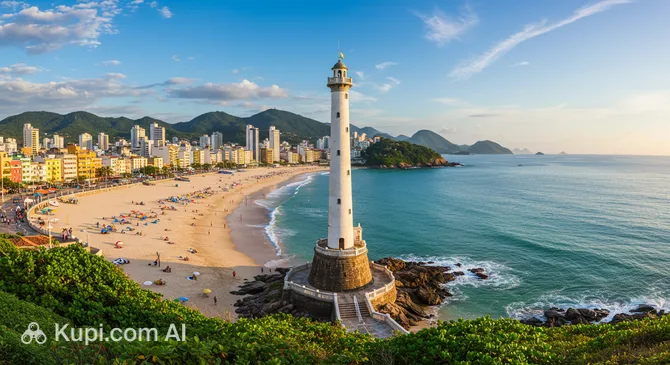
Welcome to João Pessoa, the sun-drenched capital of the state of Paraíba. Often celebrated as one of the greenest cities in the world, this coastal destination offers a perfect blend of urban convenience and natural beauty. Located in the Northeast region of Brazil, it holds the unique title of being the easternmost point of the Americas, famously known as the place "where the sun rises first" on the continent.
Joao Pessoa. Illustration.
Source: Kupi.com AI
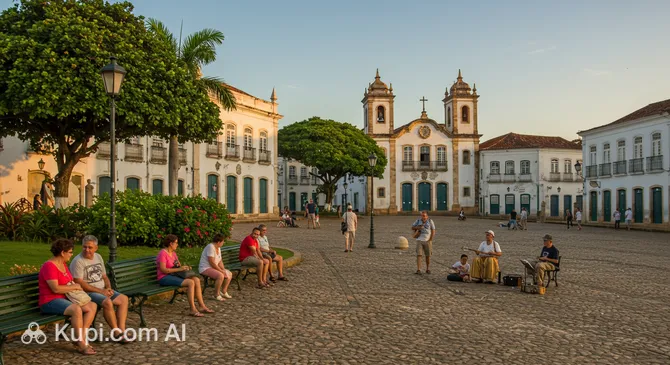
With a population of over 800,000 residents, the city maintains a welcoming and relaxed atmosphere despite its size. Visitors can delve into the fascinating history of João Pessoa by wandering through its historic center, which features colorful colonial buildings and the impressive São Francisco Cultural Center. As the third-oldest city in the country, founded in 1585, it boasts a rich heritage that is visible in its baroque architecture and charming streets.
Nature lovers and beachgoers will be enchanted by the city's coastline. Popular urban beaches like Tambaú and Cabo Branco are famous for their warm, emerald waters and vibrant promenades. A truly unique experience is watching the sunset at the nearby Jacaré Beach, where the melody of Ravel's Boléro is played on a saxophone every evening as the sun dips below the horizon. Whether you are seeking cultural immersion or a peaceful seaside retreat, João Pessoa invites you to relax and enjoy its warm hospitality.
Weather Overview
Joao Pessoa enjoys a warm, tropical climate year-round, making it an inviting destination for beach lovers at almost any time. The temperatures are remarkably stable, generally hovering between lows of 22°C in the cooler months of July and August and highs reaching nearly 30°C during the summer season from January to February. This consistent warmth ensures that the ocean waters remain pleasant for swimming throughout the year.
While the heat is constant, the city is also known for its frequent rainfall, which keeps the landscape lush and green. The wettest period typically spans from March to May, where you might encounter rain on most days, while October and November usually offer the driest conditions. To help you pack the right clothing and plan your outdoor activities, we recommend checking the detailed guide to the weather in Joao Pessoa. Expect warm, humid days with occasional showers that often pass quickly, leaving behind bright sunshine.
Average monthly temperature
Average monthly precipitation
Interesting Facts
Beyond its sun-soaked beaches and famous sunrise, Joao Pessoa holds a collection of fascinating traits that set it apart from other Brazilian capitals. Digging a little deeper reveals unique urban laws, ancient architecture, and ecological wonders that define the city's character.
Unlike many other coastal metropolises, the city enforces strict legislation limiting the height of buildings along the beachfront to just a few stories. This unique urban planning rule ensures that skyscrapers do not cast long shadows over the sand in the afternoon, allowing beachgoers to enjoy the sun and sea breeze until the very end of the day.
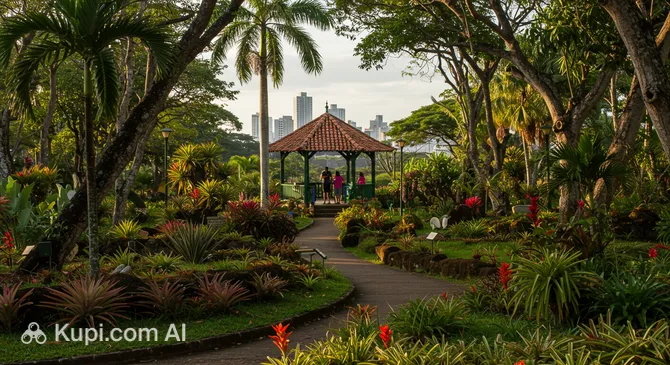
Joao Pessoa is widely recognized as one of the greenest cities in the world, boasting a vast area of native Atlantic Forest within its urban perimeter. A prime spot to experience this lush environment is the Arruda Câmara Zoobotanical Park (Bica), a sanctuary in the city center filled with ancient trees, natural springs, and free-roaming animals.
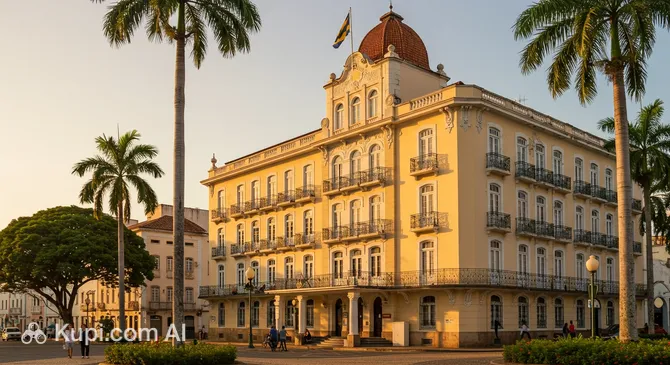
The historic Hotel Globo is a hotel in name only; today, it no longer accepts guests but serves as a museum and cultural center. Located in the historic downtown, its garden offers one of the most spectacular views of the sunset over the Sanhauá River, providing a quieter and more contemplative alternative to the bustling beaches.
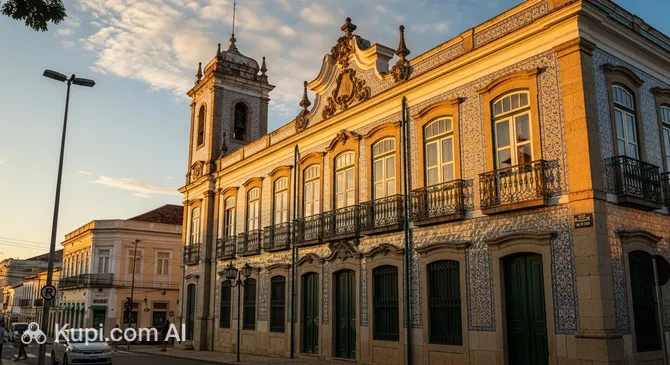
Art and history enthusiasts will find a treasure trove at the São Francisco Cultural Center, considered one of the most important baroque complexes in Brazil. The site is renowned for its magnificent architecture, including a famous "unfinished" tower and intricate rosewood carvings coated in gold leaf.
Hotel Globo. Illustration.
Source: Kupi.com AI
Traveler photos:
How to Get There
Reaching the easternmost city in the Americas is relatively straightforward, with options to fly directly into the metropolitan area or arrive via neighboring state capitals. Whether you prefer a direct connection or a scenic drive from a nearby major hub, you can find all ways to reach the city in our detailed guide.
The most convenient entry point is Presidente Castro Pinto International Airport (IATA: JPA). Located within the metropolitan area, it sits just about 8 km from the city center. While it is a smaller facility compared to some of Brazil's major hubs, it receives regular domestic flights from key cities across the country. The short distance means you can reach your hotel or the beach districts quickly, with a taxi ride taking approximately 20 to 30 minutes depending on traffic.
Many travelers also choose to fly into Guararapes-Gilberto Freyre International Airport (IATA: REC) in the city of Recife. This is a larger international hub located about 112 km from Joao Pessoa. Due to the higher frequency of flights and often more competitive fares, it is a popular alternative. From Recife, you can take a transfer, rental car, or bus to Joao Pessoa, a journey that typically takes around 2 to 3 hours. Another option is Governador Aluízio Alves International Airport (IATA: NAT) in Natal, situated approximately 159 km away, with a travel time of about 2.5 to 3.5 hours by road.
For clarity, here is a summary of the main airports:
While the coastline is the main draw for many visitors, the city offers a wealth of cultural and historical sites that are well worth exploring. From lush green spaces in the heart of the metropolis to preserved colonial architecture, the attractions here provide a deeper understanding of the region's heritage and natural beauty.
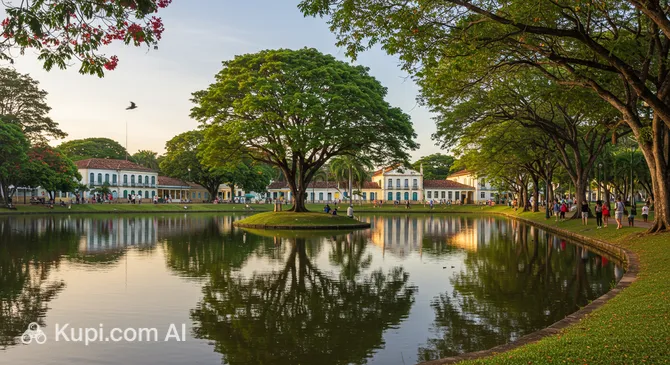
One of the most iconic postcards of the city is the Solon de Lucena Park (Parque da Lagoa). Located in the city center, this expansive park features a large lagoon ringed by majestic imperial palm trees and landscaped gardens. It is a favorite spot for locals to jog, picnic, or simply relax in the shade. Tourists will appreciate the picturesque scenery, especially during sunset when the fountains are illuminated, making it a perfect location for leisurely walks and photography.
Solon de Lucena Park (Parque da Lagoa). Illustration.
Source: Kupi.com AI
Traveler photos:
For a glimpse into the colonial past, the Gunpowder House (Casa da Pólvora) is a must-visit. Built in 1710, this historic structure was originally used to store ammunition and protect the city. Today, it serves as a cultural center and museum. Apart from its historical significance, it is perched on a hill that offers commanding views of the Sanhauá River and the historic downtown area, providing a fantastic vantage point for admiring the landscape.
Gunpowder House. Illustration.
Source: Kupi.com AI
Traveler photos:
Nature enthusiasts should not miss the Benjamin Maranhão Botanical Garden. This vast reserve protects a significant remnant of the Atlantic Forest right within the urban area. It offers guided trails where visitors can immerse themselves in dense vegetation, spot local wildlife, and escape the city noise. It is an excellent destination for eco-tourism and hiking, allowing you to connect with the rich biodiversity of the region without leaving the city limits.
Benjamin Maranhão Botanical Garden. Illustration.
Source: Kupi.com AI
Traveler photos:
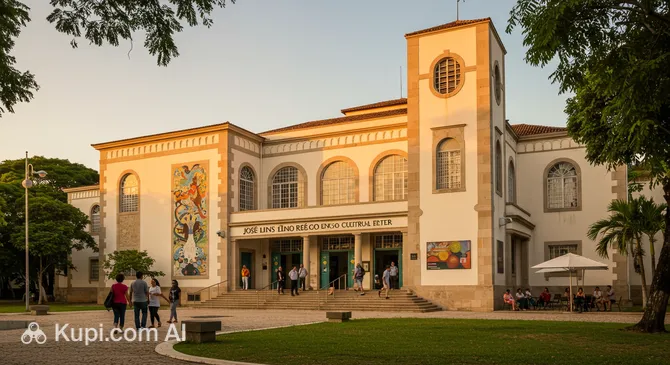
Those interested in arts and modern culture will find plenty to do at the José Lins do Rêgo Cultural Center. This massive complex is the hub of the state's artistic life, housing theaters, art galleries, a planetarium, and open-air event spaces. It is an interesting stop for tourists who want to check out local art exhibitions, catch a concert, or simply admire the modernist architecture that contrasts with the city's older colonial buildings.
José Lins do Rêgo Cultural Center. Illustration.
Source: Kupi.com AI
Traveler photos:
Local Cuisine
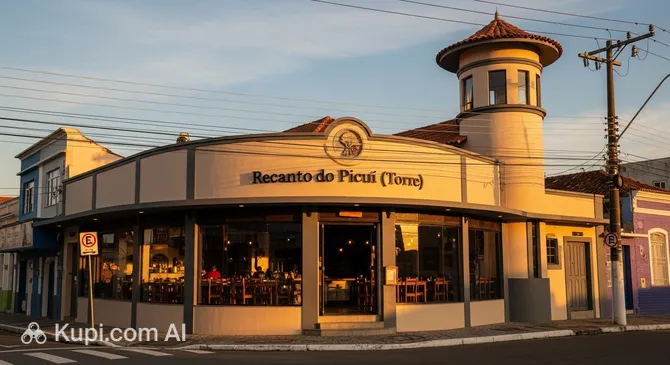
The culinary scene in Joao Pessoa is a vibrant reflection of the Northeast's rich cultural heritage, offering a delicious mix of indigenous, African, and Portuguese influences. The food here is hearty, flavorful, and deeply connected to the land and sea. One of the absolute must-try dishes is Carne de Sol, heavily salted beef that is cured in the sun and typically served with macaxeira (cassava), green beans, and paçoca (ground meat mixed with manioc flour). For an authentic experience of this regional staple, visitors often head to traditional establishments like Recanto do Picuí (Torre), which is renowned for serving some of the best sun-dried meat in the city.
Recanto do Picuí (Torre). Illustration.
Source: Kupi.com AI
Traveler photos:
Another local favorite that you will find on many menus is Rubacão, a creamy and savory rice dish similar to a risotto. It is cooked with red beans, cheese, jerky, and cream, creating a comfort food that is incredibly popular among locals. Being a coastal city, Joao Pessoa also excels in seafood. The beachfront kiosks are the perfect places to enjoy fresh crab (caranguejo), often served in a broth or cracked open at the table, as well as shrimp prepared in garlic and oil or stewed in coconut milk.
When it comes to drinks, the region's tropical climate provides an abundance of exotic fruits. You should definitely try fresh juices made from local fruits like cajá, mangaba, and graviola, which are refreshing and unlike anything found in cooler climates. For something stronger, Paraíba is famous for its production of cachaça, a sugarcane spirit. It is widely available and often enjoyed neat or in the famous caipirinha cocktail.
The food culture in Joao Pessoa is relaxed and accessible, ranging from casual street food to elegant dining. Breakfast or an evening snack often involves tapioca, a starch crepe filled with savory ingredients like cheese and sun-dried meat, or sweet options like coconut and condensed milk. For those with a sweet tooth, the city has a strong tradition of bakeries and confectioneries. A classic spot to indulge in savory snacks and traditional cakes is Sonho Doce, a beloved establishment that has been serving the community for decades.
Travel Tips
Planning a trip to the easternmost city in the Americas requires a bit of preparation to fully enjoy its laid-back vibe and natural wonders. To help you navigate the local customs and logistics with ease, we have compiled a set of practical tips designed to make your stay in Joao Pessoa smooth and memorable.
Clothing and Gear: The climate is tropical and warm year-round, so pack lightweight, breathable fabrics like cotton and linen. Comfortable walking shoes are essential for exploring the historic center, while flip-flops are perfect for the beach. Since the sun is very strong, bring a high-SPF sunscreen, sunglasses, and a wide-brimmed hat. If you plan to visit churches, remember to dress modestly, covering shoulders and knees.
Transportation: While public buses are available and affordable, they can be crowded and confusing for visitors. The most convenient way to get around is by using ride-hailing apps like Uber or 99, which are widely used, safe, and relatively inexpensive. If you wish to explore the stunning beaches on the southern coast (Litoral Sul) at your own pace, renting a car is highly recommended.
Finances: The official currency is the Brazilian Real (BRL). Credit and debit cards are accepted almost everywhere, including beach kiosks and small shops. However, it is wise to carry some cash for small purchases, coconut vendors, or tips. ATMs are easily found in banks, shopping malls, and at the airport. Tipping is generally 10% in restaurants, often included in the bill as a service charge.
Health and Safety: Pharmacies are plentiful, with major chains like Drogasil and Pague Menos often open late or 24/7. Tap water is not suitable for drinking; always opt for bottled or filtered water. In terms of safety, Joao Pessoa is considered one of the calmer capitals in the Northeast, but standard precautions apply: avoid deserted streets at night, do not display expensive jewelry or electronics, and stay vigilant in crowded areas.
Communication: The primary language is Portuguese. English is not widely spoken outside of major hotels and high-end tourist services. It is highly beneficial to learn a few basic phrases like "Bom dia" (Good morning) and "Obrigado" (Thank you). downloading a translation app for offline use is a great "life hack." You can buy SIM cards at newsstands or official operator stores (Claro, Vivo, TIM, Oi) with your passport.
Local Etiquette: Locals are known for being warm and welcoming. Greetings often involve a handshake or, among women or mixed company, two kisses on the cheeks. The "thumbs up" gesture is universally used to say "yes," "okay," or "thank you." When entering shops or elevators, it is polite to greet others.
What to Avoid: Avoid sunbathing topless on the beaches, as it is culturally frowned upon and technically illegal in non-designated areas. Also, try to avoid making the "OK" sign with your thumb and index finger forming a circle, as this gesture is considered offensive in Brazil.
Rise with the Sun: Since Joao Pessoa is the easternmost point of the Americas, the sun rises extremely early, often around 4:30 or 5:00 AM, and sets by 5:30 PM. To make the most of your day, embrace the local rhythm: wake up early for a morning walk or swim when the sun is pleasant, as the beaches get dark and empty relatively early in the evening.
By keeping these practicalities in mind, you will be well-equipped to relax and immerse yourself in the unique charm of the city. Whether you are watching the sunrise before the rest of the continent or enjoying fresh seafood by the shore, Joao Pessoa is ready to welcome you with open arms.
Entertainment & Nightlife
Entertainment and Nightlife:
The nightlife in João Pessoa is vibrant yet relaxed, perfectly reflecting the city's warm coastal charm. Unlike the frenetic pace of larger metropolises, the evening scene here is welcoming and diverse, centered largely around the bustling beachfront neighborhoods of Tambaú and Cabo Branco. As the sun sets, the seaside promenades come alive with locals and tourists strolling, exercising, and gathering at the many kiosks (quiosques) that line the shore. These open-air venues are the heart of the city's social life, offering live music—often the rhythmic beats of forró or sertanejo—along with cold drinks and fresh appetizers.
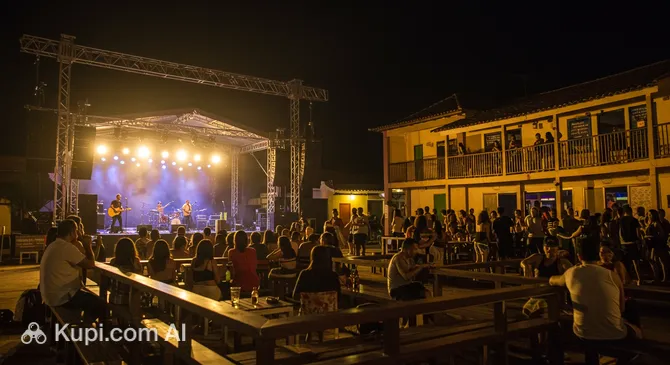
For those looking to dance the night away, the city offers several lively options. A popular destination for experiencing authentic local energy is Priscyllas Hall, often referred to by locals as "PH". This venue is a staple for nightlife enthusiasts, frequently hosting live bands that play a mix of traditional Brazilian genres. It attracts a spirited crowd ready to enjoy the music in a spacious and energetic setting, making it a great place to immerse yourself in the regional culture.
Priscyllas Hall. Illustration.
Source: Kupi.com AI
Traveler photos:
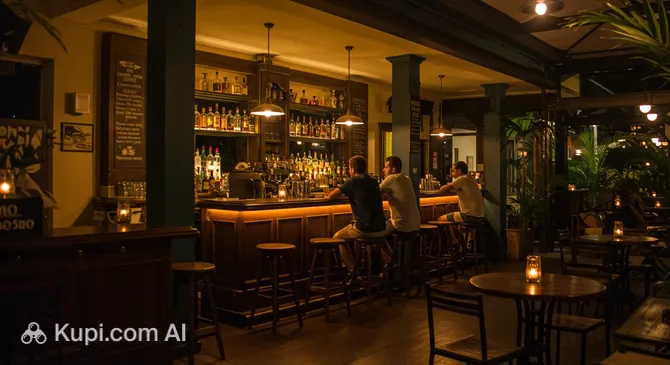
If you prefer a more alternative atmosphere with a vintage touch, General Store – Shops, Café, Bar & Events is a unique spot located in the historic center. It combines a bar, antique shop, and cultural space, often featuring rock, blues, and jazz performances. The decor is eclectic, creating a cozy and artistic environment that stands out from the typical beach bars. It is an excellent choice for travelers seeking good cocktails and a laid-back vibe.
General Store – Shops, Café, Bar & Events. Illustration.
Source: Kupi.com AI
Traveler photos:
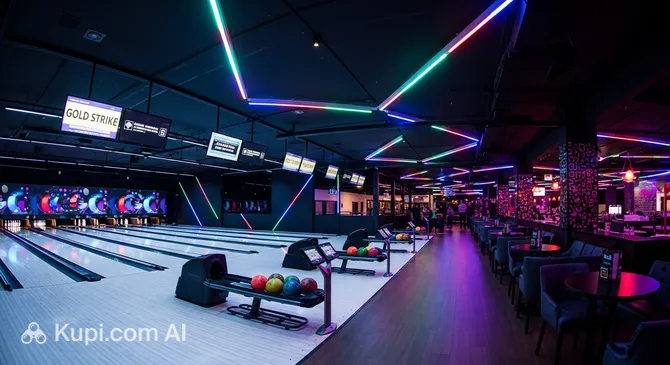
For a fun evening out with friends that goes beyond just drinking and dancing, you might visit Gold Strike Bowling. It provides a relaxed environment for recreational bowling, making it a great choice for families or groups looking for some friendly competition before heading out for dinner. The venue adds a playful element to the city's entertainment roster.
Gold Strike Bowling. Illustration.
Source: Kupi.com AI
Traveler photos:
When planning your night out, keep in mind that the dress code in João Pessoa is generally casual. Light fabrics and comfortable shoes are the norm, even in nightclubs, though some upscale venues might prefer long trousers for men. Since the sun sets early (around 5:30 PM), nightlife tends to kick off earlier than in southern Brazil. In terms of safety, the main tourist areas along the beach are well-patrolled and safe for walking in the early evening. However, late at night, it is advisable to use ride-hailing apps or taxis to move between venues, especially if venturing into the historic center or quieter residential districts.
During the day, the city offers plenty of entertainment beyond the beaches. Shopaholics can explore Manaira Shopping, a large mall offering a wide range of stores, a cinema, and a food court, providing a cool retreat from the midday heat. For a dose of culture, the João Pessoa City Museum provides fascinating insights into the local history and artistic expressions, serving as a perfect daytime activity before the evening festivities begin.
Parks & Museums
João Pessoa is widely regarded as one of the greenest cities in the world, a title it wears proudly with its abundance of preserved native forests, manicured squares, and botanical sanctuaries. Beyond its natural allure, the city is a custodian of rich cultural heritage, housing museums and galleries that celebrate everything from popular folklore to colonial history. Whether you are looking to escape into nature or dive into the local artistic scene, the capital offers a diverse array of spaces to explore.
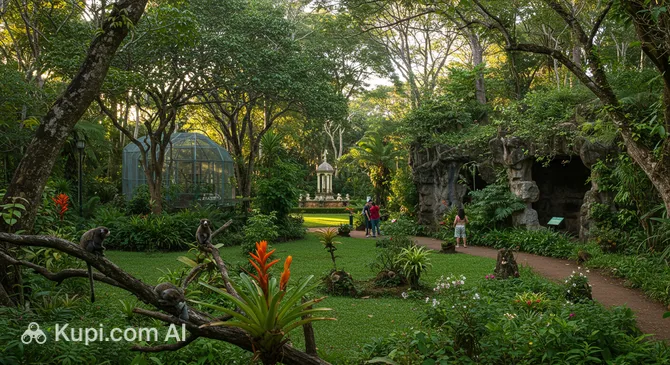
For a perfect mix of history and nature, the Arruda Câmara Zoobotanical Park (Bica) is a favorite among locals and tourists alike. Located in the city center, this sanctuary protects a fragment of the Atlantic Forest and serves as a zoological garden. It is home to various animal species, including monkeys and colorful birds, which often roam freely or inhabit spacious enclosures. The park is named after a historic natural spring, the Fonte do Tambiá, built in the 18th century, making it a refreshing retreat where visitors can enjoy shaded walks and observe the local flora and fauna up close.
Arruda Câmara Zoobotanical Park (Bica). Illustration.
Source: Kupi.com AI
Traveler photos:
Another significant urban space is Pedro Américo Square. Situated in a historically rich area, this square is surrounded by important architectural landmarks, including the majestic Santa Roza Theatre. It serves as a peaceful spot for a stroll, offering a glimpse into the city's past through its layout and the surrounding colonial-style buildings. It is an excellent starting point for a walking tour of the city's architectural heritage, providing a quiet atmosphere amidst the bustle of the center.
Pedro Américo Square. Illustration.
Source: Kupi.com AI
Traveler photos:
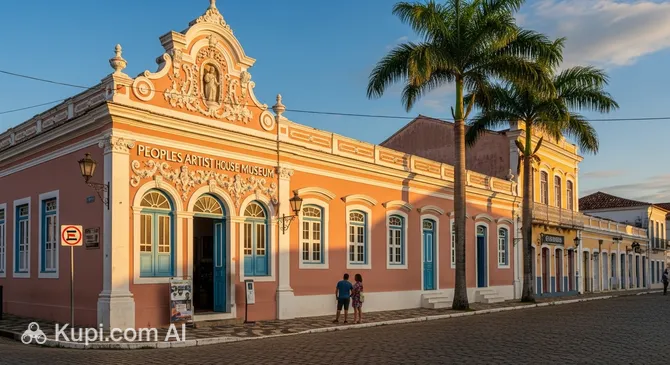
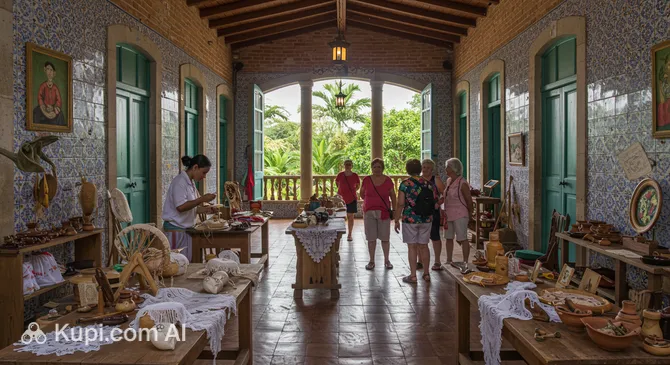
To understand the creative soul of the region, a visit to the People's Artist House Museum (Museu Casa do Artista Popular) is essential. This museum is dedicated to preserving and showcasing the rich diversity of Paraíba's folk art. The collection features intricate works in clay, wood, leather, and fabric, created by talented local artisans. It is a fantastic place to appreciate the ingenuity and cultural traditions of the Northeast, with many exhibits highlighting themes of rural life, folklore, and religious devotion.
People's Artist House Museum. Illustration.
Source: Kupi.com AI
Traveler photos:
History buffs will find the João Pessoa City Museum to be a compelling stop. Housed in the former residence of the state governor—the very figure the city is named after—the museum offers an intimate look at the political and social history of the capital. The building itself is an architectural gem, and the exhibits include personal artifacts, photographs, and documents that narrate the evolution of the city and the life of its patron. It provides a contextual backdrop that enriches your understanding of the streets and monuments you see outside.
João Pessoa City Museum. Illustration.
Source: Kupi.com AI
Traveler photos:
For those interested in a more dynamic artistic experience, the Cultural Workshop (Oficina Cultural) often hosts exhibitions, workshops, and cultural events. Located in a restored historic building, it acts as a vibrant hub for contemporary artistic expression. Additionally, visitors should not miss the architectural splendor of the city's religious sites, such as the First Baptist Church – Central Temple and the Parish of Our Lady of Fátima, which stand as monuments to the city's spiritual life and design history.
Insider Tip: Many of the museums in the historic center, including the City Museum and the Gunpowder House, are located relatively close to one another. A great way to spend an afternoon is to explore these venues on foot, ending your tour at the Hotel Globo garden just in time to catch the spectacular sunset over the Sanhauá River.
Getting Around
Navigating Joao Pessoa is relatively straightforward, with a public transport network primarily composed of buses and a commuter rail system. The most common way to get around the city is by bus. The fleet is modern and covers the entire metropolitan area, including the popular beach districts of Tambaú and Cabo Branco, as well as the historic center. The system operates with "Integration Terminals" (Terminais de Integração), the largest being the Terminal de Integração do Varadouro near the intercity bus station, which serves as a central hub connecting various neighborhoods.
A unique feature of the local transport is the VLT (Veículo Leve sobre Trilhos), a diesel-powered light rail system operated by CBTU. While it does not function like a high-frequency underground metro, it is an efficient and very affordable way to travel between Joao Pessoa and the neighboring municipalities of Cabedelo, Bayeux, and Santa Rita. The train line is a popular option for travelers heading towards the famous sunset spot at Jacaré Beach or the port city of Cabedelo, offering a budget-friendly alternative to road transport.
Regarding payment, the city uses an electronic ticketing system called Passe Legal. While residents use rechargeable cards to benefit from fare integration, tourists can easily pay their fare in cash directly to the conductor or driver upon boarding the bus. The VLT fares are significantly cheaper than bus fares and must be purchased at the station counters before boarding. If you plan to stay for an extended period, acquiring a card might be useful, but for short visits, paying with cash is accepted and hassle-free.
For those seeking more comfort or traveling at night, ride-hailing apps like Uber and 99 are extremely popular, safe, and often very competitively priced compared to traditional taxis. They are highly recommended for moving between the beach zone and the historic center, especially after sunset when bus frequencies decrease. Traditional taxis are also readily available, particularly at designated stands near hotels, shopping malls, and major tourist attractions, and they operate on a meter system.
Tourists who enjoy an active lifestyle can take advantage of the city's flat coastal geography. The beachfront avenues, particularly along Cabo Branco and Tambaú, are closed to cars every morning (usually from 5:00 AM to 8:00 AM), creating a massive open-air track for walking, running, and cycling. Renting a bicycle is a fantastic way to explore the shoreline. To navigate the bus and train schedules effectively, it is advisable to use navigation apps like Moovit or Google Maps, which provide real-time routes and arrival estimates to help you plan your journey.
Accommodation
Accommodation:
Finding the perfect place to stay in Joao Pessoa is generally a stress-free experience, as the city offers a wide variety of options that cater to different tastes and budgets. Compared to other major capitals in the Brazilian Northeast, accommodation here is often more affordable, providing excellent value for money. The range spans from charming beachfront inns (known locally as pousadas) and budget-friendly hostels to sophisticated hotels and modern vacation rentals.
The most sought-after locations for tourists are the beachfront neighborhoods of Tambaú and Cabo Branco. These areas are the beating heart of the city's tourism, placing visitors right on the doorstep of the ocean, the bustling promenade, and the main night markets. Staying here means you are within walking distance of excellent restaurants, bars, and the famous morning craft fairs. A unique feature of these districts is the city's strict building code, which prohibits high-rises along the immediate coastline. This ensures that your hotel will likely be a low-rise building that fits harmoniously into the landscape, allowing the sea breeze and sunlight to reach the streets freely.
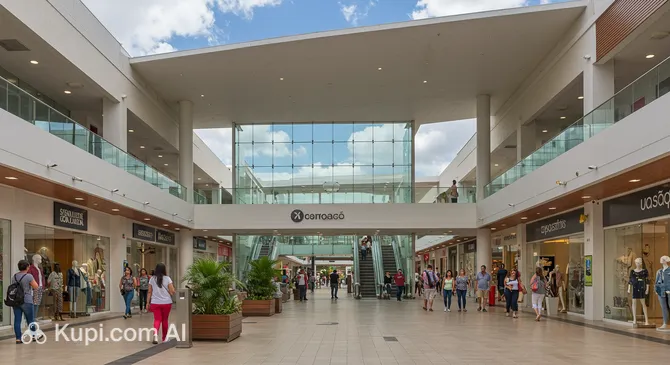
For travelers who prefer a more urban atmosphere with convenient access to varied dining and retail options, the neighborhood of Manaíra is a top choice. It is a slightly more residential and commercial district but still sits along the coast. It is home to major shopping hubs like Manaira Shopping, the largest mall in the state. Hotels in this area are often favored by those who want a mix of beach life and city amenities, offering easy access to cinemas, food courts, and services.
Manaira Shopping. Illustration.
Source: Kupi.com AI
Traveler photos:
If you are looking for a quieter, more relaxed experience, the neighborhood of Bessa to the north is an excellent alternative. Known for its calm waters and reefs, it offers a more residential feel with cozy guesthouses and vacation rentals, perfect for families or couples seeking tranquility. On the other end of the spectrum, budget travelers will find a good selection of hostels, particularly in the streets just behind the main avenues of Tambaú, offering a communal and friendly vibe.
Booking Tip: While Joao Pessoa is welcoming year-round, the summer months (January and February) and major holidays like Carnival and São João (in June) are peak seasons. During these times, the city fills up with domestic tourists, so it is highly recommended to book your accommodation well in advance to secure the best rates and locations. For the rest of the year, it is usually quite easy to find good deals, even on short notice.
Nearby Cities
For those looking to explore the surroundings, Joao Pessoa serves as an excellent base for day trips to several interesting nearby locations:
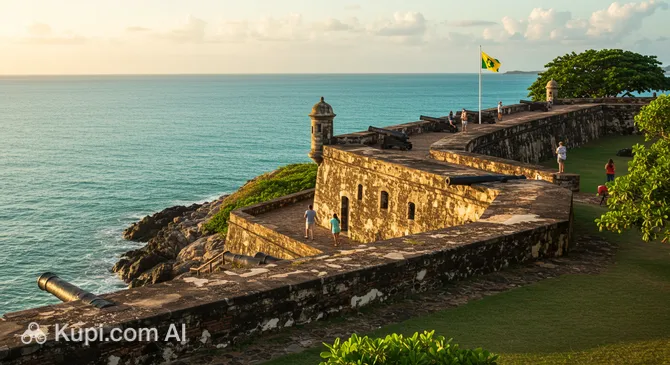
One of the most popular destinations is Cabedelo, located just a short drive north along the coast. It functions almost as an extension of the capital but holds its own distinct attractions. Visitors flock here to see the historic Santa Catarina Fortress, a military fortification dating back to the late 16th century that guarded the entrance to the Paraíba River. Cabedelo is also famous for Areia Vermelha, a reddish sandbar that emerges from the sea at low tide, forming natural pools perfect for swimming. Additionally, the riverbank here is the stage for the renowned sunset spectacle at Jacaré Beach.
Heading a bit further south towards the border with the state of Pernambuco, you will find Goiana. This historic town is known for its well-preserved colonial architecture and rich heritage. It offers a quieter, more cultural excursion where you can admire centuries-old churches and explore the local tradition of clay craftsmanship. It provides a fascinating contrast to the beach-focused tourism of the coast, allowing travelers to step back in time and appreciate the region's colonial roots.
City
Population
Distance
Bayeux
96 140
5 km
Cabedelo
65 634
10 km
Conde
26 194
16 km
Cruz do Espírito Santo
17 212
23 km
Lucena
12 804
24 km
These nearby destinations offer a glimpse into the diverse culture and landscapes of the region, ranging from historic fortifications and colonial towns to unique natural wonders.
Shopping & Souvenirs
Shopping:
Shopping in Joao Pessoa offers a delightful mix of modern convenience and rich regional tradition, allowing visitors to alternate between air-conditioned malls and vibrant open-air markets. The city is particularly famous for its artisanal products, making it an excellent destination for finding unique gifts that reflect the culture of the Brazilian Northeast. Whether you are looking for high-end fashion or handmade crafts, the shopping scene here is accessible, diverse, and concentrated in areas that are easy for tourists to navigate.
For those seeking authentic local goods, the beachfront district of Tambaú is the primary hub. The Feirinha de Tambaú is a bustling night market located on the promenade, where dozens of stalls sell everything from embroidered clothes and leather sandals to regional delicacies like cashew nuts and cachaça. Just a short distance away is the Mercado de Artesanato Paraibano (MAP), a dedicated architectural landmark housing numerous shops specializing in local folklore and handicrafts. These areas are perfect for an evening stroll, allowing you to browse for souvenirs while enjoying the ocean breeze.
When it comes to modern retail therapy, the city is well-served by large shopping centers that offer a wide range of national and international brands. Manaira Shopping, located in the Manaíra neighborhood, is the largest complex in the state, featuring a vast selection of stores, entertainment options, and dining facilities. In the city center, you will find Tambiá Shopping, a convenient option for those exploring the historic downtown. It provides a comfortable break from the heat with a good variety of shops and services.
Tambiá Shopping. Illustration.
Source: Kupi.com AI
Traveler photos:
If you are looking for truly special souvenirs, keep an eye out for Paraíba's famous colored cotton (algodão colorido). This cotton grows naturally in shades of beige, brown, and green without the use of chemical dyes, and it is transformed into beautiful, eco-friendly clothing and accessories. Other popular items include intricate lace (renda renascença), wood carvings, and ceramic figurines. Places like the Cultural Workshop are excellent for spotting high-quality artistic creations that go beyond typical tourist trinkets.
Cultural Workshop. Illustration.
Source: Kupi.com AI
Traveler photos:
Most shops in malls operate from 10:00 AM to 10:00 PM, Monday through Saturday, with reduced hours on Sundays (usually opening in the afternoon). Street markets, particularly the craft fairs along the beach, typically start in the late afternoon and run until around 10:00 PM. Credit and debit cards are widely accepted everywhere, from large department stores to small market stalls. While Brazil does not have a tax-free refund system for tourists comparable to Europe, the prices for local crafts and clothing are generally very reasonable.