Support

Maceio

About

Welcome to Maceió, the vibrant capital of the state of Alagoas and one of the most picturesque coastal cities in northeastern Brazil. Renowned for its breathtaking shoreline, this city perfectly blends the amenities of a modern metropolis—home to over one million residents—with the laid-back charm of a tropical paradise. Its stunning natural beauty and welcoming atmosphere make it a top destination for travelers seeking both relaxation and adventure.

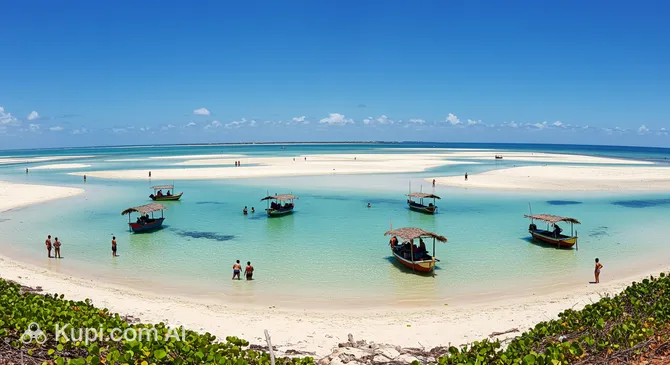
Often referred to as the "Caribbean of Brazil," Maceió is famous for its crystal-clear, turquoise waters and white sandy beaches lined with swaying coconut palms. The city enjoys a warm tropical climate year-round, and its coast is protected by an extensive coral reef system. These reefs create calm, natural swimming pools that are distinct to the region, offering safe and warm waters for visitors of all ages.
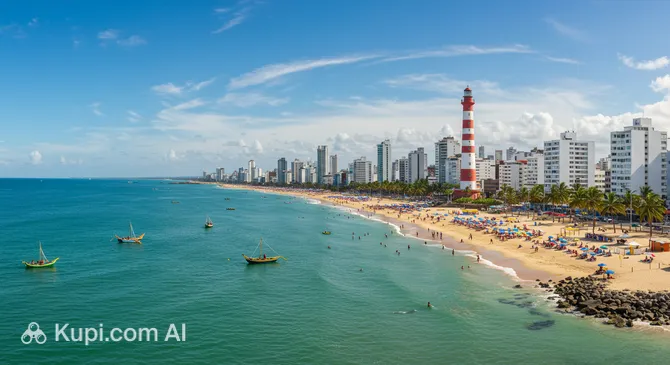
Maceio. Source: Kupi.Binoculars

Beyond its natural splendor, the city possesses a rich heritage. You can explore the fascinating history of Maceió by visiting the historic Jaraguá district, where preserved colonial buildings and old warehouses have been transformed into lively cultural centers and bars. This area serves as a testament to the city's growth from a small sugar mill settlement into a bustling urban hub.

A trip to Maceió would not be complete without experiencing its unique attractions. The natural pools of Pajuçara are a must-see, accessible by traditional jangadas (sail rafts) during low tide, allowing you to swim among colorful fish in the middle of the sea. The Ponta Verde beach offers a vibrant promenade filled with kiosks serving delicious local cuisine, including the famous *sururu* (mussels). Whether you are strolling along the waterfront or diving into the warm ocean, Maceió invites you to experience the magic of the Alagoas coast.
Weather Overview

Maceió enjoys a warm and inviting tropical climate year-round, characterized by stable temperatures that rarely fluctuate drastically. The city experiences its warmest weather in February, with average temperatures around 27.1°C and highs reaching nearly 30°C, while the cooler months of July and August remain comfortable with averages near 24°C. Expect consistently warm days throughout the year, with a significant number of wet days keeping the region lush, particularly during the middle of the year.

Rainfall is a common feature of the local weather, with the number of wet days peaking in June and July at around 27 days per month. November tends to be the driest time of the year, though it still sees about 14 days with some precipitation. For a more comprehensive breakdown of what to expect during your trip, you can view the detailed report on the weather in Maceio. Generally, visitors should prepare for warm temperatures accompanied by frequent, often brief, tropical showers.

Interesting Facts

Beyond the main attractions, Maceió holds many fascinating secrets that reveal the depth of its culture and history. From indigenous origins to unique artistic traditions, here are some intriguing details about this coastal capital.
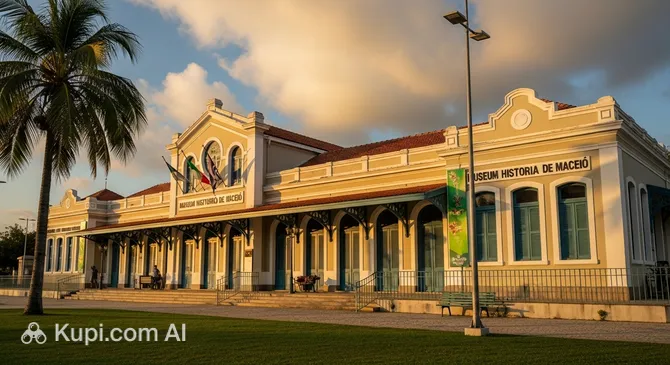
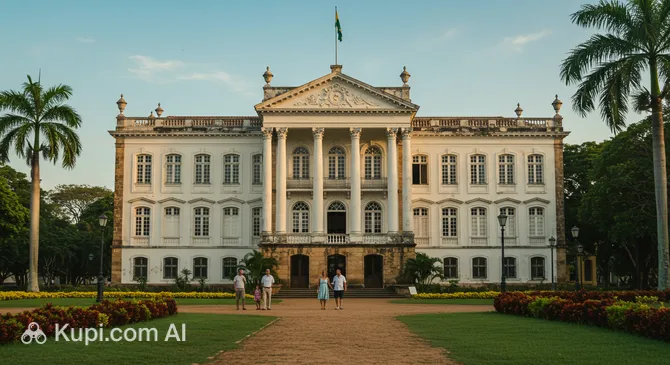
Floriano Peixoto Palace Museum. Source: Kupi.Binoculars
  • The city's name has deep indigenous roots, derived from the Tupi word "Maçayó," which roughly translates to "what covers the swamp." This etymology references the numerous natural springs and wetlands that existed in the area before urbanization, shaping the geography of the modern city.

  • Alagoas is often called the "Land of Marshals" because it was the birthplace of Brazil's first two presidents, Deodoro da Fonseca and Floriano Peixoto. You can explore this rich political heritage at the Floriano Peixoto Palace Museum, a stunning historical building that served as the seat of the state government for decades.

  • Maceió is the capital of "Filé" lace, a colorful and intricate textile art that is designated as an Intangible Cultural Heritage of Alagoas. This unique craft is predominantly produced in the historic neighborhood near Pontal da Barra Beach, where you can watch artisans weaving the vibrant patterns right on the sidewalks.

  • The city is protected by part of the second-largest coral reef system in the world. These massive reefs are responsible for the calm, warm waters found at the famous Pajuçara Natural Pools, creating a natural aquarium where visitors can swim with fish just a short raft ride from the shore.

How to Get There

Reaching this coastal paradise is relatively straightforward, with air travel being the most convenient option for visitors coming from afar. For those planning their journey, you can find all ways to reach the city in our detailed guide. The region is well-connected to major Brazilian hubs, making it accessible for both domestic and international travelers.

The primary gateway is Maceio-Zumbi dos Palmares International Airport (IATA: MCZ), located directly in Maceio. It is situated approximately 18.3 km from the city center, making it the most direct route. A trip by taxi or shuttle to the main hotel zones typically takes around 50 minutes. This airport serves as a key regional hub, handling a steady flow of flights and welcoming millions of passengers annually.

For travelers seeking more flight connections, especially from international origins, Guararapes-Gilberto Freyre International Airport (IATA: REC) in the city of Recife is a viable alternative. Although it is located about 192 km from Maceio, it is one of the busiest airports in the region. The transfer by road from Recife can take approximately 5 hours. Another option is Aracaju Airport (IATA: AJU) in Aracaju, which is about 206 km away, requiring a drive of roughly 5.5 hours.

For clarity, here is a summary of the main airports:

Airport Name City Passenger Traffic Km from City
Guararapes-Gilberto Freyre International Airport Recife High 192.3
Maceio-Zumbi dos Palmares International Airport Maceio Medium 18.3
Presidente Castro Pinto International Airport Joao Pessoa Medium 291.5
Aracaju Airport Aracaju Medium 206.5
Joao Suassuna Airport Campina Grande Low 265.6

Regarding rail transport, Maceio does not have a major intercity railway station serving tourists. The existing rail lines in the region are primarily used for cargo or local urban commuting rather than long-distance travel. Visitors arriving from other parts of Brazil typically rely on the country's extensive bus network or choose to rent a car to enjoy the scenic coastal drive to the city.

Main Attractions

One of the most iconic experiences in the city is a visit to the Pajuçara Natural Pools. Located approximately two kilometers off the coast, these shallow, crystal-clear formations emerge during low tide, protected by a massive barrier reef. Visitors can board traditional jangadas (sail rafts) to reach this natural aquarium, where they can swim among colorful fish in warm, tranquil waters, making it a must-do activity for nature lovers.

Pajuçara Natural Pools. Source: Kupi.Binoculars

For those who enjoy a vibrant urban beach atmosphere, Ponta Verde Beach is the perfect destination. Known for its calm seas and the scenic lighthouse that stands as a local landmark, this area is ideal for windsurfing, kayaking, or simply relaxing under the shade of coconut palms. The bustling waterfront promenade is lined with kiosks offering delicious local snacks and refreshing drinks, creating a lively environment day and night.

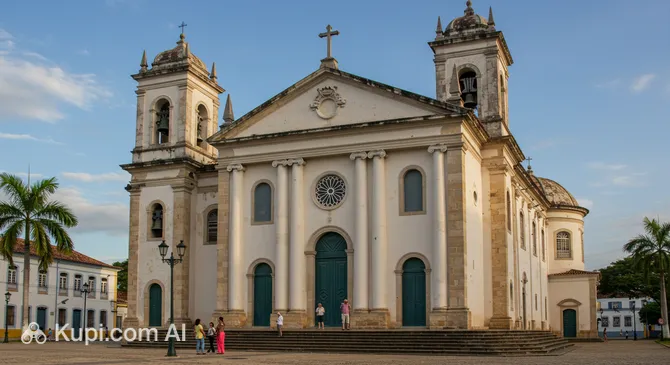
In the heart of the city center, the Metropolitan Cathedral of Maceió stands as a significant architectural and religious landmark. Dedicated to Our Lady of Pleasures, the cathedral was built in the mid-19th century and features a blend of neoclassical and eclectic styles. Its grand facade and impressive stained glass windows offer a peaceful retreat and a glimpse into the region's historical heritage.

Metropolitan Cathedral of Maceió. Source: Kupi.Binoculars

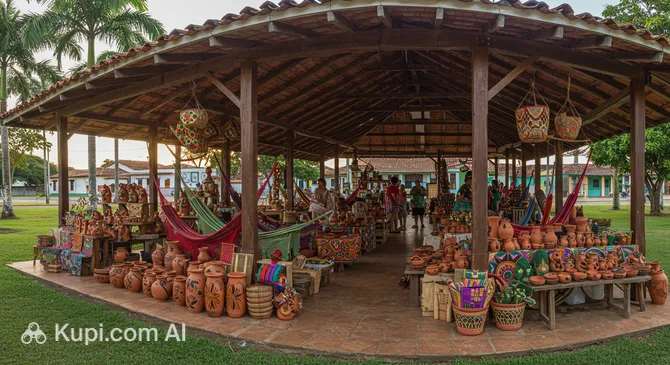
To discover the rich artistic traditions of Alagoas, a stop at the Crafts Pavilion at Pajuçara is essential. This lively market is the best place to find authentic local handicrafts, including the famous Filé lace, intricate embroidery, ceramics, and wood carvings. It serves as a colorful showcase of local talent and is the ideal spot to pick up unique souvenirs.

Crafts Pavilion. Source: Kupi.Binoculars

For a breathtaking panoramic perspective, the São Gonçalo Lookout offers one of the best views in the city. Situated in the Farol neighborhood, this vantage point allows visitors to gaze out over the historic district, the bustling port, and the stunning coastline where the city meets the sea. It is a wonderful location for photography and appreciating the diverse geography of the capital.

Local Cuisine

Maceió offers a culinary journey that is just as vibrant and colorful as its coastline. The city's gastronomy is deeply rooted in its geography, drawing heavily from the abundance of the Mundaú and Manguaba lagoons as well as the Atlantic Ocean. This unique mix of freshwater and saltwater ingredients, combined with Afro-Brazilian and indigenous influences, creates a flavor profile that is distinct to Alagoas.

The undisputed star of the local table is the sururu, a type of mussel found in the region's lagoons. You simply cannot leave without trying sururu de capote, where the mussels are cooked in their shells with coconut milk, tomatoes, and spices. Another local invention that has gained fame is chiclete de camarão, a rich and creamy dish consisting of shrimp stewed with a blend of cheeses that stretches like gum when served. For a lighter snack, the tapioca pancakes—filled with anything from dried meat and cheese to sweet coconut and condensed milk—are a staple found on nearly every corner.

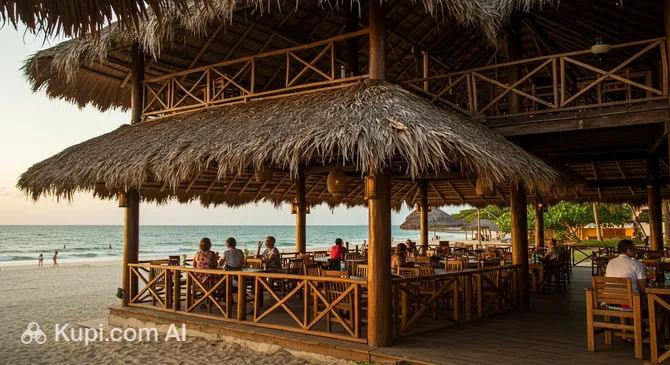
Janga Praia Restaurant. Source: Kupi.Binoculars

When it comes to dining out, the city offers a diverse range of environments. The waterfront districts of Jatiúca and Ponta Verde are the heart of the culinary scene, lined with sophisticated eateries and lively beach kiosks. For those seeking a renowned seafood experience, Janga Praia Restaurant is a celebrated spot known for its hearty portions and elegant preparation of regional classics. If you prefer a more casual, open-air atmosphere with a variety of choices, Truckzone is a popular food park where you can sample different styles of street food in one place.

To accompany these meals, refreshing beverages are essential in the tropical heat. Coconut water is sold fresh along the entire boardwalk, often drunk straight from the chilled green coconut. For something with a bit of a kick, try a caipirinha or caipifruta made with regional fruits like cajá, graviola, or seriguela. These exotic flavors provide a perfect sweet and sour balance to the savory richness of the local cuisine.

Travel Tips

To ensure your visit to Maceió is as relaxing and enjoyable as the gentle waves of its coastline, a little preparation goes a long way. These practical tips will help you navigate the local customs, climate, and logistics, allowing you to focus entirely on soaking up the sun and culture of Alagoas.

  1. Clothing and Gear

    Given the tropical climate, lightweight and breathable fabrics like cotton and linen are essential to stay cool. Pack plenty of swimwear, a wide-brimmed hat, and high-SPF sunscreen, as the sun can be very strong. Comfortable sandals or flip-flops are perfect for the beach and boardwalks, but bring a pair of sturdy walking shoes if you plan to explore the historic center. Note that the voltage in Maceió is 220V, and outlets typically fit Type N plugs (three round pins), so a universal adapter is highly recommended.

  2. Transportation

    For getting around the city, ride-hailing apps like Uber and 99 are the most convenient, safe, and affordable options for tourists. Taxis are also widely available but can be more expensive. While public buses exist, they can be crowded and confusing for those who don't speak Portuguese. If you plan to explore the stunning beaches along the southern or northern coast of Alagoas independently, renting a car is a great idea, though traffic in the city center can be heavy during rush hours.

  3. Finances

    The local currency is the Brazilian Real (BRL). Credit and debit cards are widely accepted in hotels, restaurants, and even by many beach vendors. However, it is wise to carry some cash for small purchases, tips, or in case you visit more remote areas. ATMs are easy to find in supermarkets and shopping malls. Tipping is customary in restaurants, where a 10% service charge (taxa de serviço) is usually added to the bill automatically.

  4. Health and Safety

    Maceió is generally safe for tourists, especially in the main zones like Pajuçara and Ponta Verde, but standard precautions apply. Avoid walking on deserted beaches at night and keep an eye on your belongings in crowded areas. Pharmacies are abundant, with major chains like Drogasil often open late or 24/7. Do not drink tap water; always opt for bottled or filtered water to avoid stomach issues. Also, stay hydrated and protect yourself from the midday sun to prevent heatstroke.

  5. Communication

    The official language is Portuguese. While staff at high-end hotels may speak English, it is not widely spoken by the general public or taxi drivers. Learning a few basic phrases like "Bom dia" (Good morning) and "Obrigado/a" (Thank you) will be appreciated. Downloading an offline translation app and offline maps is extremely helpful. For internet access, consider purchasing an e-SIM beforehand or buying a local SIM card (Vivo, TIM, or Claro) at a pharmacy or newsstand.

  6. Local Etiquette

    Brazilians are known for their warmth and friendliness. Greetings often involve a handshake or a kiss on the cheek (usually left cheek). In Maceió, the lifestyle is laid-back, but polite interaction is valued. When on the beach, it is common to rent chairs and umbrellas from kiosks; often, the rental fee is waived if you order food or drinks from them. Dress codes are casual, but wearing swimwear is generally reserved for the beach or pool areas, not for walking inside shops or restaurants.

  7. What to Avoid

    Avoid flashing expensive jewelry, cameras, or large amounts of cash in public, as this can attract unwanted attention. Additionally, do not ignore the Tide Table (Tábua de Maré) if you plan to visit the natural pools. The pools are only accessible and enjoyable during low tide; visiting at high tide means you won't see the reefs or be able to stand in the water, and tours may be cancelled.

  8. Sunday Fun

    If you are in Maceió on a Sunday, take advantage of the "Rua Fechada" (Closed Street) initiative. A large section of the coastal avenue in Ponta Verde is closed to cars, turning into a massive pedestrian zone filled with families, cyclists, skaters, and street performers. It is a fantastic way to experience the local vibe safely and comfortably.

With these tips in hand, you are ready to embrace the warm hospitality and stunning scenery of Maceió. Whether you are navigating the lively promenade or relaxing in the warm natural pools, a bit of local knowledge ensures your trip will be as smooth as it is memorable.

Entertainment & Nightlife

As the sun sets over the emerald waters of the Atlantic, Maceió transforms from a laid-back beach destination into a vibrant hub of evening entertainment. The city's nightlife is defined by its warm, welcoming atmosphere, where the ocean breeze mingles with the sounds of live music, ranging from traditional forró and samba to modern pop and electronic beats. Whether you are looking for a sophisticated lounge, a lively dance floor, or a casual spot to enjoy a cold beer with friends, the capital of Alagoas offers diverse options to suit every mood.

The heartbeat of the city's nightlife is undoubtedly found in the districts of Jatiúca and Ponta Verde. These neighborhoods are packed with "barzinhos" (small bars), restaurants, and music venues that spill out onto the sidewalks. The energy here is contagious, with locals and tourists alike hopping from one venue to another. For a taste of the local social scene, Micale Restaurante is a popular choice, offering a blend of great food and a spirited atmosphere perfect for starting your evening.

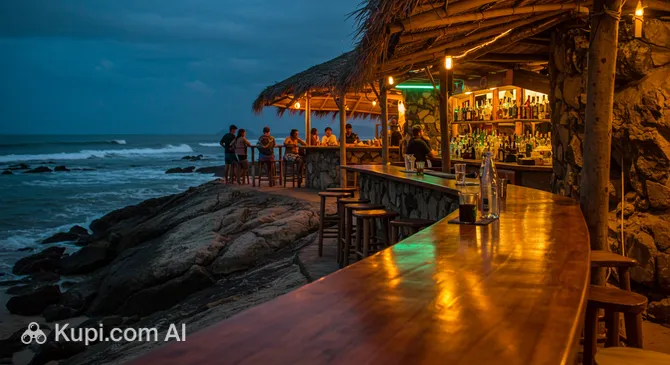
Another area that deserves special attention is the historic district of Jaraguá. Once a quiet port area, it has been revitalized into a cultural hotspot. The cobblestone streets and colonial-era warehouses provide a stunning backdrop for a night out. On Friday nights, the area is particularly lively, often hosting street parties and cultural events. If you are seeking a more modern and energetic vibe to dance the night away, El Lugar Bar is a well-known spot that frequently hosts DJs and live bands, attracting a young and stylish crowd.

El Lugar Bar. Source: Kupi.Binoculars

For those who prefer a more relaxed evening centered around conversation and high-quality dining, the city offers excellent steakhouses and grills that transition seamlessly into late-night hangouts. 759 Parrilla is a prime example, where you can enjoy premium cuts of meat and a robust wine list in a sophisticated setting. The dress code in Maceió is generally "casual chic"—light fabrics and smart sandals are perfect, though some upscale clubs may require closed shoes for men.

When it comes to logistics, the nightlife in Maceió typically kicks off around 9:00 PM and can last until the early hours of the morning, especially on weekends. Prices are generally moderate compared to larger Brazilian cities like Rio or São Paulo. For safety and convenience, it is highly recommended to use ride-hailing apps like Uber or 99 to get around at night. While the main tourist zones are well-policed, it is best to avoid walking long distances on empty streets or the beach sands after dark.

While the nights are for partying, Maceió also offers engaging entertainment during the day for those taking a break from the beach. Culture enthusiasts should visit the Museum of Image and Sound of Alagoas, which preserves the audiovisual memory of the state through fascinating exhibitions. For families or those looking to escape the midday heat, Parque Shopping Maceió provides a modern leisure complex with cinemas, food courts, and extensive retail options.

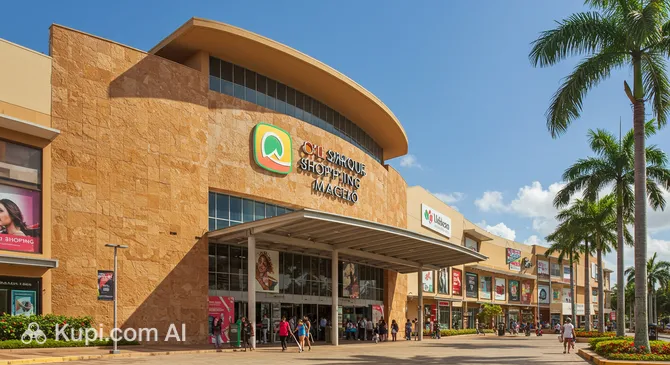
Parque Shopping Maceió. Source: Kupi.Binoculars

Parks & Museums

While Maceió is justly famous for its stunning coastline, the city also offers a wealth of green spaces and cultural institutions that provide a deeper understanding of the region's biodiversity and history. Beyond the sandy beaches, visitors can discover preserved remnants of the Atlantic Forest and museums that celebrate the artistic and political heritage of Alagoas.

For nature lovers seeking a break from the sun and surf, the Maceió Municipal Park is an ecological sanctuary located in the Bebedouro neighborhood. This protected area preserves a significant fragment of the Atlantic Forest and offers trails where visitors can spot local wildlife, including sloths, marmosets, and various bird species. It is a peaceful retreat perfect for hiking and breathing in fresh air, surrounded by lush vegetation and natural springs.

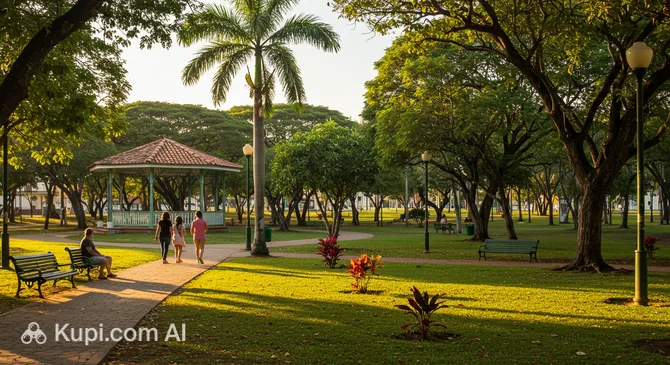
Maceió Municipal Park. Source: Kupi.Binoculars

Another scenic spot is Lagoa da Anta, situated near the Jatiúca beach area. While smaller than the city's major lagoons, it provides a picturesque setting that complements the coastal landscape. The area around the lagoon is often used for leisurely walks and enjoying the serene environment where the urban setting meets natural waters.

To delve into the scientific and natural curiosities of the region, the Natural History Museum is a fascinating stop. Managed by the Federal University of Alagoas, this museum houses diverse collections related to zoology, paleontology, and archaeology. It is an educational venue where you can learn about the rich flora and fauna that characterize this part of northeastern Brazil.

Natural History Museum. Source: Kupi.Binoculars

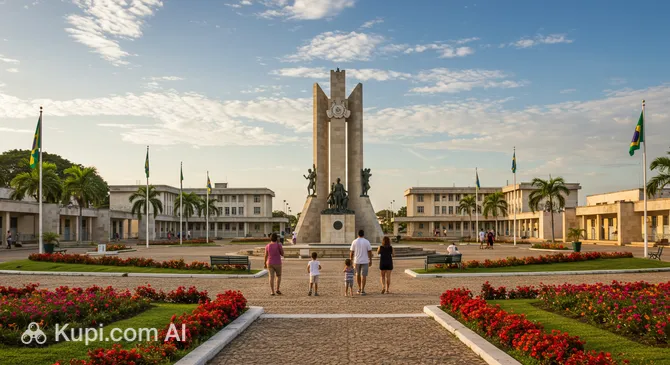
History buffs will appreciate the Republic Memorial, located near the coast in the Jaraguá district. This cultural space honors the history of the Brazilian Republic and the prominent figures from Alagoas who played pivotal roles in its foundation, such as Deodoro da Fonseca and Floriano Peixoto. The memorial features exhibition halls and monuments that offer insight into the country's political past.

Republic Memorial. Source: Kupi.Binoculars

The city's architectural heritage is best observed at Martírios Square. This historic plaza is surrounded by some of the most important government buildings in the state, showcasing grand colonial and neoclassical designs. Nearby, you can admire the Jaraguá Chapel, a charming religious structure that stands as a testament to the colonial era, offering a glimpse into the spiritual life of old Maceió.

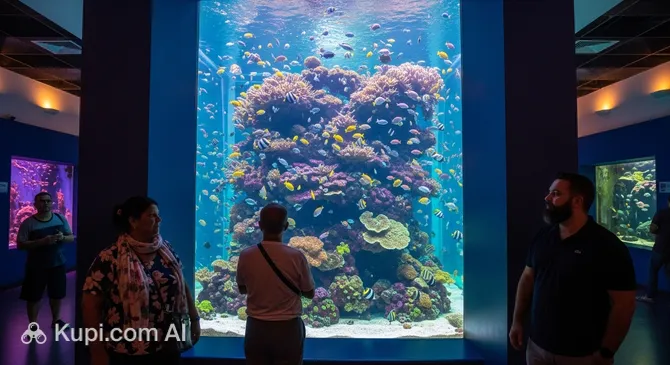
For a unique family-friendly experience, consider visiting the Casa dos Aquários. This venue allows visitors to observe a variety of marine life up close, serving as both an entertaining attraction and an educational resource about aquatic ecosystems. As an insider tip, try to visit the Municipal Park in the early morning when the animals are most active and the temperature is cooler for walking the trails.

Casa dos Aquários. Source: Kupi.Binoculars

Getting Around

The public transport system in Maceió primarily consists of an extensive bus network and a light rail system known as the VLT (Veículo Leve sobre Trilhos). Buses are the most common way to get around, covering virtually every neighborhood in the city. The fleet is managed by the local transport authority, SMTT, and connects the popular coastal districts like Pajuçara and Ponta Verde with the city center and outlying residential areas. While the buses are affordable and frequent, they can be quite crowded during peak hours and may be confusing for visitors who do not speak Portuguese, as route information at stops is often limited.

A unique feature of the city's transport is the VLT, which functions as a surface metro or light train. This system connects the central Maceió Station in the historic district to the municipality of Rio Largo, passing through several neighborhoods along the way. While it does not serve the main tourist beach zone directly, it offers a very economical way to travel longer distances and provides scenic views as it passes near the Mundaú Lagoon. The VLT is modern and air-conditioned, but it operates with specific schedules that are less frequent than the bus service, mostly catering to daily commuters.

Regarding payment, the city uses an electronic ticketing system called the "Bem Legal" card. For tourists, the "Bem Legal Cidadão" option is available, but for short stays, paying with cash is often possible on buses, though exact change is highly appreciated to facilitate the process. Bus fares are generally low, typically costing a few Reais per ride. The VLT requires a specific ticket that can be purchased at the stations, and its fare is significantly cheaper than the bus, making it an extremely budget-friendly option.

For visitors planning to use public transit, downloading mobility apps like CittaMobi or Moovit is essential. These apps provide real-time information on bus arrivals, route maps, and the nearest stops, which is invaluable since physical signage can be sparse. Transport generally operates from early morning, around 5:00 AM, until shortly before midnight. It is advisable to avoid public transport during the morning (7:00 AM to 9:00 AM) and evening (5:00 PM to 7:00 PM) rush hours when vehicles are packed with locals heading to and from work.

Given the tropical heat and the convenience factor, many tourists prefer alternatives to public transport. Ride-hailing apps like Uber and 99 are extremely popular, safe, and relatively inexpensive in Maceió. They eliminate the language barrier and offer door-to-door service in air-conditioned comfort. Traditional taxis are also widely available; they are white with a colored stripe and can be hailed on the street or found at designated stands, though they are generally pricier than app-based rides.

For those who enjoy active travel, Maceió offers excellent infrastructure for cycling along the coast. The city has a dedicated bike path that stretches for kilometers along the waterfront, offering stunning ocean views. Bike rentals are available at various points along the promenade, and on Sundays, parts of the coastal avenue are closed to cars, creating a safe and lively environment for cyclists and pedestrians to enjoy the seaside breeze.

Accommodation

Finding the perfect place to stay in Maceió is an easy task, as the city offers a diverse range of accommodation options tailored to every type of traveler. Whether you are a backpacker looking for a budget-friendly hostel, a family seeking the convenience of a serviced apartment, or a couple desiring the luxury of a beachfront resort, the capital of Alagoas has it all. The hospitality sector here is well-developed, known for its friendly service and breakfast buffets often featuring delicious local fruits and tapioca.

The most sought-after areas for tourists are the beachfront neighborhoods of Pajuçara, Ponta Verde, and Jatiúca. Staying in these districts places you right in the heart of the action, within walking distance of the emerald sea, the vibrant promenade, and a multitude of restaurants and bars. Pajuçara is ideal for those who want easy access to the raft tours for the natural pools and the bustling craft fair. Ponta Verde offers a lively atmosphere with excellent beach kiosks and calm waters, while Jatiúca is known for its sophisticated dining scene and slightly stronger waves.

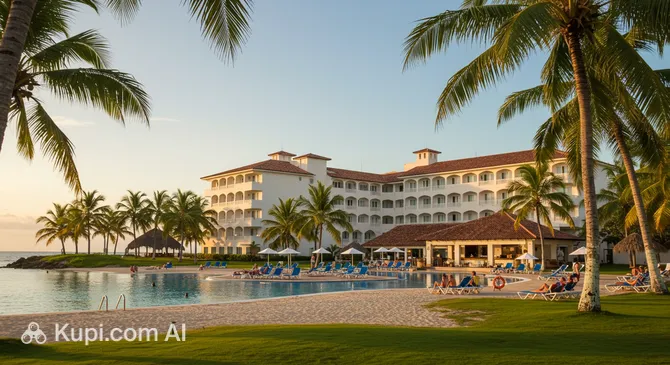
For visitors looking for a premium experience that combines urban convenience with the tranquility of a tropical retreat, the Jatiúca Hotel & Resort is a standout choice. As one of the city's most traditional and well-regarded establishments, it offers guests extensive leisure facilities, lush gardens, and direct access to the beach, providing a resort-style atmosphere without leaving the city limits.

Jatiúca Hotel & Resort. Source: Kupi.Binoculars

Regarding costs, Maceió is generally considered to offer good value compared to other major Brazilian coastal destinations. Prices range from economical guesthouses (pousadas) to high-end luxury suites. Most bookings can be easily made through major international online platforms, though contacting smaller inns directly can sometimes yield better deals. A crucial tip for travelers is to book well in advance if you plan to visit during the high season (December to February) or during major holidays like Carnival, as the best spots fill up quickly.

Nearby Cities

For those looking to explore the surroundings, Maceio serves as an excellent base for day trips to several interesting nearby locations:

City Population Distance (km)
Rio Largo 75,645 24
Uniao dos Palmares 66,017 65
Sao Miguel dos Campos 61,797 42
Marechal Deodoro 52,260 18
Atalaia 47,365 34

Among these options, Marechal Deodoro stands out as a must-visit destination for history and nature lovers alike. Located just a short drive from the capital, it was the first capital of Alagoas and boasts a well-preserved historic center filled with charming colonial architecture and churches. Additionally, the municipality is home to the stunning Praia do Francês (Frenchman's Beach), famous for its natural reefs that create calm swimming pools on one side and strong waves for surfing on the other.

Another culturally significant destination is União dos Palmares, situated further inland. This city is renowned for being the location of the Serra da Barriga, a site of immense historical importance as the former home of the Quilombo dos Palmares. Visitors can explore the memorial park dedicated to Zumbi dos Palmares and learn about the history of resistance and Afro-Brazilian culture in a serene natural setting.

These nearby destinations offer a glimpse into the diverse culture and landscapes of the region.

Shopping & Souvenirs

Shopping:

Shopping in Maceió offers a vibrant mix of traditional culture and modern convenience, allowing visitors to take home a piece of Alagoas. The city is renowned for its exceptional handicrafts, particularly the colorful Filé lace, which is a designated cultural heritage of the state. To see this art form in its most authentic setting, a visit to the Pontal da Barra neighborhood is essential. Here, the streets are lined with workshops where artisans weave intricate patterns on wooden frames, offering a wide array of clothing, table runners, and decorative items sold directly from the source.

For those who prefer to browse near the comfort of the beach, the Crafts Pavilion at Pajuçara is the city's most famous market. Located along the bustling promenade, this fair features hundreds of stalls showcasing the best of regional artistry. Beyond lace and embroidery, you can find leather sandals, wood carvings, and ceramics. It is also an excellent spot to purchase local edible souvenirs, such as bottled butter, spicy peppers, and roasted cashew nuts.

Travelers seeking a contemporary retail experience will find excellent options as well. Maceió Shopping, located in the Mangabeiras district, is a traditional hub for locals and tourists alike. It features a comprehensive selection of national and international brands, a movie theater, and a diverse food court, making it a reliable stop for any necessities or leisure shopping.

Another highlight is Parque Shopping Maceió, situated in the Cruz das Almas neighborhood. Known for its modern architecture and sophisticated atmosphere, it hosts premium stores and offers a refined dining area with panoramic views of the ocean. Whether you are hunting for high-end fashion or charming handmade gifts, the shopping scene in Maceió caters to every style and budget.

Reached the end of the page?

That means the route is fully explored