Support

Recife

About

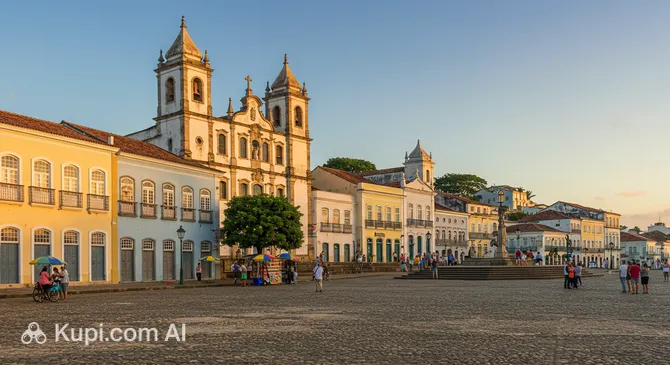
Welcome to Recife, the vibrant capital of the state of Pernambuco and one of the most culturally rich destinations in the Northeast of Brazil. Often referred to as the "Venice of Brazil," this bustling metropolis is defined by its stunning network of rivers, islands, and over 50 bridges that connect its neighborhoods. With a population of approximately 1.6 million people, it serves as a major economic and tourist hub, offering a unique blend of modern urban life and colonial charm.

The city boasts a tropical climate, making it a sun-soaked paradise for beach lovers year-round. Beyond its natural beauty, the history of Recife is deeply fascinating, marked by a period of Dutch occupation in the 17th century that left a lasting architectural and cultural legacy. Walking through the historic center, known as Recife Antigo, visitors can admire colorful colonial buildings and the famous Marco Zero square, which marks the exact center of the city.
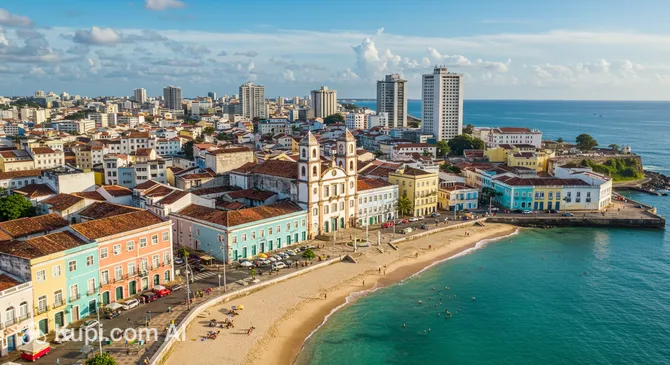
Recife. Source: Kupi.Binoculars

Travelers are drawn to Recife for its diverse attractions, ranging from the pristine white sands of Boa Viagem Beach, protected by natural coral reefs, to the rhythmic beats of frevo music that dominate the local carnival. Art enthusiasts should not miss the Instituto Ricardo Brennand, a world-class museum housed in a Tudor-style castle surrounded by lush gardens. Whether you are exploring its historic streets or relaxing by the warm Atlantic waters, Recife promises an unforgettable experience full of energy and warmth.

Discover the magic of this coastal gem, where history meets modernity in a spectacular tropical setting. We invite you to explore the sights, sounds, and flavors of Recife for your next adventure.

Weather Overview

Travelers planning a trip to this coastal city can expect a tropical climate characterized by warm weather throughout the year. The average temperatures are remarkably consistent, generally ranging from lows of around 22°C in the cooler months of July and August to highs of approximately 30°C during the summer season from December to March.

Precipitation is a regular part of the local weather pattern, so packing a light raincoat is advisable regardless of when you visit. The period from May to July sees the highest frequency of rain, with May experiencing up to 27 wet days. Conversely, the months of October and November are somewhat drier, though showers can still occur. For a more comprehensive breakdown of the forecast, you can check the current weather in Recife to help plan your daily activities.

Interesting Facts

Beyond the sun-drenched coastlines and historic bridges, Recife holds intriguing secrets that add depth to its vibrant character. Uncover these unique details that make the Pernambuco capital truly one of a kind.
Francisco Brennand Sculpture Park. Source: Kupi.Binoculars
  • Oldest Synagogue in the Americas: During the Dutch occupation in the 17th century, the city became a haven for religious freedom, leading to the construction of the Kahal Zur Israel Synagogue. It stands today in the historic district as the very first Jewish house of worship established in the New World.

  • An Open-Air Museum on a Reef: Just off the coast near the port, the Francisco Brennand Sculpture Park transforms a natural reef into a surreal gallery. It features over 90 ceramic works and a massive crystal tower created by the renowned local artist to celebrate the 500th anniversary of Brazil's discovery.

  • World's Largest Carnival Parade: While Rio de Janeiro is famous for its samba schools, Recife hosts the Galo da Madrugada (Rooster of the Dawn). This massive street party is officially recognized by Guinness World Records as the largest carnival parade on the planet, a tradition deeply connected to the rhythms preserved at the Frevo Palace.

  • The Little Prince Connection: Local legend suggests that the majestic Baobab trees found in the city—rare outside of Africa—may have inspired Antoine de Saint-Exupéry’s writings in The Little Prince during his visits to the region as a pilot.

  • Named After the Rocks: The city's name literally translates to "Reef" in Portuguese, a nod to the extensive stone walls that run parallel to the shore. These natural barriers protect beaches like Boa Viagem Beach, creating calm, warm pools that are perfect for bathing during low tide.

How to Get There

Reaching the vibrant capital of Pernambuco is quite convenient, primarily due to its well-connected air hub. Whether you are arriving from international destinations or other parts of Brazil, you have several options to consider. For a detailed overview of all transport methods, you can read more about how to get to Recife to help plan your itinerary.

The most direct way to arrive is via the Guararapes-Gilberto Freyre International Airport (REC), which serves as the main gateway to the region. Conveniently located within the city of Recife itself, it sits just 8.8 km from the city center. This major hub handles a high volume of passengers annually, making it one of the busiest in the Northeast. The travel time to the downtown area or the hotel zone is relatively short, typically taking around 35 minutes by taxi or car, depending on traffic.

Alternatively, travelers can fly into the Presidente Castro Pinto International Airport (JPA), located in the neighboring city of Joao Pessoa. Although the city of Recife does not have its own airport at this location, this option is about 100.9 km away. It serves as a viable alternative for those exploring the wider region. The journey from Joao Pessoa to Recife by road takes approximately 3 hours. Another option for those planning a coastal road trip is the Maceio-Zumbi dos Palmares International Airport (MCZ) in Maceio, situated roughly 189.3 km from Recife, with a travel time of around 5 hours.

For clarity, here is a summary of the main airports:

Airport Name City Passenger Traffic Km from City
Guararapes-Gilberto Freyre International Airport Recife High 8.8
Maceio-Zumbi dos Palmares International Airport Maceio Medium 189.3
Governador Aluízio Alves International Airport Natal Medium 258.9
Presidente Castro Pinto International Airport Joao Pessoa Medium 100.9
Joao Suassuna Airport Campina Grande Small 141.8

Main Attractions

Located just a short distance from the capital, the Historic Centre of Olinda is a UNESCO World Heritage site that transports visitors back in time. Famous for its winding cobblestone streets, vibrant colonial houses, and baroque churches, it offers a breathtaking view of the coastline from its hilltops. Tourists flock here to experience its artistic atmosphere, visit local ateliers, and see the giant puppets that famously parade during the Carnival season.

Historic Centre of Olinda. Source: Kupi.Binoculars

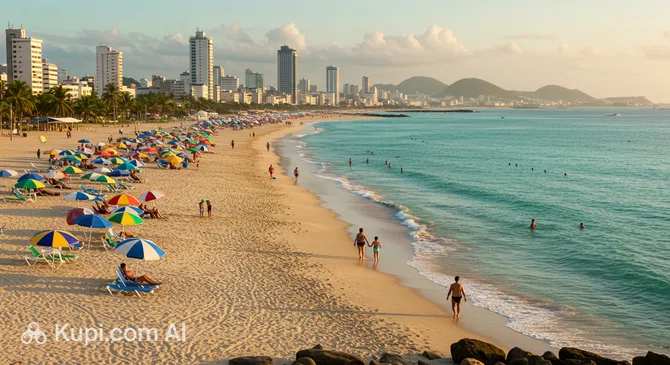
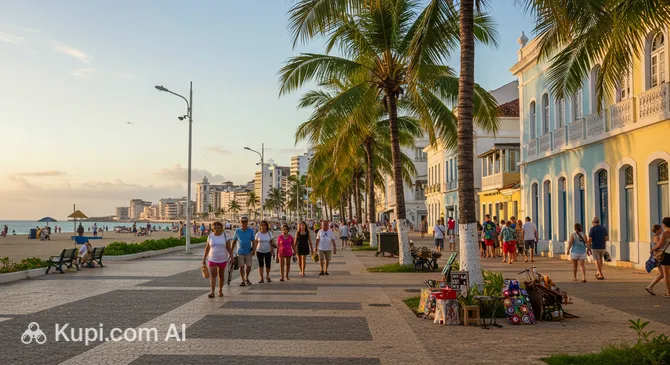
As the city's most iconic stretch of sand, Boa Viagem Beach defines the urban landscape of Recife. This bustling shoreline is lined with high-rise buildings and features natural coral reefs that form calm, warm pools during low tide, creating a unique bathing experience. The lively boardwalk is the perfect spot for walking, jogging, or simply enjoying fresh coconut water from one of the many kiosks while soaking up the sun.

Boa Viagem Beach. Source: Kupi.Binoculars

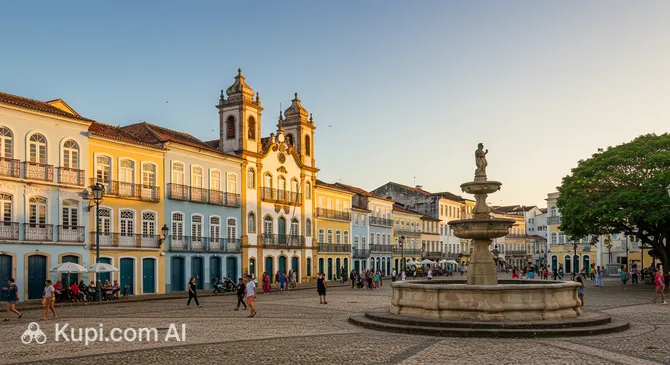
Situated in the heart of the Old Recife district, Zero Point Square (Praça do Marco Zero) is a vibrant gathering place bursting with energy. It marks the exact spot from which all distances in the state of Pernambuco are measured and serves as a magnificent stage for major cultural events and concerts. Surrounded by historic architecture, it also offers a scenic view across the estuary to the famous sculpture park on the reef.

Zero Point Square. Source: Kupi.Binoculars

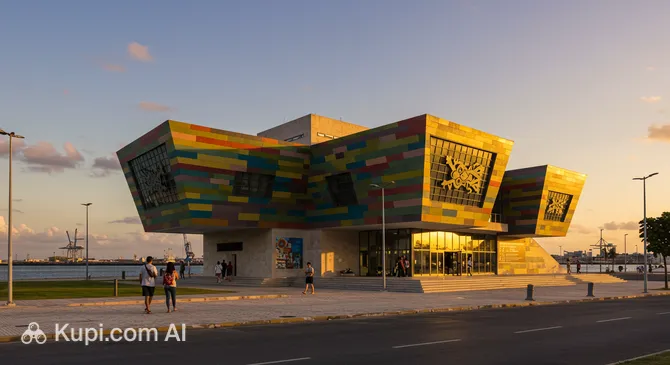
For a deep dive into the soul of the Northeast, the Cais do Sertão Cultural Center is a modern architectural gem located near the port area. This interactive museum celebrates the life of the legendary musician Luiz Gonzaga and the rich culture of the Sertão hinterland. It combines high-tech exhibits with traditional artifacts to provide a moving and educational experience about the resilience, music, and creativity of the people from the interior.

Cais do Sertão Cultural Center. Source: Kupi.Binoculars

Local Cuisine

Recife is often hailed as the gastronomic capital of the Northeast, offering a mouthwatering fusion of Indigenous, African, and Portuguese culinary traditions. The food scene here is characterized by vibrant flavors, the heavy use of seafood, and unique regional ingredients like manioc, dried meat, and tropical fruits. Whether you are dining in an upscale restaurant or grabbing a snack from a beach vendor, the local cuisine is an essential part of the travel experience.

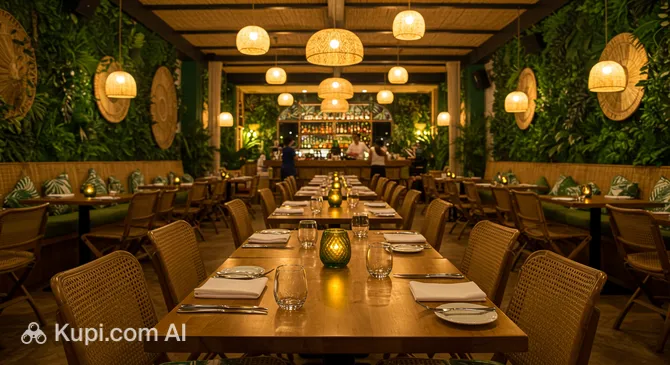
One of the most authentic ways to start your culinary journey is by trying a caldinho. These small cups of rich soup, typically made from beans, fish, or shrimp, are a staple on the beaches and in local bars. For a hearty main course, Carne de Sol (sun-dried beef) served with pirão (creamy manioc puree) is a classic choice. Seafood lovers will find themselves in paradise here; establishments like Coco Bambu Recife offer extensive menus featuring shrimp and lobster dishes that perfectly capture the coastal essence of the city.

Coco Bambu Recife. Source: Kupi.Binoculars

No meal in Pernambuco is complete without dessert. The region is famous for Bolo de Rolo, a delicate cake made of incredibly thin layers of dough rolled with melted guava paste. It is so culturally significant that it is recognized as an intangible heritage of the state. Another sweet treat to look out for is Cartola, a delicious combination of fried bananas topped with cheese, sugar, and cinnamon, often found in traditional coffee shops and restaurants.

For a true taste of street food culture, a visit to Alto da Sé in the neighboring historic district is mandatory. This area is renowned for its tapioqueiras, women who prepare fresh tapioca pancakes filled with cheese, coconut, or dried meat right before your eyes. It is the perfect spot to enjoy local flavors while taking in panoramic views of the cities.

Alto da Sé. Source: Kupi.Binoculars

When it comes to drinks, nothing beats a cold coconut water straight from the shell while relaxing by the ocean. For something stronger, the local cachaça is excellent and serves as the base for refreshing caipirinhas with tropical fruits like cashew or cajá. If you are looking to enjoy the nightlife with a drink in hand, Tatu Bola Bar provides a lively atmosphere where you can mingle with locals and enjoy live music alongside your beverages.

Travel Tips

To make the most of your visit to this vibrant coastal metropolis, a little preparation goes a long way. These practical tips are designed to help you navigate the city with ease, ensuring a safe, comfortable, and truly memorable experience in the capital of Pernambuco.

  1. Clothing and Gear: Given the tropical climate, pack lightweight and breathable fabrics like cotton or linen to stay cool. The sun can be intense, so a high-SPF sunscreen, sunglasses, and a wide-brimmed hat are essential. Comfortable walking shoes are a must for exploring the cobblestone streets of Old Recife, while sandals are perfect for the beach. Since tropical showers can occur suddenly, carrying a compact umbrella or a light raincoat is also a smart idea.

  2. Transportation: While the city has a metro system, it is primarily designed for commuters and may not cover all tourist areas conveniently. The most efficient and safe way for visitors to get around is by using ride-hailing apps like Uber or 99, which are widely available and affordable. Taxis are also reliable and can be hailed on the street or at designated stands. If you plan to visit nearby beaches like Porto de Galinhas, renting a car offers flexibility, though traffic in the city center can be heavy.

  3. Finances: The local currency is the Brazilian Real (BRL). Credit and debit cards are widely accepted in hotels, restaurants, and shops. However, it is advisable to carry some cash for small purchases from beach vendors or street markets. ATMs are readily available, but be sure to use those located inside banks or shopping malls for added security. Tipping is customary, and a 10% service charge is usually included in restaurant bills.

  4. Health and Safety: Recife is famous for its beautiful urban beaches, but it is crucial to pay attention to shark warning signs. Swim only in protected areas formed by the reefs during low tide and never swim where red flags indicate danger. For general health, pharmacies like Drogasil or Pague Menos are abundant and often open late. Always use insect repellent to protect against mosquitoes.

  5. Communication: The official language is Portuguese. English is not widely spoken outside of major hotels and tourist agencies, so learning a few basic phrases like "Bom dia" (Good morning) and "Obrigado" (Thank you) will be appreciated. Downloading a translation app is highly recommended. To stay connected, you can easily purchase a local SIM card from providers like Claro, TIM, or Vivo at shopping centers, and WhatsApp is the primary method of communication for locals and businesses.

  6. Local Etiquette: Brazilians are known for their warmth and hospitality. Greetings often involve a handshake, or a hug and a kiss on the cheek among friends. It is polite to say hello when entering a small shop or elevator. The "thumbs up" gesture is universally used to indicate approval or that everything is okay. Dress codes are generally casual, but swimwear should be reserved strictly for the beach and pool areas.

  7. What to Avoid: Do not drink tap water; always opt for bottled or filtered water to avoid stomach issues. Avoid displaying expensive jewelry, cameras, or large amounts of cash in crowded public spaces or street markets. Additionally, avoid walking alone in deserted areas of the city center or on the beach at night.

  8. Check the Tide Table: This is a pro tip for Recife! The natural pools (piscinas naturais) formed by the coral reefs are best enjoyed during low tide. Check the Tábua de Marés (tide table) daily to plan your beach trips, as the landscape and swimming safety change significantly with the ocean levels.

By keeping these practical suggestions in mind, you will be well-equipped to embrace the rhythmic energy and sunny disposition of Recife. Enjoy the warmth of the locals, the delicious cuisine, and the stunning scenery that makes this destination so special.

Entertainment & Nightlife

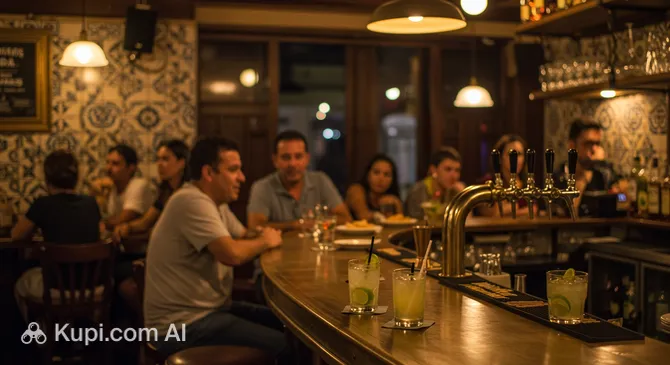
Entertainment in Recife is as diverse and colorful as its culture, offering options that range from lively nightlife to world-class shopping and family adventures. The city's energy remains high even after the sun goes down, particularly in the bustling districts where locals and tourists mingle. For those seeking a relaxed yet vibrant atmosphere, Tatu Bola Bar is a standout venue. Known for its rustic-chic decor, live samba bands, and excellent caipirinhas, it provides an authentic taste of Brazilian social life.

Tatu Bola Bar. Source: Kupi.Binoculars

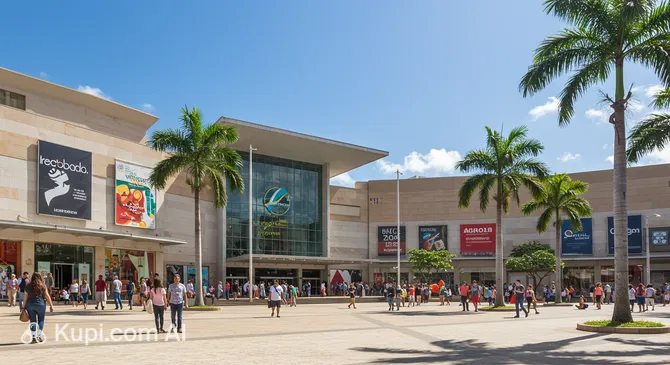
For shopaholics and those looking for indoor leisure, the city's modern malls are impressive entertainment complexes in their own right. RioMar Recife is widely regarded as one of the best shopping centers in the country, featuring a mix of high-end luxury brands, a theater, and a gourmet dining terrace with river views. Another favorite is Shopping Recife, a massive complex that serves as a city landmark, offering hundreds of stores, cinemas, and extensive food courts to satisfy every craving.

RioMar Recife. Source: Kupi.Binoculars

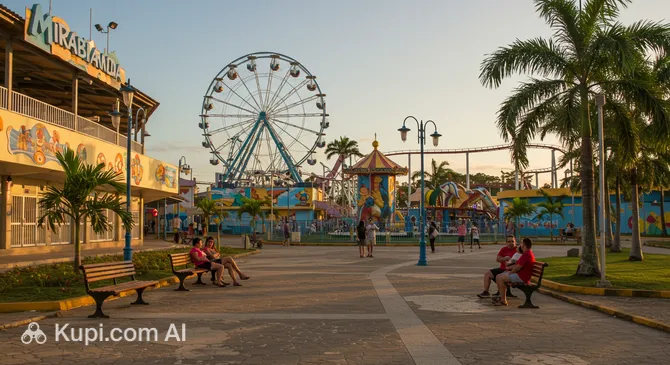
Families traveling with children or thrill-seekers will find plenty of excitement at the local amusement parks. Mirabilandia is the third-largest theme park in Brazil and the only fixed park in the Northeast, boasting adrenaline-pumping roller coasters, horror attractions, and gentle rides for little ones. If you prefer aquatic fun, the Olinda Via Park Water Park is located nearby and offers a refreshing escape with its pools and slides. For arcade lovers, the Game Station RioMar Shopping provides hours of electronic gaming fun within the comfort of the mall.

Mirabilandia. Source: Kupi.Binoculars

Parks & Museums

Beyond its sun-drenched coastline, Recife offers a wealth of green spaces and cultural institutions that preserve the region's rich heritage and natural beauty. From remnants of the Atlantic Forest to colonial mansions turned into museums, the city invites visitors to explore its greener and more contemplative side.

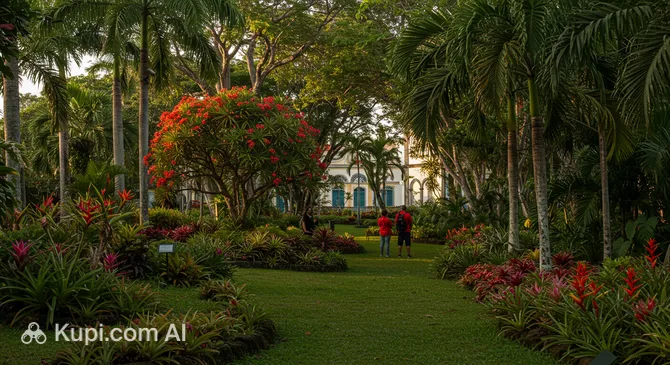
For nature lovers, the Recife Botanical Garden is a true sanctuary within the city. Spanning over 10 hectares of protected Atlantic Forest, it features walking trails, an orchid house, and sensory gardens designed to reconnect visitors with nature. It is an ideal spot for a peaceful morning walk surrounded by native flora. Another excellent outdoor venue is the Macaxeira Urban Park, located in the northern zone. This sprawling green area is a favorite among locals for exercise and family picnics, offering playgrounds, sports courts, and a vibrant community atmosphere.

Recife Botanical Garden. Source: Kupi.Binoculars

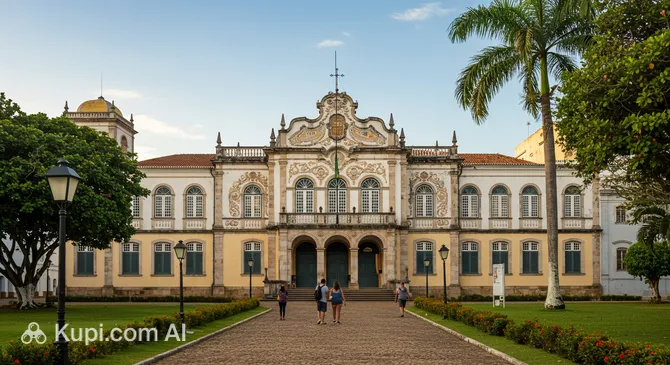
To understand the depth of Pernambuco's history, a visit to the Pernambuco State Museum is essential. Housed in a magnificent 19th-century mansion, the museum displays an eclectic collection ranging from archaeological artifacts to period furniture and fine arts, offering a comprehensive look at the local identity. Equally fascinating is the Recife City Museum, located inside the historic Forte das Cinco Pontas. Here, visitors can examine rare maps, photographs, and documents that trace the urban evolution of the city from its colonial origins to the modern metropolis it is today.

Pernambuco State Museum. Source: Kupi.Binoculars

Recife's military past is also well-preserved at the Fort of São João Batista do Brum. Built in the 17th century, this fortification played a crucial role in defending the city against invasions. Today, it houses a military museum with a collection of weapons and artifacts, providing a glimpse into the strategic importance of Recife during the colonial era.

For a more authentic and lesser-known experience, head to Sítio Trindade in the Casa Amarela neighborhood. This historical site was a resistance stronghold against the Dutch invasion and now serves as a beloved public park. It is a perfect place to witness local life, especially during the June festivals (São João), when it transforms into a major cultural hub for traditional dance and music.

Getting Around

Navigating Recife is relatively straightforward thanks to its extensive public transport network, known as the SEI (Sistema Estrutural Integrado). This integrated system is designed to connect different modes of transport, allowing passengers to switch between vehicles without paying an additional fare. The backbone of the network is the Metrorec (Recife Metro), which operates two main lines: the Center Line and the South Line. The metro is particularly useful for travelers as it connects the city center with the main bus terminal (TIP) and the airport, offering a quick way to bypass heavy traffic.

Complementing the metro is a vast fleet of buses that reach every corner of the city, including the popular beach districts like Boa Viagem and the historic streets of Olinda. For a faster and more comfortable journey, look for the BRT (Bus Rapid Transit) system, known locally as "Via Livre." These articulated buses run on exclusive lanes and are air-conditioned, making them a preferred option during the hot midday hours. While standard buses are plentiful, they can be crowded during rush hours, so planning your travel times is advisable.

To pay for rides, the system uses the VEM (Vale Eletrônico Metropolitano) card. While cash is still accepted on board most regular buses, obtaining a VEM Comum card is highly recommended for convenience and to take advantage of the free integration at designated terminals. You can purchase and top up these cards at metro stations and specific sales points throughout the city. Fares are categorized by "rings" (Anel A and Anel B), with the price depending on the distance and area covered, though most tourist attractions fall within the main city ring.

For visitors, practical tools like Moovit or Google Maps are essential for planning routes, as bus stops are not always clearly marked with schedules. The metro operates daily from approximately 05:00 to 23:00. If you are traveling late at night, it is safer and more convenient to use alternative transport, as bus frequency drops significantly and safety can be a concern in deserted areas.

Ride-hailing apps like Uber and 99 are extremely popular and often the best choice for tourists. They offer a comfortable, door-to-door service at very reasonable prices, which is ideal for returning to your hotel after a night out or when carrying luggage. Traditional taxis are also readily available; look for the white cars with red license plates. For a more scenic and active alternative, the Bike PE bike-sharing system allows you to rent bicycles via an app, perfect for a leisurely ride along the dedicated cycle paths on the seafront.

Accommodation

Finding the perfect place to stay in Recife is relatively easy, as the city offers a diverse range of accommodation options to suit every travel style and budget. Visitors can choose from lively hostels perfect for backpackers, comfortable mid-range hotels for families, and luxurious beachfront resorts that offer premium amenities. For those seeking a more home-like experience, there is also a growing market for vacation rentals and serviced apartments, particularly in the residential neighborhoods.

The most popular area for tourists is undoubtedly the Boa Viagem district. Staying here puts you right next to the city's famous urban beach, surrounded by excellent infrastructure including restaurants, supermarkets, and nightlife. It is a convenient base that balances relaxation by the sea with easy access to other parts of the city. For a slightly quieter alternative that is still close to the action, the neighboring district of Pina is also a great choice, while those deeply interested in culture might prefer the charm of guesthouses in the historic hills of nearby Olinda.

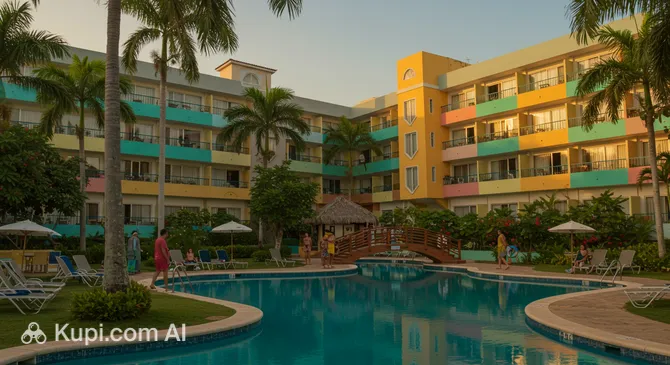
If you are looking for a well-regarded place to stay that combines comfort with a strategic location, the Bugan Hotel Recife is a notable option. Situated in the heart of Boa Viagem, it offers modern facilities and easy access to the best the neighborhood has to offer, making it a favorite among travelers who value convenience and quality service.

Bugan Hotel Recife. Source: Kupi.Binoculars

Prices in Recife are generally reasonable compared to other major Brazilian capitals, but they can fluctuate significantly depending on the season. Budget travelers can find affordable hostel beds, while mid-range and luxury options offer good value for money during most of the year. However, it is crucial to book well in advance if you plan to visit during peak periods like New Year's Eve or the famous Carnival, as demand skyrockets and the best accommodations sell out months ahead. Most bookings can be easily made through major online platforms, which often provide the best rates and cancellation flexibility.

Nearby Cities

For those looking to explore the surroundings, Recife serves as an excellent base for day trips to several interesting nearby locations:

Just a stone's throw away lies Olinda, a UNESCO World Heritage site that is virtually an extension of the capital. Famous for its steep, cobblestone streets and vibrant colonial architecture, it offers a distinctively slower pace compared to its bustling neighbor. Visitors can spend the day wandering through art studios, admiring baroque churches, and enjoying panoramic views of the ocean from the hilltops.

Another excellent option is Jaboatão dos Guararapes, located just to the south. This city is historically significant as the site of the battles that expelled the Dutch from Brazil, celebrated today at the Guararapes National Historical Park. Beyond its history, it boasts a long stretch of coastline with popular beaches like Piedade and Candeias, which are perfect for a relaxing afternoon by the sea.

To the north is Paulista, a destination known for its natural beauty and extensive mangrove forests. It is home to the famous Maria Farinha beach, often referred to as the "Pantanal of Pernambuco." The area is ideal for water sports and boat tours that explore the meeting of the river and the ocean, offering a refreshing escape into nature.

City Population Distance (km)
Jaboatão dos Guararapes 702,621 13
Olinda 393,115 9
Paulista 300,466 17
Camaragibe 155,054 13
Vitória de Santo Antão 129,974 46

These nearby destinations offer a glimpse into the diverse culture and landscapes of the region.

Shopping & Souvenirs

Shopping in Recife offers a delightful contrast between ultra-modern retail complexes and vibrant traditional markets. The city is a major commercial hub in the Northeast, making it an excellent place to find everything from high-end international brands to authentic regional handicrafts. Visitors are particularly drawn to the local artistry, which includes intricate lacework, leather goods, and colorful ceramics that reflect the rich cultural heritage of Pernambuco.

For those seeking a world-class shopping experience, the city boasts some of the largest malls in Brazil. Shopping Recife is a true landmark in the Boa Viagem district and one of the most important commercial centers in the country. With hundreds of stores, a vast food court, and cinema complexes, it provides a complete leisure experience for the whole family.

Shopping Recife. Source: Kupi.Binoculars

Another premier destination is RioMar Recife, located along the Capibaribe River. Known for its sophisticated architecture and upscale atmosphere, it houses luxury boutiques, a theater, and a gourmet balcony with stunning views. It is the perfect spot to combine a shopping spree with a fine dining experience.

To truly connect with the local culture, visitors should explore the city's bustling markets. The Casa da Cultura is a must-visit; housed in a restored 19th-century prison, its former cells have been converted into charming craft shops. Another iconic spot is the São José Market (Mercado de São José), an iron-structure building where you can find traditional herbs, spices, straw baskets, and leather sandals at very affordable prices.

For tourists staying near the beach, the Boa Viagem Square hosts a famous arts and crafts fair every evening. It is the ideal place to take a leisurely stroll after a day in the sun, browse for souvenirs, and sample local street food like tapioca and coconut sweets.

Boa Viagem Square. Source: Kupi.Binoculars

When it comes to souvenirs, there are a few items that are quintessentially Pernambucan. Look for the famous Bolo de Rolo, a delicious guava-filled roll cake that makes for a perfect edible gift. Clay figurines inspired by the legendary artist Mestre Vitalino are also highly prized, depicting scenes of rural life in the Northeast. Additionally, a bottle of artisanal cachaça or a pair of handmade leather sandals are excellent keepsakes.

Most shopping malls in Recife are open from 10:00 AM to 10:00 PM on weekdays and Saturdays, with reduced hours on Sundays (usually from 12:00 PM to 9:00 PM). Street markets and smaller shops in the city center typically operate from 9:00 AM to 6:00 PM and may close on Saturday afternoons and Sundays. Credit and debit cards are widely accepted almost everywhere, including at most market stalls, though carrying some cash is useful for small purchases.

Regarding tax refunds, Brazil does not have a widely accessible tax-free shopping system for international tourists comparable to those in Europe or the US. While some duty-free shops exist at the international airport, visitors should generally not expect to claim VAT refunds on regular purchases made within the city.

Reached the end of the page?

That means the route is fully explored