Support

Aracaju

About

Welcome to Aracaju, the charming capital of the state of Sergipe. Unlike some of its busier neighbors in the region, this coastal city offers a tranquil yet vibrant atmosphere, often cited for having one of the best qualities of life in the country. It is a destination where urban convenience meets natural beauty, creating a relaxing environment for travelers.

Geographically, the city is unique as it is cut by rivers, including the Sergipe and Poxim, and meets the Atlantic Ocean. Located in the Northeast of Brazil, it is home to approximately 632,000 residents. The climate is tropical and warm year-round, making it a perfect destination for beach lovers who enjoy sunny days and fresh sea breezes.
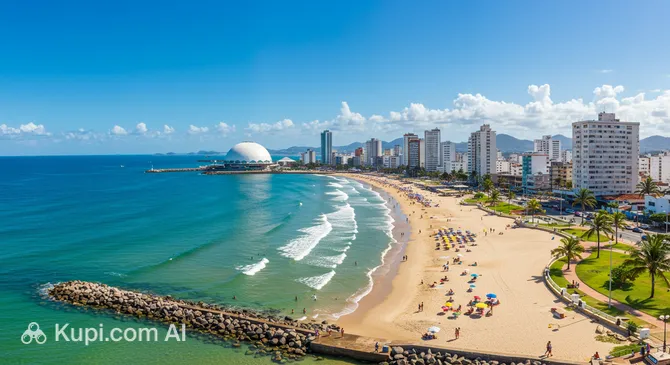
Aracaju. Source: Kupi.Binoculars

The city stands out as one of the first planned capitals in the nation, designed with a grid layout that makes navigation surprisingly easy. Exploring the history of Aracaju reveals a fascinating transition from its origins to a modern urban center, all while retaining deep cultural roots and traditions.

Visitors are often drawn to the famous Orla de Atalaia, a sprawling promenade that is considered one of the most beautiful and well-equipped in the country. It features lakes, sports courts, and the renowned Passarela do Caranguejo (Crab Walkway), highlighting the city's reputation for delicious seafood. Another key highlight is the Oceanarium, maintained by Project TAMAR, which is dedicated to the protection of sea turtles and offers a great educational experience.

Whether you are looking to relax by the warm waters, enjoy authentic northeastern cuisine, or explore local folklore, Aracaju is an inviting destination that promises a memorable and peaceful getaway.
Weather Overview

Aracaju enjoys a warm tropical climate that makes it a welcoming destination at almost any time of the year. The city is known for its consistent temperatures and fresh coastal breezes, ensuring that even the hottest days are often tempered by the winds from the Atlantic. Generally, the weather remains pleasant, with the thermometer rarely dropping below 21°C.

The warmest months are typically January and February, where the average temperature hovers around 27.7°C, and daytime highs frequently reach 30.6°C. This period is ideal for enjoying the beaches, although travelers should be prepared for some humidity and regular showers, as January can see around 19 wet days.

From June to August, the city experiences slightly cooler weather. July is generally the coolest month, with an average temperature of 23.8°C and lows dipping to roughly 21.7°C. This season also brings the most frequent rainfall, with July recording up to 27 wet days. For those preferring drier conditions, late spring and early summer are better options; November and December have the fewest rainy days, averaging about 13 per month. For more specific forecasts and monthly averages, you can consult the detailed weather in Aracaju guide.

Overall, you can expect warm, humid summers with regular showers and mild winters that see a significant number of rainy days.

Interesting Facts

Beyond the main attractions, Aracaju holds many fascinating secrets and historical curiosities that often escape the casual visitor. Here are some intriguing details that make this capital truly unique.
  • Parrots and Cashews: The name "Aracaju" has a delightful etymology rooted in the indigenous Tupi language, translating roughly to "Cashew of Parrots." It is said that the region was once densely populated with cashew trees that attracted flocks of colorful parrots, inspiring the poetic designation.

  • A Planned Pioneer: Aracaju holds the distinction of being one of the first planned cities in Brazil. Established in 1855 to replace São Cristóvão as the state capital, its streets were designed in a precise geometric "chessboard" grid, an innovative engineering feat for the 19th century intended to optimize sanitation and organization.

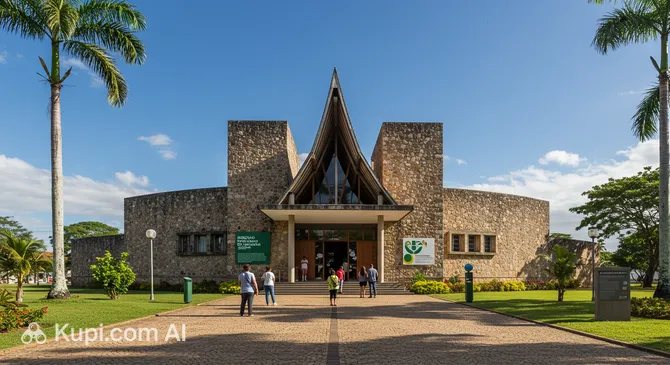
  • High-Tech Heritage: The city is home to the Museum of the People of Sergipe, which is recognized as the first interactive multimedia museum in the North and Northeast of Brazil. Unlike traditional museums, it uses advanced technology to immerse visitors in the intangible culture, folklore, and speech of the local population.

  • The City's Birthplace: The historic Santo Antônio Hill is not merely a scenic lookout; it is the legendary site where the assembly that founded the city took place. Standing here offers a direct connection to the moment Aracaju transformed from a small settlement into a provincial capital.

  • Healthy Reputation: Aracaju is frequently highlighted in national surveys for its high quality of life and healthy habits. It has been cited as the Brazilian capital with the lowest rate of smokers and is celebrated for its extensive cycle paths and outdoor sports culture.

Museum of the People of Sergipe. Source: Kupi.Binoculars

How to Get There

Reaching this coastal capital is quite convenient, with air travel being the most common method for visitors coming from distant regions. For a comprehensive guide on all transport options, including driving directions and bus routes, you can read more about how to get to Aracaju.

The primary entry point is Aracaju Airport (IATA: AJU), also known as Santa Maria Airport. It is conveniently located within the city limits, approximately 6.4 km from the main hotel zones and the city center. This proximity makes arrival very stress-free; a taxi or ride-share trip to most accommodations typically takes around 30 minutes, depending on traffic. The airport handles a significant volume of domestic flights, connecting the city to major Brazilian hubs.

If you are planning a wider tour of the Northeast or cannot find direct flights, you might consider landing in neighboring state capitals. The Maceio-Zumbi dos Palmares International Airport (IATA: MCZ) is located in Maceio, about 210 km north of Aracaju. Alternatively, the Deputado Luis Eduardo Magalhaes International Airport (IATA: SSA) in Salvador is approximately 258 km to the south. While these are larger international hubs, reaching Aracaju from them requires a subsequent road trip of several hours by intercity bus or rental car.

For clarity, here is a summary of the main airports:

Airport Name City Passenger Traffic Km from City
Deputado Luis Eduardo Magalhaes International Airport Salvador Large 258.8
Maceio-Zumbi dos Palmares International Airport Maceio Medium 210.3
Aracaju Airport Aracaju Medium 6.4

Aracaju does not have passenger railway stations for long-distance travel, as train networks in this region are primarily used for cargo. The most common alternative to flying is the extensive intercity bus network (Rodoviária). Two main bus terminals serve the city: the Rodoviária Nova (Governador José Rollemberg Leite), located on the outskirts, handles interstate arrivals from major cities like Salvador and Maceió, while the Rodoviária Velha (Luiz Garcia) in the city center serves mostly transport within the state of Sergipe.

Main Attractions

Aracaju offers a delightful mix of historical architecture, lush green spaces, and scenic viewpoints that reflect the city's rich culture and natural beauty. While the famous coastline is a major draw, the city center and its parks provide equally captivating experiences for visitors looking to explore beyond the beach.

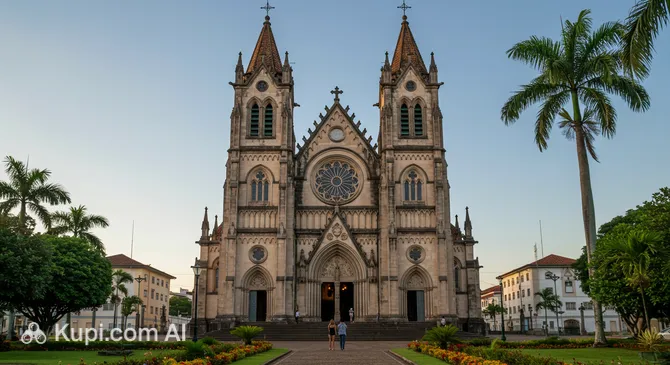
One of the most significant landmarks in the city center is the Metropolitan Cathedral of Aracaju. Located in the heart of Fausto Cardoso Square, this majestic structure is dedicated to Our Lady of the Conception. Built in 1875, it features beautiful neoclassical architecture with a striking dome and twin towers. The interior is equally impressive, adorned with 19th-century paintings and intricate details that offer a peaceful retreat for reflection and admiration of religious art.

Metropolitan Cathedral of Aracaju. Source: Kupi.Binoculars

Just a short walk from the cathedral, history enthusiasts will find the Olímpio Campos Palace Museum. This imposing building served as the seat of the state government until the mid-1990s and has since been transformed into a cultural center. The architecture is a fine example of the eclectic style common in the early 20th century. Inside, visitors can explore preserved rooms featuring original furniture, crystal chandeliers, and objects that tell the political and social history of the Sergipe state.

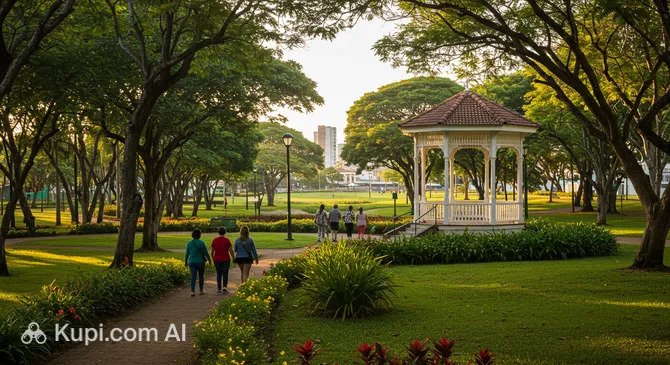
For those seeking relaxation amidst nature, the Sementeira Park (Parque da Sementeira) is the perfect urban escape. Officially named Parque Augusto Franco, this expansive green area is a favorite among locals for jogging, picnics, and leisure walks. The park features a large lake, native trees, and well-maintained gardens, providing a fresh and airy atmosphere right in the middle of the city. It is an excellent spot for families and anyone wanting to enjoy a quiet afternoon outdoors.

Sementeira Park. Source: Kupi.Binoculars

To capture a panoramic view of the region's unique geography, a visit to the Treze de Julho Lookout is highly recommended. Located on a popular promenade, this observation deck offers sweeping views of the Sergipe River and the dense mangrove forests that line its banks. It is a fantastic location to watch the sunset and observe the meeting of the river waters, giving tourists a deeper appreciation of the coastal ecosystem that defines Aracaju.

Local Cuisine

Aracaju's culinary scene is a delightful journey through the flavors of the Brazilian Northeast, with a strong emphasis on fresh seafood. Known as the "National Capital of Crab," the city takes great pride in its crustaceans, which are not just a meal but a cultural event. Visitors should not miss the experience of cracking open fresh crabs seasoned with local herbs, a tradition best enjoyed along the famous Passarela do Caranguejo (Crab Walkway) on the Atalaia waterfront.

Beyond the savory seafood, the region is famous for its tropical fruits, particularly the mangaba and caju (cashew). To taste these local specialties in a refreshing form, a visit to Castelo Branco Ice Cream is essential. This traditional parlor offers a wide variety of flavors that capture the essence of Sergipe's native produce, making it a favorite stop for dessert lovers.

For a full dining experience, the city offers diverse options ranging from regional classics to modern cuisine. Jorge Amado Bar and Restaurant is a popular spot that pays homage to the beloved Brazilian writer while serving hearty local dishes. If you prefer a more intimate atmosphere with a refined menu, Seo Inácio Bistro provides an excellent setting for a relaxed dinner.

Those looking for casual bites or nightlife will also find great choices. Cactus Burger is the go-to place for high-quality handmade burgers in a friendly environment. As the evening progresses, the Arpoador Lounge Bar comes alive, offering a vibrant mix of cocktails and music, perfect for wrapping up a day of exploration.

Travel Tips

To ensure your visit to Aracaju is as relaxing as the city's vibe, a little preparation goes a long way. Here are some essential practical tips to help you navigate the capital of Sergipe with confidence and ease.

  1. Clothing and Gear: Given the tropical heat, pack lightweight, breathable fabrics like cotton or linen. A hat, sunglasses, and high-SPF sunscreen are non-negotiable accessories for the strong sun. Comfortable walking shoes are a must for exploring the extensive Orla de Atalaia, while sandals are perfect for the beach. Dress codes are generally casual, but modest attire is recommended if you plan to visit religious sites like the cathedral.

  2. Transportation: The most convenient way to get around is by using ride-hailing apps like Uber or 99, which are safe, reliable, and affordable. Public buses are available and cover the whole city, but they can be crowded and confusing for those who do not speak the local language. Renting a car is only necessary if you plan to explore distant attractions like the Xingó Canyon on your own.

  3. Finances: The local currency is the Brazilian Real (BRL). Credit and debit cards are widely accepted, even by small vendors on the beach. However, it is wise to carry some cash for small tips or coconut water stands. ATMs are easily found in shopping malls and at the airport. Tipping is customary in restaurants, where a 10% service charge is usually added to the bill.

  4. Health and Safety: Pharmacies like Drogasil or Pague Menos are abundant, with several locations open 24/7 for minor ailments. Always drink bottled or filtered water; tap water is not suitable for consumption. While the tourist areas are generally safe, always keep an eye on your belongings and avoid walking in deserted streets of the city center after dark.

  5. Communication: The primary language is Portuguese, and English is not widely spoken outside of major hotels. It is highly recommended to download a translation app and offline maps before you arrive. Buying a local SIM card (from carriers like Vivo or TIM) is possible at malls, but an e-SIM is often a hassle-free alternative for international travelers.

  6. Local Etiquette: People in the Northeast of Brazil are known for their warmth. Greetings often involve a handshake or a friendly kiss on the cheek. The "thumbs up" gesture is universally used to say yes, thanks, or hello. When entering shops or elevators, a polite "Bom dia" (Good morning) or "Boa tarde" (Good afternoon) is always appreciated.

  7. What to Avoid: Avoid flashing expensive jewelry, cameras, or smartphones in non-tourist areas or busy crowds to prevent unwanted attention. Also, do not rely solely on Spanish; while there are similarities, locals appreciate it more if you try a few words in Portuguese rather than assuming they understand Spanish fluently.

  8. Local Insight: Embrace the "crab culture." Eating crab is a slow, social ritual here, often taking hours. Don't be afraid to get your hands dirty and use the wooden mallet provided at restaurants; it is part of the authentic experience and perfectly acceptable behavior.

Armed with these tips, you are ready to fully enjoy the hospitality and beauty of this coastal gem. Have a wonderful trip and soak up every moment of the sun, sea, and unique culture that Aracaju has to offer.

Entertainment & Nightlife

Entertainment in Aracaju is heavily influenced by its coastal lifestyle, meaning the best nightlife is often found outdoors, accompanied by the fresh ocean breeze. The city comes alive after sunset, offering a relaxed yet vibrant atmosphere that caters to couples, families, and groups of friends alike. Unlike the frantic pace of larger metropolises, the night here is about enjoying good music, conversation, and the open air.

The epicenter of the city's nightlife is undoubtedly the Passarela do Caranguejo (Crab Walkway) located on the Orla de Atalaia. This bustling strip is lined with numerous bars and restaurants that transform into lively venues as the night progresses. It is the perfect place to experience the local "forró" music, a traditional northeastern genre that often gets everyone dancing. The crowd here is diverse, ranging from locals unwinding after work to tourists soaking up the energetic vibe. The dress code is generally casual; shorts and sandals are perfectly acceptable and even expected.

For those looking for a more comprehensive entertainment complex, RioMar Shopping Aracaju offers a modern alternative to the beachfront scene. Located in the Coroa do Meio neighborhood, this mall is a popular evening destination for its state-of-the-art movie theaters and extensive food court. It serves as a safe and comfortable hub for a night out, especially if you prefer air-conditioned environments or want to do some late-night shopping.

If you are traveling with family or simply enjoy arcade games, the Game Station is a fantastic option for fun. Often located within major shopping centers, it provides a variety of electronic games and attractions that can keep visitors entertained for hours. It is a great way to kick off the evening before heading out for dinner.

Another excellent spot for an evening stroll is the Sergipana People's Square (Praça da Gente Sergipana). This landmark is beautifully lit at night and often hosts cultural events and fairs. It offers a scenic setting by the river, allowing visitors to appreciate the local architecture and community life in a peaceful environment.

While the focus is often on the night, daytime entertainment in Aracaju is equally enriching. Visitors should make time to explore the Sergipe Crafts Museum, which showcases the region's artistic heritage. It is an ideal stop for those interested in the intricate embroidery and pottery that define the state's cultural identity.

Regarding safety and logistics, the main tourist areas like Atalaia are well-policed and generally safe for walking at night. However, it is always advisable to use ride-sharing apps or taxis when moving between districts, especially late at night. Prices for drinks and cover charges in clubs are reasonable compared to other Brazilian capitals. Most venues start filling up around 9:00 PM, so there is no need to wait until midnight to join the fun.

Parks & Museums

For travelers eager to delve deeper into the cultural soul of Aracaju, the city offers specialized spaces that preserve its artistic and historical heritage. While the beaches are a major draw, these landmarks provide a window into the traditions and origins of the Sergipe region.

A standout institution for those interested in local artistry is the Sergipe Crafts Museum. Located in the city center, this facility is dedicated to safeguarding and displaying the finest examples of the state's handicraft. The collection features delicate embroidery, intricate lace, straw weaving, and robust clay pottery, highlighting the skill and creativity of Sergipe's artisans. It is an excellent place to appreciate the folk traditions that have been passed down through generations and remain a vital part of the local identity.

Another essential stop is the Church of Saint Anthony, situated atop the scenic Santo Antônio Hill. This charming church marks the exact location where the city was founded, adding a layer of historical significance to its spiritual atmosphere. The site is not only a place of worship but also a beloved viewpoint, offering breathtaking panoramic views of the estuary and the city below, particularly during sunset.

In addition to these highlights, visitors looking for a comprehensive cultural itinerary can also explore the architectural grandeur of the Olímpio Campos Palace Museum, the interactive exhibits at the Museum of the People of Sergipe, or the lush green expanse of Sementeira Park, all of which offer unique perspectives on the city's life and history.

Getting Around

The public transport system in Aracaju is primarily driven by an extensive bus network, known as the SIT (Integrated Transport System). This network connects the capital with neighboring municipalities in the metropolitan area, such as São Cristóvão and Nossa Senhora do Socorro. The system is organized around several "Integration Terminals" located in strategic districts like Atalaia, Downtown (Centro), and the DIA industrial zone.

A major benefit of the SIT is the fare integration, which allows passengers to transfer between buses without paying a second time, provided they remain within the terminal boundaries. The standard fare is approximately 4.50 BRL per trip. Payment is typically made using the Mais Aracaju electronic card, though cash is still accepted on board many lines. For tourists, acquiring a prepaid card at a main terminal can make boarding faster and more convenient.

Regarding rail transport, it is important to note that Aracaju does not have a subway or underground metro system. There is a VLT (Light Rail Vehicle) service in operation, but it is quite limited in scope. The VLT is primarily focused on commuter transport between specific suburban neighborhoods and is generally not a practical option for tourists visiting the main attractions or beach zones.

For a more comfortable and direct way to get around, especially at night, ride-sharing apps like Uber and 99 are extremely popular, safe, and cost-effective throughout the city. Taxis are also widely available; official vehicles are white with a colored stripe and run on a meter. They can be easily hailed on the street or found at designated stands near hotels and major tourist spots.

Exploring the city by bicycle is another pleasant alternative, particularly for leisure. Aracaju features a well-maintained network of cycle paths, with the most famous one running along the Orla de Atalaia. Visitors can enjoy the coastal breeze while riding, and bike rentals are generally available at various points along the waterfront, making it easy to combine transport with sightseeing.

Accommodation

Finding the perfect place to stay in Aracaju is generally a straightforward and pleasant task, as the city offers a wide variety of options to suit different tastes and budgets. The accommodation landscape ranges from sophisticated luxury resorts and modern business hotels to charming, family-run inns (known locally as pousadas) and budget-friendly hostels. Compared to other major capitals in the Brazilian Northeast, accommodation here is often considered excellent value for money, allowing visitors to enjoy high-quality comfort without breaking the bank.

For the vast majority of tourists, the best area to stay is undoubtedly the Atalaia neighborhood, specifically along or near the Orla de Atalaia. This region is the heartbeat of the city's tourism, placing you within walking distance of the beach, the famous Crab Walkway (Passarela do Caranguejo), and a vibrant array of restaurants and bars. Staying here means you can easily enjoy the ocean views and the lively evening atmosphere without needing extensive transport.

Another popular district is Coroa do Meio, located just north of Atalaia. It is a strategic choice that offers a mix of residential calm and proximity to major shopping centers like RioMar and bustling entertainment spots. For business travelers, the City Center (Centro) might be convenient due to its closeness to government buildings and commerce, but it is generally less recommended for leisure tourists as it becomes very quiet at night and is far from the beaches.

Booking Tip: While Aracaju is less crowded than cities like Salvador or Recife, it is still wise to book your accommodation well in advance if you plan to visit during the peak summer months (December to February) or during the São João festivities in June. During these periods, the city fills up with visitors celebrating the local culture, and the best spots sell out quickly.

The price range for lodging is quite broad. You can find economical hostels and simple guesthouses for budget-conscious travelers, as well as mid-range hotels that offer excellent amenities like swimming pools and breakfast included in the daily rate. For those seeking luxury, there are several high-end hotels along the coast that provide premium services. Most accommodations can be easily booked via major online travel platforms, which is often the best way to secure competitive rates and read recent guest reviews.

Nearby Cities

For those looking to explore the surroundings, Aracaju serves as an excellent base for day trips to several interesting nearby locations:

City Population Distance (km)
Nossa Senhora do Socorro 185706 10
Lagarto 94861 65
Itabaiana 86967 47
Estancia 64409 55
Itaporanga d'Ajuda 30419 27

Among the most popular choices for a getaway is Estancia, located to the south. It is widely known for its stunning coastline, particularly Praia do Saco, which features fine sand, dunes, and calm blue waters, often ranked among the most beautiful beaches in Brazil. The city also has a rich cultural heritage, famous for its "Barco de Fogo" (Fire Boat) tradition during the June festivals.

For nature lovers, Itabaiana offers a completely different experience. Situated inland, it is the gateway to the Serra de Itabaiana National Park. This protected area is perfect for hiking enthusiasts, offering trails that lead to waterfalls, natural pools, and diverse wildlife, providing a refreshing escape from the coastal heat.

These nearby destinations offer a glimpse into the diverse culture and landscapes of the region.

Shopping & Souvenirs

Shopping in Aracaju offers a delightful balance between modern convenience and deep-rooted cultural tradition. Visitors can choose from sophisticated shopping centers featuring international brands or immerse themselves in the vibrant atmosphere of local markets, where the true spirit of Sergipe is on display. Whether you are looking for high-end fashion or unique handmade crafts, the city provides a relaxed and welcoming environment for retail therapy.

For those who prefer a comfortable, air-conditioned experience with a wide variety of stores, the city's shopping malls are the go-to destinations. RioMar Shopping Aracaju is one of the most prominent, offering a vast selection of shops, entertainment, and dining options. Another excellent choice is the Alameda Mall, which provides a cozy and convenient shopping environment. These centers are perfect for finding clothing, electronics, and cosmetics, serving as modern hubs for both locals and tourists.

However, the highlight of shopping in Aracaju lies in its traditional markets located in the city center. The Mercado Municipal Antônio Franco and the Mercado Thales Ferraz are iconic spots that sit side by side, forming a complex rich in history and culture. Here, you can wander through aisles filled with colorful stalls selling everything from regional spices and medicinal herbs to "literatura de cordel" (string literature) pamphlets. These markets are the best places to interact with vendors and observe the daily life of the Sergipanos.

When it comes to souvenirs, Aracaju is famous for its exquisite handicrafts. The state of Sergipe is renowned for its Irish lace (Renda Irlandesa) and embroidery, which are crafted with incredible precision and make for beautiful, lightweight gifts. Pottery, straw baskets, and wood carvings are also popular items. For edible treats, look for sweets made from local fruits like mangaba and caju (cashew), or a bottle of artisanal cachaça. The Sergipe Crafts Museum is also a great reference point to see high-quality local artistry, often with items available for purchase.

Opening Hours and Payment: Major shopping malls typically operate from 10:00 AM to 10:00 PM, Monday through Saturday, with reduced hours on Sundays (usually from noon or 2:00 PM for stores). Street shops and downtown markets generally open around 8:00 AM or 9:00 AM and close by 6:00 PM on weekdays, often shutting down around 1:00 PM on Saturdays. Credit and debit cards are widely accepted throughout the city, including in most market stalls, though carrying some cash is advisable for small purchases from street vendors.

Tax-Free: Tourists should note that Brazil does not currently operate a standard VAT refund (tax-free) system for international visitors similar to those found in Europe. The price you see on the tag is the final price you pay.

Reached the end of the page?

That means the route is fully explored