Support

Alagoinhas

About

Alagoinhas is a bustling municipality located in the eastern part of the state of Bahia. Serving as a significant commercial and industrial hub, the city blends modern development with the authentic charm of the interior. With a population of approximately 154,000 residents, it offers a lively urban environment that remains deeply connected to its regional roots and traditions.

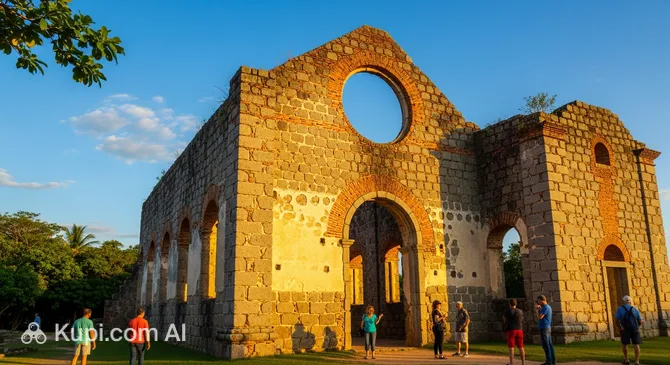
Alagoinhas. Source: Kupi.Binoculars

The city is situated in northeastern Brazil, roughly 120 kilometers from the state capital, Salvador. Its strategic location has historically made it a vital crossroads for transportation and trade within the region. Visitors interested in the past will find the history of Alagoinhas fascinating, particularly its origins tied to the expansion of the railway system in the 19th century. The legacy of the rails is still felt today, with historical landmarks like the ruins of the old train station standing as a testament to this transformative era.

One of Alagoinhas's most distinct features is the exceptional quality of its water, which is renowned for its purity. This natural resource has turned the city into a major center for the beverage industry, hosting several large breweries that are central to the local economy. Beyond its industrial prowess, the city provides a warm welcome to travelers, making it a noteworthy stop for those exploring the diverse landscapes and culture of Bahia.

Weather Overview

Alagoinhas generally enjoys a warm, tropical climate that makes it a welcoming destination throughout the year. The city experiences consistent heat, with average monthly temperatures rarely dropping below 22°C. The warmest period typically spans from December to March, where daily highs often reach 32°C, creating a hot environment perfect for those who enjoy the sun. Although this is the warmer season, visitors should still anticipate rainfall, as there are usually between 10 and 19 wet days per month during this time, with precipitation becoming more frequent in March.

The "winter" months, from June to August, offer slightly milder conditions. During this period, average temperatures settle around 23°C, with nighttime lows occasionally dipping to 19.3°C, providing a comfortable respite from the summer intensity. However, this season is notably wetter in terms of frequency; June, for instance, records up to 23 wet days. For those planning a trip and wanting to pack accordingly, it is helpful to review the detailed weather in Alagoinhas before departure.

Overall, precipitation is a regular feature of the local climate, though the frequency varies. October stands out as the month with the fewest wet days, averaging just nine, making it potentially the driest period for outdoor exploration. Regardless of when you visit, expect a humid atmosphere with a mix of warm sunshine and regular showers.

Interesting Facts

Beyond the main attractions, Alagoinhas holds many fascinating secrets that reveal its deep connection to both nature and history. From architectural mysteries to its liquid treasures, here are some unique facts about this Bahian city:

  • The city is home to the mysterious Unfinished Church of Santo Antônio (Igreja Inacabada). Construction began in the 19th century but was never completed, leaving behind hauntingly beautiful ruins. Local history suggests that the mortar used for its thick walls was mixed with bull's blood and clay to ensure durability, a technique believed to strengthen colonial structures.

  • Alagoinhas sits directly atop the São Sebastião Aquifer, which provides some of the purest water in Brazil. This exceptional natural resource is the primary reason why the city has become a massive hub for international beverage companies, earning it the unofficial title of the "Beer Capital" of the region.

  • The historic Alagoinhas Railway Station (Estação de Alagoinhas) is a rare example of English architecture in the Brazilian interior. It was constructed by the Bahia and San Francisco Railway Company, and its distinct style reflects the British influence on the railway network that once connected the coast to the hinterlands, turning the city into a vital commercial crossroads.

  • The name "Alagoinhas" literally translates to "Little Lagoons". It was originally named for the vast network of small ponds and rivers, such as the Catu and Sauípe, that covered the region before modern urbanization transformed the landscape.

How to Get There

Reaching Alagoinhas is relatively straightforward, primarily via the well-connected road network that links the interior of Bahia to the coast. While the city itself does not have a commercial airport, it is accessible through major hubs in neighboring cities. For a detailed breakdown of all transport options, including bus routes and driving directions, you can check the guide on how to get to Alagoinhas.

The most convenient entry point for international and domestic travelers is Deputado Luis Eduardo Magalhaes International Airport (SSA), located in the state capital, Salvador. It is a large facility handling significant passenger traffic and serves as the main gateway to the region. The airport is situated approximately 86.5 km from Alagoinhas. A journey by taxi or transfer from Salvador to the city center typically takes around 2 hours and 30 minutes, depending on traffic conditions on the BR-324 highway.

Alternatively, visitors can fly into Aracaju Airport (AJU), located in the city of Aracaju. This is a smaller, regional hub compared to Salvador and is significantly further away, at a distance of about 195 km. The travel time from Aracaju to Alagoinhas is considerably longer, estimated at over 5 hours by road, making it a viable option mainly if flights to Salvador are unavailable or if you plan to explore the Sergipe region first.

For clarity, here is a summary of the main airports:

Airport Name City Passenger Traffic Km from City
Deputado Luis Eduardo Magalhaes International Airport Salvador High 86.5
Aracaju Airport Aracaju Medium 194.7

Main Attractions

Alagoinhas offers a fascinating mix of historical heritage and local culture, making it an engaging destination for those exploring the interior of Bahia. The city's landmarks tell the story of its evolution from a railway hub to a modern center, while its religious sites provide a glimpse into the spiritual life of the community. Here are some of the main places to visit.

One of the most iconic sites is the Ruínas da Igreja Inacabada (Ruins of the Unfinished Church) located in the Alagoinhas Velha district. This structure is a captivating open-air monument consisting of stone arches and walls that stand beneath the sky. It offers a unique atmosphere for photography and contemplation, serving as a scenic backdrop that contrasts with the modern city. Visitors are often drawn to the site's rustic beauty and the park-like setting that surrounds it, making it a perfect spot for a peaceful afternoon walk or a creative photo session.

The Estação Ferroviária de Alagoinhas (Railway Station) is another must-see landmark that defines the city's visual identity. As a beautifully preserved heritage site, it offers travelers a chance to admire its intricate facade and distinct architectural details. Walking around the station evokes a sense of nostalgia, allowing visitors to appreciate the grandeur of the era when the railway was the region's lifeline. It remains a central point of interest for architecture enthusiasts and anyone wishing to connect with the city's roots.

For those interested in active religious sites, the Catedral de Santo Antônio stands as the primary place of worship. Dedicated to the patron saint of Alagoinhas, this important church serves as the seat of the diocese and a gathering point for the local community. Unlike the famous unfinished ruins, this is a fully functioning structure where visitors can observe local religious traditions and admire the building's significance to the spiritual landscape of the municipality.

Finally, a stroll through Praça Rui Barbosa allows visitors to experience the daily rhythm of the city. As a central public square, it is often buzzing with activity and serves as a social hub where locals meet. It is an excellent location to sit, relax, and soak in the urban atmosphere of this busy Bahian city.

Local Cuisine

The local cuisine of Alagoinhas offers a delicious blend of coastal Bahian spices and the hearty, rustic flavors typical of the Brazilian interior. Situated between the capital and the backcountry, the city serves up dishes that are both flavorful and comforting. Visitors can expect generous portions and a dining scene that ranges from lively street stalls to family-run restaurants, all reflecting the warm hospitality of the region.

A standout dish to try in Alagoinhas is Carne do Sol, a type of salted, sun-dried beef that is grilled to perfection. It is traditionally served with aipim (cassava), roasted coalho cheese, and manteiga de garrafa (clarified bottled butter), making for a savory and satisfying meal. For a taste of Bahia's African heritage, look for Acarajé stands in the city squares. These deep-fried fritters made from black-eyed peas are stuffed with spicy shrimp paste (vatapá) and salad, offering an explosion of texture and flavor that defines the state's culinary identity.

When it comes to beverages, Alagoinhas is famous for its beer. The city sits atop the São Sebastião Aquifer, which provides water of exceptional quality, attracting major breweries to the area. As a result, the beer served here is celebrated for its freshness, and enjoying a cold glass at a local bar is a quintessential part of the social experience. For non-alcoholic options, the region offers exotic fruit juices such as umbu and cajá, which provide a refreshing and tangy respite from the tropical heat.

The food culture here is informal and vibrant, with much of the social life taking place in open-air bars and botecos. These venues are popular gathering spots where locals meet to share appetizers, known as tira-gostos, and enjoy live music. For a more immersive experience, a visit to the local markets reveals an abundance of tropical fruits, artisanal cheeses, and traditional sweets, allowing tourists to taste the authentic ingredients that power the local economy.

Travel Tips

Visiting Alagoinhas is a chance to experience the authentic rhythm of the Bahian interior, but like any journey off the main tourist trail, a little preparation goes a long way. To help you navigate the city with ease and confidence, we have compiled a set of practical guidelines covering everything from packing essentials to local customs.

  1. Clothing and Gear: Given the tropical climate, lightweight and breathable fabrics like cotton or linen are your best friends here. The heat can be intense, so a hat and sunglasses are essential. Since rain is frequent, especially from March to August, packing a compact umbrella or a light raincoat is highly recommended. For footwear, comfortable sneakers are ideal for walking around the city center, while sandals are perfect for casual dining.

  2. Transportation: The city does not have a metro system. While there is a municipal bus network, routes can be confusing for visitors. The most convenient way to get around is by using ride-hailing apps like Uber or 99, which are active and affordable in the region. Licensed taxis are also available at designated stands. If you plan to explore the surrounding countryside, renting a car is a good option, but be prepared for varying road conditions.

  3. Finances: The official currency is the Brazilian Real (BRL). Credit and debit cards are widely accepted in supermarkets, hotels, and restaurants. However, smaller vendors, street markets, and some local bars may only take cash or the local instant payment system (Pix), so it is wise to carry some small bills. ATMs are readily available in the city center and at bank branches.

  4. Health and Safety: Pharmacies are plentiful, with major chains often open late or 24/7. While Alagoinhas is generally welcoming, it is a busy urban center; exercise standard precautions such as avoiding poorly lit streets at night and keeping valuables like cameras and smartphones out of sight in crowded areas. Public healthcare is available, but travel insurance covering private clinics is strongly advised for faster service.

  5. Communication: Portuguese is the sole language of daily life. English is not widely spoken outside of high-end hotels or major industrial business settings. It is highly recommended to download a translation app and learn a few basic phrases like "Bom dia" (Good morning) and "Obrigado" (Thank you). Buying a local SIM card (from providers like Vivo, Claro, or TIM) is easy and ensures you stay connected for maps and translation.

  6. Local Etiquette: Bahians are known for their warmth. Greetings often involve a handshake or, among women, a kiss on the cheek. A "thumbs up" gesture is commonly used to say "yes," "okay," or "thank you." When entering a shop or elevator, it is polite to greet others. Time is often treated more flexibly here, so do not be surprised if social engagements start a little later than scheduled.

  7. What to Avoid: Do not drink tap water. Even though Alagoinhas is famous for its pure aquifer water, the plumbing systems vary, so stick to bottled or filtered mineral water to avoid stomach issues. Also, avoid wearing flashy jewelry or carrying large amounts of cash openly, as this draws unnecessary attention.

  8. Local Insight: Since Alagoinhas is the heart of Bahia's brewing industry, take the opportunity to try the local beer. It is often served "estupidamente gelada" (stupidly cold), which is the local standard and the best way to beat the heat. Ask locals for their favorite boteco (bar) to enjoy a truly authentic experience.

By keeping these tips in mind, you will be well-equipped to enjoy the hospitality and vibrant culture of Alagoinhas. Whether you are here for business or to explore the historic roots of the region, a little local know-how will ensure your trip is smooth and memorable.

Entertainment & Nightlife

Alagoinhas offers a lively and authentic nightlife experience that reflects the warm hospitality of the Bahian interior. As a university city and a major industrial hub, the evening energy here is a mix of youthful vibrancy and relaxed social gatherings. The nightlife scene is not concentrated in a single district but rather spread across various pockets of the city, with the downtown area and major avenues serving as the primary hubs for entertainment.

For those looking to enjoy a cold drink and local conversation, the city is famous for its open-air bars, locally known as botecos. These venues are the heart of social life, where friends gather around plastic tables on the sidewalk to enjoy petiscos (snacks) and the region's famous beer. Bar do Barbosa is a popular choice among locals, known for its relaxed pub atmosphere and excellent bar food, making it a great starting point for the night. If you prefer a place with a musical backdrop, Corujão Music Bar often features live performances, ranging from Brazilian country music (sertanejo) to classic samba.

Travelers seeking a more energetic late-night vibe should head towards venues like Boate Amnésia. Located on Rua Lauro de Freitas, this club is one of the main spots for dancing, often staying open until the early morning hours. It draws a younger crowd and features DJs playing a mix of electronic music and current Brazilian hits. Another notable mention is Tiazinha Night Club, which offers a cocktail bar atmosphere for those looking to unwind in a different setting.

The atmosphere in Alagoinhas is generally casual and unpretentious. There is rarely a strict dress code; smart-casual attire is suitable for clubs, while shorts and t-shirts are perfectly acceptable for bars. Prices are very affordable compared to coastal tourist hotspots like Salvador. The best time to go out is on Friday and Saturday nights, when the streets are most vibrant.

Regarding safety, while the main entertainment areas are generally safe, it is advisable to take precautions. Avoid walking alone in poorly lit areas late at night. The most reliable way to get around is by using ride-hailing apps or calling a licensed taxi. Since public transport is limited at night, planning your return trip in advance is a smart move.

For daytime entertainment, the city offers a dose of culture at the Centro de Cultura de Alagoinhas. This facility is the artistic soul of the municipality, hosting theater productions, dance performances, and art exhibitions. It is an excellent place to experience the local creative scene before the sun goes down and the nightlife begins.

Parks & Museums

While Alagoinhas is primarily known as an industrial and commercial center, the city offers several inviting green spaces and cultural institutions that provide a deeper look into its heritage and daily life. Visitors can find respite in revitalized natural areas or explore venues dedicated to preserving the memory and artistic expression of the region.

Parque da Lagoa is one of the city's most versatile outdoor spaces. Often serving as the venue for major local events, including the popular Bahia Beer Festival, this park is a hub for leisure and social gatherings. Beyond the festivities, it offers ample open space for walking and relaxation, making it a favorite spot for families. Within its grounds, visitors can often find the Vila Sertaneja, a thematic area that recreates the rustic atmosphere of the Bahian hinterlands with traditional architecture and cultural exhibits.

Another significant natural landmark is the Fonte dos Padres. This historical water source has deep roots in the city's development and has recently undergone revitalization efforts to restore its native vegetation and improve accessibility. It is a tranquil spot that highlights Alagoinhas's famous connection to water purity. The area allows visitors to see the natural springs that feed the region, surrounded by recovering Atlantic Forest vegetation, offering a cooler, greener environment close to the urban center.

For those interested in history and art, the Fundação Iraci Gama de Cultura (FIGAM) is an essential stop. Headquartered in the historic Estação São Francisco (Railway Station), this institution is the guardian of the city's memory. It houses the Centro de Documentação e Memória de Alagoinhas, which preserves documents and photographs from the railway era. Additionally, the foundation manages a Pinacoteca (art gallery) featuring works by local artists, effectively turning the old station into a living museum where the past and present creative scenes converge.

The Centro de Cultura de Alagoinhas is the primary venue for the performing arts. Managed by the state, this dynamic space hosts a regular schedule of theater productions, dance performances, and music concerts. It also features a foyer often used for temporary art exhibitions, making it a key destination for tourists wishing to experience the contemporary cultural pulse of the municipality.

For a truly authentic experience, look out for the small craft fairs often held in the central squares like Praça Rui Barbosa. Here, local artisans display leather goods, ceramics, and embroidery that reflect the "sertanejo" culture, offering a chance to buy unique souvenirs while supporting the local community.

Getting Around

The public transport system in Alagoinhas is primarily based on a network of municipal buses that connect the residential neighborhoods with the commercial city center. Unlike major metropolitan areas, the city does not have a metro, tram, or trolleybus system. For most residents, buses are the daily mode of commuting, offering extensive coverage across the urban area. However, for visitors unfamiliar with the routes, the system can seem somewhat complex, as schedules and stops are not always clearly marked.

Regarding payment, the system is relatively traditional. While local residents may use electronic transport cards, the most convenient option for tourists is to pay in cash directly on the bus. Most vehicles have a conductor (cobrador) or a driver who accepts payment. It is highly recommended to carry small bills and coins, as breaking large notes can be difficult. The fare is affordable, typically costing a few Brazilian Reais per trip.

A distinctive and popular feature of transport in this region of Brazil is the moto-taxi service. You will often see motorcycle riders wearing colored vests waiting at designated street corners or cruising for passengers. This is a fast and inexpensive way to navigate the city, especially during peak traffic hours. If you choose this option, ensure the rider provides a helmet, which is mandatory by law, and agree on the fare before starting the journey.

For tourists seeking comfort and ease, ride-hailing apps such as Uber and 99 are widely available and reliable in Alagoinhas. They offer the advantage of fixed pricing and GPS tracking, eliminating language barriers and the need to navigate bus routes. Traditional taxis are also plentiful and can be found at designated stands (pontos de táxi) near major squares, hotels, and the bus terminal. They generally use taximeters, but it is wise to confirm the estimated price for longer trips.

Transport generally operates from the early morning, around 5:00 AM, until late evening, typically winding down by 11:00 PM. Service frequency decreases significantly on weekends and holidays. Visitors should be aware that the historic Railway Station (Estação Ferroviária), while a major architectural landmark, is no longer used for passenger transport. Intercity travel is handled by the Terminal Rodoviário (Bus Terminal), located on the outskirts of the city, which connects Alagoinhas to Salvador and other destinations.

Accommodation

Accommodation in Alagoinhas primarily caters to business travelers and visitors passing through the region, reflecting its status as a commercial and industrial hub. The city offers a functional range of lodging options, from reliable mid-range hotels with modern amenities to modest budget guesthouses (known locally as pousadas). Unlike coastal resort towns, you will not find luxury all-inclusive resorts here; instead, the focus is on practicality, comfort, and accessibility.

The most convenient area for tourists to stay is the City Center (Centro). Staying here places you within walking distance of major shops, banks, and dining spots like the popular botecos. It also offers easy access to the main squares, such as Praça Rui Barbosa. For those arriving by car or strictly for business, there are several hotels located along the main avenues and near the entrance to the city from the BR-101 and BR-110 highways, offering parking facilities and quicker exit routes.

Booking Tip: While finding a room is usually straightforward, it is highly advisable to book in advance if your visit coincides with major local events, such as the Bahia Beer Festival. During these times, the influx of visitors can fill up the best-rated hotels quickly. Additionally, weekdays can be busier than weekends due to the steady flow of corporate travelers visiting the local industries.

In terms of pricing, Alagoinhas is generally very affordable compared to the state capital, Salvador. Most accommodations fall into the budget to mid-range categories. While major hotels are listed on international booking platforms, many smaller pousadas may still rely on direct bookings via phone or WhatsApp. It is often worth checking both online and contacting the establishment directly to secure the best rate.

Nearby Cities

For those looking to explore the surroundings, Alagoinhas serves as an excellent base for day trips to several interesting nearby locations:

City Population Distance (km)
Feira de Santana 617,528 60
Candeias 88,806 61
Dias d'Ávila 78,058 54
Catu 55,719 25
Mata de Sao Joao 45,813 46

Feira de Santana is the second-largest city in Bahia and a vibrant commercial hub located just an hour away. Known as the "Princess of the Hinterlands" (Princesa do Sertão), it offers a lively urban experience with extensive shopping opportunities, particularly at the famous Feiraguay market. The city is also a cultural center, hosting major festivals and offering a variety of museums, such as the Parque do Saber, which features a planetarium.

Mata de São João is a destination of immense historical significance and natural charm. The municipality is home to the majestic ruins of the Garcia d'Ávila Castle, considered one of the oldest stone masonry structures in Brazil. For history buffs, exploring this archaeological site provides a fascinating glimpse into the colonial era. Additionally, the wider municipality encompasses famous coastal spots, making it a key area for tourism in the region.

Dias d'Ávila is often referred to as the "City of Waters" due to its abundance of mineral springs with therapeutic properties. It is a known health resort destination where visitors can enjoy spa treatments and relax in a tranquil environment. Its proximity to Alagoinhas makes it an easy and refreshing getaway for those interested in wellness and nature.

These nearby destinations offer a glimpse into the diverse culture and landscapes of the region, ranging from bustling markets to historical ruins and soothing mineral springs.

Shopping & Souvenirs

Shopping in Alagoinhas offers a genuine slice of daily life in the Bahian interior. As a major commercial hub for the region, the city attracts residents from neighboring towns who come to buy everything from clothing and electronics to agricultural supplies. For tourists, the experience is less about high-end luxury brands and more about discovering local variety, affordable goods, and the vibrant atmosphere of Brazilian commerce.

The heart of the city's retail scene is located in the Centro (Downtown). The bustling streets around Praça Rui Barbosa are lined with shops selling shoes, fabrics, and household items. One of the best places to walk is the Calçadão (pedestrian zone) on Rua Francisco Batista and surrounding lanes. This area is free of cars and packed with vendors, small galleries, and popular Brazilian department stores, making it the liveliest spot to window shop and soak in the local energy.

For a more modern and climate-controlled environment, visitors can head to Shopping Laguna. As the city's primary shopping mall, it offers a convenient collection of national retail chains, a food court, and a cinema. It serves as a popular meeting point for locals and provides a comfortable escape from the midday heat while offering standard fashion and accessory options.

To truly understand the regional culture, a visit to the Central de Abastecimento is essential. This sprawling market is the commercial soul of Alagoinhas, where the rural and urban worlds meet. Here, you can find an explosion of colors and scents, with stalls piling high with tropical fruits, vegetables, and the region's famous manioc flour. It is also a great place to find simple handicrafts, leather goods used by local cowboys (vaqueiros), and straw baskets.

When looking for souvenirs to take home, consider items that reflect the craftsmanship of Bahia. Ceramics are a popular choice, with clay pots and decorative vases being widely available at local markets. Given the city's reputation as a brewing center, you might also find unique beer-related memorabilia or locally produced beverages. Additionally, edible souvenirs like bottles of manteiga de garrafa (bottled butter) or artisanal pepper sauces make for excellent gifts for food lovers.

Store opening hours in Alagoinhas typically follow the standard Brazilian schedule. Street shops generally operate from 8:00 AM to 6:00 PM on weekdays and close around 1:00 PM on Saturdays. The shopping mall usually stays open later, from 10:00 AM to 10:00 PM. Most establishments accept major credit and debit cards (Visa and Mastercard), but carrying some cash (Brazilian Reais) is recommended for small purchases in the market or with street vendors.

Visitors should be aware that tax-free shopping or VAT refunds are not generally available for tourists in Brazil, especially in interior cities like Alagoinhas. The price you see on the tag is the final price you pay, so there is no need to look for tax refund forms at checkout.
Reached the end of the page?

That means the route is fully explored