Support

Salvador

About

Salvador, the vibrant capital of the state of Bahia, is a destination that pulses with rhythm, color, and an undeniable energy. Known for its rich cultural tapestry and warm hospitality, this coastal metropolis is often considered the soul of Brazil. It stands as a living museum of colonial architecture and a thriving hub of Afro-Brazilian heritage, offering visitors an experience that is both historically profound and incredibly lively.

Geographically, the city is situated on a peninsula separating the majestic Bay of All Saints from the Atlantic Ocean. This prime location blesses the area with a tropical climate and stunning coastlines. With a population of approximately 2.9 million inhabitants, it is one of the largest and most significant urban centers in the country, bustling with activity yet maintaining a relaxed seaside atmosphere.
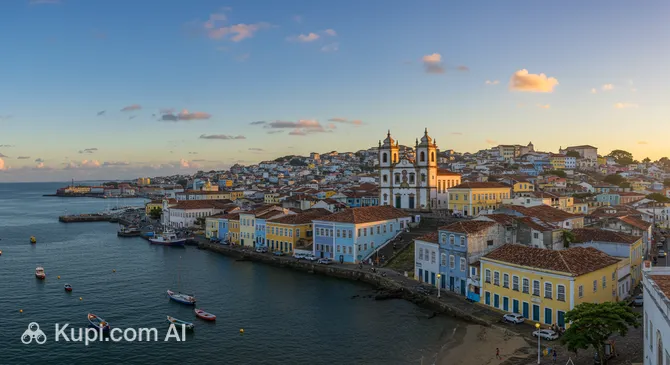
Salvador. Source: Kupi.Binoculars

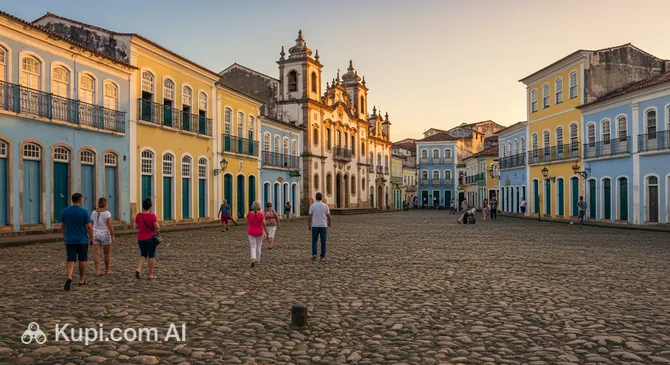
The fascinating history of Salvador is etched into the cobblestone streets of its famous historic center. The Pelourinho district, a UNESCO World Heritage Site, is renowned for its colorful colonial buildings and magnificent baroque churches, such as the Church of São Francisco with its intricate gold-leaf interior. Walking through these streets feels like stepping back in time, where the legacy of the past meets the vibrant artistic expression of the present.

Beyond its architecture, the city is celebrated for its unique culture, which is heavily influenced by African traditions. This is evident in the local cuisine, featuring dishes like acarajé, and in the music that fills the air, from samba-reggae to the beats of Olodum. Travelers are also drawn to the city's beautiful beaches, such as Porto da Barra, which is famous for its spectacular sunsets.

Whether you are looking to explore centuries-old landmarks, dance to infectious drum beats, or simply relax by the ocean, Salvador offers an unforgettable journey. It is a place where every corner tells a story, inviting you to immerse yourself in its magic and discover why it remains one of the most beloved destinations in South America.
Weather Overview

Salvador enjoys a warm, tropical climate year-round, making it an inviting destination regardless of the season. The city is characterized by consistent temperatures and a significant number of damp days, contributing to its lush, green environment. Generally, visitors can expect warm summers with steady heat and mild winters with frequent, though often light, precipitation.

The warmest months occur at the beginning of the year, from January to March, where average temperatures hover around 27°C and maximums frequently reach 29°C. Even during the cooler period from June to August, the weather remains comfortable, with averages dipping only slightly to 23.8°C and minimum temperatures rarely falling below 22°C. This stability makes the city perfect for outdoor exploration at almost any time.

While the total volume of rainfall indicated in the data is low, the frequency of wet days is quite high throughout the year. For a more comprehensive breakdown, you can view the detailed report on the weather in Salvador. The months from April to July are particularly noted for having a high number of wet days, peaking at 27 days in June, while December typically sees the fewest, offering slightly drier conditions for holiday travelers.

Interesting Facts

Beyond the vibrant music and sunny beaches, Salvador holds fascinating secrets that reveal the depth of its heritage. Here are some unique facts that showcase the city's rich history and cultural significance.
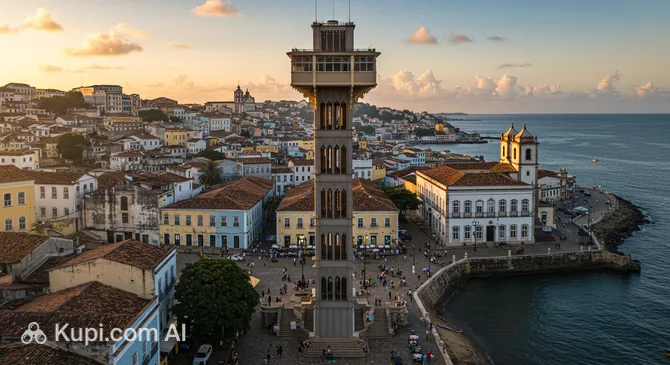
  • The city boasts the Lacerda Elevator, which holds the distinction of being the first public urban elevator in the world. Opened in 1873, this Art Deco marvel was built to connect the Upper City (Cidade Alta) with the Lower City (Cidade Baixa) and still transports tens of thousands of commuters every day in just 30 seconds.

  • A popular local legend claims that Salvador contains 365 Catholic churches, one for every day of the year. While the exact number varies, the Church and Convent of São Francisco is undoubtedly one of the most spectacular, with an interior covered in such a vast amount of gold leaf that it is considered one of the finest examples of Baroque art in the Americas.

  • While Rio de Janeiro is famous for its samba parades, Salvador is cited by the Guinness World Records as hosting the largest street party on the planet. During Carnival, millions of revelers do not watch from stands but instead follow massive sound trucks known as "Trios Elétricos" through the streets, dancing for days on end.

  • The colorful ribbons seen on wrists throughout Brazil, known as "Fitas do Bonfim," originated here and are deeply tied to the Church of Bonfim. Tradition dictates that the ribbon should be tied with three knots, each representing a secret wish; the wishes are said to come true only when the ribbon naturally wears out and falls off.

Lacerda Elevator. Source: Kupi.Binoculars

How to Get There

Reaching this vibrant capital of Bahia is a straightforward part of your travel plans, as it serves as a major transportation hub for the entire Northeast region of Brazil. While most international and domestic tourists choose to fly, the city is also well-connected by road networks for those exploring the coastline. For a complete overview of routes and tips, you can read more about how to get to Salvador.

The most convenient and common entry point is the Deputado Luis Eduardo Magalhaes International Airport (IATA: SSA). Located within the city limits, it sits approximately 19.9 km from the city center. This is a large international facility that handles millions of passengers annually, offering a wide range of amenities. A taxi or transfer to the historic center or the main hotel districts typically takes around 50 minutes, though this can vary with traffic.

If you are planning a broader itinerary across the region, you might find yourself near other airports, although they are quite distant from Salvador. The Ilheus/Bahia-Jorge Amado Airport (IATA: IOS) is located in the city of Ilheus, about 211 km away. Traveling from there to Salvador by road is a long journey, taking roughly 5.5 hours. Similarly, Aracaju Airport (IATA: AJU) in Aracaju is situated 270 km to the north, requiring a drive of approximately 7 hours to reach the Bahian capital.

For clarity, here is a summary of the main airports:

Airport Name City Passenger Traffic Km from City
Deputado Luis Eduardo Magalhaes International Airport Salvador Large 19.9
Aracaju Airport Aracaju Medium 270.1
Ilheus/Bahia-Jorge Amado Airport Ilheus Medium 211.3

Regarding rail travel, Salvador does not have a major intercity passenger railway station connecting it to other Brazilian states. The railway infrastructure in this part of the country is primarily dedicated to freight. Consequently, visitors who prefer ground transport typically rely on the country's extensive and efficient long-distance bus network, which connects Salvador to major cities like Rio de Janeiro, São Paulo, and Recife.

Main Attractions

Salvador is a city where history and culture are vibrant and tangible, offering visitors a wealth of sights that range from architectural marvels to lively cultural hubs. Exploring its main attractions provides a deep dive into the soul of Bahia, blending colonial heritage with breathtaking coastal scenery.

The beating heart of the city is undoubtedly the Historic Center of Salvador. Often referred to by locals as the Pelourinho, this UNESCO World Heritage site is a captivating maze of cobblestone streets lined with pastel-colored colonial mansions and ornate churches. It is the perfect place to wander, listen to the rhythmic beats of Olodum drummers practicing in the squares, and immerse yourself in the rich Afro-Brazilian atmosphere that permeates every corner.

Historic Center of Salvador. Source: Kupi.Binoculars

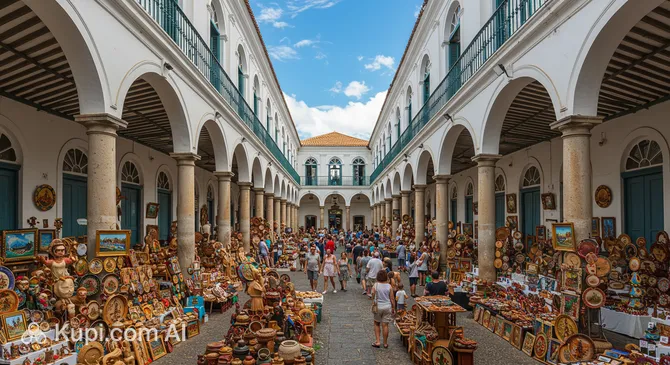
For those looking to take a piece of Bahia home, the Mercado Modelo is an essential stop. Located in the Lower City near the bay, this historic customs house has been transformed into a bustling market filled with thousands of stalls. Here, tourists can find authentic local handicrafts, including lace, leather goods, musical instruments, and traditional art. The area outside often hosts impromptu capoeira circles, adding to the lively experience.

Mercado Modelo. Source: Kupi.Binoculars

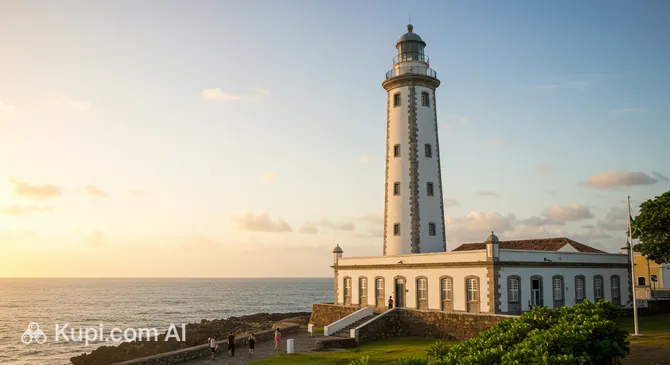
One of the most iconic postcards of the city is the Nautical Museum of Bahia - Barra Lighthouse. Situated at the tip of the peninsula guarding the entrance to the Bay of All Saints, this historic fortress features a striking black-and-white lighthouse. Inside, the museum displays fascinating maritime artifacts, maps, and navigational instruments. The grassy hill behind the fort is also one of the most popular spots in the city to gather and watch a spectacular sunset over the ocean.

Nautical Museum of Bahia - Barra Lighthouse. Source: Kupi.Binoculars

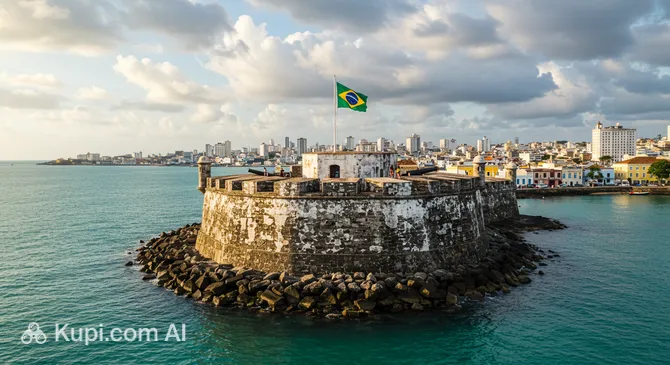
Rising uniquely from the waters of the bay, the São Marcelo Fort offers a different perspective on the city's defenses. Known for its distinctive circular shape, which has earned it the nickname "The Navel of Bahia," this 17th-century structure was built on a sandbank to protect the port. Today, visitors can take a short boat ride to explore its round walls and enjoy a stunning panoramic view of the Salvador skyline from the sea.

São Marcelo Fort. Source: Kupi.Binoculars

Local Cuisine

The local cuisine of Salvador is widely regarded as the most distinct and flavorful in Brazil. Deeply rooted in African traditions mixed with Portuguese and Indigenous influences, the food here is characterized by the generous use of dendê oil (palm oil), coconut milk, ginger, and spicy peppers. Dining in Bahia is not just a meal; it is a cultural immersion into the "soul food" of the country, where every dish carries centuries of history.

One cannot visit the city without trying the famous Moqueca Baiana. This rich, aromatic stew is typically made with fish, shrimp, or other seafood, slowly cooked in a clay pot with coconut milk, tomatoes, cilantro, and the essential dendê oil. Another staple is Vatapá, a creamy paste made from bread, shrimp, ground peanuts, and coconut milk, often served as a side dish or a filling for other snacks. These dishes offer a burst of savory, tropical flavors that define the region's palate.

Street food is a serious affair here, and the undisputed star is the Acarajé. Sold by Baianas—women dressed in traditional white lace dresses—this deep-fried ball of black-eyed pea dough is crispy on the outside and soft on the inside. It is split open and stuffed with vatapá, dried shrimp, and salad. It is a heavy, flavorful snack that locals eat at any time of day, often found on street corners and beachside stalls.

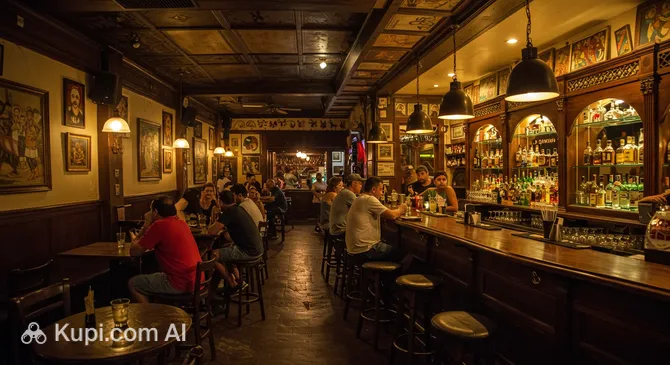
When it comes to drinks, while the classic Caipirinha is available everywhere, Salvador has its own unique beverage tradition. The city is famous for infused cachaças, particularly Cravinho, a potent mixture of cachaça, cloves, and honey. To experience this authentic local tradition, visitors often head to O Cravinho, a legendary bar in the historic center where barrels of various infusions line the walls, offering a true taste of Bahian spirits.

O Cravinho. Source: Kupi.Binoculars

For a sit-down meal that captures the essence of local hospitality, the historic district is filled with charming eateries. Places like Cuco Bistrô offer a refined take on regional classics, allowing tourists to enjoy dishes like moqueca or sun-dried meat (carne de sol) in a setting surrounded by colonial architecture. Whether you are eating a quick snack from a street vendor or enjoying a long dinner in a colonial square, the food in Salvador is vibrant, spicy, and unforgettable.

Travel Tips

Visiting Salvador is an immersion into a world of vibrant colors, infectious rhythms, and deep-rooted history, but navigating this bustling coastal metropolis requires a bit of local know-how. To ensure your journey through the capital of Bahia is as smooth and enjoyable as possible, here are some essential practical tips to help you travel like a pro.

  1. Clothing and Gear: Given the tropical climate, lightweight and breathable fabrics like cotton or linen are your best friends to handle the heat and humidity. Comfortable, sturdy walking shoes are a must, as the historic center is paved with uneven cobblestones and features steep hills. If you plan to visit religious sites, remember to dress modestly; cover your shoulders and knees to show respect. Also, pack a universal power adapter, as the standard voltage is typically 127V, though some hotels may use 220V.
  2. Transportation: The most convenient and safe way for tourists to get around is by using ride-hailing apps like Uber or 99, which are widely available and affordable. The city also has a modern metro system that is clean and efficient, particularly useful for connecting the airport to the city center. For moving between the Upper City and Lower City, use the iconic Lacerda Elevator. While public buses are plentiful, they can be crowded and confusing for non-locals, so they are best avoided unless you are adventurous.
  3. Finances: The local currency is the Brazilian Real (BRL). Credit and debit cards are widely accepted, even by beach vendors and small kiosks, but it is wise to check with your bank about international fees beforehand. Keep a small amount of cash on hand for tips, street food like acarajé, or small souvenirs. Tipping is generally 10% in restaurants and is often included in the bill as a service charge.
  4. Health and Safety: As in many large Brazilian cities, vigilance is key. Stick to well-lit, populated tourist areas, especially at night, and avoid wearing flashy jewelry or displaying expensive electronics on the street. Pharmacies are abundant and easy to find for minor ailments; look for major chains like Drogasil or Pague Menos. It is highly recommended to drink only bottled or filtered water to avoid stomach issues.
  5. Communication: Portuguese is the official language, and English is not widely spoken outside of high-end hotels and major tourist agencies. Learning a few basic phrases like "Bom dia" (Good morning) and "Obrigado/a" (Thank you) will go a long way with the locals. It is essential to download an offline translation app and offline maps before you arrive. Buying a local SIM card from providers like Vivo, TIM, or Claro at a shopping mall is recommended for constant connectivity.
  6. Local Etiquette: Bahians are known for their warmth and hospitality. Greetings often involve a handshake or, among women, a kiss on the cheek (sometimes two). The "thumbs up" gesture is a universal sign for "yes," "okay," or "thank you" and is used frequently. Life here moves at a more relaxed pace, often referred to as "Bahian time," so patience and a friendly smile are your best assets in any interaction.
  7. What to Avoid: Do not walk alone on deserted beaches, especially after sunset, as these areas can be unsafe. Additionally, avoid being overly brusque with street vendors selling ribbons or trinkets; a polite but firm "Não, obrigado" (No, thank you) is sufficient and respectful.
  8. Additional Tip: If you are in the city on a Tuesday, head to the Pelourinho district. Known as "Terça da Benção" (Blessed Tuesday), this is when the historic center comes alive with religious celebrations that spill out into the streets, turning into a night of drumming, dancing, and parties that capture the true spirit of Brazil.

By keeping these practicalities in mind, you will be well-prepared to embrace the unique energy of Salvador. With your logistics sorted, you are free to focus on the incredible food, music, and culture that make this city one of the most memorable destinations in South America.
Entertainment & Nightlife

Entertainment and Nightlife:

When the sun sets over the Bay of All Saints, Salvador transforms into a pulsating hub of music and celebration. The nightlife here is legendary, driven by the city's deep musical roots which range from samba and axé to reggae and jazz. Unlike many other cities where the action is confined to indoor clubs, much of the fun in Bahia happens outdoors, in the squares and streets, creating a communal and energetic atmosphere that welcomes everyone.

The bohemian heart of the city is undoubtedly the Rio Vermelho neighborhood. This district is teeming with bars, restaurants, and "botecos" where locals gather to socialize, eat acarajé from famous street stalls, and drink cold beer. It is the place to be on a Friday or Saturday night. The vibe here is casual and eclectic, with crowds often spilling out onto the sidewalks. Another key area is the Pelourinho, particularly on Tuesday nights, known as "Terça da Benção," when the historic streets fill with drumming circles and parties.

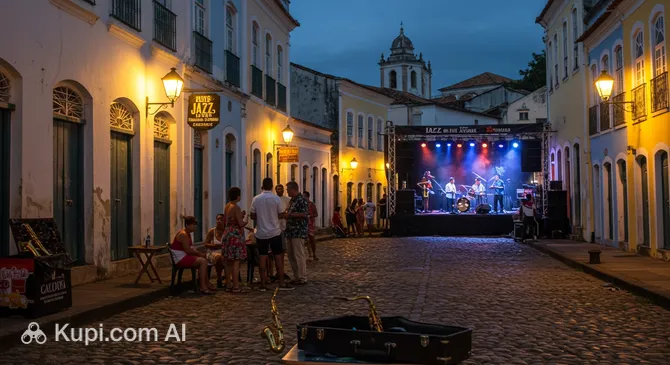
For those seeking a specific venue to enjoy the evening, the city offers diverse options. If you appreciate live music in a sophisticated yet relaxed setting, the Jazz on the Avenue Association is a fantastic choice. It is known for hosting high-quality performances that attract music lovers from all over. The atmosphere is intimate, making it a perfect spot to unwind with a drink while listening to talented local and international artists.

Jazz on the Avenue Association. Source: Kupi.Binoculars

For a more traditional bar experience with a lively crowd, you can visit Tatu Bola Bar. This venue captures the essence of a Brazilian pub, offering great snacks, signature cocktails, and a vibrant energy that often leads to dancing. Another excellent spot to sample local flavors is Café e Cana Botequim, where you can taste a variety of cachaças and enjoy the warm hospitality that Bahia is famous for.

Practical advice for enjoying Salvador at night includes starting late; most places only get busy after 10:00 PM. The dress code is generally casual—jeans and a nice top are standard, and comfortable shoes are recommended for dancing. In terms of safety, it is crucial to remain vigilant. While the main nightlife districts are populated, walking between them or wandering into unlit side streets is not consistent with safety recommendations. Always use a taxi or a ride-hailing app like Uber to move between venues and to return to your accommodation.

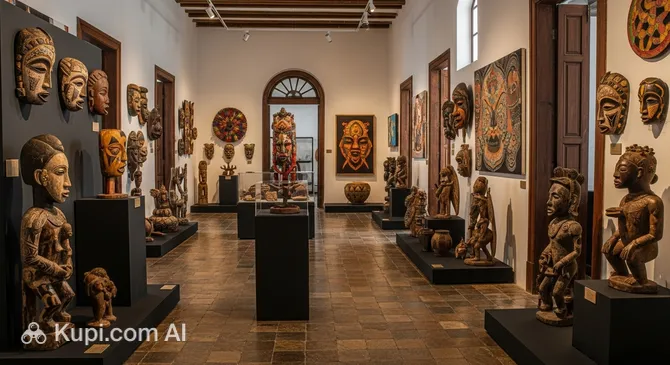
Beyond the nightlife, the city offers a wealth of daytime entertainment that caters to culture vultures and families alike. History enthusiasts should not miss the Afro-Brazilian Museum, which houses an impressive collection of artifacts highlighting the African influence on Brazilian culture. For those traveling with children, the Dinosaur Lagoon offers a fun and educational outdoor experience with life-sized replicas that are sure to delight younger visitors.

Afro-Brazilian Museum. Source: Kupi.Binoculars

Parks & Museums

Salvador is a city that seamlessly blends its vibrant urban energy with serene green spaces and a profound dedication to preserving its heritage. Beyond the beaches, the capital of Bahia offers a wealth of parks and cultural institutions that allow visitors to connect with nature, art, and the deep historical roots of the region.

For those seeking a breath of fresh air within the city, the Valentine Garden (Jardim dos Namorados) is a favorite local spot. Located along the coast in the Pituba neighborhood, this expansive urban park features jogging tracks, sports courts, and sculptures, all set against the backdrop of the Atlantic Ocean. It is a perfect place for an afternoon walk or a picnic under the coconut trees.

Another scenic gem is Humaitá Point. While more of a scenic lookout than a traditional park, this area offers one of the most tranquil experiences in the city. Located on a peninsula jutting into the bay, it is famous for its panoramic views and spectacular sunsets. Visitors often gather on the pier or near the charming white church and lighthouse to watch the sun dip below the horizon in a peaceful atmosphere.

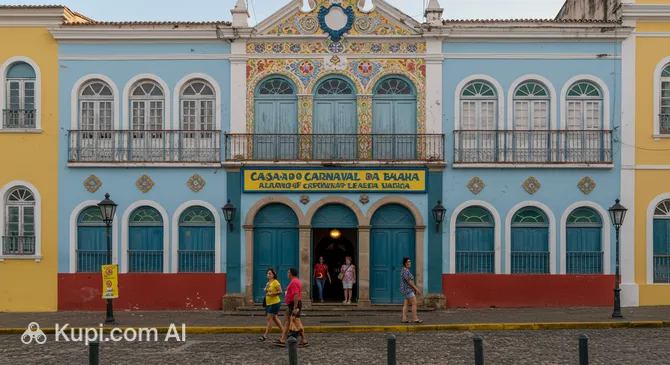
To truly understand the spirit of the city, a visit to the House of Carnival of Bahia is essential. This interactive museum immerses guests in the history of the world's largest street party. Through multimedia exhibits, costumes, and instruments, you can learn about the evolution of the "trios elétricos" (sound trucks) and the rhythms that drive millions of people to dance in the streets every year.

House of Carnival of Bahia. Source: Kupi.Binoculars

Art enthusiasts will appreciate the Bahia Museum of Art, the oldest museum in the state. Housed in the magnificent Victory Palace, it displays a rich collection of Bahian paintings, porcelain, and furniture from the 18th and 19th centuries. For a more literary experience, the Casa do Rio Vermelho offers an intimate look into the lives of the famous writers Jorge Amado and Zélia Gattai. Their former home remains preserved with personal objects and a beautiful garden where their ashes are buried, serving as a touching tribute to their legacy.

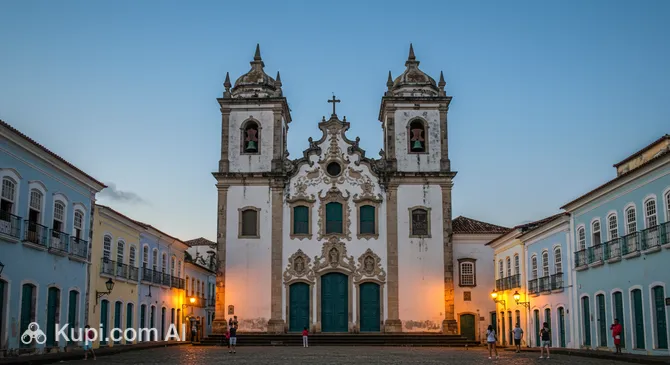
Salvador's religious architecture is equally compelling. In the heart of the Pelourinho stands the Church of Our Lady of the Rosary of the Black People. Built by enslaved people and free blacks over the course of a century, this sky-blue church is a powerful symbol of resistance and faith. It is renowned for its unique liturgy that incorporates Afro-Brazilian musical instruments and traditions during mass.

Church of Our Lady of the Rosary of the Black People. Source: Kupi.Binoculars

Nearby, the Museum of Mercy provides a fascinating journey through the history of the Santa Casa da Bahia. The building itself is an architectural treasure, featuring stunning Portuguese tile panels (azulejos) and a rich collection of sacred art, furniture, and historical documents that narrate centuries of healthcare and social assistance in the city.

For a unique cultural experience that combines history, art, and nature, head to the House and Chapel of the Former Quinta do Unhão. This 17th-century architectural complex, located right on the water's edge, houses the Museum of Modern Art (MAM). It is an insider favorite for watching the sunset over the bay, often accompanied by live jazz sessions on weekends.

Getting Around

The public transport system in Salvador is diverse and serves as a lifeline for the city, connecting the historic upper districts with the commercial lower areas and the suburbs. For tourists, the most relevant and efficient mode of transport is the modern metro system, operated by CCR Metrô Bahia. It consists of two main lines: Line 1 connects the city center (Lapa) to the northern regions, while Line 2 provides a vital link between the center and the international airport. The metro is clean, air-conditioned, and generally faster than road transport, making it the preferred choice for covering long distances.

Supplementing the metro is an extensive bus network that reaches virtually every corner of the municipality. The urban buses are part of the Integra system and are color-coded (yellow, blue, and green) based on the region they serve. While they are an affordable way to get around, the routes can be complex for visitors, and vehicles often get crowded during peak times. For a more comfortable journey, travelers can look for the executive buses, locally known as "Freschão," which offer air conditioning and serve major tourist routes and hotel zones.

A unique and essential part of the local transit network is the vertical transportation designed to navigate the city's steep geography. The most famous example is the Lacerda Elevator, which functions as a daily commuter link connecting the Historic Center (Upper City) to the Comércio district (Lower City) in seconds for a nominal fee. Additionally, funicular railways like the Plano Inclinado Gonçalves provide a scenic and practical alternative to walking up the steep hills that characterize the urban landscape.

Regarding payment, the system is increasingly integrated. The Salvador Card is the primary smart card used for buses and can be purchased at various sales points and kiosks throughout the city. For the metro, rechargeable cards or single-use tickets can be bought directly at station vending machines using cash or debit cards. There is also a fare integration system that allows passengers to transfer between the metro and urban buses within a specific time window for a single fare, offering great value for longer journeys.

For those seeking convenience or traveling late at night, alternatives such as ride-sharing apps are highly recommended. Services like Uber and 99 are extremely popular, reliable, and often very affordable. They provide a safe door-to-door option and overcome language barriers regarding directions. Traditional taxis are also plentiful; they are white with red and blue stripes. It is advisable to ensure the meter is running or to agree on a fixed price before starting your trip if the driver is not using the app.

To navigate the system smoothly, tourists are advised to download apps like Moovit or Google Maps, which offer real-time schedules and route planning. The metro operates daily from approximately 5:00 AM to midnight. Bus schedules vary, and frequency drops significantly after dark. When using public buses, always keep your belongings secure and be aware of your surroundings. While the metro is very safe, it is generally better to use ride-sharing apps or taxis when returning to your accommodation late at night.

Accommodation

Salvador offers a diverse array of accommodation options that cater to every type of traveler and budget. The city's hospitality landscape ranges from lively hostels and charming, family-run guesthouses—known locally as pousadas—to modern high-rise hotels and luxurious seaside resorts. Whether you prefer the historic atmosphere of colonial buildings or the breeze of the Atlantic Ocean from a balcony, you will find a suitable place to rest after a day of exploration.

Choosing the right neighborhood is key to the experience. For those who want to be in the cultural heart of the city, staying in the Historic Center (Pelourinho) places you within walking distance of museums and music, though it can be quite busy. Travelers seeking a blend of beach life and urban convenience often prefer Barra, a safe and popular district known for its lighthouse and sunset views. Alternatively, the Rio Vermelho neighborhood is perfect for those who want a bohemian vibe, excellent dining, and a vibrant nightlife scene right on their doorstep.

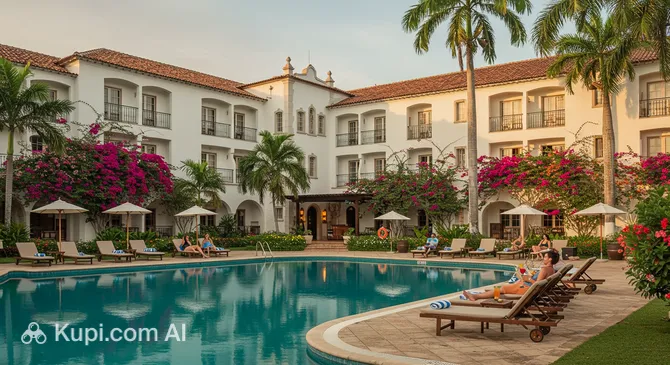
For visitors looking for a comfortable stay near the water, the Bahia Lodge is a notable option. Situated in the Rio Vermelho area, this establishment combines the relaxation of a resort hotel with easy access to the city's best bars and restaurants, offering a balanced experience of leisure and local culture.

Bahia Lodge. Source: Kupi.Binoculars

In terms of pricing, Salvador is generally more affordable than Rio de Janeiro or São Paulo. Budget travelers can find economical beds in hostels, while mid-range options offer great value with good amenities. However, prices fluctuate significantly depending on the season. It is highly recommended to book your accommodation well in advance, particularly if you plan to visit during the peak summer months (December to March) or during the world-famous Carnival, when the city reaches full capacity and rates are at their highest. Most reservations can be easily secured through major online booking platforms.

Nearby Cities

For those looking to explore the surroundings, Salvador serves as an excellent base for day trips to several interesting nearby locations. The region around the capital offers a mix of coastal beauty, religious heritage, and colonial history that complements the urban experience.

Just to the north lies Camaçari, a city that acts as a gateway to the stunning "Costa dos Coqueiros" (Coconut Coast). While the city center is an industrial hub, the municipality encompasses famous coastal villages like Arembepe. This area is renowned for its protected sea turtle populations and its historic hippie village, which attracted international celebrities in the 1960s, offering a unique blend of nature and counterculture history.

For a deep dive into the spiritual traditions of Bahia, a visit to Candeias is highly recommended. Located nearby, this city is a major pilgrimage site centered around the Sanctuary of Nossa Senhora das Candeias. Visitors flock here to see the imposing hilltop church and the fountain of miracles, where the waters are believed by the faithful to have healing properties.

Further west, situated on the banks of the Paraguaçu River, is the charming town of Maragogipe. Known for its rich colonial architecture and surrounding mangroves, it offers a peaceful glimpse into the Recôncavo region's past. The town is particularly famous for its Carnival traditions and the Feast of Saint Bartholomew, making it a culturally vibrant destination for those interested in folklore and history.

City Population Distance (km)
Camaçari 286,919 36
Candeias 88,806 34
Dias d'Ávila 78,058 46
Catu 55,719 70
Maragogipe 46,106 50

These nearby destinations offer a glimpse into the diverse culture and landscapes of the region.

Shopping & Souvenirs

Shopping in Salvador is a vibrant experience that mirrors the city's unique blend of colonial history and modern development. Visitors can explore everything from bustling traditional markets filled with Afro-Brazilian handicrafts to sophisticated shopping centers that offer the latest international trends. Whether you are looking for a unique souvenir or a day of retail therapy, the capital of Bahia has plenty to offer.

For those seeking authentic local goods, the Mercado Modelo is the essential starting point. Located in the Lower City, this historic market is famous for its vast array of stalls selling lace, leather products, wood carvings, and traditional musical instruments like the berimbau. It is also the best place to purchase the iconic "Fitas do Bonfim," the colorful ribbons that are a symbol of faith and good luck in the region.

If you prefer a modern and comfortable environment, Salvador Shopping is one of the most impressive destinations in the city. Known for its contemporary architecture and eco-friendly design, this expansive mall houses a wide variety of stores, from high-end fashion brands to electronics. It also features a large gourmet food court and entertainment facilities, making it a popular spot for families and locals alike.

Another excellent option, particularly for tourists staying near the coast, is Shopping Barra. Conveniently situated near the famous lighthouse and beaches, this mall offers a relaxed yet upscale atmosphere. It is the perfect place to cool off after a day in the sun, browse through popular Brazilian clothing brands, or enjoy a meal in one of its many restaurants.

Beyond the large centers, the streets of the Historic Center are lined with charming boutiques and art galleries. Walking through the Pelourinho, you will find unique shops selling handmade jewelry, local ceramics, and artisanal cachaça. These smaller establishments are ideal for finding one-of-a-kind gifts that capture the artistic soul and colorful energy of Salvador.

Reached the end of the page?

That means the route is fully explored