Support

Una

About

Nestled in the southern region of the state of Bahia, Una is a captivating destination that perfectly blends ecological wonders with coastal serenity. This charming municipality in Brazil is part of the famous Cocoa Coast, a region renowned for its lush landscapes and rich agricultural heritage. With a population of approximately 22,000 residents, Una offers a tranquil atmosphere, making it an ideal escape for travelers seeking to disconnect from the hustle and bustle of major cities and immerse themselves in nature.
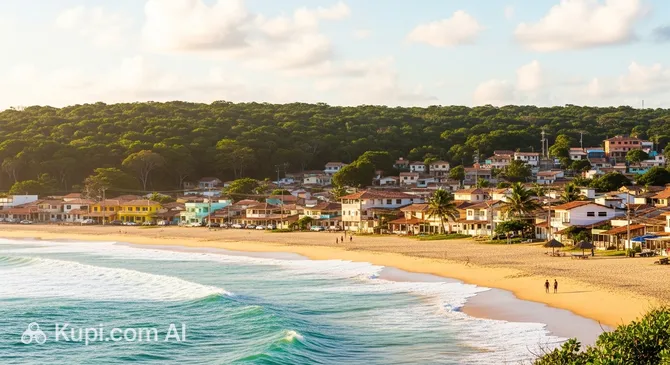
Una. Source: Kupi.Binoculars

The area is celebrated for its biodiversity, largely due to the presence of the Una Biological Reserve. This protected area is a sanctuary for the Atlantic Forest and home to the endangered golden-headed lion tamarin. While exploring the history of Una, visitors will discover how the town has evolved from its roots in cocoa farming into a significant hub for ecotourism and conservation. The local climate is tropical, providing warm and inviting weather year-round, which complements the verdant surroundings.

One of the most prominent attractions in the vicinity is the stunning Ilha de Comandatuba (Comandatuba Island). Accessible by a short ferry ride, the island is famous for its pristine beaches lined with coconut palms and is home to one of the most luxurious resorts in the country. For those who love adventure, the Una Ecopark offers thrilling canopy walks on suspension bridges, allowing a unique perspective of the forest canopy. Whether you are looking to relax on secluded sands or explore the richness of the Brazilian rainforest, Una welcomes you with open arms and unforgettable scenery.

Weather Overview

Travelers planning a visit to Una can expect a warm, tropical climate that remains inviting throughout the year. The temperatures are remarkably consistent, with the warmest months being January and February, where daily highs typically reach around 29°C. Even during the cooler period from June to August, the weather stays mild and comfortable, with average temperatures hovering around 22°C and nightly lows rarely dipping below 18.5°C.

Humidity and moisture are defining features of the local weather, contributing to the region's lush landscapes. The data indicates a high frequency of precipitation events, with 18 to 24 wet days recorded each month, suggesting that brief showers are common regardless of the season. To help you pack the right gear for these warm but frequently damp conditions, be sure to check the detailed forecast for the weather in Una before your departure.

Interesting Facts

Beyond its reputation as a gateway to luxurious island resorts, Una holds fascinating secrets that highlight its ecological importance and unique local culture. This municipality on the Cocoa Coast is not just a beach destination but a sanctuary for rare wildlife and a place where agriculture and nature have found a surprising harmony.

  • A Sanctuary for the "Golden" Primate: Una is globally significant as the primary home of the Golden-headed Lion Tamarin (Mico-leão-de-cara-dourada). The Una Biological Reserve was established specifically to save this striking primate, which is endemic to the region. With its distinct golden mane and black body, this small monkey has become a symbol of the Atlantic Forest's conservation efforts in Brazil.

  • Chocolate that Saves Forests: The region practices a unique method of cultivation known as cabruca. Unlike standard monocultures, local farmers grow cocoa trees under the shade of the towering native Atlantic Forest canopy. This centuries-old technique has unintentionally preserved vast corridors of ancient trees, allowing endangered species to move freely through agricultural land.

  • A Small Town with a Big Airport: Despite having a population of only around 22,000 people, Una boasts an airport capable of handling large commercial jets like the Boeing 737. The Una-Comandatuba Airport is one of the largest private airports in the country, built primarily to serve guests of the exclusive resort on Comandatuba Island, creating a rare aviation anomaly for a rural municipality.

  • Walking Above the Trees: The Una Ecopark features a spectacular canopy walkway (passarela de copas) that suspends visitors over 20 meters (65 feet) above the ground. This suspension bridge system was one of the pioneers in the region for ecotourism, offering a bird's-eye view of the dense rainforest that few people ever get to see from such a vantage point.

How to Get There

Reaching the serene municipality of Una is relatively straightforward, with the journey typically involving a flight to a nearby regional hub followed by a scenic drive along the coast. While the destination itself is a secluded paradise, it is well-connected to major Brazilian cities through neighboring transport centers. For a complete overview of all travel options, including driving directions and bus schedules, be sure to check our detailed guide on how to get to Una.

The most convenient gateway for commercial travelers is the Ilheus/Bahia-Jorge Amado Airport (IATA: IOS), located in the city of Ilheus. Since Una does not handle regular commercial aviation directly at a public terminal, this airport serves as the primary entry point, situated approximately 53.2 km away. From Ilheus, the transfer to Una takes about 1 hour and 40 minutes by taxi or transfer service. The airport handles a significant volume of domestic flights and is classified as a medium-sized regional hub.

Another viable option, particularly for those exploring the wider region, is the Porto Seguro Airport (IATA: BPS) in Porto Seguro. Located roughly 126.5 km from Una, this airport welcomes a large number of tourists annually. The journey from here to Una by road is longer, taking approximately 3.5 hours, but it offers a chance to see more of the Bahia coastline. For international travelers arriving from abroad, the Deputado Luis Eduardo Magalhaes International Airport (IATA: SSA) in Salvador is the major hub. Although it is about 275.8 km away, it connects the region to the world, with a subsequent connection or long-distance drive required to reach Una.

For clarity, here is a summary of the main airports serving the region:

Airport Name City Passenger Traffic Km from City
Ilheus/Bahia-Jorge Amado Airport Ilheus Medium 53.2
Porto Seguro Airport Porto Seguro High 126.5
Vitoria da Conquista Airport Vitoria da Conquista Medium 198.0
Deputado Luis Eduardo Magalhaes International Airport Salvador Very High 275.8

Regarding rail travel, it is important to note that the city of Una does not have a railway station, and passenger train services are not a common mode of transport in this part of Bahia. Visitors typically rely on the well-established network of buses and private transfers to navigate between the airports and the town. Renting a car is also a popular choice for those wishing to explore the Cocoa Coast at their own pace.

Main Attractions

The municipality of Una is a treasure trove of natural beauty, offering visitors a unique blend of pristine coastal landscapes and dense Atlantic Forest. The attractions here are deeply connected to the environment, ranging from secluded islands and river channels to protected reserves that shelter rare wildlife. Whether you are seeking relaxation on sun-drenched sands or an educational adventure in the rainforest, Una provides unforgettable experiences for nature lovers.

Ilha de Comandatuba is undoubtedly the most famous destination in the region. Separated from the mainland by a river channel, this island stretches for roughly 25 kilometers and is lined with endless groves of coconut palms. While it is internationally known for hosting a luxurious resort, the island’s natural allure attracts all types of visitors. The crossing itself is a scenic experience, often done by boat, where tourists can admire the mangroves and the calm waters of the channel before stepping onto the soft, golden sands of the Atlantic coast.

For those eager to explore the biodiversity of the region, the Una Ecopark is a must-visit attraction. Located within the buffer zone of the biological reserve, this private ecological park allows tourists to immerse themselves in the rainforest without disturbing the protected areas. Its highlight is a spectacular canopy walkway (passarela de copas), which suspends visitors high above the ground, offering a bird's-eye view of the forest layers. It is an excellent spot for birdwatching and learning about the local flora, including the rubber trees and cocoa plantations that define the region's history.

The Una Biological Reserve (Reserva Biológica de Una) serves as the ecological heart of the municipality. Although access to the reserve itself is strictly controlled to protect its fragile ecosystem, its presence defines the character of the entire area. It is one of the last strongholds of the Golden-headed Lion Tamarin, a primate species endemic to Bahia. Visitors to the surrounding areas, such as the Ecopark, often learn about the vital conservation work done here to save this charismatic little monkey and preserve the Atlantic Forest.

For a peaceful day by the sea, Praia de Lençóis offers a serene alternative to the more bustle of popular tourist spots. Located on the mainland coast of Una, this beach is characterized by its long stretches of sand and relatively calm waters, making it ideal for families and those looking to relax in solitude. Unlike the busy urban beaches found in larger cities, Praia de Lençóis maintains a rustic charm, often virtually deserted, allowing visitors to connect with the raw beauty of the Bahian coastline.

Local Cuisine

The local cuisine of Una is a flavorful reflection of its location on the famous Cocoa Coast and its deep roots in Afro-Brazilian culture. Visitors can expect a gastronomic experience that revolves heavily around fresh seafood, aromatic spices, and, naturally, the abundant cocoa fruit. The food scene here is unpretentious and rustic, focusing on the quality of ingredients sourced directly from the nearby ocean, mangroves, and plantations.

No trip to this region is complete without trying a traditional Moqueca Baiana. This iconic fish stew is slow-cooked in a clay pot with coconut milk, tomatoes, peppers, cilantro, and the essential dendê oil (palm oil), which gives the dish its vibrant orange hue and distinct taste. Given the abundance of mangroves in Una, Caranguejo (crab) is another local specialty. It is often served whole, boiled in seasoned water, and accompanied by a side of pirão, a savory porridge made from cassava flour and fish broth.

As the heart of the cocoa-growing region, Una offers unique culinary treats derived from the fruit that defines its history. Tourists should not miss the opportunity to taste Mel de Cacau (cocoa honey), a sweet, translucent nectar extracted from the fresh pulp of the cocoa bean. It is consumed as a refreshing drink or used as a sweetener in desserts. Additionally, the region produces excellent artisanal chocolates with high cocoa content, allowing visitors to taste the difference between mass-produced bars and the rich, complex flavors of single-origin chocolate made right where the beans are grown.

When it comes to beverages, the tropical climate calls for refreshing options. Suco de Cacau (cocoa pulp juice) is a non-alcoholic favorite; unlike chocolate milk, it is a white, fruity juice with a tangy and sweet flavor profile similar to soursop or mangosteen. For those seeking something stronger, the classic Brazilian Caipirinha is widely available, but locals often put a regional twist on it by using exotic fruits like cupuaçu or the cocoa fruit itself mixed with cachaça, sugar, and ice.

The dining culture in Una is relaxed and informal. Most meals are enjoyed at barracas de praia (beach kiosks), where you can eat fresh fried fish or crab while digging your toes into the sand. In the town center and within the local inns (pousadas), you will find family-run restaurants serving hearty homemade meals. For a more immersive experience, some cocoa farms in the surrounding area open their doors to tourists, offering farm-to-table lunches that showcase traditional recipes and the versatility of the cocoa fruit in savory dishes.

Travel Tips

Visiting Una offers a delightful mix of rustic adventure and coastal relaxation, but a little preparation goes a long way in this tropical corner of Bahia. To help you navigate the region's lush rainforests and secluded beaches with ease, we have compiled a list of essential practical advice for your journey.

  1. Clothing and Gear: Given the tropical climate and high humidity, pack lightweight, breathable fabrics like cotton or linen to stay cool. Since rain showers can occur frequently throughout the year, bringing a compact umbrella or a light rain poncho is highly recommended. If you plan to visit the Una Ecopark or explore the forest trails, sturdy, closed-toe walking shoes are a must, along with swimwear for the pristine beaches.
  2. Transportation: Public transport within the municipality is limited, so relying on buses is not the most efficient way to explore. For maximum flexibility, especially if you want to visit secluded spots like Praia de Lençóis, renting a car is the best option. Alternatively, many visitors arrange private transfers from Ilhéus airport directly to their accommodation or rely on local taxis for short trips.
  3. Finances: The official currency is the Brazilian Real (BRL). While the luxury resorts and larger restaurants accept credit cards, many smaller beach kiosks (barracas) and local artisans operate on a cash-only basis. It is wise to withdraw sufficient cash in larger cities like Ilhéus before arriving, as ATMs in Una may be scarce or occasionally out of service.
  4. Health and Safety: As Una is surrounded by the Atlantic Forest, mosquitoes and other insects are common; carry a strong insect repellent and apply it regularly. Always drink bottled or filtered water to avoid stomach issues, as tap water is generally not suitable for consumption. Pharmacies are available in the town center, but they may not operate 24/7, so bring a basic personal medical kit.
  5. Communication: Portuguese is the primary language, and English is not widely spoken outside of the major resorts like Transamerica Comandatuba. It is highly useful to learn a few basic phrases such as "Bom dia" (Good morning) and "Obrigado" (Thank you). Downloading an offline translation app and purchasing a local SIM card (Vivo and Claro usually have decent coverage) will greatly assist with navigation and communication.
  6. Local Etiquette: Bahians are known for their warmth and hospitality. A friendly greeting is expected when entering a shop or asking for information. The "thumbs up" gesture is a universal sign of approval and friendliness here. While beachwear is standard on the sand, it is polite to cover up with a shirt or sarong when walking through the town streets or entering restaurants.
  7. What to Avoid: Avoid walking into isolated forest areas without a guide, as it is easy to get lost in the dense vegetation. Additionally, do not attempt to touch or feed wild animals, such as the monkeys you might encounter; this protects both your safety and the health of the local wildlife.
  8. Local Insight: Do not leave without trying chocolate from the origin. Since Una is in the heart of the cocoa region, you can find artisanal chocolate bars sold in local shops that are far superior to mass-market brands. Ask locals where to buy "chocolate de origem" for a delicious and authentic souvenir.

By keeping these tips in mind, you will be well-equipped to enjoy the natural splendor and cultural richness of Una without any hassles. Embrace the laid-back Bahian pace of life, and you are sure to have an unforgettable experience on the Cocoa Coast.

Entertainment & Nightlife

Nightlife in Una is a reflection of its peaceful, rural character, offering a stark contrast to the high-energy party scenes found in larger Bahian cities like Salvador or Porto Seguro. Visitors should not expect thumping nightclubs, neon-lit districts, or grand theaters. Instead, the evening entertainment here is divided into two distinct worlds: the exclusive, curated experiences within the luxury resorts on Ilha de Comandatuba, and the authentic, laid-back atmosphere of the local town bars and squares.

For the majority of tourists, particularly those staying at the renowned Transamerica Comandatuba, the nightlife is self-contained within the resort complex. The island offers a variety of sophisticated options, from elegant lobby bars serving exotic cocktails to themed parties and live music shows organized by the hotel's entertainment team. The atmosphere here is upscale yet resort-casual, where guests can enjoy a safe and vibrant evening without ever leaving the island. The resort typically features its own nightclub area or late-night lounge, ensuring that those looking to dance can do so in comfort.

On the mainland, in the town of Una itself, the scene is far more rustic and traditional. The nightlife centers around the main squares and the riverside areas, where locals gather at simple botecos (traditional Brazilian bars) and open-air eateries. The vibe is incredibly informal: expect plastic tables set up on the sidewalk, ice-cold beer shared in large bottles, and the sounds of Forró or Arrocha music playing from speakers. It is a great place to mingle with friendly residents and experience the true slow-paced Bahian lifestyle. Dress codes in town are non-existent; shorts and flip-flops are the standard attire.

If you venture into the town center for an evening, you might visit the local pizzerias and restaurants around the main square, which serve as social hubs for families and friends. Another common type of venue is the riverside kiosk, where you can enjoy a drink while watching the fishing boats docked for the night. Since specific venue names can change frequently in small towns, the best advice is to head to the Centro and look for the busiest spot with outdoor seating.

Practical planning is essential for a night out in Una. The town shuts down relatively early compared to big cities, with many local kitchens closing by 10:00 PM, though bars may stay open later on weekends. Transportation is a critical factor; taxis and ride-sharing apps are virtually non-existent late at night. If you are staying at a remote inn or the resort and wish to visit the town, you must arrange a round-trip transfer in advance with your hotel or a private driver. Regarding safety, Una is generally safe, but the streets can be poorly lit and deserted at night. It is advisable to stay in groups and avoid walking into unpopulated areas after dark.

While the nights are quiet, daytime entertainment in Una is entirely focused on nature rather than urban amusements. You will not find shopping malls, movie theaters, or museums here. Instead, the "daytime show" is the rich biodiversity of the Atlantic Forest. Visitors spend their days exploring the Una Ecopark, walking across canopy bridges, or relaxing on the pristine beaches, making the most of the sunlight before settling into a calm, restorative evening.

Parks & Museums

Una is a destination where nature itself serves as the grandest exhibition hall. While the town may not boast the traditional array of indoor museums found in large metropolises, it compensates with an abundance of "open-air galleries" in the form of lush rainforests, protected reserves, and historical cocoa plantations. The cultural and ecological heritage here is intertwined, offering visitors a chance to learn about the region's history while immersed in its breathtaking landscapes.

Una Ecopark stands out as the premier green space for visitors, designed specifically to bridge the gap between tourism and conservation. Located within the buffer zone of a federal reserve, this park is not just a walking trail but an educational journey into the heart of the Atlantic Forest. Its most famous feature is the spectacular canopy walkway, which allows guests to stroll among the treetops and observe epiphytes, orchids, and birds from a unique vantage point. On the ground level, guided tours often explain the history of rubber extraction and the complex ecosystem that sustains the region's biodiversity.

For a deeper understanding of the area's ecological significance, the Una Biological Reserve is the silent guardian of the municipality. While access to the core of the reserve is restricted to researchers to protect the endangered Golden-headed Lion Tamarin, its presence defines the surrounding landscape. The reserve acts as a vital sanctuary that spills life into the neighboring areas. Visitors can appreciate the magnitude of this protected area from various viewpoints and through the educational programs offered by local guides, who explain why this specific patch of forest is globally critical.

In terms of cultural and historical heritage, the Igreja Matriz de São Sebastião (Church of Saint Sebastian) serves as the architectural centerpiece of the town. Located on a hill that offers a commanding view of the surroundings, this church is a symbol of the local faith and community spirit. Its simple yet charming architecture reflects the modest, rural roots of the municipality. The square in front of the church is a gathering place for locals, especially during the patron saint's festivities in January, providing a glimpse into the authentic social life of Una.

Instead of traditional museums, Una offers "living history" through its historic Cocoa Farms (Fazendas). Many of these centuries-old estates are opening their doors to tourism, allowing visitors to step back in time to the "Colonel Era" of Bahia. These tours function as interactive museum experiences where you can see the old colonial houses, the barcaças (drying structures for cocoa beans), and learn about the shift from traditional farming to sustainable, high-quality chocolate production. It is a tangible way to understand the economic engine that built the region.

For a truly authentic experience, seek out a boat tour along the Rio Una. This river is the lifeline of the municipality and offers a different perspective of the landscape, winding through mangroves that are crucial for the local fishing culture. Drifting silently past the tangled roots of the mangrove forest offers a peaceful encounter with nature that feels worlds away from the curated environments of typical tourist parks.

Getting Around

The public transport system in Una is reflective of its status as a small, rural municipality in southern Bahia. Unlike major metropolitan areas, there is no metro, tram, or train network here. The town’s infrastructure is modest, designed to serve the local population of approximately 22,000 residents rather than mass tourism. For visitors, this means that getting around requires a mix of intercity buses, local taxis, and specific transport arrangements often coordinated by hotels or resorts.

The primary form of public transportation connecting Una to the outside world and neighboring towns is the bus. The local bus station, or Rodoviária, serves as the main hub for arrivals and departures. Companies such as Águia Branca and Cidade Sol operate routes that link Una to regional centers like Ilhéus and Canavieiras. Within the town limits, distinct urban bus lines are scarce and infrequent. Most residents rely on walking for short distances within the center, as the core urban area is compact and easily navigable on foot.

For getting around the town locally, the most popular and efficient alternative to walking is the moto-táxi (motorcycle taxi). This is a quintessential part of transport in small Brazilian towns. You will easily spot the drivers wearing colorful reflective vests at designated stands or pontos throughout the center. It is a fast and inexpensive way to travel, though it is strictly for individual passengers. Standard car taxis are also available but are less commonly hailed on the street; it is best to find them at specific taxi stands near the main squares or the bus station.

A unique feature of transport in Una is the water crossing to Ilha de Comandatuba. Since a significant portion of the municipality's tourism is located on the island, ferries and boats are essential. There is a dedicated crossing for guests of the large resort, often included in their package, as well as public ferry services (balsas) that transport vehicles and pedestrians across the channel. These crossings operate on specific schedules, so it is important to check the timings in advance, especially if you are not staying at the resort.

Regarding payment, cash is the absolute standard for local transport in Una. While intercity bus tickets can often be purchased with credit cards at the station counters, local services like moto-táxis and independent drivers almost exclusively accept Brazilian Reais (BRL). There are no integrated travel cards or digital transit passes for use within the town. Tourists are strongly advised to carry small bills and coins, as drivers often do not have change for large denominations.

Ride-hailing apps like Uber or 99 are generally not reliable or available in Una due to the small population size. Therefore, you should not depend on your smartphone to summon a ride. If you need to travel to a specific beach or a distant attraction like the Ecopark, the most practical advice is to negotiate a round-trip price with a local taxi driver in advance or to rent a car. Car rentals provide the most freedom to explore the scattered attractions of the Cocoa Coast without being tied to the limited schedules of public transport.

Accommodation

Finding a place to stay in Una is a tale of two very different worlds. The municipality is characterized by a stark contrast between ultra-luxurious exclusivity and rustic, small-town simplicity. Generally, accommodation options fall into two distinct categories: high-end resort facilities located on the islands and coastline, and modest, family-run inns (known as pousadas) situated within the town center or near the mainland beaches. Visitors will not find standard international hotel chains or high-rise business hotels here; the focus is entirely on leisure and nature.

The most sought-after area for travelers is undoubtedly Ilha de Comandatuba. This island is synonymous with upscale tourism in the region, hosting a sprawling resort complex that attracts visitors from all over the world. Staying here offers an all-inclusive experience with private airport transfers, extensive leisure facilities, and direct access to pristine beaches. It is the ideal choice for families, couples on honeymoons, and travelers seeking a complete "vacation bubble" surrounded by coconut groves and comfort.

On the other hand, the town of Una and the nearby mainland coast, such as Praia de Lençóis, offer a more authentic and budget-friendly experience. Accommodation here consists primarily of small guesthouses and bed-and-breakfasts. These establishments are typically simple, offering basic amenities like air conditioning and breakfast, but they provide a warm, welcoming atmosphere that reflects the local Bahian hospitality. This area is convenient for eco-tourists planning to visit the Una Ecopark or the biological reserve, as it serves as a practical base for day trips into the forest.

When it comes to booking and prices, the gap is significant. The luxury options on the island command premium prices and are comparable to international five-star standards. For these, it is essential to book well in advance, especially during peak seasons like New Year's Eve (Réveillon) and Carnival, as they often reach full capacity months ahead. Most bookings for the resort can be made easily through major online travel platforms or travel agents.

Conversely, the pousadas in town are very affordable, catering to budget-conscious travelers and backpackers. While some of these smaller inns appear on booking websites, many operate informally. It is often a good idea to have some cash on hand for payment at these smaller establishments, as card machines may depend on fluctuating internet signals. For those seeking a quiet retreat close to nature without the high price tag, the mainland options offer excellent value for money.

Nearby Cities

For those looking to explore the surroundings, Una serves as an excellent base for day trips to several interesting nearby locations:

City Population Distance (km)
Itabuna 219,680 60
Ilheus 180,213 55
Canavieiras 33,268 45
Camacan 33,197 47
Santa Cruz Cabralia 28,226 109

Ilheus is undoubtedly the most popular day-trip destination from Una. Known as the "Cocoa Capital," it is steeped in history and literary fame, serving as the setting for many novels by the renowned Brazilian author Jorge Amado. Visitors can explore the charming historic center, visit the iconic Bar Vesúvio, or relax on its extensive urban beaches. It offers a vibrant mix of culture, history, and coastal beauty just a short drive away.

Another fantastic option is Canavieiras, located to the south. This tranquil town is celebrated as the "Crab Capital" of Bahia due to its rich mangrove ecosystems. It features a beautifully preserved 19th-century historic port area (Sítio Histórico) with colorful colonial buildings lining the riverbank. It is an ideal spot for those interested in sport fishing, boat tours through the river delta, or simply enjoying fresh seafood in a laid-back atmosphere.

These nearby destinations offer a glimpse into the diverse culture and landscapes of the region, allowing travelers to experience everything from bustling historical cities to quiet riverside retreats.

Shopping & Souvenirs

Shopping in Una is a reflection of its laid-back, rural lifestyle. Visitors should not expect a destination filled with high-end boutiques, international brands, or sprawling commercial centers. Instead, the shopping experience here is authentic and intimate, focused on local necessities, regional handicrafts, and the agricultural treasures of the Cocoa Coast. It is an opportunity to support small local businesses and discover unique products that are deeply connected to the land and culture of Bahia.

The main commercial activity is concentrated in the Centro (Town Center). This area serves as the economic heart of the municipality, where residents go for their daily needs. Walking along the central streets, tourists will find simple clothing stores, pharmacies, supermarkets, and small variety shops. It is a modest setting where the charm lies in the friendly interactions with shopkeepers rather than in the variety of luxury goods.

As a small municipality, Una does not have any shopping malls. Travelers accustomed to large retail complexes with food courts and cinemas will not find them here. The closest experience to upscale shopping is found exclusively within the Transamerica Comandatuba resort on the island. The resort features a selection of boutiques offering resort wear, beach accessories, and souvenirs, but these are generally accessible only to guests staying at the hotel.

For a true taste of local life, the Feira Livre (Open-Air Market) is the most interesting place to visit. Typically held on weekends, this market is where local farmers sell fresh tropical fruits, vegetables, cassava flour, and spices. It is a vibrant, colorful scene that offers a glimpse into the region's agricultural richness. While primarily a food market, it is also a good place to spot simple handmade items or engage in conversation with the locals.

When it comes to souvenirs, the best items to bring back from Una are derived from its most famous crop: cocoa. Visitors should look for artisanal chocolate bars produced locally, which often feature high cocoa percentages and distinct flavor profiles unique to the region. Other excellent gifts include nibs (crushed cocoa beans), cocoa liqueur, and cocoa honey (mel de cacau). Additionally, local artisans often create jewelry and decorative items using natural materials like coconut shells, seeds, and cocoa pods.

Store hours in Una follow the traditional rhythm of small Brazilian towns. Most shops in the center open around 8:00 AM and close by 6:00 PM on weekdays, often taking a break for lunch around midday. On Saturdays, commerce typically operates until 1:00 PM, and most places remain closed on Sundays. Regarding payment, while supermarkets and larger stores accept credit and debit cards, many smaller vendors, especially at the market or beach kiosks, operate on a cash-only basis. It is highly recommended to carry Brazilian Reais (BRL) for small purchases.

Tax-free shopping or VAT refunds are generally not applicable for tourists in small municipalities like Una. The tax refund system in Brazil is not widely implemented for general retail goods in towns of this size, so visitors should plan their budget assuming the listed price is the final price.

Reached the end of the page?

That means the route is fully explored