Support

Itapetinga

About

Welcome to Itapetinga, a dynamic municipality located in the southwestern region of the state of Bahia, Brazil. Often recognized for its strong economic ties to agriculture and livestock, the city serves as a significant regional hub. It offers a distinct blend of urban activity and the relaxed pace typical of the Bahian interior, creating a welcoming atmosphere for travelers venturing through this part of the country.

Geographically, the city is situated in a transition zone, featuring landscapes that hint at both the lush Atlantic Forest and the drier Caatinga. With a population of approximately 76,000 residents, it is a bustling center that enjoys a generally warm climate year-round. As you navigate the local streets, you can discover the fascinating history of Itapetinga, tracing its growth from early settlement days to its current status as a key player in the state's leather and footwear industries.

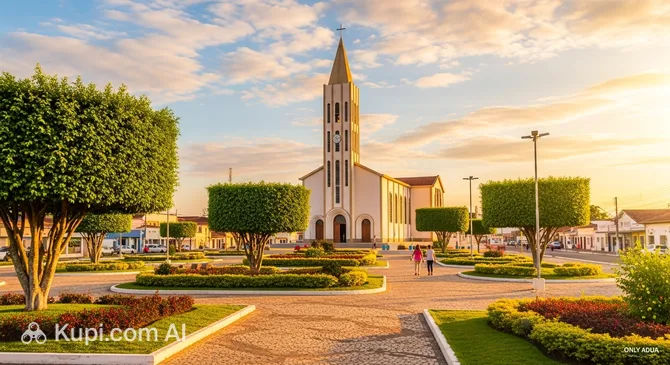
Itapetinga. Source: Kupi.Binoculars

Visitors to the city should not miss the Parque Zoobotânico da Matinha, a well-regarded ecological park that is home to various animal species and offers a lush green space for relaxation and education. Another central feature of local life is the Parque Poliesportivo da Lagoa, a popular recreational area centered around a lagoon where locals gather for sports, walking, and leisure. These spots provide a perfect glimpse into the daily life and natural beauty of the region.

Whether you are interested in the local agro-industrial heritage or simply looking for a pleasant stop on your journey through Bahia, Itapetinga invites you to experience its friendly community and vibrant local culture.

Weather Overview

The climate in this part of Bahia is generally warm and inviting, making it suitable for visits throughout the year. To help you pack efficiently for your trip, it is helpful to review the current weather in Itapetinga. The city experiences distinct seasonal changes, though it never gets freezing cold, maintaining a tropical feel that is characteristic of the region.

During the summer months, particularly from December to March, the weather is at its hottest. Average temperatures hover around 25.3°C to 25.9°C, with daytime highs frequently reaching slightly above 30°C. This period is ideal for those who enjoy the heat, though it is also accompanied by a significant number of wet days, ranging from 13 to 17 days per month.

The winter season, spanning June through August, brings milder and more comfortable conditions. July is typically the coolest month, with the average temperature dropping to approximately 20.7°C and nighttime lows dipping to around 16.6°C. Generally, you can expect warm summers with frequent showers and mild, pleasant winters that require only light layers for the evenings.

Rainfall is a consistent factor to consider, as the number of wet days remains relatively high year-round. In the transition months of September and October, the city records about 12 wet days monthly, which represents the driest period in terms of frequency before the rain picks up again in November. While the total precipitation volume might be low, the frequency of these wet days suggests that carrying an umbrella or a light rain jacket is a practical precaution regardless of when you visit.

Interesting Facts

Beyond its scenic landscapes and welcoming community, Itapetinga holds several fascinating secrets that define its unique character. From its indigenous name to its surprising industrial influence, there is much more to this Bahian city than meets the eye.

  • The "White Stone" Origin: The name Itapetinga has deep indigenous roots in the Tupi language, translating to "White Stone" (Ita for stone and tinga for white). This moniker pays homage to the distinctive light-colored rocks found in the region. Interestingly, the settlement was originally called Itatinga, but the name was officially changed in 1944 to distinguish it from another locality with the same name.

  • A Sanctuary in the Interior: The city is home to the Parque Zoobotânico da Matinha, which holds the rare distinction of being the only zoo located in the interior of the state of Bahia. Unlike standard urban zoos, it functions as a sanctuary within a preserved fragment of the Atlantic Forest, focusing heavily on the conservation and study of native Brazilian wildlife.

  • The Capital of Livestock: Itapetinga is widely famous as the "Capital of Livestock" (Capital da Pecuária). For decades, it has been recognized for having one of the largest and most high-quality cattle herds in the northeast of Brazil. This heritage is celebrated annually with a massive agricultural exhibition that draws visitors from all over the country.

  • A Global Footwear Hub: While it maintains a rural charm, the city is an industrial giant in the footwear sector. It hosts one of the largest shoe factories in Latin America, operated by Vulcabras. This facility is responsible for manufacturing millions of pairs of sneakers for famous international sports brands, making Itapetinga a key player in the global sports market.

How to Get There

Reaching this part of Bahia typically involves a combination of air and ground travel. For a comprehensive guide on all available routes and transport options, you can read more about how to get to Itapetinga. The city does not have its own airport, so most visitors arrive via hubs in neighboring cities and complete the journey by road.

The closest and most practical option is Vitoria da Conquista Airport (IATA: VDC), located approximately 78 km away. It is a regional hub that facilitates connections from major Brazilian capitals. The drive from the airport to Itapetinga typically takes about 1 hour and 30 minutes by taxi or car, though bus services are also available and may take slightly longer.

Another viable alternative, especially for those combining their trip with a visit to the coast, is Ilheus/Bahia-Jorge Amado Airport (IATA: IOS) in Ilheus. Situated about 140 km from the city, this airport handles a significant volume of tourists, and the transfer by road usually takes roughly 2 hours and 30 minutes.

For clarity, here is a summary of the main airports:

Airport Name City Passenger Traffic Km from City
Porto Seguro Airport Porto Seguro High 181.9
Ilheus/Bahia-Jorge Amado Airport Ilheus Medium 140.3
Vitoria da Conquista Airport Vitoria da Conquista Medium 78.2

Since there are no passenger railway services in this region, the final leg of your journey will be by road. Brazil has an extensive and reliable network of intercity buses, known as "ônibus," which depart from the main bus terminals in Vitoria da Conquista and Ilheus, connecting directly to Itapetinga.

Main Attractions

While Itapetinga is primarily known as a business and agricultural hub, it offers several delightful spots for visitors to explore. The city's attractions provide a mix of ecological preservation, leisure spaces, and cultural landmarks that reflect the local lifestyle. Here are some of the main places to visit during your stay.

Parque Zoobotânico da Matinha is undoubtedly the city's most famous tourist destination. As the only zoo located in the interior of Bahia, it serves as a sanctuary for native wildlife and a preservation area for the Atlantic Forest. Visitors can walk through shaded trails and observe a variety of animals, including monkeys, macaws, and the majestic jaguar. It is an excellent spot for families and nature enthusiasts who want to learn more about the region's biodiversity in a respectful and educational environment.

For those looking to experience the local social life, the Parque Poliesportivo da Lagoa is the place to be. Centered around a large lagoon, this recreational area is the heartbeat of the city, especially in the late afternoon. It features walking and jogging tracks, sports courts, and playgrounds. Tourists can enjoy a relaxing stroll, watch the sunset over the water, or visit the surrounding kiosks and bars to taste local snacks and refreshing drinks while mingling with the friendly residents.

In the city center, the Igreja Matriz de São José stands as a key architectural and religious landmark. This Catholic church is central to the community's faith and history. Its structure is simple yet imposing, offering a peaceful retreat from the bustling streets outside. Visitors often stop by to admire the interior or simply to enjoy a moment of quiet contemplation in the heart of the town.

Another interesting stop is Praça Dairy Valley, a square that pays homage to Itapetinga's status as a major livestock producer. The plaza is often used for outdoor events and gatherings. It features statues and monuments that celebrate the cattle industry, which is the economic engine of the region. It is a great place to take photos and understand the local pride in their "Capital of Livestock" title.

Local Cuisine

Given Itapetinga's prestigious title as the "Capital of Livestock," it comes as no surprise that the local cuisine is heavily centered around high-quality meats. The gastronomic scene here reflects the traditions of the Bahian interior (Sertão), distinct from the seafood-heavy diet of the coast. For meat lovers, this city is a true destination, offering some of the best beef in the region, prepared simply and heartily to highlight the natural flavors of the produce.

The absolute star of the local table is Carne do Sol. This salted, sun-cured beef is a staple throughout the northeast, but in Itapetinga, the quality of the cut makes it exceptional. It is typically served grilled or fried with bottled butter (manteiga de garrafa) and accompanied by aipim (cassava), usually boiled or fried until golden. Another classic side dish you must try is pirão de leite, a creamy, savory mush made from milk and cassava flour, which pairs perfectly with the salty intensity of the meat.

Beyond the main courses, the region's dairy heritage plays a significant role in local snacking. The city is located in a strong milk-producing zone, meaning fresh cheeses are abundant. Be sure to try Queijo Coalho, often served grilled on skewers at street stalls. For a traditional breakfast or afternoon snack, look for chimango, a cheesy, unleavened bread similar to pão de queijo but with a denser texture and a unique flavor profile specific to the Bahian countryside.

When it comes to drinks, the local culture favors refreshing options to combat the warm climate. Cold beer is the standard accompaniment for heavy meat dishes and social gatherings. However, the region also has a strong tradition of producing artisanal fruit liqueurs, especially during the June festivals (São João). Flavors like jenipapo and passion fruit are local favorites, offering a sweet and potent finish to a meal.

The dining atmosphere in Itapetinga is casual and community-focused. The Parque Poliesportivo da Lagoa is not just for sports; its surrounding kiosks are the social heart of the city in the evenings. Here, locals and tourists alike gather to enjoy portions of fried appetizers (tira-gostos), listen to music, and enjoy the breeze off the lagoon. For a more traditional lunch, the city's steakhouses (churrascarias) and central market stalls offer authentic, generous portions that reflect the generous hospitality of the interior.

Travel Tips

To ensure your visit to Itapetinga is as smooth and enjoyable as possible, we have compiled a set of practical guidelines. While this friendly city in the Bahian interior is welcoming to visitors, knowing a few local logistics will help you navigate the "Capital of Livestock" with confidence and ease.

  1. Clothing and Gear: Since the climate is tropical and generally warm, pack lightweight, breathable fabrics like cotton or linen. A hat and sunglasses are essential for the sunny days. However, given the frequent rainfall throughout the year, carrying a compact umbrella or a light rain jacket is highly recommended. Comfortable walking shoes are a must, especially if you plan to explore the trails at the Parque Zoobotânico da Matinha.

  2. Transportation: The city does not have a metro or tram system. The most common and efficient way to get around for short distances is by using mototaxis (motorcycle taxis), which are fast, cheap, and very popular in the region. Standard taxis are also available, and while some ride-hailing apps operate in Brazil, their availability here may be less reliable than in major capitals. For exploring the city center or the lagoon area, walking is often the best option.

  3. Finances: The official currency is the Brazilian Real (BRL). Credit and debit cards are widely accepted in hotels, supermarkets, and established restaurants. However, it is wise to carry some cash for small purchases, street food vendors at the park, or mototaxi fares. ATMs are available at major bank branches (like Banco do Brasil or Bradesco) in the city center.

  4. Health and Safety: Itapetinga is generally safer than Brazil's large metropolitan areas, but you should still exercise standard caution; avoid flashing expensive electronics or jewelry in quiet areas at night. Pharmacies (farmácias) are easy to find in the downtown area, though 24-hour services might be limited. Since you are in a tropical zone near nature reserves, wearing insect repellent is a smart precaution against mosquito bites.

  5. Communication: Portuguese is the primary language, and English is not widely spoken outside of specific business contexts or high-end hotels. It is highly advisable to download a translation app for offline use. Learning a few basic phrases like "Bom dia" (Good morning) and "Obrigado" (Thank you) will be greatly appreciated by the locals.

  6. Local Etiquette: The people of the Bahian interior are known for their warmth and hospitality. Greetings are important; a handshake or a friendly nod is standard, and locals may be quite chatty and curious about visitors. When entering shops or asking for information, it is polite to greet the person first before asking your question.

  7. What to Avoid: Do not drink tap water. Always opt for bottled or filtered water to avoid stomach issues. Additionally, avoid walking alone in unlit or deserted areas around the outskirts of the city after dark, and stick to the populated zones like the Lagoon park during the evening.

  8. Local Insight: Embrace the evening routine at the Parque Poliesportivo da Lagoa. This is where the city comes alive after work hours. It is perfectly normal and safe to join the locals for a walk around the lagoon or to sit at a kiosk for a cold drink. It is the best way to soak up the true atmosphere of Itapetinga.

By keeping these tips in mind, you will be well-prepared to experience the best of Itapetinga's culture and hospitality. Whether you are there for business or leisure, a little preparation goes a long way in making your trip memorable and stress-free.

Entertainment & Nightlife

Nightlife in Itapetinga is less about thumping nightclubs and more about the vibrant, social culture of barzinhos (small bars) and open-air gatherings. The city comes alive after sunset with a relaxed, welcoming atmosphere where the main activities revolve around good conversation, live music, and hearty local food. The energy is concentrated in specific pockets of the city, making it easy to find a lively spot without needing to travel far.

The undisputed heart of the city's evening social life is the Parque Poliesportivo da Lagoa. While it is a recreational area by day, at night it transforms into a bustling meeting point. The kiosks and snack bars lining the lagoon light up, serving cold beer and fried appetizers to families and groups of friends. It is common to find impromptu live music here, ranging from Brazilian country music (sertanejo) to the local favorite, arrocha. The vibe is casual and inclusive, making it the perfect place to start your evening with a walk and a drink.

For those seeking a more defined bar experience, the city offers several excellent options that capture the local spirit. Bar do Bico is an iconic venue known for its lively environment and frequent live music performances. It is a go-to spot for locals who want to enjoy traditional snacks and a cold brew in a spirited setting. If you prefer a slightly more modern atmosphere, Lounge 36 offers a stylish setting with a good selection of drinks and craft beers, attracting a younger crowd looking for a contemporary vibe.

Another venue worth mentioning is Pé na Areia, which brings a relaxed, beach-style aesthetic to the interior of Bahia. It is a popular choice for those who want to unwind in a laid-back environment. The dress code throughout the city is very casual; jeans, t-shirts, and comfortable shoes are the norm everywhere, even in the trendier spots. Prices are generally affordable compared to larger Brazilian cities, with a night out being quite budget-friendly.

Practicalities are simple in Itapetinga. The best time to head out is around 8:00 PM when the air cools down and the venues fill up. For transportation, mototaxis (motorcycle taxis) are the fastest and most popular way to get around at night, though standard taxis are also available. In terms of safety, the main nightlife areas like the Lagoon and the city center are generally safe, but it is always wise to stick to well-lit streets and avoid walking alone in remote areas late at night.

While the nights are for socializing, daytime entertainment offers a different pace. Visitors can explore local culture at venues like the Concha Acústica, which occasionally hosts cultural events and festivals. For a quiet afternoon, the city's plazas and the previously mentioned ecological park provide a peaceful retreat before the evening festivities begin again.

Parks & Museums

To explore Itapetinga is to discover a city that values both its ecological heritage and its cultural roots. Beyond the bustling commercial center, the municipality maintains green sanctuaries and historical venues that offer visitors a deeper understanding of the region's identity, from its cattle-ranching legacy to its commitment to preserving the Atlantic Forest.

Parque Zoobotânico da Matinha is the crown jewel of Itapetinga's green spaces and holds the distinction of being the only zoo in the interior of Bahia. Far more than just a place to see animals, it is a center for conservation and environmental education. Visitors can explore the "Trilha das Descobertas" (Discovery Trail), a path winding through a preserved fragment of the Atlantic Forest. The park houses a variety of native species, including macaws, toucans, monkeys, and the majestic jaguar. It is an excellent location for a peaceful walk while observing the region's biodiversity up close.

While often the center of social life, the Parque Poliesportivo da Lagoa is also a vital green lung for the city. It features a large central lagoon surrounded by well-maintained walking and running tracks. The park is designed for active leisure, offering courts for sand volleyball, futevôlei, and basketball. In the late afternoon, the setting sun reflecting off the water creates a picturesque backdrop, making it a favorite spot for photographers and nature lovers seeking a moment of tranquility within the urban area.

For those interested in local heritage, the Museu de Arte e Ciências de Itapetinga is a fascinating stop. Located near the stadium in the Primavera neighborhood, this museum houses a surprisingly diverse collection. Exhibits range from taxidermied animals and natural history displays to sculptures donated by the School of Fine Arts in Rio de Janeiro. It also showcases works by local artists, such as the renowned sculptor São Félix, serving as a bridge between the natural sciences and the artistic expression of the region.

A significant architectural landmark is the Igrejinha de Pedra (Little Stone Church). Built in the mid-20th century, specifically during the 1960s, using rough-hewn local stones, it stands as a unique testament to local craftsmanship. Its rustic aesthetic contrasts beautifully with the modern buildings around it, offering a distinct visual experience that highlights the creative use of regional materials.

For a unique glimpse into the local identity, visit Praça Dairy Valley. The square is named in honor of Itapetinga's sister city in California and features monuments celebrating the cattle industry, which is the economic backbone of the region. It serves as a symbolic reminder of the international connections and agricultural pride that define the municipality.

Getting Around

The public transport system in Itapetinga is straightforward and primarily relies on a network of municipal buses. The service connects the city center with outlying neighborhoods and residential districts, serving as the main method of mass transit for the local population. There are no metro, tram, or train lines within the city; instead, the bus system is designed to handle the daily commute. The routes generally loop through key areas, including the main commercial streets and educational institutions.

For most tourists, the most convenient way to pay for bus fares is with cash. While there is an electronic card system used by locals and employees for transport vouchers, visitors are not expected to acquire one for short stays. You simply board the bus and pay the conductor or driver directly. The fare is affordable, typically costing around 4.00 to 5.00 BRL for a standard urban trip. It is highly recommended to carry small bills and coins, as change for large banknotes can sometimes be difficult to find on board.

A distinctive and extremely popular feature of transport in this region is the mototaxi. Given that bus schedules can sometimes be irregular or infrequent, this is often the fastest and most efficient way to navigate the streets. You will see designated stands (pontos de mototáxi) throughout the city, where drivers in reflective vests wait for passengers. Prices are generally fixed based on the neighborhood or zone you are traveling to, making it a budget-friendly alternative to standard cars. If you choose this mode of transport, always ensure the driver provides you with a helmet, as it is a mandatory safety requirement.

Standard taxis are also available and offer a more comfortable, air-conditioned alternative, particularly useful if you are carrying luggage or traveling at night. You can find them at specific taxi ranks, with the busiest one located at the Rodoviária (Bus Terminal) and near major city squares. Ride-sharing apps do operate in the city, but availability can be inconsistent compared to larger metropolitan areas in Brazil. It is wise not to rely solely on apps if you have a time-sensitive appointment; having the number of a local taxi service or heading to a physical stand is often more reliable.

When planning your movements, keep in mind that public transport frequency decreases significantly after business hours and on weekends. Buses typically run from early morning until around 10:00 PM or 11:00 PM, with reduced service on Sundays. For late-night travel, taxis or mototaxis are your best options. Always confirm the destination with the driver before boarding, as bus route signs can sometimes be small or abbreviated.

Accommodation

Accommodation in Itapetinga is characterized by its practicality and hospitality, catering primarily to business travelers and visitors attending regional agricultural events. The city does not feature large luxury resorts or extensive international chains; instead, the lodging landscape is dominated by functional mid-range hotels and charming, family-run inns known locally as pousadas. These establishments typically offer clean, comfortable, and straightforward amenities, ensuring a pleasant stay for those exploring the "Capital of Livestock."

For the most convenient experience, staying in the Centro (City Center) is highly recommended. This area places you within walking distance of essential services, banks, and the main commercial streets. Alternatively, looking for accommodation near the Parque Poliesportivo da Lagoa offers a distinct advantage: you will be close to the city's primary leisure spot, where the nightlife and social activities are concentrated. This location is ideal for travelers who want to enjoy an evening walk or a drink by the lagoon without needing extensive transport.

When planning your trip, it is important to consider the local calendar. During major events, particularly the annual Agricultural Exhibition which draws visitors from all over the country, hotels can fill up rapidly. In these peak periods, booking your room well in advance is essential to secure a spot. Conversely, during the rest of the year, availability is generally good, and the atmosphere is much more relaxed.

In terms of cost, Itapetinga is quite affordable compared to coastal tourist destinations in Bahia. Prices typically range from budget to moderate, offering excellent value for money. While some of the larger hotels are listed on major online booking platforms, many smaller pousadas still rely on direct contact. It is not uncommon to book via phone or messaging apps, which can often lead to a more personalized service and sometimes even better rates.

Nearby Cities

For those looking to explore the surroundings, Itapetinga serves as an excellent base for day trips to several interesting nearby locations:

City Population Distance (km)
Vitoria da Conquista 343,230 76
Pocoes 48,729 81
Barra do Choça 34,853 55
Camacan 33,197 84
Iguai 27,787 58

Among the most popular destinations for a short excursion is Vitoria da Conquista. As the third-largest city in Bahia and a major regional hub, it offers a completely different atmosphere due to its high altitude. Often referred to as the "Switzerland of Bahia," it is known for its surprisingly cool climate, especially during the winter months. Visitors can explore the monumental Cristo de Mário Cravo statue, enjoy a vibrant culinary scene, or attend the famous Festival de Inverno Bahia (Winter Festival), which attracts music lovers from all over the country.

For nature enthusiasts, Iguai is an unmissable gem located just a short drive away. This small town is renowned as a paradise for ecotourism, boasting an impressive concentration of waterfalls—reportedly over 180 in the region. It is the perfect spot for hiking, swimming in natural pools, and visiting traditional coffee farms. The lush landscapes here provide a refreshing contrast to the drier interior zones and offer excellent opportunities for photography and outdoor adventure.

Another interesting stop is Barra do Choça, situated relatively close to Itapetinga. This town plays a crucial role in the state's agriculture, particularly in coffee production. It offers a glimpse into the rural heart of Bahia, where you can learn about the coffee-growing process and enjoy the tranquil pace of countryside life. The region is also known for its flower production and green spaces, making it a pleasant destination for a relaxing day out.

These nearby destinations offer a glimpse into the diverse culture and landscapes of the region, ranging from bustling urban centers to serene natural hideaways.

Shopping & Souvenirs

Shopping in Itapetinga offers a genuine slice of life in the Bahian interior. While the city is not known as a luxury retail destination with high-end designer boutiques, it boasts a vibrant commercial center that caters to the needs of its residents and the surrounding region. Visitors will find a practical and authentic shopping scene, heavily influenced by the local economy's focus on livestock, footwear manufacturing, and agriculture. It is an excellent place to find high-quality local products rather than international mass-market goods.

The heartbeat of the city's commerce is located in the Centro (City Center). The streets here are lined with a variety of independent shops, department stores, and service providers. This downtown area is where the locals go for everything from clothing and electronics to household goods. Walking through these bustling streets allows tourists to experience the energetic pace of daily life, with vendors and shopkeepers offering a friendly and personalized service that is characteristic of the region.

Unlike large metropolitan areas, Itapetinga does not feature massive shopping malls. Instead, the retail landscape is defined by street-level stores and smaller commercial galleries (galerias). These galleries often house a collection of boutiques and specialized services under one roof, providing a convenient but more modest shopping experience. For visitors used to sprawling shopping complexes, the charm here lies in the direct access to storefronts and the open-air atmosphere of the commercial district.

For a truly immersive experience, the Mercado Municipal (Central Market) is a must-visit. This is the epicenter of local flavors and traditional trade. Here, stalls overflow with regional produce, including the famous sun-cured beef (carne do sol), manioc flour, and fresh fruits. It is also the best place to find artisanal goods and observe the traditional haggling culture. The market is not just a place to buy food; it is a social hub where the rural and urban communities meet.

When looking for souvenirs, the best items to bring back reflect the city's identity as the "Capital of Livestock." Leather goods are a top choice; you can find high-quality boots, belts, and hats at very reasonable prices, often made by local craftsmen. Additionally, given the city's status as a footwear hub, keep an eye out for shoe stores offering competitive prices. For edible gifts, a wheel of fresh Queijo Coalho or a bottle of artisanal fruit liqueur (especially jenipapo) make for delicious reminders of your trip.

Store opening hours generally follow the standard Brazilian commercial schedule. Most shops in the city center open around 8:00 AM or 9:00 AM and close by 6:00 PM on weekdays. On Saturdays, businesses typically operate on a half-day schedule, closing around 1:00 PM, and remain closed on Sundays. The Central Market starts much earlier, often at dawn, and winds down by early afternoon.

Regarding payment, major credit and debit cards are widely accepted in established stores, supermarkets, and hotels. However, if you plan to shop at the Mercado Municipal or buy from smaller street vendors, it is essential to carry cash (Brazilian Reals), as digital payments may not always be available in informal settings. Tax-free shopping refunds are not available for tourists in Itapetinga, as this system is generally limited to specific international travel hubs in Brazil.
Reached the end of the page?

That means the route is fully explored