Support

Mucugê

About

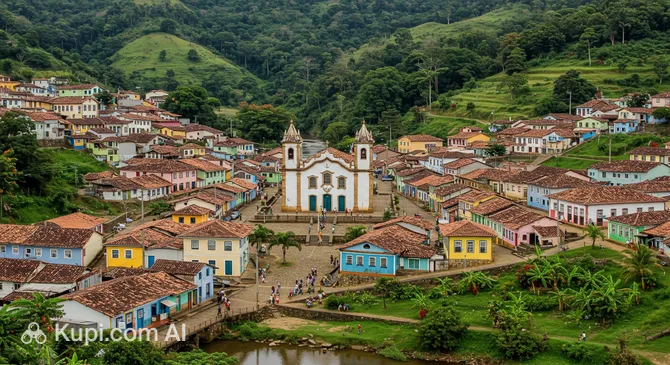
Mucugê. Source: Kupi.Binoculars

Nestled in the stunning landscapes of the Chapada Diamantina mountains, Mucugê is a captivating destination that offers a perfect blend of natural beauty and architectural heritage. Located in the state of Bahia, this charming town is one of the oldest in the region and serves as a serene gateway for travelers exploring the vast and diverse territory of Brazil. With a population of approximately 10,000 inhabitants, Mucugê maintains a peaceful, small-town atmosphere while providing a welcoming environment for visitors seeking an escape into nature.

The town's identity is deeply rooted in the 19th-century diamond boom, a period that significantly shaped its culture and urban layout. Visitors can stroll through cobblestone streets lined with well-preserved colonial mansions and colorful facades that reflect the rich history of Mucugê. One of the city's most iconic and unique landmarks is the Santa Izabel Cemetery, often referred to as the "Byzantine Cemetery." Its striking white mausoleums are built directly into the rocky mountainside, creating a hauntingly beautiful silhouette against the rugged backdrop.

Beyond its historical allure, Mucugê is a paradise for eco-tourism enthusiasts. The area is home to the Sempre-Viva Municipal Park, a protected area dedicated to preserving the delicate local flora, including the famous "everlasting flowers." The park also features accessible trails leading to refreshing waterfalls like the Tiburtino and Piabinha falls. Whether you are interested in hiking through dramatic canyons or simply relaxing in a historic setting, Mucugê invites you to experience a quieter, more intimate side of Bahia.

Weather Overview

The climate in this region is generally mild and agreeable, largely due to its elevation within the Chapada Diamantina mountains. To help you pack appropriately for your trip, it is useful to review the detailed weather in Mucugê, which stays relatively temperate compared to the coastal heat of Bahia. The town enjoys a refreshing atmosphere that supports its lush vegetation and makes hiking pleasant in almost any season.

Expect warm summers with frequent cloudy or wet days and cooler, drier winters. During the warmest period from October to March, average daytime temperatures hover between 22°C and 27°C, often accompanied by a higher number of wet days, peaking in April. Conversely, the winter months of June through August bring crisp air, with nighttime lows dipping to around 14°C, offering a cozy respite after a day of exploration.

Interesting Facts

Beyond the main attractions and scenic trails, Mucugê holds many fascinating secrets that reveal the depth of its heritage and natural history. Here are some intriguing facts about this unique town in the Chapada Diamantina:

  • The Cradle of the Diamond Rush: Mucugê holds the title of being the specific place where the diamond cycle began in Bahia. In 1844, the first valuable stones were discovered in the Cumbuca River, reportedly by accident when a local was washing his hands. This chance discovery triggered a massive migration that populated the entire region almost overnight.

  • A Cemetery Born from Epidemic: The striking Byzantine-style cemetery, Santa Izabel, owes its existence to a cholera epidemic in 1855. At the time, burials typically took place inside churches, but the outbreak forced the town to ban the practice for sanitary reasons. Wealthy families responded by building ornate white mausoleums against the rocky mountain wall, creating a necropolis that mimics church architecture.

  • The Flower that Fueled Fashion: The region is the exclusive home of a specific species of "sempre-viva" (everlasting flower), the Syngonanthus mucugensis. In the past, tons of these dried flowers were exported to Europe to decorate high-fashion hats, a trade so intense that it nearly drove the species to extinction before conservation efforts were established.

  • A Living Museum: Unlike many other mining towns that modernized or decayed, Mucugê preserved its 19th-century layout remarkably well due to economic stagnation after the diamond bust. Today, it is recognized as a National Heritage site, with its colonial architecture offering a genuine glimpse into the past without the interference of modern high-rises.

How to Get There

Reaching the historic town of Mucugê is an adventure into the heart of the Chapada Diamantina region. While the town is secluded in the mountains, it remains accessible for travelers willing to combine air travel with a scenic drive. For a comprehensive guide on planning your journey, you can read more about how to get to Mucugê on our detailed transport page.

The closest air hub to the town is the Coronel Horacio de Mattos Airport (LEC), located in the neighboring city of Lençóis. Although it is a small airport with limited passenger traffic, it serves as a convenient gateway for those exploring the national park. It is situated approximately 59 km from Mucugê, and the transfer by taxi or shuttle involves a drive through the region's rugged terrain.

Another option is the Vitoria da Conquista Airport (VDC), found in the city of Vitoria da Conquista. This facility handles a significantly larger volume of passengers and serves as a regional hub, potentially offering more flight connections. However, it is located much further away, about 212 km from Mucugê. Travelers choosing this route should be prepared for a longer ground transfer by car or bus to reach their final destination.

For clarity, here is a summary of the main airports:

Airport Name City Passenger Traffic Km from City
Vitoria da Conquista Airport Vitoria da Conquista Medium 212.3
Coronel Horacio de Mattos Airport Lençóis Small 59.1

Currently, there are no railway stations serving Mucugê or its immediate surroundings. The region's mountainous terrain makes train travel unavailable. Visitors typically rely on the road network, arriving by rental car or intercity buses from major hubs like Salvador or the airports mentioned above. The drive offers spectacular views of the Bahia landscape, making the journey part of the experience.

Main Attractions

Mucugê offers a fascinating mix of history and nature, making it a standout destination in the Chapada Diamantina. The city's attractions allow visitors to explore its diamond-mining past while enjoying the rugged beauty of the surrounding mountains and rivers. Here are some of the main places to visit during your stay.

Santa Izabel Cemetery

Often the first stop for visitors, the Santa Izabel Cemetery is one of the most iconic landmarks in the region. Known locally as the "Byzantine Cemetery" due to the architectural style of its mausoleums, it is built directly into the rocky mountainside. The contrast between the bright white tombs and the dark, looming rock face creates a surreal and hauntingly beautiful scene. It is interesting to tourists not only for its unique history—born from a cholera epidemic in the 19th century—but also for the stunning photographic opportunities, especially when the setting sun illuminates the stone structures.

Sempre-Viva Municipal Park

Located just a few kilometers from the town center, this park is a haven for eco-tourism and botany enthusiasts. It was established to protect the Syngonanthus mucugensis, a rare species of "everlasting flower" endemic to this area. The park features accessible trails that are perfect for families and casual hikers. These paths lead to several natural attractions, including the Tiburtino and Piabinha waterfalls. Visitors love this spot for the chance to swim in the region's characteristic tea-colored waters and to see the famous flowers in their natural habitat.

Museu do Garimpo

To truly understand the culture of Mucugê, a visit to the Museu do Garimpo (Diamond Museum) is essential. The museum preserves the memory of the diamond rush that founded the town, displaying a collection of tools, weapons, and everyday items used by the garimpeiros (prospectors). It offers a compelling narrative about the hardships and hopes of the mining era. Tourists find it fascinating as it provides context to the colonial architecture seen throughout the city, transforming a simple walk through the streets into a historical journey.

Cachoeira das Andorinhas

For those looking for a slightly more adventurous trekking experience, the trail to the Cachoeira das Andorinhas is a rewarding choice. The hike takes approximately one to two hours and winds through diverse landscapes, offering panoramic views of the valleys. The waterfall itself is tucked away within a canyon, providing a secluded and peaceful atmosphere. It is a favorite among visitors who wish to escape the more crowded spots and enjoy a refreshing dip in a pristine natural setting accompanied by the sounds of the swallows that give the falls their name.

Local Cuisine

The local cuisine of Mucugê is a flavorful journey into the region's history, blending the spicy, Afro-Brazilian traditions of coastal Bahia with the hearty, rustic fare of the sertão (hinterland). Unlike the seafood-heavy diet of Salvador, the food here was originally designed to sustain diamond prospectors during long days in the mountains. This has resulted in a culinary identity defined by robust stews, sun-dried meats, and locally grown root vegetables, offering tourists a truly authentic taste of the Chapada Diamantina.

The undisputed star of Mucugê's gastronomy is Godó de Banana. This unique stew is considered a "relic of the garimpo" (mining era) and is a must-try for any visitor. It is prepared with green bananas cut into wheels and cooked slowly with carne do sol (sun-dried salted beef) or smoked meats until it forms a thick, savory broth. Rich in energy and flavor, it is typically served with rice and flour, embodying the soul of the town. Another regional specialty is Cortado de Palma, a dish made from a type of cactus that is chopped and stewed, offering a texture similar to green beans and often served as a delicious side dish.

Beyond the savory plates, Mucugê is gaining international acclaim for its specialty coffee. The town sits at a high altitude with a microclimate perfect for growing premium Arabica beans. Coffee lovers should not miss the chance to taste the local brew, which is celebrated for its citrus notes and natural sweetness. For something stronger, local artisanal cachaça is widely available, often infused with native fruits or roots, providing a warming end to a day of hiking.

The food culture in Mucugê is centered around the charming historic center, where many restaurants are housed in beautifully restored colonial mansions. Dining here is a relaxed experience; meals are often slow-cooked and enjoyed leisurely in courtyards or rooms with high ceilings and antique decor. Whether you are grabbing a quick snack at a street market or sitting down for a full dinner, the hospitality is warm, and the ingredients are fresh, often sourced directly from neighboring family farms.

Travel Tips

Visiting Mucugê is a delightful step back in time, but its remote location in the Chapada Diamantina requires a bit of extra planning compared to typical coastal destinations. To ensure your journey is as smooth as the local coffee, here are some essential practical tips to keep in mind before you pack your bags.

  1. Dress for Altitude. Unlike the sweltering coast of Brazil, Mucugê gets surprisingly cool at night due to its elevation. Bring a warm jacket or fleece for the evenings, but keep your daytime attire light and breathable. Sturdy trekking boots are non-negotiable for the rocky trails, and comfortable walking shoes are best for navigating the town's uneven cobblestone streets.
  2. Transport Strategy. Public transport within the town is non-existent, but the historic center is small enough to explore comfortably on foot. To reach the distant waterfalls and the Sempre-Viva Park, you will need a vehicle. If you did not rent a car, your best option is to hire local guides who provide transport, as ride-hailing apps like Uber generally do not operate in this area.
  3. Cash is King. While many hotels and larger restaurants accept credit cards, smaller shops, artisan markets, and entry fees for some natural attractions often require cash. There are limited ATMs in town (usually Banco do Brasil or Bradesco), and they can occasionally run out of money during holidays, so it is safer to arrive with enough Brazilian Reals (BRL) on hand.
  4. Health and Hydration. There are small pharmacies in the town center, but they may not be open 24/7. It is wise to bring a personal first-aid kit, especially if you plan on hiking remote trails. The sun in the mountains can be deceptive; use high-SPF sunscreen and carry plenty of water, as dehydration happens quickly on the dry trails.
  5. Language and Connectivity. English is not widely spoken in Mucugê, so learning a few basic phrases in Portuguese will go a long way in interactions. Mobile signal is generally reliable in the town center (Vivo is often the strongest carrier), but expect it to disappear completely once you venture into the canyons or national park areas. Download offline maps before you set out.
  6. Respecting the Pace. Life here moves at a relaxed, interior rhythm. Do not be surprised if shops close for a long lunch break in the afternoon. When entering shops or asking for directions, it is customary and polite to greet people with a warm "Bom dia" (Good morning) or "Boa tarde" (Good afternoon) before asking your question.
  7. Eco-Conscious Behavior. The local ecosystem is fragile. Under no circumstances should you pick the wildflowers, especially the protected sempre-vivas, or remove stones from the rivers. Lighting fires is strictly prohibited due to the dry vegetation and high risk of wildfires in the Chapada region.
  8. Hiring a Guide. For many trails, hiring a local guide (guia) is not just recommended; it is often mandatory for safety due to poorly marked paths. These guides are incredibly knowledgeable about the history and geology, adding immense value to your trek beyond just showing the way.

With these logistics sorted, you are all set to enjoy the tranquility and rugged beauty of this historic mountain town. Embrace the slower pace, breathe in the fresh mountain air, and let Mucugê reveal its hidden gems to you one by one.

Entertainment & Nightlife

Nightlife in Mucugê reflects the town's serene and rustic character. Unlike the bustling coastal cities of Bahia or the party-centric atmosphere of Morro de São Paulo, the evening entertainment here is low-key, intimate, and deeply connected to the local culture. The nightlife scene does not revolve around loud nightclubs or expansive dance floors; instead, it centers on lively conversations, live acoustic music, and enjoying the cool mountain air in open-air settings.

The heart of the action is undoubtedly the Historic Center. As the sun sets and the streetlights illuminate the colonial facades, the main squares—particularly Praça Coronel Propício—come alive. This area transforms into a communal living room where locals and tourists mingle. The atmosphere is incredibly relaxed, with hikers sharing stories of the day's trails over cold beers or glasses of wine. The dress code is casual and comfortable; you will feel just as at home in trekking gear as you would in jeans and a sweater.

For those looking for a place to sit, eat, and drink, the town offers several charming spots that double as evening hangouts. Point da Chapada is a well-known establishment frequented by visitors for its pizza and social vibe. It is a great place to soak in the local energy, often buzzing with activity on weekends. Surrounding the main square, you will also find various small bistros and bars serving local appetizers and craft drinks. These venues frequently host live music performances, featuring Brazilian genres like MPB (Música Popular Brasileira) or the rhythmic beats of Forró, encouraging impromptu dancing on the cobblestones.

Practicalities for a night out in Mucugê are simple. The fun typically starts around 7:00 PM or 8:00 PM and winds down by midnight, as most people plan for early morning hikes. Prices are generally affordable to moderate. Since the town center is compact, the best way to get around is on foot. Walking at night is considered very safe, even in the dimmer alleyways, though it is always wise to stay in the illuminated central areas. Taxis are not commonly hailed on the street at night; if you are staying outside the center, arrange a ride in advance with your hotel or a local driver.

While the nights are for relaxing, daytime entertainment in the city offers a different pace for those taking a break from trekking. Apart from the famous cemetery and museums, visitors can spend their day exploring the local artisan shops scattered throughout the town. These small ateliers sell unique jewelry made from local stones and dried flowers. The town occasionally hosts cultural festivals and street markets during the day, where you can taste regional snacks and buy handmade crafts, providing a gentle cultural immersion before the evening festivities begin.

Parks & Museums

Mucugê serves as a living museum where the legacy of the diamond boom meets the raw beauty of the Chapada Diamantina. This town offers a unique opportunity to explore preserved colonial architecture while being surrounded by some of the most diverse ecosystems in Brazil. From protected floral sanctuaries to historical archives, the local parks and cultural venues provide a deep dive into the region's soul.

Key Parks and Green Spaces

The Sempre-Viva Municipal Park is the area's natural highlight. Located just a short distance from the town center, this reserve was established to protect the Syngonanthus mucugensis, a rare "everlasting flower" endemic to the region. It is an ideal spot for visitors who wish to experience local biodiversity without committing to arduous treks. The park features accessible trails leading to the Tiburtino and Piabinha waterfalls, offering refreshing dips in the dark, mineral-rich waters typical of the area.

Mucugê also acts as a strategic southern gateway to the massive Chapada Diamantina National Park. While the municipal park focuses on specific local flora, the national park offers a vast landscape of canyons, valleys, and plateaus. Hikers can access trails starting from Mucugê that venture deep into the mountains, transitioning from rocky outcrops to lush valleys, perfect for those seeking immersion in raw, untouched wilderness.

Museums and Galleries

The Museu do Garimpo (Diamond Museum) stands as the city's most significant cultural institution and is essential for understanding the region's past. Situated near the municipal park, it houses a compelling collection of artifacts from the 19th-century diamond rush. Displays include original tools, weaponry, and everyday items that illustrate the wealth and hardships of the era, explaining how this remote area became a bustling economic hub.

For a distinct perspective on local history, the Arquivo Público Municipal (Municipal Public Archives) is a hidden treasure. It holds one of the most complete collections of 19th-century documents in the interior of Bahia. History enthusiasts can examine records of mining claims, judicial proceedings, and slave manumissions, providing a factual and moving look at the social structures of the diamond age.

Historical and Architectural Sites

A tour of Mucugê's heritage must include the Santa Izabel Cemetery. Built into the side of a rocky mountain, its white, Byzantine-style mausoleums create a striking visual contrast against the grey stone. Born of necessity during a cholera epidemic, it has become the city's most recognizable postcard image. The Historic Center is also a protected landmark, where visitors can admire colonial mansions and the Igreja Matriz de Santa Izabel, a church constructed in the mid-19th century with the help of the local population.

Authentic Experiences

For a panoramic view, the short hike to the Cruzeiro de Mucugê is highly recommended. This lookout point offers sweeping vistas of the town and the surrounding valley, making it a perfect location for sunrise or sunset. It allows travelers to see how the city is nestled within the landscape, offering a moment of quiet reflection away from the main tourist trails.

Getting Around

Due to its small size and historical layout, Mucugê does not possess a complex public transport network like those found in major metropolitan areas. There are no metros, trams, or municipal bus lines operating within the city limits. The town is compact, and its urban area is concentrated, meaning that for most visitors, the primary method of getting around the center is simply walking. The cobblestone streets are best navigated on foot, allowing tourists to easily move between hotels, restaurants, and historical sites without the need for a vehicle.

For distances that are too far to walk but within the town's vicinity, the most common form of "public" transport is the mototaxi. This is a very popular and efficient way to travel in the interior of the state. Mototaxis are motorcycle taxis where passengers ride on the back of a professional driver's bike. They are easily recognized by the drivers' vests, which are usually numbered and brightly colored. There are designated stands (points) in the city center, or you can flag one down. They are inexpensive and quick, making them a practical choice for solo travelers needing a lift up a steep hill or to a nearby trailhead.

Regarding payment, the system in Mucugê is entirely informal and cash-based. There are no travel cards, transit passes, or mobile ticketing apps for local transport. Whether you are taking a mototaxi or a standard taxi, you must pay the driver directly in cash (Brazilian Reals). It is highly recommended to carry small bills and coins, as drivers often do not have change for large banknotes. Prices are generally fixed for short rides within the town, but for longer distances, it is customary to agree on the fare before the journey begins.

Standard taxis are available but are less visible than in larger cities. You will not typically see them cruising the streets looking for passengers. Instead, they congregate at specific locations, such as the main square or the bus station. If you need a car for a specific time, it is best to ask your hotel reception or a restaurant to call a trusted driver for you. Ride-sharing apps like Uber or 99 are generally unavailable or unreliable in this region due to the low number of drivers and variable internet connectivity, so do not rely on them for getting around.

For exploring the surrounding attractions, such as distant waterfalls and the national park, the most viable alternative to public transport is renting a car or hiring a local guide with a vehicle. Many tourists choose to rent a car upon arrival in the region to have the freedom to explore at their own pace. Alternatively, local tour agencies offer daily packages that include transportation to and from the main sights, effectively serving as a private shuttle service for visitors. Cycling is also an option for the athletic, with bike rentals available at some hostels and adventure shops for exploring the local trails.

Accommodation

Accommodation in Mucugê is defined by its charm and historical character rather than large-scale luxury. The town primarily offers pousadas (guesthouses) and small inns, many of which are housed in beautifully restored 19th-century colonial mansions. These establishments provide a cozy, intimate atmosphere that complements the town's heritage, featuring antique furniture, high ceilings, and internal courtyards. For travelers on a budget, there are also a few hostels and simpler guesthouses that offer basic but comfortable amenities.

The most popular area to stay is undoubtedly the Historic Center. Choosing accommodation here places you within walking distance of the main square, local restaurants, and the charming cobblestone streets that come alive in the evening. Staying in the center allows for easy exploration of the town's architecture and cultural sites without the need for transportation. Alternatively, visitors looking for peace and immersion in nature can find eco-lodges and chalets located on the outskirts of the town. These options often offer stunning views of the Chapada Diamantina mountains and are closer to trailheads, providing a serene retreat after a day of hiking.

Since Mucugê is a small destination with a focus on eco-tourism and history, you will not find major international hotel chains or massive resorts. The hospitality scene is driven by family-run businesses that offer personalized service. It is highly recommended to book your accommodation in advance, especially if you plan to visit during the peak season (July and August) or during major Brazilian holidays like São João in June, when the town fills up with visitors and availability becomes scarce.

Regarding costs, the price range in Mucugê is generally moderate. While there are affordable options for backpackers, many of the boutique pousadas fall into the mid-range category, offering excellent value for the quality of service and setting. High-end luxury is less common, but some establishments offer premium experiences with enhanced comfort. While major online booking platforms are widely used, many smaller inns also accept reservations via direct contact or messaging apps, which is a common practice in the region.

Nearby Cities

For those looking to explore the surroundings, Mucugê serves as an excellent base for day trips to several interesting nearby locations:

Ibicoara is widely considered one of the most spectacular destinations in the Chapada Diamantina and is located relatively close to Mucugê. It is most famous for the majestic Buracão Waterfall, an awe-inspiring natural wonder where visitors can swim through a narrow canyon to reach the base of the falls. The town offers a lush, green contrast to the drier, rocky landscapes found elsewhere, making it a favorite spot for adventurous hikers and photographers seeking dramatic scenery.

Another fascinating option is Iraquara, often referred to as the "City of Caves" due to its incredible limestone geology. It is home to some of the region's most accessible and impressive underground formations, such as the massive Lapa Doce Cave with its vast chambers and stalactites. Nearby, visitors can also find the Pratinha Farm, a popular attraction featuring crystal-clear blue waters perfect for snorkeling and relaxing after a journey underground.

City Population Distance (km)
Livramento de Nossa Senhora 46035 87
Seabra 45202 78
Iraquara 25478 88
Barra da Estiva 22394 69
Ibicoara 19548 46

These nearby destinations offer a glimpse into the diverse culture and landscapes of the region.

Shopping & Souvenirs

Shopping in Mucugê is a delightful, low-key experience that centers on local craftsmanship and regional flavors rather than high-end fashion or sprawling commercial centers. As a small historic town in the Chapada Diamantina, its retail scene is intimate and authentic, reflecting the slow pace of life in the mountains. Visitors will not find luxury brands or department stores here; instead, the town offers a selection of charming boutiques, family-run grocery stores, and artisan ateliers where the items for sale often tell a story about the region’s culture and history.

The main shopping activity is concentrated within the Historic Center. The cobblestone streets surrounding the Praça Coronel Propício and the areas near the main church are where most of the commerce is located. Strolling through these lanes, you will find small doorways opening into shops selling trekking gear, local handicrafts, and souvenirs. The experience is very pedestrian-friendly, allowing you to easily browse through the offerings while admiring the colonial architecture.

Travelers accustomed to large urban centers should note that there are no shopping malls in Mucugê. The town preserves its 19th-century layout, which does not accommodate modern shopping complexes. Retail therapy here means visiting small galleries or independent shops housed in restored mansions. This absence of commercial chains preserves the town's unique character and encourages visitors to support local businesses directly.

For a truly authentic glimpse into daily life, the Feira Livre (Open-Air Market) is the place to be. Typically held on weekends, this market is where local farmers from the surrounding valleys come to sell fresh produce. It is a vibrant explosion of colors and smells, offering everything from tropical fruits and vegetables to homemade cheeses and spices. It is not just a place to buy food; it is a social hub where you can observe the local community interactions and perhaps pick up some fresh snacks for a hike.

When it comes to souvenirs, Mucugê offers high-quality regional products that make for excellent gifts. The region is famous for its specialty coffee, considered some of the best in Brazil due to the high altitude and favorable climate. Buying a bag of locally roasted beans is a must for coffee lovers. Other popular items include artisanal cachaça, often infused with native fruits, and jars of local honey or fruit preserves. While the "sempre-viva" flowers are a symbol of the town, be sure to only purchase crafts from certified artisans to ensure environmental regulations are respected.

Store opening hours in Mucugê generally follow a traditional schedule. Shops typically open around 8:00 AM or 9:00 AM, close for a lunch break (siesta) between 12:00 PM and 2:00 PM, and reopen until 6:00 PM. On Saturdays, many businesses close in the early afternoon, and on Sundays, most shops are closed, except for essential services or tourist-focused cafes. Regarding payment, while credit and debit cards are increasingly accepted, cash is still very important. Smaller artisans, market vendors, and some humble eateries may only accept Brazilian Reals, so it is wise to carry some cash with you.

Tax-free shopping or VAT refunds are generally not available in Mucugê. The tax refund systems found in major international travel hubs do not operate in small interior towns. The prices displayed on goods are final, but they are often quite reasonable compared to larger tourist cities, reflecting the local cost of living.
Reached the end of the page?

That means the route is fully explored