Support

Vitoria da Conquista

About

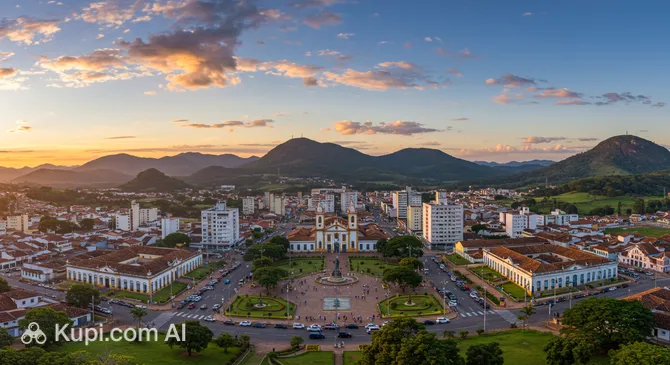
Vitoria da Conquista is a captivating destination located in the southwestern part of the state of Bahia. Known for its distinct atmosphere, this city stands out as a bustling regional hub that blends urban development with a welcoming, small-town feel. Unlike the tropical heat typical of much of Brazil, Vitoria da Conquista is famous for its mild, high-altitude climate, which has earned it the affectionate nickname "Swiss Bahia."

Vitoria da Conquista. Source: Kupi.Binoculars

Sitting at an elevation of roughly 900 meters, the city enjoys temperatures that can drop significantly during the winter months, creating a cozy environment that is unique in the region. With a population of approximately 343,000 residents, it is the third-largest city in the state and serves as an important center for commerce, education, and health. Travelers interested in the past can explore the rich history of Vitoria da Conquista, which is deeply rooted in the expansion of the coffee industry and the cultural convergence of the diverse communities that settled here.

Among the city's key attractions is the imposing Cristo de Mário Cravo, a modernist statue of Christ Crucified that stands over 30 meters tall and offers panoramic views of the landscape. The city is also renowned for hosting the Festival de Inverno Bahia, one of the largest winter music festivals in the country, attracting artists and visitors from far and wide. Whether you are visiting to enjoy the refreshing weather, taste exceptional local coffee, or experience its vibrant cultural scene, Vitoria da Conquista offers a delightful escape for any traveler.

Weather Overview

The climate in this region is significantly milder than in many other parts of Bahia, largely due to the city's elevation. Visitors checking the weather in Vitoria da Conquista will find that the year begins with comfortable warmth, where January and February see average temperatures around 24.5°C and daytime highs reaching nearly 29.2°C.

Expect warm summers with regular rainfall and cooler, drier winters. From June to August, the weather cools down noticeably, with average temperatures dropping to approximately 20°C and nightly lows dipping to around 15.3°C in July. Rainfall is more prevalent towards the end and beginning of the year, peaking in November with about 15 wet days, while the mid-year months remain relatively dry.

Interesting Facts

Beyond its reputation for cool weather and festivals, Vitoria da Conquista holds several cultural gems and historical details that offer a deeper understanding of its identity.
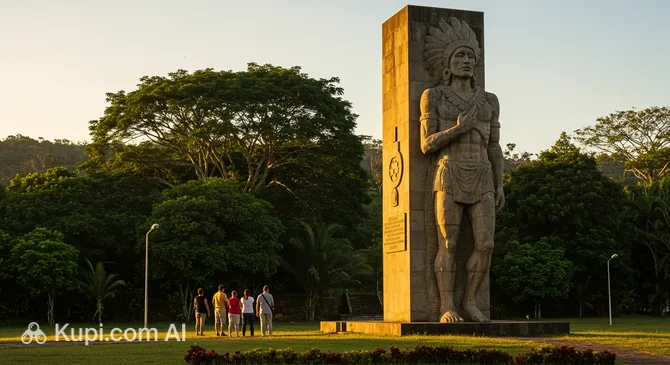
Monument to the Indian. Source: Kupi.Binoculars
  • The city is the birthplace of Glauber Rocha, one of the most significant filmmakers in Brazilian history and a leading figure of the "Cinema Novo" movement. His legacy is so vital to the region that the local airport is named in his honor, celebrating his contribution to global cinema.

  • While the Christ by Mário Cravo is a major landmark, few realize that its design is intentionally distinct from Rio's Christ the Redeemer. The artist, Mário Cravo Jr., sculpted the face with the rugged features of the "sertanejo" (people of the backlands) to represent the resilience and identity of the local population.

  • Vitoria da Conquista deeply honors its indigenous roots through the Monument to the Indian. This structure serves as a tribute to the Mongoyós, Camacãs, and Pataxós peoples who originally inhabited the Planalto da Conquista before the city's colonization.

  • The region is a hidden powerhouse for gourmet coffee production. Thanks to the unique microclimate and high altitude of the Planalto da Conquista, the local coffee beans are considered some of the best in Bahia, frequently winning national quality awards.

How to Get There

Reaching this hub in the interior of Bahia is relatively straightforward, offering options for both air and road travel. For those planning their journey, you can find all ways to reach the city detailed in our guide. The most convenient entry point is undoubtedly the local airport, which sits very close to the urban area, but travelers can also opt for scenic drives from coastal cities.

The primary gateway is the Vitoria da Conquista Airport (IATA: VDC), located just 2.5 km from the city center. Thanks to this proximity, the transfer to your hotel is exceptionally quick, taking only about 10 to 15 minutes by taxi or car. This airport handles a significant volume of regional traffic and connects the city to major Brazilian capitals.

Alternatively, if you are combining your trip with a visit to the coast, you might fly into the Ilheus/Bahia-Jorge Amado Airport (IATA: IOS) in the city of Ilheus. It is located approximately 195 km from Vitoria da Conquista. From Ilheus, the journey by road traverses the scenic landscapes of Bahia and takes roughly 3 to 4 hours by bus or rental car. Another option for those exploring the region is the Porto Seguro Airport (IATA: BPS) in Porto Seguro, though it is further away at about 257 km.

For clarity, here is a summary of the main airports:

Airport Name City Passenger Traffic Km from City
Porto Seguro Airport Porto Seguro High 257.2
Ilheus/Bahia-Jorge Amado Airport Ilheus Medium 194.7
Vitoria da Conquista Airport Vitoria da Conquista Medium 2.5
Coronel Horacio de Mattos Airport Lençóis Low 267.0

Vitoria da Conquista does not have a passenger railway station, so trains are not a viable option for arrival. Instead, the city relies heavily on its road infrastructure. It is a major stop on the BR-116 highway, one of Brazil's most important logistical routes. The local bus terminal serves as a busy hub, receiving long-distance buses from various parts of the country, making it easy to arrive by land from Salvador or other major cities.

Main Attractions

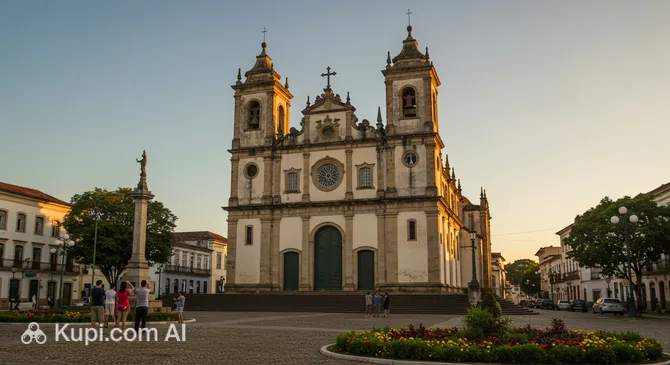
While the giant statue of Christ and the Monument to the Indian are often the first stops for visitors, the city offers other remarkable places that define its daily life and culture. One such architectural gem is the Metropolitan Cathedral of Our Lady of Victories. Located centrally, this church is not only a place of worship but also a symbol of the city's religious heritage. Its imposing structure and peaceful interior make it a perfect spot for those who appreciate religious art and history, offering a quiet retreat from the bustling streets outside.

Metropolitan Cathedral of Our Lady of Victories. Source: Kupi.Binoculars

For travelers looking to experience the modern side of the region, the Boulevard Shopping Vitória da Conquista is the premier destination. As a major commercial hub, it provides a wide variety of retail stores, entertainment options, and a comprehensive food court. It is an excellent place to take a break, enjoy a movie at the cinema, or simply browse through Brazilian fashion brands in a comfortable, air-conditioned environment.

Boulevard Shopping Vitória da Conquista. Source: Kupi.Binoculars

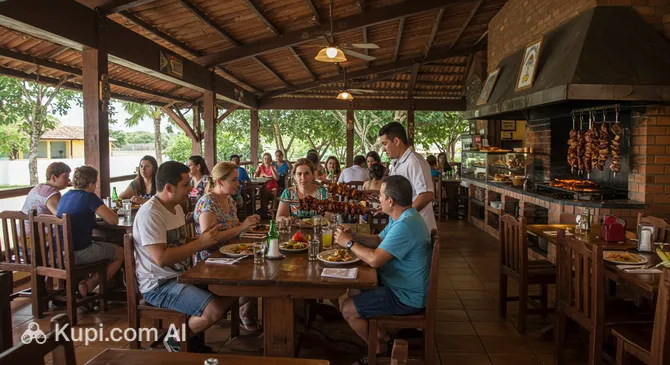
Gastronomy is a huge part of the Bahian experience, and for meat lovers, Costelão Grill is a must-visit culinary stop. This restaurant is renowned for serving traditional Brazilian barbecue, offering succulent cuts of meat prepared to perfection. It is a fantastic venue to enjoy a hearty meal with family or friends, immersing yourself in the local dining culture where food is celebrated with great flavor and hospitality.

Costelão Grill. Source: Kupi.Binoculars

When the sun sets, the city comes alive with various nightlife options. The Garage Video Bar stands out as a vibrant spot for those seeking entertainment and a lively atmosphere. Known for its eclectic music selection and energetic vibe, it is a popular gathering place for locals and tourists alike to unwind, enjoy refreshing drinks, and experience the social scene of Vitoria da Conquista after dark.

The Garage Video Bar. Source: Kupi.Binoculars

Local Cuisine

The culinary scene in Vitoria da Conquista is a delightful reflection of its location on the "Planalto da Conquista," blending the hearty traditions of the Brazilian interior with its own unique identity. Unlike the seafood-heavy diet of the Bahian coast, the local menu here is dominated by savory, robust flavors designed to comfort in the cooler high-altitude climate. A star of the table is Carne de Sol, heavily salted and sun-cured beef that is typically grilled and served with pirão de leite (a creamy cassava-based side) or roasted pumpkin.

No gastronomic tour of the city is complete without trying the famous Biscoito Avoador (often just called "avoador"). These light, airy, ring-shaped biscuits made from cassava starch are a true cultural heritage of the region. Crisp and delicate, they are the perfect companion for breakfast or an afternoon snack, widely available in local bakeries and markets throughout the city.

To accompany these treats, visitors must sample the local coffee. The region is an award-winning producer of high-quality coffee beans, thriving in the specific microclimate of the plateau. A hot cup of locally sourced coffee is not just a drink here; it is a source of local pride. For those seeking something stronger in the evenings, the city's bars offer excellent artisanal cachaças and fruit liqueurs that provide warmth on chilly nights.

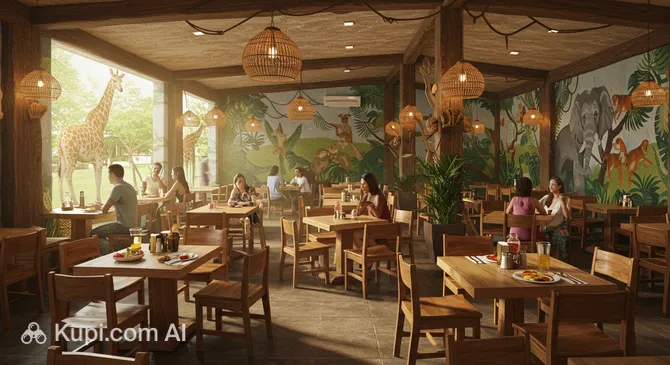
While traditional flavors are abundant, the city also caters to modern tastes and family outings. For a fun and interactive dining experience, travelers can visit the Mundo Animal Themed Diner. This establishment is popular for its jungle-themed decor and family-friendly atmosphere, offering a menu of hearty burgers and snacks that contrast nicely with the traditional regional fare.

Mundo Animal Themed Diner. Source: Kupi.Binoculars

Travel Tips

Welcome to Vitoria da Conquista, a city that offers a unique twist on the traditional Bahian experience with its cooler climate and highland charm. To ensure your trip is as smooth and enjoyable as possible, we have compiled a list of essential practical tips tailored to help you navigate the local culture, weather, and daily life with confidence.

  1. Prepare for the "Swiss Bahia" Climate: Unlike the tropical heat typical of the Bahian coast, Vitoria da Conquista is known for its high altitude and cooler temperatures. If you are visiting between May and August, bring a warm jacket and layers, as evenings can get surprisingly chilly (dropping below 15°C). Comfortable walking shoes are a must for exploring the city center, and casual dress is generally acceptable everywhere, though modest attire is respectful when visiting religious sites like the cathedral.
  2. Getting Around the City: The most convenient way for tourists to move around is by using ride-hailing apps like Uber or 99, which are widely available, safe, and affordable. The city has a public bus system, but routes can be confusing for non-Portuguese speakers. If you plan to explore the surrounding coffee regions or drive in from the coast, renting a car is a good option, but be mindful of local traffic rules and parking availability in the downtown area.
  3. Handling Finances: The official currency is the Brazilian Real (BRL). Credit and debit cards are widely accepted at hotels, restaurants, and shopping malls like Boulevard Shopping. However, it is wise to carry some cash for small purchases at local bakeries, street markets, or when buying the famous biscoito avoador from street vendors. ATMs are easily found at bank branches and within the shopping center.
  4. Health and Safety: Vitoria da Conquista is a major regional health hub, so you will find plenty of well-stocked pharmacies, many of which are open 24/7 in the city center. While the city is relatively safe, exercise standard precautions: avoid walking alone in poorly lit areas late at night and keep valuables like cameras and smartphones discreet. It is also recommended to drink bottled or filtered water rather than tap water to avoid any stomach issues.
  5. Communication is Key: Portuguese is the primary language, and English is not widely spoken outside of major hotels or high-end establishments. We highly recommend downloading an offline translation app or learning a few basic phrases like "Bom dia" (Good morning) and "Obrigado" (Thank you). Locals are generally very patient and willing to help, even if there is a language barrier.
  6. Local Etiquette and Warmth: The people of Vitoria da Conquista are known for their hospitality. Greetings often involve a handshake or, once you are acquainted, a friendly hug or a kiss on the cheek. It is polite to greet shopkeepers and drivers upon entering. The "thumbs up" gesture is commonly used to say yes, thank you, or to indicate that everything is okay.
  7. What to Avoid: Avoid flashing expensive jewelry or large amounts of cash in crowded public spaces, such as busy bus terminals or street markets. Also, try not to rely solely on high-denomination bills (like R$100 notes) for small purchases, as smaller vendors may struggle to provide change.
  8. Taste the Local Flavor: Do not leave the city without trying the local coffee. The region is an award-winning coffee producer, and you can find excellent cafés serving beans grown right on the plateau. Pair it with a biscoito avoador for the ultimate authentic afternoon snack.

With these tips in hand, you are well-prepared to enjoy everything Vitoria da Conquista has to offer, from its cozy winter festivals to its rich culinary traditions. Have a fantastic journey and enjoy the distinctive warmth of this beautiful highland city!

Entertainment & Nightlife

Nightlife in Vitoria da Conquista offers a refreshing departure from the typical coastal Bahian experience. Thanks to its "Swiss Bahia" climate, the evening atmosphere here is cozy and inviting, often requiring a light jacket—a rarity in this tropical state. The city's nightlife is heavily influenced by its large university population, creating a vibrant scene that blends relaxed "barzinho" culture (sitting at outdoor tables with drinks and appetizers) with energetic music venues. The dress code is generally casual but neat; locals tend to dress up a bit more than in beach towns, favoring jeans and smart-casual attire over shorts and flip-flops.

The epicenter of evening entertainment is arguably Avenida Olívia Flores in the Candeias neighborhood. This tree-lined avenue is considered the most noble area of the city and comes alive after dark with joggers, families, and groups of friends. It is lined with a variety of bars, pubs, and restaurants offering everything from craft beers to live MPB (Música Popular Brasileira) and rock performances. It is the perfect place to start the night, hopping from one venue to another in a safe and bustling environment.

For those looking for a specific spot to enjoy the local vibe, The Garage Video Bar is a popular choice among locals. It offers a unique mix of visual entertainment and music, making it a great place to gather with friends for drinks and conversation. The venue typically features a lively crowd and a diverse playlist, standing out as a staple in the city's nightlife circuit.

If your idea of a perfect evening involves a hearty meal before the party starts, the city's barbecue tradition is a must-try. Costelão Grill is a well-regarded establishment where visitors can indulge in the region's famous grilled meats. It serves as an excellent starting point for a night out, allowing you to experience the rich gastronomy of the interior before heading to a bar or club.

For a more laid-back evening, or perhaps a family-friendly outing, the local shopping centers provide a safe and comprehensive entertainment hub. The Popular Shopping of Vitória da Conquista is a key destination for those who prefer a movie night or a stroll through retail stores. With its cinema complex and food court, it offers a relaxing alternative to the bustling bar scene.

Popular Shopping of Vitória da Conquista. Source: Kupi.Binoculars

Practical advice for enjoying the night includes using ride-sharing apps like Uber or 99, which are widely available and safer than walking long distances late at night. While areas like Avenida Olívia Flores are well-lit and secure, it is always wise to avoid empty streets and keep valuables discreet. Prices in Vitoria da Conquista are generally more affordable than in capital cities like Salvador, making a night out quite budget-friendly.

During the day, the city offers a different kind of cultural immersion. Before the sun sets, visitors can explore local history at the Memorial Régis Pacheco or enjoy the green spaces at the Poço Escuro Nature Reserve. The city is also home to the Monument to the Indian, a significant landmark that pays homage to the region's indigenous roots, perfect for a quick cultural stop before the evening festivities begin.

Parks & Museums

Beyond its bustling commerce and coffee culture, Vitoria da Conquista offers a surprising array of green spaces and cultural venues that preserve the region's rich heritage. The city’s unique "Swiss Bahia" climate makes exploring these outdoor areas particularly pleasant, while its museums provide a deep dive into the history of the "Sertão" and the political evolution of the interior.

For nature lovers, the Reserva Florestal do Poço Escuro (Poço Escuro Forest Reserve) is an essential stop. Located practically within the urban zone, this 17-hectare sanctuary preserves a dense remnant of the Atlantic Forest and protects the springs of the Rio Verruga. It is the city's main "green lung," offering a refreshing escape where visitors can walk along trails surrounded by ancient trees and diverse birdlife. Another key outdoor destination is the Parque Municipal da Lagoa das Bateias. This expansive park is a favorite among locals for jogging, cycling, and enjoying the sunset over the water. Recent revitalization efforts have made it an even more inviting spot for a leisurely afternoon stroll or a family picnic.

Cultural enthusiasts will find the city's history lovingly preserved in its museums, which are often housed in beautiful colonial-era buildings. The Museu Regional de Vitória da Conquista, located in the historic Casa Henriqueta Prates, is a highlight. This museum offers a fascinating look at the local way of life through the centuries, displaying period furniture, photographs, and artifacts that tell the story of the region's colonization and development. Just a short walk away on Praça Tancredo Neves lies the Memorial Governador Régis Pacheco. Housed in a stunning neoclassical mansion from the 1920s, this museum preserves the memory of one of Bahia’s most prominent political figures and features a preserved medical office, an art gallery, and a collection of personal objects that transport visitors back in time.

Christ by Mário Cravo. Source: Kupi.Binoculars

Art and history also merge in the city's open-air landmarks. The monumental Christ by Mário Cravo is not just a religious symbol but a masterpiece of modern art. Standing 33 meters tall, this sculpture features the rugged, expressive facial features of the local backlands people, offering a unique cultural interpretation distinct from other Christ statues in Brazil. It serves as an open-air gallery of sorts, dominating the landscape and offering one of the best panoramic views of the city.

For a truly authentic experience, try to visit the Museu de Kard if you have an interest in contemporary art. It is a lesser-known gem that features an impressive collection of sculptures and modern works, contrasting wonderfully with the historical focus of the downtown museums. Exploring these venues provides a well-rounded perspective of Vitoria da Conquista, bridging the gap between its indigenous roots, colonial past, and vibrant artistic present.

Getting Around

The public transport system in Vitoria da Conquista is primarily based on an extensive bus network that connects the city's neighborhoods with the downtown area. There is no metro or train service for passengers, so buses are the main way for locals and visitors to get around. The heart of this system is the modern Estação Herzem Gusmão, a central terminal located on Avenida Lauro de Freitas. This station serves as the main hub where most bus lines converge, making it the best starting point for any journey across the city.

For payment, the city uses an electronic ticketing system known as Cartão BEM (Bilhete Eletrônico Municipal). While you can pay with cash directly to the conductor on board, it is slightly more expensive than using the card. The fare is affordable, typically costing a few reais, with a discount applied when using the BEM card. Recently, the system has begun modernizing to include options for payment via Pix and contactless credit or debit cards on some fleets, but carrying small bills is still a wise backup plan for tourists who do not have the local transport card.

To navigate the system efficiently, tourists are advised to use the Moovit app, which provides reliable real-time updates on bus routes and schedules in the city. If you plan to stay for a longer period, you can purchase and recharge a Cartão BEM at ATUV (Associação das Empresas do Sistema de Transporte Coletivo Urbano) agencies found in the city center. Remember that boarding typically takes place through the front door, where you pay or scan your card, and you exit through the rear. The buses generally operate from early morning, around 5:00 AM, until midnight.

If you prefer more direct or private transport, ride-sharing apps like Uber and 99 are widely available and offer a convenient alternative to buses. For a faster and more adventurous option often used by locals to beat traffic, moto-taxis (motorcycle taxis) are very popular in Vitoria da Conquista. They are easily recognized by the drivers' official vests and are a cost-effective way to make short trips, though they are best suited for solo travelers carrying little to no luggage.

Accommodation

Where to Stay:

Vitoria da Conquista offers a diverse range of accommodation options that cater to both business travelers and tourists exploring the "Swiss Bahia." The city's infrastructure is well-developed, featuring everything from economical hostels and simple family-run guesthouses (pousadas) to modern mid-range hotels and comfortable resorts. While the city may lack the ultra-luxury international chains found in major Brazilian capitals, visitors will find plenty of clean, safe, and welcoming places to stay that reflect the region's hospitality.

For those who want to be close to the action, staying in the Centro (City Center) is ideal. This area places you within walking distance of historical landmarks like the Cathedral, banks, and the main commercial streets. Alternatively, the Candeias neighborhood is a fantastic choice for travelers seeking a more upscale vibe. It is known for its safety, tree-lined streets, and proximity to the city's best restaurants and nightlife spots along Avenida Olívia Flores. For transit travelers passing through on the BR-116, there are also several convenient hotels located near the highway and the bus terminal.

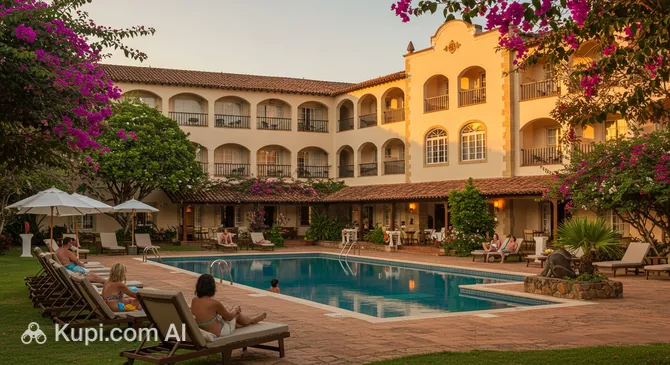
If you are looking for a more relaxing experience that feels like a getaway within the city, the Pousada da Conquista Resort Spa is a standout option. It offers a blend of comfort and leisure amenities, making it perfect for families or couples who want to unwind after a day of exploring the region's attractions.

Pousada da Conquista Resort Spa. Source: Kupi.Binoculars

Accommodation prices in Vitoria da Conquista are generally very reasonable, often significantly lower than what you would find in coastal tourist hubs like Salvador or Porto Seguro. Budget travelers can find rooms for very affordable rates, while mid-range options offer excellent value for money. Booking can typically be done easily through major online platforms or by contacting establishments directly. However, a crucial tip is to book well in advance if you plan to visit in August during the Festival de Inverno Bahia (Bahia Winter Festival). During this peak event, the city fills up quickly with visitors from all over the country, and availability becomes scarce.

Nearby Cities

For those looking to explore the surroundings, Vitoria da Conquista serves as an excellent base for day trips to several interesting nearby locations:

One of the most appealing destinations for nature lovers is Iguaí. Located roughly 82 kilometers away, this town is widely known as the "Land of Waterfalls." It offers a stunning natural circuit with dozens of cascades, rivers, and trails, making it a perfect spot for eco-tourism and outdoor adventures. Visitors can spend the day swimming in crystal-clear pools and enjoying the lush vegetation of the Atlantic Forest transition zone.

Closer to the city, just about 28 kilometers away, lies Barra do Choça. This small town is integral to the region's coffee production fame. It is an excellent place to experience the rural atmosphere of Bahia's interior, visit coffee farms, and appreciate the green landscapes. Its proximity makes it the easiest option for a quick morning or afternoon escape without a long drive.

Another interesting option is Itapetinga, a larger regional hub known for its strong livestock industry. For tourists, the main draw is the Parque Zoobotânico da Matinha, a well-known zoo in the interior of Bahia. It houses a variety of native species and provides a nice recreational area for families, offering a different kind of experience compared to the purely natural landscapes of other nearby towns.

City Population Distance (km)
Itapetinga 76795 76
Pocoes 48729 63
Barra do Choça 34853 28
Iguai 27787 82
Candido Sales 26855 83

These nearby destinations offer a glimpse into the diverse culture and landscapes of the region.

Shopping & Souvenirs

Shopping:

As the primary commercial hub for southwestern Bahia, Vitoria da Conquista attracts visitors from dozens of surrounding municipalities, creating a vibrant and diverse shopping scene. The city offers a compelling mix of modern retail experiences and bustling traditional commerce, catering to all budgets and tastes. Whether you are looking for high-end fashion brands, electronics, or authentic local products, the city provides ample opportunities to find exactly what you need.

The heart of street shopping is located in the Centro (City Center). The pedestrian-friendly Alameda Ramiro Santos is one of the busiest spots, lined with clothing boutiques, shoe stores, and variety shops. It is a great place to feel the pulse of the city and find reasonably priced fashion. Nearby, the streets surrounding Praça Barão do Rio Branco and Avenida Lauro de Freitas are packed with vendors and storefronts selling everything from fabrics to household goods, offering a lively atmosphere typical of Brazilian commercial districts.

For those who prefer a more structured and climate-controlled environment, the Boulevard Shopping Vitória da Conquista is the premier destination. This large, modern mall houses major national and international retail chains, a cinema, and a spacious food court. It is the go-to spot for luxury items, branded apparel, and a comfortable shopping experience away from the elements.

Travelers looking for bargains and variety should visit the Popular Shopping of Vitória da Conquista. Often referred to by locals as a hub for affordable goods, this center gathers numerous small stalls and kiosks under one roof. It is an excellent place to hunt for electronics, accessories, budget clothing, and quick repairs, reflecting the entrepreneurial spirit of the region.

To experience the authentic local trade, a visit to the Feira do Bairro Brasil is essential. It is one of the largest open-air markets in the state of Bahia, taking place primarily on weekends, with Sundays being the busiest days. Here, tourists can find an overwhelming variety of items, including fresh produce, traditional leather goods, tools, and clothing. It is a chaotic but fascinating slice of local life where negotiation is part of the game.

When searching for souvenirs, the most iconic gift from Vitoria da Conquista is undoubtedly the Biscoito Avoador. These light, ring-shaped cassava biscuits are a symbol of the region and can be bought in large bags at local bakeries or markets. Another excellent purchase is the local coffee. As the city sits on a high plateau famous for its coffee production, buying a bag of specialty beans grown in the Planalto da Conquista is a perfect way to bring the flavor of the trip home. Artisanal cachaça and fruit liqueurs produced in the interior are also popular choices.

Store opening hours generally follow standard Brazilian business practices. Street shops in the center typically open from 8:00 AM to 6:00 PM on weekdays and close around 1:00 PM on Saturdays, remaining closed on Sundays. Shopping malls operate daily, usually from 10:00 AM to 10:00 PM, with reduced hours for stores on Sundays (often 2:00 PM to 8:00 PM). Credit and debit cards are widely accepted in malls and established stores, but carrying cash is highly recommended for street markets and smaller vendors.

Tourists should be aware that Brazil does not operate a VAT refund (tax-free) system for international visitors similar to those found in Europe or North America. The price you see on the tag is the final price, and no tax reclamation is possible at the airport upon departure.
Reached the end of the page?

That means the route is fully explored