Support

Porto Seguro

About

Porto Seguro is a captivating coastal city located in the southern region of the state of Bahia. Renowned for its stunning beaches and lively atmosphere, it holds a unique significance as the place where Portuguese navigators first arrived in 1500, marking the beginning of modern Brazil. Today, this vibrant destination seamlessly blends its rich heritage with the energy of a popular resort town.
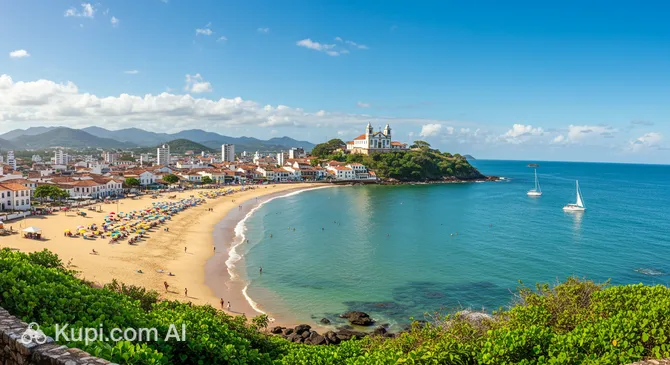
Porto Seguro. Source: Kupi.Binoculars

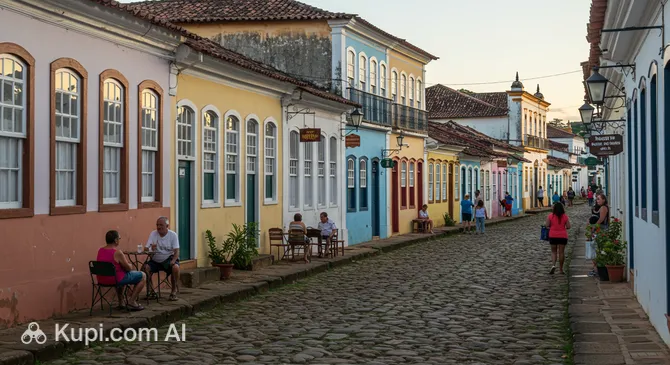
The history of Porto Seguro is visible in every corner of its Upper Town (Cidade Alta), which serves as an open-air museum filled with colonial architecture and landmarks. With a population of around 150,000 inhabitants, the city maintains a welcoming community feel while providing all the amenities needed for a comfortable stay. The tropical climate ensures warm, sunny days throughout the year, making it an ideal location for outdoor activities and relaxation.

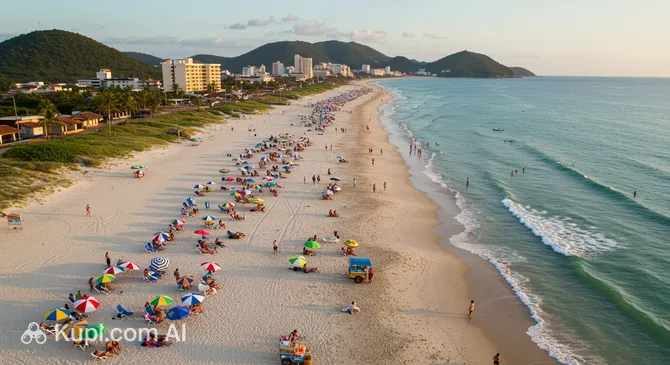
Travelers are often drawn to the Cidade Histórica, a national heritage site perched on a bluff that offers panoramic views of the ocean. In the evenings, the Passarela do Descobrimento (Discovery Walkway) becomes the heart of social life, featuring rows of colorful colonial houses turned into shops, bars, and restaurants. For those seeking fun in the sun, Taperapuã Beach is famous for its large beach kiosks, known as "barracas," which offer music, dancing, and delicious local cuisine.

Whether you are interested in diving into the cultural roots of the country or simply relaxing by the turquoise waters, Porto Seguro offers a diverse and memorable travel experience for every visitor.
Weather Overview

Porto Seguro enjoys a pleasant tropical climate that makes it an inviting destination year-round. The city is known for its consistent warmth, ensuring that beach days are possible regardless of when you visit. While humidity is generally high, sea breezes often help keep the atmosphere comfortable for outdoor exploration and sightseeing.

For those looking to plan their activities around specific conditions, checking the detailed weather in Porto Seguro is recommended. The summer months, particularly January and February, are the warmest, with average maximum temperatures reaching up to 30.0°C. Even during the "winter" period from June to August, the weather remains mild and enjoyable, with average temperatures around 22°C to 23°C and nightly lows rarely dipping below 19°C.

Rainfall is a frequent occurrence throughout the year, contributing to the region's lush vegetation. The data suggests a high number of wet days annually, ranging from about 14 days in September to 23 days in March and April. However, these showers are often passing and intersperse with periods of sunshine, allowing visitors to enjoy the vibrant outdoor life Porto Seguro has to offer.

Interesting Facts

Beyond the famous beaches and parties, Porto Seguro holds historical secrets and unique local customs that define its character. Here are a few fascinating aspects of the city that often surprise visitors.

  • Porto Seguro is officially recognized as the birthplace of the nation. The Landmark of the Discovery of Brazil stands as a monument to the arrival of the Portuguese fleet in 1500, marking the exact spot where European navigators first made contact with the land.

  • To preserve its charming colonial skyline, the city enforces a strict building code that generally prohibits the construction of high-rise buildings. Local tradition dictates that no structure should be taller than the coconut trees or the church towers, ensuring the view remains unobstructed and picturesque.

  • The city's most famous nightlife hub, the Passarela do Descobrimento, is affectionately known by locals as the "Alcohol Walkway." It is renowned for its rows of stalls mixing "Capeta," a potent local cocktail made with vodka, condensed milk, cinnamon, and guarana powder, which has become a cultural icon of the region.

  • The historic upper city is home to the Church of Our Lady of Pena, which dates back to the 16th century. This sacred site houses images brought directly from Portugal and stands as a testament to the city's status as a living museum of colonial history.

Historic Center of Porto Seguro. Source: Kupi.Binoculars

How to Get There

Planning a trip to this coastal paradise is the first step toward an unforgettable vacation, and knowing the best travel routes is essential. Most visitors choose to arrive by air, as the region is well-connected to major Brazilian hubs. You can read more about how to get to Porto Seguro to decide which option best suits your itinerary and budget.

The most convenient gateway is Porto Seguro Airport (BPS), which is located directly in the city, just 1.8 km from the center. This facility handles a significant volume of passengers annually, making it a busy and accessible hub. Due to its close proximity, the journey to the main hotel zones or the downtown area is very quick; a taxi ride typically takes about 5-10 minutes. For travelers coming from further afield or finding limited direct flights, Ilheus/Bahia-Jorge Amado Airport (IOS) in the city of Ilheus is an alternative. However, it is situated approximately 180 km away, meaning a transfer by road can take nearly 5 hours.

For clarity, here is a summary of the main airports:

Airport Name City Passenger Traffic Km from City
Porto Seguro Airport Porto Seguro High 1.8
Ilheus/Bahia-Jorge Amado Airport Ilheus Medium 180.2
Vitoria da Conquista Airport Vitoria da Conquista Medium 260.3

Main Attractions

Porto Seguro is a destination where history, nature, and vibrant culture converge, offering a wide array of activities for every type of traveler. From the spot where Brazil was officially discovered to lively beaches and ecological sanctuaries, the city's main sights provide a comprehensive look at what makes this region of Bahia so special.

A visit to the city would be incomplete without exploring the Historic Center of Porto Seguro. Perched on a high bluff overlooking the ocean, this area serves as a living museum of the country's colonial past. Visitors can wander through grassy squares surrounded by well-preserved 16th-century buildings, including simple yet beautiful churches and the old jailhouse. It offers not only a lesson in history but also some of the best panoramic views of the coastline, making it a perfect spot for sunset photography.

Historic Center of Porto Seguro. Source: Kupi.Binoculars

For those looking to experience the energetic beach culture of Bahia, Taperapuan Beach is the most famous stretch of sand in the region. Located north of the city center, it is renowned for its "mega-barracas"—large beach complexes that offer much more than just food and drinks. Places like Axé Moi provide all-day entertainment with dance instructors, live music, and shows, creating a festive atmosphere where tourists can enjoy the sun and the rhythms of local axé music simultaneously.

Taperapuan Beach. Source: Kupi.Binoculars

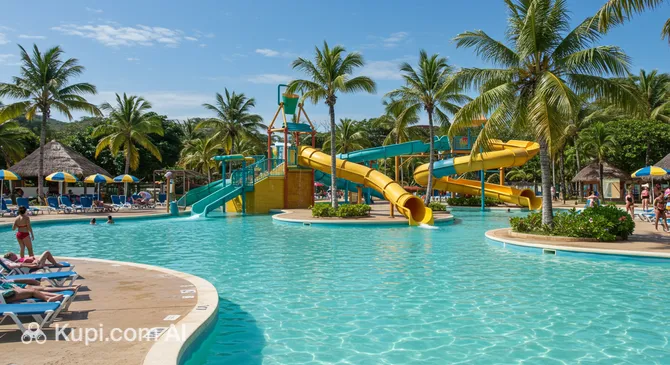
Families and nature lovers often head across the river to the Arraial Eco Park. Situated in the charming district of Arraial d'Ajuda, this water park is integrated seamlessly into the lush Atlantic Forest. It features a variety of attractions ranging from adrenaline-pumping water slides to relaxing wave pools and a lazy river. The park's unique setting allows visitors to enjoy thrilling water activities while surrounded by native vegetation and wildlife.

Arraial Eco Park. Source: Kupi.Binoculars

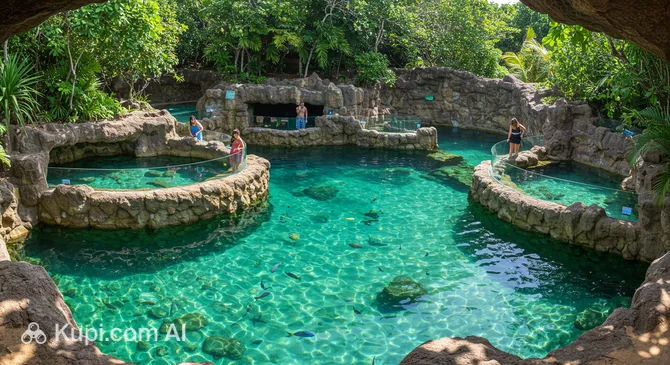
A truly unique attraction in the area is the Island of Aquariums, located on an island in the Buranhém River between Porto Seguro and Arraial d'Ajuda. This venue opens at night and combines environmental education with entertainment. Guests can explore large tanks housing sharks, stingrays, and exotic fish amidst tropical gardens. As the evening progresses, the island transforms into a nightlife hub with bars, restaurants, and live music stages, offering a distinct mix of marine life exploration and leisure.

Island of Aquariums. Source: Kupi.Binoculars

Local Cuisine

The cuisine of Porto Seguro is a delightful reflection of Bahia's rich cultural tapestry, blending indigenous, African, and Portuguese influences into vibrant and flavorful meals. The local gastronomy is heavily characterized by the use of distinct ingredients such as dendê (palm oil), coconut milk, and fresh coriander. Seafood lovers will find themselves in paradise here, as the city offers an abundance of fresh fish, shrimp, and lobster caught daily from the warm Atlantic waters.

One dish that every visitor must try is Moqueca Baiana, a rich, slow-cooked stew made with fish or seafood, vegetables, and coconut milk, typically served in a clay pot with rice and pirão (a manioc flour porridge). For a classic street food experience, look for the Baianas selling Acarajé. These deep-fried balls of black-eyed pea dough are split open and stuffed with vatapá (a creamy paste), dried shrimp, and salad. Travelers seeking a refined atmosphere to enjoy these regional specialties can visit Gallo Porto Seguro, a well-regarded restaurant known for its authentic flavors.

When it comes to beverages, Porto Seguro has a legendary signature drink known as the "Capeta." This potent and sweet cocktail is made with vodka, condensed milk, cinnamon, exotic fruits, and guarana powder, providing a burst of energy for the night ahead. For a non-alcoholic refresher, the variety of fresh fruit juices is astounding; be sure to try local favorites like cupuaçu, cacao, or graviola for a truly tropical taste.

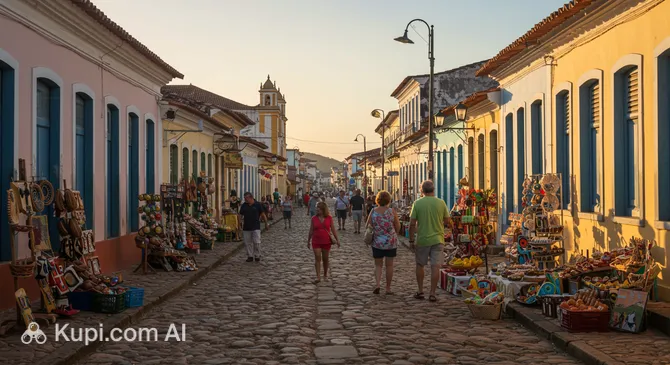
Alcohol Walkway. Source: Kupi.Binoculars

The food culture in the city revolves around social gathering spots that change with the time of day. During daylight hours, the large beach kiosks or "barracas" are the go-to places for hearty lunches served right on the sand. As evening falls, the culinary heart of the city shifts to the Alcohol Walkway (Passarela do Álcool). This bustling promenade fills with rows of stalls mixing fruit cocktails and selling traditional sweets like cocada (coconut candy) and tapioca pancakes, offering a perfect mix of dining and entertainment.

Travel Tips

Welcome to Porto Seguro, the sunny birthplace of Brazil! To help you make the most of your tropical getaway and navigate the city like a pro, we have compiled a list of essential practical tips covering everything from packing needs to local customs.

  1. Clothing and Gear: Given the tropical climate, pack lightweight, breathable fabrics like cotton or linen to stay cool. Swimwear and flip-flops are essentials, but bring a pair of comfortable walking shoes for exploring the Historic Center. Don't forget a high-SPF sunscreen, sunglasses, and a hat, as the Bahian sun can be very strong. Also, carry a universal power adapter; the local voltage is typically 220V, and plugs are Type N (three round pins).
  2. Transportation: Getting around is relatively easy. Ride-hailing apps like Uber are widely available and often cheaper than standard taxis. For short distances within the city center or to the beaches, local buses are an affordable option, though they can get crowded. If you plan to visit neighboring Arraial d'Ajuda, you will need to take the balsa (ferry) across the Buranhém River, which is a quick and scenic trip.
  3. Finances: The official currency is the Brazilian Real (BRL). Credit and debit cards are accepted almost everywhere, including most beach kiosks (barracas). However, it is wise to carry some cash for small street vendors, coconut sellers, or tips. ATMs are available in the city center and at the airport. In restaurants, a service charge of 10% is usually added to the bill, so additional tipping is optional but appreciated.
  4. Health and Safety: Pharmacies (drogarias) are plentiful in the downtown area, and some operate 24 hours a day. As a precaution, always drink bottled or filtered water rather than tap water. Use insect repellent, especially in the late afternoon, to protect against mosquitoes. While Porto Seguro is generally safe for tourists, stick to well-lit areas at night and avoid displaying expensive jewelry or electronics in quiet streets.
  5. Communication: The main language is Portuguese. English is not widely spoken outside of major hotels and tour agencies, so learning a few basic phrases like "Bom dia" (Good morning) and "Obrigado/a" (Thank you) will go a long way. WhatsApp is the primary method of communication for local businesses; getting a local SIM card or an eSIM is highly recommended for data access.
  6. Local Etiquette: Bahians are known for their warmth and friendliness. Greetings often involve a handshake or, in more informal settings, a kiss on the cheek (usually one or two). The "thumbs up" gesture is universally used to say "yes," "okay," or "thank you." While beachwear is standard on the sand, it is polite to cover up with a shirt or wrap when entering shops, restaurants, or the Historic Center.
  7. What to Avoid: Do not sunbathe topless on the beaches; despite the popularity of small bikinis, total nudity is not culturally accepted on public beaches in Brazil. Additionally, try to avoid rushing; the local pace of life is relaxed (often called "Bahia time"), so embrace the slower rhythm rather than getting impatient with service speed.
  8. Local Insight: Most shops in the Passarela do Descobrimento open late in the afternoon, around 4:00 PM or 5:00 PM, and stay open until late at night. Plan your souvenir shopping for the evening after a day at the beach, when the area comes alive with lights and market stalls.

With these tips in hand, you are ready to enjoy the vibrant culture and stunning scenery of Porto Seguro without a worry. Relax, soak up the axé energy, and have a safe and unforgettable trip!

Entertainment & Nightlife

Porto Seguro is a destination that pulses with energy, renowned across Brazil for its vibrant nightlife and festive atmosphere. The city offers a diverse array of entertainment options that cater to party-goers, families, and shoppers alike. Whether you are looking to dance to the rhythm of axé music or enjoy a quiet evening of browsing local boutiques, there is something here for everyone.

The city's entertainment scene is unique because it often starts while the sun is still shining. The famous "mega-barracas" on the beaches are not just kiosks but full-scale entertainment complexes. Venues along the coast host lively stage shows, dance instructors, and concerts throughout the day, seamlessly transitioning into party hubs at night. This beach club culture is a hallmark of the Porto Seguro experience, allowing visitors to enjoy the tropical climate while being part of a non-stop celebration.

For those who enjoy retail therapy, the city provides excellent facilities to find everything from fashion to local handicrafts. Porto Seguro Shopping is a major commercial center in the city, offering a wide variety of stores, a food court, and a cinema in a comfortable, air-conditioned environment. It is a perfect place to take a break from the heat and pick up essentials or gifts. Another convenient option is Oceania Shopping, which features a range of shops and services tailored to both locals and tourists.

Porto Seguro Shopping. Source: Kupi.Binoculars

When the sun sets, the focus shifts to the city center and the bustling walkways filled with artisans and musicians. For a more relaxed evening with drinks and good conversation, Corujão Bar & Restaurant is a popular choice among visitors. Meanwhile, those seeking a unique nocturnal adventure can revisit the island attractions, where environmental education meets nightlife in a setting surrounded by nature and illuminated aquariums.

Families traveling with children will also find plenty to do beyond the beaches. The region's water parks and eco-resorts offer thrilling slides and leisure pools integrated into the lush Atlantic Forest, providing a fun and safe environment for a full day of activity.

Parks & Museums

Porto Seguro is a destination where history and nature are inextricably linked. Beyond the bustling beaches, the city offers tranquil parks, ecological sanctuaries, and museums that preserve the memory of Brazil's origins. Visitors can easily alternate between exploring the roots of the nation and immersing themselves in the lush greenery of the Atlantic Forest.

One of the most significant cultural stops is the Discovery Memorial (Memorial da Epopeia do Descobrimento). Located near the downtown area, this botanical garden and museum transports visitors back to the year 1500. The centerpiece of the park is a life-sized replica of the Nau Capitânia, the ship used by the Portuguese navigator Pedro Álvares Cabral. Visitors can board the vessel to see cannons and artifacts, while the surrounding gardens feature native vegetation and sculptures detailing the encounter between the Portuguese and the indigenous inhabitants.

For a deeper dive into colonial history, the Upper City (Cidade Alta) functions as a preserved open-air museum. While wandering the grassy squares, you will encounter the Safe Harbor Lighthouse. This historic structure offers stunning views of the coastline and stands as a guardian of the city's maritime past. The area is protected to maintain its architectural integrity, allowing travelers to experience the atmosphere of the 16th century while enjoying the fresh ocean breeze.

Nature lovers seeking a break from the sand should explore the region's viewpoints and ecological reserves. The Mirante das Fitinhas Viewpoint, located in the neighboring district of Arraial d'Ajuda, is a serene spot surrounded by nature. It offers a peaceful atmosphere to appreciate the dense vegetation and the winding river below, making it a perfect location for photography and quiet contemplation away from the crowds.

In addition to terrestrial parks, the region is famous for the Recife de Fora Marine Park. Although it requires a boat trip to reach, this protected area is one of the most impressive natural attractions in Bahia. During low tide, natural pools form within the coral reef, allowing visitors to snorkel among colorful fish and diverse marine life in crystal-clear waters. It is a strictly preserved environment that highlights the rich biodiversity of the South Atlantic.

Getting Around

Navigating Porto Seguro is relatively straightforward, as the city offers a public transport system that is simple, functional, and well-suited for the needs of tourists. While it lacks the complexity of a metro or tram network found in larger metropolises, the combination of buses, ferries, and private options ensures that visitors can easily reach the main beaches, the historic center, and neighboring districts.

The backbone of the local public transport is the bus system. These buses are the most economical way to travel, particularly for reaching the famous beaches along the northern coast (Orla Norte), such as Taperapuã and Mundaí. The vehicles are typically identified by their destination signs displayed on the front windshield. For tourists, the most important routes are those running along the shoreline avenue (Avenida Beira Mar), which connect the city center to the major beach clubs and hotels.

A unique and essential part of the local transit experience is the ferry system, locally known as the "Balsa." Since Porto Seguro is separated from the charming district of Arraial d'Ajuda by the Buranhém River, these ferries serve as a vital link for both pedestrians and vehicles. The crossing takes about 10 minutes and offers scenic views of the river meeting the ocean. The ferries operate 24 hours a day, with departures every 30 minutes during the day and hourly intervals late at night, making it a reliable option for day trips or evening outings.

Regarding payment, cash is king in Porto Seguro's public transport. Most buses have a conductor (cobrador) seated near the turnstile who collects the fare; you simply board the bus, pay in Brazilian Reais, and pass through. It is highly recommended to carry small bills and coins, as conductors may not always have change for large banknotes. For the ferry, tickets are purchased at the booth before boarding. While some services are modernizing to accept debit cards, relying on cash remains the safest bet for seamless travel.

For those seeking more comfort or direct routes, ride-hailing apps like Uber are widely available and popular in the region. They often provide a more affordable alternative to traditional street taxis, which are white and can be found at designated stands (pontos de táxi) throughout the city. If you prefer to drive yourself, renting a car or a beach buggy is a fantastic option, giving you the freedom to explore remote beaches and the southern coast at your own pace.

A few practical tips will help you navigate like a local: when waiting for a bus, you must signal the driver with your hand to stop, as they do not stop automatically at every station. Additionally, during the peak summer season (December to February), traffic along the coastal road can be heavy, and buses may get crowded. In the historic city center, the best way to get around is on foot, allowing you to fully appreciate the colonial architecture and cobblestone streets.

Accommodation

Porto Seguro is well-equipped to host the thousands of visitors it receives annually, offering a diverse range of accommodation options that cater to every budget and travel style. The city is famous for its hospitality, providing everything from economical hostels and charming family-run guesthouses, known locally as pousadas, to sophisticated all-inclusive resorts. Vacation rentals and apartments are also increasingly popular choices for families or groups looking for more privacy and the convenience of a kitchen.

When choosing where to stay, location is a key factor to consider. The **North Coast (Orla Norte)** is the most popular area for tourists who want direct access to the beach and the vibrant day clubs. This stretch is lined with numerous hotels and provides easy access to the sand and sea. Alternatively, staying in the **City Center** places you close to historic landmarks, the airport, and the bustling nightlife of the Passarela do Descobrimento, making it convenient for those who want to explore the cultural side of the city without relying heavily on transport.

For those seeking a complete holiday experience with extensive facilities, the region boasts several renowned establishments. The Porto Seguro Beach Resort is a prime example, located right across from the popular Taperapuã Beach. It offers a family-friendly environment with pools, recreation teams, and all-inclusive service. Another exceptional option, situated just a short ferry ride away in the neighboring district, is the Arraial d'Ajuda Eco Resort. This property is celebrated for its integration with nature, private beach access, and proximity to the water park, offering a perfect blend of relaxation and adventure.

Prices in Porto Seguro can fluctuate significantly depending on the season. During the peak summer months of December through February, and especially during Carnival, rates for all types of accommodation increase, and availability becomes scarce. It is highly recommended to book your stay several months in advance if you plan to visit during these times. Reservations can be easily made through major online travel platforms or directly with the hotels, which often offer packages that include transfers and tours.

Nearby Cities

Nearby Cities:

For those looking to explore the surroundings, Porto Seguro serves as an excellent base for day trips to several interesting nearby locations.

One of the most charming destinations within reach is Canavieiras. Located roughly 86 km away, this coastal town is affectionately known as the "Crab Capital of Bahia" due to its rich mangrove ecosystems. Visitors are drawn to its well-preserved 19th-century historic center and the scenic Pardo River delta, which offers fantastic opportunities for boat tours and sport fishing. It provides a peaceful and rustic alternative to the busier beaches of Porto Seguro.

Another option for nature enthusiasts is Itamaraju, situated about 82 km from the city. This municipality is often used as a gateway for exploring the lush landscapes of the Discovery Coast. It is famous for the imposing Monte Pescoço (Neck Mountain), a rock formation that attracts hikers and photographers. The region offers a glimpse into the agricultural life of Bahia and serves as a jumping-off point for visiting nearby national parks.

City Population Distance (km)
Teixeira de Freitas 157,804 141
Itamaraju 67,249 82
Canavieiras 33,268 86
Camacan 33,197 122
Itabela 31,055 55

These nearby destinations offer a glimpse into the diverse culture and landscapes of the region, ranging from historic river towns to the vibrant agricultural interior.

Shopping & Souvenirs

Shopping in Porto Seguro offers a delightful mix of traditional Bahian culture and modern convenience, making it easy to find unique souvenirs and beach essentials. The city is not known for high-end luxury brands, but rather for its vibrant street markets, colorful handicrafts, and relaxed atmosphere. Visitors can expect to find excellent beachwear, indigenous art, and locally produced sweets, all while enjoying the warm tropical breeze.

The heart of the city's commercial life beats strongest at the Passarela do Descobrimento, also widely known as the Alcohol Walkway. While famous for its cocktails, this promenade transforms into a bustling open-air market every evening. Rows of illuminated stalls line the street, selling everything from hand-painted t-shirts and lace clothing to intricate wooden carvings. It is the perfect place to stroll after sunset, soaking in the lively energy while hunting for gifts.

For those preferring a more conventional retail experience with air conditioning, Porto Seguro Shopping is the main mall in the city center. It features a variety of national clothing brands, electronics stores, and a cinema, providing a comfortable escape from the midday heat. Nearby, the smaller Oceania Shopping offers a selection of boutiques and services, convenient for quick purchases without leaving the downtown area.

A short ferry ride across the river leads to another fantastic shopping destination: the Historic Center of Arraial d'Ajuda. The charming Rua do Mucugê is often called the "most charming street in Brazil" and is lined with rustic-chic boutiques. Here, tourists can find high-quality resort wear, designer swimwear, and artistic jewelry that reflect the bohemian vibe of the district.

When it comes to souvenirs, authentic local items are the best choice. Look for handicrafts made by the Pataxó indigenous people, such as seed necklaces, wooden utensils, and feather art, which are often sold directly by artisans in the historic centers. Edible treats are also popular; be sure to pick up some cocada (coconut candy) or chocolate produced in the nearby cocoa-growing regions of Bahia. The colorful ribbons of Senhor do Bonfim are a must-buy token of good luck to bring back home.

Store opening hours in Porto Seguro vary by location. Street shops and malls typically open around 10:00 AM and close by 10:00 PM. However, the stalls at the Passarela do Descobrimento usually only start setting up in the late afternoon, around 5:00 PM, and stay open until well past midnight. Credit and debit cards are widely accepted, even at small market stalls, but carrying some cash is always useful for small purchases or bargaining with street vendors. Prices generally include all taxes, so the price you see is the price you pay.

Reached the end of the page?

That means the route is fully explored