Support

Ilheus

About

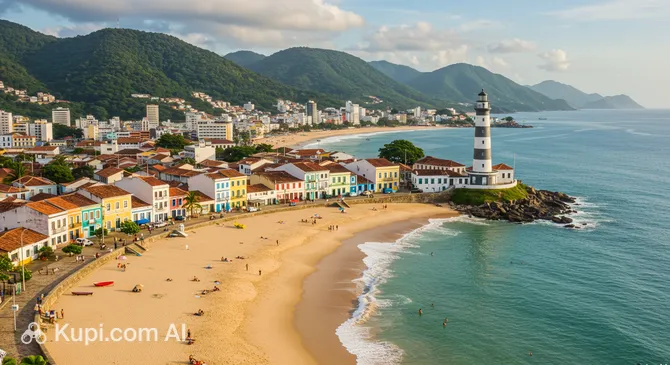
Ilhéus is one of the most charming and culturally rich destinations in the state of **Bahia**. Often referred to as the "Cocoa Capital," this coastal city blends stunning natural beauty with a deep literary heritage. Located in northeastern Brazil, Ilhéus is home to approximately **180,000 residents** and serves as a major gateway to the famous Cocoa Coast. Its tropical climate and lush Atlantic Forest surroundings make it a year-round paradise for sun-seekers and nature enthusiasts alike.

Ilheus. Source: Kupi.Binoculars

The city is perhaps best known as the muse for the renowned Brazilian writer **Jorge Amado**, who set several of his famous novels, such as Gabriela, Clove and Cinnamon, in its streets. Visitors exploring the history of Ilheus will discover a fascinating past rooted in the golden age of cocoa cultivation, which brought immense wealth and European-style architecture to the region. Walking through the historic center, you can still feel the atmosphere of that era in landmarks like the iconic **Bar Vesúvio** and the **Bataclan**.

Beyond its cultural allure, Ilhéus offers miles of pristine coastline. Popular spots like **Praia dos Milionários** and **Praia do Sul** are perfect for relaxing by the ocean or enjoying local seafood at beachside kiosks. Whether you are interested in touring a traditional cocoa farm to taste artisanal chocolate or simply want to unwind on golden sands, Ilhéus promises an unforgettable experience filled with flavor, history, and hospitality.

Weather Overview

Ilhéus features a tropical climate with warm and pleasant weather throughout the year, making it an inviting destination regardless of the season. The temperatures are remarkably consistent, typically hovering between average highs of **28°C** and lows of **20°C**. February is generally the warmest month, with an average temperature of **26.2°C**, while July is the coolest, averaging around **22.1°C**.

Travelers should be aware that rainfall is a constant companion in this lush region. The weather pattern is characterized by a high frequency of wet days, often exceeding **20 days** per month even during the milder seasons. Expect warm summers with regular showers and mild winters that maintain a comfortable tropical atmosphere.

Interesting Facts

Beyond the golden sands and literary fame, Ilhéus holds several fascinating secrets that tell the story of its opulent past and vibrant culture. Here are some intriguing facts about this coastal gem that often escape the casual visitor.

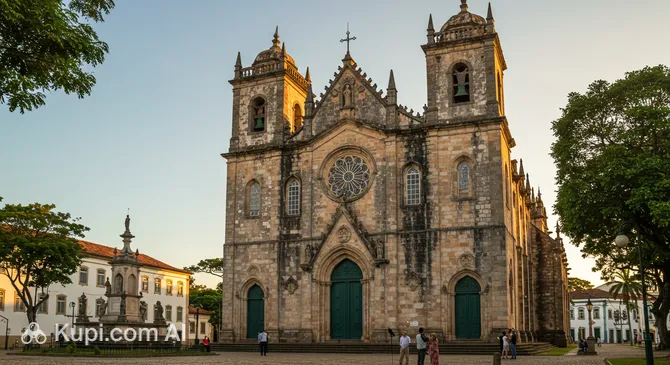
St. Sebastian Cathedral. Source: Kupi.Binoculars
  • The magnificent Jorge Amado House of Culture has a lucky origin story; the palatial residence was built by the writer's father, João Amado de Faria, after he won a grand prize in the national lottery, allowing for the construction of one of the city's most beautiful eclectic buildings.

  • While the city is famous for cocoa, it also houses a significant piece of religious history at the Rio de Engenho district, home to the Chapel of Santana (Capela de Santana); dating back to the 17th century, it is considered the third oldest rural church in all of Brazil.

  • The imposing St. Sebastian Cathedral is a symbol of persistence, as its construction spanned over thirty years; the project was a dream of the local bishop and was designed to rival the grandeur of European temples, finally consecrated in 1967.

  • Ilhéus is the starting point of the "Estrada do Chocolate" (Chocolate Road), a thematic route connecting the city to Uruçuca, where tourists can visit historic farms to see the entire process of chocolate making, from the cocoa fruit to the final gourmet bar.

How to Get There

Reaching Ilheus is relatively straightforward, with options ranging from a convenient local airport to larger international hubs in the Bahia region. For a complete overview of travel methods and routes, you can read more about how to get to Ilheus.

The most direct entry point is the Ilheus/Bahia-Jorge Amado Airport (IOS), which is situated just 2.0 km from the city center. This proximity allows for a very quick transfer to local hotels. For those arriving from further afield, the Deputado Luis Eduardo Magalhaes International Airport (SSA) in Salvador serves as a major gateway. Although it is located about 222 km from Ilheus, it handles a high volume of international traffic. The journey by road from Salvador typically takes around 6 hours. Alternatively, travelers can fly into Porto Seguro Airport (BPS) in Porto Seguro, which is approximately 182 km away, requiring a transfer time of about 5 hours by taxi or bus.

For clarity, here is a summary of the main airports:

Airport Name City Passenger Traffic Km from City
Deputado Luis Eduardo Magalhaes International AirportSalvadorHigh222.2
Porto Seguro AirportPorto SeguroMedium181.6
Ilheus/Bahia-Jorge Amado AirportIlheusMedium2.0
Vitoria da Conquista AirportVitoria da ConquistaLow196.9

Main Attractions

Ilhéus offers a captivating mix of history, literature, and natural beauty. The city's golden age of cocoa cultivation has left a legacy of stunning architecture, while its coastline provides breathtaking views and relaxing spots. Here are some of the top places to visit to truly experience the spirit of this Bahian destination.

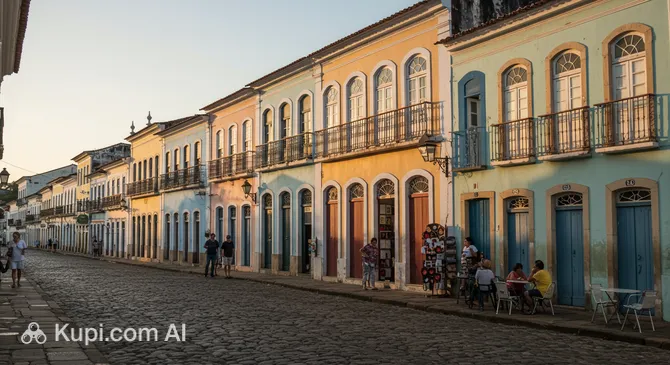
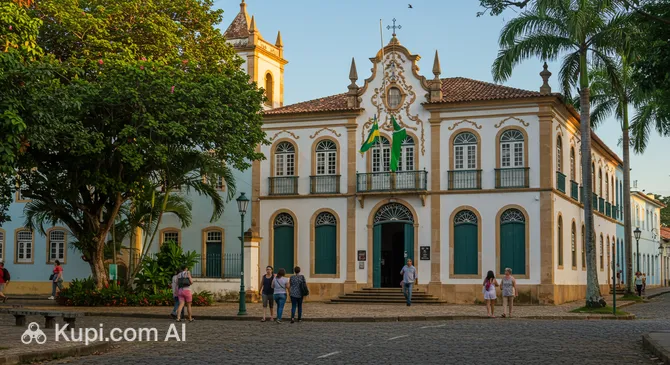
The Historic Center of Ilhéus is the best place to start your journey. Walking through its streets feels like stepping into the pages of a history book, where well-preserved colonial mansions and cobblestone pathways reveal the wealth of the cocoa barons. It is a vibrant area filled with culture, allowing tourists to admire the architectural beauty that defines the city's past while enjoying the lively atmosphere of the present.

Historic Center of Ilhéus. Source: Kupi.Binoculars

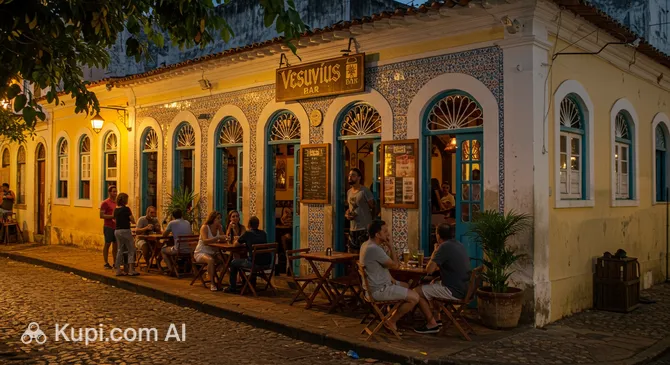
One of the most famous landmarks in the city is the Vesuvius Bar. Immortalized in Jorge Amado's classic novel Gabriela, Clove and Cinnamon, this establishment is a pilgrimage site for literature fans. Visitors come here not just for the food and drinks, but to experience the nostalgic ambiance of the 1920s and to see the statue of the renowned author seated at a table. It is the perfect spot to enjoy local snacks and immerse yourself in the city's literary heritage.

Vesuvius Bar. Source: Kupi.Binoculars

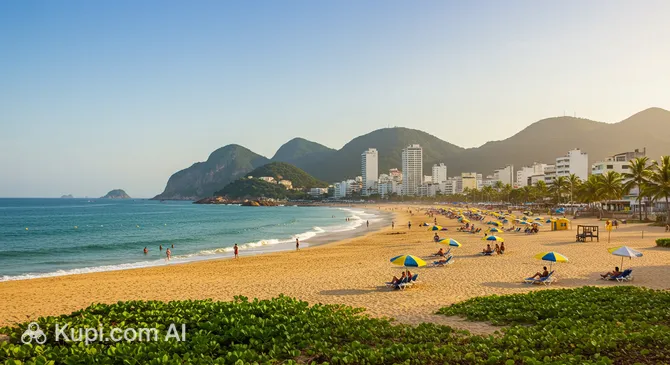
For a relaxing day by the water, Concha Beach is a favorite among locals and tourists alike. Located near the mouth of the Cachoeira River, this small beach is protected by natural barriers, resulting in very calm waters ideal for swimming and kayaking. Its proximity to the city center and the scenic view of the surrounding bay make it a convenient and picturesque escape for families and sunbathers.

Concha Beach. Source: Kupi.Binoculars

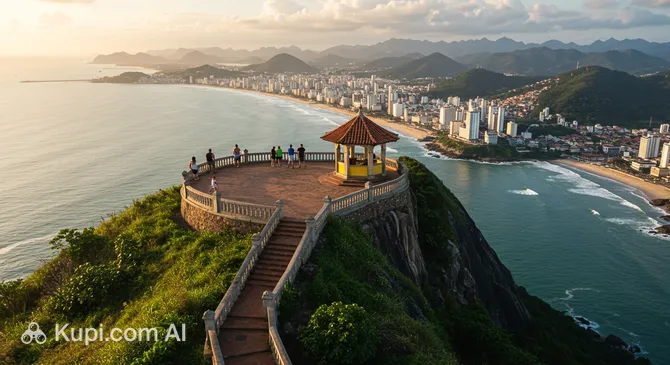
To capture the best panoramic views of the region, a visit to the Piedade Lookout is essential. From this elevated vantage point, you can gaze out over the vast Atlantic Ocean, the bustling port, and the sweeping coastline of Ilhéus. It is a fantastic location for photography, offering a unique perspective on how the lush green vegetation meets the deep blue sea.

Piedade Lookout. Source: Kupi.Binoculars

Local Cuisine

The culinary scene in Ilhéus is a delightful reflection of its location on the Cocoa Coast and its deep roots in Bahian culture. The local gastronomy blends African, Indigenous, and Portuguese influences, resulting in dishes that are rich in flavor and aroma. Key ingredients include dendê oil (palm oil), coconut milk, ginger, and fiery peppers, which come together to create the region's signature taste. Seafood lovers will be in paradise, as fresh fish, shrimp, and crab are staples on nearly every menu.

No visit to this region is complete without trying a traditional Moqueca, a slow-cooked stew typically made with fish or shrimp, tomatoes, onions, coriander, and coconut milk, served bubbling in a clay pot. Another iconic street food is Acarajé, a deep-fried fritter made from black-eyed pea dough, stuffed with spicy pastes and shrimp. Since Ilhéus is the "Cocoa Capital," visitors should also indulge in the local chocolate. Unlike generic brands, the chocolate here is often single-origin and artisanal. Be sure to try fresh cocoa juice or desserts made with cupuaçu, a delicious tropical fruit related to cocoa.

Dining in Ilhéus is also a journey through history. The legendary Vesuvius Bar is a must-visit landmark. Famous for being a setting in Jorge Amado's novel Gabriela, Clove and Cinnamon, it offers a nostalgic atmosphere where you can enjoy Arab-influenced snacks, such as kibbeh, which are a nod to the characters in the book. It is a perfect spot to soak in the literary heritage of the city while enjoying a cold drink.

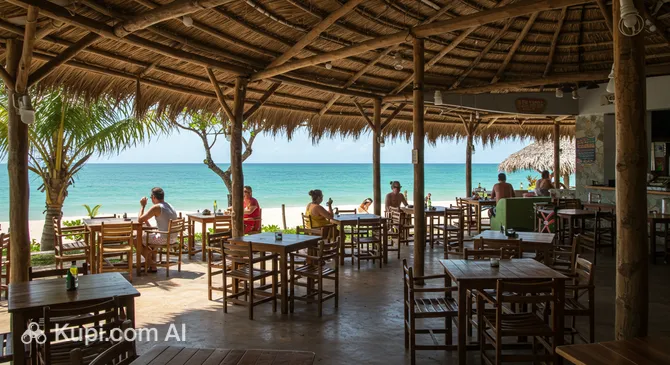
For those craving a quick and savory bite, Praia Sul Empada Cabana is highly recommended. This establishment is renowned for its empadas, which are small, baked savory pies with a flaky crust and various delicious fillings. It is a great place to stop for a snack after a day at the beach.

Praia Sul Empada Cabana. Source: Kupi.Binoculars

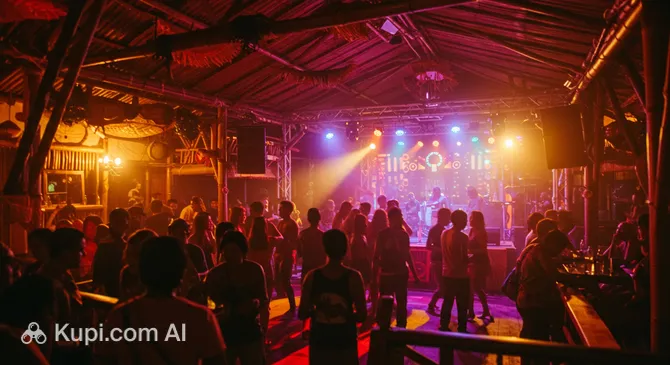
If you are looking for a lively evening atmosphere, Mar Aberto Music Bar combines good food with entertainment. Located by the sea, it is a popular venue for enjoying local music, refreshing cocktails, and a variety of appetizers, making it an excellent choice for experiencing the city's vibrant nightlife.

Mar Aberto Music Bar. Source: Kupi.Binoculars

Travel Tips

Welcome to Ilhéus, a captivating destination where the aroma of cocoa fills the air and the relaxed Bahian rhythm sets the pace for your vacation. To help you navigate this tropical paradise with ease and confidence, we have compiled a set of essential practical tips for your journey.

  1. Clothing and Gear: Given the tropical heat and humidity, pack lightweight, breathable fabrics like cotton or linen to stay cool. Comfortable walking shoes or sturdy sandals are a must for navigating the cobblestone streets of the historic center. Since rain showers can occur year-round, carrying a compact umbrella or a light rain poncho is highly recommended. Don't forget high-SPF sunscreen, sunglasses, and a hat for beach days.
  2. Transportation: Ride-hailing apps like Uber and 99 are widely used, safe, and often more convenient than navigating the local bus system, especially if you do not speak Portuguese. Taxis are also available at designated stands. If you plan to explore the distant beaches along the Cocoa Coast, renting a car provides the most flexibility, though parking in the city center can be challenging during peak hours.
  3. Finances: The official currency is the Brazilian Real (BRL). While credit and debit cards are widely accepted in hotels, restaurants, and shops, it is wise to carry some cash for beach kiosks, street vendors, or small purchases. ATMs are available throughout the city, but it is safer to use those located inside banks or shopping centers. A service charge of 10% is typically added to restaurant bills, so additional tipping is optional but appreciated for exceptional service.
  4. Health and Safety: Pharmacies are plentiful in the city center, with some major chains opening late, though 24-hour options may be limited. As in many tropical destinations, mosquito repellent is essential to protect against insect-borne ailments. In terms of safety, stick to well-lit, populated areas at night and avoid walking on deserted beaches after dark. Keep expensive electronics and jewelry discreet to avoid attracting unwanted attention.
  5. Communication: Portuguese is the primary language, and English is not widely spoken outside of major hotels and tourist agencies. Learning a few basic phrases like "Bom dia" (Good morning) and "Obrigado/a" (Thank you) will go a long way with the friendly locals. It is highly advisable to download an offline translation app and offline maps before you arrive. Wi-Fi is common in cafes and hotels, but buying a local SIM card or an e-SIM is best for reliable connectivity.
  6. Local Etiquette: Bahians are known for their warmth and hospitality. Greetings often involve a handshake or, among women, a kiss on the cheek. It is polite to greet shopkeepers and service staff when entering an establishment. The pace of life here is relaxed, often referred to as "Bahian time," so patience and a smile are your best assets when service is slower than what you might be used to.
  7. What to Avoid: Do not drink tap water; always opt for bottled or filtered water to avoid stomach issues. Additionally, avoid flashing large amounts of cash or leaving your belongings unattended on the beach while swimming, as opportunistic theft can happen.
  8. Chocolate Tip: Since you are in the Cocoa Capital, do not settle for generic supermarket chocolate. Look for "bean-to-bar" chocolates produced locally by small farms (fazendas). These make for unique souvenirs and offer a taste of the region's true heritage.

By keeping these practical tips in mind, you will be well-prepared to embrace the vibrant culture and stunning scenery of Ilhéus without worry. Enjoy the golden beaches, the rich history, and the sweet flavors of this unique corner of Bahia!

Entertainment & Nightlife

The nightlife in Ilhéus reflects the city's tropical, laid-back spirit. Rather than large, thumping nightclubs, the evening scene is characterized by lively bars, beach kiosks (cabanas) that stay open late, and venues offering live music. The atmosphere is generally casual and welcoming, with locals and tourists mingling in open-air settings to enjoy the warm Bahian breeze. The dress code is relaxed; shorts and sandals are acceptable in most places, though a "sport-chic" look is common in the historic center.

The Historic Center is the heart of the city's bohemian life. As the sun sets, the cobblestone streets around Praça Dom Eduardo illuminate, creating a charming backdrop for an evening out. A staple of the local scene is the Vesuvius Bar. While famous for its food, it transitions into a sophisticated watering hole at night. It is the perfect place to start the evening with a draft beer, often accompanied by piano music or soft jazz, immersing yourself in the golden era of the cocoa barons.

For those seeking a more energetic vibe with dancing and local rhythms, the Pontal neighborhood and the southern coast (Zona Sul) are the places to be. This area is home to several venues that host live bands playing MPB (Popular Brazilian Music), forró, and rock. A standout location is the Mar Aberto Music Bar. Situated right by the ocean, it is renowned for its lively program of live performances and DJ sets, attracting a crowd eager to dance and enjoy creative cocktails by the sea.

Cannon Lookout. Source: Kupi.Binoculars

Another popular way to enjoy the nightlife is to visit the "passarelas do álcool" (alcohol walkways) or small clusters of bars near the beach, where you can sample capeta, a potent local cocktail made with vodka, condensed milk, guarana powder, and fruit. The bustling Avenida Soares Lopes is also a hub of activity, where families and groups of friends gather for evening strolls, street food, and small amusement rides.

During the day, entertainment in Ilhéus is deeply rooted in culture and nature. Before the nightlife begins, visitors can explore the rich literary history at the Jorge Amado House of Culture or visit the various museums dedicated to the cocoa industry. For outdoor enthusiasts, the daytime is best spent on the extensive beaches or taking river tours, while the theaters in the city center occasionally host plays and musical events.

Practical Advice: The nightlife typically peaks between 9:00 PM and 1:00 AM. Prices are generally affordable compared to larger Brazilian capitals. In terms of safety, the main tourist areas like the Historic Center and Pontal are relatively safe at night, but it is advisable to avoid walking on deserted beaches or poorly lit streets after dark. Ride-sharing apps and taxis are the safest and most convenient way to move between districts, especially if you are staying near the southern beaches.

Parks & Museums

Ilhéus is a city where the lush Atlantic Forest meets a rich cultural tapestry. Beyond its famous coastline, the city offers verdant public spaces and institutions that preserve the golden era of the cocoa barons and the literary legacy of Jorge Amado. Whether you are looking for a peaceful stroll by the sea or a deep dive into Bahian history, the city provides a diverse array of attractions.

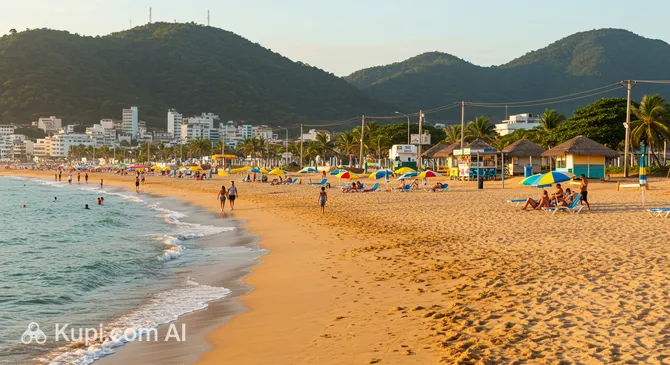
One of the most prominent outdoor spaces is Avenida Beach (Avenida Soares Lopes). While it features a sandy coastline, its wide, landscaped promenade functions as the city's central park. Lined with trees, gardens, and sports courts, it is the perfect place for walking, cycling, or simply enjoying the sea breeze while admiring the view of the bay and the Christ the Redeemer statue.

Avenida Beach. Source: Kupi.Binoculars

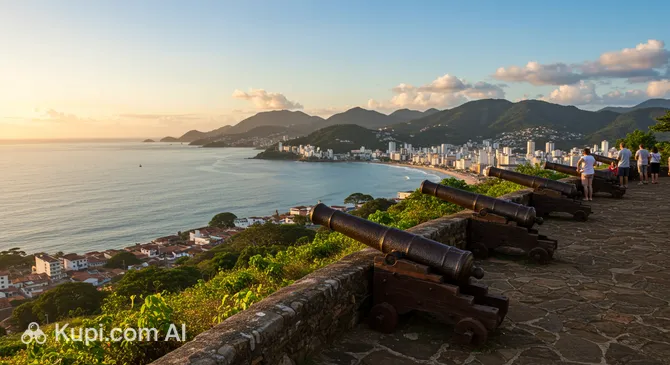
For a more rugged natural experience, the Cannon Lookout offers a spectacular vantage point where the Cachoeira River meets the Atlantic Ocean. This rocky outcrop is a favorite spot for locals and tourists to watch the sunset. It serves as a natural balcony, allowing visitors to appreciate the raw beauty of the coastline and the surrounding vegetation in a peaceful setting.

The crown jewel of the city's cultural scene is the Jorge Amado House of Culture. Housed in a stunning palatial residence built by the writer's father, this museum is dedicated to the life and work of Brazil's most beloved author. Visitors can explore the preserved rooms with original furniture, view personal artifacts, and learn about the real-life inspirations behind famous novels like Gabriela, Clove and Cinnamon.

Jorge Amado House of Culture. Source: Kupi.Binoculars

Another essential cultural stop is the Historic Center of Ilhéus itself, which acts as a living, open-air museum. The streets are lined with well-preserved colonial mansions that reflect the immense wealth of the cocoa boom era. Walking here allows you to admire the intricate architecture and soak in the atmosphere of the early 20th century.

Dominating the skyline of the historic district is the majestic St. Sebastian Cathedral. This architectural masterpiece is a monument to the city's perseverance, as it took decades to complete. Its towering spires, neoclassical design, and beautiful stained glass windows make it a must-see landmark for anyone interested in religious art and history.

For a truly authentic experience, consider venturing slightly out of the city center to visit a working cocoa farm (fazenda). Many of these historic estates have opened their doors to tourists, offering tours where you can walk through the "cabruca" (cocoa grown under the forest canopy) and taste the fruit fresh from the tree, providing a deeper connection to the region's "green gold" heritage.

Getting Around

The public transport system in Ilhéus is primarily based on a network of municipal buses. Unlike larger metropolitan areas, the city does not have a metro, tram, or train service. The bus network is extensive and connects the central districts with the northern and southern coastal zones, as well as residential neighborhoods. Two main companies, Viametro and São Miguel, operate the fleet, and you will easily recognize the buses by their distinct liveries. For tourists, the most useful lines are those running along the coast, linking the historic center to the popular beaches of the Zona Sul (South Zone) and Zona Norte (North Zone).

Regarding payment, the system is relatively traditional. While local residents use rechargeable electronic cards (such as the Ilhéus Card), visitors can simply pay in cash directly on the bus. When you board, usually through the front door, you will find a conductor (known as a cobrador) seated near the turnstile. It is advisable to carry small bills and coins, as breaking large banknotes can sometimes be difficult. The fare is affordable, generally costing a few Reais per trip.

For a smooth experience, it is important to know that bus stops are not always clearly marked with timetables. It is common practice to signal the driver with a wave of your hand to ensure the bus stops for you. Operating hours typically run from early morning, around 5:00 AM, until approximately 11:00 PM or midnight. However, frequency drops significantly after 8:00 PM and on Sundays. If you are planning a late night out, relying solely on buses may not be the most convenient option.

Given the limitations of the bus schedule, many tourists prefer alternative modes of transport. Ride-sharing apps like Uber and 99 are extremely popular in Ilhéus. They offer a safe, air-conditioned, and often very reasonably priced alternative to public buses, especially for groups or those carrying luggage. Traditional white taxis are also widely available at designated stands (pontos de táxi) throughout the city and at the airport, operating with a taximeter.

For those wishing to explore the stunning Cocoa Coast at their own pace, renting a car is a popular choice. This allows for easy day trips to nearby secluded beaches or cocoa farms that public transport may not reach directly. Additionally, the historic center is compact and best explored on foot, as many of the main attractions, such as the Cathedral and the Vesúvio Bar, are located within short walking distance of each other.

Accommodation

Where to Stay:

Accommodation in Ilhéus caters to a wide variety of travel styles and budgets, ranging from luxurious beachfront resorts to charming, family-run guesthouses known as pousadas. Whether you are looking for a full-service experience with swimming pools and ocean views or a simple, budget-friendly hostel for a backpacking trip, the city offers plenty of options. The hospitality here is warm and welcoming, reflecting the relaxed Bahian culture.

For most tourists, the decision on where to stay comes down to a choice between the beach and history. The **South Zone (Zona Sul)** is the most popular area for vacationers. Stretching along the coastline towards Olivença, this region is home to the majority of large hotels and resorts. Staying here places you directly on the golden sands of beaches like Praia dos Milionários, making it ideal for those who want to spend their days by the sea while still being a short taxi ride away from the city center.

Alternatively, staying in the **City Center** or the historic district offers a completely different vibe. This area is perfect for culture enthusiasts who want to be within walking distance of major landmarks such as the Historic Center of Ilhéus and the famous Vesuvius Bar. Accommodation here tends to be in smaller, colonial-style buildings that provide a sense of immersion in the city's "cocoa era" past. It is also convenient for accessing shops, banks, and public transport.

For those seeking tranquility and nature, the **North Zone (Zona Norte)** offers a more secluded experience. This area is less developed than the south, featuring rustic inns and eco-lodges tucked away near quieter stretches of the Atlantic Forest and pristine beaches. It is an excellent choice for travelers looking to disconnect and enjoy the natural beauty of the Cocoa Coast away from the crowds.

Booking Tips and Prices: Prices in Ilhéus are generally reasonable compared to other major Brazilian coastal destinations. Budget travelers can find hostels and simple guesthouses for very affordable rates, while mid-range hotels offer great value. However, prices can rise significantly during the high season (December to February) and during Carnival. It is highly recommended to book your accommodation well in advance if you plan to visit during these peak times. Most properties are listed on major online booking platforms, but contacting smaller pousadas directly can sometimes yield better deals or personalized service.

Nearby Cities

For those looking to explore the surroundings, Ilheus serves as an excellent base for day trips to several interesting nearby locations. The region known as the Cocoa Coast is dotted with charming towns, ecological sanctuaries, and historic municipalities that offer a deeper insight into the Bahian way of life.

One of the most popular destinations for a day trip is Itacare. Located just a short drive north along the coast, it is a haven for eco-tourism and surfing. Unlike the long, flat beaches of Ilhéus, Itacaré features small, secluded coves surrounded by rocky cliffs and Atlantic Rainforest. It is the perfect spot for those seeking adventure, with opportunities for hiking to hidden waterfalls, rafting on the Contas River, or simply relaxing on stunning beaches like Resende and Tiririca.

To the south lies Canavieiras, a tranquil town often referred to as the "Crab Capital" of Bahia due to its rich mangrove ecosystems. It offers a delightful historic center near the port, with colorful colonial buildings that date back to the cocoa boom. Visitors can enjoy boat tours through the Pardo River estuary or indulge in some of the freshest seafood in the state. For a different experience, the nearby city of Itabuna serves as a major commercial hub and offers a glimpse into the urban side of the region, being the birthplace of Jorge Amado.

City Population Distance (km)
Itabuna 219,680 27
Camamu 36,435 95
Canavieiras 33,268 98
Camacan 33,197 85
Itacare 27,619 57

These nearby destinations offer a glimpse into the diverse culture and landscapes of the region, ranging from bustling commercial centers to serene ecological paradises.

Shopping & Souvenirs

Shopping in Ilhéus is a delightful experience that reflects the city's identity as the "Cocoa Capital." While you will not find massive, sprawling luxury malls within the city limits, the shopping scene is vibrant, authentic, and deeply connected to local culture. The experience focuses less on international fashion brands and more on regional products, particularly anything related to cocoa, chocolate, and the literary world of Jorge Amado. Visitors can expect a relaxed atmosphere where strolling through open-air commercial districts is the norm.

The primary hub for shopping is the downtown area, particularly around the Calçadão da Rua Marquês de Paranaguá. This pedestrian-friendly street and its surroundings are lined with a variety of stores selling clothing, footwear, and accessories. It is the commercial heart of the city, bustling with locals and offering a glimpse into daily life in Bahia. Here, you can find everything from practical travel necessities to typical Brazilian beachwear. Nearby, the Historic Center of Ilhéus offers a more specialized shopping experience, with boutique shops housed in colonial buildings offering high-quality souvenirs and artisanal goods.

For a concentrated selection of local crafts, the Mercado de Artesanato (Handicraft Market) is the place to go. Located in the city center, this market is a treasure trove for tourists seeking authentic Bahian keepsakes. You will find stalls overflowing with colorful handmade items, including lace, embroidery, wood carvings, and ceramics. It is also an excellent spot to pick up t-shirts with local prints or items referencing the characters from Jorge Amado's novels.

When it comes to souvenirs, chocolate is the undisputed king. Ilhéus is famous for its "bean-to-bar" chocolate movement, and there are numerous specialized shops scattered throughout the center and near the main tourist sites. Unlike standard mass-market bars, these chocolates are made with premium cocoa from local farms (fazendas) and come in various percentages of purity. Besides bars, you can buy cocoa nibs, cocoa honey (mel de cacau), and cocoa liqueur. Another popular souvenir is literature; copies of Gabriela, Clove and Cinnamon are widely available, often sold near the Jorge Amado House of Culture.

Most shops in Ilhéus operate during standard business hours, typically opening around 9:00 AM and closing by 6:00 PM on weekdays. On Saturdays, many stores close earlier, usually around 1:00 PM, and most remain closed on Sundays, except for some souvenir shops and those located near major tourist attractions. Credit and debit cards are widely accepted, even in smaller stalls at the handicraft market, though carrying some cash is always advisable for small purchases or bargaining with street vendors.

Regarding tax-free shopping, Brazil generally operates a tax-inclusive pricing system for consumers, and a tax refund scheme for international tourists is not standard practice in typical retail stores in Ilhéus. The price you see on the tag is the final price you pay.
Reached the end of the page?

That means the route is fully explored