Support

Feira de Santana

About

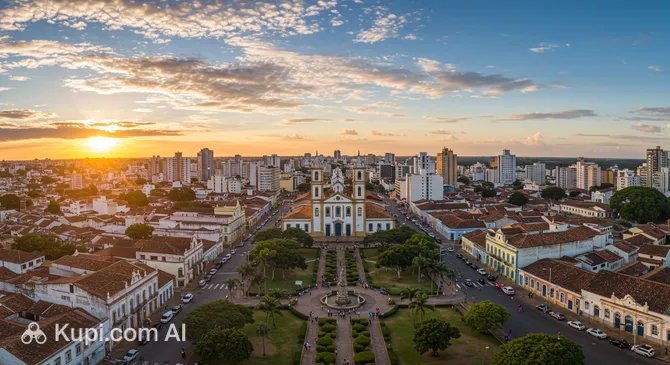
Feira de Santana, affectionately known as the Princesa do Sertão (Princess of the Backlands), is a dynamic city located in the state of Bahia. As the second-largest city in the state, it serves as a vital commercial and logistical hub in the northeastern region of Brazil. The city sits at a strategic crossroads connecting the humid coastal region with the semi-arid interior, creating a unique cultural blend that is evident in its bustling streets and warm atmosphere.

Feira de Santana. Source: Kupi.Binoculars

With a population of over 600,000 residents, the city is lively and constantly evolving. Its origins are deeply rooted in trade, having started as a meeting point for cattle drivers and merchants. Travelers interested in the past can delve into the fascinating history of Feira de Santana to learn how these early markets shaped its modern identity. Today, the climate remains warm and inviting, typical of the tropical region, making it accessible for visits year-round.

Visitors will find several points of interest that highlight local culture. The Mercado de Arte Popular is a must-visit for those seeking authentic handicrafts, leather goods, and regional literature known as cordel. Another highlight is the Museu Parque do Saber, an impressive architectural landmark dedicated to science and education. Whether you are passing through on a road trip or stopping to experience the famous Micareta street festival, Feira de Santana offers a genuine and energetic slice of Bahian life.

Weather Overview

The city generally enjoys a warm climate year-round, characteristic of its location in Bahia. During the peak of summer, particularly in February, average temperatures hover around 27.8°C, with daytime highs often reaching 32.5°C. Even in the cooler months like July, the weather remains mild and comfortable, with average temperatures of 22.5°C and nightly lows rarely dipping below 19°C.

Rainfall patterns vary throughout the year, with a distinct increase in frequency during the cooler season. The middle of the year tends to see the highest number of rainy days, with June experiencing precipitation on up to 23 days. In contrast, the end of the year is drier, with October typically having only about 9 wet days. For the most accurate and up-to-date information, checking the weather in Feira de Santana is recommended before packing for your trip.

Interesting Facts

Beyond the bustling commercial avenues, Feira de Santana holds a treasure trove of historical curiosities and cultural milestones. From pioneering festivals to astronomical achievements, the city has played a surprising role in shaping regional identity.

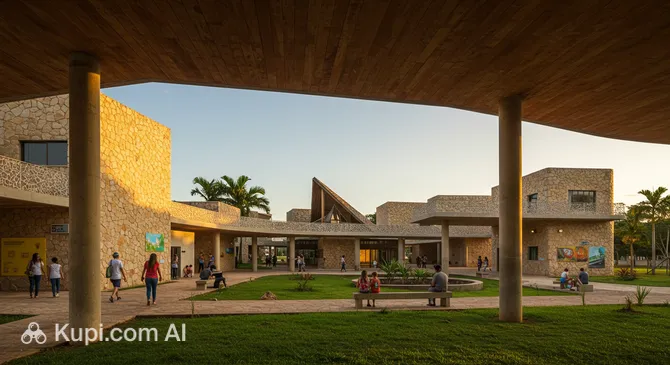
Knowledge Park Museum – Dival da Silva Pitombo. Source: Kupi.Binoculars
  • The city is widely credited with inventing the Micareta, Brazil's first off-season Carnival. This tradition began in 1937 when torrential rains forced the cancellation of the regular February festivities, leading the population to celebrate in April instead—a custom that has since spread to many other Brazilian cities.

  • Astronomy enthusiasts might be surprised to find that the Knowledge Park Museum – Dival da Silva Pitombo houses one of the most advanced planetariums in Latin America. It was one of the first in the region to install the sophisticated ZKP-4 optical instrument, making it a major technological reference outside the country's capital cities.

  • The poetic nickname "Princesa do Sertão" (Princess of the Backlands) was not just a popular label but was famously bestowed by the renowned Brazilian jurist Ruy Barbosa. He coined the term during a visit in 1919, recognizing the city's pivotal role as the gateway to the vast interior of Bahia.

  • Local history is deeply intertwined with the legend of Lucas da Feira, a 19th-century escaped slave who became a notorious yet charismatic outlaw. His life story is a staple of the region's oral tradition and is frequently depicted in the cordel literature booklets found at the Folk Art Market.

How to Get There

Reaching Feira de Santana is straightforward thanks to its status as a major logistical hub in Bahia, sitting at the crossroads of important federal highways. While the city has its own regional airport with limited air connectivity, the most convenient way for visitors to arrive is often via the state capital's larger infrastructure. For detailed planning, you can read more about how to get to Feira de Santana and choose the route that best suits your itinerary.

Although the local Governor João Durval Carneiro Airport serves the immediate area, flight schedules can be sparse. Therefore, the primary entry point for most travelers is the Deputado Luis Eduardo Magalhaes International Airport (IATA: SSA), located approximately 99.8 km away in Salvador. This major international hub welcomes flights from across the globe. From Salvador, reaching Feira de Santana is a simple journey of about 1.5 to 2 hours by rental car, taxi, or intercity bus along the BR-324 highway.

For those exploring the broader region, Aracaju Airport (IATA: AJU) in the neighboring state of Sergipe is another possibility, though it is situated significantly further away at around 249 km. Travelers opting for this route should anticipate a ground transfer of roughly 3.5 to 4 hours. While less direct than arriving via Salvador, it serves as a functional alternative for itineraries that include the coastal areas north of Bahia.

Below is a summary of the nearest major airports to help you plan your arrival:

Airport Name City Passenger Traffic Km from City
Deputado Luis Eduardo Magalhaes International AirportSalvadorHigh99.8
Aracaju AirportAracajuMedium249.4
Ilheus/Bahia-Jorge Amado AirportIlheusMedium283.6
Coronel Horacio de Mattos AirportLençóisLow253.2

Regarding ground transportation, Feira de Santana is known as the "Gateway to the Backlands" largely due to its exceptional road links. The city's bus terminal (Rodoviária) is one of the busiest in the region, offering frequent and comfortable coach services to major cities throughout Brazil. While passenger train services are not a viable option in this part of the country, the comprehensive network of highways ensures that arriving by car or bus is both efficient and scenic.

Main Attractions

While Feira de Santana is famous for its commercial energy, it also boasts a variety of landmarks that reflect its religious heritage, modern development, and appreciation for nature. Visitors can explore architectural gems in the city center or take a break in the pleasant urban parks that offer a respite from the bustling streets.

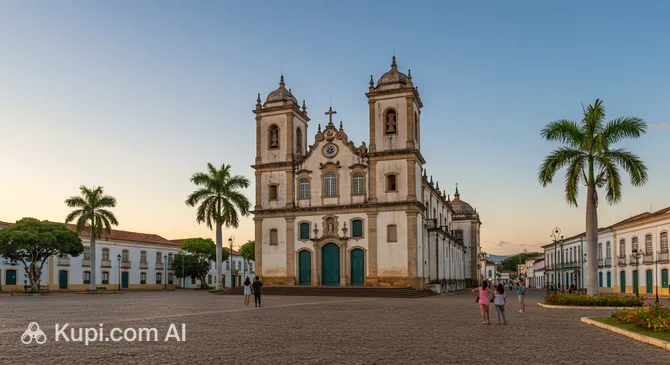
One of the most significant religious sites in the city is the St. Ann Cathedral (Catedral Metropolitana de Sant'Ana). Located in the heart of the city, this church is dedicated to the patron saint of Feira de Santana and serves as the seat of the local Archdiocese. Its architecture is simple yet imposing, featuring beautiful stained glass windows and a serene atmosphere that invites quiet reflection amidst the busy downtown area.

St. Ann Cathedral. Source: Kupi.Binoculars

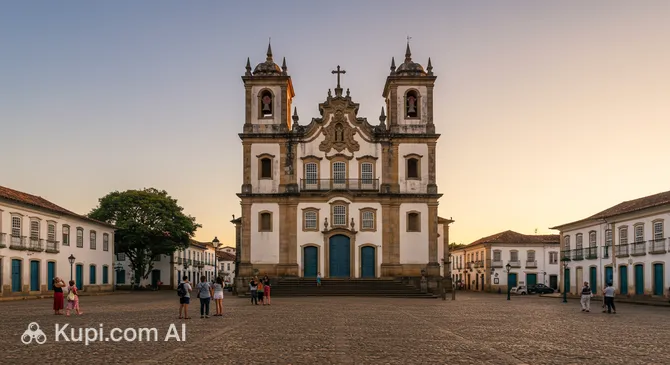
For those who appreciate neo-Gothic architecture, the Church of Senhor dos Passos is another must-see landmark. This striking building stands out with its intricate details and towering presence. It is historically significant to the local community and provides a picturesque backdrop for photos, showcasing the rich religious traditions that have shaped the region's culture over the centuries.

Church of Senhor dos Passos. Source: Kupi.Binoculars

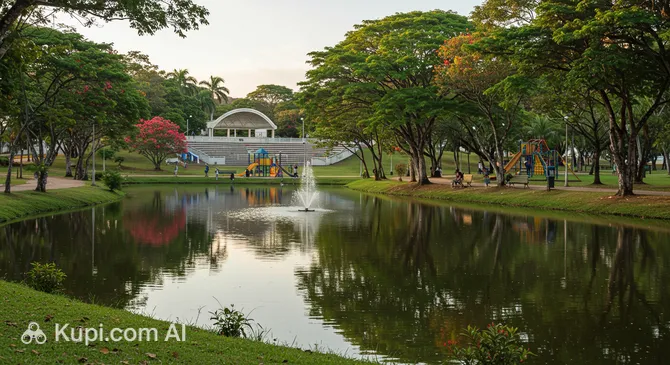
Nature lovers and families traveling with children should not miss the Erivaldo Cerqueira Municipal Park, affectionately known by locals as the Parque da Lagoa. This well-maintained green space features a large lagoon equipped with wooden walkways, allowing visitors to stroll close to the water. It is a perfect spot for a morning jog, a picnic, or simply watching the ducks and other small animals that inhabit the area.

Erivaldo Cerqueira Municipal Park. Source: Kupi.Binoculars

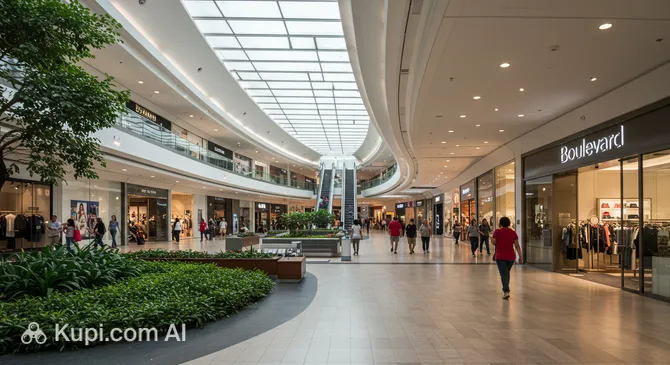
To experience the modern side of the "Princess of the Backlands," a visit to the Boulevard Feira de Santana is highly recommended. As a major shopping and leisure hub, it offers a wide array of retail stores, a cinema complex, and a diverse food court. It is a popular destination for both locals and tourists looking to shop for fashion, enjoy a meal, or escape the heat in a comfortable, air-conditioned environment.

Boulevard Feira de Santana. Source: Kupi.Binoculars

Local Cuisine

The culinary scene in Feira de Santana is a vibrant reflection of its geographical position as the gateway to the Bahian interior. The local cuisine blends the hearty, rustic flavors of the sertão (backlands) with the rich seasonings of the coast. Visitors can expect generous portions, strong flavors, and a heavy emphasis on meats, tubers, and locally grown ingredients that fuel the city's energetic population.

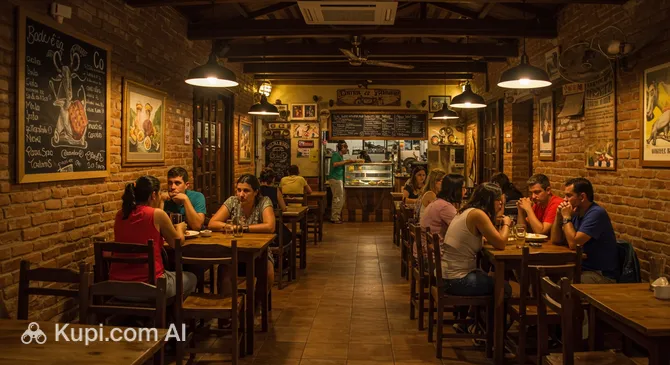
One of the absolute staples of the region is Carne do Sol (sun-dried salted beef), often served with pirão de aipim (a creamy cassava puree) or fried cassava. Another dish that defines the local palate is goat meat, prepared in various ways, from roasted to stewed. For travelers eager to try this regional specialty, Bode e Cia is a popular venue dedicated to serving high-quality goat dishes in a traditional setting.

Bode e Cia. Source: Kupi.Binoculars

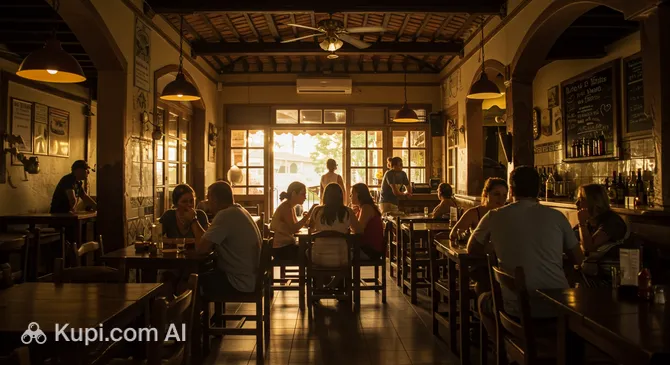
Dining in Feira de Santana is often a social affair, with locals gathering in open-air bars and restaurants to unwind. The atmosphere is typically casual and welcoming. A prime example of this local vibe can be found at Bar No Trabalho, a spot where you can enjoy classic Brazilian appetizers, known as tira-gostos, while soaking in the daily life of the city.

Bar No Trabalho. Source: Kupi.Binoculars

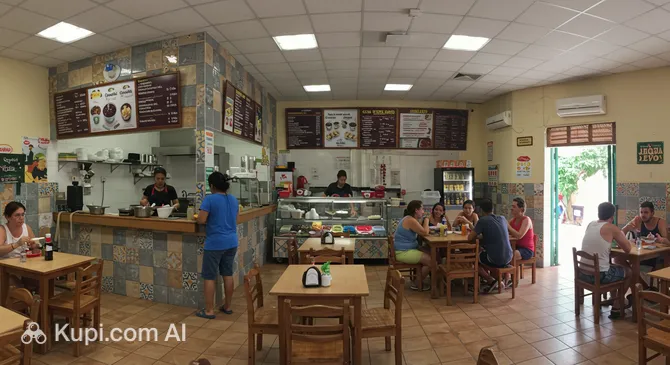
Beyond the savory heavyweights, the city also offers refreshing options to combat the tropical heat. Açaí, the famous Amazonian berry, is a favorite snack or dessert here, usually served as a frozen sorbet topped with fruits and granola. You can sample this refreshing treat at Açaí do Jota, a great place to recharge after a day of sightseeing.

Açaí do Jota. Source: Kupi.Binoculars

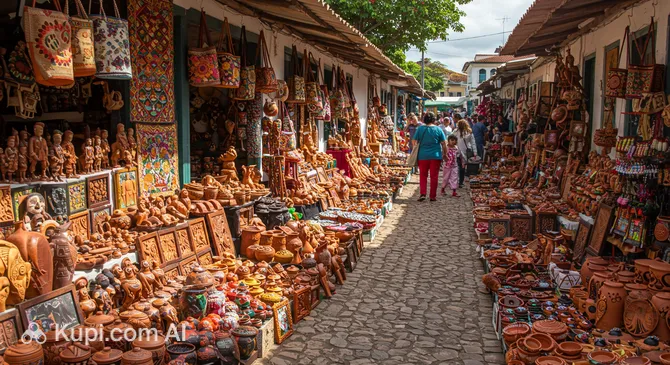
When it comes to drinks, Feira de Santana has a deep tradition of producing artisanal fruit liqueurs. The most famous is the Licor de Jenipapo, a sweet and potent drink made from the jenipapo fruit. This beverage is especially popular during the June festivals (São João) but can be found year-round. For a cultural and gastronomic immersion, a visit to the Folk Art Market allows you to explore regional products, including these traditional liqueurs and other local delicacies.

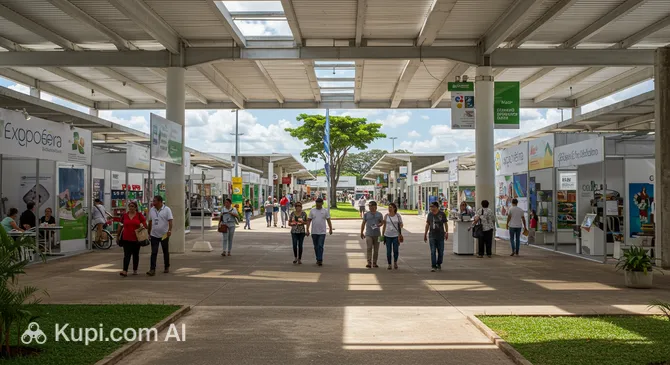
Folk Art Market. Source: Kupi.Binoculars

Travel Tips

Preparing for a trip to Feira de Santana means getting ready for a vibrant cultural experience in the heart of Bahia. To help you navigate the bustling streets and warm climate of the "Princess of the Backlands" with ease, here are some essential practical tips to ensure your journey is smooth and enjoyable.

  1. Clothing and Gear: Given the city's tropical climate, lightweight and breathable fabrics like cotton or linen are your best friends. Pack comfortable walking shoes, as you will likely explore markets and parks on foot. Don't forget a hat, sunglasses, and high-SPF sunscreen to protect against the strong sun. Brazil uses type N power sockets (compatible with type C), and the standard voltage in Feira de Santana is typically 127V, so bring a universal adapter if needed.
  2. Transportation: The most convenient and safe way for tourists to get around is by using ride-hailing apps like Uber or 99, which are widely available and reliable. While there is a public bus system, it can be crowded and confusing for those who don't speak the language. If you plan to visit surrounding towns, the main bus terminal (Rodoviária) is excellent, but within the city limits, sticking to apps or radio taxis is recommended.
  3. Finances: The local currency is the Brazilian Real (BRL). Credit and debit cards are widely accepted in hotels, restaurants, and shopping malls like the Boulevard. However, it is wise to carry some cash for small purchases, especially if you plan to buy handicrafts at the Mercado de Arte Popular or street food. Tipping is usually optional, but a 10% service charge is often added to restaurant bills automatically.
  4. Health and Safety: Pharmacies are abundant, with major chains like Drogasil often open late or 24/7. As in many large Brazilian cities, it is important to stay vigilant; avoid wearing flashy jewelry or displaying expensive electronics in crowded public spaces. Stick to bottled water for drinking to avoid any stomach issues, and stay hydrated throughout the day.
  5. Communication: Portuguese is the primary language, and English is not widely spoken outside of major hotels or business centers. It is highly recommended to download an offline translation app or learn a few basic phrases like "Bom dia" (Good morning) and "Obrigado/a" (Thank you). A local SIM card can be easily purchased at pharmacies or newsstands with your passport to ensure you have data connectivity.
  6. Local Etiquette: Bahians are known for their warmth and hospitality. Greetings often involve a firm handshake or, among women or close friends, a kiss on the cheek. It is polite to greet shopkeepers and service staff when entering an establishment. The "thumbs up" gesture is universally used to say yes, thank you, or to ask if everything is okay.
  7. What to Avoid: Avoid walking alone in poorly lit or deserted areas at night. Also, try not to look too much like a "lost tourist" by constantly checking a map on the street; instead, step into a shop or restaurant to orient yourself.
  8. Market Insight: If you plan to visit the popular open-air markets, try to go early in the morning. Not only will you find the freshest produce and best selection of leather goods, but you will also beat the midday heat, making the shopping experience much more pleasant.

By keeping these practical points in mind, you will be well-equipped to embrace the energy and charm of Feira de Santana. Whether you are there for business or to explore the rich Bahian culture, a little preparation goes a long way in making your visit memorable and stress-free.

Entertainment & Nightlife

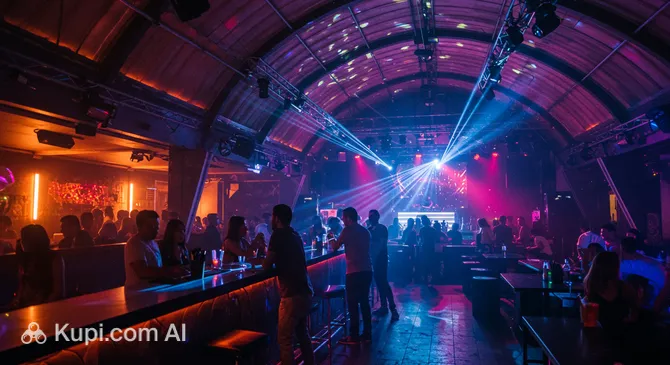
To experience the true spirit of Feira de Santana after dark, one must dive into a nightlife scene that is as warm and energetic as the city's daytime hustle. The evening entertainment here is heavily influenced by the region's love for music, particularly sertanejo (Brazilian country music), forró, and pagode. The atmosphere is generally casual and welcoming, fueled by a large university population and locals who love to socialize outdoors.

For those looking to explore the city's bar scene, the most bustling areas are centered around specific avenues rather than a single downtown district. Avenida Fraga Maia is widely considered the hotspot for evening gatherings, lined with numerous bars, petiscarias (snack bars), and live music venues. It is the perfect place to start the night with a cold beer and a plate of carne do sol while listening to local bands. Another vibrant corridor is Avenida Maria Quitéria, which offers a mix of dining and drinking options that stay open late into the night.

If you are looking for a major concert or a high-energy party, Aria Hall is the city's premier entertainment venue. Located on Avenida Presidente Dutra, this modern event space regularly hosts performances by famous Brazilian artists and large-scale themed parties. It is the go-to destination for anyone wanting to experience the grandeur of Bahian show business in a safe and structured environment.

Aria Hall. Source: Kupi.Binoculars

For a more seasonal but massive entertainment experience, the city hosts the Expofeira, typically held in September. While it is officially an agricultural exhibition, it transforms into a massive festival ground at night. The event draws huge crowds for its rodeo competitions, amusement park rides, and concerts featuring top-tier national music acts. It offers a unique glimpse into the rural culture that underpins the region's identity, blended with the excitement of a modern music festival.

Expofeira. Source: Kupi.Binoculars

When planning a night out, keep in mind that things start relatively late. Bars usually get busy around 9:00 PM, while clubs and show venues like Aria Hall might not peak until near midnight. The dress code is generally casual—jeans and a nice shirt are standard for men, while women often dress up a bit more for clubs. Prices are reasonable compared to capital cities like Salvador; expect to pay a moderate cover charge for venues with live music.

Safety is a priority when enjoying the nightlife. While the main avenues are lively, walking between venues or neighborhoods at night is not recommended. Always use ride-sharing apps like Uber or 99, or call a radio taxi to get from one point to another. Avoid displaying expensive phones or jewelry outside of the venues. It is best to stay in groups and stick to the well-lit, populated areas of Fraga Maia or the main event centers.

Beyond the nightlife, Feira de Santana offers some cultural daytime entertainment. The Teatro Margarida Ribeiro and the Centro de Cultura Amélio Amorim frequently stage local plays and cultural performances. For a more relaxed afternoon, the city's shopping centers, such as the Boulevard, provide modern cinemas and family-friendly leisure areas, serving as a cool retreat before the evening festivities begin.

Parks & Museums

Feira de Santana offers a rich tapestry of cultural and recreational spaces that go far beyond its reputation as a commercial hub. The city's museums provide a deep dive into the artistic soul of Bahia, while its parks offer refreshing green sanctuaries for relaxation and outdoor activities. Whether you are an art aficionado or a nature lover, there are several spots where you can unwind and explore the local heritage.

For art enthusiasts, the Museu Regional de Arte (MRA) is a cultural jewel located within the Centro Universitário de Cultura e Arte (CUCA). Housed in a historic building, it holds one of the most significant art collections in the state. Visitors can admire works by renowned Brazilian modernists such as Di Cavalcanti and Portinari. Uniquely, the museum also boasts a rare collection of modern English art, a donation from the media mogul Assis Chateaubriand, which is considered one of the most important of its kind in Latin America.

Just a short distance away in the city center, the Museu de Arte Contemporânea Raimundo de Oliveira (MAC) offers a more modern perspective. This dynamic space focuses on the production of contemporary artists from Bahia and across Brazil. Unlike traditional static museums, the MAC is known for its vibrant schedule of temporary exhibitions, art workshops, and book launches, making it a living center for the city's creative community.

Those interested in science and local traditions will find the Knowledge Park Museum – Dival da Silva Pitombo to be a fascinating stop. While famous for its planetarium, the complex also serves as a center for scientific diffusion. Meanwhile, for a more rustic cultural experience, the Folk Art Market (Mercado de Arte Popular) acts as a living museum of northeastern traditions, showcasing leather crafts, ceramics, and literature in a bustling, historic setting.

When it comes to green spaces, the Parque da Cidade Frei José Monteiro Sobrinho is the largest urban park in Feira de Santana. Located in the Tomba neighborhood, it is a favorite weekend destination for families. The park features a large lake with pedal boats, extensive jogging tracks, a skate park, and sports fields. It also houses a small nursery with exotic birds, providing a perfect backdrop for a picnic or a leisurely afternoon walk surrounded by nature.

Another serene escape is the Erivaldo Cerqueira Municipal Park, often referred to as the Parque da Lagoa. Smaller and more intimate than the City Park, it is renowned for its tranquil lagoon and well-maintained walking paths. It is an ideal spot for those looking to escape the city noise, watch the ducks glide across the water, and enjoy a moment of peace in the heart of the urban environment.

Getting Around

Public transportation in Feira de Santana relies almost entirely on a road-based network, as the city does not have a metro or tram system. The backbone of local mobility is the Sistema Integrado de Transporte (SIT), which consists of a fleet of buses covering most neighborhoods and the city center. Recently, the city has implemented BRT (Bus Rapid Transit) corridors to speed up travel times on major avenues. Supplementing the large buses is the STPAC system, a network of white vans and minibuses that often reach areas where larger vehicles cannot easily navigate, providing a vital link for residents in peripheral districts.

For payment, the system encourages the use of the electronic smart card known as the Via Feira card. While it is still possible to pay with cash directly to the conductor on board, using the card is highly recommended for tourists. The card allows for "temporal integration," meaning you can switch between different bus lines within a specific time window (usually up to an hour) without paying a second fare, provided you do so at a designated terminal or compatible stop. Fares are affordable, typically costing a few units of the local currency, with cash payments being slightly more expensive than card fares.

Travelers can purchase and top up Via Feira cards at the main Central Terminal (Terminal Central) located downtown, or at authorized sales points scattered throughout the city. Most buses operate daily from approximately 5:00 AM to midnight, though frequency drops significantly after 10:00 PM and on weekends. To navigate the routes, it is advisable to use navigation apps like SIU Mobile or CittaMobi, which provide real-time updates on bus arrivals and route planning, helping you avoid long waits at bus stops under the hot sun.

Boarding procedures are standard for the region: passengers enter through the front door and exit through the rear or middle doors. If you are paying with cash, have small change ready to hand to the conductor seated near the turnstile. Seats designated for the elderly, pregnant women, and people with disabilities are usually painted in a distinct color, often yellow, and should be respected.

For those seeking more comfort or traveling late at night, ride-hailing apps such as Uber and 99 are extremely popular and widely available in Feira de Santana. They offer a safe, air-conditioned, and often very reasonably priced alternative to public buses. Traditional taxis are also available, easily recognized by their white color with red and green stripes; they can be hailed on the street or found at designated stands (ponto de táxi).

A unique local feature you will notice is the prevalence of mototaxis (motorcycle taxis). These are regulated professionals who wear specific vests and offer a fast way to cut through traffic. While they are a legitimate and popular form of transport among locals for their speed and low cost, tourists should exercise caution and ensure the driver provides a helmet. For most visitors, however, app-based cars remain the most stress-free way to get around the city.

Accommodation

Feira de Santana’s accommodation scene reflects its status as a major commercial crossroads and logistical hub. Visitors will primarily find hotels designed for efficiency and comfort, catering largely to business travelers and those passing through the region. The options range from economical guesthouses (known locally as pousadas) to well-equipped mid-range hotels belonging to recognized national chains. While you will not find the sprawling luxury resorts typical of the Bahian coast, the city offers reliable and modern facilities that ensure a restful and pleasant stay.

For those who want to be close to the historical heart of the city, staying in the City Center (Centro) is the most convenient option. This area places you within walking distance of key landmarks like the St. Ann Cathedral and the bustling Folk Art Market, making it easy to explore local culture on foot. Alternatively, the neighborhoods along the major avenues, such as Avenida Maria Quitéria and Avenida Getúlio Vargas, are excellent choices for travelers seeking easier access to the city's dining corridors and nightlife. These locations offer a slightly more modern atmosphere and are well-connected to the rest of the city by road.

When planning your trip, it is important to consider the city's event calendar. Feira de Santana hosts major events, including the massive Micareta street festival and large agricultural fairs like Expofeira. During these periods, hotel occupancy rates skyrocket, and availability can become scarce. Therefore, it is highly advisable to book your accommodation well in advance if your visit coincides with these festivities to secure the best rates and locations.

Generally, accommodation prices in Feira de Santana are quite competitive and often lower than in the state capital, Salvador. Most establishments fall into the budget to mid-range categories, offering excellent value for money. Reservations can be easily made through major online booking platforms, which is recommended for comparing amenities, though many smaller pousadas also accept direct bookings.

Nearby Cities

For those looking to explore the surroundings, Feira de Santana serves as an excellent base for day trips to several interesting nearby locations:

Located just a short drive away, São Gonçalo dos Campos is affectionately known as the "Garden City" due to its pleasant climate and well-maintained public squares. It offers a peaceful retreat for those wishing to escape the bustling commercial pace of the larger city. Further out, Cruz das Almas is a vibrant cultural hub, famous across the country for its intense and traditional São João festivities in June. It is also an important university town with a strong agricultural spirit. Another notable destination is Conceição do Jacuípe, often called "Berimbau," which is celebrated for its lively street markets and rich local folklore.

City Population Distance (km)
Cruz das Almas 64197 49
Santo Estevao 53269 37
Sao Francisco do Conde 39329 51
Sao Goncalo dos Campos 37554 20
Conceicao do Jacuipe 33354 23

These nearby destinations offer a glimpse into the diverse culture and landscapes of the region.

Shopping & Souvenirs

Shopping:

As a city historically rooted in trade and commerce, Feira de Santana offers a shopping experience that is both vibrant and diverse. Known as a major commercial hub in the Brazilian Northeast, the city attracts buyers from all over the region who come for the competitive prices and vast variety of goods. For tourists, this means an opportunity to explore everything from bustling street markets filled with local character to modern shopping centers offering international brands.

The heart of the city's retail action is found in the downtown area, particularly along Rua Sales Barbosa. This pedestrian-only street is a hive of activity, lined with countless shops selling clothing, footwear, and fabrics at very affordable prices. It is the perfect place to witness the energetic pace of local commerce. Another legendary shopping district is Feiraguay, a massive open-air market area famous throughout Bahia. Here, visitors can find an impressive array of imported electronics, accessories, and gadgets, making it a go-to spot for tech enthusiasts looking for bargains.

For a more comfortable and climate-controlled experience, the Boulevard Feira de Santana is the city's premier shopping destination. This modern mall features a wide selection of national and international retailers, a large food court, and cinema facilities. It serves as a sophisticated contrast to the street markets, providing a relaxed environment where you can shop for high-end fashion, cosmetics, and electronics away from the tropical heat.

To connect with the region's cultural roots, a visit to the Folk Art Market (Mercado de Arte Popular) is essential. Housed in a beautifully renovated historical building, this market is the best place to find authentic regional products. It is far more than just a shopping venue; it is a cultural meeting point where you can browse through stalls while often hearing live traditional music in the background.

When looking for souvenirs to bring home, Feira de Santana specializes in goods that reflect the "sertanejo" (backcountry) culture. Leather goods are a top choice, with high-quality sandals, hats, and bags available at excellent prices. The city is also a stronghold for literatura de cordel—small, illustrated booklets containing folk poetry that are unique to Northeastern Brazil. Additionally, locally produced ceramic figurines and bottles of artisanal fruit liqueurs make for memorable and distinct gifts.

Store opening hours in Feira de Santana generally follow standard Brazilian business practices. Street shops in the downtown area typically open from 8:00 AM to 6:00 PM on weekdays and close around 1:00 PM on Saturdays, remaining closed on Sundays. The shopping malls, however, operate on a broader schedule, usually open from 10:00 AM to 10:00 PM Monday through Saturday, with reduced hours on Sundays. Credit and debit cards are widely accepted in malls and established stores, but carrying cash is highly recommended when visiting street markets like Feiraguay or the Folk Art Market to negotiate better deals.

Regarding tax refunds, Brazil does not have a widespread tax-free shopping system for international tourists comparable to those in Europe or North America. The prices displayed on items usually include all applicable taxes. While some duty-free options exist at international airports, visitors shopping within the city should not expect to claim VAT refunds upon departure.
Reached the end of the page?

That means the route is fully explored