Support

Lençóis

About

Welcome to Lençóis, a captivating colonial town that serves as the primary gateway to the breathtaking Chapada Diamantina National Park. Known for its laid-back atmosphere and stunning natural surroundings, this destination is a favorite among travelers seeking both adventure and cultural immersion.

Located in the state of Bahia, Brazil, Lençóis is nestled among lush green mountains and winding rivers. Despite its modest population of approximately 11,500 residents, the town boasts a vibrant energy, welcoming visitors from all over the world to explore its scenic landscapes and charming streets.

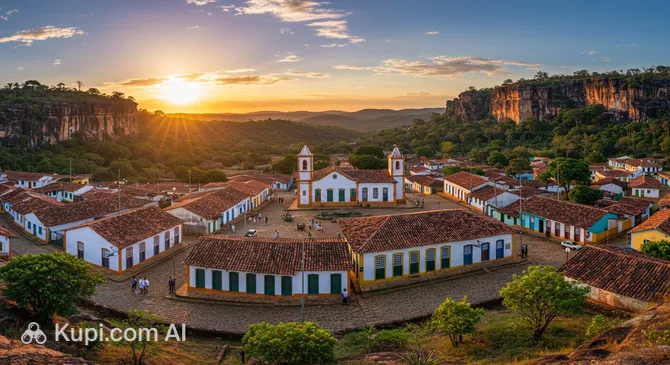
Lençóis. Source: Kupi.Binoculars

The town's heritage is rich and visible in its well-preserved 19th-century architecture. The history of Lençóis is deeply intertwined with the diamond mining boom of the 1800s, which shaped its culture and urban layout. Today, the cobblestone streets and colorful colonial mansions provide a picturesque backdrop for evening strolls and dining at local restaurants.

Beyond its historical center, Lençóis offers easy access to some of the region's most spectacular natural attractions. Highlights include the natural water slide at Ribeirão do Meio and the majestic Sossego Waterfall. Whether you are an avid hiker looking to conquer the trails of the Chapada or simply wanting to relax in a historic setting, Lençóis promises an unforgettable experience.

Weather Overview

Lençóis typically enjoys a pleasant and warm climate year-round, which makes exploring the Chapada Diamantina enjoyable at almost any time. The region generally experiences average monthly temperatures ranging from 20°C to 25°C, creating a comfortable atmosphere for hiking and sightseeing.

Travelers should expect warm summers with frequent wet days and milder, drier winters. During the warmer months from October to March, daytime highs often reach 29°C, while the cooler season from June to August sees nighttime temperatures dropping to around 16°C. For a more in-depth forecast and seasonal breakdown, you can check the weather in Lençóis before your trip.

Rainfall is a regular occurrence throughout the year, with the number of wet days ranging between 9 and 16 per month. The period from November to April tends to have a higher frequency of rainy days, so carrying a light rain jacket is recommended to stay comfortable during your outdoor adventures.

Interesting Facts

Beyond the main attractions, Lençóis holds many fascinating secrets that reveal its rich and affluent past. This charming town is not just a base for hiking; it is a place where history, geology, and unique cultural traditions converge in surprising ways.
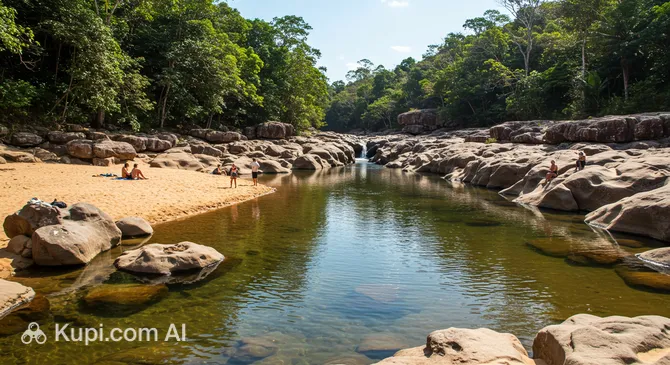
Serrano Natural Pools. Source: Kupi.Binoculars
  • The city's name, which translates to "bedsheets" in Portuguese, has a curious origin rooted in its mining history. Legend has it that the makeshift white tents set up by diamond prospectors in the 19th century looked like drying laundry when viewed from the surrounding hills, giving the settlement its distinctive moniker.

  • During the peak of the diamond boom, Lençóis was so wealthy and significant that it hosted a French Vice-Consulate. The affluent locals imported luxury goods, such as pianos, perfumes, and fine wines, directly from Paris, often bypassing the state capital of Salvador entirely.

  • The town is famously built on diamond-bearing rock. Just a short walk from the center, you can visit the Serrano Natural Pools, where the river flows over a unique conglomerate rock floor that was once the epicenter of diamond washing activities.

  • Lençóis is the heart of Jarê, a distinct Afro-Brazilian religious practice found almost exclusively in the Chapada Diamantina region. This unique spiritual tradition blends elements of Candomblé, rural Catholicism, and indigenous beliefs, differing significantly from similar practices in the rest of Bahia.

How to Get There

Reaching this charming colonial town in the heart of Bahia is the first step of your adventure in the Chapada Diamantina. While the location is somewhat remote, there are convenient air and road connections available for travelers. For a complete guide on logistics and routes, you can read more about how to get to Lençóis on our detailed page.

The most direct way to arrive is via Coronel Horacio de Mattos Airport (IATA: LEC), which is conveniently located within the municipality of Lençóis. Situated just 15 km from the town center, this compact facility serves as the primary aerial gateway for tourists visiting the national park. Although it handles a small volume of annual traffic, it offers the distinct advantage of proximity. A taxi or shuttle ride from the terminal to the historic center typically takes about 20 to 30 minutes.

Alternatively, travelers may consider flying into Vitoria da Conquista Airport (IATA: VDC), located in the city of Vitoria da Conquista. This is a busier regional hub with significantly higher passenger traffic, offering more frequent flight options. However, it is located approximately 260 km from Lençóis. Visitors choosing this route should be prepared for a longer overland transfer, as the drive by bus or rental car takes roughly 4 to 5 hours through the Bahian countryside.

For clarity, here is a summary of the main airports:

Airport Name City Passenger Traffic Km from City
Vitoria da Conquista Airport Vitoria da Conquista Medium 260.8
Coronel Horacio de Mattos Airport Lençóis Small 15.0

The city of Lençóis does not have a railway station, and the surrounding region is not served by passenger trains. Consequently, rail travel is not an option for reaching this destination. Most visitors who prefer ground transportation rely on the extensive intercity bus network or private car rentals to navigate the scenic roads leading into the mountains.

Main Attractions

The charm of Lençóis lies in its perfect blend of colonial history and accessible natural wonders. As the main hub for exploring the Chapada Diamantina, the town offers a variety of sites that are just a short walk or drive from the historic center. From refreshing river pools to authentic culinary experiences, the local attractions capture the essence of this unique region.

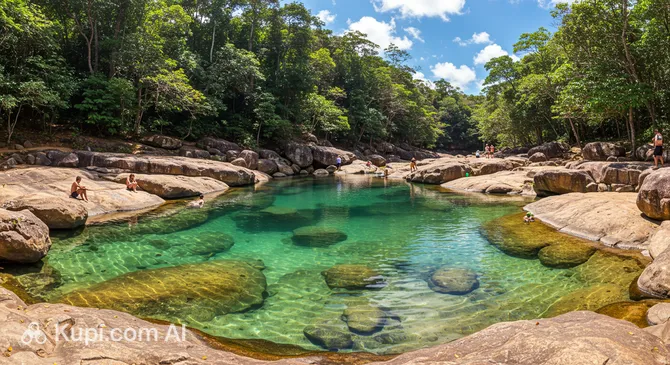
One of the most beloved spots for a relaxing afternoon is Ribeirão do Meio. Located about a 45-minute walk from the town center, this natural attraction is famous for its "natural water slide," a smooth rock formation that allows visitors to slide gently into a large, dark pool below. Surrounded by lush vegetation, it is an ideal place for swimming and picnicking, offering a refreshing break from the tropical heat.

Ribeirão do Meio. Source: Kupi.Binoculars

Just a stone's throw from the city streets, the Serrano Natural Pools serve as the town's "beach." These unique geological formations consist of conglomerate rock where the Lençóis River creates numerous small craters and pools. It is a favorite gathering spot for locals and tourists alike, offering natural jacuzzis with sweeping views of the town and the surrounding hills. The area is also historically significant, as it was the center of the diamond washing trade in the 19th century.

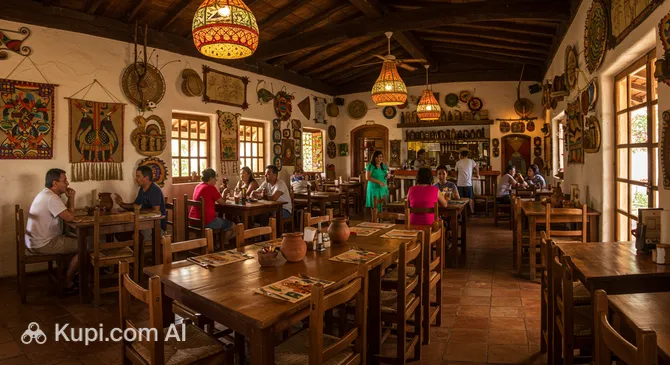
After a day of hiking and swimming, experiencing the local gastronomy is a must. Lampião Northeastern Cuisine stands out as a culinary attraction in its own right. Known for its vibrant atmosphere and authentic dishes, this restaurant offers visitors a taste of the rich flavors of Bahia, such as Carne de Sol and other regional specialties. It provides a delightful cultural immersion through food, making it a highlight of the town's nightlife.

Lampião Northeastern Cuisine. Source: Kupi.Binoculars

Local Cuisine

The culinary scene in Lençóis is a delightful reflection of its history, blending the hearty traditions of the Brazilian backcountry (Sertão) with the vibrant flavors of Bahia. Food here is more than just sustenance; it is a cultural experience deeply rooted in the diamond mining era. Visitors will find a variety of dishes that utilize locally sourced ingredients, such as manioc, sun-dried meats, and native vegetables that thrive in the semi-arid climate.

One dish you absolutely cannot miss is the famous Godó de Banana. This hearty stew is considered the signature dish of Lençóis and was traditionally prepared by miners because it provided ample energy for their labor. It is made with green bananas, sun-dried beef (carne de sol), and savory seasonings, creating a rich and comforting flavor profile. Another unique local specialty is Cortado de Palma, a dish prepared from a specific type of cactus. It is chopped and stewed, offering a texture and taste somewhat similar to green beans, often served as a side to meats and rice.

When it comes to beverages, the region is renowned for its high-quality artisanal cachaça. Several historic stills in the area produce this sugarcane spirit, which is often enjoyed neat or mixed into a refreshing caipirinha. For a distinct local twist, try a caipirinha made with regional fruits like umbú or cajá, which provide a tangy and exotic flavor. Additionally, coffee lovers are in for a treat, as the Chapada Diamantina produces some of the most celebrated coffee beans in Brazil, known for their complex notes and high quality.

The dining atmosphere in Lençóis is as inviting as the food itself. In the evenings, the historic center comes alive as restaurants place tables directly on the cobblestone streets, allowing diners to enjoy their meals under the stars. For those looking to experience authentic regional flavors in a lively setting, Lampião Northeastern Cuisine is a popular choice. Here, you can sample traditional plates while soaking in the colorful and rustic ambiance that defines this charming town.

Travel Tips

Preparing for a trip to Lençóis means getting ready for both charming colonial streets and rugged wilderness. To help you make the most of your adventure in the Chapada Diamantina, here are some practical tips to ensure a smooth and enjoyable journey.

  1. Clothing and Gear: Since you will likely be hiking, bring sturdy, broken-in trekking boots and light, breathable clothing. A swimsuit is essential for the waterfalls and natural pools. Also, pack a lightweight rain jacket or poncho, as sudden showers are common, and ensure you have comfortable walking shoes for the uneven cobblestone streets in the town center.

  2. Transportation: The town of Lençóis itself is compact and best explored on foot. However, to visit the major attractions within the national park, you will need reliable transport. Public buses do not service the trails, and ride-hailing apps are virtually non-existent here. The best option is to rent a car or, more commonly, hire a local guide with a vehicle for daily excursions.

  3. Finances: The local currency is the Brazilian Real (BRL). While most hotels, restaurants, and tour agencies accept credit cards, cash is still king for small shops and buying snacks on the trails. There are a few ATMs in town (typically Banco do Brasil and Bradesco), but they can occasionally run out of cash or have withdrawal limits, so arriving with some money on hand is wise.

  4. Health and Safety: Lençóis is a safe and peaceful tourist town, but it is always smart to keep an eye on your belongings. Pharmacies are available in the center but usually close by early evening. Insect repellent is a must-have to protect against mosquitoes during hikes, and you should always use high-factor sunscreen due to the strong tropical sun.

  5. Communication: Portuguese is the main language, and while tour guides often speak English, it is not widely spoken by shopkeepers or the general public. Downloading an offline translation app and offline maps is highly recommended. A local SIM card (Vivo or Claro usually have the best reception) is useful, though signals often drop deep in the park.

  6. Local Etiquette: Bahians are known for their warmth and hospitality. It is polite to greet people with a "Bom dia" (Good morning) or "Boa tarde" (Good afternoon) when entering a store or restaurant. Tipping is customary; a 10% service charge is usually added to restaurant bills, and it is polite to pay it if the service was good.

  7. What to Avoid: Do not attempt to hike the more remote or complex trails of the Chapada Diamantina alone. The terrain is vast, and trails are often unmarked, making it easy to get lost. Always hire a certified local guide for long treks to ensure your safety and to learn about the local flora and history.

  8. Support Locals: When buying souvenirs, look for items made by local artisans, such as the famous colored sand bottles or intricate stone handicrafts. This supports the local economy and gives you a unique memento of the region's culture.

By keeping these practicalities in mind, you can focus on the incredible beauty and relaxed vibe that Lençóis has to offer. Pack your sense of adventure, respect the natural environment, and get ready for an unforgettable experience in the heart of Bahia.

Entertainment & Nightlife

As the sun sets over the Chapada Diamantina, Lençóis transforms from a quiet trekking hub into a lively center of bohemian culture and social gatherings. The nightlife here is not defined by large nightclubs or exclusive discos, but rather by an inviting, open-air atmosphere where the streets themselves become the venue. The historic center, particularly around Rua das Pedras and Rua da Baderna, comes alive with the sound of live music, chatter, and the clatter of plates, as restaurants and bars place their tables directly onto the cobblestones.

The heart of the evening action is undoubtedly the area surrounding Praça Horácio de Matos. Here, the vibe is relaxed and inclusive, attracting a diverse mix of backpackers, families, and locals. Visitors can stroll from one venue to another, enjoying the colonial architecture beautifully illuminated by streetlamps. The dress code is decidedly casual; it is quite common to see people dining in their hiking gear, although many choose to dress up in "smart casual" attire to enjoy the cool evening breeze.

For those seeking a taste of the local culinary nightlife, Lampião Northeastern Cuisine is a must-visit destination. More than just a place to eat, it offers a vibrant setting where the rich flavors of Bahia are complemented by a lively ambiance. It is an excellent spot to start your evening with traditional dishes before heading out to explore the nearby bars. Another popular stop for nightlife enthusiasts is Fazendinha e Tal, a well-known bar famous for its extensive selection of artisanal cachaças and relaxed mood, often featuring live performances of MPB (Musica Popular Brasileira) or Forró.

Practical advice for enjoying nights in Lençóis is simple: the fun usually begins around 7:00 PM and winds down by 1:00 AM, as most travelers have early morning hikes planned. Prices for food and drinks are generally reasonable compared to larger Brazilian cities. Since the town center is compact and pedestrian-friendly, there is no need for taxis; you can easily walk between bars, restaurants, and your accommodation. The area is considered very safe for night walks, with a friendly police presence and a community-focused environment, though standard travel precautions should always be observed.

While the nights are for socializing, the town offers modest but charming cultural entertainment during the day. Before the bars open, visitors can explore the Afrânio Peixoto House of Culture, a small museum dedicated to the life of the famous writer and the history of the region. Although Lençóis lacks large amusement parks or grand theaters, the city itself serves as an open-air museum, where the entertainment lies in discovering the stories hidden within its 19th-century walls.

Parks & Museums

Lençóis is often described as an open-air museum surrounded by one of the most spectacular natural landscapes in Brazil. The city seamlessly integrates its rich colonial heritage with the wild beauty of the mountains, offering visitors a unique mix of cultural immersion and outdoor exploration. From protected municipal reserves right at the edge of town to historic buildings preserving the memory of the diamond era, the area is a treasure trove for nature lovers and history buffs alike.

The most significant natural area is undoubtedly the Chapada Diamantina National Park, which virtually encompasses the town. While Lençóis serves as the gateway, the park itself is a vast ecological sanctuary spanning over 152,000 hectares. It is renowned for its dramatic canyons, sweeping valleys, and diverse ecosystems, ranging from Atlantic Forest to Caatinga (semi-arid scrub). Visitors can explore endless trails that lead to hidden waterfalls and panoramic viewpoints, making it a paradise for trekkers and photographers seeking untouched wilderness.

Closer to the city center lies the Muritiba Municipal Park (Parque Municipal da Muritiba). This accessible green space is perfect for those who want to experience nature without venturing too far. It is home to the Lençóis River and features geological wonders like the colored sand caves and various swimming spots. The park is an excellent example of how the town coexists with its environment, offering a quick escape into nature where you can observe local flora and birdlife just a short walk from your hotel.

In terms of cultural institutions, the Afrânio Peixoto House of Culture (Casa de Cultura Afrânio Peixoto) is a primary highlight. Housed in the former residence of the celebrated writer and physician Afrânio Peixoto, this museum preserves his personal belongings, original manuscripts, and furniture. It also serves as a cultural hub for the community, often hosting temporary exhibitions and events that delve into the social history of the region. It provides an intimate look at the life of one of the town's most famous sons.

The entire Historic Center of Lençóis functions as a living museum. Listed by the National Institute of Historic and Artistic Heritage (IPHAN), the architectural ensemble features colorful 19th-century mansions that reflect the wealth of the diamond boom. Walking through these streets offers a tangible connection to the past, with buildings like the old Vice-Consulate of France standing as silent witnesses to the town's former cosmopolitan grandeur.

Among the architectural landmarks, the Church of Senhor dos Passos is particularly noteworthy. Built in the mid-19th century, this church is famous for its massive wooden door and its location atop a steep flight of stone steps. It is a focal point for religious festivals, especially the Feast of Senhor dos Passos, which is a major cultural event in the city's calendar, blending religious devotion with local folklore.

For a truly authentic experience, take a short hike up to the Cruzeiro Viewpoint (Mirante do Cruzeiro) in the late afternoon. While not a formal park, this spot offers the best panoramic view of the city nestled in the valley. It is a favorite place for locals to watch the sunset, providing a peaceful moment to appreciate the layout of the colonial streets against the backdrop of the rugged mountains.

Getting Around

Navigating Lençóis is a refreshing departure from the hustle of large metropolitan areas. Due to its small size and historical layout, the city does not possess a complex public transport network like a metro, tram, or municipal bus system. The town is compact and largely pedestrian-friendly, meaning that for most visitors, the primary mode of transport within the city limits will simply be walking. The charming cobblestone streets of the historic center are best explored on foot, allowing you to easily access restaurants, shops, and local landmarks without the need for a vehicle.

For distances that are too far to walk or when carrying heavy luggage, the most common form of local transport is the mototaxi. These motorcycle taxis are ubiquitous in the town and offer a quick, affordable way to get from the bus station to your hotel or to trailheads on the outskirts of the city. Drivers typically wear identifying vests, and they are accustomed to carrying passengers with backpacks. It is a thrilling and efficient way to navigate the hilly terrain, though passengers must always wear the provided helmet.

Standard taxis are also available, though they do not roam the streets searching for passengers as frequently as in major capitals. You can usually find them parked at designated stands, particularly near the main bus station (Rodoviária) or the central squares like Praça Horácio de Matos. If you need a taxi for a specific time, such as an early morning departure to the airport, it is highly advisable to book one in advance through your hotel reception or by getting the driver's phone number.

Regarding payment, cash is the absolute standard for local transport. Mototaxis and regular taxis generally do not accept travel cards, and credit card machines may not always be available or reliable in vehicles. Prices for mototaxi rides within the town are usually fixed at a low rate, while standard taxi fares can be negotiated or run on a meter. It is recommended to carry small bills in the local currency to pay for these short trips effortlessly.

Tourists should be aware that modern ride-sharing apps, which are popular globally, are virtually non-existent or extremely unreliable in Lençóis. You should not rely on booking a car through an app to get around. Instead, rely on the local taxi network or the recommendations of your accommodation host.

A crucial distinction for visitors is that public transport does not extend to the major natural attractions of the Chapada Diamantina National Park. There are no public buses that drop you off at the waterfalls or caves. To explore the surrounding region, you will need to either rent a car, hire a private guide with a vehicle, or join organized group tours. Many agencies in the town center offer daily shuttle services included in their tour packages, which is the most stress-free way to reach the distant sights.

Accommodation

Accommodation in Lençóis is as charming as the town itself, offering a welcoming mix of options that cater to various travel styles and budgets. The hospitality scene is dominated by pousadas (traditional guesthouses), many of which are housed in beautifully restored 19th-century colonial buildings. Visitors will not find massive international hotel chains here; instead, the focus is on cozy, family-run establishments that provide a more personal and authentic experience. Options range from lively backpacker hostels with shared dormitories to sophisticated boutique hotels offering modern amenities amidst rustic decor.

For the most convenient experience, the majority of travelers choose to stay in the Historic Center. This area is the heartbeat of the town, placing you within easy walking distance of the best restaurants, tour agencies, and the main bus station. Staying near squares like Praça Horácio de Matos means you can enjoy the nightlife and dining scene without worrying about transportation late at night. For those seeking absolute tranquility, there are also eco-lodges situated slightly on the outskirts, surrounded by the lush vegetation of the Chapada Diamantina.

The general price range in Lençóis is quite accessible compared to Brazil's coastal resorts. Budget travelers can find affordable beds in hostels, while mid-range tourists have a wide selection of comfortable suites with breakfast included—a staple of the Brazilian pousada experience. Reservations can easily be made through major online booking platforms, though many smaller establishments also accept direct bookings via social media or messaging apps, often providing a warm personal touch from the moment you inquire.

Booking your stay requires some planning, especially depending on the time of year. While it is often possible to find a room on arrival during the low season, it is highly recommended to book in advance if you are traveling during Brazilian national holidays, Carnival, or the popular Festival de Lençóis. During these peak periods, the town fills up quickly, and prices can rise significantly, so securing your accommodation early ensures a stress-free start to your adventure.

Nearby Cities

For those looking to explore the surroundings, Lençóis serves as an excellent base for day trips to several interesting nearby locations.

One of the most notable destinations in the vicinity is Iraquara, often referred to as the "City of Caves." Located just a short drive away, it is a paradise for speleology enthusiasts, offering access to impressive underground formations like the Lapa Doce and Pratinha caves. For travelers willing to venture a bit further, Ibicoara is renowned for its breathtaking natural beauty. It serves as the gateway to the famous Buracão Waterfall, a majestic canyon and waterfall set that provides one of the most memorable hiking and swimming experiences in the Chapada Diamantina region.

City Population Distance (km)
Seabra 45,202 44
Ruy Barbosa 31,867 102
Iraquara 25,478 43
Utinga 19,593 62
Ibicoara 19,548 95

These nearby destinations offer a glimpse into the diverse culture and landscapes of the region, allowing visitors to experience the broader beauty of Bahia beyond the town of Lençóis.

Shopping & Souvenirs

Shopping in Lençóis offers a refreshing departure from modern consumerism, focusing instead on authenticity, craftsmanship, and local culture. You will not find sprawling shopping malls or international chain stores here. Instead, the town is dotted with charming independent boutiques, art studios, and family-run shops that reflect the region's artistic spirit and colonial heritage. The experience is intimate and relaxed, allowing visitors to connect directly with artisans and shopkeepers.

The main hub for retail therapy is the Historic Center. The picturesque cobblestone streets, particularly Rua das Pedras (often referred to as Rua da Baderna) and the bustling area around Praça Horácio de Matos, are the primary shopping districts. These streets come alive in the late afternoon and evening, as hikers return from the trails and the town transitions into a lively social venue. Strolling through these illuminated alleys offers a perfect mix of window shopping and cultural immersion.

Since there are no large shopping centers, the retail scene is characterized by small galerias and street-front stores housed in restored 19th-century mansions. These compact spaces often contain a curated selection of clothing, trekking gear, and regional art. The absence of commercial mega-structures helps preserve the town's architectural integrity and laid-back atmosphere.

For a taste of local life, the Mercado Cultural and the weekly open-air fairs are essential stops. These markets are vibrant gathering spots where locals sell fresh produce, spices, and homemade treats. They are the best places to find authentic Bahian ingredients or simply to observe the daily rhythm of the town's residents.

When it comes to souvenirs, Lençóis is famous for its unique colored sand art. Local artisans create intricate landscapes and geometric patterns inside bottles using natural sands of various hues found in the region's caves and riverbeds. Other excellent keepsakes include semi-precious stones and jewelry, paying homage to the town's diamond-mining past. Gastronomic souvenirs are also highly recommended; look for artisanal cachaça, jars of locally produced honey, and bags of premium Chapada Diamantina coffee, which is celebrated worldwide for its quality.

Store hours in Lençóis are often adapted to the flow of tourism. Many shops open in the late morning, may close for a brief siesta, and then remain open late into the evening, often until 9:00 PM or 10:00 PM. Regarding payment, while most established boutiques and souvenir shops accept credit and debit cards, it is wise to carry cash (Brazilian Reals). Cash is often necessary for small transactions at market stalls, street vendors, or when buying directly from artisans.

Visitors should be aware that tax-free shopping or VAT refunds are not available in Lençóis. The tax refund system in Brazil is generally restricted to specific duty-free zones at international airports. Therefore, the price you see on the tag is the final price, and travelers should budget accordingly without expecting a refund upon departure.
Reached the end of the page?

That means the route is fully explored