Support

Guanambi

About

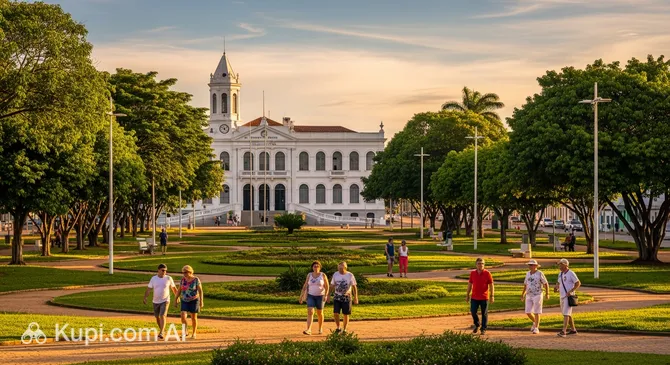
Welcome to Guanambi, a dynamic city located in the southwestern part of the state of Bahia, Brazil. Situated in a region often referred to as the "Productive Backlands" (Sertão Produtivo), this bustling municipality serves as a vital commercial and service hub for the surrounding area. With a population of approximately 85,000 residents, Guanambi offers a unique blend of urban energy and the welcoming, warm atmosphere typical of the Bahian interior.

Guanambi. Source: Kupi.Binoculars

The city has deep roots in agriculture, having historically been known as the "Capital of Cotton." To understand how these agricultural origins evolved into a modern regional center, diving into the history of Guanambi reveals a fascinating journey of development and resilience. Today, while agriculture remains important, the landscape is also defined by impressive wind farms, marking the region as a leader in renewable energy production.

Visitors will find several charming spots to relax and soak in the local vibe. The iconic Praça do Feijão (Bean Square) is the heartbeat of the city's social life, hosting events and serving as a popular meeting point for locals. For those seeking outdoor activities, the Parque da Cidade offers a pleasant green space for walking and leisure. Whether you are exploring the unique geography of the sertão or enjoying the local hospitality, Guanambi is an engaging destination worth discovering.

Weather Overview

The climate in Guanambi is characterized by consistently warm temperatures and distinct seasonal rainfall patterns. Generally, the city experiences hot weather year-round, with the warmest conditions occurring in October, when average maximum temperatures can reach nearly 34°C. Even during the cooler months like June and July, daytime highs remain pleasant, averaging around 28°C to 29°C, although nights can be fresher with minimums dropping to approximately 17°C.

Rainfall is concentrated in specific months, creating a clear contrast between the seasons. Expect warm, humid periods with frequent showers from November to February, which typically see between 11 and 13 wet days per month. Conversely, the middle of the year is notably dry; from June to September, there is virtually no rainfall, ensuring sunny skies for outdoor activities. For the most up-to-date forecast and detailed monthly averages, be sure to check the weather in Guanambi before your trip.

Interesting Facts

Beyond the main attractions, Guanambi holds many fascinating secrets that reveal its deep cultural roots and economic transformation. From poetic origins to modern engineering marvels, the city offers unique stories that often go unnoticed by the casual visitor.

  • The Legend of Leocádia: One of the most enduring local tales is the tragic story of Leocádia, a young woman from the late 19th century who is now revered as a folk saint. According to tradition, she was the victim of a crime of passion and jealousy. Today, her grave and the site known as Lajedo de Leocádia are pilgrimage spots where locals light candles and offer prayers, believing she grants miracles to the faithful.

  • The Hummingbird City: The name "Guanambi" has a beautiful etymology rooted in the Tupi-Guarani language. It is derived from the word "Guainumbi," which translates to Hummingbird. Before it was officially elevated to a city, the settlement was charmingly known as Vila de Beija-Flor (Hummingbird Village), a moniker that reflects the region's natural beauty.

  • A Giant in Wind Energy: While the city is historically agricultural, it has transformed into a modern powerhouse for renewable energy. Guanambi, along with neighboring municipalities, hosts the Alto Sertão Wind Complex. Upon its inauguration, this massive infrastructure project was recognized as the largest wind farm complex in Latin America, dramatically changing the horizon with hundreds of towering turbines.

  • The Capital of Cotton: In the 1970s and 1980s, the city earned the prestigious title of the "Capital of Cotton" (Capital do Algodão). This era of "white gold" was the primary engine for Guanambi's initial population boom and urban development, laying the foundation for its current status as a key service hub in the interior of Brazil.

How to Get There

Reaching Guanambi usually involves a journey through the scenic landscapes of the Bahian interior. While the city is well-connected by road, visitors coming from long distances often choose to fly into regional hubs and complete the trip by land. You can find more about how to get to Guanambi and the specific transport options available to plan your route effectively.

For travelers arriving by air, the most convenient major option is often the Vitoria da Conquista Airport (IATA: VDC), also known as Glauber Rocha Airport. It is important to note that this airport is not in Guanambi itself but in the city of Vitoria da Conquista, approximately 218.5 km away. From there, a journey by rented car, taxi, or intercity bus takes approximately 3 to 4 hours. Another alternative, particularly for those coming from the south, is the Montes Claros Airport (IATA: MOC) in the state of Minas Gerais. Located in the city of Montes Claros, about 297 km from Guanambi, the ground transfer from this airport takes roughly 4 to 5 hours.

For clarity, here is a summary of the main airports in the region that serve as gateways to the city:

Airport Name City Passenger Traffic Km from City
Vitoria da Conquista Airport Vitoria da Conquista Medium 218.5
Montes Claros Airport Montes Claros Medium 297.0
Coronel Horacio de Mattos Airport Lençóis Small 251.8

Main Attractions

Guanambi offers a delightful mix of historical heritage, urban leisure, and natural beauty. While it is a bustling commercial hub, the city has preserved several spaces that reflect its rich culture and provide relaxing environments for visitors. Here are some of the main places you should not miss during your stay.

Memorial Casa de Dona Dedé is a must-visit for history enthusiasts. Housed in a beautifully preserved 19th-century neoclassical mansion, this museum and cultural center was once the home of a prominent local family. Today, it safeguards the city's memory with a collection of antique furniture, photographs, and documents that tell the story of Guanambi’s development. Walking through its rooms offers a fascinating glimpse into the lifestyle of the past centuries in the Bahian interior.

For a taste of local social life, head to Praça do Feijão (officially Praça Henrique Pereira Donato). This is the most famous square in the city and serves as the community's main meeting point. It is lively day and night, surrounded by snack bars and kiosks where you can try local treats. The square is also the stage for the city's major events and festivities, making it the perfect spot to feel the pulse of Guanambi and observe the daily life of its friendly residents.

If you are looking for fresh air and greenery, the Parque da Cidade (Gercino Coelho Park) is the ideal urban escape. It is a favorite spot for locals to exercise, take leisurely walks, or simply relax by the lake. The park provides a refreshing contrast to the busy city streets, offering well-maintained paths and a peaceful atmosphere that appeals to families and nature lovers alike.

Just a short trip from the city center lies the Barragem de Ceraíma, a large reservoir that is a popular recreational destination. Set within a scenic landscape, it is perfect for those who want to enjoy the outdoors, go for a swim, or have a picnic by the water. The area is also known for its beautiful sunsets, attracting visitors who want to unwind and connect with nature after a day of exploring.

Local Cuisine

The local cuisine in Guanambi is a delicious reflection of the Brazilian Sertão (backlands), characterized by hearty ingredients and robust flavors designed to sustain life in a semi-arid climate. Unlike the seafood-heavy diet of the Bahian coast, the table here is dominated by high-quality meats, locally grown roots, and savory bean dishes. The food is unpretentious but incredibly satisfying, often prepared with recipes passed down through generations.

One dish you absolutely must try is Carne de Sol with Aipim. This features salted, sun-dried beef that is grilled to tenderness and typically served with fried or boiled cassava (aipim) and bottled butter (manteiga de garrafa). Another regional specialty is Bode Assado (roasted goat). Prepared with simple seasoning to let the natural flavor shine, it is a staple of the Bahian interior and is often accompanied by baião de dois (a rich mixture of rice, beans, and cheese) or a fresh vinaigrette salsa.

When it comes to drinks, the region's native fruits steal the show. Be sure to taste juice or ice cream made from Umbu, a small, tart fruit native to the Caatinga biome that is incredibly refreshing in the heat. For something stronger, locally produced artisanal cachaça is widely available and highly regarded. It is often enjoyed as an aperitif or mixed into a classic caipirinha. Cold beer is also a ubiquitous companion to evening meals, essential for cooling down after a hot day.

The food culture in Guanambi is remarkably social and revolves largely around public spaces. The central squares, particularly the lively Praça do Feijão, act as open-air food courts where locals gather in the evenings. Here, you can find kiosks and street vendors serving everything from grilled skewers (espetinhos) to traditional snacks. For a more formal dining experience, the city offers restaurants specializing in regional barbecue, where the warm Bahian hospitality is as memorable as the meal itself.

Travel Tips

Visiting Guanambi is a fantastic opportunity to experience the authentic hospitality of the Bahian interior, but a little preparation goes a long way in ensuring your trip is smooth and enjoyable. To help you navigate the local customs, climate, and logistics, here is a collection of practical tips designed to make your stay as comfortable as possible.

  1. Clothing and Gear: Given the semi-arid climate, the heat can be intense. Pack lightweight, breathable fabrics like cotton or linen to stay cool during the day. A wide-brimmed hat, high-quality sunglasses, and strong sunscreen are essential accessories to protect against the strong sun. Comfortable walking shoes are recommended for exploring the city center, and since the voltage is typically 127V (using the standard Brazilian Type N socket), bringing a universal adapter is a smart move.

  2. Transportation: The most common and efficient way to get around Guanambi is by mototaxi. These motorcycle taxis are affordable, fast, and widely used by locals; just ensure the driver provides a helmet. Regular taxis are also available, especially at main squares and the bus station. While ride-hailing apps may have a presence, they are not as ubiquitous as in major capitals, so having cash for local transport is advisable. If you plan to visit the wind farms or nearby towns, renting a car is the best option for flexibility.

  3. Finances: The official currency is the Brazilian Real (BRL). While major supermarkets, hotels, and restaurants in the city center accept credit and debit cards, cash is still king for smaller vendors, mototaxis, and stalls at Praça do Feijão. ATMs are available at bank branches in the center, but it is wise to withdraw money during the day for safety. Tipping is not mandatory but rounding up the bill or leaving 10% is appreciated in sit-down restaurants.

  4. Health and Safety: Guanambi is generally safe, but standard travel precautions apply. Avoid walking alone in poorly lit areas late at night and keep an eye on your belongings in crowded places. Pharmacies are plentiful in the downtown area, and some operate with extended hours. Due to the dry heat, dehydration is a real risk; always carry a water bottle and drink frequently, even if you don't feel thirsty.

  5. Communication: The primary language is Portuguese, and English is not widely spoken outside of major hotels or specialized tourism services. Learning a few basic phrases like "Bom dia" (Good morning) and "Obrigado" (Thank you) will be warmly received. It is highly recommended to download an offline translation app and offline maps before you arrive. Pre-paid SIM cards can be purchased at pharmacies or newsstands with your passport.

  6. Local Etiquette: People in Brazil, and particularly in Bahia, are known for their warmth. Greetings are important; a friendly handshake or a nod is common, though locals often greet friends with a hug. When entering a shop or boarding a bus, a simple greeting to the staff or driver is considered polite. The "thumbs up" gesture is a universal sign of approval or agreement here.

  7. What to Avoid: Do not drink tap water. Although the local supply is treated, the mineral content or plumbing can upset a traveler's stomach; stick to filtered or bottled mineral water. Also, avoid scheduling strenuous outdoor activities between 10:00 AM and 3:00 PM, when the sun is at its peak aggressive strength.

  8. Enjoy the Evening Culture: In cities like Guanambi, the social life truly begins after the sun sets and the temperature drops. Do as the locals do and head to the squares in the evening. It is the best time to see families socializing, children playing, and to enjoy a cold drink or a snack in the cooler night air. Don't rush your dinner; evenings here are meant to be savored slowly.

By keeping these tips in mind, you will be well-equipped to navigate the city with confidence and ease. Whether you are here for business or to explore the unique landscapes of the sertão, embracing the local rhythm and taking practical precautions will ensure your visit to Guanambi is a memorable and positive experience.

Entertainment & Nightlife

Nightlife in Guanambi is characterized by a relaxed and welcoming atmosphere, typical of the Bahian interior of Brazil. Rather than large, thumping nightclubs, the city’s evening entertainment revolves around lively squares, open-air bars, and "botecos" where locals gather to enjoy cold drinks, snacks, and conversation. The warm climate invites people to stay outdoors well into the night, creating a vibrant social scene that feels authentic and unpretentious.

The heart of the action is undoubtedly Praça do Feijão (Bean Square). This spacious plaza is not just a landmark but the main meeting point for residents and visitors alike. At night, the square comes alive with families, groups of friends, and couples strolling around or sitting at the various kiosks and snack bars that line the area. It is the perfect place to start your evening, grab a bite to eat, and soak in the local vibe. For those looking for more options, Avenida Santos Dumont is a key thoroughfare where you can find a concentration of bars and dining spots.

If you are looking for a specific place to enjoy a drink, Barril Botequim is a popular choice among locals for its casual environment and variety of appetizers. The nightlife here often features live music, with genres like sertanejo (Brazilian country music), forró, and pagode dominating the scene. The dress code is almost universally casual; light, comfortable clothing is appropriate for the warm evenings, and there is rarely a need to dress up formally unless there is a special event.

For a safe and enjoyable experience, it is best to stick to the busy central areas like the main squares and avenues. While the city center is generally safe for walking in the early evening, it is meaningful to use a taxi or a ride-sharing app if you are returning to your accommodation late at night. Prices in Guanambi are generally affordable compared to larger coastal cities, making it easy to enjoy a night out without breaking the bank. Most venues are busiest on weekends, starting from Friday night.

Before the sun goes down, Guanambi offers some interesting cultural stops. The Memorial Casa de Dona Dedé is a must-visit for history enthusiasts. Housed in a beautiful 19th-century building, this museum and cultural center preserves the history of the region and offers a glimpse into the city's past. Combining a visit here with a relaxing evening at the square makes for a perfect day in the city.

Parks & Museums

While Guanambi is primarily known as a commercial hub in the interior of Bahia, it offers a distinct charm through its public spaces and cultural heritage sites. Visitors to this part of Brazil will find that the city's green spaces are deeply integrated with social life, while its museums and landmarks provide an intimate look at the region's history and development.

The most prominent green space in the city is Praça Henrique Pereira Donato, widely known as Praça do Feijão. This expansive square functions as the city's central park, featuring well-maintained gardens, walking paths, and ample shade provided by large trees. It is an excellent spot for a morning jog or a relaxing afternoon walk. For those willing to venture a bit further for a true immersion in nature, the Parque Estadual da Serra dos Montes Altos is located nearby. This natural reserve offers rugged landscapes, diverse flora typical of the Caatinga and Cerrado biomes, and trails that are perfect for hiking enthusiasts seeking panoramic views of the region.

In terms of cultural institutions, the Memorial Casa de Dona Dedé stands out as the city's premier guardian of history. Housed in a beautifully preserved 19th-century mansion, this museum offers a window into the lifestyle of the local aristocracy of the past. The collection includes antique furniture, photographs, and documents that narrate the social and political evolution of Guanambi. It is a fascinating stop for anyone interested in architecture and the colonial roots of the Bahian interior.

Another significant cultural landmark is the Igreja Matriz de Santo Antônio. While primarily a place of worship, this church is a cornerstone of the city's architectural heritage. Its structure reflects the simple yet imposing style common in the region's religious buildings, and the interior houses religious art that holds deep sentimental value for the local community. Visitors often admire the peaceful atmosphere and the building's role as a gathering point for traditional religious festivals.

For an authentic local experience, try visiting the city's Feira Livre (Open Market) on a busy morning. While not a museum, it is a living exhibition of local culture where farmers from the surrounding countryside sell tropical fruits, traditional cheeses, and handicrafts. It offers a vibrant sensory experience and a chance to interact with the friendly residents of Guanambi.

Getting Around

Public transportation in Guanambi is relatively simple and typical of medium-sized cities in the interior of the state of Bahia. There is no metro, tram, or train system available. Instead, the city relies entirely on road-based transport. The municipal bus network connects the residential neighborhoods to the commercial center and key locations like the bus terminal and the regional hospital. While buses are a budget-friendly option, their frequency can be lower compared to larger metropolitan areas, especially on weekends and holidays.

One of the most popular and efficient ways to get around the city is by "mototaxi" (motorcycle taxi). This is a very common mode of transport in the region due to its speed and affordability. Official mototaxi drivers usually wear specific colored vests and are regulated by the local municipality. For solo travelers, this is often the quickest way to navigate the streets, though it is strictly for one passenger at a time. Helmets are mandatory for both the driver and the passenger.

Taxis are also widely available and can be found at designated stands, known as "pontos de táxi," located near major squares like Praça do Feijão and busy commercial streets. In recent years, ride-hailing apps have begun to operate in the region, offering an alternative to traditional taxis. However, availability can vary depending on the time of day, so it is advisable to have a backup plan, such as the phone number of a local taxi service, if you are traveling late at night or early in the morning.

Regarding payment, cash is the primary method used for public transport and smaller services like mototaxis. While some taxi drivers and app-based drivers may accept credit cards or digital payments, it is highly recommended to carry small bills and coins in the local currency. Bus fares are generally paid directly to the conductor or driver upon boarding. There are no complex zone systems or travel cards for short-term visitors; you simply pay per ride.

For tourists staying in the central area, walking is often a viable and pleasant option. The city center is relatively compact, allowing visitors to reach shops, banks, and restaurants on foot. If you plan to visit the outskirts or the nearby countryside, renting a car might be the most convenient choice, as public transport routes may not extend to specific rural attractions.

Accommodation

Accommodation in Guanambi caters largely to business travelers and visitors exploring the interior of Bahia, offering a range of functional and comfortable options. The city does not typically feature large luxury resorts; instead, you will find a solid selection of mid-range hotels, budget-friendly "pousadas" (guesthouses), and simple hostels. These establishments focus on providing essential amenities like air conditioning, Wi-Fi, and breakfast, ensuring a pleasant stay for those passing through or visiting for work.

For the most convenient experience, look for accommodation in the city center. Staying near Praça do Feijão (Bean Square) or along the main commercial avenues places you within walking distance of restaurants, banks, and transport links. This area is the heartbeat of the city, making it easy to access dining and nightlife options without the need for long commutes. The central location also offers a sense of security and vibrancy, with plenty of activity throughout the day and early evening.

Prices in Guanambi are generally very reasonable compared to Brazil's coastal tourist hubs. Most options fall into the budget to mid-range categories. While major online booking platforms are increasingly used, many smaller local establishments still accept direct bookings via phone or messaging apps. It is a good idea to have some cash on hand for smaller payments, although credit cards are widely accepted at most hotels.

Booking Tip: Since Guanambi is a regional commercial hub, hotels can fill up during the week with business travelers. Additionally, if you plan to visit during local religious festivals, such as the Feast of Saint Anthony in June, it is highly recommended to book your room well in advance to secure the best location and rates.

Nearby Cities

For those looking to explore the surroundings, Guanambi serves as an excellent base for day trips to several interesting nearby locations:

City Population Distance (km)
Caetite 52531 36
Riacho de Santana 36039 70
Espinosa 31113 78
Tamboril 25451 76
Cacule 23545 67

Among these options, Caetite is arguably the most culturally significant destination for a quick visit. Located just a short drive away, it is one of the oldest cities in the region and is celebrated as a hub of education and culture in the Bahian interior. Visitors can explore its well-preserved historic center, visit the House of Anísio Teixeira (a museum dedicated to the famous Brazilian educator), and admire the majestic Cathedral of Sant'Ana. The city offers a charming glimpse into the colonial history of the "Alto Sertão" region.

Another excellent option is Cacule, known for its well-planned urban layout and vibrant local spirit. The city is famous for hosting one of the most traditional and lively São João festivals in Bahia during June. For nature lovers and those seeking relaxation, the Lagoa de Manoel Caculé is a central highlight—a large lagoon surrounded by walking paths and recreational areas where locals gather to exercise and socialize, especially in the late afternoon.

These nearby destinations offer a glimpse into the diverse culture and landscapes of the region.

Shopping & Souvenirs

As a regional commercial hub, Guanambi offers a bustling shopping scene that caters not only to its residents but also to people from surrounding towns in the Bahian interior. The shopping experience here is less about high-end luxury brands and large malls, and more about vibrant street commerce, local boutiques, and traditional markets. Visitors will find a wide variety of goods ranging from affordable clothing and footwear to electronics and agricultural supplies, reflecting the city's role as a service center.

The heart of retail therapy in Guanambi is located in the Centro (City Center). The most prominent commercial thoroughfare is Avenida Santos Dumont, where you can find a mix of national chain stores, banks, and independent shops. Nearby streets, such as Rua Rui Barbosa, are also lined with vendors selling everything from fashion to household goods. Walking through these busy streets offers a glimpse into the daily life of the locals and provides plenty of opportunities to find bargains on Brazilian apparel.

Unlike major metropolitan areas in Brazil, Guanambi does not feature massive shopping mall complexes. Instead, the city relies on smaller commercial galleries and shopping centers that house a collection of stores and sometimes a food court. These smaller venues offer a more intimate shopping environment and are good places to escape the heat while browsing for clothes, accessories, or gifts.

For a truly authentic experience, the Feira Livre (Open Market) is an unmissable stop. It is the soul of the city's commerce, particularly on weekends. Here, the colors and smells of the region come alive. You can browse through stalls selling tropical fruits, vegetables, and regional spices. It is also the best place to find traditional handicrafts, clay pots, and leather goods, which are culturally significant in this part of the country.

When looking for souvenirs to take home, consider items that represent the local culture of the Sertão. Leather hats and sandals are iconic regional products. Food items are also excellent choices; look for requeijão de corte (a firm, artisanal cream cheese typical of Bahia), bottles of artisanal cachaça, or blocks of rapadura (unrefined cane sugar sweets). These edible treats offer a delicious reminder of your trip.

Store opening hours in Guanambi generally follow the standard Brazilian commercial schedule. Most shops open around 8:00 AM and close by 6:00 PM on weekdays, with a break for lunch often observed by smaller businesses. On Saturdays, shops typically close around 1:00 PM, and nearly everything remains closed on Sundays, except for supermarkets and pharmacies. Credit and debit cards are widely accepted in most established stores, but it is essential to carry cash (Brazilian Reais) when visiting the open markets or buying from street vendors.

Tourists should be aware that tax-free shopping or VAT refund schemes are not available in Guanambi. The price you see on the tag is the final price you pay. Bargaining is not common in established stores but is perfectly acceptable and expected when shopping at the Feira Livre or with street vendors.
Reached the end of the page?

That means the route is fully explored