Support

Salinas

About

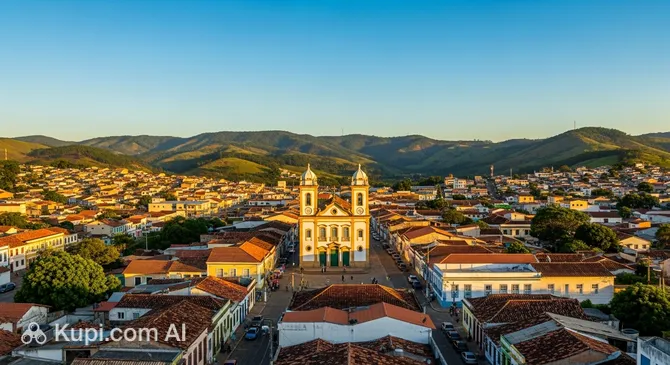
Welcome to Salinas, a captivating destination located in the northern region of the state of Minas Gerais. Widely recognized as the "World Capital of Cachaça," this city offers a unique blend of cultural heritage and gastronomic tradition that sets it apart from other destinations in Brazil. With a population of approximately 39,000 inhabitants, Salinas maintains a friendly, small-town atmosphere while providing a vibrant experience for visitors interested in the authentic flavors of the country.

Salinas. Source: Kupi.Binoculars

The city is most famous for its production of high-quality artisanal cachaça, a sugarcane spirit that is a national symbol. The deep-rooted history of Salinas is inextricably linked to this craft, with numerous stills and producers scattered throughout the region. Tourists often flock to the Cachaça Museum (Museu da Cachaça), a key attraction that preserves the memory and methods of this local industry. Additionally, the annual World Cachaça Festival is a major event that transforms the city into a lively hub of music, tasting, and celebration.

Beyond its famous spirits, Salinas offers a warm climate and the scenic beauty typical of the Jequitinhonha Valley. Whether you are coming to sample the world-renowned beverages or to immerse yourself in the local culture, Salinas invites you to discover its charm and hospitality.

Weather Overview

The weather in Salinas is generally warm and pleasant, characterized by a tropical climate with distinct wet and dry seasons. Visitors can expect warm summers with occasional rain and mild, dry winters, making the city accessible throughout the year depending on your preference for heat or cooler evenings.

The warmest period typically runs from October to February, where average temperatures hover around 25°C and daily highs often reach 30°C to 31°C. This season also brings the most moisture, with December seeing up to 16 wet days. In contrast, the winter months of June, July, and August are significantly drier, with almost zero precipitation and cooler average temperatures dropping to around 20°C to 21°C. During these cooler months, nighttime lows can dip to approximately 15°C, providing a refreshing atmosphere after sunset.

Interesting Facts

Beyond its global reputation for artisanal spirits, Salinas holds a collection of intriguing stories and unique characteristics that often go unnoticed by the casual visitor. The city's identity is shaped by more than just its famous production, weaving together history, geology, and legal legends.

  • Salt before sugar: While the city is now renowned for sugarcane, its name, Salinas, actually refers to the natural salt deposits historically found in the bed of the local river. Long before the region became a hub for spirits, these salt banks were a vital resource for early settlers and cattle drovers traveling through northern Minas Gerais.

  • A legendary trademark battle: One of the most prestigious local brands was involved in a decades-long legal dispute with the international rum giant, Havana Club. As a result, the famous "Havana" cachaça had to be renamed "Anísio Santiago." Today, vintage bottles bearing the original label are considered rare collector's items and can fetch impressive prices at auctions.

  • Certified Terroir: Salinas was one of the first regions in the country to receive a Geographical Indication (GI) seal for its spirit production. This certification officially recognizes that the specific combination of the area's soil, climate, and traditional fermentation methods creates a flavor profile that cannot be replicated anywhere else in Brazil.

How to Get There

Reaching this destination typically involves a journey by road, often connecting from regional hubs in Minas Gerais or neighboring Bahia. While the city itself is tucked away in the Jequitinhonha Valley, visitors can find several routes to reach it. For detailed information on bus schedules, driving directions, and transfer options, you can read more about how to get to Salinas.

The city of Salinas does not have its own commercial airport, but you can fly into Montes Claros Airport (MOC) in the city of Montes Claros, which is the most common gateway for travelers heading to this region. It is located approximately 174 km from Salinas. From the airport, the journey by car or taxi typically takes around 2.5 to 3 hours, while traveling by bus may take slightly longer depending on the route and connections. This regional hub handles a moderate volume of passengers and connects the area to major Brazilian capitals.

Another option is to arrive via Vitoria da Conquista Airport (VDC), situated in the city of Vitoria da Conquista in the state of Bahia. This airport is about 211 km away from Salinas. The ground transfer from here is longer, taking approximately 3 to 3.5 hours by road. It serves as an alternative entry point, particularly for those coming from the northeast or connecting through different hubs.

For clarity, here is a summary of the main airports:

Airport Name City Passenger Traffic Km from City
Vitoria da Conquista Airport Vitoria da Conquista Medium 210.7
Montes Claros Airport Montes Claros Medium 173.6

Main Attractions

While Salinas may not be famous for grand monuments or ancient ruins, its tourism scene is vibrant and deeply rooted in its cultural identity as the "World Capital of Cachaça." The attractions here offer a distinct sensory experience, inviting visitors to explore the history, production, and flavors of Brazil's most iconic spirit. For travelers, the city provides a journey into the heart of the Jequitinhonha Valley's traditions.

The centerpiece of the city's tourism is undoubtedly the Museu da Cachaça. This museum is a must-visit for anyone interested in understanding the economic and social impact of the sugarcane spirit on the region. The exhibits take you through the entire production process, from the harvesting of cane to the fermentation and aging in wooden barrels. It also houses a vast collection of bottles, historical documents, and tools, preserving the legacy of the legendary producers who put Salinas on the global map.

Beyond the museum, the true essence of Salinas is found in its artisanal distilleries (alambiques). Many of the region's famous producers open their doors to visitors, offering guided tours that reveal the secrets behind their award-winning blends. These visits often include tastings where you can sample different varieties aged in balsam or umburana wood. It is a unique opportunity to meet the families who have perfected these recipes over generations and to purchase exclusive bottles directly from the source.

For those who enjoy local commerce and authentic atmosphere, the Mercado Municipal is a bustling spot worth exploring. It serves as a gathering point for locals and offers a variety of regional products beyond spirits. Here, you can find traditional crafts, local cheeses, sweets, and the distinct cuisine of northern Minas Gerais. It is an excellent place to soak up the daily life of the city and pick up unique souvenirs.

If your visit coincides with the month of July, the city transforms during the Festival Mundial da Cachaça. This event is the highlight of the local calendar, attracting thousands of tourists for days of music, gastronomy, and business. It acts as a massive open-air showcase for the best producers in the region and provides a lively, festive environment that perfectly encapsulates the hospitable spirit of Salinas.

Local Cuisine

The culinary scene in Salinas is a delightful reflection of its location in northern Minas Gerais, blending the hearty traditions of "comida mineira" with the rustic influences of the Brazilian sertão. Visitors can expect generous portions of comfort food, characterized by strong flavors and locally sourced ingredients. A staple on almost every table is carne de sol, a salted, sun-cured beef that is typically grilled and served with fried cassava (mandioca) and bottled butter (manteiga de garrafa), creating a savory combination that perfectly suits the region's warm climate.

Another gastronomic highlight specific to this area is the widespread use of pequi, a yellow fruit native to the Cerrado biome with a distinct aroma and flavor. It is most commonly cooked with rice (arroz com pequi) or chicken, offering a unique taste experience that divides opinions but is essential to understanding the local palate. Additionally, tourists should look for the famous Requeijão Moreno. Unlike the creamy white version found elsewhere, this local cheese is solid, dark-crusted, and fried, often melting in the mouth with a rich, smoky taste.

As the "World Capital of Cachaça," no meal in Salinas is complete without mentioning the local beverages. The city produces some of the finest artisanal cachaças in the world, and dining here often involves pairing dishes with a high-quality spirit aged in balsam or umburana wood. For those seeking non-alcoholic options, fresh fruit juices made from regional fruits like tamarind and umbu are refreshing choices that offer a break from the heat.

The food culture in Salinas is informal and welcoming. The Mercado Municipal is a central hub where locals and tourists alike gather to eat freshly prepared snacks and buy regional delicacies like brown sugar sweets (rapadura) and artisanal cheeses. Most restaurants are family-run establishments that emphasize hospitality, often serving food in large pans or on wood-burning stoves to keep it warm, inviting diners to take their time and enjoy the authentic flavors of the Jequitinhonha Valley.

Travel Tips

Planning a trip to Salinas requires a bit of preparation to fully enjoy its rural charm and world-class spirits without any hassles. Here are some practical tips to help you navigate the city and make the most of your visit to the heart of Minas Gerais.

  1. Clothing and Gear: Since the climate is generally warm and tropical, pack light, breathable fabrics like cotton or linen to stay cool. Comfortable walking shoes are essential, especially if you plan to visit the rural alambiques (distilleries) where the terrain can be uneven. Don't forget a hat, sunglasses, and high-SPF sunscreen. If you are visiting between June and August, bring a light jacket, as evenings can get surprisingly cool.
  2. Transportation: The city center is small enough to explore partially on foot, but distances to the famous cachaça distilleries can be significant. Renting a car is highly recommended to have the freedom to visit producers in the countryside. Within the city, local taxis and "mototaxis" are common and affordable. Ride-hailing apps may have limited availability compared to major Brazilian capitals, so have cash ready for traditional transport.
  3. Finances: The local currency is the Brazilian Real (BRL). While hotels and larger restaurants in the city center accept credit and debit cards, many small shops and rural family-run distilleries operate on a cash-only basis. It is wise to withdraw money from ATMs in the city center (brands like Banco do Brasil or Bradesco) before heading out for tastings. Tipping around 10% is standard in restaurants if it's not already included in the bill.
  4. Health and Safety: Salinas is generally a safe and peaceful town, but standard precautions apply; keep valuables secure and avoid poorly lit areas at night. Pharmacies are available in the city center, with some operating on extended hours. Always drink bottled or filtered water rather than tap water to avoid stomach issues. Given the heat, staying hydrated is crucial, especially if you are sampling alcoholic beverages.
  5. Communication: The primary language is Portuguese, and English is not widely spoken outside of select high-end tourism services. It is highly advisable to download a translation app and offline maps before you arrive. Learning a few basic phrases like "Bom dia" (Good morning) and "Obrigado" (Thank you) will go a long way with the friendly locals. Prepaid SIM cards can be purchased at local pharmacies or newsstands if you need mobile data.
  6. Local Etiquette: People in Minas Gerais are known for their hospitality and warmth. It is polite to greet shopkeepers and hosts when entering a place. Handshakes are common, and locals often engage in small talk before getting down to business. If you are offered a snack or a drink, accepting it is a sign of respect; if you must decline, do so politely and explain why.
  7. What to Avoid: Never drink and drive. Brazil has extremely strict "Lei Seca" (Dry Law) regulations with zero tolerance for blood alcohol content while driving. Since the main attraction here is cachaça tasting, always appoint a designated driver or hire a taxi/transfer service for your distillery tours to avoid heavy fines and ensure safety.
  8. Insider Tip: If you plan to buy cachaça to take home, consider purchasing directly from the producers at the distilleries. Not only are the prices often better than in stores, but you also get the chance to chat with the master distillers. Also, try pairing your drink with Requeijão Moreno, the local dark-fried cheese; it is a classic Salinas combination you won't find easily elsewhere.

By keeping these practicalities in mind, you will be well-equipped to experience the best of Salinas. Whether you are there for the culture, the food, or the famous spirits, a little preparation ensures a smooth and memorable journey through this unique Brazilian destination.

Entertainment & Nightlife

Entertainment in Salinas reflects the city's easygoing, hospitable nature. Unlike the pulsating club scenes of major metropolises, the nightlife here is centered around socializing, gastronomy, and, inevitably, the appreciation of fine spirits. The atmosphere is relaxed and welcoming, where evenings are best spent sitting at open-air tables, enjoying conversation, and savoring the local culture under the warm night sky of Minas Gerais.

The heartbeat of the city's nightlife is the Passarela da Alegria. Located along the riverbank, this bustling strip is a favorite gathering spot for locals and visitors alike. Lined with kiosks, small bars, and snack stands, it offers a lively environment where you can grab a cold beer, taste different varieties of cachaça, and enjoy traditional snacks like espetinhos (meat skewers) or portions of sun-dried meat with cassava. On weekends, it is common to find live music performances here, typically featuring sertanejo (Brazilian country music) or MPB (Popular Brazilian Music), creating a cheerful, family-friendly vibe.

For a truly authentic experience, exploring the local botecos (traditional bars) is essential. Rather than a single famous venue, the city is dotted with these modest establishments where the quality of the drink and the warmth of the service take precedence over fancy decor. Here, cachaça enthusiasts can often find extensive collections of labels, including rare and aged spirits that are difficult to find elsewhere. It is the perfect setting to sample the region's "liquid gold" and chat with residents about the history of the famous local brands.

Another popular area for evening entertainment is around the central squares and the surrounding streets. Here, you will find a mix of pizzerias, ice cream shops, and restaurants that stay open late, serving families and groups of friends. The dress code throughout the city is very casual; shorts, t-shirts, and comfortable sandals are the norm, given the warm climate. Prices are generally very affordable compared to larger cities, making a night out in Salinas both enjoyable and budget-friendly.

When it comes to safety, Salinas is considered a peaceful town. Walking around the main illuminated areas like the Passarela and the central plazas is generally safe at night. However, as with any travel destination, it is wise to stay aware of your surroundings and avoid unlit, deserted streets on the outskirts. For transportation, mototaxis are a quick and popular way to get around, but regular taxis are also available. It is recommended to ask your hotel or restaurant to call a trusted driver for you, especially late at night.

While the nights are for tasting and socializing, daytime entertainment in Salinas offers its own charm. Beyond the famous distilleries, visitors can relax at the Barragem de Salinas (Salinas Dam), a scenic spot ideal for swimming, fishing, or simply enjoying a picnic by the water. It provides a refreshing break from the heat and is a popular weekend leisure destination for local families.
Parks & Museums

While Salinas is primarily recognized for its artisanal spirit production, the city and its surroundings offer a selection of pleasant green spaces and cultural venues that provide a deeper look into the region's heritage. Visitors can enjoy the natural beauty of the Jequitinhonha Valley or explore institutions dedicated to preserving the local history and traditions.

Barragem de Salinas (Salinas Dam)
One of the most popular recreational areas in the region is the Salinas Dam. Serving as a refreshing escape from the city's warm climate, this large reservoir acts as the local "beach" for residents and tourists alike. It is an ideal spot for swimming, fishing, and enjoying water sports. The surrounding area is perfect for picnics and sunset viewing, offering a scenic backdrop of the rolling hills typical of northern Minas Gerais. On weekends, the dam becomes a lively social hub where families gather to relax by the water.

City Squares and Urban Greenery
In true Minas Gerais fashion, the social life of Salinas revolves around its charming central squares, such as the Praça Cel. Modesto. These urban parks provide essential green lungs for the city, featuring well-maintained gardens, shaded benches, and often a bandstand. They are perfect for a leisurely afternoon stroll or for observing the slow-paced, friendly rhythm of local life. During the evenings, these squares are beautifully lit and serve as meeting points for the community.

Museu da Cachaça (Cachaça Museum)
The undisputed cultural highlight of the city is the Cachaça Museum. As the guardian of Salinas' most famous legacy, this institution offers a comprehensive journey through the history of sugarcane spirit production. The museum houses a vast collection of artifacts, including antique milling machinery, copper stills, and historical photographs that document the evolution of the industry. It explains the economic and social importance of the spirit to the region, making it an essential stop for anyone wanting to understand the city's identity beyond just tasting the product.

Historical Distilleries as Living Museums
While not museums in the traditional sense, the historic Fazendas and Alambiques (distilleries) of Salinas function as living galleries of culture and architecture. Many of these estates have been operating for decades—some for nearly a century—and have preserved their original colonial-style structures and traditional production methods. Visiting renowned estates, such as the home of the Anísio Santiago brand, offers an immersive experience where tourists can see the intersection of family history, craftsmanship, and local architecture, effectively serving as open-air museums of the trade.

Casa da Cultura (Culture House)
For a broader perspective on local arts, the city's cultural initiatives often center around venues that host temporary exhibitions, craft fairs, and regional folklore presentations. These spaces celebrate the diverse artistic expressions of the Jequitinhonha Valley, from pottery and weaving to traditional music. Checking the local schedule for events at these venues can provide insight into the rich artistic soul of the community that exists alongside its industrial fame.

Getting Around

The public transport system in Salinas is modest and straightforward, reflecting the city's size and rural character. As a relatively small municipality, it does not possess complex transit networks like subways, trams, or trains. Instead, the local population relies primarily on a limited network of municipal buses, private vehicles, and the widely popular motorcycle taxis to navigate the urban area and its immediate surroundings.

Buses are the main form of collective transport, connecting the city center to outlying neighborhoods. However, tourists should be aware that frequencies can be low, and schedules are not always strictly adhered to. There is no integrated electronic card system for visitors; payment is almost exclusively made in cash (Brazilian Real) directly to the conductor or driver upon boarding. Fares are affordable, typically costing a few Reais, but it is essential to carry small change, as breaking large bills can be difficult.

A distinctive and highly efficient feature of transport in this region is the mototaxi. You will see designated stands (pontos) throughout the city where uniformed motorcycle drivers wait for passengers. This is often the fastest way to get around the town's streets. Prices are generally fixed for rides within the urban perimeter or negotiated beforehand for longer distances. If you choose this mode of transport, ensure the driver provides a helmet, which is mandatory by law.

For those preferring more comfort, standard taxis are available at specific stands, usually located near the main squares and the bus station (Rodoviária). Unlike in major capitals, you might not find taxis cruising the streets looking for fares; it is better to go to a stand or have your hotel call one for you. Ride-hailing apps have a limited presence here compared to larger cities; while you might find a driver occasionally, availability can be unpredictable, especially at night.

Given that the city center is compact, walking is a viable and pleasant option for exploring local shops, the market, and nearby restaurants. However, since the famous cachaça distilleries are located in the rural countryside, public transport does not effectively serve these main tourist attractions. For these visits, renting a car or hiring a private driver for the day is the most practical advice, ensuring you can explore the region's hilly terrain at your own pace.

Accommodation

Accommodation in Salinas reflects the city's modest and welcoming character. Visitors should not expect sprawling luxury resorts or international 5-star hotel chains. Instead, the city offers a range of comfortable and unpretentious options, primarily consisting of mid-range hotels, budget-friendly inns, and charming family-run guesthouses known locally as pousadas. These establishments typically focus on providing essential amenities, cleanliness, and the warm hospitality characteristic of the Minas Gerais interior.

The most convenient area to stay is undoubtedly the city center (Centro). choosing accommodation here places you within walking distance of the Municipal Market, the lively Passarela da Alegria, and various restaurants. Staying centrally allows for easy access to taxis and mototaxis, which are essential for reaching the distilleries located in the rural outskirts. For those seeking a more rustic experience, there are some rural properties and farm stays (fazendas) further out, offering a quiet atmosphere and closer proximity to nature and the cachaça production sites.

Booking Tips: While accommodation is generally easy to find throughout most of the year, the situation changes drastically in July during the Festival Mundial da Cachaça. During this event, the city receives thousands of tourists, and hotels can sell out months in advance. If you plan to visit during the festival, it is crucial to secure your reservation as early as possible. For the rest of the year, booking a few weeks ahead is usually sufficient.

In terms of pricing, Salinas is a very affordable destination. Most options fall into the budget to mid-range categories. While major booking platforms list several local hotels, some smaller family-run pousadas may still rely on direct bookings via phone or messaging apps. It is also worth noting that while credit cards are widely accepted at hotels, having some cash on hand is advisable for smaller incidental expenses during your stay.

Nearby Cities

For those looking to explore the surroundings, Salinas serves as an excellent base for day trips to several interesting nearby locations. The region of Northern Minas Gerais and the Jequitinhonha Valley is dotted with towns that share a rich cultural heritage while offering their own unique attractions, from recreational dams to vibrant local markets.

One of the most prominent destinations nearby is Janaúba. Known as the gateway to the "Sertão," it is famous for the expansive Bico da Pedra Dam, a major recreational spot that attracts visitors for swimming, boating, and fishing. The city is also a regional agricultural hub, particularly renowned for its banana plantations, and offers a livelier urban atmosphere with more extensive services and dining options compared to smaller towns.

Closer to Salinas lies Taiobeiras, a neighboring city that shares much of the same warm climate and hospitality. It is a great place to experience the authentic daily life of the region, with bustling street markets and traditional festivals that celebrate local folklore. Alternatively, Araçuaí stands out as a cultural jewel of the Jequitinhonha Valley. It is celebrated for its historic architecture and the exceptional quality of its local handicrafts, particularly ceramics, making it a fascinating stop for those interested in art and history.

City Population Distance (km)
Janaúba 66,803 116
Granja 52,645 125
Porteirinha 37,627 92
Aracuai 36,712 79
Taiobeiras 30,917 40

These nearby destinations offer a glimpse into the diverse culture and landscapes of the region, allowing travelers to broaden their experience of Minas Gerais beyond the famous cachaça distilleries.

Shopping & Souvenirs

Shopping in Salinas is an experience deeply rooted in the local culture and traditions of northern Minas Gerais. Unlike major metropolitan areas filled with high-end designer boutiques, the retail scene here is authentic and unpretentious, focusing on regional products, artisanal foods, and, of course, the city's world-famous spirits. Visitors will find that buying goods in Salinas is as much about discovering the local heritage as it is about the purchase itself.

The primary commercial hub is located in the City Center (Centro). The streets here are lined with a variety of small, family-owned shops selling clothing, footwear, and household goods. Walking through the central district allows tourists to mingle with residents and experience the daily rhythm of the town. This area is where you will find the highest concentration of pharmacies, supermarkets, and general stores, making it the most convenient place to pick up essentials or browse for casual fashion items.

Given the size of the population, Salinas does not have large, modern shopping malls found in big capital cities. Instead, the retail landscape is characterized by street commerce and small shopping galleries (galerias) that house a few independent boutiques and service providers. For those accustomed to sprawling shopping centers with food courts and cinemas, the experience here is much more modest and traditional, focusing on personalized service and local entrepreneurship.

The highlight of the shopping scene is undoubtedly the Mercado Municipal (Municipal Market). This bustling marketplace is the beating heart of the local economy and a must-visit for any tourist. Within its aisles, vendors sell everything from fresh produce and medicinal herbs to handmade crafts. It is the best place to find authentic regional foods, such as the famous sun-dried meat (carne de sol), varying types of manioc flour, and traditional sweets made from fruits native to the Cerrado and Caatinga biomes.

When it comes to souvenirs, the number one item to bring back is artisanal cachaça. As the "World Capital of Cachaça," the city offers an unparalleled selection of labels, many of which are difficult to find outside the region. You can purchase bottles directly from the distilleries or at specialized shops in the center. Beyond spirits, other excellent souvenirs include the Requeijão Moreno (a dark, fried cheese unique to the area), blocks of brown sugar sweet (rapadura), and the distinctive ceramic handicrafts typical of the Jequitinhonha Valley, known for their rustic beauty and cultural significance.

Store opening hours in Salinas generally follow the standard Brazilian commercial schedule. Most shops are open from Monday to Friday, 8:00 AM to 6:00 PM, and on Saturdays from 8:00 AM to 1:00 PM. Most retail businesses remain closed on Sundays, although some supermarkets and bakeries may operate with reduced hours. Regarding payment, while major supermarkets and hotels accept credit cards, many smaller market stalls and rural distilleries operate on a cash-only basis. It is highly recommended to carry Brazilian Reais (BRL) when shopping in markets or visiting producers in the countryside.

Tax-free shopping and VAT refunds are generally not available for tourists in Salinas. This system is typically reserved for specific authorized retailers in major international airports or large shopping centers in Brazil's biggest cities. Visitors should expect to pay the shelf price for goods, which includes all local taxes.

Reached the end of the page?

That means the route is fully explored