Support

Juazeiro do Norte

About

Welcome to Juazeiro do Norte, a vibrant and spiritually significant city located in the southern part of the state of Ceará. Often referred to as the "Capital of Faith" in the Northeast, this destination offers a unique blend of religious devotion, rich culture, and bustling commerce. It stands as one of the most important pilgrimage centers in Brazil, attracting millions of visitors each year who come to pay homage and experience the city's distinct atmosphere.

Geographically situated in the Cariri Valley, the city enjoys a semi-arid climate typical of the region, yet it thrives as a commercial and urban hub. With a population of approximately 250,000 inhabitants, it is the largest city in the metropolitan region of Cariri. The local culture is deeply influenced by the legacy of Father Cícero, a charismatic priest whose life and deeds shaped the history of Juazeiro do Norte and transformed a small hamlet into a major religious destination.
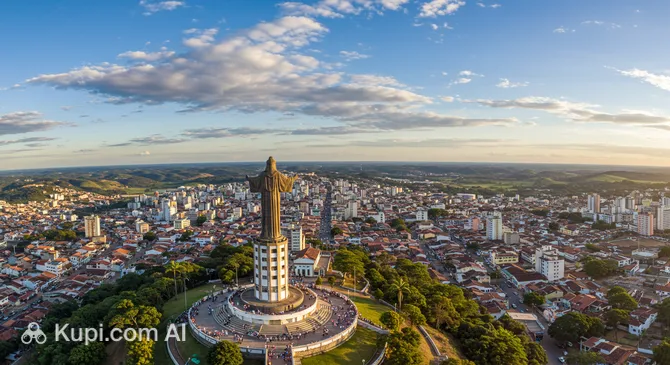
Juazeiro do Norte. Source: Kupi.Binoculars

Travelers visiting the city cannot miss the iconic Statue of Father Cícero located on the Colina do Horto. Standing 27 meters tall, it offers panoramic views of the city and serves as a focal point for pilgrims. The area around the statue also houses the Living Museum of Father Cícero, where visitors can learn more about the "Patriarch of the Northeast." Beyond religious tourism, the city is known for its vibrant craft markets and the Mestre Noza Center for Popular Culture, which showcases incredible woodcarvings and local artistry.

Whether you are driven by faith, an interest in Brazilian folklore, or simply the desire to explore the unique interior of the Northeast, Juazeiro do Norte welcomes you with open arms. Its warm hospitality and energetic spirit make it a truly memorable stop on any journey through the region.
Weather Overview

Travelers can expect a consistently warm climate when visiting this region, characterized by high temperatures and distinct wet and dry periods. The city generally remains hot throughout the year, with October being the warmest month, featuring average temperatures around 28.5°C and highs reaching up to 34.3°C. Even during the mildest month of July, the weather is comfortable, with lows rarely dropping below 19.5°C.

Precipitation varies significantly depending on the season. The first half of the year, specifically from January to April, brings the most rainfall, with March seeing about 22 wet days. Conversely, the months from August to October are extremely dry, often seeing zero days of rain. To help pack appropriately for your trip, it is helpful to review the current weather in Juazeiro do Norte before you go.

Interesting Facts

Beyond the main pilgrimage sites and the famous statue of Father Cícero, Juazeiro do Norte holds fascinating secrets that blend geological history with unique cultural traditions. From ancient fossils to controversial miracles, the city offers curious travelers much more than meets the eye.
Timbaúbas Municipal Nature Park. Source: Kupi.Binoculars
  • The city's transformation into a religious hub began with a controversial event known as the Miracle of Juazeiro in 1889. During a mass, a communion host administered by Father Cícero reportedly turned to blood in the mouth of a local woman, an event that the Vatican initially rejected but which solidified the priest's saint-like status among the people.

  • Juazeiro do Norte is part of the Araripe Geopark, which was the first geopark in the Americas to be recognized by UNESCO. The region is incredibly rich in fossils from the Cretaceous period, including perfectly preserved winged reptiles and fish, making it a hotspot for paleontologists.

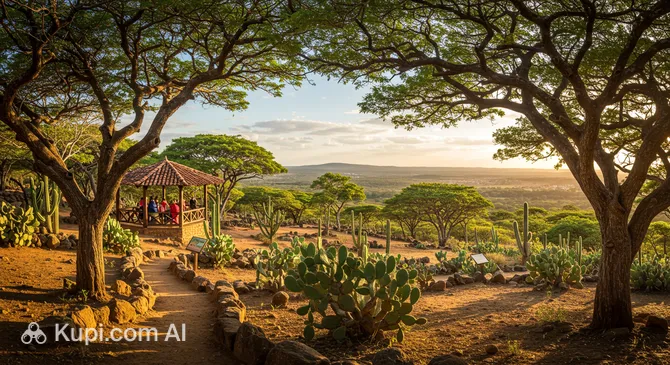
  • While the region is known for its semi-arid climate, the city contains a surprising green oasis known as the Timbaúbas Municipal Nature Park. This ecological sanctuary preserves the local caatinga vegetation and provides a vital recreational space with natural springs within the urban area.

  • The city is one of the most significant centers for Cordel Literature in Brazil. This traditional folk poetry, printed in small booklets and illustrated with distinctive woodcuts, is not just sold here but actively produced, keeping a centuries-old storytelling art form alive.

How to Get There

Reaching this important pilgrimage destination in Ceará is relatively straightforward, with air travel being the most convenient option for those coming from afar. For a complete overview of transport options, you can read more about how to get to Juazeiro do Norte. The city is well-connected to major Brazilian hubs, facilitating the arrival of thousands of visitors and pilgrims year-round.

The primary gateway is the Orlando Bezerra de Menezes Airport (IATA: JDO), situated directly within Juazeiro do Norte. It is a regional hub located just 4.7 km from the city center, making the transfer very quick; a taxi ride typically takes around 10 to 15 minutes. Another option for travelers is Petrolina International Airport (IATA: PNZ), located in the city of Petrolina. However, it is approximately 273.5 km away from Juazeiro do Norte, requiring a significantly longer transfer of several hours by road or bus to reach the final destination.

For clarity, here is a summary of the main airports:

Airport Name City Passenger Traffic Km from City
Orlando Bezerra de Menezes Airport Juazeiro do Norte Medium 4.7
Petrolina International Airport Petrolina Medium 273.5

Regarding rail transport, Juazeiro do Norte does not currently have a passenger railway station connecting it to other major cities. Visitors opting for ground transportation typically arrive via the extensive intercity bus network or by car, utilizing the state highways that link the Cariri region to the rest of Ceará and neighboring states.

Main Attractions

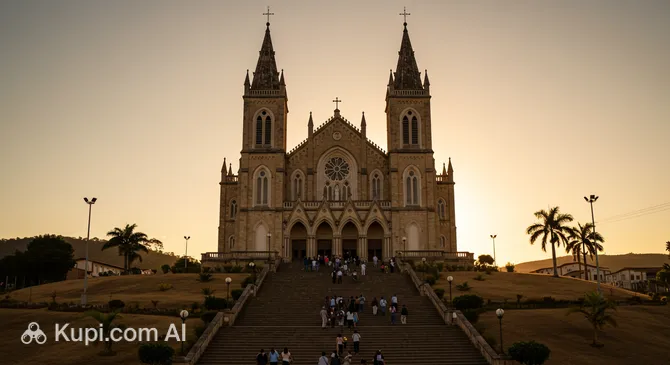
As a major pilgrimage center, the city's spiritual heart beats strongest at the Shrine of the Sacred Heart of Jesus. This religious site is not only a place of prayer but also a monument to the deep devotion that characterizes the region. Tourists are often moved by the intense atmosphere of faith and the beautiful architecture that stands as a sanctuary for millions of pilgrims. It is an essential stop for anyone wanting to understand the cultural and religious identity of Juazeiro do Norte.

Shrine of the Sacred Heart of Jesus. Source: Kupi.Binoculars

For those looking to experience the modern urban pulse of the city, Cariri Garden Shopping is the premier destination. As the largest commercial center in the region, it offers a welcome retreat from the heat with its air-conditioned environment. Visitors can explore a wide variety of national and international stores, enjoy a movie at the cinema, or relax in the extensive food court. It is a lively meeting point where locals and tourists alike gather for leisure and entertainment.

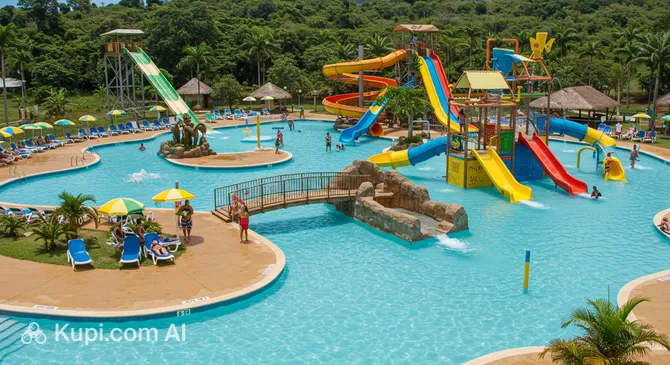
Given the warm semi-arid climate, a visit to Verdes Vales Water Park provides a refreshing escape. This attraction is perfect for families and travelers seeking fun and relaxation. With its array of swimming pools, water slides, and recreational areas, it offers a cool respite and a day of excitement. It is a popular spot to unwind and enjoy the sunny weather in a comfortable, aquatic setting.

Verdes Vales Water Park. Source: Kupi.Binoculars

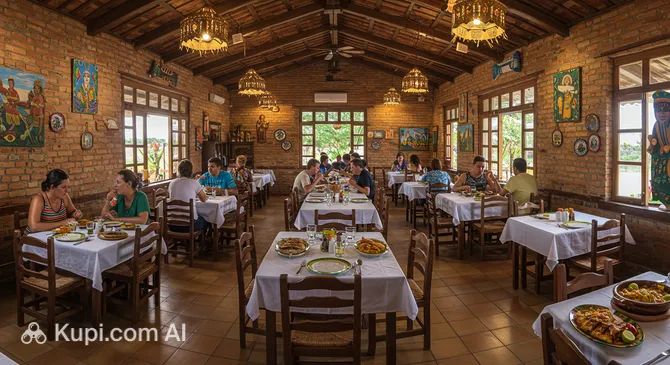
No trip to the Northeast of Brazil is complete without savoring the local cuisine, and Pedro's Sirigado is a culinary landmark in the city. Famous for its preparation of sirigado (a delicious local fish), this restaurant offers an authentic taste of regional gastronomy. It is an excellent choice for tourists wishing to indulge in traditional dishes and experience the rich flavors that define the culinary heritage of Ceará.

Local Cuisine

The gastronomy of Juazeiro do Norte is a flavorful celebration of Northeastern Brazilian traditions, characterized by hearty ingredients and robust seasonings typical of the "Sertão" (backcountry). A staple on almost every table is Carne de Sol, heavily salted beef that has been cured in the sun. It is traditionally served with macaxeira (cassava/yuca), paçoca (a mix of ground meat and manioc flour), and generously drizzled with manteiga da terra, a rich clarified bottled butter that enhances the flavor of any dish.

Another dish that defines the local palate is Baião de Dois, a comforting mixture of rice and beans cooked together with spices, onions, cilantro, and chunks of "queijo coalho" (squeaky cheese). For those with a taste for more adventurous regional specialties, the city offers Buchada de Bode, a complex stew made from goat entrails, which is a source of pride for local cooks. In the Cariri region, you will also find dishes seasoned with Pequi, a yellow fruit with a distinctive aroma that is often cooked with rice or chicken.

Pedro's Sirigado. Source: Kupi.Binoculars

While red meat is dominant, the region also appreciates good fish. The Sirigado (a type of grouper) is a highly prized fish known for its firm, delicious white meat. Visitors eager to try this local delicacy can visit Pedro's Sirigado, a restaurant that has become a reference point for high-quality regional cuisine and seafood preparation in the city.

To accompany these meals, the most iconic beverage is Cajuína, a non-alcoholic, amber-colored drink made from clarified cashew apple juice. It is refreshing, sweet, and deeply culturally significant in the Northeast. For dessert, look for Rapadura, a sweet block of unrefined cane sugar produced in the surrounding valleys, or tapioca pancakes filled with coconut and condensed milk, widely available at street stalls and bustling municipal markets.

Travel Tips

To help you make the most of your visit to this unique pilgrimage destination in the heart of the Brazilian Northeast, we have compiled a list of essential travel advice. These practical tips will ensure your journey through Juazeiro do Norte is not only comfortable but also culturally respectful and hassle-free.

  1. Clothing and Gear: Given the semi-arid climate, lightweight and breathable fabrics like cotton or linen are essential to handle the heat. However, since this is a major religious center, modesty is key; pack clothing that covers shoulders and knees for visiting churches and the Statue of Father Cícero. Comfortable walking shoes are a must, especially if you plan to climb the Colina do Horto or explore the nature trails of the Araripe Geopark.
  2. Transportation: Ride-hailing apps like Uber and 99 are widely available and are often the most convenient and safe way to navigate the city. For a truly local experience, you can use "mototaxis" (motorcycle taxis) for short distances, which are very popular and affordable. If you plan to visit distant geological sites or neighboring towns in the Cariri region, renting a car is highly recommended for flexibility.
  3. Finances: The local currency is the Brazilian Real (BRL). While credit and debit cards are accepted in hotels, larger restaurants, and shopping malls, cash is king in the bustling street markets and when buying religious souvenirs from small vendors. It is wise to carry small bills, as change can sometimes be scarce in informal settings.
  4. Health and Safety: The sun in Ceará is intense, so staying hydrated and wearing high-SPF sunscreen is non-negotiable; pharmacies are plentiful if you need supplies. In terms of safety, Juazeiro do Norte is generally welcoming, but like any busy city, it is best to avoid displaying expensive electronics or jewelry openly. Be extra vigilant against pickpockets in crowded areas, particularly during religious festivals or "romarias."
  5. Communication: Portuguese is the primary language, and English is not widely spoken outside of high-end hotels or the airport. It is highly advisable to download an offline translation app and learn a few basic phrases like "Obrigado" (Thank you) and "Por favor" (Please). You can easily purchase a local SIM card at pharmacies or newsstands with your passport to stay connected.
  6. Local Etiquette: The people of the Northeast are known for their warmth; a friendly "Bom dia" (Good morning) or a smile goes a long way. When interacting with locals, keep in mind that Father Cícero is a revered figure; speaking of him with respect is crucial to building rapport. Religious processions are solemn events, so observe quietly and ask for permission before taking close-up photos of pilgrims.
  7. What to Avoid: Avoid wearing swimwear or overly revealing clothing anywhere other than the pool or water park, as this is considered disrespectful in the city center. Additionally, never make improved jokes or disparaging comments about "Padim Ciço" (Father Cícero), as his legacy is deeply sacred to the local population.
  8. Local Insight: If you prefer a quieter visit, check the calendar for "Romarias" (large pilgrimages) before booking. During these periods, the city's population swells massively, and accommodation becomes scarce. However, if you want to witness the true spiritual energy of the city, visiting during a Romaria is an unforgettable cultural immersion.

By keeping these tips in mind, you will be well-prepared to navigate the vibrant streets and sacred sites of Juazeiro do Norte with confidence. Enjoy the rich culture, the warm hospitality of the cearenses, and the fascinating history that makes this city truly one of a kind.

Entertainment & Nightlife

While Juazeiro do Norte is widely known for its religious significance, the city also offers a lively and welcoming social scene once the sun goes down. The nightlife here is less about frantic clubbing and more about vibrant social gatherings, live music, and enjoying the warm evening breeze with friends. The atmosphere is generally casual and friendly, reflecting the hospitable nature of the local people in the Cariri region.

The epicenter of evening entertainment is undoubtedly the Lagoa Seca neighborhood. This area, particularly along Avenida Plácido Aderaldo Castelo, is lined with a variety of bars, "petiscarías" (snack bars), and restaurants that come alive after dark. It is the perfect place to experience the local culture, often accompanied by live performances of Forró or Sertanejo music. Visitors can expect a bustling crowd on weekends, with locals enjoying cold beverages and hearty regional appetizers.

For a reliable and delicious start to the night, Pedro's Sirigado remains a favorite choice. Although primarily a restaurant, its lively atmosphere makes it a great spot to gather for dinner and drinks before exploring other venues. The establishment is well-regarded for its seafood and serves as a social hub where the conversation flows as freely as the refreshments.

Travelers looking for a more contained and modern environment often head to Cariri Garden Shopping. As the city's main commercial complex, it offers a safe and air-conditioned space for evening entertainment. Beyond the retail stores, the mall features a multiplex cinema showing the latest releases and a large food court that stays busy well into the evening, making it a popular meeting point for families and young people alike.

Cariri Garden Shopping. Source: Kupi.Binoculars

When planning a night out, safety and logistics are straightforward. The Lagoa Seca district and the shopping mall area are generally safe for walking, but it is always advisable to stay in well-lit, populated areas. For transportation, ride-hailing apps and radio taxis are the most convenient and secure ways to get around, especially late at night. The dress code throughout the city is very casual; lightweight, comfortable clothing is the norm, even in nicer establishments.

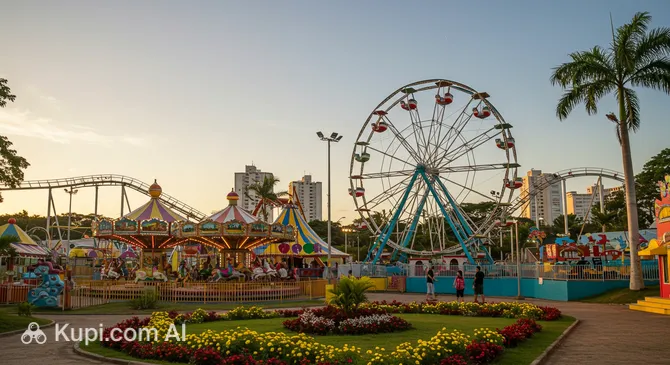
For those interested in daytime entertainment or family-friendly fun before the evening sets in, the city offers several options beyond its museums and religious sites. Magic Games is an amusement center that provides a variety of arcade games and activities suitable for children and teenagers, offering a fun break from sightseeing.

Magic Games. Source: Kupi.Binoculars

Parks & Museums

While Juazeiro do Norte is primarily recognized for its spiritual devotion, the city also maintains spaces dedicated to culture, history, and environmental preservation. Visitors looking to explore beyond the main pilgrimage sites will find museums that celebrate local folk art and parks that offer a glimpse into the region's natural beauty.

A cornerstone of local culture is the Mestre Noza Center for Popular Culture. Housed in a historic building in the city center, this facility serves as both a museum and a workshop for the region's artisans. It displays an impressive collection of wood carvings, pottery, and straw crafts, honoring the legacy of the master artisan Mestre Noza. It is an excellent place to observe the creation of traditional "cordel" woodcuts and to purchase authentic souvenirs directly from the artists.

For a deeper understanding of the city's founder, the Living Museum of Father Cícero is an essential stop. Located on the Colina do Horto, near the famous statue, this museum preserves the atmosphere of the priest's life through realistic wax figures and period settings. Visitors can walk through rooms that replicate his daily environment, viewing personal artifacts and historical items that narrate the story of the "Padim Ciço" and his impact on the Northeast.

Nature lovers should visit the Timbaúbas Municipal Nature Park. This protected area stands as a vital ecological sanctuary within the urban landscape, dedicated to preserving the native Caatinga biome. The park features walking trails, natural springs, and recreational areas, making it a popular spot for locals to exercise and relax. It provides a refreshing contrast to the semi-arid climate and is vital for the conservation of the local ecosystem.

Another significant facility is the Romero Support Center. Designed to accommodate the vast number of pilgrims who visit the city, this large complex serves as a logistical hub and a gathering space for religious events. With its broad plazas and support structures, it plays a central role in managing the flow of religious tourism, ensuring that visitors have a designated space for rest and organization during major festivities.

Getting Around

The public transport system in Juazeiro do Norte is primarily composed of a network of buses, minibuses, and a light rail service known as the Metrô do Cariri. For tourists, the system is relatively straightforward to use, connecting the city center to major neighborhoods and neighboring municipalities like Crato and Barbalha. While the city does not have a heavy underground subway, the light rail provides a convenient and scenic alternative for specific routes.

The Metrô do Cariri is a standout feature of the local transit landscape. This Light Rail Vehicle (VLT) system connects Juazeiro do Norte to the city of Crato, covering a distance of approximately 13.6 kilometers with several stops along the way. It is a comfortable and air-conditioned option, though it operates with specific schedules that are generally limited to daytime hours on weekdays and Saturdays. It is particularly useful for travelers wishing to visit the neighboring city without dealing with road traffic.

For getting around the city itself, buses and "topics" (minibuses or vans) are the most common modes of transport. The bus network is extensive, reaching most tourist attractions, including the path towards the statue of Father Cícero. "Topics" often run on complementary routes and can be faster than traditional buses, though they may be more crowded. Both options are vital for navigating the urban area and are widely used by the local population.

Regarding payment, cash is the most practical method for visitors. While there are electronic card systems used by residents, tourists are advised to carry small bills and coins. You typically pay the fare directly to a conductor or the driver upon boarding buses and minibuses. Fares are quite affordable. For the Metrô do Cariri, tickets must be purchased at the counters located within the stations before boarding, and the cost is very low, making it an economical choice.

If you prefer more comfort or direct transport, ride-hailing apps like Uber and 99 are fully operational in the city and are often recommended for tourists unfamiliar with bus routes. Additionally, mototaxis (motorcycle taxis) are an extremely popular and fast way to get around Juazeiro do Norte. If you choose this option, ensure you use an accredited driver, usually identified by a numbered vest, and always wear the provided helmet. Traditional taxis are also available at designated stands, particularly near the bus terminal and the airport.

Accommodation

Where to Stay:

Accommodation in Juazeiro do Norte reflects the city's dual identity as a major pilgrimage center and a growing commercial hub. The options range from simple, budget-friendly "pousadas" (guesthouses) designed to host large groups of pilgrims to modern, mid-range hotels suitable for business travelers and tourists seeking more comfort. While you won't find many ultra-luxury resorts, the hospitality sector is well-developed and capable of catering to diverse needs, offering clean and convenient places to rest.

When choosing an area to stay, location depends largely on the purpose of your visit. For those focused on religious tourism and wanting to be close to the main sanctuaries, the City Center (Centro) is the most convenient choice. Staying here places you within walking distance of the Shrine of the Sacred Heart of Jesus and the bustling markets. On the other hand, the Lagoa Seca neighborhood is ideal for travelers looking for a more modern atmosphere. This area is known for its upscale residential vibe, proximity to the shopping mall, and a variety of restaurants and bars, offering a quieter and more comfortable base.

A crucial tip for booking accommodation in Juazeiro do Norte is to check the religious calendar. During the major "Romarias" (pilgrimages), which occur several times a year—most notably in November, January, and February—the city receives hundreds of thousands of visitors. During these periods, hotels and guesthouses fill up months in advance, and prices can rise significantly. If you plan to visit during a pilgrimage, securing your reservation as early as possible is essential.

In terms of pricing, the city is generally very affordable compared to major Brazilian coastal capitals. Budget travelers can find very inexpensive rates in local guesthouses, while mid-range hotels offer excellent value for money with amenities like air conditioning, Wi-Fi, and breakfast included. Booking can be done easily through major online platforms for the larger hotels, though some smaller, family-run establishments may still prefer direct contact via phone or messaging apps.

Nearby Cities

For those looking to explore the surroundings, Juazeiro do Norte serves as an excellent base for day trips to several interesting nearby locations:

City Population Distance (km)
Crato 273883 11
Barbalha 55323 9
Brejo Santo 45193 46
Mauriti 44240 62
Varzea Alegre 38434 48

Located just a stone's throw away, Crato is often celebrated as the "Culture Capital" of the Cariri region. Nestled at the foothills of the Chapada do Araripe, it offers a greener landscape and a slightly milder climate than its neighbors. The city is a gateway to the Araripe National Forest, making it a perfect spot for travelers who enjoy nature trails, ecological diversity, and exploring the rich geological history of the geopark.

Another key destination within the metropolitan area is Barbalha, famous for its historic architecture and natural thermal springs. It is home to the popular Balneário do Caldas, where visitors can relax in mineral-rich swimming pools surrounded by nature. The town is also renowned for its deep-rooted traditions, including the vibrant Festa do Pau da Bandeira (Flagpole Festival), which showcases the authentic folklore of the Brazilian Northeast.

These nearby destinations offer a glimpse into the diverse culture and landscapes of the region.

Shopping & Souvenirs

Shopping:

Shopping in Juazeiro do Norte offers a fascinating mix of the traditional and the modern, reflecting the city's identity as both a pilgrimage capital and a regional commercial hub. Visitors can explore everything from bustling street fairs dedicated to religious artifacts to contemporary malls, ensuring a diverse retail experience that caters to all tastes.

The most unique aspect of commerce here is the "faith trade," which is concentrated in the streets surrounding the main sanctuaries, particularly along Rua São Pedro. This area is vibrant and crowded, filled with vendors selling items that symbolize the city's spiritual devotion. Tourists can find countless varieties of rosaries, statues of Father Cícero, and the traditional leather hats used by "romeiros" (pilgrims). It is the ideal place to purchase a meaningful souvenir that captures the essence of the local culture.

For those interested in authentic handicrafts, the Centro de Cultura Popular Mestre Noza is a must-visit destination. Located in a historic building, this center functions as both a workshop and a store, showcasing the work of the region's most talented artisans. Here, you can buy intricate woodcarvings, clay sculptures, and hand-tooled leather goods. It is also one of the best places to find "literatura de cordel"—traditional folk poetry booklets illustrated with distinctive woodcuts—which make for culturally rich gifts.

Travelers seeking a modern retail environment will find everything they need at Cariri Garden Shopping. As the largest and most complete shopping center in the region, it offers a cool, air-conditioned retreat from the semi-arid heat. The mall features a wide array of national fashion brands, electronics stores, and department stores, providing a familiar and comfortable shopping experience with excellent amenities.

Finally, do not miss the chance to explore the local municipal markets for edible souvenirs. These lively spots are perfect for purchasing regional delicacies such as rapadura (blocks of unrefined cane sugar), bottles of manteiga da terra (clarified butter), and fresh queijo coalho. Bringing home these flavors is a wonderful way to extend your journey through the Brazilian Northeast.

Reached the end of the page?

That means the route is fully explored