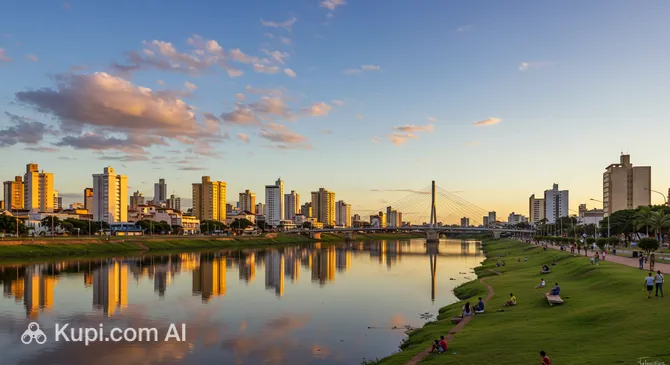
Welcome to Teresina, the vibrant capital of the state of Piauí. Situated in the Northeast region of Brazil, this city is unique among its regional neighbors for being the only state capital located inland rather than on the coast. Known affectionately as the "Green City" (Cidade Verde) due to the countless mango trees that line its streets, Teresina offers a distinct atmosphere that blends urban energy with a lush, tropical environment.
Teresina. Illustration.
Source: Kupi.com AI
Geographically, the city is defined by the confluence of the Parnaíba and Poti rivers, providing a scenic backdrop to daily life. The climate is characteristically warm and tropical, inviting visitors to enjoy the outdoors year-round. With a population of over 950,000 people, it serves as a major commercial and medical hub for the region. As the first planned city in the country, its layout tells a fascinating story of development; those interested in its origins can explore the history of Teresina to learn more about its heritage.
Visitors will find several captivating attractions to explore. The Encontro das Águas is a natural highlight where the two main rivers meet, creating a beautiful setting for sunset views. For a different perspective, the Ponte Estaiada (Cable-Stayed Bridge) features an observation deck that offers panoramic views of the cityscape. Additionally, the historic district of Poty Velho is renowned for its skilled artisans who produce exquisite ceramic handicrafts. Teresina is a welcoming destination that invites you to experience its warmth, culture, and authentic charm.
Weather Overview
The climate in this region is characteristically tropical, defined by consistent heat and two very distinct seasons. Before packing for your trip, it is helpful to review the detailed weather in Teresina to understand exactly what to expect during your stay. Generally, the city stays warm to hot year-round, with average temperatures rarely dipping below 26°C.
The first part of the year, from January to April, constitutes the wet season. During these months, humidity is higher, and rainfall is frequent, occurring on approximately 24 to 28 days each month. Despite the clouds, it remains warm, with average daily temperatures hovering around 27°C. This is a lush time to visit, though travelers should be prepared for regular showers.
In contrast, the second half of the year brings a significant shift. From June to October, the city enters a dry period, with August and September often seeing 0 wet days. As the rain disappears, the heat intensifies; October is typically the hottest month, with average maximum temperatures reaching 37°C. Overall, expect hot conditions throughout the year, shifting from a humid, rainy start to a dry, intensely sunny finish.
Average monthly temperature
Average monthly precipitation
Interesting Facts
To create a truly unique experience, uncover these intriguing details that define the local character of the city. Beyond the main attractions, Teresina holds many fascinating secrets, from ancient geological treasures to curious atmospheric phenomena.
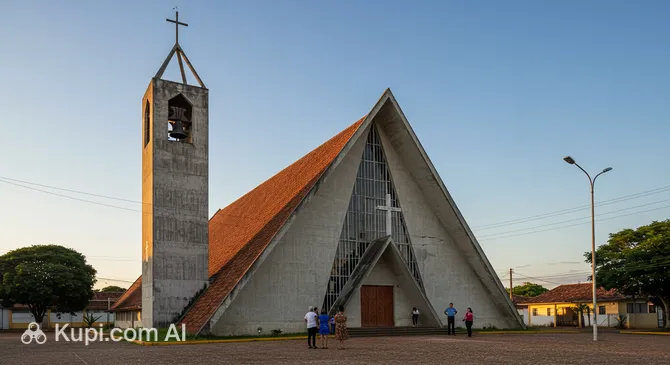
São Benedito Parish. Illustration.
Source: Kupi.com AI
Traveler photos:
Teresina is historically nicknamed "Chapada do Corisco" (Flash Canyon) because it has one of the highest densities of lightning strikes in the world. This intense electrical activity is a well-known local phenomenon, particularly striking during the transition into the rainy season.
The city is one of the rare urban centers globally to possess a fossil forest within its city limits. Located on the banks of the Poti River, the petrified tree trunks found here date back to the Permian period, making them significantly older than the dinosaurs.
Locals have a specific vocabulary for the intense heat experienced in the second half of the year, affectionately calling it "B-R-O Bró." This term refers to the months of September, October, November, and December—all ending in "bro"—which are notorious for high temperatures and low humidity.
The historic São Benedito Parish features a remarkable artistic detail often missed by casual passersby. Its massive wooden doors were intricately carved by Sebastião Mendes, a celebrated local artisan, making the entrance itself a significant work of religious art.
How to Get There
Reaching the capital of Piauí is convenient, with air travel being the most efficient method for visitors coming from distant locations. For a detailed overview of all transport options, you can read more about how to get to Teresina. The city is well-connected to the rest of the country, serving as a key gateway to the region.
The primary entry point for travelers is Teresina Airport (IATA: THE), officially named Senador Petrônio Portella Airport. Located directly in Teresina, it sits just 4.6 km from the city center. This proximity makes the transfer to downtown very quick; a journey by taxi or car typically takes around 27 minutes. The airport handles a significant volume of passengers annually, operating as a busy medium-sized hub with frequent domestic flights connecting to major Brazilian cities.
Travelers may also notice Barreirinhas (IATA: BRB) listed as a regional airport. However, it is located in the city of Barreirinhas, approximately 258.7 km away from Teresina. The travel time from there by road is substantial, taking roughly 6 hours and 50 minutes. Consequently, this airport is primarily used by tourists visiting the Lençóis Maranhenses National Park rather than as a direct route to Teresina.
For clarity, here is a summary of the main airports:
Beyond air travel, Teresina is accessible via Brazil's extensive road network. While passenger rail service is not a primary mode of long-distance transport to the city, the local bus terminal (Rodoviária) is a major hub. It receives comfortable long-haul coaches from various states, offering an affordable and scenic alternative for those exploring the country by land.
Main Attractions
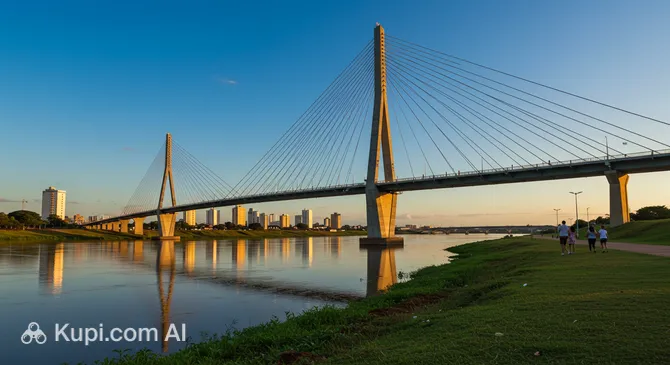
One of the most iconic landmarks in the city is the Estaiada Bridge (Teresina). Officially known as the Mestre João Isidoro França Bridge, this impressive cable-stayed structure spans the Poti River and serves as a modern symbol of the capital. What makes it particularly interesting for tourists is the observation deck located at the top of its central tower. Accessible by an elevator, the "Mirante" offers a spectacular 360-degree panoramic view, allowing visitors to see why Teresina is celebrated as the "Green City."
Estaiada Bridge (Teresina). Illustration.
Source: Kupi.com AI
Traveler photos:
For a relaxing experience outdoors, Potycabana Park is a top destination. Situated along the riverbanks near the shopping district, this expansive leisure complex is a favorite spot for locals to exercise and socialize. The park features sports courts, walking trails, stages for events, and landscaped gardens. It is an excellent place to enjoy a late afternoon stroll, watch the sunset over the river, and experience the vibrant social life of the city in a safe and well-maintained environment.
Potycabana Park. Illustration.
Source: Kupi.com AI
Traveler photos:
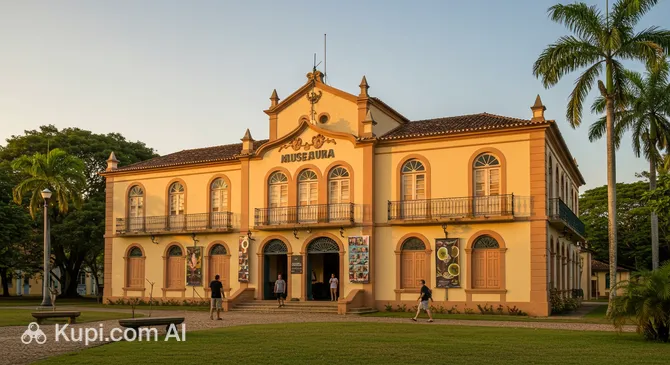
Those interested in the region's heritage should visit the Piauí Museum. Housed in the historic Odilon Nunes mansion, which is an architectural treasure in its own right, the museum offers a deep dive into the state's history. Its eclectic collection includes everything from prehistoric fossils and indigenous artifacts to colonial furniture and sacred art. Walking through its halls provides a comprehensive overview of the cultural evolution of Piauí.
Piauí Museum. Illustration.
Source: Kupi.com AI
Traveler photos:
Another significant cultural hub is the Teresina House of Culture. Located in a beautifully preserved 19th-century residence, this institution is dedicated to promoting local arts and history. It frequently hosts exhibitions, workshops, and cultural performances, making it a dynamic space for artistic expression. A visit here offers insight into the architectural style of the city's early years and connects travelers with the contemporary artistic community.
Finally, for a taste of the city's modern lifestyle and a break from the tropical heat, Rio Poty Shopping is a popular stop. As a major commercial center, it offers more than just retail therapy; it is a hub for dining and entertainment. With a wide variety of restaurants and a view of the river, it provides a comfortable setting to sample local cuisine or enjoy a movie, reflecting the city's role as a commercial capital in the region.
Local Cuisine
The culinary scene in Teresina is a flavorful reflection of Piauí's rich culture, blending indigenous roots with Northeastern traditions. The local cuisine is hearty, savory, and heavily reliant on high-quality ingredients like sun-dried meat (carne de sol), manioc, and regional fruits. For lunch or dinner, the absolute must-try dish is Maria Isabel. Unlike many other Brazilian rice dishes, this local specialty cooks rice together with cubed sun-dried meat, onions, garlic, and peppers, creating a delicious, uniform meal that is often served with a side of fried bananas.
Another gastronomic staple you will encounter is Paçoca. In this part of Brazil, the name refers not to the sweet peanut treat, but to a savory mixture of pounded sun-dried meat, manioc flour, and onions, traditionally prepared in a wooden mortar. It is a perfect comfort food, often eaten for breakfast or dinner. adventurous eaters should also look for Capote (guinea fowl), typically served stewed with rice (arroz de capote), which offers a stronger, gamey flavor that is beloved by locals.
To accompany these rich meals, the most iconic beverage is Cajuína. This non-alcoholic drink is made from cashew apples and is famous for its crystal-clear, amber color and sweet, refreshing taste. It is deeply embedded in the state's cultural identity and is refreshing in the tropical heat. For those seeking something stronger, local bars serve excellent cachaça, and given the city's high temperatures, extremely cold beer is a mandatory part of the social experience.
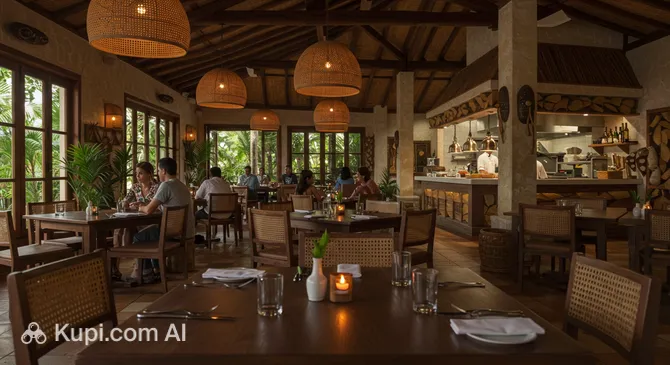
Coco Bambu Teresina. Illustration.
Source: Kupi.com AI
Traveler photos:
The city offers a diverse range of dining environments, from open-air markets to sophisticated air-conditioned restaurants that provide a respite from the heat. For a taste of modern regional cuisine in a comfortable setting, Coco Bambu Teresina is a popular choice among tourists and locals alike, known for its extensive menu of seafood and Northeastern classics. Alternatively, if you are in the mood for a traditional Brazilian barbecue experience, Fogo Campeiro Teresina offers a vast selection of grilled meats in the classic rodízio style.
Travel Tips
To ensure your visit to Teresina is as enjoyable and stress-free as possible, we have compiled a set of practical recommendations for travelers. Given the city's unique inland tropical climate and specific local customs, a little preparation goes a long way in making your stay in this warm region of Brazil comfortable and smooth.
Clothing and Gear: Due to the intense heat, especially during the dry season, prioritize lightweight, breathable fabrics like cotton and linen. Light colors are best to reflect the sun. Essential accessories include a wide-brimmed hat, high-SPF sunscreen, and sunglasses. If you plan to visit religious sites, pack a scarf or shawl to cover your shoulders and knees out of respect for local dress codes.
Transportation: While the city has a public bus system, it can be complex for visitors to navigate and is often crowded. The most convenient and safe way to get around is by using ride-hailing apps like Uber or 99, which are reliable and affordable in Teresina. If you choose to rent a car, be aware that traffic can be heavy, and air conditioning is a must.
Finances: The local currency is the Brazilian Real (BRL). Credit and debit cards are widely accepted in hotels, restaurants, and shopping malls. However, it is advisable to carry some cash for small purchases at street stalls or local handicraft markets like Poty Velho. A 10% service charge is usually included in restaurant bills, so additional tipping is optional but appreciated.
Health and Safety: Hydration is critical in Teresina; always drink bottled or filtered water and avoid tap water. Pharmacies are abundant, with major chains often open 24/7 to assist with minor health needs. As in any large city, stay vigilant: keep your valuables discreet, avoid walking in deserted areas at night, and use taxis or ride apps rather than walking long distances after dark.
Communication: The official language is Portuguese. English is not widely spoken outside of major hotels and tourist agencies, so having a translation app or a basic phrasebook is highly recommended. You can purchase a prepaid SIM card from carriers like Claro, TIM, or Vivo at shopping centers, though you will likely need your passport for registration.
Local Etiquette: Residents of Piauí are generally very warm and hospitable. A handshake is a standard greeting, though a kiss on the cheek is common in more informal settings. It is polite to greet people with "Bom dia" (Good morning) or "Boa tarde" (Good afternoon) when entering shops or elevators. Brazilians tend to stand relatively close during conversation; this is a sign of friendliness, not aggression.
What to Avoid: Do not assume that speaking Spanish will be sufficient; while similar, Portuguese is a distinct language, and locals appreciate the effort to use it. Additionally, avoid displaying expensive cameras or smartphones openly on the street to prevent attracting unwanted attention.
Additional Tip: Adapt to the local "sun schedule." The midday heat (from noon to 3:00 PM) can be oppressive. Follow the local example by planning outdoor activities, such as visiting parks or the Estaiada Bridge, for the early morning or late afternoon when the temperature is more pleasant and the city comes alive.
By keeping these practical tips in mind, you will be well-equipped to navigate Teresina with confidence. The city's welcoming atmosphere and rich culture are best experienced when you feel safe and prepared, allowing you to focus on enjoying the vibrant energy and unique charm of the capital of Piauí.
Entertainment & Nightlife
Entertainment:
When the sun sets and the tropical heat subsides, Teresina reveals a lively social scene that caters to diverse tastes. From energetic nightlife to family-oriented fun, the city offers plenty of ways to unwind. The local culture places a strong emphasis on socializing, so you will often find residents enjoying open-air venues and leisure centers late into the evening.
For those seeking nightlife, the city has a vibrant array of bars and clubs. Varanda Boteco is a popular choice for a relaxed evening of appetizers and conversation. If you are looking for a place to dance, Lights Music offers an energetic atmosphere. Beer lovers should not miss Zero Grau Choperia, a well-known spot famous for its ice-cold draft beer, which is considered an essential remedy for the warm climate. For a more refined experience, Grand Cru provides an excellent selection for wine enthusiasts.
Families traveling with children have several exciting options to keep the little ones entertained. Eldorado Country Club is a fantastic destination for water activities, offering a refreshing escape from the high temperatures. For indoor amusement, both Planeta Kids Teresina and Danny's Park feature a variety of games and rides designed to provide hours of fun in a safe environment.
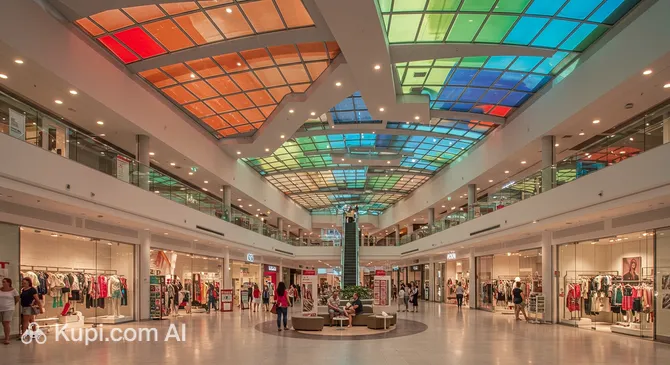
Shopping is another major leisure activity in the capital. Teresina Shopping is one of the city's most established commercial centers. It serves as a comprehensive entertainment hub, featuring a wide range of retail stores, a cinema complex, and a large food court, making it a convenient place to spend an afternoon or evening.
Teresina Shopping. Illustration.
Source: Kupi.com AI
Traveler photos:
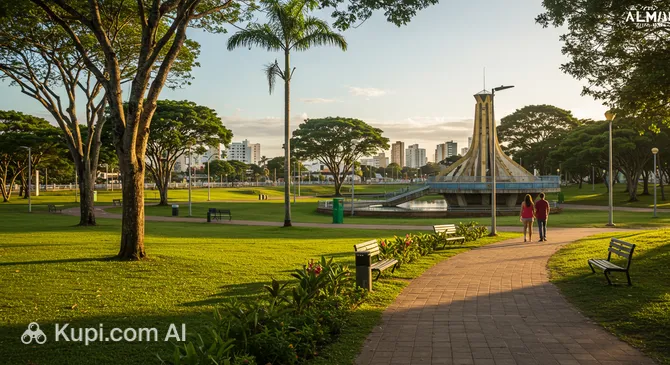
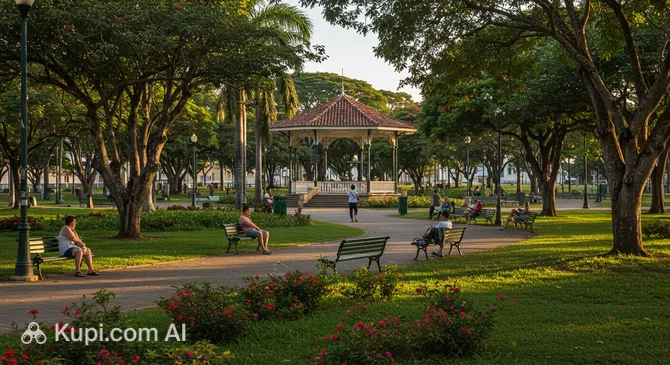
For a peaceful retreat into nature within the urban area, City Park (Parque da Cidade) is a wonderful option. This green space offers walking trails and areas for relaxation, allowing visitors to enjoy the local flora and a quieter pace of life amidst the bustling city.
City Park. Illustration.
Source: Kupi.com AI
Traveler photos:
Parks & Museums
True to its nickname, the "Green City," Teresina weaves nature directly into its urban fabric, offering residents and visitors a variety of refreshing outdoor spaces. Beyond the riverbanks, the city maintains several parks that serve as social hubs and ecological sanctuaries. Complementing this natural beauty is a collection of cultural institutions that preserve the artistic and historical legacy of Piauí, providing a quiet respite from the tropical sun.
One of the most popular modern gathering spots is Parque da Cidadania. Located centrally near the historic railway station, this park is a favorite for families and fitness enthusiasts, especially in the late afternoon when the temperatures drop. It features an impressive amphitheater, skate park, and extensive walking paths lined with native trees. The park often hosts local craft fairs and cultural events, making it a lively place to experience the everyday rhythm of the city.
For a more immersive nature experience, the Zoobotanical Park (Parque Zoobotânico) offers a vast green refuge covering over 130 hectares. It is home to a diverse range of Brazilian fauna, including jaguars, monkeys, and tropical birds, housed in environments that blend with the native forest. The park is an excellent spot for a family outing, providing a direct connection to the region's biodiversity without leaving the city limits.
In terms of culture, the city boasts impressive heritage sites. While the Teresina House of Culture is a well-known architectural gem hosting rotating exhibitions, travelers should also seek out the Museum of Sacred Art (Museu de Arte Sacra). Housed in the historic Casa do Bispo, this museum contains a valuable collection of religious artifacts, statues, and paintings that trace the history of the Catholic Church in Piauí, offering insight into the spiritual traditions that have shaped the local community.
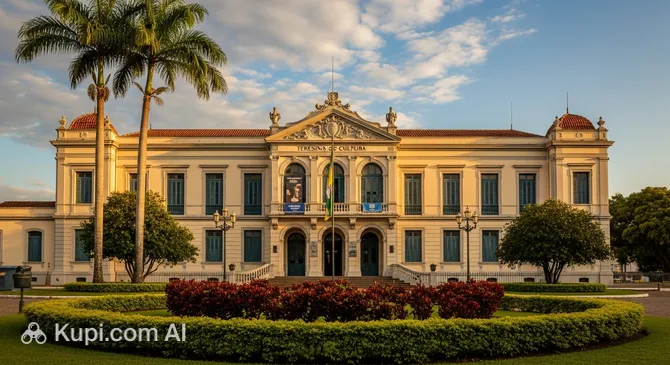
Teresina House of Culture. Illustration.
Source: Kupi.com AI
Traveler photos:
Another architectural highlight is the Karnak Palace (Palácio de Karnak). Although it serves as the official seat of the State Government, its gardens are a major attraction in their own right. Designed by the world-renowned landscape architect Roberto Burle Marx, the gardens feature a stunning array of tropical plants and a central lake, creating a serene atmosphere that contrasts with the bustling city center. The palace's classical architecture, inspired by ancient temples, adds a touch of grandeur to the downtown area.
For an authentic insider experience, visit the Troca-Troca market located on the banks of the Parnaíba River. This "exchange market" is a living cultural tradition where locals have traded goods for decades. While it is not a traditional museum, walking through its stalls offers a raw and genuine glimpse into the local commerce and folklore, far removed from the polished displays of standard tourist attractions.
Getting Around
The public transport system in Teresina primarily relies on a network of buses and a surface light rail system, locally referred to as the "Metrô." For most tourists, understanding how these two modes interact is key to navigating the city. The bus network is the most extensive option, covering all zones of the city through a system of integration terminals. These terminals allow passengers to switch between different bus lines to reach their final destination without paying a second fare, provided they remain within the terminal or use the appropriate electronic card within a set time window.
The "Metrô de Teresina" is not an underground subway but rather a diesel light rail system (VLT) that operates on the surface. It is a scenic and historic way to cross the river, as it traverses the Railway Bridge (Ponte Ferroviária) over the Parnaíba River. However, its reach is somewhat limited compared to the bus network. It mainly connects the city center to the Southeast region. While it is an extremely affordable mode of transport, it is often used more by daily commuters than tourists sightseeing in the city center. Travelers should check the specific operating hours, as the rail service typically runs from early morning until the evening on weekdays, with reduced hours on Saturdays and often no service on Sundays.
regarding payment, the city utilizes an electronic ticketing system. While cash is still accepted on board many buses, using the local transport card (often branded as "Mais Fácil") is recommended for smoother transfers and integration benefits. You can purchase credits or single-use passes at sales points located in the main terminals and some commercial areas. Fares are generally quite affordable. If you pay with cash on the bus, try to have small change available, as conductors may not always have change for large bills.
Given the intense tropical heat of Teresina, many visitors prefer alternatives that offer air conditioning and door-to-door convenience. Ride-hailing apps like Uber and 99 are extremely popular, reliable, and relatively inexpensive compared to other major cities. They are often the best choice for tourists who want to avoid waiting in the sun or navigating crowded bus terminals. Traditional taxis are also available and can be hailed on the street or at designated stands, though they are generally pricier than the apps.
Another common sight in the city is the "mototaxi" (motorcycle taxi). These are a fast and popular way for locals to zip through traffic. While they are regulated and drivers wear identifying vests, they might not be the most comfortable option for tourists unfamiliar with riding on the back of a motorcycle, especially without proper protective gear beyond a helmet. For a leisurely exploration, bike rentals are less common for commuting due to the heat, but you may find recreational cycling options in parks like Potycabana during the cooler evening hours.
For a stress-free experience, it is advisable to use ride-sharing apps for evening outings or when visiting attractions located far apart. If you choose to take the bus, use navigation apps to track routes and schedules in real-time, as bus stops may not always have clear signage. Be mindful of rush hours (early morning and late afternoon), when public transport can become very crowded.
Accommodation
Accommodation in Teresina is designed primarily to serve business travelers and those visiting for medical services, resulting in a hospitality sector that prioritizes functionality and comfort. While you will not find the sprawling all-inclusive resorts typical of Brazil's coast, the city offers a reliable selection of lodging options. These range from budget-friendly guesthouses (pousadas) to modern, high-rise hotels that provide excellent amenities for a relaxing stay.
For most tourists, the best area to stay is the East Zone (Zona Leste). This is the modern district of the city, known for its vibrant atmosphere and safety. By choosing a hotel here, you will be within easy reach of the best dining spots, lively bars, and major shopping centers like Rio Poty Shopping and Teresina Shopping. Alternatively, the City Center (Centro) offers more economical options and is convenient for those who wish to be walking distance from historical museums and administrative buildings, though the area tends to become very quiet after business hours.
Although the city does not feature many ultra-luxury international chains, it boasts several reputable national hotel brands and high-quality independent properties. The most sought-after hotels are typically located in the East Zone and often feature swimming pools—a highly desirable amenity given the region's tropical climate. These establishments generally offer a high standard of service, catering efficiently to both corporate and leisure guests.
When booking your stay, one specific detail is non-negotiable: air conditioning. Due to Teresina's consistently high temperatures, you should verify that your chosen accommodation offers modern, efficient cooling systems. It is also a good idea to book in advance if you are visiting during major local events, although availability is generally good throughout the year.
In terms of cost, Teresina is quite affordable compared to Brazil's coastal tourist capitals. Travelers can often find excellent mid-range accommodation at prices that would be considered budget rates elsewhere. Booking is best done through major online platforms, which allow you to compare prices easily and, most importantly, read recent guest reviews to confirm the quality of the facilities and the effectiveness of the air conditioning.
Nearby Cities
For those looking to explore the surroundings, Teresina serves as an excellent base for day trips to several interesting nearby locations. The region offers a mix of historical sites, natural beauty, and neighboring towns that provide a quick escape from the capital's busy pace.
Just across the Parnaíba River lies the city of Timon. Although it is technically located in the neighboring state of Maranhão, it functions as a sister city to Teresina, connected by the "Friendship Bridge." It is a popular destination for locals seeking leisure on the riverbanks, offering various bathing spots and restaurants that serve fresh fish. It provides a unique opportunity to visit two different Brazilian states in a matter of minutes.
Travelers interested in history and gastronomy should consider a trip to Campo Maior. Located roughly an hour and a half away, this town is famous for the Monument of the Battle of Jenipapo, a significant site commemorating Brazil's struggle for independence. Additionally, Campo Maior is renowned for its culinary reputation, often cited as having one of the best carne de sol (sun-dried meat) dishes in the entire region, making it a rewarding stop for food lovers.
City
Population
Distance
Timon
155 460
3 km
Demerval Lobão
13 278
32 km
Altos
38 822
38 km
Jose de Freitas
37 085
45 km
Monsenhor Gil
10 333
56 km
These nearby destinations offer a glimpse into the diverse culture and landscapes of the region, allowing visitors to experience the broader context of Piauí and its borders.
Shopping & Souvenirs
Shopping in Teresina offers a delightful mix of modern convenience and traditional charm, reflecting its status as a major commercial hub in the Mid-North region of Brazil. Visitors can explore everything from sophisticated shopping centers with air-conditioned comfort to bustling street markets filled with local colors and scents. The city is particularly famous for its high-quality handicrafts, especially ceramics, as well as regional delicacies that make for perfect gifts.
For a traditional street shopping experience, the downtown area (Centro) is the place to be. The most famous pedestrian thoroughfare is the Rua Climatizada (Simplício Mendes Street). While the "climate control" aspect is more historical than functional today, it remains a lively corridor lined with clothing stores, shoe shops, and variety stores. Another distinct area is the Poty Velho district in the North Zone. This is the oldest neighborhood in the city and serves as the heart of Teresina's ceramic industry, where you can walk from studio to studio to see artisans at work and purchase pieces directly from the source.
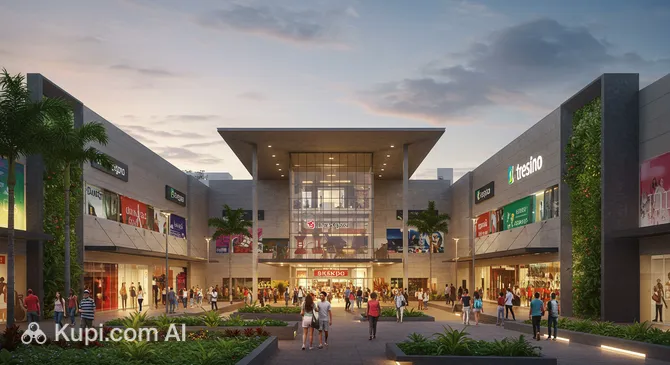
If you prefer a modern retail environment, the city boasts excellent large-scale malls that serve as social gathering spots. Teresina Shopping is a long-standing favorite among locals, offering a vast array of national brands, a cinema, and extensive dining options. It is spacious and provides a welcome escape from the midday heat. Another top destination is Rio Poty Shopping, located near the riverbanks. It features a contemporary design, a wide selection of fashion retailers, and a scenic view that enhances the shopping experience.
Rio Poty Shopping. Illustration.
Source: Kupi.com AI
Traveler photos:
Markets are an essential part of the local culture. The Mercado Central de Teresina (also known as Mercado São José) is a must-visit for an authentic glimpse into daily life. Here, you can find everything from medicinal herbs and regional spices to leather goods and straw baskets. For a truly unique experience, visit the Troca-Troca market on the Parnaíba riverbank. While famous for its barter tradition, it also sells curious vintage items and offers a fascinating look at the city's folk commerce.
When searching for souvenirs, the most iconic item to bring back is clay craftsmanship from Poty Velho, ranging from decorative vases to garden ornaments. Another excellent gift is a bottle of Cajuína, the region's golden, non-alcoholic cashew beverage, which is a recognized Brazilian cultural heritage. You might also look for jewelry made with Opals; although mined in the nearby town of Pedro II, Teresina is a great place to buy these stunning gemstones. Regional leather sandals and embroidered linens are also popular choices.
Store hours in Teresina generally follow standard Brazilian patterns. Street shops in the city center typically open from 8:00 AM to 6:00 PM on weekdays and close around 1:00 PM on Saturdays, remaining closed on Sundays. Shopping malls operate longer hours, usually from 10:00 AM to 10:00 PM from Monday to Saturday, with food courts and leisure areas open on Sundays (stores often open later on Sundays, around 2:00 PM). Credit and debit cards are widely accepted, even in smaller stalls, but carrying some cash is advisable for markets.
Tourists should be aware that Brazil does not operate a standard VAT refund (tax-free) system for international visitors similar to those found in Europe or North America. The price you see on the tag is the final price. While you may not get a tax refund at the airport, the relatively lower cost of living in the region often makes local goods and handicrafts quite affordable compared to international prices.