Support

Barreirinhas

About

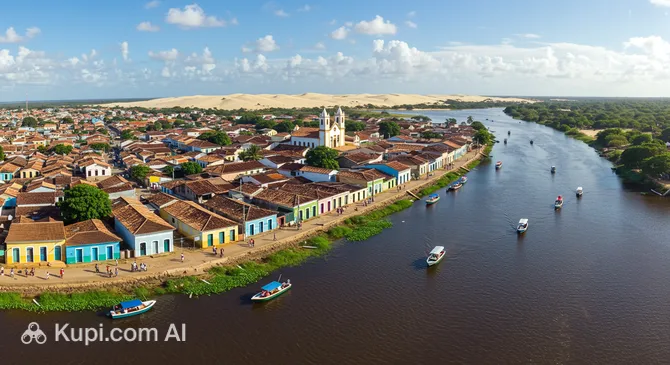
Welcome to Barreirinhas, a charming town often celebrated as the primary gateway to one of South America's most spectacular natural wonders. Located in the state of Maranhão in northeastern Brazil, this bustling municipality sits peacefully on the banks of the Preguiças River. With a population of approximately 55,000 residents, it balances the warmth of a small community with the energy of a premier tourist destination.

Barreirinhas. Source: Kupi.Binoculars

The town serves as the perfect base camp for adventurers looking to explore the region's unique geography. While the area has transformed significantly over the years to accommodate global travelers, the history of Barreirinhas remains rooted in its origins as a riverside settlement. Today, the streets are filled with a mix of local culture, cozy restaurants, and handicraft shops, offering a glimpse into the authentic lifestyle of the region.

Most visitors flock here to witness the breathtaking Lençóis Maranhenses National Park, a vast landscape of sweeping white sand dunes dotted with seasonal rainwater lagoons. Beyond the dunes, the Preguiças River itself is a major attraction, inviting travelers to take boat tours that wind through mangroves and lead to picturesque stops like the Mandacaru Lighthouse. Whether you are seeking thrilling off-road adventures or serene sunsets over the water, Barreirinhas offers an unforgettable escape into nature.

Weather Overview

Barreirinhas enjoys a consistently warm tropical climate year-round, making it a destination where summer clothes are suitable at any time. The average temperatures remain stable, with daily highs typically ranging from 29°C to 32°C and nightly lows rarely dipping below 24°C. This steady warmth provides a comfortable atmosphere for exploring the dunes and rivers, regardless of when you visit.

When planning your trip, it is important to consider the distinct rainfall patterns that define the region's seasons. To get a detailed forecast for your specific travel dates, you can check the weather in Barreirinhas. The first half of the year, particularly from January through May, is characterized by frequent rainfall, with March often seeing precipitation on nearly every day. Conversely, the months from August to October are significantly drier, with almost no wet days recorded, offering clear skies for outdoor adventures.

Interesting Facts

Beyond its role as the main entry point to the famous dunes, Barreirinhas holds a variety of fascinating secrets and cultural traditions. From its unique river ecosystem to its surprising cinematic connections, the town offers more than just a stopover for travelers.

Mangue Restaurant. Source: Kupi.Binoculars
  • The town's lifeline, the Preguiças River, translates literally to the "River of Sloths." This name was inspired by the large populations of sloths that historically inhabited the mangrove forests along its banks, as well as the river's calm and slow-moving current.

  • Although the nearby Lençóis Maranhenses looks like a vast desert, it is not technically classified as one. The region receives roughly 47 inches of rain annually—too much for a desert definition—which is the magical ingredient that fills the valleys between the dunes to create thousands of crystal-clear lagoons.

  • The local economy and culture are deeply intertwined with the buriti palm, often called the "tree of life." Artisans in the city use the palm's fiber to weave intricate handicrafts, bags, and hammocks, while the fruit is used to make everything from sweets to ice cream.

  • The otherworldly landscapes accessible from Barreirinhas have caught the eye of Hollywood; the white dunes served as the filming location for the planet Vormir in the blockbuster movie Avengers: Infinity War.

  • Local gastronomy is heavily influenced by the surrounding mangrove ecosystem, offering distinctive dishes that highlight fresh catches. Visitors can experience these authentic regional flavors at local establishments such as Mangue Restaurant, which specializes in preparing ingredients sourced directly from the river.

How to Get There

Reaching the gateway to the Lençóis Maranhenses is the first step of your adventure. While the town is somewhat remote, accessible routes connect it to major Brazilian hubs. For a detailed breakdown of all transport options, you can read more about how to get to Barreirinhas to plan your arrival perfectly.

The most direct way to arrive is via the Barreirinhas Airport (IATA: BRB). This small regional airport is conveniently located just 2 km from the city center, making the final transfer incredibly quick—approximately 5 to 10 minutes by taxi. However, as a smaller facility with limited passenger traffic, flight availability may be restricted compared to larger cities.

For more frequent flight connections, many travelers opt to fly into Marechal Cunha Machado International Airport (IATA: SLZ) in the city of São Luís. Although it is located about 158 km from Barreirinhas, it serves as the main entry point for the region with significantly higher passenger volume. The overland journey from São Luís to Barreirinhas typically takes around 4 hours and 20 minutes by bus or private transfer, offering a scenic drive through the state of Maranhão.

For clarity, here is a summary of the main airports:

Airport Name City Passenger Traffic Km from City
Marechal Cunha Machado International Airport São Luís Large 158.0
Teresina Airport Teresina Large 254.4
Jericoacoara Jericoacoara Medium 274.9
Barreirinhas Barreirinhas Small 2.0

Main Attractions

While the natural wonders surrounding the city are the primary draw, Barreirinhas itself offers several delightful spots where visitors can immerse themselves in the local atmosphere. From riverside retreats to culinary landmarks, the town provides excellent venues to relax after a day of exploring the dunes.

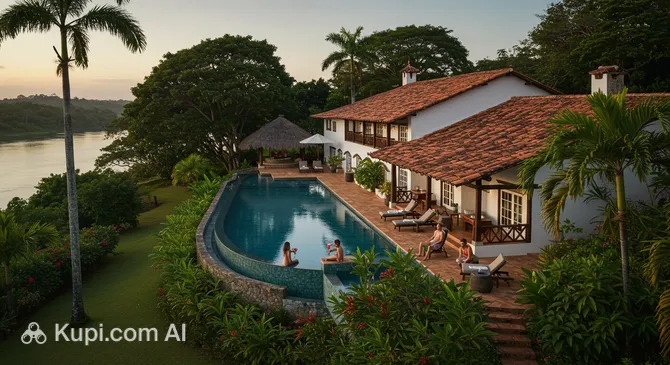
One of the most renowned establishments in the area is the Porto Preguiças Resort. Located directly on the banks of the river, this expansive property is more than just a place to stay; it is a destination in its own right. Visitors are often drawn to its lush, carefully landscaped grounds which blend seamlessly with the native forest. The resort captures the essence of the region's tranquility, offering a perfect vantage point to watch the boats drift by on the slow-moving waters of the Preguiças River.

Porto Preguiças Resort. Source: Kupi.Binoculars

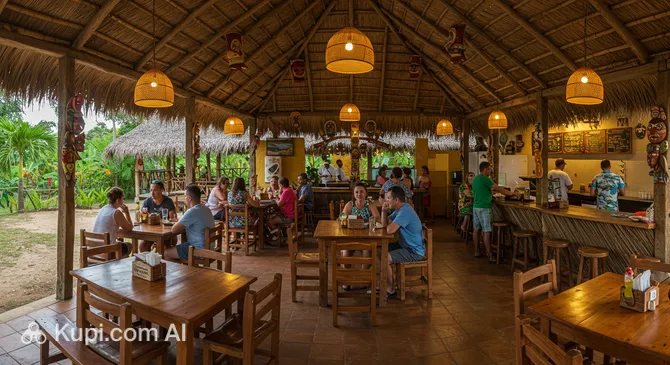
For those seeking a taste of authentic regional cuisine in a memorable setting, Mangue Restaurant is a culinary highlight. Situated in a prime location, it is celebrated for its open-air architecture that allows diners to enjoy the tropical breeze while savoring dishes crafted from fresh local ingredients. The restaurant is particularly famous for its inviting ambiance and its ability to turn a simple meal into a cultural experience, reflecting the warm hospitality of Maranhão.

Mangue Restaurant. Source: Kupi.Binoculars

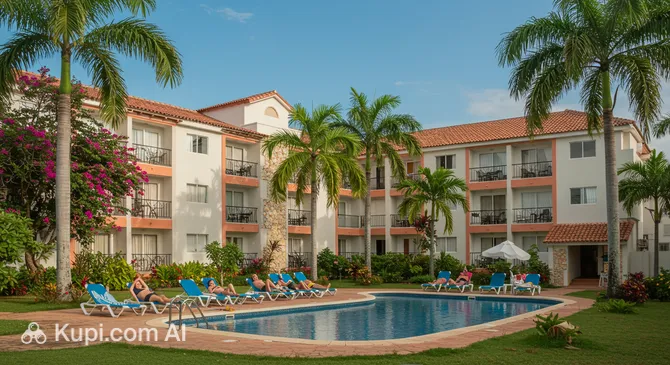
Another key spot for travelers looking for comfort and convenience is the Gran Lençóis Flat Residence. This modern facility stands out for its infrastructure and its proximity to the town's main activities. It serves as an excellent hub for tourists planning their excursions to the national park, offering a relaxing environment with ample amenities to recharge between adventures.

Gran Lençóis Flat Residence. Source: Kupi.Binoculars

Local Cuisine

The culinary scene in Barreirinhas is a delightful reflection of Maranhão’s rich culture, blending indigenous influences with the abundance of the Preguiças River and the nearby Atlantic Ocean. Food here is not just sustenance; it is an integral part of the travel experience. The town’s gastronomy is heavily focused on fresh seafood and river fish, prepared with strong, earthy seasonings that distinguish northeastern Brazilian cuisine from the rest of the country.

A must-try dish for any visitor is the famous Arroz de Cuxá. This savory rice dish is cooked with vinagreira (hibiscus leaves), dried shrimp, and sesame, creating a unique, slightly tangy flavor that pairs perfectly with fried fish or seafood stews. Another local favorite is the Peixada Maranhense, a hearty fish stew made with coconut milk, boiled eggs, and potatoes. Given the region's geography, you will also find exceptional crab and shrimp dishes, often seasoned simply to highlight the freshness of the catch.

When it comes to drinks, Barreirinhas offers flavors you won't find easily elsewhere. You cannot leave without trying Guaraná Jesus, a bright pink, cinnamon-flavored soda that is a cultural icon in the state of Maranhão. For something more natural, try juices made from native fruits like bacuri, cupuaçu, and especially buriti. The buriti palm is ubiquitous in the region, and its fruit is used to make refreshing drinks, ice creams, and sweets. For those interested in spirits, look for Tiquira, a strong, purple-hued brandy made from manioc.

The dining atmosphere in Barreirinhas is relaxed and often centers around the riverside promenade, known as the Beira-Rio. Here, tourists and locals gather at open-air tables to enjoy the breeze and live music. For a quintessential taste of the region, Mangue Restaurant is a top choice, renowned for its authentic preparation of local ingredients and its charming location. Whether you are grabbing a quick tapioca pancake from a street vendor or sitting down for a full seafood feast, the town offers a warm and flavorful welcome.

Travel Tips

Planning a trip to the gateway of the Lençóis Maranhenses requires a bit of preparation to ensure a smooth and enjoyable experience. These practical tips will help you navigate local customs and logistics in Barreirinhas, allowing you to focus entirely on the stunning natural beauty around you.

  1. Clothing and Gear: Given the tropical heat, lightweight and breathable clothing is essential. Pack plenty of swimwear, a wide-brimmed hat, and high-SPF sunscreen. For footwear, leave the heavy hiking boots at home; sturdy sandals or flip-flops are far more practical for navigating the sand and getting on and off boats. Don't forget a waterproof bag to protect your electronics during river tours.
  2. Transportation: The town center is compact and walkable, but for quick trips across town, mototaxis are the most popular and affordable option. To visit the dunes and the national park, you cannot use a standard car; you must book a seat on the local jardineiras—adapted 4x4 trucks authorized to traverse the sandy terrain.
  3. Finances: The official currency is the Brazilian Real (BRL). While hotels and larger restaurants generally accept credit cards, cash is king for small vendors, handicraft stalls, and snacks during excursions. There are ATMs in the town center, but it is wise to withdraw cash before arriving, as machines can sometimes run out of money during busy weekends.
  4. Health and Safety: Pharmacies are available in the center for basic necessities, though specialized medication should be brought from home. The biggest health risk is the intense equatorial sun; stay hydrated and seek shade when possible. The town is generally safe, but exercise standard caution with valuables, especially in crowded tourist areas.
  5. Communication: Portuguese is the primary language, and English is not widely spoken outside of major tour agencies and hotels. Downloading an offline translation app and offline maps is highly recommended. A local SIM card can be purchased in town for better connectivity, though signal may be spotty in the dunes.
  6. Local Etiquette: The atmosphere is incredibly relaxed and friendly. It is polite to greet shopkeepers and guides with a simple "Bom dia" (Good morning) or "Boa tarde" (Good afternoon). Beachwear is the norm, but it is respectful to wear a cover-up or shirt when dining in restaurants or walking through the main streets.
  7. What to Avoid: Never attempt to drive a private rental car into the sandy trails leading to the national park; vehicles get stuck daily, and it is prohibited for unauthorized drivers. Also, avoid walking barefoot on the dunes between 11:00 AM and 2:00 PM, as the white sand reflects heat and can become painfully hot.
  8. Local Insight: After a day of adventure, head to the Beira-Rio (riverfront promenade) in the evening. This is the social heart of Barreirinhas, where locals and tourists alike gather to enjoy live music, cold drinks, and the cooling breeze off the Preguiças River.

With these tips in hand, you are well-equipped to embrace the unique rhythm of Barreirinhas. Pack your sense of adventure and get ready to explore one of Brazil's most breathtaking landscapes with confidence and ease.

Entertainment & Nightlife

Entertainment in Barreirinhas is defined by its laid-back, riverside charm rather than high-energy nightclubs. As the sun sets, the city shifts from a departure point for tours to a lively social hub. The center of the action is the Beira-Rio boardwalk, a pedestrian-friendly promenade along the Preguiças River. Here, locals and visitors gather at open-air tables to enjoy live music, which often features traditional forró or acoustic Brazilian hits, while sipping cold drinks and watching the boats dock for the evening.

For those seeking a more curated leisure experience, the town's premier establishments offer excellent amenities for relaxation. The Porto Preguiças Resort is a destination in itself, providing a tranquil environment with sports courts and pools where guests can unwind after a day of trekking. Similarly, the Gran Lençóis Flat Residence offers extensive recreational facilities that serve as a perfect retreat for families. For a memorable evening of dining and socializing, Mangue Restaurant provides a vibrant atmosphere that captures the welcoming spirit of the region.

Cultural festivities are a major highlight of the local entertainment calendar, particularly during the months of June and July. This is the season of "Bumba Meu Boi," a colorful and energetic folklore festival that takes over the streets with music, elaborate costumes, and theatrical dances. It is a deeply immersive experience that offers travelers a unique glimpse into the rich heritage of Maranhão.

Shoppers will also find plenty to admire in the local handicraft scene. The region is famous for its artisanal work with buriti palm fiber, which is woven into intricate bags, hats, and hammocks. Browsing the stalls at the Handcraft Center (Centro de Artesanato) is a popular pastime, allowing visitors to watch artisans at work and pick up authentic souvenirs that support the local community.

Parks & Museums

While Barreirinhas is not defined by traditional city parks or sprawling museum complexes, it serves as a sanctuary where nature itself is the greatest gallery. The town’s "green spaces" are actually vast expanses of golden sands and emerald waters, while its cultural heritage is best observed in the vibrant workshops of local artisans rather than behind glass cases. Visitors here step directly into a living exhibit of Maranhão’s unique ecosystem and traditions.

The crown jewel of the region is undoubtedly the Lençóis Maranhenses National Park. Although it is a protected federal area rather than a municipal park, it functions as the primary outdoor recreational space for anyone in the city. Spanning over 155,000 hectares, this surreal landscape features endless waves of white sand dunes that shift with the wind, cradling thousands of freshwater lagoons filled by seasonal rains. It is a place of stark, otherworldly beauty where visitors can swim in crystal-clear blue and green pools surrounded by nothing but silence and sand.

For a more accessible taste of this geography, the Pequenos Lençóis (Little Bedsheets) offers a stunning natural retreat reachable by boat along the Preguiças River. Located closer to the town than the main park, this area comprises smaller dunes and lush vegetation, serving as a perfect spot for travelers to observe local wildlife, including monkeys and exotic birds. It acts as a transitional zone where the mangroves meet the sands, offering a concentrated version of the region's biodiversity.

In terms of culture, the Centro de Artesanato de Barreirinhas (Handicraft Center) stands as the city's most significant cultural venue. Acting as both a gallery and a market, this space showcases the artistic soul of the region: the buriti fiber. Here, visitors can admire and purchase intricate weavings, bags, and hammocks created by local artisans who have passed down these techniques for generations. It provides a deep insight into the economic and artistic importance of the native palm tree to the local community.

Another key landmark reflecting the town's history is the Igreja Matriz de Nossa Senhora da Conceição. Situated in the heart of the city, this church is not just a place of worship but a historical anchor for the residents. Its simple yet dignified architecture represents the colonial roots and the enduring faith of the populace. During local festivals, the square in front of the church transforms into a vibrant stage for cultural expression, including the dramatic Bumba Meu Boi dances.

For a truly authentic experience, take a boat trip to the nearby village of Mandacaru to visit the Preguiças Lighthouse (Farol Preguiças). While technically a short journey from the town center, this architectural landmark offers the best panoramic "exhibit" of the region. Climbing the 160 steps to the top rewards you with a 360-degree view encompassing the river, the ocean, the dunes, and the endless green of the mangroves—a living map of everything that makes Barreirinhas special.

Getting Around

Navigating Barreirinhas is a unique experience that differs significantly from large metropolitan areas. Travelers should be aware that the city does not have a subway, tram, or a conventional municipal bus network. Instead, the public transport system is informal and specifically adapted to the region's sandy terrain and riverside geography. The town center is compact and easily explorable on foot, allowing visitors to reach most restaurants, shops, and the riverfront promenade without needing a vehicle.

The most popular and efficient way to get around the urban area is by mototaxi. These motorcycle taxis are ubiquitous and serve as the primary mode of transport for locals. You can easily spot them by the drivers' official vests. They are an affordable and quick solution for short trips, such as getting from your hotel to the Beira-Rio boardwalk. It is standard practice to wave one down on the street, and helmets are provided for passengers.

For travel beyond the paved streets and into the sandy trails leading to the dunes or lagoons, the city relies on Jardineiras. These are rugged, adapted 4x4 trucks (often Toyota Bandeirantes) with open-air bench seating in the back. While they primarily serve tourists heading to the national park, they effectively function as the region's heavy-duty public transport, connecting the town center to outlying neighborhoods and remote landscapes where standard cars cannot drive. These usually depart from designated points or pick up passengers at hotels when booked through agencies.

Regarding payment, cash is the absolute rule for transport in Barreirinhas. There are no electronic travel cards, tap-to-pay systems, or transport apps like those found in major capitals. You should always carry small denominations of the local currency, as drivers often do not have change for large bills. Prices for mototaxis are generally fixed for specific zones within the town, but it is wise to confirm the fare with the driver before hopping on.

Standard taxis are available but are less common than mototaxis. They are typically found at the airport or arranged by hotel reception desks. Ride-sharing apps like Uber or 99 have a very limited presence and are often unreliable due to the small number of drivers; relying on them is not recommended. If you need a car, it is best to ask your accommodation to call a trusted local taxi driver for you.

Another essential form of "public transport" here is the voadeira (speedboat). Since the river is the main highway to coastal villages like Atins, Mandacaru, and Caburé, these boats act as water buses. They operate from the main pier, and tickets can be purchased at the various kiosks along the riverfront. Whether by boat, bike, or truck, moving around this city is part of the adventure, offering a closer look at the local way of life.

Accommodation

Where to Stay:

Accommodation in Barreirinhas has evolved significantly to cater to the growing number of visitors seeking the magic of the Lençóis Maranhenses. The city offers a surprisingly diverse range of lodging options, ensuring that every traveler can find a place that suits their style and budget. Whether you are a backpacker looking for a social hostel, a family in need of a spacious apartment, or a couple seeking a romantic riverside resort, the town is well-equipped to host you.

When choosing where to stay, location is a key factor. Many tourists prefer the convenience of the city center, particularly near the Beira-Rio promenade. Staying here places you within walking distance of the best restaurants, agencies for booking tours, and the lively evening atmosphere. Alternatively, for a more serene experience, you can choose properties located further along the banks of the Preguiças River. These spots often require a short taxi or boat ride to reach the center but offer lush gardens, silence, and stunning views of the water right from your window.

For travelers seeking a blend of comfort and immersion in nature, the Porto Preguiças Resort is a standout choice. Situated directly on the riverbank, it is widely recognized for its rustic-chic architecture and expansive grounds that feel like a private botanical garden. It provides a resort-style experience that serves as a peaceful sanctuary after a long day of trekking in the dunes.

Another excellent option, particularly for those who appreciate modern infrastructure and flexibility, is the Gran Lençóis Flat Residence. This property is well-regarded for its resort-like amenities, including a large pool area, making it a favorite for families and groups who want reliable service and comfortable facilities during their stay in the region.

Booking Tips and Prices:

The price range in Barreirinhas varies from budget-friendly pousadas (guesthouses) costing a few dozen dollars a night to higher-end resorts. It is crucial to remember that the city gets extremely busy during the high season, which coincides with the best time to see the lagoons (typically June to September). During these months, it is highly recommended to book your accommodation several weeks or even months in advance to secure your preferred spot. While major hotels and resorts can be booked via standard online platforms, many smaller, family-run guesthouses may offer better rates or availability through direct contact.

Nearby Cities

For those looking to explore the surroundings, Barreirinhas serves as an excellent base for day trips to several interesting nearby locations:

One of the most appealing destinations nearby is Tutoia. Located strategically between the Lençóis Maranhenses and the Parnaíba Delta, this coastal town offers a unique mix of dunes, beaches, and mangroves. It is often referred to as a hidden gem where travelers can explore the "Little Lençóis" (Pequenos Lençóis) or embark on boat tours to see the famous scarlet ibis birds returning to their nests at sunset, providing a peaceful connection with nature.

A bit further away lies Parnaíba, a larger city known as the gateway to the Delta do Parnaíba, the only open-sea delta in the Americas. The city combines natural beauty with rich history, centered around the Porto das Barcas. This historic district features charming colonial warehouses turned into restaurants and shops, making it a perfect spot to enjoy local culture and cuisine after a day of exploring the river islands.

City Population Distance (km)
Parnaíba 145,705 120
Chapadinha 73,350 124
Tutoia 52,788 61
Araioses 42,505 103
Brejo 33,359 102

These nearby destinations offer a glimpse into the diverse culture and landscapes of the region.

Shopping & Souvenirs

Shopping in Barreirinhas is a modest but culturally enriching experience that mirrors the town's rustic charm. Travelers should not expect sprawling shopping malls or international luxury brands here. Instead, the retail scene is intimate and focused on regional authenticity, offering a wonderful opportunity to discover local artistry and flavors. The town caters primarily to the needs of residents and the specific desires of tourists heading to the dunes, meaning you will mostly find shops selling beachwear, trekking gear, and, most importantly, unique handicrafts.

The main commercial activity is concentrated in the City Center (Centro), particularly along the streets leading toward the Preguiças River. The bustling Avenida Beira-Rio is not only a place for dining but also hosts various small shops and stalls selling souvenirs, t-shirts, and accessories. Walking through these streets offers a relaxed browsing experience where you can hop from one small storefront to another, often meeting the owners themselves.

Regarding large retail complexes, Barreirinhas does not have major shopping malls. The retail infrastructure consists of street-side stores and small commercial galleries (galerias) that house a mix of clothing boutiques, pharmacies, and service providers. If you need specific trekking equipment or specialized electronics, it is advisable to purchase them in a larger city like São Luís before arriving, as options here can be limited.

For visitors, the most significant shopping destination is the Centro de Artesanato (Handicraft Center). This is the heart of the local souvenir trade and the best place to find high-quality, authentic goods. Unlike a chaotic flea market, this center is often organized and focused on showcasing the region's specialty: items made from the buriti palm. Additionally, the Municipal Market offers a more raw, local experience where you can see the daily trade of fresh fish, tropical fruits, and regional spices.

When it comes to souvenirs, the undisputed star is the buriti fiber. Artisans skillfully weave this durable natural material into beautiful bags, hats, table runners, and hammocks. These items are not only practical and stylish but also support the local economy. Other excellent keepsakes include bottles of Tiquira (a strong, violet-colored brandy made from manioc), regional sweets made from cupuaçu or bacuri, and locally produced cashew nuts.

Store opening hours generally follow a standard schedule, with most shops opening around 8:00 AM and closing by 6:00 PM on weekdays. However, shops catering specifically to tourists along the boardwalk often stay open later into the evening to accommodate those returning from day tours. On Sundays, many regular stores are closed, though souvenir stands may remain operational.

Payment methods have modernized significantly, and most established shops and restaurants accept credit and debit cards. However, cash remains essential for smaller transactions. If you plan to buy from street artisans, market stalls, or small food vendors, carrying Brazilian Reais (BRL) is necessary, as they often do not have card machines. Tax-free shopping or VAT refunds are generally not available for international tourists in small Brazilian towns like Barreirinhas, so the price you see is the price you pay.
Reached the end of the page?

That means the route is fully explored