Support

Parnaíba

About

Welcome to Parnaíba, a vibrant city located in the northern region of the state of Piauí. As the second-most populous city in the state, it serves as a crucial hub for travelers exploring this breathtaking part of Brazil. Known for its warm hospitality and relaxed atmosphere, the city offers a perfect blend of natural wonders and cultural heritage, acting as the primary gateway to one of the most impressive ecological sanctuaries in the world.

Geographically, the city is situated along the banks of the Igaraçu River. With a population of approximately 145,000 residents, it maintains a lively yet manageable pace. The climate here is tropical, characterized by warm temperatures year-round, making it an ideal destination for sun-seekers and outdoor enthusiasts looking to escape colder weather.
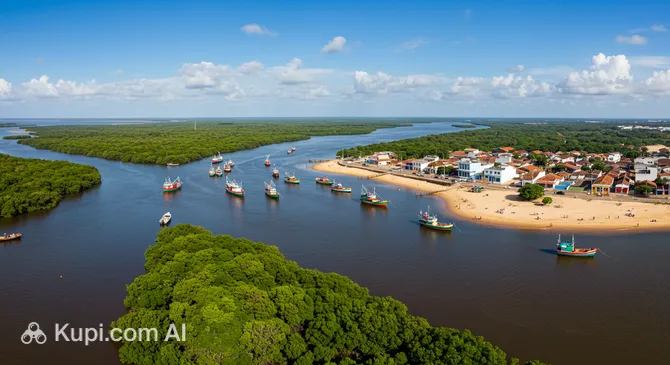
Parnaíba. Source: Kupi.Binoculars

One of the city's most significant features is its proximity to the majestic Delta do Parnaíba, the only open sea delta in the Americas. This ecological paradise is a maze of islands, dunes, and mangroves that attracts nature lovers from around the globe. Back in the city center, visitors can explore the fascinating history of Parnaíba by walking through the Porto das Barcas. This historic district features well-preserved colonial architecture and old warehouses that have been converted into charming shops, restaurants, and cultural spaces.

Whether you are looking to embark on a boat tour through the delta or relax on the nearby Pedra do Sal beach, Parnaíba promises an unforgettable experience. It is a destination that invites you to slow down, enjoy the local cuisine, and immerse yourself in the unique beauty of the Brazilian Northeast. We highly recommend adding this charming city to your travel itinerary.

Weather Overview

Travelers visiting this region can expect a tropical climate characterized by consistent warmth and distinct seasonal changes in rainfall. The weather in Parnaíba remains hot throughout the year, with average temperatures hovering between 26°C and 29°C. Nights are generally pleasant, with minimums rarely dropping below 25°C, while daytime highs can reach up to 32.6°C during the hottest months.

The year is divided into two main periods regarding precipitation. The first half of the year, particularly from January to May, constitutes the wet season, where rain is frequent; March is notably wet with up to 30 rainy days. In contrast, the second half of the year, especially from August to October, brings a significant dry spell with almost no rainfall and sunny skies, making it an excellent time for outdoor exploration.

Interesting Facts

Beyond the main attractions, Parnaíba holds many fascinating secrets and historical curiosities that often escape the casual visitor. From local legends to unique geographical features, here are some intriguing facts about this coastal city.

  • The Legend of Simplício Dias: One of the city's most enduring urban legends revolves around Simplício Dias da Silva, a wealthy and powerful 19th-century figure. Local folklore suggests that due to his controversial life, his spirit was unable to find peace, and residents have claimed to hear the phantom sounds of his heavy carriage echoing near the Cathedral of Nossa Senhora da Graça at night.

  • The Carnaúba Cycle: Parnaíba was once known as the "World Capital of Carnaúba Wax." In the early 20th century, the extraction of wax from the native Carnaúba palm tree drove a massive economic boom, financing the construction of the beautiful colonial mansions and warehouses that now make up the historic Porto das Barcas district.

  • A Beach of Two Worlds: The local beach, Pedra do Sal, is a geological curiosity. A massive cluster of rocks juts out into the ocean, effectively splitting the shoreline into two distinct environments: one side features calm, pool-like waters ideal for families, while the other side offers strong, rough waves that attract surfers and kitesurfers.

  • A Pioneer in Independence: Parnaíba played a pivotal role in Brazilian history. It was the first city in the state of Piauí to proclaim independence from Portugal on October 19, 1822. This act of bravery is celebrated annually, marking the city as a cradle of liberty in the region.

How to Get There

Reaching this captivating destination in the state of Piauí involves a bit of planning, as it is often part of a larger journey through the scenic "Route of Emotions." For a comprehensive guide on all available transport options, you can read more about how to get to Parnaíba.

Travelers frequently access the region through airports located in neighboring major cities. One of the primary gateways is Marechal Cunha Machado International Airport (IATA: SLZ), located in São Luís. While it is situated approximately 278 km from Parnaíba in a straight line, the actual driving distance via the road network is close to 430 km. Consequently, the journey by taxi or transfer typically takes between 6 and 7 hours. Another significant option is Teresina Airport (IATA: THE), located in the state capital, Teresina. This airport is about 266 km away geographically, but the road trip covers approximately 340 km, requiring roughly 5 to 6 hours of travel time. Both airports handle a high volume of passengers and offer numerous connections.

For those traveling from closer tourist hubs, the Jericoacoara airport (IATA: JJD) in the city of Jericoacoara is a convenient choice. It is located about 155 km from Parnaíba in a straight line, with a driving time of approximately 3 to 4 hours depending on the route taken. This smaller regional airport is popular among tourists exploring the coast.

For clarity, here is a summary of the main airports nearby:

Airport Name City Passenger Traffic Km from City (Direct)
Marechal Cunha Machado International Airport São Luís High 278.1
Teresina Airport Teresina High 265.8
Jericoacoara Jericoacoara Medium 155.4
Barreirinhas Barreirinhas Low 118.2

Parnaíba does not have passenger railway connections, so the most common way to arrive from these airports or other cities is by road. The city is well-connected by a network of buses and private transfer services, particularly from Teresina, Fortaleza, and São Luís. The bus terminal in Parnaíba receives daily arrivals from major companies, making overland travel a reliable and scenic alternative for visitors.

Main Attractions

Parnaíba offers a delightful mix of natural beauty and historical charm. While it is famous as the gateway to a massive delta, the city itself holds several treasures that allow visitors to experience the authentic culture and geography of Piauí. Here are some of the main attractions you should not miss.

Delta do Parnaíba is undoubtedly the region's most famous highlight. While the delta covers a vast area, the tours departing from Parnaíba offer some of the best experiences. A must-see event is the "Revoada dos Guarás" (Flight of the Scarlet Ibises). Towards late afternoon, boat tours take visitors to a specific islet where hundreds of these vibrant red birds return to roost at sunset. The contrast of their bright plumage against the green mangroves and the orange sky creates one of the most spectacular natural shows in Brazil.

For a dive into the city's past, visit the Porto das Barcas. This historic complex is located right by the Igaraçu River and consists of restored colonial warehouses that date back to the time when the city was a major exporter of carnaúba wax. Today, these stone buildings have been transformed into a cultural hub filled with craft shops, museums, and restaurants. It is a wonderful place to stroll in the late afternoon, buy local souvenirs, and enjoy a meal while admiring the rustic architecture.

Beach lovers should head to Pedra do Sal, located on Ilha Grande de Santa Isabel, just a short drive from the city center. This beach is unique due to a large cluster of rocks that divides the coastline into two distinct sections. On one side, the waters are calm and form natural pools, making it perfect for swimming and families. On the other side, the sea is rougher with strong winds, attracting surfers and kitesurfing enthusiasts. The striking lighthouse set amongst the rocks adds to the scenic beauty, especially at sunset.

In the city center, the Catedral de Nossa Senhora da Graça stands as a testament to Parnaíba's colonial heritage. Built in the late 18th century, this church features beautiful Baroque architecture and remains the most important religious building in the city. The interior is well-preserved, and the surrounding square is a peaceful spot to observe local life and appreciate the historical atmosphere of the downtown area.

Local Cuisine

The culinary scene in Parnaíba is a delicious reflection of its unique location where the river meets the sea. Due to the proximity of the massive Delta do Parnaíba, crab (caranguejo) is the undisputed star of local menus. Visitors simply must try the traditional caranguejada, a rich crab stew cooked in coconut milk with vegetables, or enjoy the "toc-toc" experience, which involves cracking open boiled crabs at the table. Fresh fish and shrimp are also abundant, often served grilled or in hearty moquecas that highlight the fresh flavors of the coast.

Beyond seafood, the city offers robust dishes typical of the Piauí hinterland. A local favorite is Carne de Sol, heavily salted and sun-cured beef that is usually served with paçoca (a savory mixture of pounded meat and manioc flour), fried cassava, and melted cheese. Another signature dish is Maria Isabel, a comforting mixture of rice cooked together with sun-dried meat, which is a staple in households and restaurants alike. These hearty meals provide a savory contrast to the lighter seafood options.

When it comes to drinks, Parnaíba offers a taste of regional heritage. You cannot leave Piauí without trying Cajuína, a non-alcoholic, amber-colored beverage made from cashew apples. It is sweet, refreshing, and holds a cultural significance in the state. For those seeking something stronger, the local cachaça is excellent, often used to make refreshing fruit cocktails or the classic Brazilian caipirinha, perfect for sipping on a warm evening.

The dining culture in Parnaíba is relaxed and welcoming, often centered around open-air settings. The historic Porto das Barcas district is a gastronomic hotspot where tourists can find a variety of restaurants set within restored colonial warehouses, offering a charming atmosphere for dinner. Alternatively, the riverbanks provide a scenic backdrop for enjoying a meal, where the breeze from the Igaraçu River complements the rich flavors of the local cuisine.

Travel Tips

To ensure your visit to Parnaíba is as smooth and enjoyable as possible, a little preparation goes a long way. These practical tips are designed to help you navigate the local customs, climate, and logistics, allowing you to focus on the beauty of the Delta and the city's historic charm.

  1. Clothing and Gear: Given the tropical heat, pack lightweight, breathable fabrics like cotton or linen. A wide-brimmed hat, sunglasses, and high-SPF sunscreen are essential to protect against the strong equatorial sun. Since you will likely visit the Delta, insect repellent is absolutely mandatory to ward off mosquitoes. Comfortable walking shoes are best for the cobblestone streets of the historic center, while sandals are perfect for the boat tours and beaches.
  2. Transportation: The city is relatively easy to navigate. Mototaxis (motorcycle taxis) are a very popular, fast, and inexpensive way to get around for short distances; just look for the uniformed drivers at designated stands. Ride-hailing apps like Uber and 99 are available and reliable within the city limits. If you plan to explore the wider "Route of Emotions" or distant beaches like Pedra do Sal on your own schedule, renting a car is recommended.
  3. Finances: The official currency is the Brazilian Real (BRL). While credit and debit cards are widely accepted in hotels, restaurants, and supermarkets, it is crucial to carry cash. You will need small bills for street vendors, coconut sellers at the beach, small tips, and purchases in remote areas of the Delta where signal for card machines might fail. ATMs are available in the city center and at banks.
  4. Health and Safety: Parnaíba is generally safe for tourists, but standard precautions apply: avoid walking in unlit or deserted areas at night and keep expensive electronics discreet. Pharmacies are plentiful in the city center, with some major chains open late. Always drink bottled or filtered water; tap water is not suitable for consumption. Due to the tropical climate, stay hydrated constantly.
  5. Communication: The primary language is Portuguese, and English is not widely spoken outside of high-end hotels and tour agencies. It is highly advisable to download an offline translation app or learn a few basic phrases like "Obrigado" (Thank you) and "Por favor" (Please). Wi-Fi is common in establishments, but for reliable connectivity during excursions, consider buying a local SIM card (Vivo, Claro, or Tim) at a newsstand or pharmacy.
  6. Local Etiquette: People in Piauí are known for their warmth and hospitality. It is customary to greet shopkeepers and service staff with a friendly "Bom dia" (Good morning) or "Boa tarde" (Good afternoon) upon entering. The "thumbs up" gesture is universally used to say yes, thank you, or that everything is okay. Tipping around 10% is standard in restaurants and is often included in the bill as a service charge.
  7. What to Avoid: Avoid underestimating the tides when visiting coastal areas or the Delta; always listen to local boatmen and guides regarding safe swimming times. Additionally, avoid topless sunbathing on public beaches, as it is culturally frowned upon in this region of Brazil and can attract unwanted attention.
  8. Power Supply: Be aware that the electrical voltage in Parnaíba and the state of Piauí is 220V, unlike some other Brazilian states that use 110V. The plugs are typically Type N (three pins) or Type C (two pins). Check your devices before plugging them in to avoid damage, and bring a universal adapter if necessary.

By keeping these simple tips in mind, you will be well-equipped to experience the best of Parnaíba without any hassles. Embrace the laid-back rhythm of the city, enjoy the stunning natural landscapes, and have a wonderful trip!

Entertainment & Nightlife

Entertainment and nightlife in Parnaíba offer a delightful contrast between historic charm and modern energy. As the sun sets, the city cools down, and locals head out to enjoy the refreshing river breeze. The nightlife scene is primarily divided into two main zones: the culturally rich Porto das Barcas district and the bustling Avenida São Sebastião. Whether you prefer a quiet evening sipping craft beer by the river or a lively night of music and dancing, Parnaíba has something to suit your mood.

For a unique atmospheric experience, start your evening at Porto das Barcas. This historic complex, with its rustic colonial warehouses and cobblestone streets, transforms at night into a vibrant cultural hub. It is the perfect spot for a relaxed dinner or drinks accompanied by live MPB (Música Popular Brasileira) or jazz. Venues here, such as Bar do Porto, offer a laid-back setting right on the banks of the Igaraçu River, allowing you to enjoy local appetizers like crab cakes while soaking in the view of the illuminated bridge. Another popular spot in this area is Torquália, known for its bohemian vibe and alternative crowd.

If you are looking for more energy and a younger crowd, head to Avenida São Sebastião. This long, wide avenue serves as the city's main entertainment strip, lined with bars, restaurants, and clubs that stay open late. The atmosphere here is modern and buzzing, with tables often spilling out onto the sidewalks. Cajuína Bar is a local favorite on this strip, famous for its regional decor that simulates a beach setting with bungalows, offering a great selection of local dishes and cold drinks. For those who enjoy rock and pop music, Pub ZERO86 provides a climate-controlled environment with live bands and a wide variety of draft beers.

Practical advice for enjoying Parnaíba's nightlife includes dressing for the tropical climate; the dress code is almost exclusively casual and light. Most bars and restaurants start filling up around 8:00 PM, and the party can go on until the early hours of the morning on weekends. Prices are generally very affordable compared to larger Brazilian capitals. To get around safely at night, it is best to use ride-hailing apps like Uber or 99, or the city's ubiquitous mototaxis, which are a quick and cheap way to hop between the avenue and the historic center.

While the city is generally safe, especially in these busy entertainment districts, it is advisable to stay in well-lit areas and avoid walking alone in deserted streets late at night. Taxis are readily available at designated stands, particularly near Porto das Barcas.

During the day, entertainment in Parnaíba leans towards cultural and historical exploration. Before the evening fun begins, you can visit the Museu do Mar located within the Porto das Barcas complex, which houses fascinating exhibits about the region's maritime history and the ecosystem of the Delta. The city also features several well-preserved theaters and cultural centers, such as the Sobrado da Dona Auta, which occasionally hosts art exhibitions and local performances, offering a glimpse into the rich heritage of Piauí.

Parks & Museums

Beyond its reputation as a gateway to the Delta, the city offers a refreshing variety of green spaces and cultural institutions that invite visitors to explore its rich heritage and natural beauty. From tranquil lagoons surrounded by dunes to museums that safeguard the region's maritime history, Parnaíba provides plenty of opportunities to connect with the local environment and identity.

One of the most stunning natural areas near the city is the Lagoa do Portinho. Located just a short drive from the urban center, this breathtaking lagoon is framed by rolling white sand dunes and native vegetation. It is a favorite spot for both locals and tourists seeking relaxation, offering calm waters perfect for swimming and water sports like kayaking. The contrast between the blue water and the pristine sands creates a picturesque setting, especially during sunset when the colors of the sky reflect on the lagoon's surface.

For those who enjoy a pleasant stroll within the city limits, the Beira Rio promenade along the Igaraçu River is an excellent choice. This riverside area serves as a linear park where residents come to jog, walk, or simply sit on the benches to watch the boats go by. It is particularly lively in the late afternoon, offering a cooling breeze and a scenic view of the river that has defined the city's history.

In terms of cultural venues, the Museu do Mar (Museum of the Sea) is a must-visit highlight located within the historic Porto das Barcas complex. This museum is dedicated to the region's intimate relationship with the ocean and the Delta. Its centerpiece is the impressive skeleton of a sperm whale, which fascinates visitors of all ages. The exhibits also feature navigational instruments, ship models, and detailed information about the diverse ecosystem of the Delta do Parnaíba, making it an educational stop for nature enthusiasts.

Another significant cultural landmark is the Sobrado da Dona Auta. This preserved colonial mansion offers a glimpse into the lifestyle of Parnaíba's aristocracy during the golden age of the carnaúba wax trade. Often functioning as a cultural center, it hosts art exhibitions and preserves period furniture and architecture. Walking through its halls allows visitors to step back in time and appreciate the architectural elegance that characterizes the city's historic center.

The heart of the city's social life can be found at Praça da Graça, the main square located downtown. Surrounded by historical buildings, including the majestic Cathedral, this square functions as a central park filled with shady trees and benches. It is a charming place to observe local life, admire the monuments dedicated to the city's independence heroes, and enjoy a quiet moment amidst the hustle and bustle of the commercial district.

For an authentic local experience, consider visiting the Lagoa do Portinho on a weekday. While weekends can be busy with music and crowds, a weekday visit offers a serene atmosphere where you can truly appreciate the silence of the dunes and the natural beauty of the Piauí coastline without the distractions.

Getting Around

The public transport system in Parnaíba is straightforward and primarily relies on a network of municipal buses that connect the residential neighborhoods with the city center and the main bus terminal. Travelers should be aware that there is no metro, tram, or light rail service in the city. The buses are functional for getting around the main urban areas, but they may not always be the most efficient option for reaching specific tourist spots located on the outskirts or along the coast.

When it comes to paying for your ride, the system is quite traditional. There is no need to purchase complex travel cards or validated passes beforehand. Fares are paid in cash directly to the conductor or the driver upon boarding. It is highly recommended to carry small bills and coins, as change for large notes is often unavailable. The ticket prices are very affordable, making the bus an economical choice for budget-conscious travelers.

A distinctive and extremely popular alternative to buses in this region is the "mototaxi" (motorcycle taxi). You will easily spot these drivers at designated stands throughout the city, usually wearing numbered vests. Mototaxis are a fast and inexpensive way to navigate the streets, often bypassing traffic more effectively than cars. If you decide to use this service, ensure the driver provides you with a helmet, which is mandatory for safety.

For those seeking more comfort, especially in the heat or at night, ride-hailing apps such as Uber and 99 are widely available and reliable. These apps allow you to book a car with air conditioning and track your journey, which helps overcome any language barriers. Traditional taxis are also present, typically found at fixed stands near the airport, the bus station, and major squares like Praça da Graça. They generally run on taximeters, but it is always good practice to ask for an estimated fare before starting your trip.

Tourists planning to explore beyond the city center, such as visiting the Pedra do Sal beach or the departure points for the Delta tours, might find renting a car to be the most convenient option. Several rental agencies operate in the city. While bike rentals are not a formal part of the public transport network, some hotels and guesthouses offer bicycles for guests to explore the historic downtown area at a leisurely pace.

Practically speaking, public transport services reduce their frequency significantly in the evenings and on weekends. Buses generally operate from early morning until around 9:00 PM or 10:00 PM, after which options become very limited. Therefore, if you are planning a late dinner or a night out at the Porto das Barcas district, it is advisable to rely on ride-hailing apps or arrange a taxi return in advance to ensure a safe and smooth journey back to your accommodation.

Accommodation

Accommodation in Parnaíba is diverse and generally affordable, catering to backpackers, families, and travelers seeking comfort. The city does not typically feature massive international luxury chains; instead, the hospitality scene is defined by charming pousadas (Brazilian guesthouses), mid-range business hotels, and boutique lodgings set in restored historical buildings. Whether you are looking for a simple hostel or a sophisticated suite with regional character, you will find suitable options to rest before exploring the Delta.

When choosing where to stay, location is key. The most atmospheric area is undoubtedly the Historic Center, particularly near Porto das Barcas. Staying here places you within walking distance of the city's best restaurants, cultural attractions, and the riverfront. Many accommodations in this district occupy beautiful colonial mansions that have been renovated to offer modern amenities while retaining their rustic 18th-century charm.

For those who prioritize convenience and modern facilities, the area along Avenida São Sebastião is the best choice. This broad avenue serves as the city's main artery and is lined with newer hotels, shopping centers, and a vibrant nightlife scene. Staying here ensures easy access to banks, supermarkets, and transport links, making it a practical base for travelers who plan to move around the region frequently.

If you prefer a quieter experience closer to nature, consider looking for lodging on Ilha Grande de Santa Isabel. This area is closer to Pedra do Sal beach and the departure points for some Delta tours. The accommodations here tend to be more rustic and laid-back, ideal for those who want to escape the urban bustle and enjoy the coastal breeze.

Booking Tips: While it is often possible to find a room upon arrival, booking in advance is highly recommended during the peak season months of July, December, and January, as well as during national holidays. During these times, the city fills up with domestic tourists, and the best establishments are booked quickly.

Prices and Methods: The price range in Parnaíba is generally lower than in major Brazilian capitals. Budget travelers can find economical hostels and simple guesthouses, while mid-range and boutique options offer excellent value for money. Most hotels can be booked via major online travel platforms, but many smaller, family-run pousadas also accept direct bookings via WhatsApp or their websites, sometimes offering better rates or personalized service.

Nearby Cities

For those looking to explore the surroundings, Parnaíba serves as an excellent base for day trips to several interesting nearby locations:

City Population Distance (km)
Tiangua 68,892 124
Camocim 60,158 101
Vicosa do Ceara 54,955 104
Barreirinhas 54,930 120
Tutoia 52,788 60

Among the most attractive destinations is Tutoia, located just a short drive away. It offers a quieter alternative for accessing the Parnaíba Delta and is known for its pristine dunes and lagoons, such as the Pequenos Lençóis, making it perfect for a relaxing nature escape.

Further along the coast, Camocim is a charming fishing town that captivates visitors with its rustic atmosphere and beautiful coastline. It serves as the gateway to the famous Tatajuba beach and dunes, where buggy rides and windsurfing are popular activities.

For a complete change of scenery, Barreirinhas is a significant draw, serving as the primary entry point to the world-famous Lençóis Maranhenses National Park. Although it requires a slightly longer journey, the chance to witness the vast landscape of white sand dunes interspersed with crystal-clear freshwater lagoons is well worth the effort.

These nearby destinations offer a glimpse into the diverse culture and landscapes of the region.

Shopping & Souvenirs

Shopping in Parnaíba offers a delightful immersion into the culture of the Piauí coast. While the city is not a massive retail metropolis, it provides a charming selection of local boutiques, modern conveniences, and artisan workshops. The experience here is less about international luxury brands and more about discovering unique regional products, particularly those crafted from local natural resources and reflecting the artistic heritage of the Northeast.

The heart of the city's traditional commerce is located in the Centro (Downtown), particularly around the bustling Praça da Graça. Here, the streets are lined with a variety of independent stores selling clothing, footwear, electronics, and household goods at affordable prices. For a more modern retail environment, Avenida São Sebastião serves as the city's main commercial artery, hosting larger showrooms, car dealerships, and newer commercial complexes that connect the different districts of the city.

For travelers seeking a climate-controlled environment and familiar brands, Parnaíba Shopping is the primary destination. Located on Avenida São Sebastião, this mall features a wide range of national Brazilian retail chains, a cinema, and a food court. It is a convenient stop for visitors needing to purchase travel essentials, fashion items, or simply to escape the midday tropical heat while browsing in comfort.

To find authentic local goods, the historic Porto das Barcas is the most interesting place to visit. The old colonial warehouses in this district have been converted into charming craft shops (lojas de artesanato) where artisans sell their creations directly. For a more gritty and authentic local experience, the Mercado da Caramuru offers fresh produce, regional fruits, and traditional herbal remedies, providing a sensory overload of colors and scents that is perfect for adventurous foodies.

When it comes to souvenirs, Parnaíba is famous for its handicrafts. The most iconic items are made from carnaúba straw, which is woven into beautiful baskets, hats, bags, and placemats. Renda de bilro (bobbin lace) is another exquisite local art form, with delicate pieces available in specialized shops. Additionally, visitors often bring back bottles of Cajuína, the region's signature non-alcoholic cashew drink, or locally made clay pottery.

Street shops in the downtown area typically open from 8:00 AM to 6:00 PM on weekdays and until 1:00 PM on Saturdays, remaining closed on Sundays. Parnaíba Shopping operates daily, usually from 10:00 AM to 10:00 PM, with the food court often staying open later. Credit and debit cards are widely accepted almost everywhere, including most market stalls, but carrying some cash (Reais) is advisable for small purchases from street vendors.

Tourists should be aware that Brazil does not have a widespread VAT refund system for international visitors in standard retail stores. Therefore, tax-free shopping is not generally available in Parnaíba, and the price you see on the tag is the final price you pay.

Reached the end of the page?

That means the route is fully explored