Support

Sao Benedito

About

Sao Benedito is a captivating municipality located in the state of Ceará, offering a unique escape for travelers seeking a blend of natural beauty and cultural richness. Nestled in the northeastern part of Brazil, this city is distinct from the typical coastal destinations of the region due to its refreshing highland atmosphere. With a population of approximately 44,000 residents, it maintains a welcoming, small-town vibe while providing essential amenities for visitors.

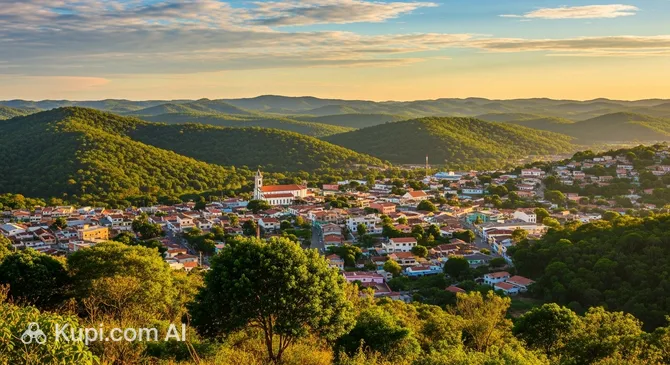
Sao Benedito. Source: Kupi.Binoculars

Situated in the Serra da Ibiapaba range, the city enjoys a mild climate that has earned it the nickname "City of Flowers." The fertile soil and cooler temperatures make it one of the country's leading producers of roses and ornamental plants. Beyond its floral fame, the area is steeped in tradition. Visitors interested in the local heritage can delve into the history of Sao Benedito to understand its development and cultural roots.

Tourists are often drawn to the city's vibrant religious tourism, particularly the Sanctuary of Our Lady of Fatima, which attracts pilgrims from far and wide. The lush green landscapes and the scenic viewpoints of the Ibiapaba mountains offer excellent opportunities for ecotourism and relaxation. Whether you are here to admire the blooming fields or to experience the serenity of the mountains, Sao Benedito promises a memorable and rejuvenating journey.

Weather Overview

The climate in Sao Benedito is characterized by consistent warmth and distinct wet and dry periods, making it a year-round destination with varying atmospheric moods. Average temperatures hover pleasantly between 24°C and 27°C throughout the year, with October and November typically being the warmest months, seeing highs reach up to 32.5°C. The nights remain comfortable, with minimum temperatures rarely dropping below 19°C, even during the cooler months of June and July.

Travelers planning a trip should note the significant contrast in rainfall distribution. The first half of the year, particularly from March to April, sees the highest frequency of rain, with March experiencing up to 28 wet days. Conversely, the second half of the year transforms into a much drier period; August, September, and October are exceptionally dry with almost zero wet days recorded. For those looking to explore the outdoors without interruption, checking the detailed weather in Sao Benedito is recommended to choose the ideal season for your activities.

Interesting Facts

Beyond the scenic mountain views and refreshing climate, Sao Benedito holds fascinating distinctions that often surprise visitors. This municipality in the highlands of Ceará is not just a retreat from the heat but a hub of unique agricultural and cultural phenomena.

  • The City of Flowers: Despite being located in a region often associated with high temperatures, Sao Benedito is one of the largest producers of roses in Brazil. Thanks to its mild mountain climate and fertile soil, the city cultivates high-quality flowers that are exported internationally, even reaching the flower markets of the Netherlands.

  • A Major Pilgrimage Site: The city is home to the Sanctuary of Our Lady of Fatima (Santuário de Fátima da Serra Grande), which has become one of the most significant religious destinations in the Northeast. On the 13th of every month, the city transforms as thousands of pilgrims arrive to attend masses, creating a fervent atmosphere that rivals larger religious centers.

  • An Oasis in the Sertão: Geographically, Sao Benedito sits atop the Ibiapaba Plateau, creating a "green island" effect. While the surrounding lowlands may experience the semi-arid conditions typical of the Caatinga biome, this high-altitude enclave maintains lush vegetation and Atlantic Forest remnants, offering a stark and beautiful biological contrast.

How to Get There

Planning a trip to the scenic highlands of Ceará requires some logistical preparation, as the municipality is tucked away in the Serra da Ibiapaba. While there are no direct flights to the town itself, visitors have several convenient options via nearby cities. For a detailed guide on all available routes and transport modes, you can read more about how to get to Sao Benedito.

The city of Sao Benedito does not have its own airport, but you can fly into Pinto Martins Airport (IATA: FOR) in the city of Fortaleza, which is the most common gateway for international and domestic travelers. Located approximately 261 km from Sao Benedito, this major hub offers the widest range of flight connections. From Fortaleza, the journey by road—whether by rental car, taxi, or intercity bus—typically takes between 4 to 5 hours, passing through the beautiful landscapes of the state.

For a shorter land transfer, you might consider arriving at the Jericoacoara airport (IATA: JJD) in the city of Jericoacoara. Situated about 138 km from Sao Benedito, it is significantly closer, reducing the drive time to approximately 2.5 to 3 hours. Although it handles less traffic than Fortaleza, it is an excellent option for those combining a beach trip with a mountain visit. Another viable alternative is Teresina Airport (IATA: THE) in the city of Teresina, which is about 245 km away and serves as a key regional hub.

For clarity, here is a summary of the main airports:

Airport Name City Passenger Traffic Km from City
Pinto Martins Airport Fortaleza High 260.8
Teresina Airport Teresina Medium 244.6
Jericoacoara Jericoacoara Medium 138.1
Barreirinhas Barreirinhas Small 258.5

Since there are no railway stations serving the immediate region, the final leg of your journey will invariably be by road. The roads leading up to the Serra da Ibiapaba are generally well-maintained, offering a pleasant drive as you ascend into the cooler climate of the mountains.

Main Attractions

The city of Sao Benedito offers a delightful mix of religious devotion, adventure, and agricultural tourism, making it a unique destination in the Serra da Ibiapaba. Visitors can explore everything from grand spiritual sanctuaries to adrenaline-pumping outdoor parks, all set against the backdrop of a refreshing mountain climate. Whether you are a pilgrim seeking peace or a nature lover looking for excitement, the city has something special to offer.

One of the most significant landmarks in the region is the Santuário de Fátima da Serra Grande. This massive religious complex is a major pilgrimage site that attracts thousands of faithful visitors, especially on the 13th of every month. The sanctuary is renowned for its impressive architecture and the spiritual atmosphere that surrounds it. It serves not only as a place of prayer but also as a gathering point that unites people from all over the Northeast, offering a serene environment for reflection amidst the cool mountain air.

For those interested in ecotourism and outdoor activities, Ipê Park is a must-visit destination located just a few kilometers from the city center. This ecological park covers approximately 20 hectares of lush greenery and offers a variety of attractions for all ages. Adventure seekers can enjoy zip lines and tree-climbing circuits, while those preferring a slower pace can explore nature trails like the Trilha da Barriguda. The park also features the Mirante das Guaribas, a viewpoint that provides stunning panoramic views of the surrounding landscapes.

Sao Benedito is famously known as the "City of Flowers," and a trip here would be incomplete without experiencing its booming floriculture industry. Several large farms, such as Rosas Reijers, are open to visitors who wish to see the production of roses and other ornamental plants up close. These tours offer a fascinating glimpse into the agricultural techniques that have made the city one of the top flower producers in Brazil. Walking through the colorful fields and greenhouses is a sensory delight and a perfect photo opportunity.

In the heart of the city stands the Igreja Matriz de São Benedito, the main parish church and a historical symbol of the municipality. Built in the mid-19th century, this church is not only a place of worship but also a testament to the town's colonial roots and development. It is often considered the postcard of the city, located near the central square where locals gather. Visiting the church allows tourists to appreciate the traditional architecture and learn more about the local culture and the devotion to the city's patron saint.

Local Cuisine

The culinary scene in Sao Benedito is a delightful reflection of traditional Northeastern flavors, enhanced by the city's refreshing mountain climate. The cooler weather invites diners to enjoy hearty, warming meals that define the region's comfort food. A standout dish to try is Galinha Caipira, a rich stew made with free-range chicken, often seasoned with local herbs and served with pirão (a manioc flour mush) and rice. It is a Sunday favorite that perfectly captures the rustic soul of the interior.

Another essential experience for the palate is Baião de Dois, a beloved staple across Brazil's northeast. This savory combination of rice and string beans is typically cooked with coalho cheese, cilantro, and dried meat, creating a satisfying and flavorful meal. Meat lovers should also look for Carne de Sol, salted beef cured in the sun, which is usually fried and served with buttery macaxeira (cassava) or paçoca, offering a delicious contrast of textures.

When it comes to beverages, the Serra da Ibiapaba region is well-regarded for its production of artisanal Cachaça. Visitors can sample high-quality, locally aged versions of this sugarcane spirit, either neat or in a refreshing Caipirinha. For a non-alcoholic treat, Cajuína is a must-try; this clarified, amber-colored cashew juice is sweet, refreshing, and deeply culturally significant. Fresh juices made from regional fruits like cajá, graviola, and passion fruit are also widely available and perfect for hydration.

Dining in the city is characterized by a warm, informal atmosphere. You will not find many high-end luxury dining establishments; instead, the charm lies in family-run restaurants and "self-service" buffets that offer authentic homemade tastes. The local markets and street stalls near the central squares are excellent places to mingle with locals and grab quick snacks like Tapioca, a cassava crepe filled with cheese, coconut, or meat, which pairs perfectly with a hot coffee in the crisp morning air.

Travel Tips

Preparing for a trip to Sao Benedito involves a few specific considerations, as its mountain climate and religious focus differ from the typical coastal experience in Brazil. These practical tips will help you navigate the "City of Flowers" with ease and make the most of your stay in this charming highland municipality.

  1. Clothing and Gear: Unlike the sweltering coast, Sao Benedito can get chilly in the evenings, with temperatures dropping to around 19°C. Pack a light jacket or sweater for the nights and comfortable walking shoes for exploring nature parks. If you plan to visit the Santuário de Fátima, ensure you have modest clothing that covers shoulders and knees to respect the religious dress code.

  2. Transportation: Public transport options like buses are limited within the town itself. The most common way locals get around is by mototaxi (motorcycle taxi), which is fast and affordable. For tourists wanting to visit flower farms or Ipê Park, renting a car is highly recommended for flexibility, as ride-hailing apps like Uber may not be reliable or available in this area.

  3. Finances: The official currency is the Brazilian Real (BRL). While larger restaurants and hotels usually accept credit cards, many smaller shops, markets, and street food stalls operate on cash only. It is wise to withdraw money at ATMs in the town center during the day (Banco do Brasil and Bradesco are common), as international card acceptance can be sporadic in rural establishments.

  4. Health and Safety: Sao Benedito is generally a safe and peaceful town, but standard precautions should still be taken; avoid walking alone in poorly lit areas late at night. Pharmacies (look for Farmácia) are readily available in the city center for basic needs. For serious medical emergencies, the local hospital provides initial care, though specialized treatment may require transfer to a larger city.

  5. Communication: Portuguese is the primary language, and English is rarely spoken outside of specialized tourism services. It is essential to download a translation app or learn basic phrases like Obrigado (Thank you) and Quanto custa? (How much?). Buying a local SIM card from a newsstand or pharmacy is recommended for reliable internet access, as public Wi-Fi is not ubiquitous.

  6. Local Etiquette: The people of Ceará are known for their warmth and hospitality. A simple greeting of Bom dia (Good morning) or Boa tarde (Good afternoon) when entering a shop or passing someone on the street is polite and expected. In religious spaces like the Sanctuary, maintain a respectful silence and follow the lead of the pilgrims.

  7. What to Avoid: Do not enter churches or religious sites wearing beachwear or overly revealing clothes, as this is considered disrespectful in this deeply religious community. Additionally, avoid drinking tap water; always opt for bottled or filtered water to prevent stomach issues.

  8. Local Insight: Take advantage of the city's reputation as a major flower producer. Visit the local markets early in the morning to see the freshest blooms, and consider buying locally made rose-based products or artisanal liqueurs as unique souvenirs that support the local economy.

By keeping these practicalities in mind, you can fully relax and enjoy the serene atmosphere and cool breezes of the Ibiapaba mountains. Sao Benedito is a welcoming destination, and a little preparation ensures your visit will be as pleasant and memorable as the landscapes themselves.

Entertainment & Nightlife

The nightlife in Sao Benedito reflects the city's peaceful and welcoming mountain character. Unlike the bustling, party-centric atmosphere of large coastal capitals, the evenings here are defined by a relaxed and family-friendly vibe. The entertainment scene centers primarily around gastronomy and social gatherings, where locals and visitors alike come together to enjoy the cool highland air. The rhythm is laid-back, with most activities concentrated around the weekends when the city center becomes more lively.

The heart of the action is typically found near the main squares and central avenues. Here, you will find a variety of establishments ranging from cozy pizzerias to open-air bars. The dress code is casual, but due to the cooler temperatures at night, it is common to see people dressed more warmly than in other parts of the Northeast. A light jacket is a stylish and practical choice for a night out. The crowds are generally a mix of local families, groups of friends, and pilgrims visiting the region.

For those looking to enjoy a good meal and drinks, Amalaya Bar & Restô is a popular choice that combines a pleasant ambiance with a varied menu, often featuring live music that sets a cheerful tone without being overpowering. If you are in the mood for a hearty dinner, Talentu's Grill Restaurante offers a robust selection of grilled meats and pizzas, making it a favorite spot for larger groups. Another notable venue is Castelo do Camarão Restaurante e Pizzaria, which provides a comfortable setting to unwind after a day of sightseeing.

Practicality is key when planning your evening. Most venues open around 6:00 PM and start winding down by midnight, although some bars may stay open a bit longer on Fridays and Saturdays. Prices in Sao Benedito are generally very affordable compared to major tourist hubs. For transportation, mototaxis are the most efficient and readily available way to get around the city at night. It is advisable to have cash on hand, as smaller vendors or transport providers might not accept cards.

Safety is one of Sao Benedito's strong points. The town is considered safe for night walks, especially in well-lit central areas and near the main church. However, as with any travel destination, it is wise to stay in populated areas and avoid unlit outskirts late at night. If you need a ride, asking your restaurant or hotel to call a trusted taxi or mototaxi is the best practice.

While the nights are quiet, daytime entertainment in Sao Benedito is vibrant in its own right, though it leans more towards nature and culture than urban amusement. The city does not boast large theaters or shopping malls; instead, visitors find their fun at places like Ipê Park for adventure sports or exploring the bustling local markets. The cultural "stage" here is the street itself, often filled with the colors of the flower trade and the movement of pilgrims, offering a unique form of daily spectacle.

Parks & Museums

Sao Benedito offers a refreshing escape into the highlands of Ceará, where the lush landscapes of the Serra da Ibiapaba meet a rich tradition of faith and agriculture. While the city is not famous for large urban museums, its cultural heritage is deeply preserved within its religious sites, and its natural areas provide some of the best eco-adventure experiences in the region.

For nature lovers and thrill-seekers, Ipê Park is the premier destination in the municipality. This ecological park is a haven of biodiversity, offering a perfect mix of relaxation and adrenaline. Visitors can explore the native forest through the Trilha da Barriguda or take in breathtaking panoramic views from the Mirante das Guaribas, which overlooks the vast sertão plains below. The park is also equipped for adventure sports, featuring zip lines and tree-climbing circuits that allow you to experience the canopy of the Atlantic Forest from a unique perspective.

Beyond the organized parks, the region is dotted with natural hidden gems, including several scenic waterfalls that come to life during the rainy season. The Cachoeira de São Cristóvão is a notable spot where the refreshing mountain waters offer a cool retreat from the tropical sun. These natural areas are often less crowded than coastal attractions, providing a peaceful environment for picnics, hiking, and connecting with the serene atmosphere of the mountains.

Culturally, the city's history is best experienced at the Santuário de Fátima da Serra Grande. More than just a church, this massive sanctuary serves as a living museum of the region's intense religious devotion. Within the complex, visitors can find spaces dedicated to the history of the pilgrimage, displaying ex-votos and artifacts that tell the stories of the faithful who travel here from across the Northeast. The architecture itself, with its open design embracing the cool mountain breeze, reflects the welcoming spirit of the local culture.

Another significant historical landmark is the Igreja Matriz de São Benedito. Built in the mid-19th century, this church stands as a testament to the city's colonial roots. While it functions primarily as a place of worship, its preserved structure and central location make it a focal point for understanding the town's development. Walking through the surrounding central square, you can observe the daily life of the "City of Flowers" and appreciate the enduring architectural heritage that has anchored the community for generations.

For a truly authentic experience, consider visiting one of the local flower farms, such as Rosas Reijers. While not a traditional museum, these farms offer guided tours that function like open-air galleries of the city's agricultural identity. You can walk through vast greenhouses filled with colorful roses destined for international markets, learning about the delicate cultivation process that has put Sao Benedito on the map. It is a unique way to see the "art" of floriculture that defines the local economy.

Getting Around

Navigating Sao Benedito is a straightforward and relaxed experience, reflecting the municipality's small-town charm. Unlike larger metropolitan areas in Brazil, there is no complex subway or bus network to master. Instead, the transportation dynamics here are informal and efficient, tailored to the needs of residents and the flow of pilgrims and tourists who visit the highlands.

For those staying within the city center, walking is often the best way to get around. The urban core is compact, allowing visitors to easily explore the main squares, the central parish church, and local shops on foot. The mild mountain climate makes walking much more pleasant here than in the hotter coastal regions of Ceará, particularly in the early morning or late afternoon.

The most prevalent form of local public transport is the mototaxi (motorcycle taxi). You will see drivers wearing identifying vests throughout the town, ready to take passengers to virtually any destination within the municipality for a modest fee. This is a fast, affordable, and culturally authentic way to navigate the streets, though it is best suited for solo travelers or those without heavy luggage.

While the town center is walkable, many of the region's premier attractions—such as the Santuário de Fátima da Serra Grande, the adventurous Ipê Park, and the various commercial flower farms—are dispersed across the rural outskirts. For this reason, renting a car is highly recommended for tourists who wish to explore at their own pace. Having a vehicle provides the freedom to visit these distant sites comfortably without relying on negotiated rides or waiting for transport.

Standard taxis are also available, usually found at designated stands near the central square or the bus terminal. They are a good alternative for families or groups who prefer not to use mototaxis. It is advisable to agree on the fare before starting your journey, as meters may not always be used for short local trips. Whether you choose to walk, ride, or drive, getting around Sao Benedito is generally safe and stress-free.

Accommodation

Accommodation in Sao Benedito reflects the city's dual identity as a serene mountain retreat and a major religious destination. Instead of large international hotel chains or sprawling luxury resorts, the hospitality landscape is dominated by charming pousadas (inns) and family-run guesthouses. These establishments often emphasize a cozy, rustic atmosphere that complements the region's mild highland climate, offering a "home away from home" experience with warm service and hearty breakfasts.

For travelers, the choice of where to stay largely depends on the purpose of the visit. The City Center (Centro) is the most practical area for those who want easy access to local commerce, banks, and the main dining spots like Amalaya Bar & Restô. Staying here puts you within walking distance of the historic Igreja Matriz and the lively evening squares. It is an excellent option for visitors who want to experience the daily pulse of the town without needing a vehicle for every outing.

Alternatively, the area surrounding the Santuário de Fátima da Serra Grande is highly sought after, particularly by pilgrims and those seeking a quieter, more spiritual environment. Accommodations here are often simpler and geared towards resting after religious activities. On the other hand, tourists looking for immersion in nature often choose chalets or rural inns located on the outskirts. These spots, often closer to attractions like Ipê Park or the flower farms, offer stunning views of the Ibiapaba mountains and are perfect for enjoying the famous "cold" of the region.

Booking Tip: Timing is everything when planning a stay in Sao Benedito. The city receives a massive influx of visitors on the 13th of every month due to the pilgrimages to the Sanctuary of Fatima. During these dates, and especially in May and October (major religious months), occupancy rates skyrocket, and rooms can sell out weeks in advance. If your trip coincides with these dates, it is essential to secure your reservation as early as possible.

Regarding costs, the city is generally very affordable, catering to a range of budgets from backpackers to mid-range travelers. Prices are typically lower than in the coastal tourist hubs of Ceará. While many establishments are listed on major online booking platforms, some smaller, traditional inns may still operate primarily via direct phone or messaging apps. It is always a good idea to have some cash on hand, as smaller guesthouses might prefer it over card payments.

Nearby Cities

For those looking to explore the surroundings, Sao Benedito serves as an excellent base for day trips to several interesting nearby locations:

City Population Distance (km)
Sobral 188,233 69
Tiangua 68,892 38
Vicosa do Ceara 54,955 58
Ipueiras 37,862 57
Guaraciaba do Norte 37,775 18

One of the most charming destinations in the region is Vicosa do Ceara. Recognized as the oldest city in the Serra da Ibiapaba, it is famous for its well-preserved colonial architecture and historical significance. A highlight for visitors is the Igreja do Céu (Church of Heaven), which sits atop a hill and offers breathtaking panoramic views of the surrounding landscapes. The city’s historic center, filled with 17th-century buildings, provides a delightful walk back in time.

For nature enthusiasts, Tiangua is a perfect choice. Located just a short drive away, this city serves as a hub for ecotourism in the mountains. It is renowned for its waterfalls, natural trails, and the scenic Sítio do Bosco, a popular spot for camping and paragliding. The city also offers a slightly more urban feel with good restaurants and amenities, making it a comfortable spot for a full day of exploration.

Closest to home is Guaraciaba do Norte, situated only 18 km from Sao Benedito. Sharing the same refreshing mountain climate, it is a key agricultural center in the region. It is an easy and relaxing trip for those who want to experience more of the local rural culture and enjoy the scenic drive through the lush greenery of the plateau.

These nearby destinations offer a glimpse into the diverse culture and landscapes of the region, allowing travelers to fully appreciate the unique charm of the Ceará highlands.

Shopping & Souvenirs

Shopping in Sao Benedito offers a delightful immersion into the local culture of the Serra da Ibiapaba, rather than a hunt for international luxury brands. The experience here is characterized by authenticity and tradition, reflecting the city's dual identity as a major religious center and the "City of Flowers." Visitors can expect to find charming small businesses, bustling local markets, and specialized shops that cater to both the daily needs of residents and the thousands of pilgrims who visit the region.

The main commercial activity is concentrated in the City Center (Centro). Here, the streets are lined with a variety of family-owned stores selling clothing, footwear, and household goods. Walking through the downtown area allows tourists to mingle with locals and experience the laid-back pace of highland life. Another significant shopping hub is the area surrounding the Santuário de Fátima da Serra Grande. This district is filled with stalls and shops dedicated to religious tourism, offering a wide array of devotional items that serve as mementos for the faithful.

Travelers should be aware that Sao Benedito does not feature large, modern shopping malls or sprawling commercial complexes typical of big cities like Fortaleza. The retail landscape is defined by street commerce and small commercial galleries. This absence of large chains preserves the town's small-town charm, encouraging visitors to support local merchants and explore independent establishments.

For a taste of regional flavors and craftsmanship, the Municipal Market and the weekly street fairs are the best places to visit. These markets are vibrant hubs where you can find fresh produce grown in the fertile mountain soil, including tropical fruits and vegetables. They are also excellent spots to purchase traditional Northeastern food items such as coalho cheese, sun-dried meat (carne de sol), and homemade sweets, offering a genuine sensory experience of the Ceará interior.

When it comes to souvenirs, religious artifacts are the most popular items to bring back. You will find beautifully crafted rosaries, images of saints, and other religious keepsakes near the Sanctuary. Additionally, given the city's reputation as a major flower producer, buying fresh roses or rose-themed products is a unique way to remember your trip. Visitors should also look for bottles of artisanal cachaça produced in the region, as well as locally made honey and fruit preserves.

Store opening hours in Sao Benedito generally follow the standard Brazilian commercial schedule. Most shops open around 8:00 AM and close by 6:00 PM on weekdays, often taking a break for lunch between 12:00 PM and 2:00 PM. On Saturdays, businesses typically operate until 12:00 PM or 1:00 PM, and most are closed on Sundays, except for essential services and some shops near the Sanctuary which may cater to weekend pilgrims.

Regarding payment, while supermarkets and larger stores in the center accept credit and debit cards, cash is still king in smaller shops, market stalls, and street vendors. It is highly recommended to carry some Brazilian Reals (BRL) for small purchases. Tax-free shopping (tax refunds for tourists) is not available in Sao Benedito, as this service is generally limited to major international airports and specific retailers in Brazil's largest metropolises.
Reached the end of the page?

That means the route is fully explored