Support

Jericoacoara

About

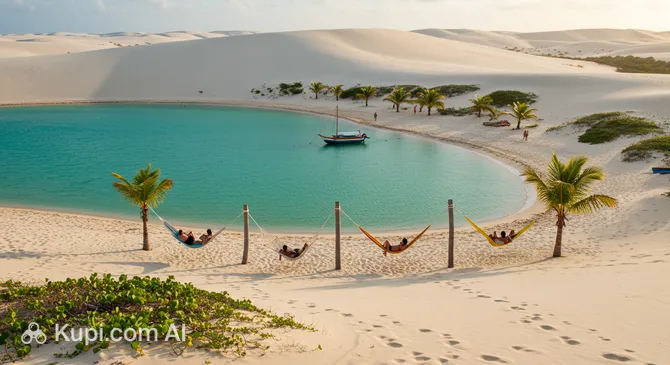
Jericoacoara, affectionately known as "Jeri," is one of the most spectacular beach destinations in South America. Located in the state of Ceará in northeastern Brazil, this former fishing village has transformed into a vibrant hub for travelers seeking both relaxation and adventure. Despite its growing popularity and a population of approximately 17,000 residents, the town has managed to preserve its rustic charm, famously maintaining unpaved sandy streets where flip-flops are the preferred footwear.

Jericoacoara. Source: Kupi.Binoculars

The history of Jericoacoara is deeply rooted in its geographical isolation; for decades, it was hidden behind massive sand dunes, accessible only by 4x4 vehicles. Today, this remoteness contributes to its unique atmosphere. The village is part of a national park, ensuring the preservation of its stunning natural environment, which includes crystal-clear freshwater lagoons and towering white sands.

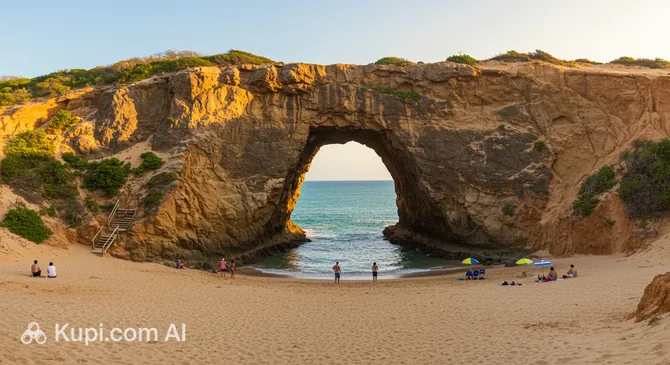
Visitors are drawn to iconic spots like the Pedra Furada, a magnificent arched rock formation carved by the sea, and the famous Sunset Dune, where crowds gather daily to watch the sun dip below the ocean horizon—a rare sight on the Brazilian coast. The constant trade winds also make Jeri a world-class destination for windsurfing and kitesurfing. Whether you are looking to ride the waves or simply unwind in a hammock over a turquoise lagoon, Jericoacoara offers an unforgettable slice of paradise.

Weather Overview

Jericoacoara enjoys a warm, tropical climate year-round, making it an inviting destination for beach lovers regardless of the month. The weather in Jericoacoara is characterized by consistent warmth, with average temperatures remaining steady between 26°C and 29°C. Daytime highs typically peak around 32°C between August and October, while the coolest nights rarely drop below 24°C, ensuring a comfortable atmosphere at all times.

The year is distinctively divided into wet and dry periods based on the frequency of rainfall. The first half of the year brings the most moisture; March is the peak, recording up to 30 wet days, though precipitation volume remains relatively low. Conversely, the second half of the year is incredibly dry, particularly from August to November, when you can expect almost zero wet days and uninterrupted sunshine.

Interesting Facts

Beyond the picturesque hammocks and lagoons, Jericoacoara holds unique characteristics that define its magic. This village has maintained a rare balance between tourism and nature, resulting in several surprising local features that visitors might not expect.

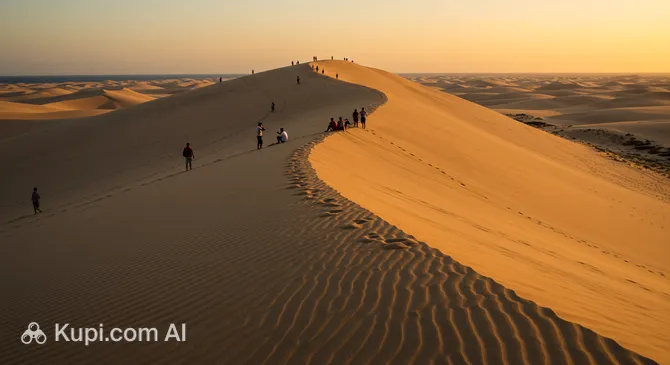
  • Jericoacoara is one of the few places in continental Brazil where you can watch the sun set directly into the ocean. Due to its unique geographic location at the northern tip of Ceará facing west, crowds gather daily at the Sunset Dune to witness this rare "Emerald Sunset" spectacle.

  • To preserve the rustic atmosphere and allow the stars to shine brightly, there are no streetlights in the village. Electricity runs underground, and illumination is provided solely by the moon, the stars, and the soft lights from shops and restaurants, creating a cozy and intimate environment.

  • Paving is strictly prohibited within the village to maintain its traditional charm. Every street is made of sand, meaning that from the moment you arrive, you will likely be walking barefoot or in flip-flops, even when entering elegant restaurants or boutiques.

  • During the months of June and July, a special natural phenomenon occurs at Pedra Furada. The setting sun aligns perfectly with the arch of the rock formation, allowing observers to see the sun "fit" exactly inside the hole, a sight that draws photographers from around the world.

  • The entire area is protected as the Jericoacoara National Park, which restricts construction and development. This status ensures that the massive dunes and freshwater lagoons remain pristine, preventing the high-rise urbanization seen in many other coastal destinations.

Sunset Dune. Source: Kupi.Binoculars

How to Get There

Reaching this remote paradise has become significantly easier in recent years, although the journey often remains part of the adventure. For a comprehensive guide on the best routes and transport methods, you can read more about how to get to Jericoacoara on our detailed page.

The most direct way to arrive is via Jericoacoara (JJD), also known as the Comandante Ariston Pessoa Regional Airport. Although the data lists it as serving the city directly, it is situated approximately 21 km from the village center. A transfer from here typically takes around 50 minutes, as the final leg of the journey involves navigating sandy terrain that requires suitable vehicles. Despite its regional size, it welcomes a steady flow of travelers looking to minimize travel time.

For more international connections, many visitors fly into Pinto Martins Airport (FOR) in the city of Fortaleza, located about 245 km from Jericoacoara. As a major hub with large passenger traffic, it offers more flight options. However, the transfer from Fortaleza is a longer commitment, taking approximately 6.5 hours by road. This trip usually involves a combination of highway travel to Jijoca and a thrilling ride across the dunes in a 4x4 vehicle to reach the village.

For clarity, here is a summary of the main airports:

Airport Name City Passenger Traffic Km from City
Pinto Martins Airport Fortaleza Large 245.2
Jericoacoara Jericoacoara Medium 21.1
Barreirinhas Barreirinhas Small 255.1

Main Attractions

The allure of this coastal paradise lies in its stunning natural landscapes and vibrant village life. While the entire region is a visual treat, several specific locations stand out as essential stops for any visitor. From iconic rock formations to bustling social hubs, here are the main attractions to explore.

Encompassing the village and its breathtaking surroundings, Jericoacoara National Park is the protected area that ensures the preservation of the region's unique ecosystem. It is a vast playground of shifting sand dunes, crystal-clear lagoons, and native vegetation. The park is best explored by dune buggy or 4x4, allowing tourists to reach famous freshwater spots like Lagoa do Paraíso and Lagoa Azul, where relaxing in a hammock submerged in turquoise water is a quintessential experience.

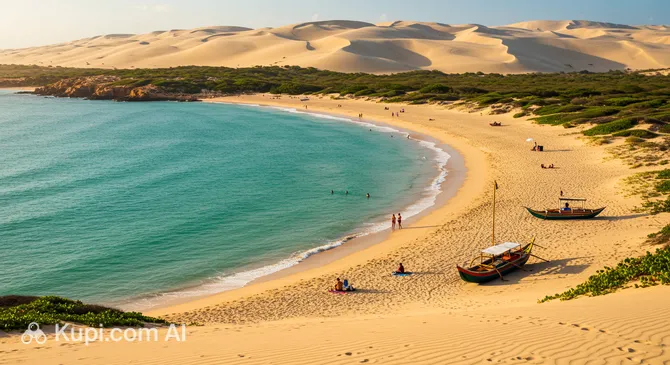
Undoubtedly the most famous postcard image of the region is Pedra Furada, a dramatic arched rock formation sculpted by the wind and sea. Located about a 45-minute walk from the village along the coastline, it offers a striking contrast of red rock against the blue ocean. It is particularly popular in July, when the setting sun aligns perfectly through the arch, but it remains a magnificent site for photography and hiking at low tide throughout the year.

Pedra Furada. Source: Kupi.Binoculars

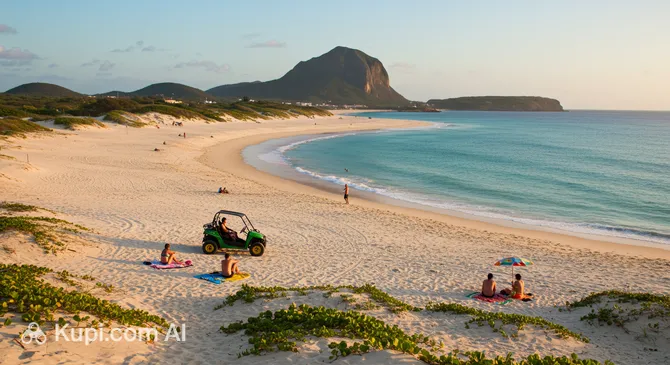
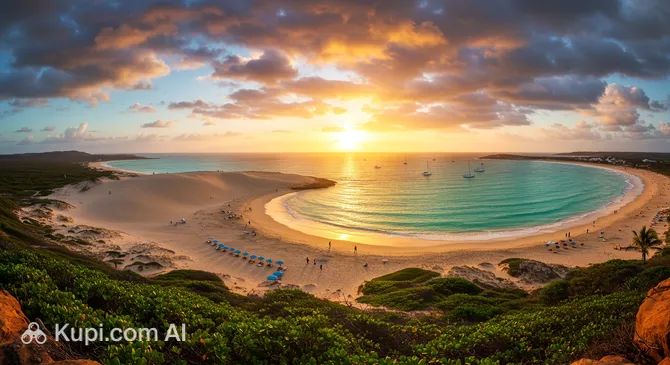
The center of daytime activity is Jericoacoara Beach, often cited as one of the most beautiful beaches in the world. Its shallow, warm waters are perfect for swimming and stand-up paddleboarding in the morning, while the consistent trade winds in the afternoon attract windsurfers and kitesurfers from around the globe. The beach is lined with rustic bars and restaurants, making it an ideal spot to spend the entire day with feet in the sand.

Jericoacoara Beach. Source: Kupi.Binoculars

For those seeking a more secluded atmosphere, Malhada Beach offers a tranquil escape just east of the main village. This beach is a favorite among surfers due to its better waves and is generally much quieter than the main strip. It lies on the scenic walking route towards Pedra Furada and provides a rugged, untouched setting that is perfect for sunbathing in privacy or watching skilled kitesurfers practice their tricks.

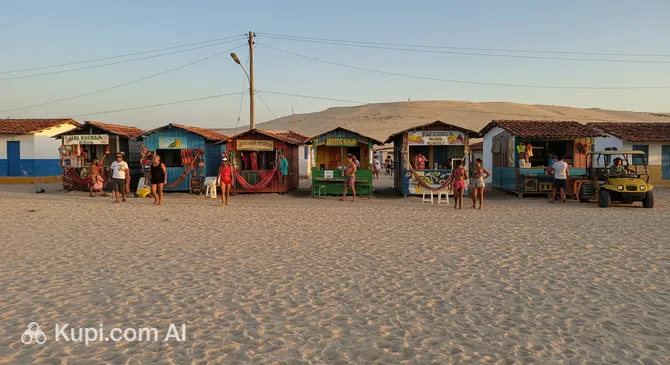
When the sun sets, the focus shifts to Jericoacoara Square, the beating heart of the village's nightlife. This sandy plaza is surrounded by charming shops, stalls, and eateries, creating a lively bohemian atmosphere. It is the place to be for evening entertainment, where visitors can enjoy live music, watch capoeira performances, and sample delicious local street food and cocktails under the starlit sky.

Local Cuisine

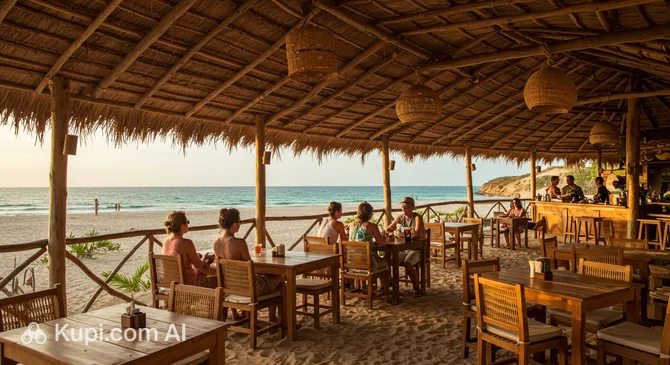
The culinary experience in Jericoacoara is as memorable as its sunsets, characterized by a delightful fusion of traditional Northeastern Brazilian flavors and international cuisine. Given its coastal location, fresh seafood is the undisputed protagonist of the local menu. Visitors can indulge in exquisite dishes featuring lobster, shrimp, and fish caught daily by local fishermen. A must-try regional specialty is the Peixada Cearense, a rich fish stew made with vegetables, coconut milk, and spices, often served with a side of pirão (a savory manioc flour porridge made from the stew's broth).

Romã Jericoacoara. Source: Kupi.Binoculars

For those looking to explore the diversity of the local food scene, the village offers everything from rustic street stalls to sophisticated eateries where you can dine with your feet in the sand. Places like Romã Jericoacoara provide a welcoming atmosphere to enjoy delicious meals that highlight fresh ingredients. Another popular spot is Freddyssimo Restaurant and Antipasteria Jericoacoara, which brings a touch of Italian flair to the village, demonstrating that Jeri's gastronomy extends well beyond typical beach fare.

No culinary tour of Jericoacoara is complete without tasting the famous tapioca. These gluten-free crepes made from cassava flour are a staple of Ceará state and can be found with savory fillings like cheese and sun-dried meat (carne de sol) or sweet versions with coconut and condensed milk. They are widely available at street carts and small cafes, making them perfect for a quick snack or a light dinner after a day in the sun.

When it comes to drinks, the village is renowned for its vibrant cocktail culture. As evening falls, the main streets line up with mobile stalls known as "caipi-carts," mixing fresh fruit cocktails on the spot. While the classic Caipirinha made with lime is essential, locals often recommend trying it with exotic regional fruits like caju (cashew fruit), passion fruit, or siriguela. For a non-alcoholic refresher, nothing beats an ice-cold coconut water enjoyed straight from the shell, widely available along the beach throughout the day.

Travel Tips

Welcome to the sandy streets of Jericoacoara! To help you fully embrace the laid-back rhythm of this coastal paradise without any hiccups, we have compiled a list of essential practical tips for your journey.

  1. Footwear and Fashion: Leave your high heels and fancy dress shoes at home; in Jeri, the streets are made of loose sand, so flip-flops or sandals are the only footwear you will need. Pack light, breathable clothing for the tropical heat, and definitely bring a high-quality hat and sunglasses to protect against the strong equatorial sun.
  2. Transportation: Inside the village, walking is the best and often the only way to get around, as private cars are restricted and the sandy terrain makes driving difficult. For excursions to the lagoons or dunes, you will rely on local dune buggies or 4x4 trucks, which can be easily booked through your hotel or local agencies.
  3. Finances: The official currency is the Brazilian Real (BRL). While most restaurants and shops accept credit cards, ATM availability in the village can be unreliable or limited. It is highly recommended to withdraw sufficient cash before arriving in Jericoacoara to cover small expenses, tips, and buggy tours.
  4. Health and Safety: The sun in Brazil is intense, so apply high SPF sunscreen regularly and stay hydrated with bottled water. There is a small health unit (UPA) and a pharmacy in the village for basic needs, but for serious medical emergencies, transport to a larger city like Sobral or Fortaleza may be required.
  5. Communication: Portuguese is the primary language, and while tourism staff in larger hotels often speak basic English, it is helpful to learn phrases like "Obrigado" (Thank you). Wi-Fi is widely available in hotels and cafes, but mobile signal can be spotty depending on your carrier, so downloading offline maps is a smart move.
  6. Local Etiquette: The atmosphere is incredibly relaxed, so there is no need for formal attire even at dinner. Greetings are warm; a simple "Olá" or a smile goes a long way. Respect the slow pace of life here—service might be more "island time" than you are used to, so sit back and enjoy the view.
  7. What to Avoid: Do not litter under any circumstances; Jericoacoara is a protected National Park, and locals are very protective of their environment. Also, avoid walking on the dune vegetation, as these plants are crucial for maintaining the stability of the sand dunes against the wind.
  8. Tourism Tax: Remember that all visitors must pay a Sustainable Tourism Tax based on the number of days they stay. You can pay this fee online before your trip to skip the queue at the entrance checkpoint, giving you more time to enjoy the beach immediately upon arrival.

With these tips in mind, you are ready to kick off your shoes and immerse yourself in the magic of Jericoacoara. Enjoy the stunning sunsets, the warm breezes, and the unforgettable charm of this unique Brazilian oasis!

Entertainment & Nightlife

Nightlife in Jericoacoara is as legendary as its sunsets, offering a vibrant yet relaxed atmosphere that captures the essence of this bohemian village. Unlike the high-heeled, exclusive club scenes found in major cities, the evening entertainment here is defined by sandy feet, open-air gatherings, and a warm, communal vibe. The action typically begins late, often after midnight, but the streets start buzzing shortly after dinner as locals and tourists mingle under the starlit sky.

The epicenter of the village's nocturnal energy is undoubtedly Jericoacoara Square and the adjacent sandy streets leading down to the beach. This area transforms into a bustling open-air cocktail lounge, famously known as the "Caipirinha Street." Here, dozens of illuminated stalls serve fresh fruit cocktails, mixing vodka, cachaça, or rum with exotic local fruits like kiwi, passion fruit, and cajá. It is the perfect place to start the night, socializing with travelers from all over the world while enjoying affordable drinks in a lively, unpretentious setting.

Jericoacoara Square. Source: Kupi.Binoculars

For those seeking a specific venue to enjoy music and drinks, the village offers several charming options that blend rustic decor with great service. Freddyssimo Restaurant and Antipasteria Jericoacoara is a fantastic choice for a more sophisticated yet relaxed evening. Known for its excellent wine list and antipasti, it provides a cozy atmosphere that contrasts with the high energy of the street parties. Similarly, visitors can enjoy a pleasant evening at Carcará Inn, where the ambiance reflects the welcoming hospitality of the region, making it a great spot to unwind after a day of adventure.

Music is the heartbeat of Jeri's nightlife, with Forró—a traditional Northeastern Brazilian dance—taking center stage. Several venues and impromptu street parties host live bands where couples dance closely to the rhythmic accordion beats. Reggae and samba are also popular, spilling out from small bars onto the sand. The dress code everywhere is strictly "beach casual"; flip-flops are the norm, and dressing up is unnecessary and often impractical due to the sandy terrain.

Regarding practicalities, the nightlife is concentrated in the village center, making it easy to walk everywhere. The streets are safe, but since there is no public street lighting, carrying a small flashlight or using your phone's light is advisable to navigate the uneven sand. Taxis are not really a part of the nightlife logistics here; you simply walk back to your pousada. Prices for drinks at street stalls are generally very reasonable, while established bars and clubs may charge an entrance fee or have higher drink prices.

In terms of daytime entertainment, do not expect to find traditional shopping malls, movie theaters, or large museums. The "entertainment" in Jericoacoara is the great outdoors. Cultural activities are woven into the daily life of the village, such as watching capoeira circles form on the beach at sunset or visiting small local artisan shops. The focus is entirely on nature, water sports, and relaxation, leaving the bright lights and commercial attractions for the big cities.

Parks & Museums

Jericoacoara is not a destination defined by manicured gardens or enclosed exhibition halls; rather, the entire region serves as a vast, open-air sanctuary where nature and culture intertwine. The village is surrounded by protected landscapes that act as the area's primary "green" spaces, while the local history is etched into the sandy streets and the daily lives of its residents rather than preserved in glass cases.

The crown jewel of the region is undoubtedly the Jericoacoara National Park. Established to protect the unique coastal ecosystem, this expansive area encircles the village and offers a dramatic mix of shifting sand dunes, coconut groves, and crystal-clear lagoons. Unlike a traditional urban park with paved paths and benches, this is a wild, dynamic environment where visitors can explore the famous "Serrote" hill or trek across the sands to hidden freshwater pools. It is a place of raw beauty that invites exploration by foot, horseback, or dune buggy.

Jericoacoara National Park. Source: Kupi.Binoculars

For those seeking a more specific natural retreat near the village, Malhada Beach serves as a serene escape. Located just east of the main settlement, this area is often quieter and feels more secluded than the central strip. It is a favorite spot for nature lovers who want to watch the waves crash against the rocks or take a peaceful walk along the coastline towards the famous rock formations. The beach acts as a natural park where the Atlantic Ocean meets the rugged terrain of the Serrote, offering a perfect setting for meditation or sunbathing away from the crowds.

Malhada Beach. Source: Kupi.Binoculars

When it comes to museums and galleries, Jericoacoara breaks the mold. You will not find traditional history museums or large art institutions here. Instead, the village itself functions as a living museum of traditional fishing culture. The art scene is vibrant but informal, found in the small artisan shops and craft stalls that line the sandy alleys. Local artists display handmade jewelry, crochet work, and wood carvings that reflect the colors and spirit of the Ceará coast, making the shopping experience a cultural immersion in itself.

While there are no grand architectural monuments, the Jericoacoara Lighthouse (Farol de Jericoacoara) stands as a significant historical marker. Perched atop the Serrote hill, this solar-powered lighthouse offers one of the best panoramic views of the ocean and the village. It is a simple structure, but its location makes it a popular hiking destination, especially at sunrise or sunset, providing a historical focal point in the midst of the wild landscape.

Another site of geological and "sculptural" importance is the coastline leading to the Jericoacoara Main Beach. Here, the interplay of wind and water has created natural monuments that are as compelling as any statue. The beach serves as the town's central plaza, a place where the community gathers, effectively replacing the need for formal civic parks. It is the stage for capoeira circles and social interactions that define the local heritage.

For an authentic insider experience, take the time to hike up the Serrote hill in the late afternoon. While most tourists flock to the Sunset Dune, the Serrote offers a different perspective with fewer people and a chance to see the wild horses that often graze freely in the area. It is a reminder that despite its popularity, Jericoacoara remains a place where nature rules supreme.

Getting Around

Public transport in Jericoacoara is entirely unique and unlike what you will find in a typical city. Due to the village's location within a national park and its famous sandy streets, there are no subways, trams, or conventional city buses operating within the village limits. The terrain is strictly off-limits to standard vehicles, meaning the local "public transport" system is designed specifically to navigate loose sand and dunes.

The primary mode of collective transport connecting the village to the nearest paved town, Jijoca de Jericoacoara, is the Jardineira. These are large 4x4 pickup trucks (often adapted models like the Chevrolet D-20 or Toyota Hilux) fitted with bench seating in the back and a roof for shade. They function as the local bus service, shuttling residents and tourists between Jijoca and Jericoacoara. These vehicles are rugged and open-air, offering a bumpy but scenic ride through the dunes that marks the beginning of the adventure for most arrivals.

Regarding payment, the system is informal and cash-based. There are no travel cards, magnetic passes, or mobile apps for ticketing. You simply pay the driver directly before boarding or upon arrival. The fare for the shared Jardineira between Jijoca and the village is fixed and relatively affordable. It is highly recommended to carry small denominations of the local currency, as drivers may not always have change for large bills. If you are arriving via a pre-booked transfer from Fortaleza, this leg of the journey is often included in your package.

For getting around inside the village itself, the best option is walking. The village is small, compact, and pedestrian-friendly, with most hotels, restaurants, and the beach located within a 15-minute walk of each other. Practical advice for tourists includes leaving heavy, wheeled suitcases at home or in luggage storage if possible; dragging a rolling bag through deep sand is exhausting and can damage the wheels. A backpack is by far the most practical luggage choice for this destination.

Alternatives to walking include renting fat bikes—bicycles with extra-wide tires designed to float over the sand. These are popular for riding along the beach at low tide. For longer distances, such as visiting the nearby lagoons (Lagoa do Paraíso or Lagoa Azul), "taxis" are actually dune buggies. These can be hired privately or shared with other tourists. Buggy drivers gather at the village entrance or can be booked through your accommodation. Always ensure you hire an accredited driver (bugueiro) for safety.

A special feature of the local transport logic is the restriction on private cars. Tourists are generally not allowed to drive their own vehicles into the village center. Cars must be left in a secure parking lot at the entrance of the village, from where you transfer to a Jardineira or a smaller accredited vehicle to reach your hotel. This policy helps preserve the rustic charm and environmental integrity of Jericoacoara.

Accommodation

Accommodation in Jericoacoara is as unique as the village itself, famously avoiding large high-rise hotel chains in favor of charming, smaller-scale establishments. The most common type of lodging here is the pousada (guesthouse), which ranges from simple, family-run rooms to sophisticated boutique hotels that blend rustic aesthetics with high-end luxury. For budget travelers and backpackers, there is a good selection of hostels offering a social atmosphere, while those seeking more privacy can find upscale villas and bungalows often equipped with private pools and direct ocean views.

When choosing where to stay, location plays a key role in your experience, although the village is small enough that everything is walkable. The Village Center, particularly around the main streets (Rua Principal, Rua do Forró, and Rua de São Francisco), is the best choice if you want to be in the heart of the action, close to restaurants, shops, and nightlife. However, this area can be noisier at night. For a quieter, more secluded stay, consider the area towards Malhada Beach or the outskirts near the Serrote hill. These spots offer tranquility and stunning views while still being just a short walk from the main square.

Because Jericoacoara has strict building regulations to preserve its character, you will not find massive resort complexes. Instead, the "luxury" here is defined by rustic-chic architecture, using natural materials like wood, straw, and stone to integrate seamlessly with the sandy surroundings. Many accommodations feature sand-floored reception areas and lush tropical gardens, ensuring that the connection to nature is never lost, even when you are indoors.

Booking Tip: Jericoacoara is an incredibly popular destination, especially during the Brazilian summer (December to February) and the windsurfing/kitesurfing season (July to January). During these peak times, and particularly for New Year's Eve (Réveillon), occupancy rates often hit 100%. It is highly recommended to book your accommodation several months in advance to secure your preferred spot and avoid inflated last-minute prices.

Prices in Jericoacoara can vary significantly depending on the season and the level of comfort. Budget options and hostels are generally affordable, but rates for top-tier boutique pousadas can rival international luxury standards. Most bookings can be made easily via major online platforms, which is often the most convenient method for international travelers. However, some smaller, traditional pousadas may still prefer direct contact via WhatsApp or email, often offering a more personalized service from the moment you inquire.

Nearby Cities

For those looking to explore the surroundings, Jericoacoara serves as an excellent base for day trips to several interesting nearby locations:

City Population Distance (km)
Sobral 188233 100
Tiangua 68892 116
Acarau 61210 45
Camocim 60158 38
Vicosa do Ceara 54955 107

Among these options, Camocim is a favorite destination for visitors staying in Jericoacoara. Located just to the west along the coast, it is often reached via a thrilling buggy ride that includes a ferry crossing over the Coreaú River. The town is renowned for its beautiful estuary, the stunning Ilha do Amor (Love Island), and the rustic charm of Tatajuba, where lagoons and dunes create a landscape similar to Jericoacoara but with a quieter atmosphere.

For travelers interested in history and architecture, Sobral offers a fascinating cultural excursion. Situated inland, it is one of the most important historic cities in the state of Ceará. Sobral boasts a well-preserved historic center filled with colonial-era buildings, churches, and museums. It is famously known as the place where the theory of relativity was confirmed during a solar eclipse in 1919, a fact celebrated at the local Museum of the Eclipse.

Another unique option is Vicosa do Ceara, located in the Ibiapaba mountains. As one of the oldest towns in the region, it offers a refreshing change of scenery with its mild mountain climate, lush vegetation, and waterfalls. It provides a stark and beautiful contrast to the coastal heat and sand dunes, making it perfect for nature lovers seeking greenery and colonial history.

These nearby destinations offer a glimpse into the diverse culture and landscapes of the region.

Shopping & Souvenirs

Shopping in Jericoacoara offers a delightful contrast to the frantic commercialism of large cities. In this rustic village, the experience is defined by "barefoot luxury," where you can browse elegant boutiques and simple craft stalls without ever putting on shoes. The shopping scene here is intimate and artistic, focusing heavily on beachwear, local handicrafts, and bohemian fashion that perfectly matches the town's laid-back vibe. Visitors will not find international luxury chains or sprawling department stores; instead, the charm lies in discovering unique, locally made treasures in shops with sand floors and thatched roofs.

The commercial activity is concentrated within the village's main "triangle" of sandy streets: Rua Principal, Rua do Forró, and Rua de São Francisco. These streets are lined with colorful storefronts selling high-quality bikinis, handmade jewelry, and casual resort wear. As you wander through these sandy alleys, particularly in the late afternoon and evening, you will find a vibrant atmosphere where browsing is as much a social activity as it is a transaction. The narrow alleyways connecting these main streets, such as the famous Beco do Doce, are also packed with small vendors and offer a charming setting for a stroll.

Travelers looking for large shopping malls will not find them in Jericoacoara. The village's infrastructure is strictly protected to maintain its traditional character, which precludes the construction of modern shopping centers. However, there are several small, open-air shopping galleries or arcades. These charming spaces often house a collection of boutiques, cafés, and ice cream parlors around a central courtyard, providing a cozy environment to shop away from the direct sun.

For a more traditional and authentic experience, the artisan markets are a highlight. Near the Jericoacoara Square and along the beachfront, local craftspeople often set up stalls as the sun begins to set. This is the best place to find the region's famous handmade crochet items, leather goods, and intricate jewelry made from natural materials like coconut shells and seeds. The interaction with the artisans adds a personal touch to every purchase, allowing you to learn the story behind the object.

When it comes to souvenirs, Jericoacoara offers plenty of distinctively Brazilian options. The state of Ceará is renowned for its exquisite lace and crochet work, making dresses, bags, and table runners excellent gifts. Another popular item is cachaça, Brazil's national spirit; you can find locally aged bottles that are perfect for making caipirinhas at home. Additionally, since the region is a major producer of cashews, look for cashew nuts and related products, which are fresh, delicious, and widely available.

Opening hours in Jericoacoara are adapted to the beach lifestyle. Most shops open later in the morning, around 10:00 AM or 11:00 AM, and stay open late into the night, often until 10:00 PM or 11:00 PM. This schedule allows tourists to spend their day at the beach and shop comfortably after dinner. Regarding payment, despite the village's remote feel, credit and debit cards are widely accepted in most boutiques and restaurants. However, it is advisable to carry some cash (Brazilian Reals) for small purchases at street stalls or artisan fairs where card machines might not be available.

Regarding tax-free shopping, Brazil generally operates a tax refund system for international tourists, but it is typically applicable only in major cities and specific affiliated stores. in a small village like Jericoacoara, visitors should not expect to find tax-free shopping facilities or immediate refund services. The prices you see on the tags are usually final, though polite bargaining is sometimes acceptable at informal street stalls.
Reached the end of the page?

That means the route is fully explored