Support

São Luís

About

São Luís is a city of undeniable charm and distinctive character, serving as the vibrant capital of the state of Maranhão. Unlike many other destinations in Brazil, this island city boasts a rich tapestry of cultural influences that sets it apart, offering visitors a unique blend of colonial heritage and tropical energy.

Geographically, the city is situated on São Luís Island in the Atlantic Ocean, nestled between the bays of São Marcos and São José. With a population exceeding 1.1 million people, it is a bustling metropolis that manages to maintain a relaxed atmosphere, favored by its warm climate and extensive coastline.

The city's past is truly fascinating, being the only Brazilian state capital founded by the French. It was later occupied by the Dutch before being colonized by the Portuguese. This complex timeline has left an indelible mark on the region. Travelers interested in the roots of this diverse culture can learn more about the history of São Luís, which is vividly reflected in its streets and traditions.
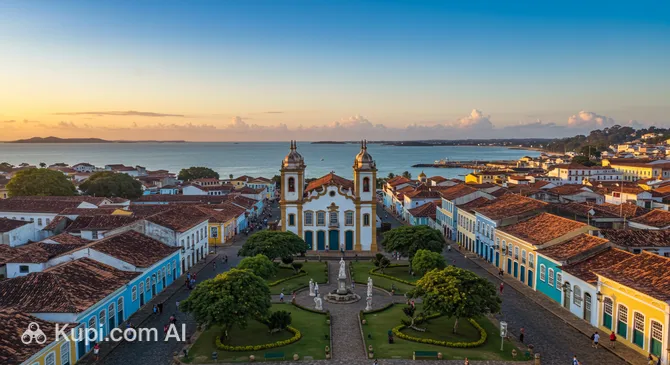
São Luís. Source: Kupi.Binoculars

One of the city's most striking features is its Historic Centre, a UNESCO World Heritage Site famous for the largest collection of Portuguese tiles, or azulejos, in Latin America. The facades of the colonial mansions create a stunning open-air museum. Additionally, São Luís is affectionately known as the "Brazilian Jamaica" due to its deep love for reggae music, which provides a unique soundtrack to the city's nightlife.

Whether you are wandering through the cobblestone streets of the old town, admiring the tiled architecture, or enjoying the sea breeze at Ponta d'Areia beach, São Luís offers an unforgettable experience. It is a captivating destination that invites every traveler to discover its magic and warm hospitality.
Weather Overview

Visitors to this coastal city can expect a tropical climate characterized by consistent warmth and distinct wet and dry periods. The temperatures remain quite stable throughout the year, with averages hovering between 26°C and 28°C, while daily highs often reach roughly 30°C during the warmest months.

The year is clearly divided by rainfall patterns rather than temperature shifts. The first half of the year, spanning from January to June, is significantly wetter, with precipitation occurring on most days; March, for instance, can have up to 31 wet days. In contrast, the season from August to November is much drier, with September seeing as few as 4 wet days. For more detailed forecasts and seasonal insights, you can consult the guide to the weather in São Luís.

Interesting Facts

Beyond the main attractions, São Luís holds many fascinating secrets that deepen the mystery of this island capital. From mythical creatures to unique culinary staples, the city offers curious details that often escape the casual observer.

  • The Legend of the Sleeping Serpent: Local folklore tells of a gigantic enchanted snake that lies dormant beneath the city streets. It is said that the creature's head rests at the Ribeirão Fountain while its tail stretches to a distant church; legend warns that if the head ever meets the tail, the beast will awaken and the entire island will sink into the ocean.

  • A Unique Local Flavor: The city is the home of Guaraná Jesus, a bright pink, cinnamon-flavored soda that is a cultural icon in Maranhão. This sweet beverage is so popular among locals that it has historically outsold major international cola brands within the state, making it a mandatory tasting experience for visitors.

  • Extreme Tidal Shifts: The coastline here experiences one of the highest tidal variations in the world, with water levels rising and falling by up to seven meters. This dramatic natural phenomenon completely transforms the landscape of the Beaches of São Luís twice a day, significantly expanding the sandy shores during low tide.

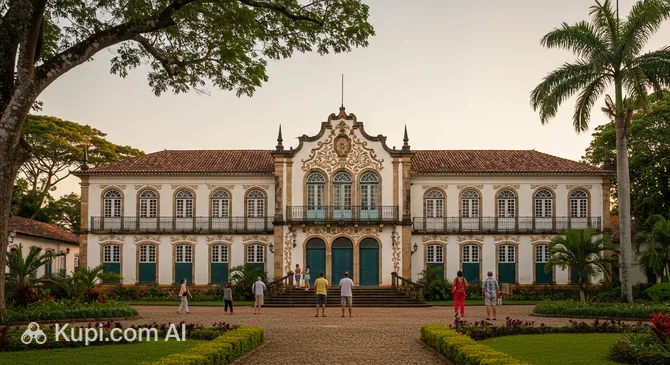
  • Ancient Political Seat: The imposing Palace of the Lions is not only a stunning example of colonial architecture but also holds a significant historical record. It is considered one of the oldest continuously functioning executive seats in the Americas, with its origins tracing back to the French fort established in 1612.

Palace of the Lions. Source: Kupi.Binoculars

How to Get There

Reaching this unique island capital is relatively straightforward, with air travel being the most convenient option for the majority of visitors. For a detailed breakdown of all transport methods, including road and bus options, you can read more about how to get to São Luís.

The primary entry point is Marechal Cunha Machado International Airport (SLZ). This facility handles the vast majority of tourist traffic to the region. It is conveniently located within the city limits, approximately 9.4 km from the center. A journey by taxi or transfer usually takes around 35 minutes, making it a quick trip to the main hotels and the historic district.

Travelers exploring the wider region might also encounter Barreirinhas airport (BRB). It is important to note that this airport is located in the city of Barreirinhas, not in São Luís itself. The distance is significant, about 168 km from the state capital. While it serves the famous Lençóis Maranhenses National Park, using it as a gateway to São Luís would involve a ground transfer taking roughly 4.5 hours.

For clarity, here is a summary of the main airports:

Airport Name City Passenger Traffic Km from City
Marechal Cunha Machado International Airport São Luís Medium 9.4
Barreirinhas Barreirinhas Small 167.9

Main Attractions

Exploring this island capital reveals a fascinating mix of colonial history, religious heritage, and unique cultural vibrancy. The city's landmarks tell the story of its French, Dutch, and Portuguese roots, offering visitors a visual and atmospheric journey through time.

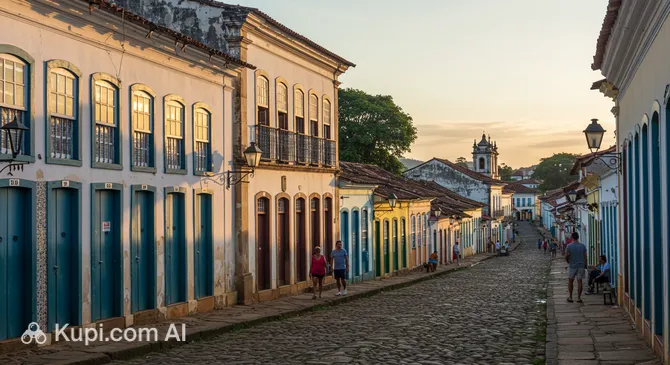
The crown jewel of the city is undoubtedly the Historic Centre of São Luís. As a UNESCO World Heritage site, it preserves thousands of colonial mansions adorned with the city's signature Portuguese tiles (azulejos). Walking through its narrow, cobblestone streets is like stepping back into the 18th and 19th centuries, making it an essential stop for anyone who appreciates architecture and history.

Historic Centre of São Luís. Source: Kupi.Binoculars

For a perfect panoramic view, travelers should head to Dom Pedro II Square. Located strategically on high ground near the Palace of the Lions, this plaza offers stunning vistas of the bay and is surrounded by important government buildings. It is a wonderful place to relax, enjoy the shade of ancient trees, and watch the sunset over the water.

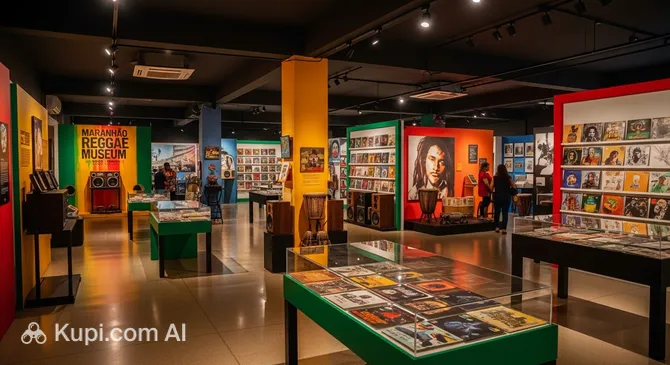
To understand why the city is often called the "Brazilian Jamaica," a visit to the Maranhão Reggae Museum is highly recommended. This cultural hub is the first museum dedicated to reggae outside of Jamaica. It celebrates the deep connection between the rhythm and the people of Maranhão, showcasing rare records, testimonials, and the history of the sound systems that animate the local nightlife.

Maranhão Reggae Museum. Source: Kupi.Binoculars

Another striking landmark is the Metropolitan Cathedral of São Luís (Cathedral of Our Lady of Victory). Situated in the heart of the city, this church is a masterpiece of Baroque architecture. Its magnificent main altar, intricately carved and covered in gold leaf, draws both the faithful and art lovers, offering a moment of peace amidst the bustling city center.

Finally, history enthusiasts will appreciate the Convent of Mercês. This 17th-century structure is one of the most significant colonial buildings in the region. Originally built by Father Antônio Vieira, it has served various roles throughout history and now stands as a testament to the city's rich religious and political past, often hosting cultural events and exhibitions.

Local Cuisine

The culinary scene in São Luís is a vibrant reflection of its cultural melting pot, blending indigenous ingredients with Portuguese and African influences. The city's location on an island ensures that fresh seafood plays a central role in the local diet, resulting in dishes that are distinct from those found in other parts of Brazil. The food here is characterized by intense seasonings, the use of native herbs, and a deep connection to the sea.

A true icon of Maranhense cuisine is Arroz de Cuxá. This savory rice dish is cooked with vinagreira (a sour herb from the hibiscus family), dried shrimp, and sesame paste, offering a unique tart flavor that defines the region's palate. It is typically served alongside fried fish or the famous Torta de Camarão, a shrimp pie that is a staple at local tables. Visitors should also look for the traditional fish stews, often prepared with coconut milk and served with boiled eggs and potatoes.

Armazém do Chef. Source: Kupi.Binoculars

When it comes to beverages, the region offers exotic flavors found nowhere else. The most famous non-alcoholic drink is the pink, cinnamon-flavored soda known as Guaraná Jesus, which pairs perfectly with local snacks. For those seeking something stronger, Tiquira is a traditional distilled spirit made from manioc, easily recognized by its distinctive purple hue. Nature lovers will also appreciate the fresh juices made from native Amazonian fruits like cupuaçu and bacuri, which are incredibly refreshing in the tropical heat.

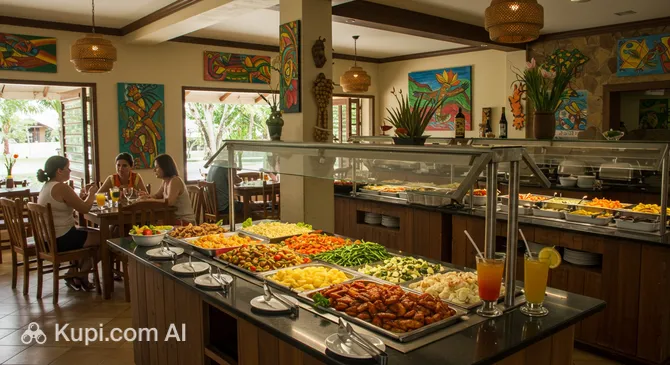
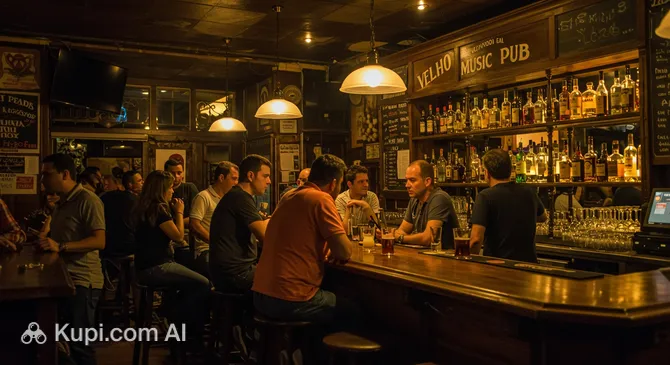
Dining in São Luís is as much about the atmosphere as it is about the food. The historic streets are lined with charming establishments where you can savor these traditional meals. For a reliable dining experience, Armazém do Chef offers a taste of the local variety. As the evening progresses, the city comes alive with music and socializing. Spots like Velho John Music Pub provide a lively setting to enjoy a drink. Additionally, areas celebrating the city's maritime heritage, such as Fisherman's Square, remind visitors of the ocean's generous bounty that sustains this rich gastronomy.

Travel Tips

Preparing for a trip to São Luís involves more than just packing swimwear; understanding the local rhythm ensures a smoother experience. Here are some essential tips to help you navigate this unique island capital with ease and confidence.

  1. Clothing and Gear: The climate is tropical and humid year-round, so pack lightweight, breathable fabrics like linen or cotton. Since the historic district features uneven cobblestone streets, comfortable walking shoes are non-negotiable. If you are visiting during the rainy season (January to June), a compact umbrella or raincoat is essential. Note that the voltage in São Luís is 220V, so bring a universal adapter if your devices differ.

  2. Transportation: While public buses are available, they can be crowded and confusing for visitors. Ride-hailing apps like Uber and 99 are the most convenient, safe, and affordable way to get around the city. Renting a car is generally not necessary for urban exploration but is a good option if you plan to drive to distant beaches or the Lençóis Maranhenses region.

  3. Finances: The local currency is the Brazilian Real (BRL). Credit and debit cards are widely accepted in hotels, restaurants, and shops, but it is wise to carry some cash for street vendors or small purchases. ATMs are available at banks and shopping malls; for safety, avoid using street-side machines after dark. Tipping around 10% is standard in restaurants and is usually included in the bill.

  4. Health and Safety: Pharmacies are plentiful, with major chains often open late. In terms of safety, stick to well-lit, populated areas, especially in the historic center at night. Avoid displaying expensive jewelry, cameras, or smartphones openly on the street, and always keep an eye on your belongings while at the beach.

  5. Communication: Portuguese is the official language, and English is not widely spoken outside of major hotels and tour agencies. It is highly recommended to download an offline translation app and learn a few basic phrases like obrigado (thank you) and por favor (please). Buying a local SIM card is easy at shopping centers and ensures you have access to maps and translation tools.

  6. Local Etiquette: The people of Maranhão are generally warm and informal. A handshake or a "thumbs up" is a common greeting, while cheek kisses are standard among acquaintances. When entering shops or elevators, a polite bom dia (good morning) or boa tarde (good afternoon) is expected and appreciated.

  7. What to Avoid: Do not walk alone on deserted beaches, particularly at night, as they can be unsafe. Additionally, avoid drinking tap water; always opt for filtered or bottled water to prevent any stomach discomfort.

  8. Tide Awareness: This is a specific and crucial tip for São Luís: the city experiences one of the largest tidal variations in the world. Before heading to the beach, always check the tide table (tábua de marés). At high tide, the sand may completely disappear, while low tide opens up vast spaces for sports and walking.

By keeping these practicalities in mind, you can focus on enjoying the unique reggae rhythms, colonial architecture, and warm hospitality of the city. São Luís is a welcoming destination, and a little preparation goes a long way in ensuring a memorable and hassle-free adventure.

Entertainment & Nightlife

The nightlife in São Luís is a vibrant reflection of its cultural diversity, offering a mix of traditional rhythms and modern entertainment. Known as the "Brazilian Jamaica," the city has a unique pulse driven by reggae music, which can be heard echoing through the streets, especially in the historic districts. However, the evening offerings extend far beyond this musical heritage, catering to diverse tastes ranging from lively pubs to sophisticated dining experiences.

For those seeking a bustling atmosphere, the Lagoa da Jansen area is a primary hotspot. This district is packed with bars, nightclubs, and restaurants surrounding a lagoon, making it a favorite meeting point for locals and tourists alike. Another key area is the Reviver district in the Historic Center, where the colonial architecture provides a stunning backdrop for evening drinks and cultural events. Here, the "reggae roots" parties are legendary, often taking place in open-air venues or historic squares.

Visitors looking for a fun and interactive night out should check out Ludorama. This venue combines a restaurant setting with a vast collection of board games, creating a relaxed and social environment perfect for groups. It stands out as a distinctive alternative to the typical bar scene. For those who prefer a familiar international standard with hearty food and drinks, Outback Steakhouse provides a reliable and lively atmosphere, ideal for starting the night before heading to a club.

Velho John Music Pub. Source: Kupi.Binoculars

When planning a night out, it is important to consider safety and logistics. While the main nightlife districts are generally safe, it is advisable to use ride-sharing apps like Uber or 99 to move between locations, rather than walking long distances at night. The dress code is typically casual to smart-casual; due to the tropical heat, light clothing is acceptable even in most nightclubs. Prices in São Luís are generally reasonable compared to southern Brazil, allowing for an enjoyable evening without breaking the bank.

Beyond the nightlife, the city offers plenty of daytime entertainment options. Families traveling with children can visit Danny’s Park, an amusement park that offers various rides and attractions suitable for all ages. For a mix of shopping and leisure, Shopping da Ilha is the city's largest mall, featuring a cinema, food court, and numerous retail stores. Culture enthusiasts should not miss the RFFSA Railway Museum, located in a beautifully preserved historical building, which offers a fascinating glimpse into the region's transport history.

Parks & Museums

Beyond its famous tiled facades and reggae rhythms, São Luís offers a refreshing array of green spaces and cultural institutions that provide a deeper look into the region's biodiversity and history. Visitors can easily transition from exploring centuries-old artifacts to relaxing in lush gardens or scenic coastal areas, making the city a well-rounded destination for all types of travelers.

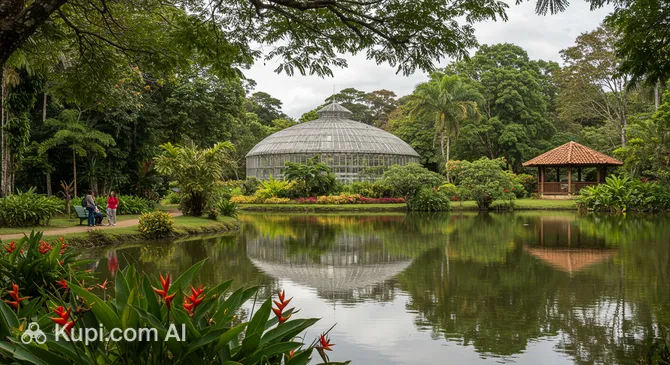
For a true escape into nature without leaving the city, the Vale Botanical Park is an outstanding choice. This vast ecological sanctuary covers hectares of preserved Amazonian and secondary forest, offering a rare chance to see local flora and fauna, including monkeys and exotic birds, in their natural habitat. It is an ideal spot for walking, jogging, or simply enjoying a picnic in the shade, providing a cool respite from the tropical heat.

Vale Botanical Park. Source: Kupi.Binoculars

Those who prefer a more urban green space will be charmed by Benedito Leite Square. Located right in the heart of the historic district, this landscaped plaza is surrounded by beautiful colonial buildings and shaded by large trees. It serves as a popular gathering spot for locals and often hosts cultural markets, making it a perfect place to sit on a bench and soak in the city's relaxed atmosphere.

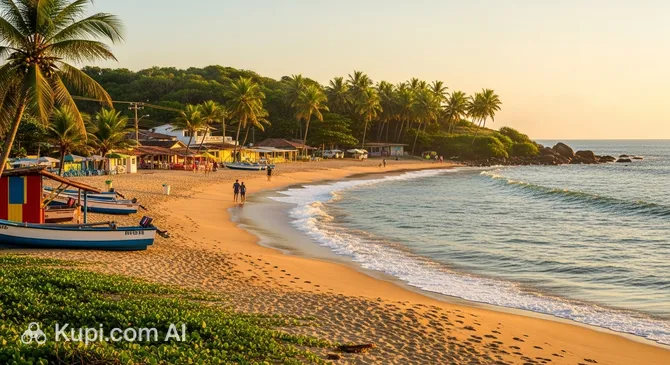
Nature lovers drawn to the coast should visit São Marcos Beach. While known for its lively bars, it is also a significant natural area characterized by its dunes and the ruins of the São Marcos Fort. It is a favorite among surfers and walkers who enjoy the rugged beauty of the Atlantic coastline, especially during the golden hour when the light hits the water.

São Marcos Beach. Source: Kupi.Binoculars

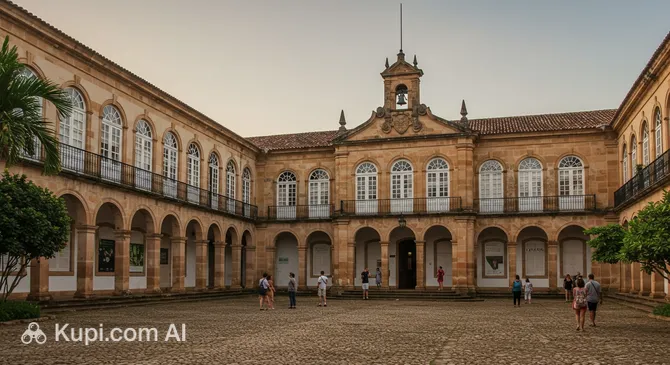
The city's museums are equally captivating, serving as custodians of Maranhão's rich heritage. The Maranhão Historical and Artistic Museum is a must-visit for history enthusiasts. Housed in the majestic Solar Gomes de Sousa, a 19th-century mansion, it recreates the lifestyle of the local aristocracy with a stunning collection of period furniture, porcelain, and crystals. Walking through its halls offers a vivid glimpse into the domestic life of the colonial era.

Maranhão Historical and Artistic Museum. Source: Kupi.Binoculars

Another significant site that blends military history with cultural exhibits is the Fort Santo Antônio da Barra of São Luís. Built in the 17th century to defend the city from invaders, this fortress now houses the Vessels Museum (Museu de Embarcações) and a memorial dedicated to the indigenous peoples. Visitors can explore the old cannons, learn about traditional shipbuilding, and enjoy one of the best panoramic views of the bay.

For those interested in religious architecture, the Church of Our Lady of Remedies stands out with its imposing facade and location overlooking a busy square. While the city has many churches, this one is particularly noted for its size and the peaceful ambiance of its interior, offering a quiet moment of reflection amidst the bustling commercial center.

If you are looking for a quieter, more secluded experience away from the main tourist trail, consider a trip to Praia da Guia. Located in the Itaqui-Bacanga area, this beach offers a stunning view of the historic city center from across the water and remains relatively undiscovered by the masses, providing a tranquil setting for a sunset walk.

Getting Around

The public transport system in São Luís primarily relies on a vast network of buses, as the city does not have a passenger metro or subway system. The bus network is organized under the Integrated Transport System (SIT), which connects various neighborhoods through large integration terminals. These terminals allow passengers to switch between different bus lines without paying an additional fare, making it possible to traverse significant distances across the island on a single ticket.

For payment, the system has increasingly moved towards electronic ticketing, though cash is still accepted on board many buses and at ticket counters in terminals. The standard fare is affordable, typically hovering around 4.20 BRL. While locals use rechargeable transport cards, tourists planning a short stay may find it easier to pay with cash where allowed, or simply rely on alternative transport methods to avoid the complexities of acquiring and registering a card.

A unique and essential feature of the local transport landscape is the maritime connection. The Ponta da Espera Ferry Terminal and the Praia Grande Hydroviary Terminal serve as gateways for aquatic travel. From here, ferries and catamarans depart regularly for the historic town of Alcântara across the bay. This journey is not only a practical commute but also a scenic experience, though it is important to check the tide tables, as the schedule for catamarans fluctuates with the sea level.

For most visitors, especially those unfamiliar with Portuguese or the complex bus routes, ride-hailing apps like Uber and 99 are the most recommended way to get around. They are widely available, generally safe, and offer the convenience of upfront pricing. Traditional taxis are also plentiful, easily recognized by their white color with red and blue stripes. They can be hailed on the street or found at designated stands near major hotels and tourist attractions.

When using public buses, it is advisable to avoid peak hours (early morning and late afternoon) when vehicles can become extremely overcrowded. Operating hours generally run from 5:00 AM until shortly before midnight. For safety and comfort, particularly at night or when carrying luggage, opting for a taxi or ride-share app is the wisest choice for navigating the city.

Accommodation

Accommodation in São Luís caters to a wide variety of preferences and budgets, ranging from economical hostels to sophisticated beachfront hotels. The city’s lodging options are generally divided into two distinct zones, each offering a completely different experience: the atmospheric charm of the colonial district and the modern, breezy appeal of the coastline.

For travelers who wish to immerse themselves in the city's heritage, the historic center (often referred to as Reviver) is the ideal location. Here, visitors can stay in charming pousadas (inns) and boutique hotels housed in restored 18th-century mansions. Staying in this area places you within walking distance of the main museums and cultural landmarks, offering a romantic and nostalgic atmosphere, though it can be quieter at night during the week.

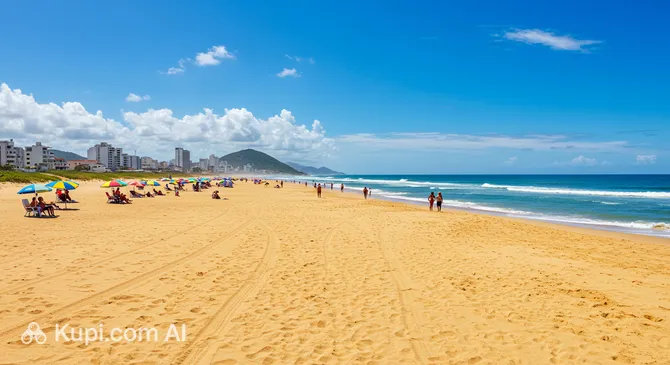
Beaches of São Luís. Source: Kupi.Binoculars

Alternatively, the most popular area for tourists is the modern coastal strip, comprising neighborhoods like Ponta d'Areia, Calhau, and São Marcos. This region is home to the majority of larger chain hotels and resorts. Visitors choosing this area enjoy modern amenities, ocean views, and easy access to the Beaches of São Luís, along with a vibrant selection of seaside restaurants and bars.

When planning your stay, it is highly recommended to book accommodation in advance if you are visiting in June. This is when the Bumba Meu Boi festival takes place, drawing thousands of visitors and causing hotels to fill up quickly. In general, accommodation prices in São Luís are reasonable compared to other major Brazilian capitals, with plenty of mid-range options available through major online booking platforms.

Nearby Cities

For those looking to explore the surroundings, São Luís serves as an excellent base for day trips to several interesting nearby locations:

One of the most popular destinations is Sao Jose de Ribamar. Located on the eastern tip of the island, this city is widely regarded as the religious capital of the state. It attracts thousands of pilgrims to its famous sanctuary and monumental statue of the patron saint, while also offering tranquil beaches that are perfect for a relaxing afternoon by the sea.

Another interesting option is Rosário, situated roughly 46 kilometers away on the banks of the Itapecuru River. This town provides a glimpse into the region's colonial history with its preserved architecture and old churches, serving as a charming stop for those interested in the cultural roots of Maranhão and the gateway to the interior.

City Population Distance (km)
Sao Jose de Ribamar 163,045 26
Paço do Lumiar 105,121 14
Itapecuru Mirim 62,110 96
Rosário 39,576 46
Cururupu 32,626 101

These nearby destinations offer a glimpse into the diverse culture and landscapes of the region, allowing travelers to experience the spiritual, historical, and natural beauty of Maranhão beyond the capital.

Shopping & Souvenirs

Shopping:

Shopping in São Luís offers a delightful mix of modern convenience and traditional charm, allowing visitors to purchase everything from international fashion brands to unique regional handicrafts. The city is particularly renowned for its artisanal goods made from natural fibers, as well as its distinctive food and drink products that reflect the rich culture of Maranhão. Whether you prefer the comfort of large malls or the bustle of historic markets, there is something to suit every taste.

For a traditional high-street experience, the most famous destination is Rua Grande. Located in the city center, this pedestrian-only thoroughfare is the commercial heart of São Luís. It is lined with hundreds of stores selling clothes, shoes, and electronics at affordable prices, buzzing with energy and local life. Alternatively, the streets of the historic district offer a more curated selection, where visitors can find small boutiques and art galleries nestled within colonial buildings, perfect for finding high-quality local art.

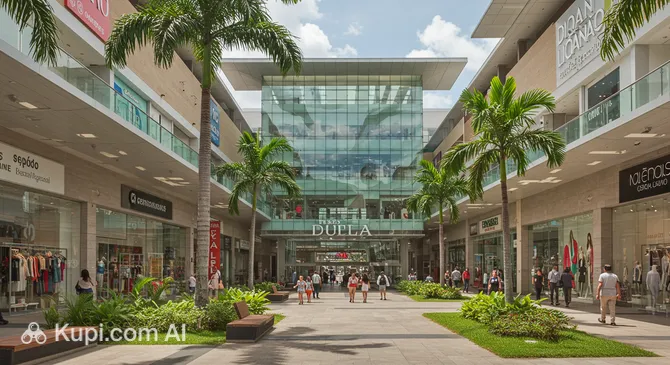
Travelers looking for a comprehensive retail experience with air-conditioning and entertainment options should head to the city's major malls. Shopping da Ilha is a standout choice, offering a vast array of stores, a cinema complex, and a large food court. It is a popular place for families to spend the day. Another modern option is Champs Mall, which provides a variety of services and retail outlets in a convenient location.

Shopping da Ilha. Source: Kupi.Binoculars

To truly understand the local culture, a visit to the city's markets is essential. The most iconic is the Casa das Tulhas (also known as Feira da Praia Grande). Housed in a 19th-century building in the historic center, this circular market is a sensory explosion of smells and colors. Here, you can find baskets of dried shrimp, bottles of exotic fruit liqueurs, and fresh spices. It is the best place to buy authentic regional products directly from local vendors.

When it comes to souvenirs, there are several items that are uniquely characteristic of São Luís. Look for handicrafts made from buriti fiber, a palm tree native to the region; artisans weave this durable fiber into beautiful bags, hats, and table runners. Replicas of the city's famous Portuguese tiles (azulejos) are also popular keepsakes. For edible gifts, a bottle of Tiquira (the purple manioc spirit), sweet cupuaçu paste, or a can of the beloved Guaraná Jesus soda are excellent choices to bring home.

Store opening hours generally follow a standard pattern. Street shops and markets typically operate from 8:00 AM or 9:00 AM to 6:00 PM on weekdays, closing around 1:00 PM on Saturdays and remaining closed on Sundays. Shopping malls, however, stay open daily from 10:00 AM to 10:00 PM, with food courts often closing later. Credit and debit cards are widely accepted in malls and most shops, but it is advisable to carry cash when visiting markets like Casa das Tulhas or buying from street vendors.

Regarding tax refunds, Brazil does not have a widely established tax-free shopping system for international tourists comparable to those found in Europe or North America. Visitors should expect to pay the shelf price, which includes all applicable taxes, and should not rely on receiving a VAT refund at the airport upon departure.

Reached the end of the page?

That means the route is fully explored