Support

Suriname

Cities in the country

About the Country

Suriname, the smallest country by area in South America, is a remarkable blend of untouched nature and rich cultural heritage. Located on the northeastern coast of the continent, between Guyana and French Guiana, Suriname offers travellers a unique experience that stands apart from most South American destinations. Its capital, Paramaribo, with its distinctive wooden colonial architecture, is a UNESCO World Heritage site and serves as a living testament to the country's Dutch past and a vibrant centre of its multinational culture.
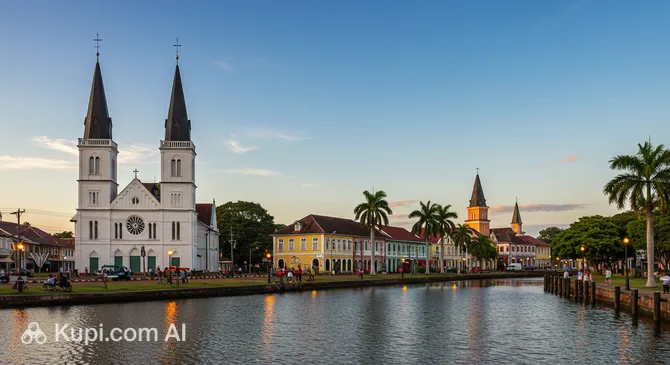
Paramaribo. Source: Kupi.com Binoculars

More than 90% of Suriname's territory is covered by pristine Amazonian rainforests, making it one of the 'greenest' nations in the world and a true paradise for ecotourism. Here, thrilling adventures await: from exploring dense jungles and spotting exotic animals like jaguars, sloths, and numerous bird species, to rafting on mighty rivers and visiting impressive waterfalls. The climate in Suriname is tropical, hot and humid year-round, which allows for an abundance of flora and fauna. Cities such as Nieuw-Amsterdam, situated at the confluence of the Suriname and Commewijne rivers, offer a glimpse into the country's history and culture beyond the capital.

Suriname is a land of contrasts and discoveries, where Indigenous, African, Indian, Javanese, Chinese, and European traditions have interwoven into a unique tapestry. This is a destination for those seeking authentic experiences, unspoiled nature, and the chance to immerse themselves in a distinctive culture far from the usual tourist trails. A friendly population, delicious local cuisine reflecting its diverse communities, and an atmosphere of the undiscovered await everyone who decides to explore this hidden gem of South America.

Currency

The national currency of Suriname is the Surinamese dollar (SRD). Surinamese dollar banknotes feature a colourful design, often depicting the country's local flora, fauna, and iconic architectural landmarks. Coins are also in circulation and are used for smaller transactions.

You can exchange foreign currency for Surinamese dollars at banks and official exchange offices, which are usually located in the capital, Paramaribo, and other major cities. It is advisable to avoid exchanging money with street money changers due to the risk of fraud or receiving an unfavourable exchange rate. Credit cards (mainly Visa and Mastercard) are accepted in large hotels, restaurants, and some shops, particularly in tourist areas. Nevertheless, for daily expenses, purchases at markets, or in smaller towns, it is best to always have a sufficient amount of cash on hand.

Visa Requirements

When planning a trip to Suriname, it is essential to familiarise yourself with the visa requirements in advance. For citizens of the United Arab Emirates, a visa is required for entry. However, travellers from the UAE can apply for an electronic visa (E-Visa) online, which simplifies the process significantly. This means you do not need to visit an embassy or consulate in person.

To apply for a Surinamese E-Visa, you will need a valid passport with at least six months of validity remaining from your planned date of entry into the country. Other common requirements include proof of a return or onward journey, confirmation of hotel bookings, and sometimes evidence of sufficient funds for your stay. The E-Visa application is typically completed through the official Suriname E-Visa website, where you will need to fill out a form and upload the necessary documents. As visa regulations can change, it is highly recommended to verify the latest information on the official website of the Ministry of Foreign Affairs of Suriname before your trip. This will help you avoid any unforeseen difficulties at the border and ensure your journey is a smooth one.

We'll tell you if you need a visa

Specify where you are going, or
Your citizenship
Destination

Time Zones

When planning a trip to Suriname, you will not have to worry about changing time zones within the country. The whole of Suriname operates on a single time zone, Suriname Time (SRT), which is UTC-3. This means the time in the capital, Paramaribo, is the same as in any other part of the country.

For travellers from the UAE, it is useful to note that Suriname is 7 hours behind Gulf Standard Time (UTC+4).

How to Get There

The easiest way to get to Suriname is by air. For travellers from the UAE, this typically involves a one- or two-stop flight, as there are no direct services available. The country's main international gateway is Johan Adolf Pengel International Airport (PBM), also known as Zanderij International Airport, which serves the capital, Paramaribo.

The most common routes from Dubai (DXB) or Abu Dhabi (AUH) connect through European or American hubs. A popular and convenient option is flying with KLM via Amsterdam (AMS), which offers regular services to Paramaribo. Other potential connection points include cities in North or South America, depending on the airline. The total journey time, including layovers, is usually upwards of 20 hours.

Overland travel to Suriname is also possible, though it requires more detailed planning. The country shares borders with Guyana to the west, French Guiana to the east, and Brazil to the south. Crossing these borders is feasible by car or bus, often involving ferry services across the boundary rivers. For instance, a ferry on the Maroni River connects Suriname with French Guiana. As for sea travel, this is mostly limited to cargo ships. While some cruise liners might include Paramaribo in their itineraries, this is not a regular mode of arrival for most tourists.

Regardless of your chosen travel method, it is highly recommended to book tickets and plan your itinerary well in advance, especially if your trip coincides with the peak tourist season. This will help you secure availability and potentially find more cost-effective options. For your reference, here is a summary of the main airport:

Airport Name City Passenger Traffic
Johan Adolf Pengel International AirportParamariboMedium

Suriname offers travellers an amazing variety of experiences, from delving into its colonial history to exploring the Amazonian wilderness. The country's main draw for tourists is undoubtedly its capital, Paramaribo. The historic inner city, a UNESCO World Heritage site, is striking for its unique wooden architecture, where European styles blend harmoniously with local traditions. Here, you can wander for hours through historic streets, admiring colonial mansions, churches, and synagogues. Notably, the Keizerstraat Mosque stands adjacent to the Neveh Shalom Synagogue, a symbol of the country's peaceful religious coexistence. Due to Suriname's diverse culture and significant Muslim population, halal food options are widely available, particularly those with Indian and Javanese influences. When visiting religious sites, it is recommended to dress modestly, ensuring shoulders and knees are covered.

Paramaribo. Source: Kupi.com Binoculars

Beyond the capital, Suriname boasts other interesting places. For example, the town of Nieuw-Nickerie in the west of the country is a major agricultural hub and the gateway to the Bigi Pan nature reserve, renowned for its rich birdlife. For those seeking adventure and a closer encounter with nature, Brokopondo is an exciting destination, home to the vast reservoir of the same name, which is surrounded by tropical rainforests. History enthusiasts will also appreciate Nieuw-Amsterdam, with its old fort that once protected the plantations along the Suriname River. Each of these destinations offers its own unique perspective on the culture and nature of Suriname.

Top Attractions

Suriname is ready to surprise its guests not only with its natural beauty but also with unique places where you can delve deeper into its culture. With a significant Muslim population, halal food options can be found, and among the country's highlights are its gastronomic oases, which have become true attractions for many travellers.

One such place to immerse yourself in the local flavour is the Las Tias restaurant. This is not just a dinner venue but a genuine opportunity to experience authentic Surinamese cuisine. While the restaurant is known for its Latin-inspired dishes, including popular chicken and lamb options, visitors are advised to enquire with the staff about halal preparation. Patrons value it for its traditional dishes, prepared with soul, and its hospitable atmosphere that makes every visit special.

Las Tías. Source: Kupi.com Binoculars

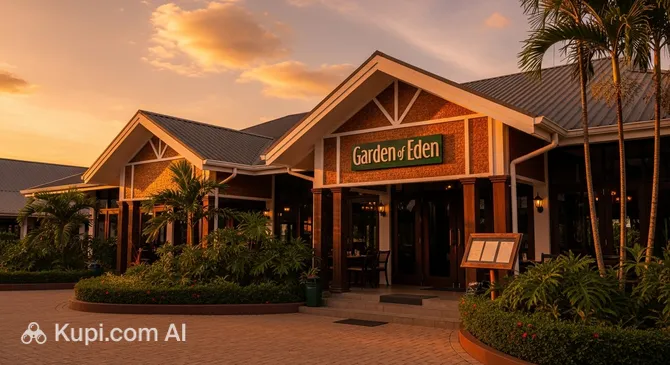
Another interesting spot that attracts both locals and tourists is the Garden of Eden. This restaurant is famous not only for its exquisite dishes that reflect the multinational heritage of Suriname but also for its unique atmosphere. Given the country's diverse cultural influences, including its Indo-Surinamese and Javanese communities, halal-friendly dishes may be available, though it is best to confirm with the restaurant. The name speaks for itself – here you can relax surrounded by greenery and enjoy the tranquillity while sampling culinary masterpieces.

Garden of Eden. Source: Kupi.com Binoculars

Best Time to Visit

When planning a trip to Suriname, it is important to consider its tropical climate, which alternates between dry and wet seasons. The high season, which is the most favourable time to visit, falls during two dry periods: a short one (from early February to late April) and a long one (from mid-August to early December). During this time, sunny weather is predominant, rain is rare, and the humidity is more comfortable. These are ideal conditions for exploring the country's rich nature: hiking through tropical forests, visiting national parks and reserves, and observing the unique spectacle of sea turtles nesting on the coast, which occurs from February to August. Although Suriname is not a mass-tourism destination, it can be slightly busier during the dry seasons, especially during local festivals such as the colourful Hindu celebration of Phagwa (Holi), which takes place in the spring.

The low season in Suriname coincides with two rainy periods: a long one (from late April to mid-August) and a short one (from early December to early February). This period is characterised by frequent, sometimes heavy, but usually brief downpours and high humidity. Travelling during the rainy season has its advantages: nature appears in its most lush and green state, rivers and waterfalls are especially full, there are significantly fewer tourists, and accommodation prices may be lower. However, you should be aware that some roads, particularly those leading into the country's interior, may be washed out, and mosquito activity increases. Despite the unpredictable weather, it is in December that Paramaribo hosts the famous New Year's festival, Surifesta, which attracts many visitors. Overall, the climate is fairly uniform across the country, but for trips to remote jungle areas, it is always recommended to check the current weather conditions.

Traditions

Suriname is a country with an amazing cultural kaleidoscope, which is clearly reflected in its daily interactions and traditions. Greetings here usually include a friendly handshake and a smile; direct eye contact is important, but it should not be too intense. The local people are known for their sincere hospitality. If you are invited to someone's home, a small gift, such as fruit or sweets, is a thoughtful gesture, although it is not a strict requirement. In conversation, try to be patient and respectful, especially towards the older generation. It is also always polite to ask for permission before taking photographs of people.

Regarding clothing, a fairly casual style prevails in Suriname. However, when visiting religious sites—whether mosques, Hindu temples, or churches—it is important to show respect by choosing modest attire that covers the shoulders and knees, a practice familiar to those in the UAE. There are no particularly strict rules of etiquette at the dining table, but it is customary to wait for the hosts to begin eating first. In some communities, such as the Indian or Javanese, it is customary to use the right hand when eating without cutlery. Given the significant Muslim, Hindu, and mixed-heritage population, many restaurants and food suppliers offer halal options. To better understand the spirit of the country, pay attention to significant holidays like Independence Day (Srefidensi Dey), celebrated on 25 November with parades and public festivities, and the colourful spring festival of Holi (Phagwa), which unites people of all cultures. These events vividly demonstrate the multinational character of the capital, Paramaribo, and all of Suriname.

Entertainment

Suriname offers travellers a unique range of entertainment, primarily linked to its rich nature and multinational culture. Fans of outdoor activities will find exciting opportunities to explore pristine tropical rainforests, with hikes of varying difficulty, river rafting, and observing exotic flora and fauna in numerous nature reserves. Although there are no traditional ski resorts or surfing spots, adventures in nature more than make up for it.

The country's cultural life is most vividly represented in its capital, Paramaribo. Here you can visit small museums that tell the story of Suriname's history and ethnic diversity, and discover its colonial architecture and local art. For those interested in shopping, local markets and craft shops offer authentic souvenirs such as wooden crafts, traditional textiles, handmade jewellery, and exotic spices that reflect the country's rich cultural heritage.

Nightlife in Suriname is quite laid-back and mainly centred in Paramaribo. You can find cosy restaurants offering a variety of cuisines, including Creole, Indian, and Indonesian, with many providing halal options due to the country's significant Muslim population. There are also lounges and cafés with live music or a relaxing atmosphere. For family holidays, Suriname primarily offers educational and insightful adventures: jungle excursions, wildlife encounters, and visits to butterfly farms or turtle-nesting beaches (in season). There are few specialised theme parks or water parks; the main focus is on connecting with nature and cultural enrichment.

Currency rates

Planning a trip? Excellent! To avoid any financial surprises during your travels, it's important to remember that currency exchange rates are constantly changing. Therefore, we highly recommend keeping track of the latest rates, both before your departure and throughout your trip. To assist you, the data provided below is monitored 24/7 to ensure we offer the most up-to-date information.

Reached the end of the page?

That means the route is fully explored