Peru, a remarkable country on the west coast of South America, attracts travellers from across the globe with its ancient mysteries, rich cultural heritage, and an incredible diversity of natural landscapes. It is a place where history comes alive at every turn, as the majestic Andes sit alongside the mysterious Amazon jungle and the picturesque Pacific coast, offering unique experiences for every visitor. For travellers from the UAE, flights to Peru are available with one or more stops.
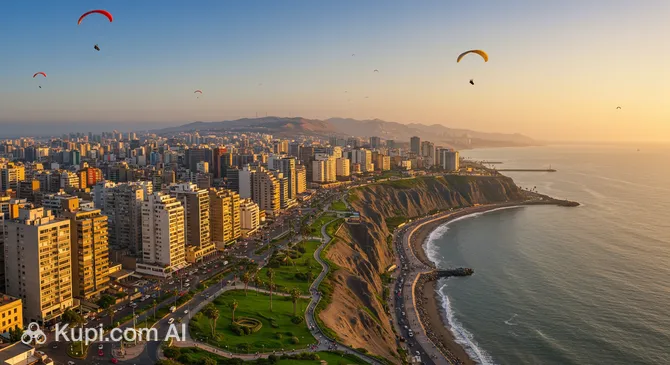
Lima. Source: Kupi.com Binoculars
The capital of Peru is Lima – a dynamic city where colonial architecture blends harmoniously with modernity. However, the true soul of the country is revealed through the legacy of the mighty Inca Empire, especially in the legendary lost city of Machu Picchu and the ancient Inca capital, Cusco. For Muslim travellers, finding certified halal food can be challenging, but options are improving, particularly in major cities like Lima where a small Muslim community resides. Several restaurants offer Middle Eastern or Muslim-friendly cuisine, and mosques such as the Asociacion Islamica del Peru and Masjid An Nur are located in Lima. Peru offers a journey through various climate zones: from the arid coastal deserts to the humid tropical rainforests and high-altitude plateaus. The country's atmosphere is steeped in the mystique of ancient civilisations and the warm hospitality of its local people, who are ready to share their unique culture and traditions.
Currency
The national currency of Peru is the Peruvian sol (PEN). Banknotes and coins are decorated with images of distinguished Peruvian figures, as well as the country's flora and fauna. On the banknotes, you can see portraits of famous personalities, such as the historian Jorge Basadre Grohmann or the singer Chabuca Granda, along with iconic sites like Machu Picchu.
You can exchange currency at banks, official exchange offices (casas de cambio), or at some hotels. It is advisable to avoid changing money with street money changers due to the risk of scams or receiving counterfeit notes. Credit cards (Visa, MasterCard, American Express) are widely accepted in most hotels, restaurants, and large shops in tourist centres and major cities like Lima. However, it is better to have cash on hand in smaller towns, at markets, or in small establishments.
Visa Requirements
When planning a trip to Peru, it's important to check the visa requirements in advance. For citizens of the United Arab Emirates holding regular passports, visa-free entry to Peru has been granted since November 2020. This allows for tourist and business travel without needing to apply for a visa beforehand.
Regardless of nationality, you will need a valid passport with a validity that covers your entire stay in the country. It is also advisable to carry return tickets, proof of hotel booking, and travel insurance, although these may not always be checked by immigration officials. Since visa regulations can change, it is highly recommended to verify the most current information on the official websites of Peru's embassies or visa centres before your journey. This will help you avoid any unwelcome surprises and ensure your trip is as smooth as possible.
We'll tell you if you need a visa
Specify where you are going, or
Your citizenship
Destination
Time Zones
When planning a trip to Peru, you will not need to worry about changing time zones within the country. The whole of Peru operates on a single time zone – UTC-5. This means that the time in Lima will be the same as in Cusco, Arequipa, or any other Peruvian city.
The absence of multiple time zones significantly simplifies planning for internal travel and excursions, allowing you to focus on enjoying the rich culture and stunning landscapes of this amazing country.
How to Get There
There are several ways to get to Peru, a country of rich history and incredible natural landscapes, but the most common and convenient is by air. For travellers from the UAE, there are no direct flights, but several major airlines offer convenient one-stop connections. Airlines such as Emirates, Qatar Airways, KLM, and Air France operate routes from Dubai (DXB) and Abu Dhabi (AUH) with a single stopover in cities like Amsterdam, Paris, or Madrid before continuing to the country's main gateway, Jorge Chávez International Airport in Lima, the capital of Peru. Besides the capital's airport, some other cities also accept international flights, which can be convenient for starting a journey in a specific region of the country.
For those who prefer overland travel or are combining a visit to Peru with neighbouring countries, it is possible to cross the border by bus. Peru shares land borders with Ecuador, Colombia, Brazil, Bolivia, and Chile, with international buses operating between them. This can be a more budget-friendly, albeit longer, option. Rail transport in Peru is mainly developed for domestic tourist routes, such as the one to Machu Picchu, and is not a primary means of international travel. Sea transport, in the form of cruise liners, occasionally calls at Peruvian ports like Callao (the port of Lima), but this is more a part of a larger cruise itinerary than a regular way to reach the country.
When planning a trip to Peru, it is advisable to book flights and accommodation in advance, especially if your travel falls during the peak tourist season (typically June to August, as well as December-January). It is also essential to check the visa requirements for your nationality well in advance to ensure a smooth and trouble-free journey. Citizens of the United Arab Emirates can enter Peru visa-free for tourism for up to 90 days. However, expatriate residents of the UAE should verify the specific visa rules for their country of citizenship before travelling.
For Muslim travellers, finding certified Halal food can be challenging, particularly outside of major cities like Lima. However, options are improving, with some Middle Eastern and vegetarian restaurants available in the capital. It is always recommended to ask about ingredients. There are a few mosques in Lima, such as the Asociacion Islamica Del Peru and Mezquita An Nur, which can be a point of contact for local information. Prayer facilities in airports and public spaces are not common, so it is best to plan accordingly.
For your reference, here is a summary of the main airports:
Peru is a country of amazing contrasts, offering travellers an immersion into ancient history and culture, as well as an introduction to lively modern cities and unique natural landscapes. One of the main centres of attraction is the capital, Lima. This dynamic metropolis on the Pacific coast is famous for its colonial architecture, excellent museums, world-renowned gastronomy, and vibrant cultural life. While certified halal food can be challenging to find, options are improving in major cities like Lima. Travellers can find Middle Eastern and other Muslim-friendly restaurants, or opt for the abundant, naturally halal seafood and vegetarian dishes. The city is also home to the Mosque of Magdalena del Mar (Mezquita de Lima), which serves as the main centre for the Islamic Association of Peru.
Lima. Source: Kupi.com Binoculars
An equally important destination for any traveller is Cusco, the ancient capital of the Inca empire, located high in the Andes. This charming city serves as the starting point for exploring the Sacred Valley and, of course, for the journey to the legendary Machu Picchu – the lost city of the Incas. As one of the New Seven Wonders of the World, it astonishes with its grandeur and mystery.
For those who appreciate colonial heritage and spectacular scenery, a must-visit is Arequipa, known as the "White City" for its buildings made of a light-coloured volcanic stone called sillar. The city captivates with its beautiful squares and proximity to canyons. When visiting its historic churches, a modest dress code of covering shoulders and knees is recommended as a sign of respect. And if you are looking for a completely different experience, Iquitos, the largest city in the Peruvian Amazon, accessible only by air or river, will open the gates to the incredible biodiversity of the tropical rainforests for you.
Top Attractions
Peru is a country with a rich history and culture, offering travellers an incredible variety of attractions. From ancient civilisations to colonial heritage and natural wonders, there is something here for everyone. Let’s explore some of the most iconic places you shouldn’t miss during your journey through this amazing country.
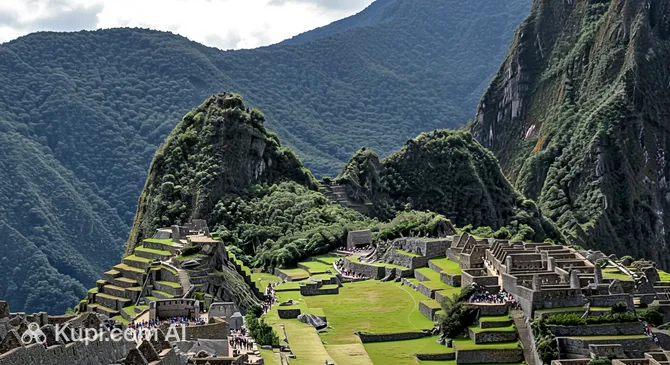
One of Peru's greatest treasures is undoubtedly Machu Picchu. This lost city of the Incas, recognised as one of the New Seven Wonders of the World, captivates with its mysterious atmosphere, impressive architecture, and breathtaking views of the surrounding mountains. A visit to Machu Picchu is a true immersion into the history of an ancient civilisation.
Machu Picchu. Source: Kupi.com Binoculars
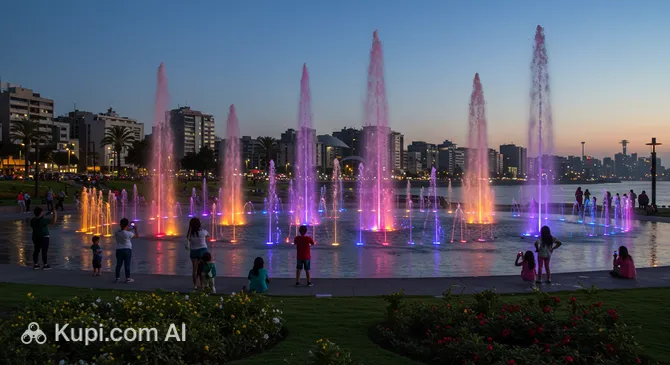
In the nation's capital, Lima, a visit to the Magic Water Circuit is a must. This complex, listed in the Guinness Book of Records as the world's largest fountain complex in a public park, offers unforgettable evening shows with music, light, and water displays. While finding certified halal food can be difficult, Lima has a growing number of halal-friendly options, particularly offering Middle Eastern cuisine, and vegetarian dishes are widely available. For prayers, the city is home to the Mosque of Lima (Mezquita de Lima) in the Magdalena del Mar district, which is open to the public.
Magic Water Circuit. Source: Kupi.com Binoculars
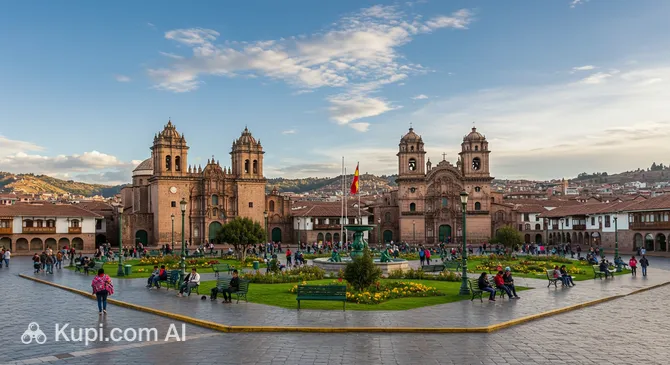
You also cannot overlook the Plaza de Armas of Cusco, the historic heart of the former capital of the mighty Inca Empire. The square is surrounded by majestic colonial churches and buildings with carved wooden balconies, many of which are built on the foundations of Inca palaces. Here, you can feel the unique blend of two cultures. When visiting the Cusco Cathedral and other religious sites, a modest dress code is appreciated; it is respectful to ensure shoulders and knees are covered. While dedicated halal restaurants are not established in Cusco, many eateries offer excellent vegetarian and seafood alternatives.
Main Square of Cusco. Source: Kupi.com Binoculars
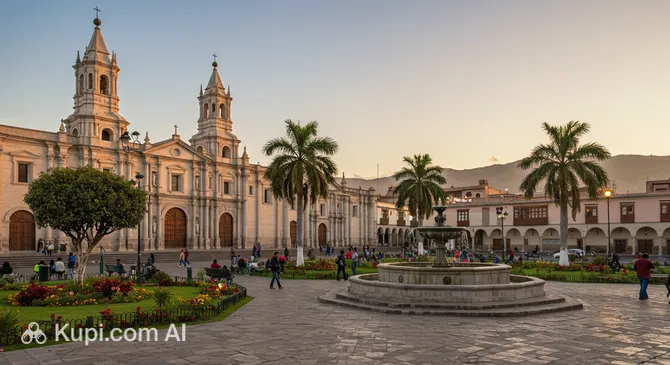
Another iconic square is the Plaza de Armas of Arequipa, the central square of the "White City". Arequipa is famous for its unique architecture made from white volcanic sillar stone, and the Plaza de Armas is a magnificent example of it. The square's main feature is the impressive Basilica Cathedral, which also recommends modest attire for visitors, alongside elegant arcades.
Plaza de Armas of Arequipa. Source: Kupi.com Binoculars
Best Time to Visit
Peru is a country with an incredible diversity of climatic zones, so choosing the best time for your trip largely depends on your plans and the regions you wish to visit. In general, the high (dry) season lasts from May to October. This is the ideal period for exploring the Andes, including the famous Machu Picchu and the ancient Inca capital of Cusco, as the days are usually sunny and the skies are clear, which is especially important for trekking. It is in June that Cusco hosts the colourful Inti Raymi festival (Festival of the Sun), attracting many visitors. The downsides of this period are the large number of tourists and, consequently, higher prices for flights and accommodation, so it is wise to book well in advance.
The low (wet) season occurs from November to April. During this time, it often rains in the mountainous regions and the Amazon, which can make some routes, like the Inca Trail, less accessible (it is traditionally closed for maintenance in February). However, on the coast, for example in Lima, the weather can be warm and sunny. The advantages of the low season include fewer travellers, more affordable prices, and the opportunity to see the Andes covered in emerald-green vegetation. It is important to note that Peru has three distinct climatic regions: the arid coast (costa), the temperate Andes (sierra), and the humid Amazon jungle (selva). Therefore, always check the forecast for the specific locations on your itinerary before your trip to ensure your journey is as comfortable as possible.
Traditions
Peruvians are known for their hospitality and friendliness. When meeting and greeting, a handshake accompanied by direct eye contact is standard. In more informal settings, among people who know each other well or during introductions (especially between women, or a man and a woman), a light kiss on the right cheek is common. If you are invited to someone's home, a small gift such as sweets, fruit, or a souvenir from your country will be greatly appreciated. Interestingly, punctuality in Peru is viewed quite flexibly, and being 15-30 minutes late for an informal meeting is not usually considered a problem. When communicating, try to avoid pointing at people or objects with your index finger, as this can be seen as impolite; it is better to use an open-handed gesture or a slight nod of the head in the intended direction. Also, always ask for permission before taking photographs of local people, especially in rural areas and of members of indigenous communities.
When visiting churches and other religious sites, it is important to observe a modest dress code: clothing should cover your shoulders and knees. At other times, there are no strict rules, although in high-end restaurants and at formal events in major cities like Lima, local residents prefer a more elegant style of dress. At the dinner table, it is customary to keep your hands visible (your wrists may rest on the edge of the table), and it is considered polite to try all the dishes you are offered. While it is polite to try everything, if you have dietary requirements, such as a need for halal food, it is perfectly acceptable to politely inquire about the ingredients. Do not be surprised if your hosts insist on offering you a second helping – this is a sign of their hospitality. Among the national holidays, Fiestas Patrias (Independence Days) on the 28th and 29th of July are celebrated especially vibrantly and on a grand scale, with parades and public festivities taking place across the country. Another significant event that reflects the country's rich cultural heritage is Inti Raymi (the Festival of the Sun) in Cusco, a colourful re-enactment of an ancient Inca ceremony held in June. Showing respect for local customs and traditions will not only help you avoid awkward situations but will also open the hearts of the Peruvian people, making your journey through Peru an unforgettable one.
Entertainment
Peru offers an incredible variety of entertainment to satisfy any traveller's tastes. For fans of active holidays and sports, the country presents boundless opportunities: from exciting trekking routes through the majestic Andes and surfing on the Pacific coast to exploring the mysterious Amazon jungle. Peru's cultural life is no less rich: numerous museums will introduce you to the vast heritage of ancient civilisations and the colonial era. In major cities like the capital, Lima, you can visit theatres, art galleries, and enjoy performances by local musicians.
As darkness falls, Peruvian cities come alive. Lima and Cusco are particularly famous for their nightlife, where you will find many establishments with exotic non-alcoholic beverages, restaurants offering local culinary delights, and venues with lively music. While halal-certified restaurants are not widespread, many places offer excellent seafood and vegetarian options; it is always advisable to ask about the ingredients. For those seeking prayer facilities, mosques are located in larger cities such as Lima and Tacna. For lovers of shopping, Peru is a true paradise. Here you can buy unique items made from alpaca wool, colourful handmade textiles, original ceramics, and elegant silver jewellery. Be sure to visit the local markets and artisan shops to find authentic souvenirs.
Peru also offers interesting options for a family holiday. Although there are not as many large theme parks as in some other countries, little travellers will be delighted by encounters with exotic animals in nature reserves, visits to interactive museums, or simply strolling through picturesque parks and squares. Overall, Peru is a country where everyone will find something to their liking, whether it's an adventure in the heart of nature, an immersion into ancient history, or an introduction to a vibrant and distinctive modern culture.
Currency rates
Planning a trip? That's wonderful! To ensure the financial aspects of your journey don't come as a surprise, it is important to remember that currency exchange rates are constantly changing. Therefore, we strongly advise monitoring the latest rates both before you fly and throughout your trip. The official currency of Peru is the sol (PEN). You can use the data provided below for this purpose — we monitor currency rates 24/7 and strive to provide the most up-to-date information.