Welcome to Arequipa, a captivating destination often revered as the Ciudad Blanca or "White City" due to its magnificent architecture crafted from sillar, a white volcanic stone. As the second-largest city in Peru, it serves as a vibrant cultural and economic hub in the southern region of the country, blending colonial charm with a modern urban pulse.
Nestled in the Andes mountains at an elevation of roughly 2,335 meters above sea level, the city is dramatically framed by three towering volcanoes: Misti, Chachani, and Pichu Pichu. With a population exceeding 1 million inhabitants, Arequipa offers a bustling atmosphere that remains deeply connected to its breathtaking natural surroundings. The climate here is generally dry and sunny, making it a pleasant destination to explore year-round.
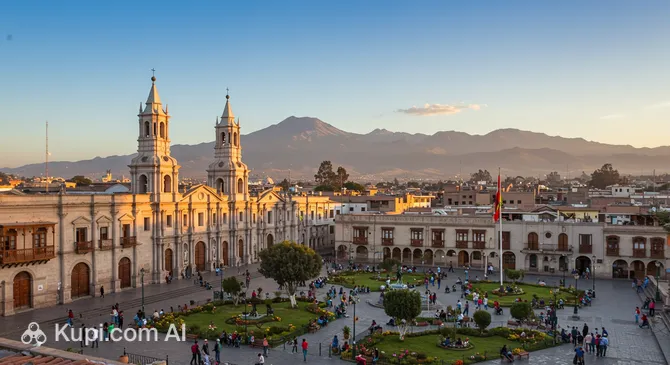
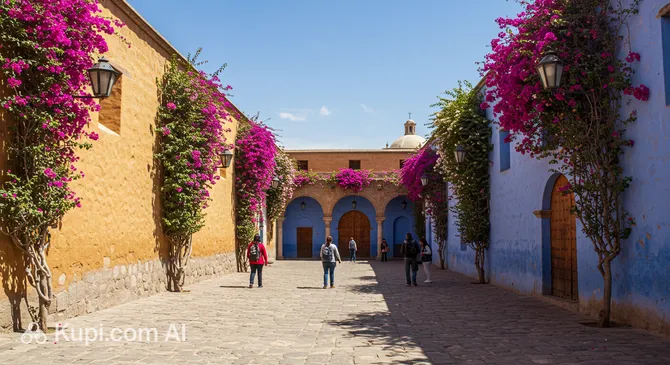
Arequipa. Source: Kupi.Binoculars
The city's historic center is a UNESCO World Heritage site, showcasing a unique fusion of European and native building techniques. Delving into the history of Arequipa reveals a rich tapestry of events that have shaped its identity, from its indigenous roots to its Spanish colonial founding. Visitors are consistently awed by the sprawling Santa Catalina Monastery, which feels like a colorful citadel within the city, and the majestic Plaza de Armas, considered one of the most beautiful squares in South America.
Whether you are planning to trek through the nearby Colca Canyon—one of the deepest canyons in the world—or simply wish to indulge in the region's renowned gastronomy, Arequipa promises an unforgettable travel experience. We invite you to wander its sun-drenched streets and discover the magic of the White City for yourself.
Weather Overview
Travelers visiting the "White City" can generally expect a mild and pleasant climate throughout the year, though it is important to pack for distinct seasonal changes. For a more detailed breakdown of what to expect during your specific travel dates, you can consult the guide to the weather in Arequipa.
The year typically starts with a wet season from January through March, where you might encounter frequent rainfall and daily highs averaging around 16°C. Conversely, the winter months of June, July, and August are incredibly dry with clear skies, offering slightly warmer daytime highs of roughly 18°C, but much cooler nights dipping to around 6°C. Expect generally comfortable daytime temperatures year-round, with the warmest afternoons occurring between September and November, while the beginning of the year sees the most precipitation.
Interesting Facts
Beyond its famous white walls and volcanic backdrop, Arequipa holds many fascinating secrets that offer a deeper glimpse into its heritage. Here are some intriguing facts about the city that often escape the casual observer:
The Museum of Andean Sanctuaries houses one of the most significant archaeological finds in the Americas: "Juanita," the Ice Maiden. This remarkably well-preserved Inca mummy was discovered atop Mount Ampato and provides a rare, direct link to the rituals of the pre-Columbian era.
For nearly four centuries, the Santa Catalina Monastery operated as a "city within a city," completely closed off from the outside world. It features its own streets, squares, and houses named after Spanish cities, where nuns lived in total isolation until 1970.
Arequipa boasts a unique architectural connection to Paris through the Puente de Fierro (Iron Bridge). This structure was designed by the renowned French engineer Gustave Eiffel, constructed years before he built his iconic tower in France.
The city is the birthplace of Mario Vargas Llosa, Peru's Nobel Prize laureate in Literature. His legacy and early years are preserved and celebrated at the Mario Vargas Llosa House Museum, which utilizes holograms to tell his story.
Inside the Church of the Society of Jesus, visitors can find a stunning example of Mestizo Baroque art. The pulpit is famous for featuring a rare and intricate carving of the devil, depicted as being crushed to symbolize the triumph of faith.
Santa Catalina Monastery. Source: Kupi.Binoculars
How to Get There
Reaching the "White City" is a straightforward part of your Peruvian adventure, with air travel being the most efficient method for most visitors. Whether you are coming from Lima or other parts of the region, you can find more specific details in our detailed guide on how to get to Arequipa.
The primary gateway to the city is Rodriguez Ballon International Airport (IATA: AQP), conveniently located just 7.5 km from the city center. It serves as a major regional hub, handling frequent flights from the capital and other destinations. Once you land, the journey to the historic center is quick, typically taking about 30 minutes by taxi or shuttle.
If you are exploring the wider region, you might find yourself closer to other transport hubs. Some travelers might arrive via Juliaca Airport (IATA: JUL) in the city of Juliaca. This airport is approximately 180 km away, and the transfer to Arequipa by road takes around 5 hours. Another alternative is Tacna Airport (IATA: TCQ) in Tacna, situated about 226 km from Arequipa, which requires a travel time of roughly 6 hours.
For clarity, here is a summary of the main airports serving the area:
Airport Name
City
Passenger Traffic
Km from City
Rodriguez Ballon International Airport
Arequipa
High
7.5
Chacalluta Airport
Arica
Medium
250.1
Tacna Airport
Tacna
Medium
226.6
Juliaca Airport
Juliaca
Medium
180.8
Beyond flying, Arequipa is well-connected by land. A robust network of long-distance buses links the city with Lima, Cusco, and Puno, offering a scenic—though longer—way to traverse the Andes. While there is a railway service connecting Arequipa to Puno and Cusco, it is primarily operated by luxury tourist trains rather than standard commuter rail, providing a spectacular travel experience for those with more time.
Main Attractions
Arequipa is a city best explored on foot, where every corner reveals a piece of its colonial history and volcanic heritage. The historic center is a masterpiece of European and Native architecture, but the city offers diverse experiences ranging from stunning viewpoints to interactive cultural centers.
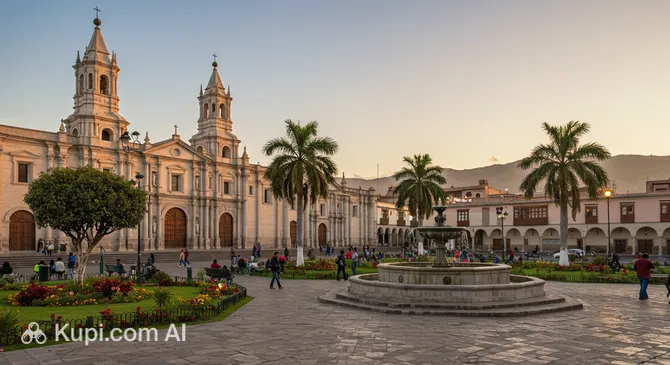
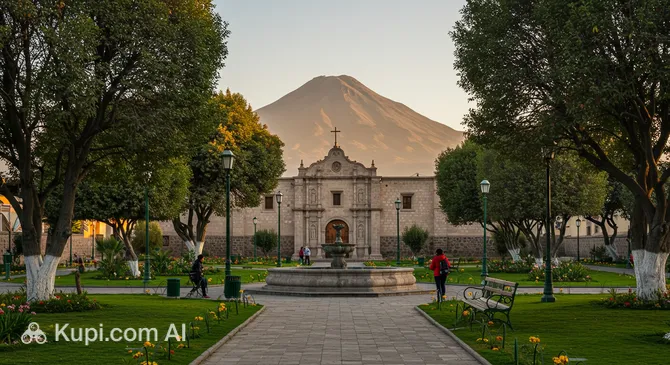
The heartbeat of the city is undoubtedly the Plaza de Armas of Arequipa. Widely regarded as one of the most beautiful main squares in Peru, it is surrounded by elegant colonnades and historic buildings made from the characteristic white volcanic stone, sillar. It is the perfect place to sit on a bench, enjoy a local snack, and admire the majestic fountain while soaking in the vibrant atmosphere of daily life.
Plaza de Armas of Arequipa. Source: Kupi.Binoculars
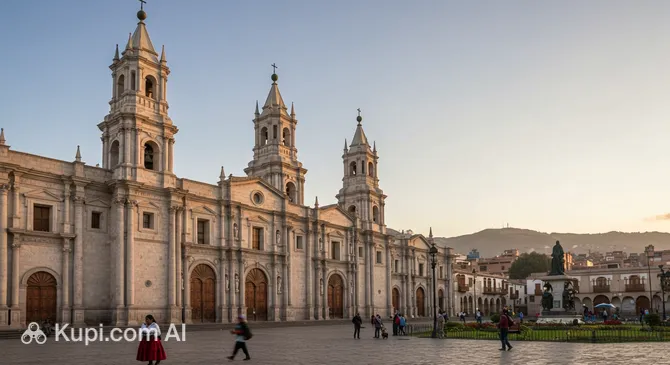
Dominating the entire north side of the plaza is the imposing Basilica Cathedral of Arequipa. Unlike many other cathedrals, this massive structure spans the full length of the square, showcasing a unique neo-Renaissance facade with two towering bell towers. Visitors can explore its interior to see the famed Belgian organ and an intricate pulpit carved in France, or visit the onsite museum which displays religious treasures and ornaments spanning centuries.
Basilica Cathedral of Arequipa. Source: Kupi.Binoculars
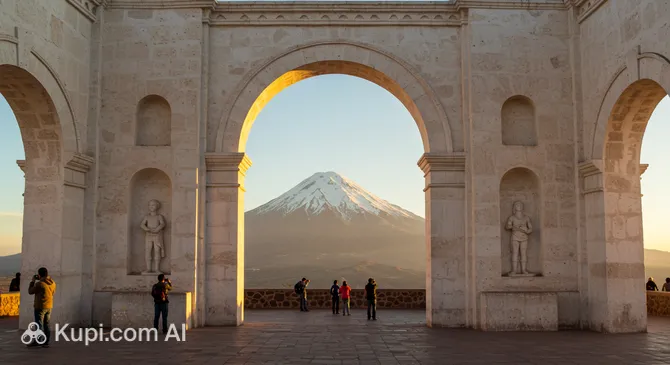
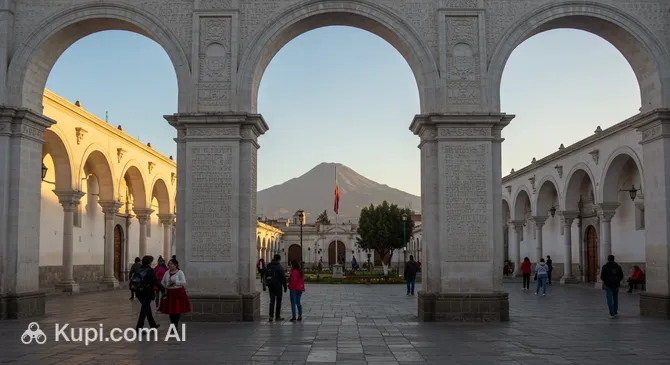
For the most iconic photo opportunity in the city, travelers should head to the Yanahuara Viewpoint. Located in a charming district just a short walk or taxi ride from the center, this scenic spot features a series of white sillar arches engraved with quotes from famous Arequipeños. Through these arches, you get a perfectly framed view of the city with the majestic Misti volcano rising in the background, making it a must-visit for sunset.
Yanahuara Viewpoint. Source: Kupi.Binoculars
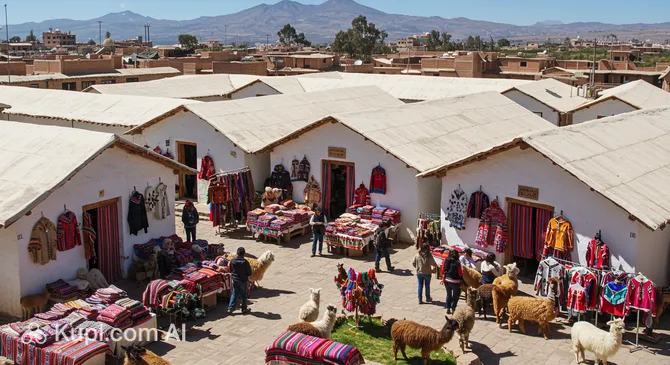
Those interested in the region's textile heritage will find Mundo Alpaca to be a fascinating stop. This eco-tourist complex offers an educational look at the traditional process of sorting and weaving alpaca fiber. It is also a wonderful place for families, as you can interact with llamas and alpacas in a well-maintained environment, learning the differences between the species while appreciating the craftsmanship of local weavers.
Mundo Alpaca. Source: Kupi.Binoculars
Local Cuisine
Arequipa is widely celebrated as one of the gastronomic capitals of Peru, boasting a culinary tradition that is distinct from Lima and deeply rooted in the region's agricultural abundance. The local cuisine is famous for its bold flavors, generous portions, and the use of spicy peppers known as rocotos. Visitors will find that food here is not just sustenance but a central part of the cultural identity, best experienced in traditional lunchtime restaurants known as picanterías.
The undisputed star of the local table is Rocoto Relleno, a spicy red pepper stuffed with a savory mixture of minced meat, cheese, spices, and raisins, then baked to perfection alongside a potato bake called pastel de papa. Another signature dish is Chupe de Camarones, a rich and creamy chowder made with fresh river shrimp, milk, eggs, and Andean potatoes. On Sundays, it is a local tradition to enjoy Adobo Arequipeño, a hearty pork stew marinated in chicha (corn beer) and spices, typically served early in the morning with bread for dipping.
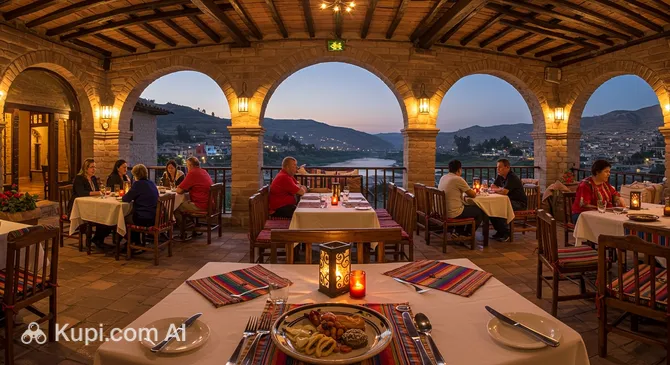
For those looking to experience high-quality local ingredients prepared with a contemporary flair, the city offers excellent dining options. One standout is Zig Zag, a restaurant renowned for serving alpaca, beef, and lamb on hot volcanic stones, creating a unique fusion of Swiss and Andean culinary styles. If you prefer a more relaxed atmosphere for brunch or artisanal pastries, Masamama Bakery & Mill is a favorite among locals and travelers alike.
Zig Zag. Source: Kupi.Binoculars
No culinary tour of Arequipa is complete without trying the unique local beverages and sweets. The most famous dessert is Queso Helado, which, despite its name ("cheese ice cream"), contains no cheese; it is a delightful frozen treat made from milk, coconut, and cinnamon, often sold by street vendors in traditional dress. To wash down your meal, try Chicha de Guiñapo, a fermented beverage made from a specific variety of purple corn unique to this region, or sip on a glass of Kola Escocesa, the beloved local soda.
As the sun sets, the city's nightlife offers a chance to explore its growing bar scene. You can unwind at places like El Fuego de San Antonio or visit the Chancho Cojo Tap Room to sample local craft beers and pisco cocktails. For a lively evening out, Chef Parrillero Grill provides a great atmosphere to enjoy grilled meats and drinks with friends.
Travel Tips
Preparing for your journey to the "White City" involves a few simple steps to ensure a comfortable and enjoyable experience. Here are some essential tips to help you navigate Arequipa like a pro and make the most of your Andean adventure.
Pack for Variable Weather: The high-altitude sun is intense, so a wide-brimmed hat, sunglasses, and high-SPF sunscreen are non-negotiable during the day. However, temperatures drop significantly after sunset, so dressing in layers is crucial; bring a warm fleece or jacket for the cool evenings.
Getting Around Safely: The historic center is compact and best explored on foot, but the cobblestones can be uneven, so wear comfortable walking shoes. For longer distances, taxis are abundant and affordable, but it is safer to use ride-hailing apps or ask your hotel to call a registered taxi rather than hailing one on the street.
Cash is King: While major hotels and restaurants accept credit cards, smaller shops, traditional picanterías, and taxis operate primarily on cash. Carry the local currency, the Peruvian Sol, and try to keep small bills and coins handy, as change for large banknotes is often hard to find.
Health and Altitude: Arequipa sits at over 2,300 meters, so take it easy on your first day to acclimatize and avoid altitude sickness (soroche). Stay hydrated with bottled water—never drink from the tap—and try the local remedy, mate de coca (coca tea), to help your body adjust.
Communication Essentials: Spanish is the primary language, and while English is spoken in the tourism sector, it is less common in local markets or taxis. Downloading an offline translation app or learning a few basic phrases like "Buenos días" (Good morning) and "¿Cuánto cuesta?" (How much?) will be very helpful.
Local Etiquette: Peruvians are generally polite and formal; it is customary to greet people when entering a shop or boarding a vehicle. A handshake is standard for new acquaintances, while a kiss on the cheek is common among friends; always be respectful and patient in social interactions.
Respectful Photography: Avoid taking photos of locals, especially women in traditional dress or those with llamas and alpacas, without asking for permission first. In many tourist areas, posing for photos is a livelihood, and a small tip (propina) is expected and appreciated.
Regional Identity: Arequipa has a very strong regional identity, and locals are incredibly proud of their city, often distinguishing themselves from the rest of the country. Complimenting their unique cuisine and beautiful architecture is a sure way to make friends and receive a warm welcome.
With these practical tips in mind, you are all set to explore the stunning streets and vibrant culture of Arequipa with confidence. Embrace the local rhythm, savor the unique flavors, and enjoy a safe and memorable adventure in the heart of the Andes.
Entertainment & Nightlife
When the sun sets over the Andes and the streetlights illuminate the white sillar buildings, Arequipa transforms from a historic colonial gem into a vibrant hub of evening activity. The city offers a surprisingly diverse nightlife scene that caters to all tastes, from energetic dance clubs and live music venues to sophisticated wine bars and relaxed evening strolls. The atmosphere is generally welcoming and casual, with a mix of locals, students, and travelers mingling in the historic center.
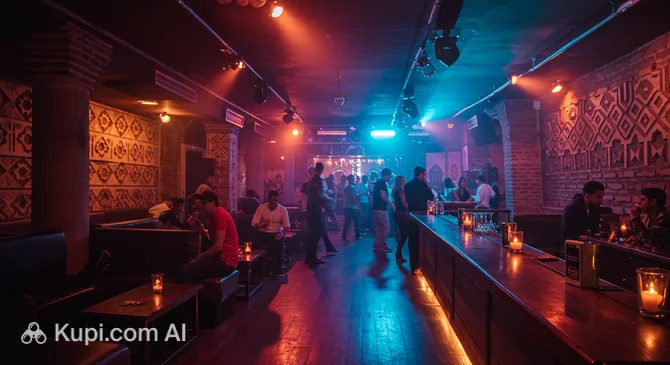
The epicenter of nightlife in Arequipa is undeniably Calle San Francisco, located just a few blocks from the main square. On weekends, this street comes alive with music pouring out of open doors and people hopping between venues. Here, you will find a dense concentration of bars and clubs housed in beautiful colonial mansions. A standout venue in this area is La Casona Forum, a massive complex that is practically a nightlife district on its own. It features multiple levels and rooms, each playing different genres of music ranging from salsa and reggaeton to electronic beats, making it a favorite for those who want to dance until dawn.
La Casona Forum. Source: Kupi.Binoculars
For a more laid-back evening or a family-friendly outing, the city offers modern entertainment complexes. The Aventura Plaza Arequipa Mall is a popular destination for locals looking to enjoy a movie at the cinema, dine at a variety of restaurants, or simply walk around in a lively, modern environment. It is an excellent alternative if you prefer to avoid the crowded bars of the city center and enjoy a quieter night out with plenty of amenities.
Aventura Plaza Arequipa Mall. Source: Kupi.Binoculars
If you are looking for a romantic or scenic way to end your day, consider revisiting the Yanahuara Viewpoint. While popular during the day, the arches offer a magical perspective at night when the city lights twinkle below the dark silhouettes of the volcanoes. It is a safe and peaceful spot to take a taxi to, perfect for a quiet conversation and memorable photographs before heading to dinner.
Regarding safety and logistics, the tourist areas of the historic center are generally safe for walking at night, especially around the Plaza de Armas and Calle San Francisco. However, it is always advisable to stay in well-lit areas and avoid walking alone on deserted streets late at night. When returning to your accommodation, use ride-sharing apps or ask the venue to call a registered taxi for you rather than hailing one on the street. Most clubs and bars stay open until 2:00 AM or 3:00 AM, with the peak energy usually occurring around midnight.
While the nights are exciting, daytime entertainment in Arequipa offers its own charm. Beyond the historical sites, you can enjoy a relaxing afternoon at Selva Alegre Park, a sprawling green space perfect for picnics and leisurely walks. The city also boasts a variety of cultural venues, including theaters and smaller art galleries that often host exhibitions, ensuring that there is always something to see before the nightlife begins.
Selva Alegre Park. Source: Kupi.Binoculars
Parks & Museums
Beyond its striking volcanic stone architecture, Arequipa offers a variety of lush green spaces and world-class museums that preserve the region's deep cultural heritage. Visitors can easily alternate between relaxing in manicured gardens and exploring collections that span from the pre-Inca era to colonial times.
For a refreshing escape from the city streets, Selva Alegre Park stands out as the city's largest green lung. It is an expansive area featuring a small artificial lake, towering eucalyptus trees, and paved paths perfect for a morning jog or a leisurely walk. Families often visit for the paddle boats and the relaxed atmosphere, making it an ideal spot to unwind and enjoy a picnic on the grass.
Another charming spot is Yanahuara Square, located just a short distance from the famous viewpoint. Unlike the bustling main plaza, this square offers a more tranquil vibe, shaded by tall palm trees and framed by the picturesque San Juan Bautista Church. It is a wonderful place to sit and enjoy a traditional queso helado while admiring the surrounding sillar architecture.
Yanahuara Square. Source: Kupi.Binoculars
For a unique twist on the traditional park experience, especially if traveling with children, the Airplane Park is a fascinating destination. As the name suggests, this park features real, retired aircraft mounted on pedestals or sitting on the ground, allowing visitors to get an up-close look at aviation history in a playful outdoor setting.
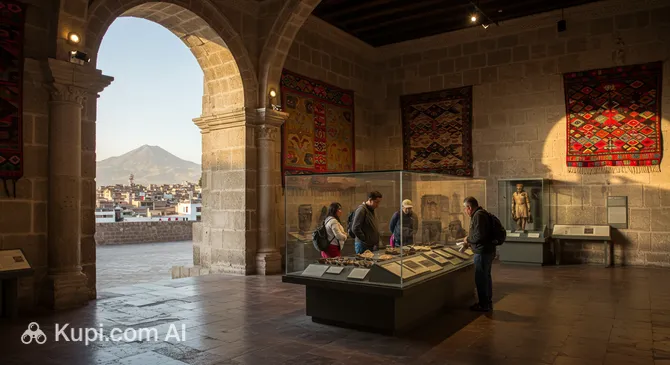
When it comes to museums, the Museum of Andean Sanctuaries is an essential stop for understanding the region's ancient past. Its most famous resident is "Juanita," the Inca Ice Maiden, a remarkably well-preserved mummy discovered on Mount Ampato. The museum provides a moving and informative tour through the rituals of the Inca civilization, culminating in the viewing of Juanita herself, kept in a specialized climate-controlled case.
Museum of Andean Sanctuaries. Source: Kupi.Binoculars
Art enthusiasts should not miss the Santa Teresa Museum of Viceregal Art. Housed in a colonial-era monastery, this museum displays a stunning collection of paintings, sculptures, and religious artifacts that were once hidden from the public eye. The interpretation of the "New World" through European artistic styles is vividly portrayed here, offering a quiet and contemplative cultural experience.
Another historical treasure is the Monastery and Museum of La Recoleta. Located on the other side of the river, this complex is famous for its incredible library containing over 20,000 books, some dating back to the 15th century. It also houses diverse collections ranging from Amazonian artifacts brought back by missionaries to pre-Columbian ceramics.
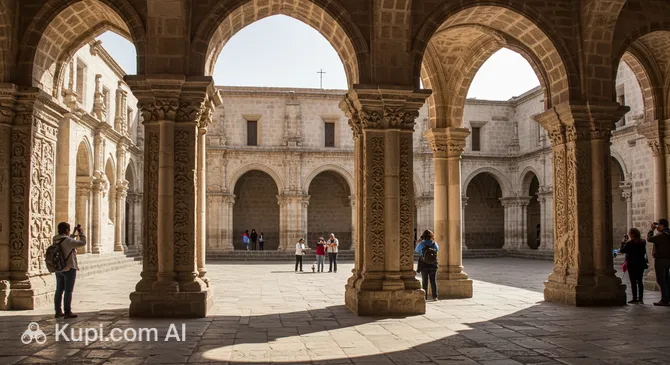
In the heart of the city, the Cloisters of La Compañía offer a masterful example of Andean Baroque architecture. These stone courtyards are adorned with intricate carvings of native flora and fauna blended with Christian symbols, creating a visual masterpiece that reflects the cultural fusion of the region. It is a perfect quick stop near the Plaza de Armas to appreciate the craftsmanship of the local stonecutters.
Cloisters of La Compañía. Source: Kupi.Binoculars
For a memorable end to your sightseeing, take a walk across the Grau Bridge around sunset. While often used just for transport, the bridge offers one of the best unobstructed views of the Misti volcano towering over the Chili River, providing a spectacular backdrop that captures the essence of Arequipa's dramatic landscape.
Getting Around
Public transport in Arequipa is a bustling and vital part of daily life, relying entirely on a road-based network rather than rail systems like metros or trams. The city is currently modernizing its fleet through the Integrated Transport System (SIT), characterized by distinctive blue buses that operate on fixed routes. However, you will still encounter the traditional and ubiquitous "combis" or "custers"—smaller vans and minibuses that weave through the city streets. These older vehicles are often crowded and can be chaotic, but they offer an authentic and inexpensive way to reach corners of the city that might otherwise be difficult to access.
The payment system across the city's public transit is straightforward but strictly analog: cash is king. There are no travel cards, digital passes, or ticket machines at stops. When you board a bus or combi, you pay the fare directly to the driver or the "cobrador" (conductor), who is often hanging out the side door calling out destinations. Fares are very affordable, typically costing between 1 and 2 Soles depending on the distance. It is absolutely essential to carry small coins, as drivers rarely have change for large banknotes, and presenting a large bill can cause significant delays or refusal of service.
For tourists, using the bus system requires a bit of vigilance and a sense of adventure. Stops are not always clearly marked, so you often need to hail the bus by waving your hand as it approaches. The destinations are usually painted on the side of the vehicle or displayed on placards in the windshield. Operating hours generally run from around 5:00 AM to 10:00 PM, though frequency drops significantly after dark. If you are unsure of the route, it is perfectly acceptable to ask the driver or a fellow passenger if the bus goes to your destination before you board.
Given the complexity of the bus routes, many visitors prefer alternatives like taxis, which are abundant and relatively cheap compared to Western standards. Taxis in Arequipa generally do not use meters, so it is culturally mandatory to negotiate and agree on a fare with the driver before you get into the car. For a higher level of safety and convenience, especially at night or if you do not speak Spanish, using ride-sharing apps like Uber or InDrive is highly recommended. These apps provide a fixed price and track your journey, avoiding the need to haggle.
While there is no historic tram or cable car network for commuting, the city does feature specialized double-decker sightseeing buses known as the "Mirabus." These open-top vehicles are parked around the main square and offer guided panoramic tours of the city's major landmarks and viewpoints. For the historic center itself, the best mode of transport is simply walking; the area is compact, and moving on foot allows you to admire the colonial architecture and narrow streets without the stress of navigating traffic.
Accommodation
Where to Stay:
Finding the perfect place to rest your head in Arequipa is a delightful part of the travel experience, as the city offers a diverse range of accommodations to suit every budget and style. Visitors can choose from lively backpacker hostels with rooftop bars, charming mid-range guesthouses housed in colonial sillar buildings, or luxurious hotels that offer world-class amenities. Whether you prefer the social atmosphere of a shared dormitory or the privacy of a boutique suite, the "White City" has plenty of options to ensure a comfortable stay.
For most travelers, the best area to stay is the Historic Center (Centro Histórico). Staying here puts you within easy walking distance of the main attractions, restaurants, and the vibrant nightlife. If you prefer a quieter, more scenic environment, the district of Yanahuara is an excellent alternative. Located just a short taxi ride or a pleasant 20-minute walk from the center, this neighborhood offers tranquil streets, beautiful parks, and stunning views of the volcanoes, making it popular for families and those seeking a more relaxed pace.
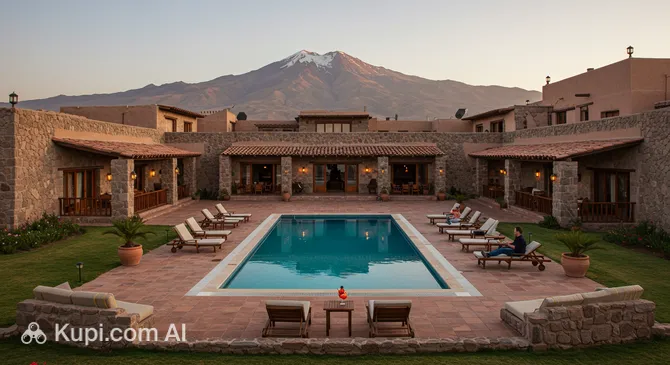
Travelers looking for comfort and traditional charm might consider the Tierrasur Hotel. This establishment is well-regarded for its blend of classic architecture and modern service, providing a cozy retreat near the city's heart. Another notable option is El Portal de San Lázaro Hotel, which offers guests a chance to stay in a setting that reflects the rich history of the area while enjoying contemporary conveniences.
Tierrasur Hotel. Source: Kupi.Binoculars
Regarding costs, Arequipa is generally very affordable compared to North American or European destinations. Budget hostels can be found for very low rates, while mid-range hotels offer excellent value for money. Even high-end luxury stays are often reasonably priced. It is highly recommended to book your accommodation in advance, especially during the peak dry season (May to September) or around major festivals like the city's anniversary in August. Most properties can be easily booked via major online platforms, though contacting smaller guesthouses directly can sometimes yield better rates or personalized offers.
Nearby Cities
For those looking to explore the surroundings, Arequipa serves as an excellent base for day trips to several interesting nearby locations:
One of the most culturally significant destinations in the region is Puno, situated on the shores of the majestic Lake Titicaca. Known as the "Folklore Capital of Peru," it offers visitors the chance to explore the famous Uros Floating Islands, which are constructed entirely from totora reeds, and to immerse themselves in deep-rooted Andean traditions.
For a change of pace and climate, Moquegua is a fantastic option located in a fertile valley. This city is renowned for its excellent pisco and wine production, boasting a warm, dry climate that contrasts with the highlands. Its historic center features charming colonial architecture with distinctive mojinete roofs, offering a quiet and authentic atmosphere for travelers.
These nearby destinations offer a glimpse into the diverse culture and landscapes of the region.
Shopping & Souvenirs
Shopping in Arequipa offers a delightful blend of high-end fashion, traditional craftsmanship, and bustling local commerce. The city is renowned worldwide for its textile industry, particularly for garments made from alpaca and vicuña wool. Visitors will find everything from upscale boutiques housed in colonial courtyards to vibrant markets overflowing with fresh produce and affordable handicrafts.
For a quintessential shopping experience, the streets radiating from the main square are the best place to start. Calle Mercaderes is a pedestrian-friendly thoroughfare lined with shoe stores, pharmacies, and clothing shops. However, the most exclusive boutiques are often found within historic buildings. The Cloisters of La Compañía is not just an architectural gem but also a premier shopping destination; its stone courtyards host high-quality alpaca wool outlets where you can purchase genuine sweaters, scarves, and coats from Peru's top brands.
If you prefer a modern retail experience, the city boasts several large commercial centers. The Arequipa Shopping Mall is a major hub featuring department stores, international fashion chains, a cinema, and a food court. It provides a convenient one-stop destination for travelers needing to resupply on essentials or looking for branded goods.
Arequipa Shopping Mall. Source: Kupi.Binoculars
Another notable spot for commerce is Plaza Las Américas in the Cerro Colorado district. While slightly further from the tourist center, it offers a variety of shops and services catering to the local population, providing a glimpse into the everyday commercial life of the city.
For a more authentic and sensory experience, a visit to the San Camilo Market is mandatory. Designed by Gustave Eiffel, this massive indoor market is the heart of the city's food culture. While primarily known for its fruits, cheeses, and fresh juices, you can also find aisles dedicated to herbal remedies, baskets, and inexpensive souvenirs. It is a colorful, chaotic, and fascinating place to wander and bargain with local vendors.
When it comes to souvenirs, Arequipa is the perfect place to buy alpaca wool products. Look for "Baby Alpaca" labels for the softest quality. Beyond textiles, the city is famous for its leather goods and intricate handicrafts made from sillar (volcanic stone) and wrought iron. Don't forget to pick up some chocolates from La Ibérica, a beloved local brand founded in Arequipa that produces some of the best chocolates and toffees in Peru.
Store hours typically run from 10:00 AM to 8:00 PM, though smaller shops may close for a lunch break between 1:00 PM and 3:00 PM. Major malls stay open later, often until 10:00 PM. While credit and debit cards are widely accepted in malls, supermarkets, and tourist boutiques, cash (Peruvian Soles) is essential for markets, street vendors, and smaller taxis.
International tourists should also be aware of the tax-free shopping opportunities. Many authorized stores, often identified by a "Tax Free" sign, allow foreign visitors to claim a refund on the General Sales Tax (IGV) for purchases of goods to be taken out of the country. Be sure to ask for a tax-free invoice (factura) and have your passport handy when making significant purchases.