Support

Arica

About

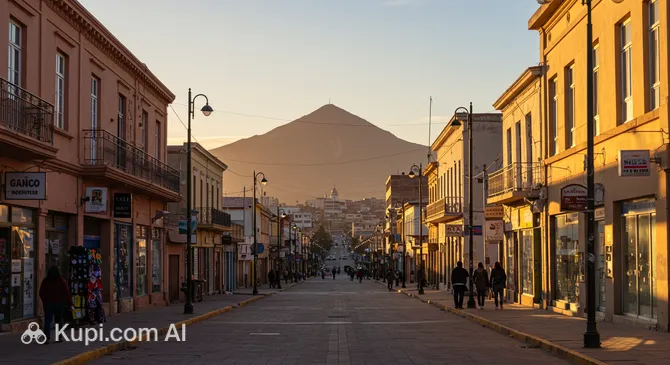
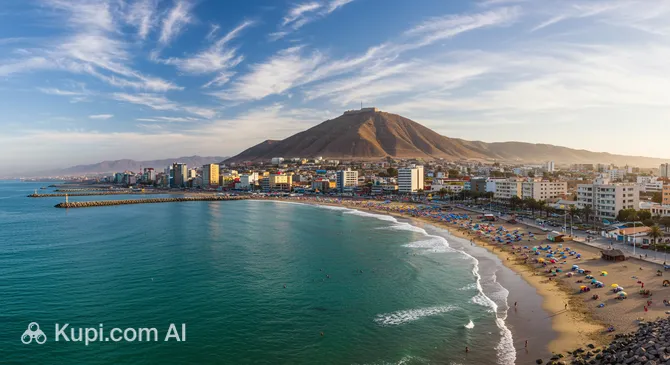
Welcome to Arica, a vibrant port city known affectionately as the "City of Eternal Spring" due to its exceptionally mild and pleasant climate year-round. Located in the northernmost region of Chile, just south of the Peruvian border, this destination offers a fascinating mix of desert landscapes, cultural heritage, and coastal charm. With a population of approximately 200,000 residents, it serves as an important commercial and tourist hub for the Arica y Parinacota Region, acting as a gateway to both the Pacific Ocean and the Andean highlands.
Arica. Source: Kupi.Binoculars

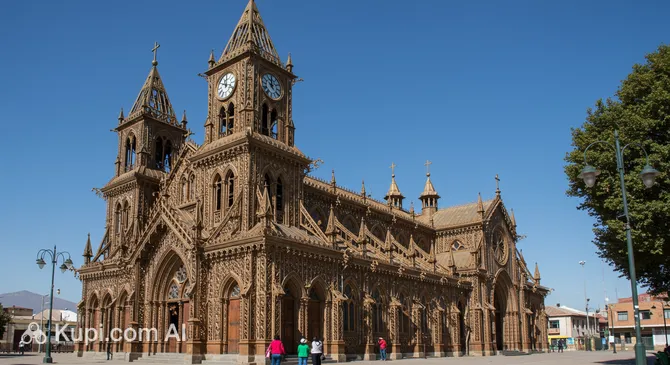
The city is defined as much by its geography as it is by its past. Visitors interested in the history of Arica will find a wealth of stories to uncover, ranging from ancient civilizations to colonial times. One of the most iconic landmarks is the San Marcos Cathedral, a distinctive iron structure designed by the workshop of Gustave Eiffel, which stands as a testament to the city's architectural heritage. Dominating the skyline is the Morro de Arica, a massive steep hill that offers breathtaking panoramic views of the harbor and the city below.

Beyond its historical sites, Arica is a fantastic starting point for diverse adventures. Travelers can relax on popular beaches like El Laucho and La Lisera, or venture into the nearby Azapa Valley, famous for its olives and the archaeological museum housing the ancient Chinchorro mummies. Whether you are looking to explore the edge of the Atacama Desert or simply enjoy a relaxing seaside atmosphere with warm hospitality, Arica is a compelling destination that invites you to discover its unique treasures.

Weather Overview

True to its reputation as the "City of Eternal Spring," Arica enjoys a mild desert climate with comfortable temperatures throughout the year. The city rarely experiences extreme heat or cold, making it a pleasant destination whenever you choose to visit. For a more detailed breakdown of what to expect during your specific travel dates, you can consult the guide to the weather in Arica.

During the warmest months from January to March, average temperatures hover around 22°C to 23°C, with daily highs reaching up to 26.4°C in February. This is the perfect time for beach activities, as rainfall is practically non-existent. Conversely, the cooler season from June to September sees average temperatures dip to around 16°C, with lows near 13°C. While actual rainfall accumulation remains incredibly low year-round (often 0-1mm), the winter months can bring more frequent "wet days," often manifesting as a coastal mist rather than heavy showers.

Interesting Facts

Beyond the main attractions, Arica holds many fascinating secrets that surprise even seasoned travelers. From ancient archaeological wonders to architectural marvels, the city is full of unique stories waiting to be discovered.
St. Mark's Cathedral. Source: Kupi.Binoculars
  • Arica is widely recognized as the driest inhabited city on Earth, with the lowest average annual rainfall recorded globally. The city once experienced an extraordinary dry spell that lasted for over 14 consecutive years in the early 20th century, a testament to its extreme desert climate.

  • The region is home to the Chinchorro mummies, which are the oldest artificially mummified human remains in the world, predating the Egyptian mummies by approximately 2,000 years. Visitors can see these ancient treasures preserved in situ at the Colón 10 Site Museum, located right in the city center.

  • The distinctive St. Mark's Cathedral boasts a prestigious lineage, having been designed by the workshop of Gustave Eiffel, the famous engineer behind the Eiffel Tower. The all-metal structure was prefabricated in France and shipped in pieces to be assembled at its current location.

  • The peninsula known as Scorpion Island (Isla Alacrán) was once a true island before being connected to the mainland by a causeway in the 1960s. Today, it is famous for the "El Gringo" wave, a world-class surf break often compared to Hawaii's Pipeline, attracting professional surfers from around the globe.

How to Get There

Reaching this northern Chilean destination is quite convenient, thanks to its strategic location near the border and good transport connections. While the city feels remote due to the surrounding desert, regular flights connect it to the capital and neighboring regions. For a comprehensive look at all travel options, including buses and border crossings, you can read more about how to get to Arica in our detailed guide.

The most direct and common way to arrive is via Chacalluta Airport (IATA: ARI), which is located within the municipality itself. It is the primary gateway for visitors, situated approximately 14.6 km from the city center. A journey by taxi or shuttle bus from the terminal to downtown typically takes around 20-30 minutes. The airport handles a medium volume of passenger traffic, offering regular domestic flights, particularly from Santiago.

Travelers may also consider arriving via neighboring Peru through Tacna Airport (IATA: TCQ). Although this airport is in the city of Tacna, about 47 km from Arica, it is a viable option for those exploring both countries. The travel time by road is approximately 90 minutes, though you should account for additional time to complete border control procedures. Alternatively, for those planning a wider tour of northern Chile, the Diego Aracena International Airport (IATA: IQQ) in Iquique is a major regional hub. However, it is located about 228 km away, meaning the subsequent transfer to Arica involves a bus or car journey of roughly 6 hours.

For clarity, here is a summary of the main airports:

Airport Name City Passenger Traffic Km from City
Rodriguez Ballon International Airport Arequipa Large 271.3
Diego Aracena International Airport Iquique Large 228.1
Chacalluta Airport Arica Medium 14.6
Tacna Airport Tacna Medium 47.2

Main Attractions

Arica offers a compelling mix of historical landmarks, sweeping coastlines, and lively public spaces. Whether you are interested in delving into the region's past or simply soaking up the sun by the ocean, the city provides a variety of engaging sites to explore.

Undoubtedly the most iconic symbol of the city is the Morro de Arica. This massive coastal hill rises 139 meters above the harbor, dominating the skyline and offering the best vantage point in the region. Visitors can hike up the path or drive to the summit to enjoy breathtaking panoramic views of the Pacific Ocean and the city grid below. At the top, you will also find a historical museum and monuments dedicated to the War of the Pacific, making it a place of both scenic beauty and historical significance.

Morro de Arica. Source: Kupi.Binoculars

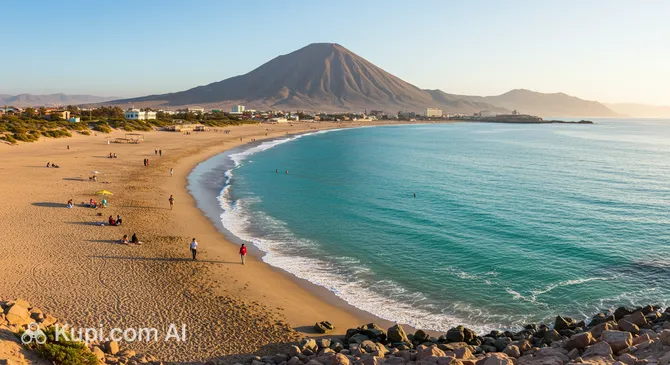
For those looking to enjoy Arica's famous year-round spring weather, Chinchorro Beach is a perfect destination. Unlike the smaller, sheltered coves nearby, this expansive beach stretches for kilometers, providing ample space for long walks, jogging, and family outings. The waters here are known for being slightly warmer than in southern Chile, inviting tourists to swim or try water sports. Its wide promenade is lined with restaurants and ice cream shops, creating a lively atmosphere well into the evening.

Chinchorro Beach. Source: Kupi.Binoculars

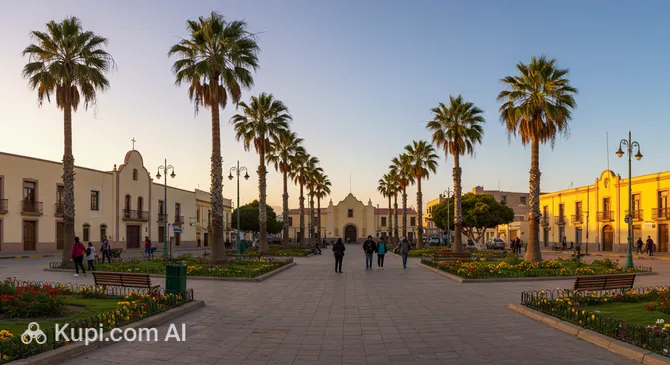
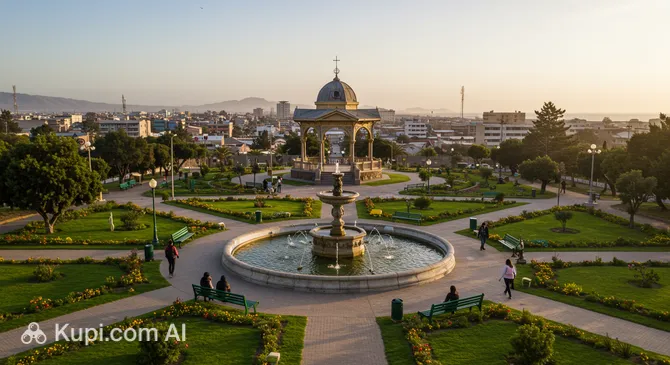
In the heart of the city, located right at the foot of the Morro, lies Vicuña Mackenna Square. This vibrant plaza serves as the social center of Arica, where locals and tourists gather to relax under the shade of palm trees. It is often the venue for cultural events, fairs, and celebrations. Its proximity to the port and other historical buildings makes it an excellent starting point for a walking tour of the downtown area.

Vicuña Mackenna Square. Source: Kupi.Binoculars

While visiting the summit of the Morro, you cannot miss the Christ of Concord in Arica. This imposing bronze statue, weighing several tons, stands as a powerful symbol of peace and brotherhood between Chile and Peru. Its sheer scale is impressive up close, and it adds a spiritual dimension to the dramatic landscape of the headland. It is a popular spot for photography, especially during sunset when the light casts a golden hue over the monument and the ocean backdrop.

Christ of Concord in Arica. Source: Kupi.Binoculars

Local Cuisine

The gastronomy of Arica is a delightful fusion of coastal freshness and the rich agricultural heritage of the nearby valleys, heavily influenced by the city's proximity to Peru and the Andes. A defining feature of the local palate is the famous Azapa olive (aceituna de Azapa). These violet-colored, flavorful olives are protected by a designation of origin and are ubiquitous in the city, served as appetizers, used in empanadas, or added to main courses to provide a distinct, salty punch.

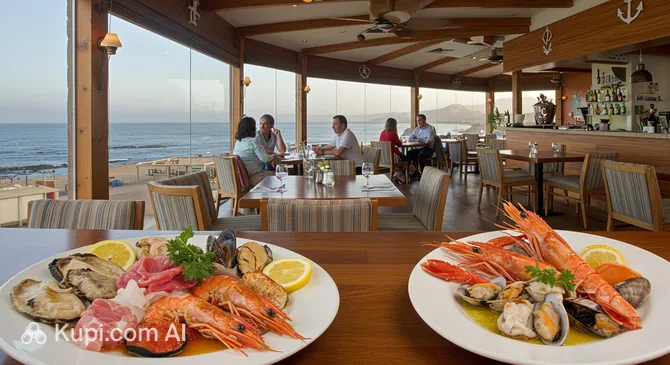
Given its location on the Pacific, seafood plays a starring role in the local diet. Visitors should not miss the opportunity to try the Ceviche, which in this northern region is exceptional, often prepared with very fresh fish, lime, onions, and spicy rocoto peppers, reflecting a strong Peruvian influence. Other "fruits of the sea" worth trying include Paila Marina (a hearty seafood stew) and fried fish like Reineta, typically served with fresh salads made from locally grown tomatoes and onions.

ASOCAPEC Terminal Market. Source: Kupi.Binoculars

When it comes to drinks, Arica offers a unique twist on the national classic. While Pisco Sour is popular throughout Chile, the local signature cocktail is the Mango Sour. The city's mild climate allows for the cultivation of tropical fruits, and the sweet, aromatic mangoes from the Azapa Valley make for a refreshing and delicious variation of the drink. For non-alcoholic options, freshly squeezed juices—particularly passion fruit (maracuyá) and guava—are widely available and incredibly flavorful.

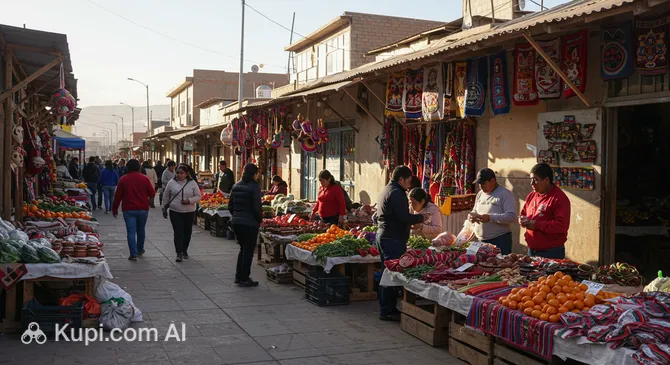
To truly experience the food culture, a visit to the ASOCAPEC Terminal Market is essential. Known locally as "El Agro," this bustling market is a sensory explosion where farmers sell mountains of fresh produce, cheeses, and spices. It is also a fantastic place to find small, informal eateries serving traditional dishes at very affordable prices, allowing you to eat side-by-side with locals.

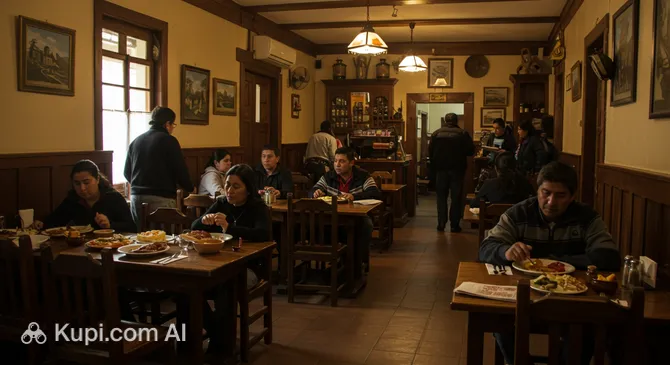
For a more relaxed dining experience in the evening, the city offers various options ranging from casual venues to refined establishments. You might visit Medina's Gourmet Restaurant to sample carefully prepared dishes that highlight regional ingredients, or head to La Posta to enjoy the lively atmosphere. Whether you are grabbing a quick empanada near the beach or sitting down for a full dinner, the flavors of Arica are vibrant and memorable.

Travel Tips

To help you make the most of your visit to the "City of Eternal Spring," we have compiled some essential advice to ensure your trip runs smoothly. These practical tips will help you navigate local customs, logistics, and the unique environment of this northern Chilean gateway.

  1. Clothing and Gear: Thanks to the mild desert climate, you should pack light, breathable clothing for the day, but always bring a sweater or light jacket for the evenings when the temperature drops. The sun here is exceptionally strong due to the latitude and clear skies, so a high-SPF sunscreen, sunglasses, and a wide-brimmed hat are essential gear, not just accessories. For electronics, Chile uses type C and L plugs with a standard voltage of 220V, so bring a universal adapter if needed.
  2. Transportation: The most popular and efficient way to get around Arica is by using colectivos (shared taxis). These look like regular black sedans with a sign on the roof indicating their route; they are faster than buses and very affordable. Traditional private taxis and ride-hailing apps are also available, but walking is often the best option for exploring the compact city center and the area around the Morro.
  3. Finances: The official currency is the Chilean Peso (CLP). While credit cards are widely accepted in hotels, supermarkets, and larger restaurants, cash is king for smaller purchases, street food, and fare for the colectivos. ATMs are readily available throughout the city, particularly near the pedestrian promenade, 21 de Mayo. A tip of 10% is customary in restaurants and is usually added to the bill as a "propina sugerida" (suggested tip).
  4. Health and Safety: Arica is generally safe for tourists, but it is wise to keep an eye on your belongings in crowded areas like markets or beaches. Pharmacies (farmacias) are easy to find on the main commercial streets, and some operate 24/7 on a rotating shift. While tap water in Chile is generally potable, the water in the north has a high mineral content that might disagree with some travelers, so buying bottled water is recommended.
  5. Communication: Spanish is the primary language, and English is not widely spoken outside of major hotels and tour agencies. Learning a few basic phrases like "Hola" (Hello), "Por favor" (Please), and "¿Cuánto cuesta?" (How much does it cost?) will be greatly appreciated by locals. You can purchase a prepaid SIM card from major providers like Entel, Movistar, or WOM at the airport or in downtown shops to stay connected.
  6. Local Etiquette: Chileans are warm and polite. A common greeting, even among casual acquaintances, is a kiss on the right cheek (or a handshake in more formal business settings). When entering a shop or boarding a bus, it is polite to say "Buenos días" or "Buenas tardes." If you are invited to a local's home, arriving a few minutes later than the scheduled time is socially acceptable and often expected.
  7. What to Avoid: Do not underestimate the currents at the beaches. While Chinchorro is safe for swimming, other coastal spots can have strong undertows, so always observe the warning flags (red means danger). Additionally, avoid taking photos of military personnel or border installations, as Arica is a strategic border city and this can lead to unnecessary trouble.
  8. Border Crossing Tip: If you plan to take a day trip to Tacna in Peru, try to cross the border early in the morning or mid-week to avoid long queues. Remember that you cannot take fresh fruits or agricultural products across the border in either direction due to strict phytosanitary controls; sniffer dogs are used, and fines are significant.

With these preparations in mind, you are all set to enjoy the relaxed pace and sun-drenched beauty of Arica. Whether you are exploring the valleys or lounging by the Pacific, a little local knowledge goes a long way in creating a memorable and hassle-free experience.

Entertainment & Nightlife

Entertainment and Nightlife:

While Arica is known for its relaxed daytime vibe, the city comes alive after sunset with a nightlife scene that reflects its warm, welcoming spirit. The "City of Eternal Spring" offers a variety of options ranging from laid-back beach bars to energetic dance clubs. The atmosphere is generally informal and friendly, with locals and tourists mingling in venues that stay open late into the night, particularly on weekends and during the summer season.

The heart of the evening action is often centered around the pedestrian promenade 21 de Mayo and the surrounding streets in the downtown area. Here, you will find a concentration of pubs and restobars where you can enjoy a pisco sour or a cold beer while listening to live music. As the night progresses, the energy shifts towards the coast. The area along Chinchorro Beach transforms into a vibrant hub, with discos and beachside venues offering music ranging from reggaeton and salsa to electronic beats.

For those seeking a comprehensive entertainment experience, the Antay Hotel & Spa is a premier destination. This complex houses a popular casino, several bars, and a nightclub, providing a sophisticated environment for those who enjoy gaming or a more upscale night out. It is a safe and modern venue that attracts a diverse crowd looking for high-quality service and entertainment under one roof.

Antay Hotel & Spa. Source: Kupi.Binoculars

If you prefer a more traditional and lively bar atmosphere, La Posta is a well-known spot in the city. It is a great place to experience the local social scene, often featuring a bustling crowd and a menu of drinks and snacks that keep the energy high. Before heading out for drinks, you might consider a dinner at Medina's Gourmet Restaurant, which offers a refined setting to enjoy excellent cuisine before transitioning to the late-night festivities.

La Posta. Source: Kupi.Binoculars

Practical Advice for Nightlife:

  • Timing: The night starts relatively late in Chile. Bars usually fill up around 10:00 PM, while dance clubs (discotecas) rarely get going before 1:00 AM.
  • Dress Code: The style is generally casual to smart-casual. You will rarely need formal attire, but avoid beachwear if you are going to a club or the casino.
  • Safety and Transport: Arica is safer than many larger capitals, but it is always wise to stay in well-lit, populated areas at night. For getting around, it is best to use official "Radio Taxis" or recognized ride-hailing apps rather than hailing cabs on the street late at night.

Beyond the nightlife, Arica offers diverse daytime entertainment options that celebrate its culture and geography. History enthusiasts should visit the Colón 10 Site Museum to see the incredible Chinchorro mummies in their original burial grounds. For a relaxing afternoon, Centenario Park provides a green oasis perfect for a leisurely stroll or a family picnic, offering a peaceful contrast to the arid desert surroundings.

Parks & Museums

Although situated in the heart of the Atacama Desert, Arica surprises visitors with its inviting green spaces and a deep cultural narrative that spans millennia. The city's parks provide a refreshing escape from the arid landscape, while its museums guard some of the most significant archaeological treasures in South America, offering a fascinating glimpse into the region's ancient and colonial past.

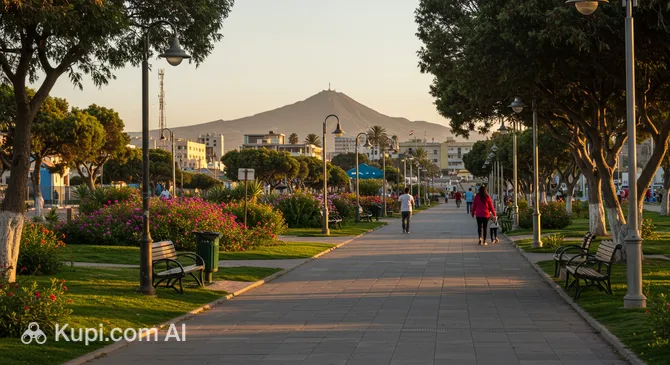
One of the most beloved green areas for locals and tourists alike is Centenario Park. Often referred to as the city's "green lung," this extensive park offers a shaded retreat with designated picnic zones, playgrounds, and a variety of native trees that thrive despite the dry climate. It is an ideal spot for families to relax, enjoy a barbecue, or simply take a break from the sun in a lush, well-maintained environment.

Centenario Park. Source: Kupi.Binoculars

Another notable urban space is Carlos Ibáñez del Campo Park. Located closer to the bustling port area, this park serves as a venue for local fairs and community gatherings. Its design incorporates monuments and paved pathways that reflect the city's civic history, making it a pleasant place for a casual stroll. For those seeking a more wild natural experience, the nearby Lluta River Wetland is a sanctuary for nature lovers, providing a protected habitat for migratory birds where the river meets the Pacific Ocean.

Carlos Ibáñez del Campo Park. Source: Kupi.Binoculars

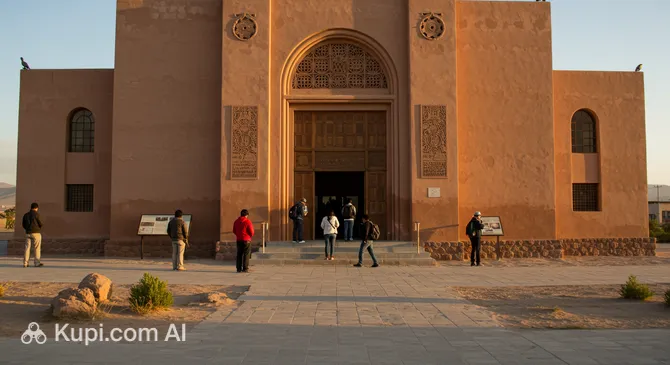
Arica's cultural crown jewel is undoubtedly its connection to the Chinchorro culture. In the heart of the downtown area, you can visit the Colón 10 Site Museum. This unique facility was built over an archaeological discovery made during house renovations, allowing visitors to view ancient mummies preserved in situ—exactly where they were found. It provides an intimate and respectful look at the complex funerary practices of the region's earliest inhabitants, which are among the oldest in the world.

Colón 10 Site Museum. Source: Kupi.Binoculars

Beyond the ancient history, the city boasts impressive architectural landmarks from the colonial and republican eras. St. Mark's Cathedral is a must-see, renowned for its all-metal construction designed by Gustave Eiffel's workshop, intended to withstand the area's seismic activity. Nearby stands the Ex-Aduana (Former Customs House), another Eiffel-influenced structure that now serves as a cultural center, showcasing art exhibitions and offering panoramic views of the Morro from its second floor.

For a truly authentic experience that combines nature and geology, venture just south of the city to the Cuevas de Anzota. These impressive geological formations along the coast offer a dramatic walking path where the desert cliffs meet the crashing waves. It is a lesser-known gem compared to the main beaches, offering spectacular scenery and a chance to feel the raw power of the Pacific coastline.

Getting Around

Public transport in Arica is straightforward, efficient, and relies entirely on road-based vehicles, as there is no metro or tram system within the city limits. The network is designed to be accessible and covers the entire urban area, from the coastal beaches to the inland valleys. For tourists, the system is easy to navigate once you understand the two main modes of transportation: the colorful urban buses and the ubiquitous shared taxis known as colectivos.

The colectivos are the most popular and distinct form of transport in Arica. These look like standard black sedans but function similarly to buses, following fixed routes indicated by a numbered sign on the roof. They are faster and more comfortable than buses, bridging the gap between a private taxi and public transit. You can hail them from the roadside by simply raising your hand. They carry up to four passengers, and while they are slightly more expensive than the bus, they are still very affordable and offer a much quicker journey across town.

Complementing the shared taxis are the traditional urban buses, locally referred to as micros. These are larger, colorful vehicles that serve specific routes throughout the city and the immediate outskirts. They are the most economical option for getting around and are particularly useful if you are traveling with luggage or heading to destinations slightly further afield. The destination is usually displayed on a placard in the front window, and stops are generally marked, though drivers will often stop if you wave them down in safe areas.

The payment system in Arica is refreshingly old-school: cash is king. Unlike the capital city, there are no electronic travel cards or complex tap-on systems here. You pay the driver directly upon boarding the bus or when you reach your destination in a colectivo. It is highly recommended to carry small change (coins or small denomination bills), as drivers may not always have change for large banknotes. Fares are fixed and generally low, making it easy to hop between attractions without breaking the budget.

Operating hours for public transport typically run from early morning, around 6:00 AM, until approximately 10:00 PM or 11:00 PM. Frequency drops significantly later in the evening and on Sundays. If you are planning a late night out, it is advisable to switch to private transport. "Radio Taxis" are safe and reliable alternatives that can be called by phone or booked via apps; they operate with a taximeter or a fixed rate per zone, which you should confirm before starting your ride.

While the city does not have a subway, it boasts a unique historical rail connection: the Arica–Tacna Railway. Although it serves as an international link to Peru rather than internal city transport, this historic line is a significant feature for travelers. When operational, the vintage railbus departs from the station near the port, offering a nostalgic journey across the desert. For exploring the city center itself, however, walking is often the best option, as the main attractions, including the Morro and the main square, are clustered within a compact, pedestrian-friendly area.

Accommodation

Accommodation in Arica caters to a wide spectrum of travelers, reflecting the city's dual identity as a historic port and a relaxed beach destination. Visitors can find everything from lively backpacker hostels and budget guesthouses, often frequented by surfers chasing the famous waves, to comfortable mid-range hotels and serviced apartments. While ultra-luxury options are limited, there are several high-quality establishments that offer excellent amenities, ensuring a pleasant stay for families and business travelers alike.

When choosing where to stay, location is a key factor. Most tourists prefer one of two main areas: the historic city center (El Centro) or the coastline near Chinchorro Beach. Staying in the downtown area places you within walking distance of the Morro de Arica, the main square, and the commercial district, making it convenient for those interested in history and culture. On the other hand, the Chinchorro area is ideal for sun-seekers who want immediate access to the beach, seaside promenades, and a more resort-like atmosphere.

For those looking for a modern and comprehensive lodging experience, the Arica City Center is a prominent choice. This complex is well-regarded for combining comfortable accommodation with easy access to the city's amenities, making it a suitable base for exploring the region's attractions.

Arica City Center. Source: Kupi.Binoculars

Prices in Arica are generally reasonable compared to the capital, Santiago, though rates can fluctuate based on the season. The peak tourist period runs from January to February (the Chilean summer), when domestic travelers flock to the coast. During these months, it is highly recommended to book your accommodation well in advance to secure the best spots. Reservations can easily be made through major online booking platforms, though some smaller family-run hostels may prefer direct contact via email or messaging apps.

Nearby Cities

For those looking to explore the surroundings, Arica serves as an excellent base for day trips to several interesting nearby locations:

One of the most popular destinations for a short visit is Iquique, located to the south along the coast. It is a vibrant city known for its duty-free shopping zone (Zofri), impressive sand dunes perfect for sandboarding, and the historic Humberstone and Santa Laura Saltpeter Works, a UNESCO World Heritage site nearby. The drive offers spectacular coastal views, making the journey itself part of the experience.

Heading inland towards the Andes, the village of Putre offers a complete change of scenery and climate. Sitting at an altitude of 3,500 meters, it serves as the gateway to the stunning Lauca National Park, home to the snow-capped Payachatas volcanoes and Chungará Lake. It is the perfect spot for nature lovers wanting to experience the high-altitude Altiplano landscape and its unique wildlife, such as vicuñas and flamingos.

Just across the northern border lies the Peruvian city of Tacna. Due to its close proximity, it is a frequent day-trip destination for those looking to enjoy excellent Peruvian cuisine, visit local markets, or explore historical monuments. The transit is relatively quick, allowing travelers to easily experience the cultural distinctiveness of two countries in a single day.

City Population Distance (km)
Antofagasta 348517 573
Coquimbo 204068 1276
La Serena 195382 1269
Iquique 188003 195
Calama 157575 463

These nearby destinations offer a glimpse into the diverse culture and landscapes of the region, ranging from coastal deserts to high-altitude plateaus.

Shopping & Souvenirs

Shopping in Arica offers a delightful contrast between bustling traditional markets and modern retail spaces, allowing visitors to purchase everything from daily necessities to unique regional souvenirs. While the city is not a massive metropolis, its commercial scene is vibrant and deeply connected to its cultural identity, particularly through the sale of Andean handicrafts and locally grown produce.

For a truly authentic experience, a visit to the ASOCAPEC Terminal Market is a must. Known locally as "El Agro," this colorful market is the best place to find edible souvenirs that define the region's flavor profile. Here, you can buy the famous Azapa olives by the kilo, along with exotic fruits like mangoes and passion fruit, and aromatic spices that are staples in northern Chilean cuisine.

If you are looking for handicrafts and affordable goods, the Economy Market Hall is an excellent stop. Located near the city center, this venue features numerous stalls selling a variety of items, including clothing, electronics, and local artisan products. It is a great spot to browse for alpaca wool garments, such as ponchos and sweaters, which are perfect for keeping warm during cool desert evenings.

For those who prefer a more contemporary shopping experience, the Arica Mall Plaza serves as the city's main modern shopping hub. This large complex houses major department stores, international fashion brands, a cinema, and a food court. It provides a comfortable, air-conditioned environment where you can find familiar labels and enjoy a break from the outdoor heat.

Another key area for shoppers is the pedestrian promenade, Paseo 21 de Mayo. This lively street runs through the heart of downtown and is lined with smaller boutiques, souvenir shops, and street vendors. It is the ideal place to hunt for small gifts, jewelry made from lapis lazuli (Chile's national stone), and leather goods while soaking up the energetic atmosphere of the city center.

When shopping in local markets, remember that cash is often the preferred method of payment, especially for smaller stalls. While the larger mall and established stores accept credit cards, having some Chilean pesos on hand is advisable for street vendors and the agricultural market. Bargaining is not a strict custom in established shops, but some polite negotiation might be acceptable when buying multiple items from artisan stalls.

Reached the end of the page?

That means the route is fully explored