Support

La Serena

About

La Serena is a captivating destination that stands out as one of the most important tourist hubs in the country. As the capital of the Coquimbo Region and the second-oldest city in Chile, it beautifully merges a rich heritage with a relaxed coastal atmosphere. With a population of approximately 195,000 residents, the city offers a lively yet welcoming environment, famous for its distinct neo-colonial architecture and long stretches of golden sand.

Visitors are often drawn to the fascinating history of La Serena, which is visible in its well-preserved stone churches and historic avenues. The climate here is generally mild and pleasant, often characterized by a phenomenon known as "camanchaca," where morning coastal mists give way to bright, sunny afternoons perfect for exploration.

La Serena. Source: Kupi.Binoculars

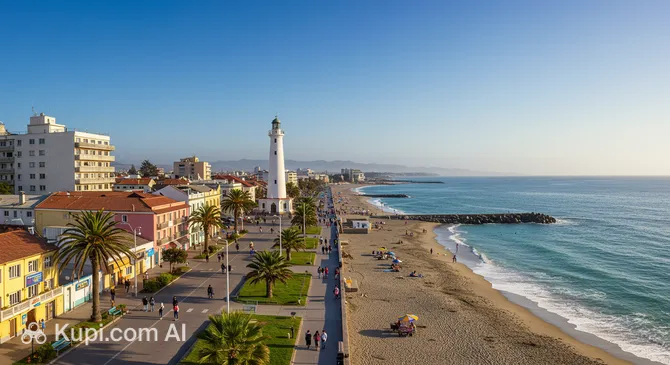
Among the city's highlights, the Faro Monumental stands as an iconic symbol and a favorite spot for sunset photos. The bustling Avenida del Mar connects the city with neighboring Coquimbo, offering miles of beaches and vibrant dining options. Additionally, La Serena serves as the perfect gateway to the magical Elqui Valley, renowned for its clear skies and world-class astrotourism.

Whether you are looking to relax by the ocean, explore architectural treasures, or gaze at the stars, La Serena promises an unforgettable experience for every traveler.

Weather Overview

The climate in this region is known for being mild and extremely dry, offering comfortable conditions for visitors almost year-round. Temperatures remain relatively stable, avoiding the extremes often found in inland areas. To help plan your specific travel dates, it is useful to review the detailed weather in La Serena.

The summer months, particularly January and February, are the warmest, with average temperatures reaching up to 19.2°C and daily highs peaking around 21.7°C. This season is characteristically dry, with 0mm of precipitation recorded, making it ideal for coastal recreation and outdoor tours.

As the year progresses into winter (June through August), the weather cools down but remains gentle compared to many other destinations. Average temperatures dip to approximately 13°C, with nighttime lows hovering around 10°C. Rainfall is rare even during this period; June, typically the wettest month, sees only about 4 wet days with minimal accumulation.

Interesting Facts

Beyond the popular beaches and colonial avenues, La Serena hides fascinating stories and unique characteristics that often escape the casual eye. This historic city is not just a summer destination but a place where curious traditions and architectural marvels tell a deeper story.

  • The city's distinctive architectural style is not entirely a remnant of the colonial era but the result of a massive urban renewal project known as the "Plan Serena." In the late 1940s, President Gabriel González Videla initiated this plan to rebuild and redesign the city, enforcing a strict neo-colonial aesthetic that gives La Serena its unified and photogenic character today.

  • La Serena is famous for a unique variety of fruit known as the "Papaya Chilena," which is quite different from tropical papayas found elsewhere. These small, yellow fruits cannot be eaten raw; they must be cooked or preserved in syrup. You can find them in various forms, from candied sweets to heavy syrups, at the bustling market of La Recova.

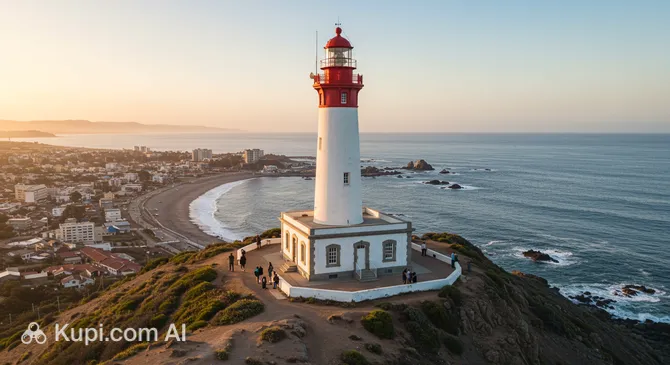
  • The iconic Monumental Lighthouse, while the most recognized symbol of the city, was never intended to function as a navigational aid for ships. Built between 1950 and 1951 as part of the urban beautification plan, it serves primarily as a tourist landmark and a defensive bastion aesthetic rather than a maritime beacon.

  • In its early history, the city was a frequent target for legendary pirates and corsairs. Sir Francis Drake famously sought refuge in the bay in 1578, and the city was later sacked and burned by Bartholomew Sharp in 1680, an event that terrified the population and led to the fortification of local churches.

Monumental Lighthouse. Source: Kupi.Binoculars

How to Get There

Reaching this coastal city is straightforward, with options ranging from quick flights to scenic road trips along the Pacific coast. For travelers seeking comprehensive logistics and specific route planning, you can read more about how to get to La Serena on our detailed transport page.

The most direct way to arrive is by air. The city is served by La Florida Airport (LSC), which acts as the primary hub for the Coquimbo Region. Located conveniently within La Serena, it is only about 4.8 km from the city center. This accessibility makes arrival stress-free; a taxi or transfer to the downtown area is a short drive, typically taking about 15 minutes. The airport handles a significant volume of travelers, connecting the area frequently with the capital, Santiago, and other northern destinations.

For clarity, here is a summary of the main airport:

Airport Name City Passenger Traffic Km from City
La Florida Airport La Serena Medium 4.8

Currently, there are no active railway stations offering regular passenger service to La Serena, as train travel in northern Chile is not a primary mode of public transport. Instead, the city is exceptionally well-connected by road. It sits directly on the Pan-American Highway (Route 5 North), making it a major destination for intercity buses and road trippers. Buses from Santiago are frequent, comfortable, and offer a popular alternative for those who prefer to travel by land.

Main Attractions

La Serena offers a delightful mix of history, culture, and natural beauty. While the beaches are a major draw, the city's urban attractions provide a deeper look into its heritage and lifestyle. From serene gardens to bustling markets, there are several must-visit spots that capture the essence of this coastal gem.

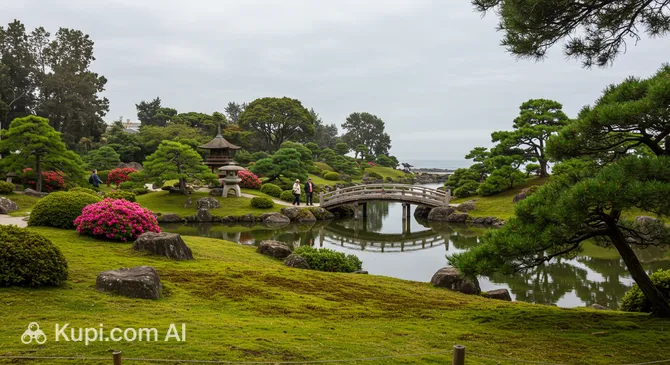
One of the most tranquil places in the city is the Japanese Garden of La Serena. Often cited as the largest of its kind in South America, this "Garden of the Heart" (Kokoro No Niwa) was built with the support of Japanese mining companies and represents a gesture of friendship. It is a perfect escape from the city noise, featuring authentic landscaping with koi ponds, wooden bridges, stone lanterns, and wandering ducks. Tourists love it for the peaceful atmosphere and the beautiful photo opportunities amidst the cherry trees and meticulously maintained greenery.

Japanese Garden of La Serena. Source: Kupi.Binoculars

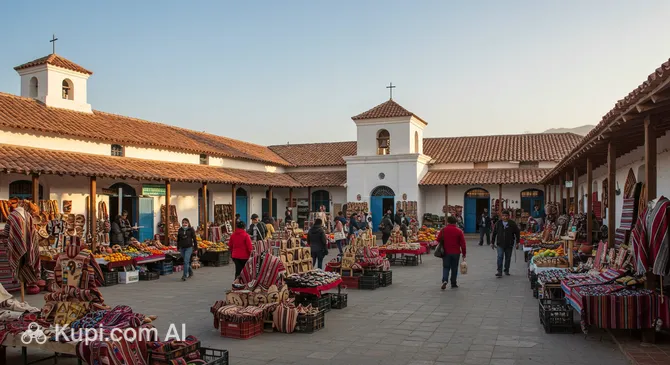
For a taste of local culture and commerce, a visit to La Recova is essential. This iconic municipal market is the best place to find traditional handicrafts, including pottery with Diaguita designs, alpaca wool products, and musical instruments. It is also the culinary heart of the city's souvenir trade, famous for selling "manjar" (dulce de leche) and the region's signature candied papayas. The second floor hosts restaurants where you can try fresh seafood dishes like "pastel de jaiba" (crab pie) while enjoying a lively atmosphere.

La Recova. Source: Kupi.Binoculars

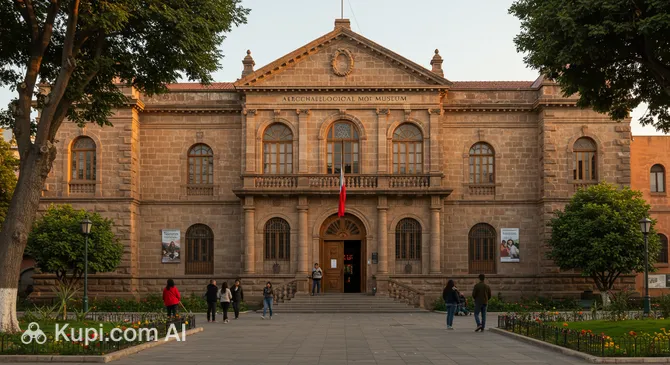
History enthusiasts should not miss the Archaeological Museum of La Serena. This institution holds an impressive collection of artifacts from the indigenous Diaguita culture, known for their intricate geometric pottery. A unique highlight that draws many visitors is the genuine Moai statue located in the museum's hall, one of the few authentic Easter Island statues found on the Chilean mainland. It provides a rare chance to see these monumental figures without traveling to Rapa Nui.

Archaeological Museum of La Serena. Source: Kupi.Binoculars

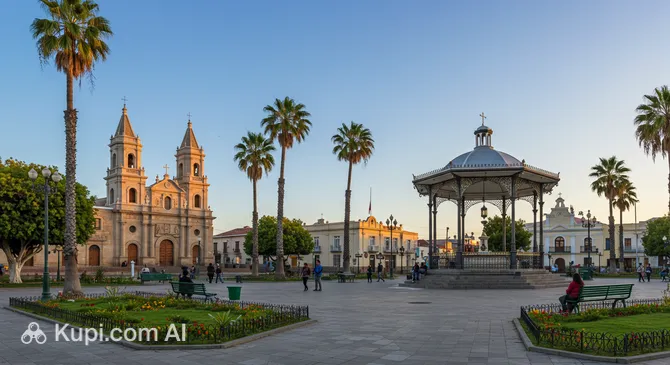
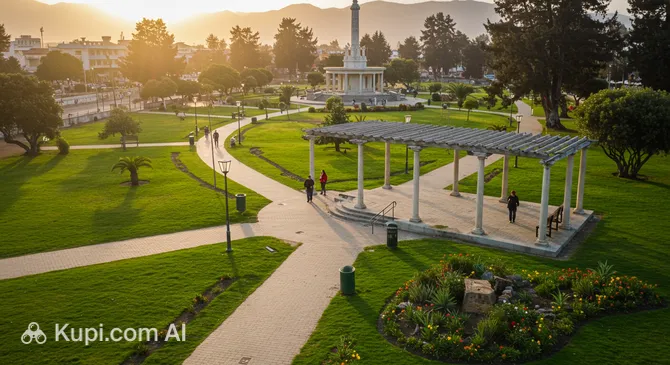
The city center revolves around the Plaza de Armas of La Serena. This main square is the historic core where the city was re-founded in 1549. It is a pleasant spot for a stroll, shaded by old trees and centered around a large sculpted fountain. The plaza is surrounded by significant buildings, including the Cathedral and the Courts of Justice, showcasing the city's colonial-revival architectural style. It serves as a great starting point for a walking tour of the downtown area.

Plaza de Armas of La Serena. Source: Kupi.Binoculars

Finally, for those looking for outdoor recreation within the city limits, Pedro de Valdivia Park is a favorite among locals and families. This extensive urban park offers sports fields, picnic areas, and playgrounds. It is also home to a mini-zoo featuring farm animals and local fauna, making it an entertaining stop for children. The park's abundant vegetation provides a refreshing green lung in the middle of the semi-arid landscape.

Pedro de Valdivia Park. Source: Kupi.Binoculars

Local Cuisine

The culinary scene in La Serena is deeply influenced by its coastal location, offering some of the freshest seafood in the country. Gastronomy here revolves around the bounties of the Pacific, with fish and shellfish playing a starring role on almost every menu. A signature dish that every visitor must try is Machas a la Parmesana. These pink razor clams are baked in their shells with a rich mixture of white wine, butter, and parmesan cheese, a recipe that is widely believed to have originated in this region and remains a local favorite.

Another defining flavor of the city is the "Papaya Chilena." Unlike the tropical varieties found elsewhere, the papayas grown in La Serena are small, yellow, and incredibly aromatic. You will find this fruit incorporated into many desserts, preserved in syrup, or filled with caramel. It also stars in the Papaya Sour, a regional twist on the classic cocktail that replaces lemon juice with local papaya nectar, creating a sweet and refreshing drink that pairs perfectly with a sunset view.

For those interested in local libations, the city serves as a gateway to the Elqui Valley, the heart of Chile's Pisco production. Consequently, the Pisco Sours served here are exceptional, often made with premium artisanal spirits distilled nearby. If you prefer non-alcoholic options, fresh fruit juices are abundant, and in the summer, you can enjoy "mote con huesillos," a traditional drink made from dried peaches and husked wheat.

Ciudad Capital Gourmet Sandwich Bar. Source: Kupi.Binoculars

When it comes to dining out, the options range from bustling markets to seaside terraces. For an authentic and affordable lunch, many head to the second floor of La Recova. Here, traditional restaurants serve hearty seafood soups and fried fish in a lively atmosphere. For a more modern experience or a taste of Chile's famous sandwich culture, you might visit places like Ciudad Capital Gourmet Sandwich Bar, which elevates the humble "sanguche" to a gourmet level. Meanwhile, the restaurants along Avenida del Mar offer the perfect setting for a romantic dinner accompanied by the sound of ocean waves.

Travel Tips

Preparing for a trip to La Serena is straightforward, but having a few local insights can significantly enhance your experience. From navigating the unique coastal weather to understanding how to get around efficiently, these practical tips will help you enjoy the "City of Churches" and its surroundings with ease.

  1. Clothing and Gear: The key to comfort in La Serena is dressing in layers. Due to the local camanchaca (coastal mist), mornings and evenings can be cool and damp, while afternoons are typically warm and sunny. A windbreaker or light sweater is essential. Additionally, the UV radiation in northern Chile is extremely high; bring high-SPF sunscreen, sunglasses, and a hat, and wear them even when it looks cloudy.
  2. Transportation: For short distances within the city, colectivos are the most popular option. These are shared taxis (usually black sedans with roof signs) that run on fixed routes like buses but are faster and slightly more expensive. Ride-hailing apps are also available. However, if you plan to explore the Elqui Valley or remote beaches, renting a car is highly recommended for flexibility.
  3. Finances: The local currency is the Chilean Peso (CLP). Major credit cards are widely accepted in hotels, malls, and established restaurants, but cash is king in smaller shops, the La Recova market, and for paying colectivo fares. ATMs are plentiful in the city center. In restaurants, a 10% tip (propina) is customary and often suggested on the bill.
  4. Health and Safety: La Serena is generally a safe destination for tourists, but it is wise to keep an eye on your belongings in crowded areas like the beach promenades or markets. Pharmacies are common and easily identifiable. While tap water is potable in Chile, the high mineral content in the north can upset sensitive stomachs, so bottled water is often a better choice for short visits.
  5. Communication: Spanish is the official language, and English is not widely spoken outside of major hotels and tour agencies. downloading an offline translation app or learning basic phrases like "Hola" (Hello) and "Gracias" (Thank you) will go a long way. Pre-paid SIM cards are easy to purchase at kiosks and supermarkets if you need mobile data.
  6. Local Etiquette: Chileans are generally polite and somewhat formal with strangers. A handshake is the standard greeting, though you may see locals greeting with a kiss on the cheek. It is polite to say "Buenos días" or "Buenas tardes" when entering a shop or interacting with service staff.
  7. What to Avoid: Do not assume that every beach is suitable for swimming. The Pacific currents here can be very strong, and the water is quite cold. Look for signs indicating "Playa Apt" (Suitable Beach) or stick to areas with lifeguards; in many spots, the beach is best enjoyed for sunbathing and walking only.
  8. Additional Tip: If you are interested in astrotourism, book your observatory tours well in advance. La Serena is a world-renowned stargazing hub, and spots at the best observatories in the nearby valley fill up quickly, especially during the peak summer season.

With these practical details sorted, you are all set to relax and immerse yourself in the charm of the region. Whether you are exploring colonial architecture or enjoying the sunset on Avenida del Mar, a little preparation ensures your adventure in La Serena will be smooth and memorable.

Entertainment & Nightlife

La Serena offers a vibrant entertainment scene that complements its historical charm and beachside relaxation. As the sun sets, the city transforms, offering visitors a variety of options ranging from lively bars to engaging recreational centers. Whether you are looking to dance the night away, enjoy a cocktail with friends, or spend a fun-filled day with the family, the city has something to suit every mood.

For those seeking a spirited evening, 12 Lunas Restobar is a popular destination. This venue is well-regarded for its energetic atmosphere, combining delicious food with a wide selection of drinks. It is a fantastic spot to immerse yourself in the local social life and enjoy music in a modern, welcoming setting.

Another excellent choice for nightlife enthusiasts is DiaVolo La Serena. Known for its dynamic vibe, this bar attracts a crowd looking to unwind and socialize. It stands out as a great place to gather with friends, offering a lively environment that captures the fun-loving spirit of this coastal city.

If retail therapy is on your agenda, the city provides ample opportunities for shopping. La Serena Mall is the premier commercial hub in the area. Here, you can find a vast array of national and international brands, a cinema, and a diverse food court. It is the perfect place to pick up souvenirs, update your wardrobe, or simply enjoy a movie.

Alternatively, the Paseo Balmaceda Shopping Center offers a relaxed and convenient shopping experience. With its modern facilities and variety of stores, it serves as another key spot for leisure and commerce, allowing visitors to browse comfortably away from the hustle of the city center.

Families and thrill-seekers will find their slice of fun at the Serena Adventure Events Center. This amusement park is designed to provide entertainment for all ages, featuring rides and attractions that promise an afternoon of laughter and excitement. It is a refreshing break from sightseeing and a hit with younger travelers.

For outdoor leisure that captures the essence of the coast, Peñuelas Beach is a must-visit hub. Beyond sunbathing, this area is often buzzing with activity, from beach sports to seaside strolls. It serves as a natural playground where the ocean breeze and wide sands provide the perfect backdrop for relaxation and recreation.

Parks & Museums

La Serena is not only a destination for sun-seekers but also a city deeply rooted in culture and blessed with inviting public spaces. Beyond its famous coastline, the city offers a variety of green areas and historical institutions that allow visitors to connect with the local heritage and enjoy the natural environment.

For those who appreciate coastal nature, El Faro Beach is a standout natural area. Located near the city's iconic lighthouse, this stretch of sand is less about swimming—due to the strong currents—and more about enjoying long, revitalizing walks by the sea. It serves as a scenic promenade where the ocean breeze and the sound of crashing waves create a relaxing atmosphere, perfect for sunset strolls or morning jogs.

Another significant green space is the Parque Gabriel Coll Dalmau. Often referred to as the "green lung" of La Serena, this extensive urban forest provides a stark contrast to the surrounding semi-arid landscape. It is a favorite weekend spot for locals, offering picnic areas, trails for trekking and mountain biking, and sports fields. The park's abundant trees offer welcome shade, making it an excellent location for a family outing away from the city center's bustle.

The city's cultural landscape is enriched by several fascinating museums. While the Archaeological Museum is the most famous, the Gabriel González Videla Historical Museum is equally compelling. Housed in the former mansion of President Gabriel González Videla, who was instrumental in the city's urban planning, the museum offers a deep dive into his life and the regional history. The building itself is a beautiful example of the eclectic style, and its exhibits include personal belongings, historical documents, and art collections.

Given the region's strong mining heritage, the Ignacio Domeyko Mineralogical Museum is a hidden gem for science enthusiasts. Managed by the University of La Serena, it boasts one of the most complete mineral collections in the country. Visitors can marvel at thousands of samples, including rare stones and fossils, which tell the geological story of northern Chile.

Architectural history is best experienced through the city's religious monuments. The La Serena Cathedral is a majestic structure located on the corner of the Plaza de Armas. Built in the 19th century using limestone, its Neoclassical design and imposing stone walls are a testament to the city's colonial legacy. Inside, the stained glass windows and the intricate wooden ceiling impress visitors with their craftsmanship and serenity.

For a more modern landmark and a popular photo opportunity, tourists often head to the La Serena Letters. Located near the lighthouse, this colorful sign has become a must-stop for capturing a memory of the trip. With the beach in the background, it provides a quintessential postcard image of the city.

Insider Tip: If you are a nature lover, take the time to visit the Elqui River Wetland (Humedal del Río Elqui) at the river's mouth. It is a sanctuary for biodiversity and a prime spot for birdwatching, where you can spot various migratory species and local waterfowl in a tranquil, protected environment just minutes from the urban area.
Getting Around

Navigating La Serena is relatively straightforward, as the city relies on a straightforward network of road-based transport rather than complex rail systems. The public transport infrastructure is primarily composed of buses, locally known as "micros," and shared taxis called "colectivos." There is no metro or tram system currently operating in the city, which means traffic can be heavy during peak hours, particularly on the routes connecting to the neighboring port city of Coquimbo.

The most common way to get around for general distances is by using the micros. These buses connect the city center with residential neighborhoods, the coastal avenue, and nearby towns. They are generally recognizable by their specific color schemes, often blue and white or yellow and orange, depending on the line. While they are not the most luxurious mode of travel, they are frequent and cover the majority of the urban area. Route numbers and main destinations are typically displayed on the front windshield.

A unique and highly popular feature of the local transport system is the colectivo. These look like standard black sedan taxis but function more like buses with fixed routes and set fares. You can identify them by the illuminated signs on their roofs indicating their line number and destination. They carry up to four passengers at a time and are generally faster and more comfortable than buses. To catch one, you simply stand on the side of a street along its route and signal the driver; if there is a spare seat, they will stop.

Regarding payment, the system in La Serena differs significantly from many modern capitals. There are no electronic travel cards or integrated digital passes here. Cash is the only method of payment for both buses and colectivos. You pay the driver directly upon boarding (for buses) or when you get in or out (for colectivos). Fares are affordable, typically ranging from 600 to 1,000 CLP depending on the distance and the time of day, as prices may increase slightly during evenings, weekends, or holidays.

For tourists, the most important practical advice is to always carry small change. Drivers often have limited change for large banknotes, so keeping coins or small bills handy will make your journey smoother. It is also important to note that while stops are designated for buses in the city center, in residential areas, you can often signal the driver to stop anywhere safe. Colectivos offer a door-to-door service if your destination lies exactly on their fixed route, but they will not deviate from it.

Transport services generally operate from around 6:00 AM until 9:00 PM or 10:00 PM. After these hours, the frequency of buses drops largely, and finding a colectivo becomes much more difficult. If you are traveling late at night, it is safer and more reliable to use private alternatives.

For those who prefer more direct transport, standard radio taxis are available, though they are significantly more expensive than the shared options. Ride-hailing apps like Uber are also active and popular in the city, offering the convenience of credit card payment and upfront pricing. Additionally, given the city's extensive coastline, renting a bicycle is a fantastic alternative for exploring the Avenida del Mar. The flat terrain along the beach makes cycling a leisurely and scenic way to move between the lighthouse and the southern beaches.

Accommodation

La Serena provides a diverse array of accommodation options suited to every type of traveler, ranging from budget-friendly hostels to upscale seaside resorts. The city is particularly famous for its "cabañas" (cabins) and apartment rentals, which are a favorite choice for families and groups visiting during the summer holidays. Whether you prefer the charm of colonial architecture or the sound of the ocean, you will find a place that fits your needs.

There are two primary areas where tourists tend to stay. The City Center is ideal for those who want to be close to historical attractions, museums, and transport links like the bus terminal. It offers a variety of affordable hostels and boutique hotels housed in renovated colonial buildings. On the other hand, Avenida del Mar is the top choice for beach lovers. This long coastal strip is lined with high-rise apartments, hotels, and resorts, offering immediate access to the beach and a vibrant nightlife scene.

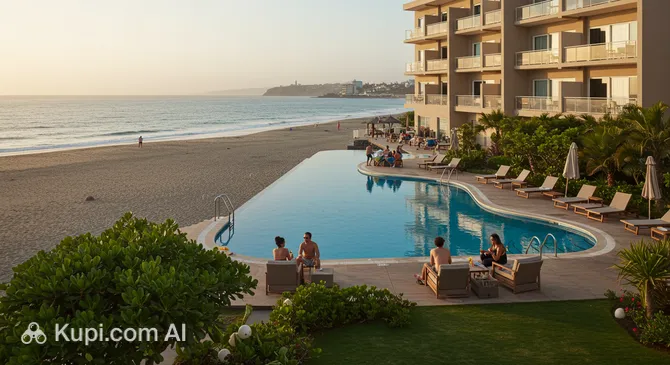
For those seeking a comfortable stay near the coast with a resort-style atmosphere, Vegasur Apart Hotel & Cottages is a notable option. It offers a mix of relaxation and convenience, making it a popular choice for visitors looking to unwind by the sea.

Vegasur Apart Hotel & Cottages. Source: Kupi.Binoculars

Another excellent choice for travelers prioritizing beach access and amenities is Playa Serena. Located strategically along the coastal avenue, it provides a great base for enjoying the sun and the extensive recreational path that runs along the shore.

Playa Serena. Source: Kupi.Binoculars

Booking Tip: La Serena is one of the most popular summer destinations for domestic tourists in Chile. Consequently, demand spikes significantly during January and February. It is highly recommended to book your accommodation several months in advance if you plan to visit during this peak season to secure the best rates and availability.

The price range varies widely depending on the location and season. Budget travelers can find hostel beds or simple guesthouses starting from around $20 to $40 USD per night. Mid-range hotels and cabins typically range between $60 and $120 USD, while luxury resorts and premium apartments can exceed $150 USD per night. While major hotels and resorts can be booked via international online platforms, many smaller cabins and local rentals may require direct booking or communication via WhatsApp.

Nearby Cities

For those looking to explore the surroundings, La Serena serves as an excellent base for day trips to several interesting nearby locations:

Just a few minutes south lies the bustling port city of Coquimbo. While La Serena is known for its colonial architecture and order, Coquimbo offers a more rugged, vibrant charm characterized by its winding streets and active fishing harbor. It is famous for the monumental Cross of the Third Millennium (Cruz del Tercer Milenio), which offers panoramic views of the bay, and its lively fish market where visitors can taste the freshest seafood in an authentic setting.

Heading inland into the fertile Limarí Valley, travelers can visit Ovalle. This city is known as the "Pearl of Limarí" and serves as a gateway to some of the region's most unique natural and archaeological treasures. Nearby, you can explore the Valle del Encanto, home to ancient indigenous petroglyphs, or venture to Fray Jorge National Park, a UNESCO Biosphere Reserve where a dense, green forest miraculously survives in the middle of an arid coastal desert.

City Population Distance (km)
Coquimbo 204068 10
Copiapo 150804 295
Ovalle 75864 78
Vallenar 45298 155
Quintero 31923 319

These nearby destinations offer a glimpse into the diverse culture and landscapes of the region.

Shopping & Souvenirs

Shopping in La Serena offers a delightful mix of traditional culture and modern convenience, allowing visitors to find everything from authentic regional handicrafts to contemporary fashion. Whether you are looking for a unique souvenir to take home or simply need to pick up travel essentials, the city provides a variety of retail experiences to suit every preference.

For those seeking goods with local identity, La Recova is the most important destination. This historic market is not just a tourist attraction but the heart of the city's artisanal trade. Here, you can browse through stalls filled with alpaca wool textiles, musical instruments, and pottery featuring the geometric designs of the indigenous Diaguita culture. It is also the perfect place to find items made from Combarbalita, a unique volcanic stone found only in this region, which artisans carve into intricate figurines and vessels.

Culinary souvenirs are another highlight of the shopping scene. Visitors often leave with jars of the region's famous candied papayas or bottles of sweet papaya nectar. Locally produced olive oil and "manjar" (milk caramel) are also popular choices. Additionally, since the city is the gateway to the Elqui Valley, you can find excellent prices on premium Pisco, the national spirit, which makes for a fantastic gift.

If you prefer a modern retail environment, the city is well-equipped with large commercial centers. La Serena Mall is a major hub featuring department stores, international clothing brands, and sports shops. It offers a comfortable space to update your wardrobe or purchase electronics. Similarly, the Paseo Balmaceda Shopping Center provides a relaxed atmosphere with a wide selection of boutiques and services, ensuring that all your practical needs are met.

During the summer season, the shopping experience extends to the coast. The promenade along Avenida del Mar often hosts lively craft fairs and pop-up markets. These are ideal for a leisurely evening stroll, where you can find handmade jewelry, leather goods, and beachwear while enjoying the ocean breeze.

Nearby cities

Reached the end of the page?

That means the route is fully explored