Support

Copiapo

About

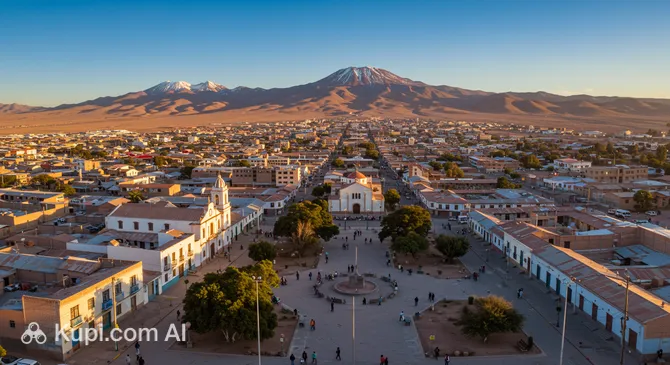
Nestled in the heart of one of the world's driest landscapes, Copiapo serves as a vibrant oasis and the capital of the Atacama Region. Known for its rich mining heritage and surprising valleys, this city in northern Chile offers a unique blend of urban life and rugged natural beauty. With a population of approximately 150,000 inhabitants, it acts as a crucial hub for travelers exploring the vast and mysterious desert surroundings.

Copiapo. Source: Kupi.Binoculars

The city enjoys a desert climate, yet the fertile valley of the Copiapó River provides a stark and beautiful contrast to the surrounding arid terrain. While the area is famous for its copper and silver deposits, the fascinating history of Copiapo reveals that it was the 19th-century silver boom in nearby Chañarcillo that truly put this settlement on the map, transforming it into a wealthy and influential center.

Today, visitors are drawn to the city not just for its industrial past, but for the spectacular natural phenomena that occur nearby. Copiapo is the gateway to the breathtaking Desierto Florido (Flowering Desert), a rare event where the barren sands burst into colorful bloom after rainfall. Within the city, the Regional Museum of Atacama offers deep insights into local culture and geology, while the picturesque Plaza de Armas provides a relaxing shaded retreat lined with pepper trees.

Whether you are a history buff interested in the mining legends of the past or an adventurer heading into the dunes and mountains, Copiapo provides a welcoming and comfortable base for your journey. Its warm atmosphere and strategic location make it an essential stop for anyone wishing to experience the true spirit of the Atacama.

Weather Overview

Copiapo experiences a distinct desert climate characterized by arid conditions and generally moderate temperatures throughout the year. The city is known for its clear skies and extreme lack of rainfall, maintaining a dry atmosphere regardless of the season.

During the summer months of January and February, the weather is warm with average temperatures around 21°C and daily highs reaching approximately 26°C. In contrast, the winter season is cooler, particularly in July, where nighttime lows can dip to roughly 7°C, although daytime highs often remain pleasant, reaching up to 20°C.

Rain is an exceptionally rare occurrence in this part of the Atacama Region. Travelers planning a trip and checking the weather in Copiapo should expect dry conditions year-round, as most months record zero wet days, with only a negligible chance of moisture appearing in June or July.

Interesting Facts

  • Railway History: Copiapo holds a prestigious place in South American history as the site of the first railway line in Chile. Inaugurated in 1851, the train connected the city to the port of Caldera to transport silver, marking the beginning of the industrial transport era in the country.
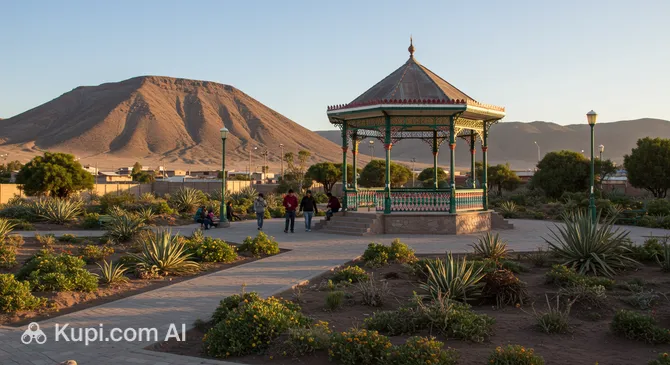
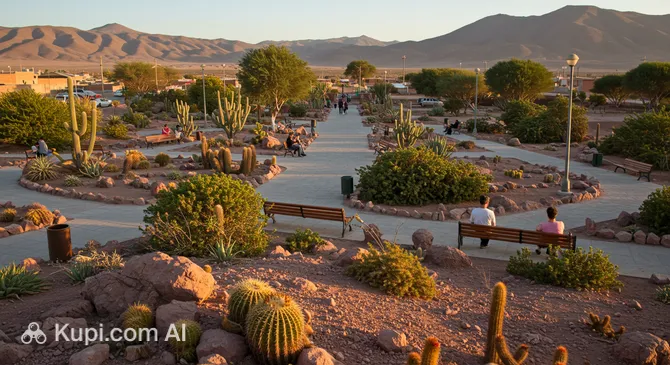
  • Green Innovation: Despite its location in the arid Atacama Desert, the city features remarkable urban planning. Kaukari Park is a large, modern urban park built along the riverbed, designed to provide green space and manage floodwaters while offering scenic walking paths for visitors.
  • Desert Agriculture: The Copiapó Valley is a fertile strip that defies the surrounding dryness. It is famous for producing high-quality table grapes and olives, which are exported worldwide, proving that agriculture can thrive even in one of the driest places on Earth.
  • Cultural Celebration: The city is the center for the Fiesta de la Candelaria, one of the most significant religious festivals in northern Chile. Each February, thousands of dancers and pilgrims gather to celebrate with colorful costumes and traditional music.
  • Recreational Spaces: Locals and tourists alike enjoy El Pretil Park, an older and beloved forest park that serves as a "green lung" for the community, offering a cool, shaded refuge with a mini-zoo and picnic areas.
Kaukari Park. Source: Kupi.Binoculars

How to Get There

Travelers planning their journey to the Atacama Region can explore all ways to reach the city of Copiapo to find the option that best suits their itinerary. The city is well-connected to the rest of Chile, primarily serving as a major destination for flights and long-distance buses heading north.

The most convenient gateway is Chamonate Airport (CPO), located directly in the Copiapo area. This domestic airport is situated approximately 11.2 km from the city center. A trip by taxi or shuttle bus from the terminal to downtown is quick and efficient, typically taking around 35 to 40 minutes. With a steady flow of passengers, it offers regular connections to Santiago and other key locations.

Another option for those exploring the wider region is La Florida Airport (LSC), located in the city of La Serena. While it is a significant regional hub with higher passenger traffic, it is situated about 295 km away from Copiapo. Travelers arriving here should be prepared for a longer overland journey of several hours by bus or rental car to reach their final destination.

For clarity, here is a summary of the main airports:

Airport Name City Passenger Traffic Km from City
La Florida Airport La Serena Medium 295.0
Chamonate Airport Copiapo Medium 11.2

Since railway options are limited in this part of the country for passenger travel, most visitors who do not fly choose to arrive by interurban bus. Chile has an extensive and comfortable long-distance bus network that connects Copiapo with Santiago and neighboring cities along the Pan-American Highway.

Main Attractions

Copiapo offers a mix of modern urban spaces and traditional gathering spots that provide a welcome contrast to the surrounding desert environment. Visitors can explore green sanctuaries, enjoy contemporary shopping, or experience the local social scene, all within the city limits.

One of the city's most impressive achievements in sustainable design is Kaukari Park. Located along the riverbed, this expansive civic space is a testament to how arid landscapes can be transformed into vibrant recreational areas. It is particularly interesting to tourists for its modern architecture, extensive cycling and walking paths, and the way it integrates native flora with community life, offering a scenic place to observe the daily rhythm of the city against a backdrop of rugged hills.

For a more classic outdoor experience, El Pretil Park stands as a historic refuge of nature. Known for its dense canopy of trees, it provides essential shade and a cooler microclimate that is perfect for escaping the afternoon heat. Travelers often visit this park to enjoy its family-friendly atmosphere, which features picnic areas, playgrounds, and animal enclosures, making it a peaceful spot to relax and connect with nature without leaving the urban area.

El Pretil Park. Source: Kupi.Binoculars

Those seeking modern conveniences and entertainment should visit Mallplaza Copiapó. As the primary commercial center in the region, it serves as a hub for shopping, dining, and leisure. It is a useful stop for tourists looking to restock on supplies at major retail stores, enjoy a meal at the varied food court, or simply take a break in a comfortable, air-conditioned environment after a day of desert exploration.

Mallplaza Copiapó. Source: Kupi.Binoculars

To get a taste of the local nightlife, La Torre Pub is a well-known venue in the city center. This bar is popular for its lively yet laid-back ambiance, offering a selection of drinks and music. It is an engaging spot for visitors who want to unwind in the evening, meet local residents, and experience the friendly social culture of northern Chile.

La Torre Pub. Source: Kupi.Binoculars

Local Cuisine

The culinary scene in Copiapo is a delightful reflection of its unique geography, nestled in a fertile river valley surrounded by the arid Atacama Desert. This setting allows the city to offer a blend of traditional Chilean flavors and distinct northern ingredients. Visitors should definitely taste the local olives and olive oil, which are celebrated for their exceptional quality. Another regional treasure is arrope de chañar, a rich, sweet syrup made from the fruit of the native Chañar tree, often drizzled over desserts to add a deep, caramel-like flavor.

Thanks to its proximity to the Pacific coast and the port of Caldera, the city enjoys a steady supply of fresh seafood. Local restaurants frequently feature dishes with popular fish such as reineta or conger eel, often served with fresh salads or quinoa, a grain that has been a staple in the Andes for centuries. For a classic and hearty Chilean meal, travelers can enjoy a steaming cazuela or a traditional completo, a hot dog generously topped with avocado, tomato, and mayonnaise.

For those wishing to experience the local social atmosphere, the city center offers welcoming venues for a drink and a bite to eat. La Torre Pub is a well-known spot where visitors can unwind with a cold beer or a Piscola—Chile's national cocktail made with Pisco produced in the nearby valleys—while enjoying a lively yet relaxed environment.

Travelers looking for a variety of dining options in one place will find Plaza Copiapó Mall to be a convenient destination. Its food court features a wide selection of eateries, ranging from international fast food favorites to local chains, providing a comfortable and modern setting for a family meal or a quick snack during a day of shopping.

Plaza Copiapó Mall. Source: Kupi.Binoculars

Travel Tips

Preparing for a trip to Copiapo involves understanding its unique desert environment and local customs to make the most of your stay. Here are some essential practical tips to ensure your visit to this northern Chilean city is comfortable, safe, and hassle-free.

  1. Clothing and Gear: Since Copiapo is located in the Atacama Desert, the weather can be changeable. Pack layers to adapt to hot, sunny days and significantly cooler nights. A high-quality sun hat, sunglasses, and strong sunscreen are non-negotiable essentials due to the high UV radiation. Comfortable, closed-toe shoes are best for walking on the dusty terrain of the city and its surroundings.
  2. Transportation: Within the city, the most common and economical way to get around is by using colectivos, which are shared taxis that run on fixed routes like buses but are faster. Standard taxis and ride-hailing apps are also available. However, if you plan to explore the surrounding desert, the "Desierto Florido" (when in bloom), or nearby beaches, renting a car is highly recommended for flexibility.
  3. Finances: The local currency is the Chilean Peso (CLP). While credit cards are widely accepted in hotels, large restaurants, and the Mallplaza Copiapó, it is crucial to carry cash for small shops, colectivos, and street vendors. ATMs are readily available in the city center. In restaurants, it is customary to leave a 10% tip (propina), which is often suggested on the bill.
  4. Health and Safety: Copiapo is generally safe, but standard precautions should be taken with valuables. The most important health tip is to stay hydrated. While tap water in Chile is generally potable, the water in the north has a very high mineral content that can upset a traveler's stomach, so buying bottled water is the safest choice. Pharmacies like Cruz Verde or Salcobrand are easy to find for basic medical supplies.
  5. Communication: The primary language is Spanish. English is not widely spoken outside of major hotels and tour agencies, so learning a few basic phrases or having a translation app is very helpful. You can easily purchase a prepaid SIM card from providers like Entel or Movistar at the mall or local communication shops to stay connected.
  6. Local Etiquette: Chileans are generally warm and polite. When greeting someone, a handshake is common, though locals often greet friends with a kiss on the right cheek. It is polite to say "Buenos días" (Good morning) or "Buenas tardes" (Good afternoon) when entering a shop or boarding a bus.
  7. What to Avoid: Do not underestimate the sun; avoid prolonged exposure during midday hours without protection. Also, avoid littering or driving off-road in unauthorized areas when exploring the desert, as the ecosystem is fragile and protected.
  8. Additional Tip: Be aware of local business hours. Many smaller shops and local businesses may close for a few hours in the afternoon (typically between 1:00 PM and 3:00 PM) for a lunch break or siesta, although large supermarkets and shopping malls remain open throughout the day.

With these preparations in mind, you are ready to explore the valleys and dunes of Copiapo with confidence. Enjoy the warm hospitality of the locals and the stunning, rugged landscapes of the Atacama Region!

Entertainment & Nightlife

Copiapo may be a quiet desert city by day, but as the sun sets, it reveals a lively social scene driven by its energetic local population. The nightlife here is characterized by a relaxed and friendly atmosphere, where the focus is more on socializing in pubs and restobars than on high-end clubbing. The vibe is unpretentious, welcoming visitors to mingle with locals over drinks and music without the need for strict dress codes.

The heart of the evening action is often found around Alameda Manuel Antonio Matta. This leafy avenue and its surrounding streets are lined with various establishments ranging from karaoke bars to rustic pubs. It is the perfect area for a bar hop, allowing you to experience different musical styles, from classic rock to Latin pop, within a short walking distance. The crowd is typically a mix of young professionals, miners off-shift, and students, creating a spirited environment.

For a taste of the local pub culture, La Torre Pub is a standout choice. It is a favorite among residents for its vibrant setting and extensive drink menu, making it an excellent spot to start the night. If you prefer a more comprehensive entertainment complex, Mallplaza Copiapó offers a different kind of evening experience. Here, you can find cinema screens showing the latest movies and a variety of dining options that stay open late, catering to families and groups of friends alike. Similarly, Plaza Copiapó Mall provides a safe and modern environment for an evening stroll, dinner, or casual shopping before heading back to your accommodation.

The nightlife in Copiapo generally kicks off around 10:00 PM, with venues becoming busiest on Friday and Saturday nights. Since the atmosphere is laid-back, casual attire such as jeans and a shirt is perfectly acceptable in almost all bars and clubs. Prices are reasonable compared to the capital, Santiago, and you can often find happy hour promotions in the early evening.

When enjoying a night out, safety should be kept in mind. While the city center and the Alameda area are generally safe for walking in groups during the evening, it is advisable to use transport when returning to your hotel late at night. Radio taxis are a reliable and common way to get around; it is best to have a restaurant or bar call one for you rather than hailing one on the street. Avoid walking alone in poorly lit areas or on the outskirts of the city after dark.

Before the sun goes down, the city offers a different pace of entertainment. Daytime hours can be spent exploring local culture at the regional theater or visiting museums that showcase the area's mining history. For those seeking outdoor leisure, the city's parks provide a pleasant setting for relaxation before the evening festivities begin.

Parks & Museums

While Copiapo is surrounded by the arid beauty of the Atacama Desert, the city itself is a haven of cultural heritage and surprising green spaces. Visitors will find that the local parks serve as vital community gathering spots, offering shade and relaxation, while the museums provide a fascinating window into the region's wealthy mining past and its deep connection to the earth.

One of the most significant urban projects in recent years is Kaukari Park. This massive green belt runs along the Copiapó River and is a masterpiece of sustainable design. It is interesting to tourists not only for its modern architecture and promenades but also for how it reclaims the riverbed for public use, featuring native flora that thrives in the desert climate. Another beloved spot is El Pretil Park, a more traditional wooded area that has served families for generations. With its dense eucalyptus trees, picnic zones, and small animal exhibits, it offers a cool, leafy escape from the intense northern sun.

For those interested in history, the Regional Museum of Atacama is an essential stop. Housed in the historic Matta Residence, a national monument, the museum chronicles the area's development from pre-Hispanic times to the 19th-century silver boom. It offers a glimpse into the opulent lives of the mining barons who shaped the city. Equally important is the Mineralogical Museum, located at the University of Atacama. Since Copiapo is the heart of Chile's mining industry, this museum holds one of the most complete mineral collections in South America, showcasing dazzling samples of silver, copper, and rare stones that define the local geology.

Walking through the city center reveals other architectural gems, such as the Copiapo Cathedral on the Plaza de Armas. Its neoclassical style and English-influenced construction are distinct reminders of the foreign investment that flowed into the city during the 1800s. Just a short distance away lies the old Railway Station, a site of immense historical pride as it served the first railroad line in Chile (and South America), inaugurated in 1851 to transport ore to the coast.

For a truly authentic local experience, take a leisurely stroll down the Alameda Manuel Antonio Matta. This historic avenue is lined with statues and ancient trees, offering a peaceful atmosphere where you can observe the daily life of the "Copiapinos." It is a lesser-known pleasure for tourists but a staple of local identity, perfect for a quiet afternoon walk admiring the classic facades of the city's older homes.

Getting Around

Navigating Copiapo is relatively straightforward compared to larger metropolitan areas. The city does not have a metro or tram system; instead, the public transport network relies entirely on road vehicles. For tourists, this means getting around is mostly done via shared taxis, local buses, and private transport options, all of which are affordable and easy to use once you understand how they operate.

The most popular and efficient mode of transport in the city is the colectivo. These are shared taxis that look like standard sedans but function more like buses, following fixed routes designated by a number on a roof sign. They are faster than buses and run frequently throughout the day. You can hail them from the roadside by raising your hand; simply check the number on the roof to ensure it matches your destination. They are slightly more expensive than buses but offer a much quicker and more comfortable journey.

Local buses, often referred to as micros, are another common option. They are larger, slower, and cheaper than colectivos, making them a budget-friendly choice for getting around the city center and reaching nearby neighborhoods like Paipote. While they may not be as fast as the shared taxis, they cover a wider area and are useful for travelers who are not in a rush and want to observe the local street life.

Regarding the payment system, cash is the absolute standard in Copiapo. unlike the capital, there are no rechargeable travel cards or complex tap-on systems for public transit here. You pay the driver directly upon boarding or, in the case of some colectivos, during the ride. It is highly recommended to carry small change (coins of 100 and 500 pesos) or small banknotes, as drivers often have difficulty changing large bills. Prices are fixed and generally very affordable, usually costing less than a dollar per trip.

For those seeking more privacy or traveling with luggage, Radio Taxis are a reliable alternative. unlike standard street taxis, these are typically booked by phone or via WhatsApp, which is a common practice in the region. They are safer and offer door-to-door service, which is particularly useful at night when public transport frequency drops. Ride-hailing apps operate in the city, but availability can vary, so having the number of a local radio taxi service is a good backup plan.

Walking is also a viable option if you are staying near the Plaza de Armas, as many attractions, shops, and restaurants are clustered within the compact city center. However, if you plan to explore the surrounding valleys or the desert, renting a car is the most practical advice. having your own vehicle gives you the freedom to visit remote sites that public transport does not reach.

Public transport generally operates from early morning, around 6:00 AM, until late evening, roughly 10:00 PM or 11:00 PM. Service frequency decreases significantly on Sundays and holidays. Visitors should be aware that while the city has a rich railway history, the trains seen today are strictly for industrial freight, so do not expect passenger rail services.

Accommodation

Accommodation in Copiapo caters primarily to the mining industry and business travelers, resulting in a high standard of functionality and comfort throughout the city. The range of options is practical and varied, spanning from modern mid-range hotels and fully equipped apartments (apart-hotels) to budget-friendly hostels known locally as residenciales. While ultra-luxury resorts are not a feature of this desert city, visitors will find plenty of clean, safe, and well-appointed establishments suitable for both short stopovers and longer explorations of the Atacama Region.

For the most convenient experience, tourists are advised to look for lodging in the City Center, particularly within the blocks surrounding the Plaza de Armas. Staying in this area places you within easy walking distance of key cultural attractions, such as the Regional Museum and the cathedral, as well as a variety of restaurants and banks. Another excellent location is along the Alameda Manuel Antonio Matta. This historic avenue offers a quieter, greener, and more scenic atmosphere while still being close to the downtown action and nightlife.

Since Copiapo acts as a major business hub, hotel occupancy can be surprisingly high during the workweek (Monday to Thursday) due to the influx of engineers and mining personnel. Therefore, a crucial booking tip is to reserve your room well in advance if you plan to visit on weekdays. Conversely, weekends often see a drop in business traffic, potentially offering better availability. However, during the Desierto Florido (Flowering Desert) phenomenon, the city fills up rapidly with tourists, making early reservations essential regardless of the day.

In terms of pricing, accommodation generally falls into the mid-range category. Rates are typically reasonable compared to the capital, Santiago, though they can fluctuate based on industrial demand. Most major hotels and apart-hotels can be booked easily via standard international online platforms. However, smaller, family-run guesthouses may prefer direct contact via phone or WhatsApp and might offer better rates for payment in cash.

Nearby Cities

For those looking to explore the surroundings, Copiapo serves as an excellent base for day trips to several interesting nearby locations:

Located approximately 140 kilometers south, Vallenar is a key destination for those interested in the agricultural heart of the Atacama Region. Situated in the fertile Huasco Valley, this city is famous for its olive groves and the production of high-quality olive oil. It provides a greener, more rural atmosphere compared to the stark desert, and serves as a gateway to exploring the coastal areas of the Huasco province.

Although not listed in the table below, the port town of Caldera and the resort area of Bahía Inglesa are the most popular day trips, located just about 75 kilometers west of Copiapo. These coastal spots are renowned for their turquoise waters, white sand beaches, and excellent seafood gastronomy. Caldera also features a fascinating paleontological museum, showcasing the rich fossil history of the area.

For travelers willing to embark on a longer journey or a weekend getaway, the conurbation of La Serena and Coquimbo offers a vibrant mix of colonial architecture, extensive beaches, and major shopping facilities. While the distance makes them less suitable for a quick day trip, they remain important neighboring hubs that connect the desert north with the central valleys of Chile.

City Population Distance (km)
Antofagasta 348517 412
Coquimbo 204068 304
La Serena 195382 295
Ovalle 75864 369
Vallenar 45298 140

These nearby destinations offer a glimpse into the diverse culture and landscapes of the region.

Shopping & Souvenirs

Shopping in Copiapo offers a practical mix of modern convenience and traditional local commerce. While the city is not primarily known as a high-end fashion destination, it serves as the commercial hub for the Atacama Region, providing everything from outdoor gear for desert expeditions to local handicrafts. Visitors will find that the retail scene is split between large, air-conditioned shopping centers and the bustling, sun-drenched streets of the downtown area.

The heart of the city's traditional trade can be found in the blocks surrounding the Plaza de Armas. Streets such as Chacabuco and O'Higgins are lined with smaller boutiques, pharmacies, and independent stores selling clothing, shoes, and electronics. Walking through this district offers a glimpse into the daily life of the locals, with vendors often setting up stalls on the sidewalks. It is the best place to find affordable goods and essential supplies before heading out on a tour.

For a more comprehensive and modern shopping experience, Mallplaza Copiapó is the undisputed center of activity. Located near the river, this large complex houses major Chilean department stores like Falabella and Ripley, along with a supermarket and home improvement stores. It is the go-to spot for branded clothing, camping equipment, and international products. Closer to the city center, Plaza Copiapó Mall offers a more compact alternative, featuring a variety of specialty shops and services that are convenient for a quick visit.

Travelers looking for authentic local flavors and culture should explore the Feria Libre (street market) that typically operates on weekends in designated areas of the city. Here, farmers from the Copiapó Valley sell fresh produce, including the region's famous sweet grapes and olives. While not a tourist market in the traditional sense, it is a vibrant place to buy fresh fruit for a snack or simply observe the local bustle.

When searching for souvenirs to take home, the region's unique geology and agriculture provide excellent options. Since Copiapo is a mining capital, shops often sell beautiful mineral samples and jewelry made from semi-precious stones found in the Atacama. Culinary gifts are also highly recommended; look for bottles of premium olive oil produced in the nearby Huasco Valley or Arrope de Chañar, a sweet syrup made from the native desert tree. Additionally, the region produces high-quality Pisco, and a bottle of this local spirit makes for a popular gift.

Store opening hours in Copiapo generally follow a standard schedule, with large malls operating from 10:00 AM to 9:00 PM daily. However, smaller independent shops in the city center often close for a lunch break or "siesta," typically between 1:30 PM and 3:30 PM, and are usually closed on Sunday afternoons. Regarding payment, major credit and debit cards are widely accepted in malls, supermarkets, and hotels. However, it is essential to carry cash (Chilean Pesos) when shopping at smaller kiosks, street markets, or for small purchases in the downtown area.

Tourists should be aware that Chile applies a Value Added Tax (IVA) of 19% to most goods and services, which is always included in the displayed price. Unlike some other destinations, there is no general tax-free refund system for standard tourist shopping in city stores, so the price you see on the tag is the final price you pay.
Nearby cities

Reached the end of the page?

That means the route is fully explored