Support

Antofagasta

About

Welcome to Antofagasta, a vibrant port city often celebrated as the "Pearl of the North." Nestled in northern Chile, this bustling metropolis offers a fascinating contrast between the arid landscapes of the Atacama Desert and the deep blue waters of the Pacific Ocean. It serves as a vital economic hub and a gateway to some of the country's most spectacular natural wonders, making it an intriguing stop for travelers exploring the region.

Geographically, the city is stretched along a narrow coastal strip, bordered by steep hills to the east and the ocean to the west. With a population of approximately 348,000 people, it is one of the largest urban centers in the country. The climate here is distinctively desert-like, characterized by very low rainfall, yet the temperatures are pleasantly moderated by the Humboldt Current, creating comfortable conditions for exploration year-round.
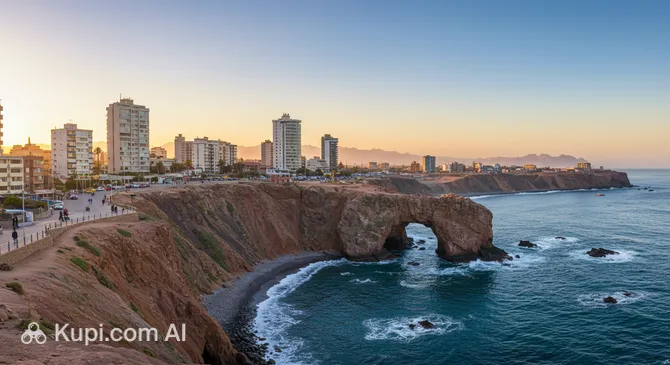
Antofagasta. Source: Kupi.Binoculars

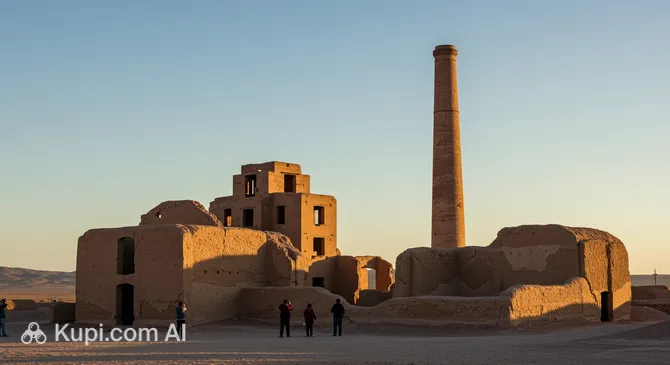
The city's development is deeply rooted in the mining industry, particularly copper and nitrate. Visitors interested in the industrial past can delve into the history of Antofagasta by visiting the Ruinas de Huanchaca, the remains of a massive silver foundry that now houses a geology museum. This site stands as a testament to the region's rich mineral heritage and offers a unique architectural backdrop against the desert sky.

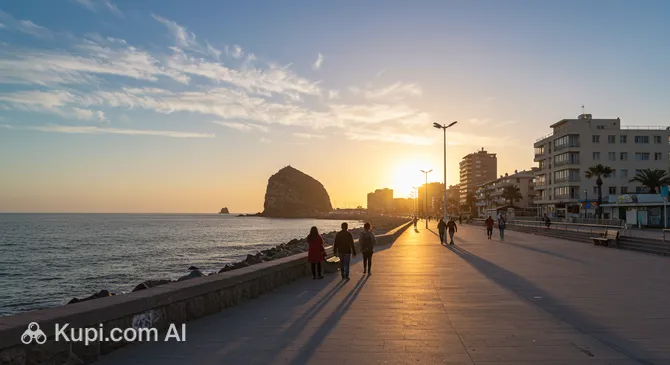
Nature lovers should not miss the city's most iconic landmark, La Portada. This magnificent natural arch made of sandstone and fossil shells sits just off the coast and is a protected natural monument. Back in the city, the lengthy seafront promenade, known as the Costanera, invites visitors for relaxing walks, offering scenic views and fresh sea breezes.

Whether you are passing through on a business trip or embarking on a desert adventure, Antofagasta provides a welcoming atmosphere with excellent services, diverse cuisine, and striking scenery. It is a destination that perfectly balances urban energy with the raw beauty of the northern Chilean coast.
Weather Overview

The climate here is defined by its coastal desert setting, resulting in mild temperatures and exceptionally clear skies year-round. Due to the moderating influence of the Pacific Ocean, the city avoids extreme heat, creating a comfortable environment for travelers. Expect pleasant, warm summers and cool, extremely dry winters with virtually no rainfall.

During the summer months of January and February, temperatures are at their highest. February sees an average of 20.9°C, with highs climbing to a comfortable 24.5°C. This season is perfect for exploring the coastline without the intense heat often found further inland. To help plan your daily activities, it is useful to check the detailed weather in Antofagasta before your trip.

Winter brings cooler air but maintains the dry pattern. In July, the coolest month, the average temperature dips to roughly 14.9°C, with lows around 11.0°C. Precipitation is practically non-existent, with the data showing 0mm of rain and almost zero wet days throughout the entire year, ensuring that rain is unlikely to disrupt your travel plans.

Interesting Facts

Beyond the main attractions, Antofagasta holds many fascinating secrets that reveal its unique history and geography. From monumental landmarks on the hills to engineering marvels on the coast, the city offers curious details that often go unnoticed by the casual observer.
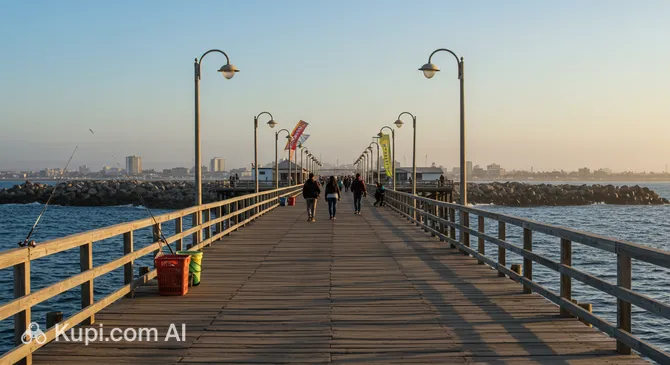
Melbourne Clark Nitrate Pier. Source: Kupi.Binoculars
  • The city is home to a unique geographical landmark known as "El Ancla." High on a hill overlooking the city, there is a massive inverted anchor painted directly onto the slope. It was originally commissioned in 1868 to guide ships into the harbor and has since become such an iconic symbol that the local football club is nicknamed "The Pumas" or simply "The Albiceleste" representing the city of the anchor.

  • Antofagasta sits just south of the Tropic of Capricorn. A short drive north of the urban area leads to the monumental "Hito al Trópico de Capricornio," a large sculpture marking the exact latitude. During the summer solstice, the sun aligns perfectly with the monument's structure, casting no shadow at noon.

  • The Melbourne Clark Nitrate Pier is not just a historic relic; its restoration includes a section with a glass floor. This feature allows visitors to walk over the ocean and observe the original 19th-century pilings and the marine life beneath their feet, blending Victorian industrial history with modern design.

  • Located in the heart of the Atacama Desert, one of the driest places on Earth, the city has become a pioneer in water technology. Antofagasta was one of the first major cities in South America to rely heavily on desalinated seawater for its potable water supply, ensuring life thrives despite the extreme aridity of the surrounding landscape.

How to Get There

Reaching this northern coastal hub is relatively straightforward, with air travel being the most efficient method for international and domestic visitors alike. For a comprehensive guide on all transport options, you can read more about how to get to Antofagasta.

The primary entry point is Cerro Moreno International Airport (ANF), situated conveniently within the city's vicinity. Located approximately 23.4 km from the city center, it handles a significant volume of passengers annually. The journey from the terminal to downtown typically takes around 55 minutes by taxi or shuttle, offering a quick transition from the airport to your hotel.

Alternatively, travelers planning to explore the interior desert landscapes might consider flying into El Loa Airport (CJC) in the city of Calama. Although it is a major regional hub, it is located about 199 km away from Antofagasta. A transfer from Calama involves a journey of approximately 3 to 4 hours by road, making it a viable option if your itinerary includes the Atacama Desert before heading to the coast.

For clarity, here is a summary of the main airports:

Airport Name City Passenger Traffic Km from City
El Loa Airport Calama Large 199.0
Cerro Moreno International Airport Antofagasta Large 23.4

While flying is the fastest option, many visitors also arrive by long-distance bus. Chile has an extensive and comfortable intercity bus network connecting Antofagasta with Santiago and other northern cities via the Pan-American Highway. This offers a scenic, albeit longer, alternative for those wishing to see more of the country's diverse landscapes on their way to the coast.

Main Attractions

Antofagasta offers a compelling mix of history and coastal beauty, with landmarks that tell the story of its industrial past and its connection to the sea. From imposing ruins to relaxing beaches, the city provides a variety of experiences for travelers looking to understand the heritage and lifestyle of northern Chile.

One of the most significant historical sites is the Huanchaca Ruins Museum. These massive stone foundations are the remains of a 19th-century silver foundry, standing as a striking monument to the region's mining boom. Visitors can explore the interpretive center to learn about the geology and industrial history of the Atacama Desert, all while admiring the impressive architecture that contrasts beautifully with the arid landscape.

Huanchaca Ruins Museum. Source: Kupi.Binoculars

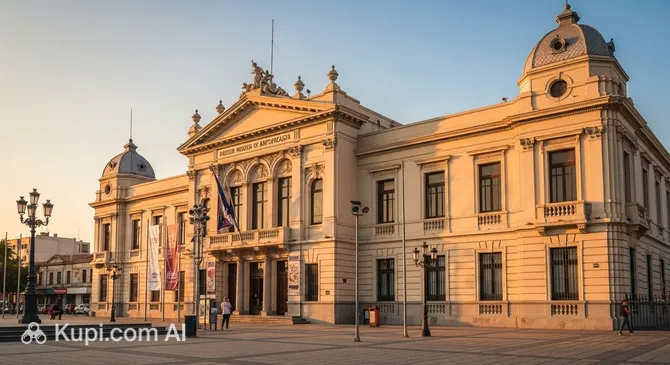
For a deep dive into local culture, the Regional Museum of Antofagasta is an essential stop. Housed in the historic former Custom House built in 1867, the museum showcases a rich collection of artifacts ranging from the geological formation of the coast to the pre-Columbian cultures and the nitrate era. It is a fascinating place to understand the human and natural forces that have shaped this unique territory.

Regional Museum of Antofagasta. Source: Kupi.Binoculars

A walk along the waterfront is incomplete without visiting the Melbourne Clark Nitrate Pier. This restored historic pier, originally built to ship saltpeter, is now a beloved promenade for locals and tourists alike. It features a modern design that respects its heritage, offering panoramic views of the ocean and the city skyline, making it a perfect spot for a sunset stroll.

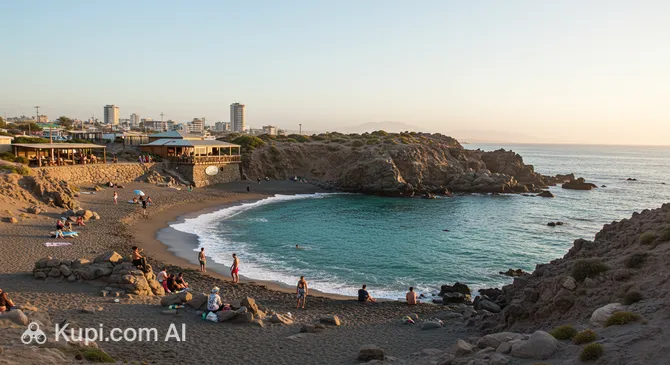
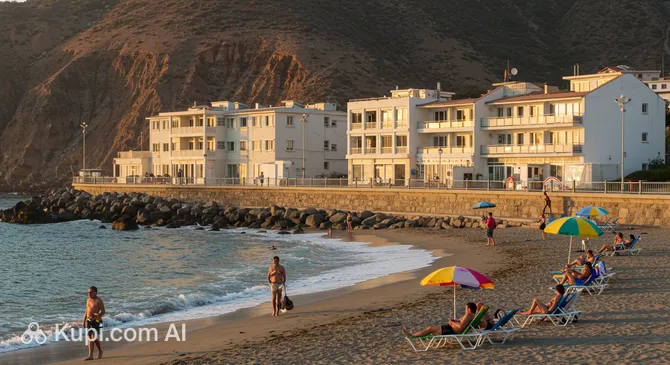
If you are looking to relax by the water, Playa Paraíso is the city's most accessible beach. Located near the downtown area, this artificial beach features calm waters and white sands, providing a tranquil escape from the urban bustle. It is an excellent spot for families or anyone wishing to enjoy the Pacific Ocean without traveling far from the city center.

Playa Paraíso. Source: Kupi.Binoculars

Local Cuisine

The culinary scene in Antofagasta is deeply connected to its coastal geography, making it a paradise for seafood lovers. Thanks to the nutrient-rich Humboldt Current, the local waters teem with a variety of fish and shellfish that arrive fresh at the city's tables every day. Visitors should not leave without trying a traditional Paila Marina, a hearty seafood soup brimming with clams, mussels, and fish, or a fresh Ceviche, often prepared with reineta or corvina fish and marinated in zesty lemon juice.

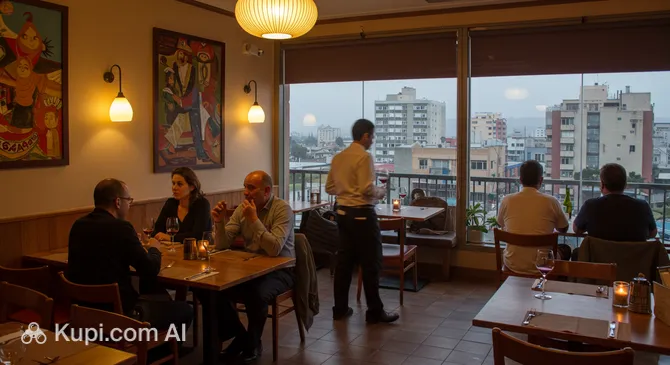
For those seeking a more refined dining experience that highlights these marine treasures, Amares Bistro is a standout choice. This restaurant is known for its ability to fuse local ingredients with modern culinary techniques, offering dishes that are both visually stunning and delicious. It represents the evolving gastronomic culture of the city, where traditional flavors meet contemporary presentation.

Amares Bistro. Source: Kupi.Binoculars

Beyond seafood, the city has a strong culture of savory pastries, particularly the beloved Empanada. In northern Chile, these are often filled with unique ingredients like cheese and shrimp or the classic "pino" (seasoned beef, onions, olives, and egg). A popular spot among locals to grab a quick and tasty bite is Empanadas Wendy, where you can sample a variety of fillings that reflect the hearty nature of northern cuisine.

When it comes to drinks, the undisputed king is the Pisco Sour. As Antofagasta is located in the north, not far from the Pisco-producing regions, the cocktail here is exceptional—zesty, refreshing, and potent. For a non-alcoholic alternative, try Mote con Huesillo, a sweet summer drink made from dried peaches and husked wheat. To enjoy the local nightlife and perhaps sip on a local craft beer or a cocktail, Bardos Antofagasta offers a lively atmosphere where tourists can mingle with residents.

The food culture in Antofagasta is a mix of casual market dining and scenic waterfront restaurants. The historic Mercado Central is the place to go for an authentic, budget-friendly lunch where you can eat surrounded by the bustle of daily life. Alternatively, the restaurants along the coastline provide the perfect setting to enjoy a sunset dinner with the sound of the Pacific Ocean in the background.

Travel Tips

To make the most of your visit to Antofagasta, it is helpful to know a few logistical details about life in this northern Chilean hub. From navigating the unique local transport system to handling currency, these practical tips will ensure your trip is smooth, safe, and enjoyable.

  1. Clothing and Gear: While the days are generally warm, the coastal desert climate brings a significant temperature drop after sunset. Pack layers, such as a light jacket or sweater, for the evenings. The sun here is extremely strong due to the clear skies and latitude; high-SPF sunscreen, good sunglasses, and a wide-brimmed hat are essential accessories to protect against UV radiation.
  2. Transportation: The city has an extensive public transport network. The most popular option is the colectivo, a shared taxi (usually a black sedan) that runs on fixed routes like a bus but is much faster. Standard buses, known locally as micros, are also available and affordable. Rideshare apps like Uber are widely used and reliable. Renting a car is recommended only if you plan to explore the surrounding Atacama Desert independently.
  3. Finances: The local currency is the Chilean Peso (CLP). Major credit cards are widely accepted in hotels, restaurants, and supermarkets. However, you will need cash (small bills and coins) for colectivos, micros, and small kiosks. ATMs are easy to find in the city center and shopping malls. In restaurants, a 10% tip (propina) is customary and usually added to the bill voluntarily.
  4. Health and Safety: Antofagasta is generally safe, but standard precautions apply; keep an eye on your belongings in crowded areas like the Central Market. Pharmacies (Farmacias) are common, and major chains like Cruz Verde or Ahumada are easy to find. Regarding water: tap water is potable but is produced via desalination, which gives it a distinct mineral taste; most tourists prefer buying bottled water.
  5. Communication: The official language is Spanish. English is not widely spoken outside of high-end hotels and tour agencies, so learning a few basic phrases or having a translation app is highly recommended. You can easily purchase a prepaid SIM card from providers like Entel or Movistar in supermarkets and malls to stay connected.
  6. Local Etiquette: Chileans are warm and polite. The standard greeting among friends or in informal settings is a single kiss on the right cheek (between women or a man and a woman), while men typically shake hands. When entering a shop or elevator, it is polite to say "Buenos días" or "Buenas tardes."
  7. What to Avoid: Do not underestimate the sun; walking around without protection at midday can lead to severe sunburn very quickly. Also, avoid littering, especially on the beaches and in the desert areas; locals are increasingly protective of their unique environment and natural monuments like La Portada.
  8. Additional Tip: If you plan to visit the famous La Portada natural arch, try to go during sunset. The lighting on the cliffs is spectacular, and it is a favorite time for locals to visit. However, be aware that it can get quite windy, so bring a windbreaker.

Armed with these practical insights, you are ready to explore the streets of Antofagasta with confidence. Whether you are catching a colectivo to the beach or ordering a meal in a local bistro, you will find the city welcoming and easy to navigate.

Entertainment & Nightlife

As the sun sets over the Pacific, Antofagasta transforms from an industrious port city into a lively hub of entertainment. The nightlife here is vibrant and diverse, fueled by a mix of university students, young professionals, and the mining community. Whether you prefer a quiet cocktail with an ocean view or dancing until dawn, the city offers plenty of options to keep you entertained after dark.

The epicenter of social life is undoubtedly the southern part of the city, particularly along Avenida Croacia near the Municipal Bathing Resort. This area is lined with numerous pubs, restobars, and terraces where locals gather to enjoy "previa" (pre-party drinks) and conversation. The atmosphere here is relaxed and cheerful, making it the perfect place to start your evening with a pisco sour while enjoying the fresh sea breeze.

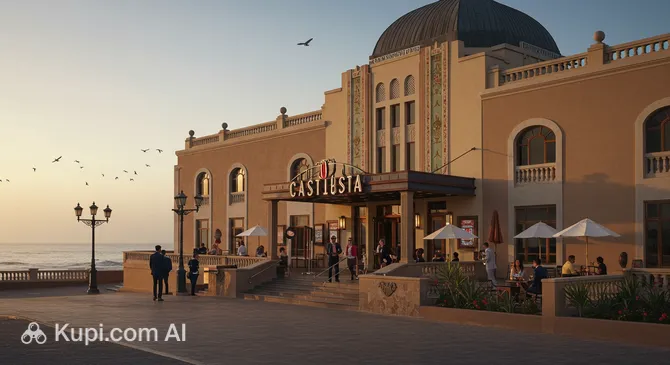
For those seeking a more sophisticated night out, the Antofagasta Casino (often known as Enjoy Antofagasta) is a major entertainment complex located near the Huanchaca Ruins. It offers far more than just gaming tables; it is a complete leisure destination featuring fine dining restaurants, live shows, and concerts. It is a popular spot for visitors who want a glamorous evening in a safe and modern environment.

Antofagasta Casino. Source: Kupi.Binoculars

If you are in the mood for dancing, the complex is also home to OVO Nightclub, one of the most exclusive spots in town. It features top-tier DJs, a chic crowd, and a high-energy atmosphere that keeps the party going late into the night. For a different vibe, you might check out Club Condell in the downtown area, which often hosts themed parties and offers a more alternative scene for music lovers.

Another popular venue for a fun night out is Club Gordos Antofa. Known for its energetic ambiance, it is a great place to mingle with locals and experience the authentic nightlife spirit of northern Chile. Venues in Antofagasta typically start filling up around midnight, with the peak hours being between 1:00 AM and 3:00 AM. The dress code is generally smart-casual; while some high-end clubs prefer dressier attire, most bars are quite laid-back.

When it comes to safety and logistics, it is best to use ride-sharing apps like Uber or official radio taxis when moving between venues at night, rather than walking long distances or flagging down cars on the street. The main nightlife districts like Avenida Croacia are generally well-lit and populated, but it is always wise to stay in groups and keep an eye on your belongings.

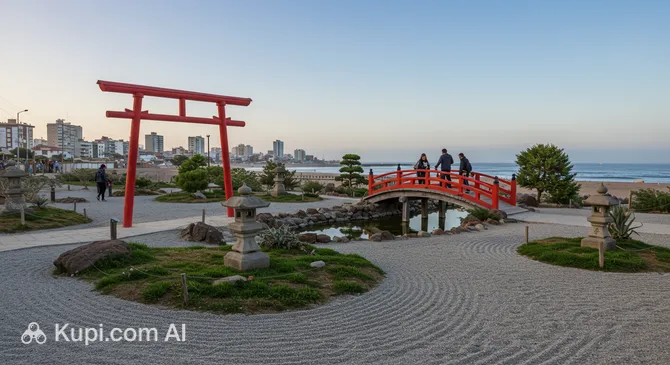
During the day, entertainment in Antofagasta takes a more relaxed pace. You can enjoy some retail therapy at Mallplaza Antofagasta, a large shopping center situated right on the waterfront. For a peaceful escape, the Japanese Park offers a serene environment with beautifully manicured gardens, perfect for a quiet afternoon stroll before the evening festivities begin.

Parks & Museums

While Antofagasta is situated in the heart of the Atacama Desert, the city surprises visitors with its well-maintained green spaces and a rich array of cultural venues. These oases and heritage sites offer a refreshing contrast to the arid surroundings, providing a glimpse into the social life and history of the "Pearl of the North."

One of the most serene spots in the city is the Japanese Park. This beautifully landscaped garden was a gift from the Japanese community and serves as a tranquil escape from the urban bustle. Visitors can walk along winding paths, admire traditional pagodas, and watch koi fish swimming in the ponds. It is a perfect place for photography or a quiet moment of reflection amidst bamboo and native flora.

Japanese Park. Source: Kupi.Binoculars

For those who enjoy ocean views while they exercise or relax, the Paseo del Mar Antofagasta is an excellent choice. This extensive coastal promenade stretches along the shoreline, offering designated areas for cycling, walking, and family picnics. It effectively connects the city with the Pacific Ocean, allowing locals and tourists to enjoy the sea breeze and spectacular sunsets in a modern, safe environment.

Another vital green lung is Parque Brasil, located in the southern part of the city. As one of the largest public parks in Antofagasta, it is a favorite gathering spot for families on weekends. The park features large trees—a luxury in this desert climate—along with playgrounds and sculptures, making it a lively hub of local activity.

Beyond the well-known regional museums, the city's industrial heritage is preserved in the Antofagasta-Bolivia Railway Museum (Museo del Ferrocarril). Since the city's growth was fueled by the transport of minerals from the Andes to the coast, this museum offers a fascinating look at the locomotives and wagons that powered the economy. It is a must-visit for train enthusiasts and history buffs wanting to understand the logistics behind the mining boom.

Art and history converge at the Casa de la Cultura, housed in the former Town Hall building. This historic edifice often hosts temporary art exhibitions, cultural workshops, and local events. Its architecture alone is worth admiring, reflecting the prosperity of the early 20th century and serving as a venue that keeps the local artistic scene alive.

Paseo del Mar Antofagasta. Source: Kupi.Binoculars

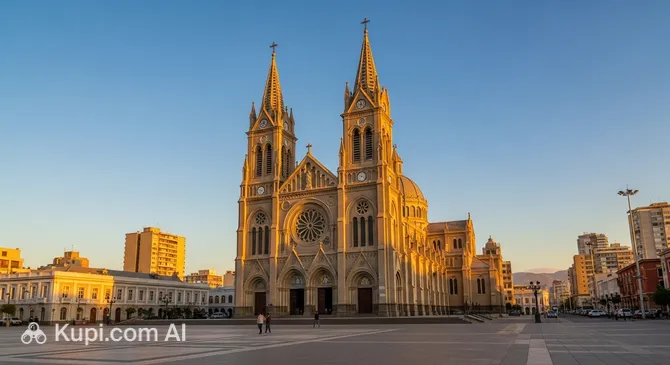
Among the city's architectural treasures, the Basilica of the Heart of Mary stands out. Built in the early 1900s by the Claretians, this distinctive church was constructed using timber brought from Oregon, USA, and pine from Germany. Its unique facade is crowned by a statue of the Virgin Mary, which has become a recognizable landmark in the city skyline.

Basilica of the Heart of Mary. Source: Kupi.Binoculars

No tour of the city's heritage is complete without a stop at Plaza Colón, the main square. Here, you will find the iconic Clock Tower, a smaller-scale replica of Big Ben donated by the British colony in 1910. The square is also home to a charming kiosk and statues representing the nations that contributed to the city's development, symbolizing the cosmopolitan history of this port city.

For a truly authentic experience, take a stroll through the "Feria Pantaleón Cortés," locally known as the Feria de las Pulgas, on a weekend morning. It is one of the largest open-air markets in northern Chile, where you can find everything from antiques to local crafts, offering a vibrant and chaotic slice of everyday life that few tourists get to see.

Getting Around

Navigating the city is a straightforward experience, thanks to a public transport network that, while traditional, covers the urban area efficiently. Unlike the capital, this northern city does not have a metro or tram system. Instead, the public transportation backbone relies on a combination of standard buses, locally known as micros, and shared taxis called colectivos. Understanding how these two distinct services operate is key to getting around like a local.

The micros are the most economical way to travel. These buses operate under the TransAntofagasta system and are easily identifiable by their specific color schemes and route numbers displayed on the front. They run along the main avenues, connecting the northern and southern ends of the city with the downtown area. Stops are generally marked, but in practice, you often need to signal the driver with a wave of your hand to ensure they stop for you.

A unique and popular alternative found throughout Chile is the colectivo. These look like standard black sedans but function more like buses, following fixed routes indicated by a sign on the roof. They are slightly more expensive than buses but offer a much faster and more comfortable journey. You can hail them from the curb anywhere along their route; simply look for the route number on the roof sign that matches your destination. They bridge the gap between a private taxi and a public bus.

Regarding payment, cash is still the primary method for both buses and colectivos in this region. Unlike in Santiago, there is no integrated travel card system for tourists. You pay the driver directly upon boarding. It is highly recommended to carry small change or low-denomination bills (such as 1,000 or 2,000 CLP notes), as drivers may not have change for large banknotes. Fares are fixed and generally very affordable.

For those who prefer modern convenience, ride-sharing apps like Uber are widely available and offer a reliable alternative to traditional transport, especially late at night when bus frequencies drop. Standard radio taxis are also plentiful; they can be identified by their yellow roofs and are safer to book via phone or an app rather than hailing on the street at night.

Public transport typically operates from early morning, around 6:00 AM, until approximately 10:00 PM. After this time, the frequency of buses and colectivos decreases significantly, so planning your return trip in advance is wise. For route planning, apps like Google Maps or Moovit are quite accurate for bus routes, helping you identify which line number serves your destination.

Finally, the city's layout is linear, hugging the coast. This makes orientation relatively simple. For short distances, especially along the scenic Costanera (waterfront promenade), walking is often the most pleasant option, allowing you to enjoy the ocean views and fresh air while moving between nearby attractions.

Accommodation

Where to Stay:

As a major industrial and port city, Antofagasta offers a surprising variety of accommodation options that cater to both business travelers and tourists. The city's lodging landscape ranges from modern high-rise hotels with panoramic ocean views to cozy guesthouses and practical aparthotels. Whether you are looking for luxury amenities or a budget-friendly base to explore the desert, you will find suitable choices here.

The most popular area for visitors to stay is the City Center (Centro). Staying here places you within walking distance of historical landmarks like the Plaza Colón, the Regional Museum, and the bustling port area. This district is ideal for those who want easy access to banks, shops, and public transport. You will find a mix of well-established hotel chains and older, more traditional hotels that offer a genuine feel of the city's history.

For a more scenic and relaxed atmosphere, many travelers prefer the Southern District (Sector Sur), particularly along the coastline near the Municipal Bathing Resort of Antofagasta. This area is considered more upscale and residential, offering modern apartment rentals and boutique hotels. It is also the hub of the city's nightlife and dining scene, making it a convenient choice if you plan to enjoy evening walks along the waterfront promenade.

Municipal Bathing Resort of Antofagasta. Source: Kupi.Binoculars

Another notable area is around the Huanchaca Ruins. This zone is home to some of the city's most luxurious resort-style accommodations, including those attached to the casino complex. Staying here offers a quieter environment with easy access to the beaches and the museum, though it is a bit further from the downtown core.

Booking Tips and Prices:

Because Antofagasta is a mining capital, hotel occupancy can be high during the week due to business travel. It is highly recommended to book your accommodation in advance, especially if you plan to visit during major industry conferences or the summer months (January and February). Prices in Antofagasta can be slightly higher than in other Chilean cities due to the economic activity, but budget options like hostels and "residenciales" are available for backpackers. Standard international booking platforms work well for securing reservations, but for smaller guesthouses, direct contact might sometimes yield better rates.

Nearby Cities

For those looking to explore the surroundings, Antofagasta serves as an excellent base for day trips to several interesting nearby locations:

The closest major urban center is Calama, located approximately 200 km to the northeast. Known as the "Capital of the Great Copper North," it sits in the middle of the Atacama Desert and serves as a gateway to the famous town of San Pedro de Atacama. Visitors often stop here to witness the immense scale of the Chuquicamata mine, the largest open-pit copper mine in the world, which offers guided industrial tours.

Further along the coast to the north lies Iquique. While it is a longer journey, making it better suited for a short overnight visit than a quick day trip, it is well worth the effort. This coastal city is renowned for its stunning beaches like Playa Cavancha, its duty-free shopping zone (Zofri), and its historic Georgian-style architecture that dates back to the saltpeter boom era.

City Population Distance (km)
Coquimbo 204,068 705
Arica 202,131 573
La Serena 195,382 698
Iquique 188,003 380
Calama 157,575 200

These nearby destinations offer a glimpse into the diverse culture and landscapes of the region.

Shopping & Souvenirs

Shopping in Antofagasta offers a convenient mix of modern retail experiences and traditional commerce. As the economic capital of the region, the city is well-stocked with everything a traveler might need, from international fashion brands and electronics to local handicrafts. While it does not have the duty-free status of its northern neighbor Iquique, the quality and variety of goods make it a solid destination for retail therapy.

The heart of the city's commercial life beats along Paseo Prat. This bustling pedestrian street in the downtown area is lined with department stores, pharmacies, banks, and smaller boutiques selling clothing and shoes. It is the perfect place to witness the daily rhythm of the city, with street performers often entertaining crowds amidst the shoppers. Exploring the side streets branching off Paseo Prat will reveal hidden galleries and specialized shops offering more unique items.

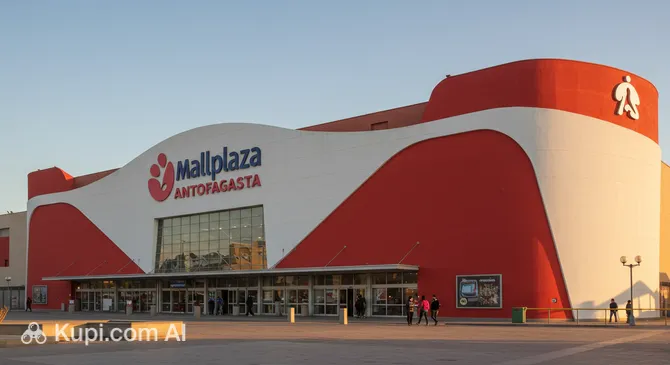
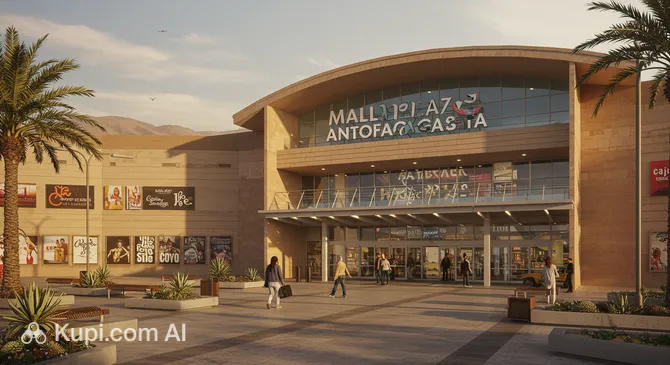
For a contemporary shopping experience with a view, Mallplaza Antofagasta is the undisputed favorite. Located right on the waterfront, this sprawling complex houses major department stores, a supermarket, and a wide array of international brand outlets. Its open-air terraces offer spectacular views of the harbor, allowing you to combine shopping with a relaxing lunch by the sea.

Mallplaza Antofagasta. Source: Kupi.Binoculars

If you prefer a more retro atmosphere, the Centenario Caracol offers a distinct architectural charm. Built in the spiral "snail" style popular in Chile during the 1980s, this shopping center is filled with smaller, independent businesses. Here you can find hairdressers, tattoo parlors, jewelry repair shops, and stores selling niche collectibles or alternative fashion, providing a stark contrast to the polished corridors of the modern malls.

Centenario Caracol. Source: Kupi.Binoculars

To engage with local culture, a visit to the Mercado Central (Central Market) is essential. While primarily a food market, it is an excellent spot to find local produce and observe traditional trade. For bargain hunters, the Feria Pantaleón Cortés (often called the "Feria de las Pulgas") in the northern part of the city is a massive open-air market selling new and second-hand goods, clothes, and tools. It is a chaotic but fascinating place to find inexpensive items.

When looking for souvenirs, keep an eye out for jewelry made from Lapis Lazuli, a deep blue semi-precious stone found almost exclusively in Chile and Afghanistan. Given the region's mining heritage, handicrafts made from copper are also popular and widely available. Additionally, you may find artisan goods crafted from alpaca wool, reflecting the Andean influence of the nearby interior villages.

Most large shopping centers and supermarkets are open daily from approximately 10:00 AM to 9:00 PM. Smaller street shops in the downtown area typically close earlier, around 7:00 PM or 8:00 PM, and may have reduced hours or be closed on Sundays. Major credit cards (Visa, Mastercard) are widely accepted in malls and established restaurants, but carrying cash is necessary for street markets, kiosks, and smaller independent stores.

Travelers should be aware that Antofagasta operates under the standard Chilean tax system. Unlike the duty-free zone (Zofri) in Iquique, purchases here include a 19% VAT (IVA), and there is generally no tax refund system for tourists on consumer goods. Therefore, the price you see on the tag is the final price you will pay.

Nearby cities

Reached the end of the page?

That means the route is fully explored