Support

Tacna

About

Tacna is a captivating destination located in the southernmost tip of Peru, sitting just a short distance from the Chilean border. Known affectionately as the "Heroic City", it holds a special place in the nation's heart due to its deep sense of patriotism and cultural pride. With a population of approximately 286,240 residents, the city offers a lively yet welcoming atmosphere, characterized by its clean streets and well-kept gardens that bloom despite the surrounding arid landscape.
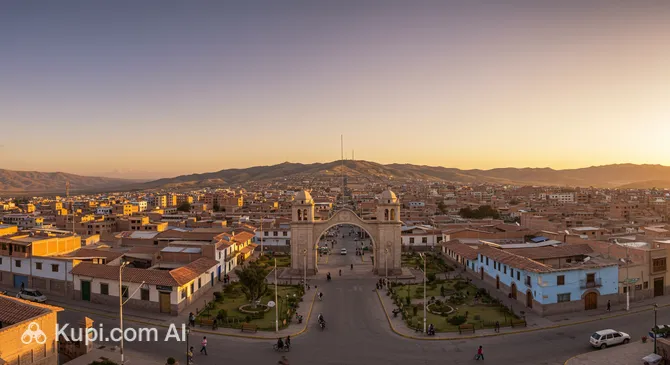
Tacna. Source: Kupi.Binoculars

The region enjoys a mild desert climate, providing sunny days that are perfect for sightseeing throughout the year. To truly appreciate the local spirit, visitors are encouraged to explore the history of Tacna, which is rich with stories of resilience and heritage. The city serves as a significant commercial hub and a gateway for travelers moving between the two countries, blending historical charm with modern activity.

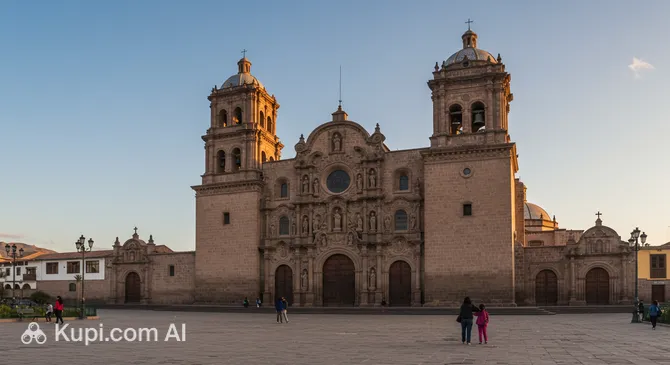
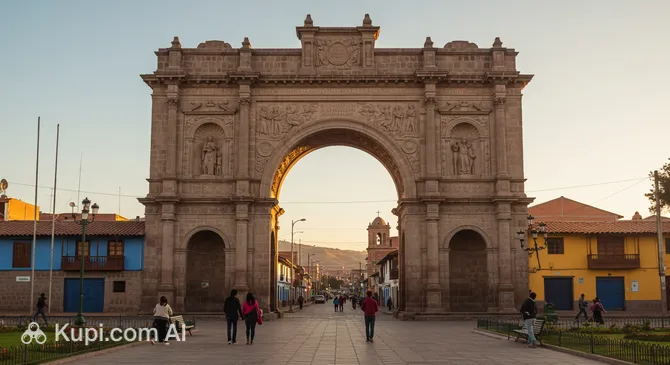
Among the city's architectural highlights is the stunning Neo-Renaissance Cathedral, a masterpiece often attributed to the firm of Gustave Eiffel, which dominates the main plaza. Just steps away stands the iconic Arco Parabólico, a monument dedicated to the heroes of the War of the Pacific. For those interested in unique museums, the Museo Ferroviario (Railway Museum) offers a fascinating look at the golden age of train travel in the region.

Whether you are interested in duty-free shopping, tasting the renowned local olive products, or simply soaking in the patriotic atmosphere, Tacna is a city that surprises and delights. It is a must-visit stop for anyone looking to experience a distinct and proud corner of South America.
Weather Overview

Tacna enjoys a mild desert climate, making it a pleasant destination to visit at almost any time of the year. The weather in Tacna is generally consistent, characterized by moderate temperatures and very low precipitation levels, which is typical for this coastal region of Peru.

The warmest period occurs from January to March, where average temperatures hover around 21°C and daily highs can reach approximately 25°C. Interestingly, this is also the season with the most "wet days," particularly in February, although the actual rainfall volume remains negligible at just 1mm.

From June to September, the city experiences its cooler season. During these months, average temperatures drop to around 17°C, with nighttime lows falling to roughly 13.5°C. This period is exceptionally dry, with months like August and September typically recording zero precipitation. Expect warm summers with occasional damp days and cool, dry winters that are perfect for exploring the city comfortably.

Interesting Facts

Beyond the main monuments and historical sites, Tacna holds fascinating secrets and cultural treasures that often escape the casual observer. This southern city is filled with unique engineering feats and ancient mysteries that offer a deeper glimpse into its rich heritage.
Locomotive Park. Source: Kupi.Binoculars
  • While the local cathedral is a well-known landmark, the Civic Promenade of Tacna features another masterpiece often attributed to the famous Gustave Eiffel: a stunning six-meter-tall ornamental fountain. This intricate bronze piece was imported from Europe and represents the four seasons, adding a touch of French elegance to the city center.

  • The region is home to the Miculla Petroglyphs, a vast archaeological site located just a short drive from the city. This area contains thousands of rock carvings that are estimated to be around 1,500 years old, depicting constellations, local fauna, and scenes of daily life from pre-Hispanic cultures.

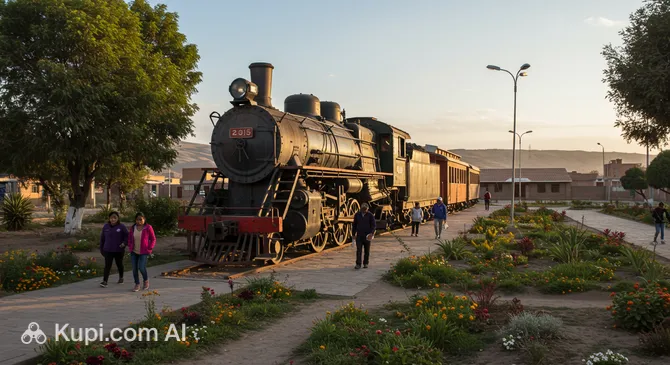
  • Railway enthusiasts can explore the Locomotive Park, located in the heart of the city. It serves as an open-air museum housing historic British-built steam engines, including the locomotive that transported troops during the War of the Pacific, standing today as a silent witness to the city's resilience.

  • Tacna is one of the few regions in Peru with a designated "Pisco Route," boasting some of the oldest vineyards in South America. The valley's unique climate allows for the production of the "Negra Criolla" grape, which creates a distinct variety of Pisco that is highly prized by connoisseurs but less known internationally.

How to Get There

Reaching this southern Peruvian city is relatively straightforward, with options catering to both domestic and international travelers. Whether you are arriving from within Peru or crossing the border from Chile, you can choose the route that best suits your itinerary. For a complete overview of all transportation methods, you can read more about how to get to Tacna and plan your journey accordingly.

The most direct way to arrive by air is via Tacna Airport (IATA: TCQ), which is conveniently located within the city itself. Situated just 6 km from the downtown area, this airport primarily handles domestic connections, particularly from Lima. Once you land, a transfer to the city center is quick and easy, taking approximately 30 minutes by taxi or shuttle bus. Despite being a smaller regional hub with moderate passenger traffic, it offers essential services for a comfortable arrival.

For those traveling from Chile or looking for alternative routes, Chacalluta Airport (IATA: ARI) is a significant option. It is located in the city of Arica, Chile, about 39 km from Tacna. While it is not in Peru, its proximity makes it a popular gateway for cross-border travelers. The journey from Arica to Tacna involves crossing the international border, so travel times can vary, but the drive generally takes around 1 hour and 20 minutes. This airport serves as a key connection point for visitors entering Peru from the south.

Another major regional hub is Rodriguez Ballon International Airport (IATA: AQP), located in the city of Arequipa, approximately 231 km away. While it requires a longer transfer of about 6 hours by road, it is a larger facility with higher passenger traffic, offering more flight connections for those exploring the wider southern region of Peru.

For clarity, here is a summary of the main airports:

Airport Name City Passenger Traffic Km from City
El Alto International Airport La Paz High 273.9
Rodriguez Ballon International Airport Arequipa High 231.7
Diego Aracena International Airport Iquique Medium 280.0
Chacalluta Airport Arica Moderate 39.1
Tacna Airport Tacna Moderate 6.0

In addition to air travel, Tacna is a major hub for overland transport. The Pan-American Highway runs directly through the city, making it easily accessible by bus from major Peruvian cities like Lima and Arequipa. Frequent colectivos (shared taxis) and buses also operate the short route across the border from Arica, Chile, facilitating a steady flow of tourists and commerce between the two nations.

Main Attractions

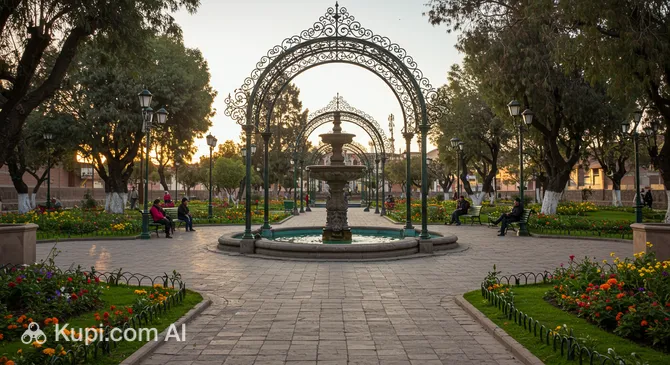
Tacna is a city where history and modernity coexist, offering visitors a variety of landmarks that reflect its patriotic spirit and commercial vitality. The heart of the city is the Civic Promenade, a beautifully landscaped boulevard that hosts the most significant monuments. Here, you will find the towering Tacna Arch (Arco Parabólico), a stone tribute to the national heroes of the War of the Pacific. Just steps away stands the majestic Tacna Cathedral, an architectural gem designed with Neo-Renaissance influence that dominates the skyline.

Tacna Arch. Source: Kupi.Binoculars

Beyond the historic center, the city boasts impressive public spaces designed for leisure and entertainment. The Paseo de las Aguas is a highlight, featuring a series of ornamental fountains that come alive with lights at night, creating a magical atmosphere. For families, the Parque del Niño provides a safe and fun environment with extensive play areas and green zones.

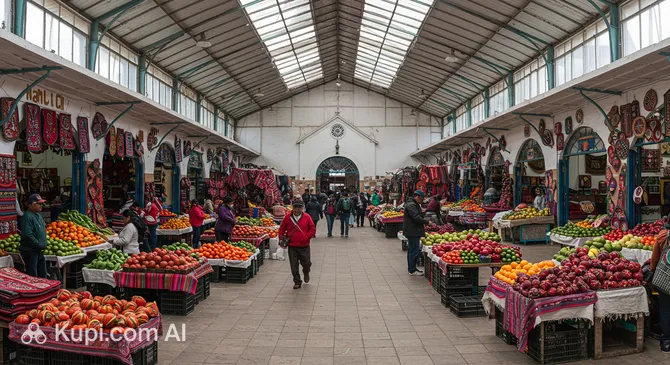
Visitors looking to experience the local lifestyle should not miss the Central Market. It is the perfect place to sample traditional dishes like Picante a la Tacneña and observe the daily rhythm of the locals. For a more contemporary shopping experience, malls such as Solari Plaza and 28 de Julio Mall offer a wide range of goods, reflecting Tacna's reputation as a key commercial hub in southern Peru.

Local Cuisine

The culinary scene in Tacna is a source of immense local pride, celebrated for its bold flavors and deep-rooted traditions. A fusion of Andean ingredients and coastal influences, the food here is hearty and spicy. The undisputed king of the local table is Picante a la Tacneña, a rich stew made from tripe, beef jerky (charqui), and local chili peppers, typically cooked over firewood for hours to achieve its smoky depth.

No meal in the city is complete without Marraqueta, a crispy, French-style bread that is unique to this region of Peru. It is the perfect accompaniment for dipping into sauces or enjoying with Adobo Tacneño, a savory pork dish marinated in traditional corn beer (chicha de jora) and spices, which is a favorite choice for a Sunday breakfast.

When it comes to drinks, the region's fertile valleys produce exceptional fruits and spirits. Tacna is famous for its Macerado de Damasco, a sweet and potent liqueur made by soaking apricots in Pisco. As a key stop on the Pisco Route, the city also offers high-quality local wines and traditional Piscos that perfectly complement the spicy cuisine.

Central Market. Source: Kupi.Binoculars

For travelers who want to eat like a local, the Central Market is the ultimate destination. This bustling hub is where residents go to enjoy fresh fruit juices and authentic dishes served at vibrant stalls, offering a true taste of the city's daily life. It is an unmissable stop for anyone looking to experience the raw energy of Tacna's food culture.

If you prefer a more relaxed dining environment, the city boasts several excellent venues where you can savor these regional classics. Establishments such as Select Restaurant Tacna are known for serving traditional recipes in a comfortable setting, allowing visitors to enjoy the best of local gastronomy with great service.

Travel Tips

Visiting the "Heroic City" is a rewarding experience, but like any border destination, a little preparation goes a long way in ensuring a smooth trip. To help you navigate Tacna with confidence and ease, here are some practical tips covering everything from what to pack to how to get around.

  1. Clothing and Gear: Since Tacna has a desert climate, the temperature can fluctuate significantly between day and night. Pack light, breathable clothing for the sunny afternoons, but strictly bring a warm jacket or sweater for the evenings when it cools down. A high-quality sun hat and sunglasses are essential due to the strong radiation, and comfortable walking shoes are a must for exploring the city center. Peru uses 220V electricity with Type A and C plugs, so bring a universal adapter if your devices differ.
  2. Transportation: The most convenient way to move around the city is by taxi. They are abundant, safe, and generally very affordable; however, most do not use meters, so it is standard practice to agree on the fare before getting in. For a more local experience, you can use the combis (small buses), which are inexpensive but can be crowded and confusing for first-time visitors. Car rental is rarely necessary unless you plan to explore the outskirts or drive to the coast independently.
  3. Finances: The local currency is the Peruvian Sol (PEN). While shopping malls and upscale restaurants accept credit cards (Visa and Mastercard are widely used), cash is king in traditional places like the Central Market and for taxi fares. ATMs are widely available around the main plaza and commercial avenues. If you are arriving from Chile, you will find plenty of legitimate exchange houses (casas de cambio) near the border and in the city center offering competitive rates.
  4. Health and Safety: Tacna is generally a safe city for tourists, but standard precautions apply—keep an eye on your belongings in crowded markets and avoid poorly lit areas at night. Pharmacies are easy to find, with major chains operating 24/7 in the downtown area. A crucial health tip is to avoid drinking tap water; always opt for bottled water to prevent stomach issues. Also, due to the dry air and sun, keep yourself hydrated and apply sunscreen regularly.
  5. Communication: Spanish is the primary language, and English is not widely spoken outside of major hotels or tourist agencies. Learning a few basic phrases like "¿Cuánto cuesta?" (How much does it cost?) and "Por favor" (Please) will be very helpful. Free Wi-Fi is often available in public plazas and cafes, but for reliable connectivity, it is recommended to buy a local SIM card from providers like Claro or Movistar, which can be easily found in local shops.
  6. Local Etiquette: People in Tacna are known for their courtesy and patriotism. A friendly greeting like "Buenos días" upon entering a shop or taxi is expected and appreciated. If you happen to be in the city on a Sunday morning, you might witness the flag-raising ceremony at the Civic Promenade; it is a solemn and proud moment for locals, so observing respectfully and standing still during the anthem is important.
  7. What to Avoid: Do not take photographs of residents without asking for permission first, as some may be camera-shy. Additionally, avoid exchanging money on the street with informal changers; stick to established exchange offices or banks to ensure safety and avoid counterfeit bills.
  8. Shopping Tip: Tacna is a commercial hub known for its "Zona Franca" (Duty-Free Zone). If you plan to shop for electronics, perfumes, or liquor, head to the commercial centers along Avenue Bolognesi. However, be aware that there are limits on the amount of duty-free goods you can take out of the region, especially if crossing back into Chile or traveling further into Peru, so keep your receipts handy.

By keeping these practicalities in mind, you will be free to fully enjoy the warm hospitality and historical depth that Tacna has to offer. Whether you are there for the shopping, the food, or the culture, a well-prepared traveler is sure to have an unforgettable stay in this unique corner of southern Peru.

Entertainment & Nightlife

As the sun sets over the desert landscape, Tacna transforms into a lively hub of activity, fueled largely by visitors crossing the border to enjoy the city's vibrant evening scene. While it may not have the frenetic energy of a massive metropolis, the nightlife here is characterized by a mix of spirited casinos, laid-back bars, and excellent dining options that keep the streets buzzing well into the night.

The heart of the action is undoubtedly concentrated along Avenida San Martín and Avenida Bolognesi. These main thoroughfares are lined with illuminated signs inviting passersby into various entertainment venues. This area is particularly famous for its casinos and gaming halls, which are a major draw for tourists. For those seeking a more social atmosphere, the bars and pubs in this district offer everything from craft cocktails to local beers, often accompanied by live music ranging from Latin pop to rock.

For a sophisticated start to your evening, you might consider dining at Select Restaurant Tacna. It is a popular choice for enjoying a leisurely dinner with friends or family, offering a menu that highlights regional flavors in a comfortable setting. After dinner, the city offers unique public spaces that are best appreciated after dark. A prime example is the Paseo de las Aguas, where the ornamental fountains are beautifully lit up, creating a magical backdrop for a romantic stroll or a relaxed evening walk.

Paseo de las Aguas. Source: Kupi.Binoculars

If you prefer an evening of shopping and entertainment under one roof, Solari Plaza is a bustling spot. It is more than just a shopping center; in the evenings, it becomes a meeting point for locals and visitors alike, often hosting a cinema and various eateries that stay open late. The atmosphere throughout the city is generally casual and welcoming. There is no strict dress code for most bars and casinos, though "smart casual" is the norm if you plan to visit the more upscale venues.

From a practical standpoint, the nightlife in Tacna is quite affordable compared to larger Peruvian cities. The best time to head out is around 9:00 PM when the streets are most active. For safety, it is highly recommended to use official radio taxis or ride-hailing apps rather than hailing cabs off the street at night, especially after leaving a bar or casino. The city center is generally safe for walking in well-lit areas, but it is always wise to stay vigilant.

While the nights are for socializing, daytime entertainment in Tacna offers a different cultural pace. Visitors can explore local history at the Municipal Theater, which often hosts cultural performances, or visit the various museums dedicated to the city's patriotic past. For families, the city's well-maintained parks provide a pleasant escape before the evening festivities begin.

Parks & Museums

Tacna offers a delightful mix of well-maintained green spaces and cultural institutions that reflect the city's pride and history. Beyond its commercial appeal, the "Heroic City" invites visitors to explore its landscaped avenues and open-air exhibits, which serve as peaceful retreats and educational stops for travelers of all ages.

A highlight for history enthusiasts is the Locomotive Park. Located in the city center, this unique attraction functions as an open-air museum, showcasing British-built steam engines from the 19th century. The centerpiece is the historic locomotive that transported troops during the War of the Pacific, standing today as a symbol of the region's resilience and a fascinating piece of industrial heritage.

Families looking for a place to relax should head to the Parque del Niño. This expansive recreational park is a favorite among locals, offering safe playgrounds, lush gardens, and designated areas for children to play. It provides a refreshing escape from the urban environment, making it an ideal spot for a picnic or a leisurely afternoon outdoors.

Parque del Niño. Source: Kupi.Binoculars

The city's urban design also features impressive promenades. The Civic Promenade of Tacna is the heart of civic life, a beautifully gardened boulevard where visitors can admire monuments and enjoy the shade of ancient trees. For a modern touch, the Paseo de las Aguas features a series of ornamental fountains. While it is famous for its light shows at night, during the day it offers a cool and tranquil atmosphere, perfect for walking and admiring the water features against the desert backdrop.

In addition to these parks, the city preserves its legacy through various historical houses and museums. These cultural spaces offer a deeper understanding of Tacna's past, celebrating the patriotism and daily life of its ancestors. A walk through these quiet halls and verdant plazas provides a comprehensive picture of the city's enduring spirit.

Getting Around

Public transport in Tacna is relatively simple and informal compared to larger metropolitan areas. The city does not have a metro, tram, or trolleybus system. Instead, the network relies almost entirely on a fleet of buses and minibuses, locally known as combis. These small vans are the backbone of daily transit, covering extensive routes that connect the downtown area with residential neighborhoods and the outskirts. They are easily recognizable by their color-coded designs and the list of major stops painted on their sides or displayed in the windshield.

For tourists, navigating the combi system can be an authentic local experience, though it requires a bit of patience. There are no digital travel cards or mobile apps for paying fares on public buses. Payment is strictly in cash. You pay the fare directly to the driver or the assistant (often called the cobrador) upon boarding or before getting off. Fares are extremely affordable, typically costing just a few coins. It is highly recommended to carry small change, as drivers may not have enough cash to break large bills.

Stops are generally marked, but in practice, combis often stop on demand along their designated routes. To get off, you simply need to alert the driver or assistant as you approach your destination. Operating hours usually run from early morning, around 6:00 AM, until roughly 10:00 PM. However, frequency decreases significantly later in the evening, so it is wise to plan alternative transport if you are out late.

Taxis are a very popular and convenient alternative to public buses. In Tacna, taxis are abundant and remarkably inexpensive. They do not typically use meters, so the standard practice is to negotiate and agree on the fare with the driver before getting into the vehicle. For safety and reliability, especially at night, it is advisable to use "Radio Taxis"—official companies that can be called by phone or identified by their illuminated roof signs—rather than hailing random cars on the street. While international ride-sharing apps may have a presence, local taxi services remain the dominant choice.

A unique feature of the city's transport landscape is the historic Tacna-Arica Railway. While not an intra-city metro, this train service is a vital link for travelers heading across the southern border. Departing from the station in the city center, the train offers a nostalgic and scenic journey through the desert to the neighboring city of Arica. It is a heritage experience that serves both tourists and locals, though schedules can be limited, so checking the departure times in advance at the station is essential.

Finally, the city center is compact and flat, making walking a viable and pleasant option for getting between major attractions like the cathedral and the commercial zones. For short distances within the downtown core, exploring on foot is often the easiest way to soak in the atmosphere without worrying about routes or schedules.

Accommodation

Where to Stay:

Finding accommodation in Tacna is generally a straightforward and affordable experience, catering largely to travelers who value practicality and convenience. The city does not typically feature ultra-luxury resorts or sprawling five-star complexes. Instead, the accommodation landscape is dominated by comfortable mid-range hotels, budget-friendly hostels, and family-run guesthouses known as hostales. These options usually offer clean, modern amenities suitable for short stays, business trips, or stopovers before crossing the border.

The most popular and convenient area to stay is undoubtedly the city center, specifically the blocks surrounding the Paseo Cívico (Civic Promenade). Staying in this district places you within walking distance of the city's main historical landmarks, commercial streets, and dining venues. Being near the heart of the city means you are just steps away from the majestic Tacna Cathedral, which serves as an excellent reference point for navigating the downtown area. This central location also offers easy access to 24-hour pharmacies, banks, and transport links.

Tacna Cathedral. Source: Kupi.Binoculars

Another viable zone is along Avenida Bolognesi and Avenida San Martín. These main avenues are lined with modern hotels that often cater to business travelers and shoppers visiting the Duty-Free Zone. Staying here provides quick access to shopping centers and casinos while still being close enough to the main plaza to explore on foot. The area is well-lit and lively, making it a safe choice for evening walks to nearby restaurants.

Regarding prices and booking, Tacna is significantly more affordable than Peru's major tourist hubs like Lima or Cusco. You can often find high-quality mid-range rooms at very reasonable rates. While it is possible to find accommodation by simply walking in, especially during the week, it is highly recommended to book in advance if you are visiting during Chilean national holidays or long weekends, as the influx of cross-border visitors can fill up the best hotels quickly. Most established hotels are listed on major online booking platforms, allowing you to secure your reservation and check reviews ahead of time.

Nearby Cities

For those looking to explore the surroundings, Tacna serves as an excellent base for day trips to several interesting nearby locations:

One of the most accessible and charming destinations is Moquegua. Located just a short drive away, this city is famous for its dry, sunny climate and its well-preserved colonial architecture. It is a fantastic spot for history buffs and foodies alike, as the valley is renowned for producing some of Peru's finest Pisco and avocados. A visit here offers a relaxed pace where you can explore traditional vineyards and enjoy the quiet elegance of its plazas.

If you prefer the ocean breeze, the port city of Ilo is the perfect coastal escape. It boasts a beautiful boardwalk (malecón) lined with palm trees and sculptures, making it ideal for a leisurely afternoon stroll. Visitors flock here to enjoy its clean beaches and to savor fresh seafood dishes at local restaurants overlooking the Pacific. It provides a refreshing contrast to the desert landscapes of the interior.

For a more extended adventure, the "White City" of Arequipa awaits further north. While it is a longer journey, it is one of the country's most significant cultural hubs, known for its stunning white volcanic stone buildings and the nearby Colca Canyon. It serves as a major gateway for those continuing their travels through southern Peru.

City Population Distance (km)
Arequipa 1,008,290 224
Juliaca 307,417 278
Puno 128,637 241
Moquegua 69,882 116
Ilo 66,118 123

These nearby destinations offer a glimpse into the diverse culture and landscapes of the region.

Shopping & Souvenirs

Tacna is widely renowned as a commercial hub in southern Peru, attracting visitors from across the border and beyond who are looking for exceptional bargains. The city benefits from a special tax status known as the Free Trade Zone, which allows for the sale of imported goods at duty-free prices. This makes it a prime destination for purchasing electronics, appliances, perfumes, and liquors at significantly lower costs than in other parts of the country.

The heart of the shopping scene is concentrated along the bustling Avenida Bolognesi, where you will find a high density of commercial galleries known locally as "mercadillos." These large, multi-story complexes are filled with hundreds of small independent stalls offering everything from branded sneakers and clothing to computer parts and toys. Exploring these galleries is a quintessential part of the local experience, offering a treasure hunt for savvy shoppers.

For a more modern and organized retail experience, the city features several contemporary shopping centers. Solari Plaza is one of the most popular destinations, housing a cinema, food court, and a variety of fashion boutiques and technology stores under one roof. Another key location is the 28 de Julio Mall, which offers a similar mix of entertainment and retail, providing a comfortable environment to browse for clothes and gifts away from the heat of the day.

Solari Plaza. Source: Kupi.Binoculars

To dive into the local culture and flavors, a visit to the Central Market is essential. While it is famous for its food stalls, it is also the best place to buy regional products. Here, you can find the city's famous olives, which are considered some of the best in Peru, sold in bulk or in jars. The market is also a great spot to purchase fresh cheese, local fruits, and traditional breads like the crusty marraqueta.

When looking for souvenirs to take home, the top choice is undoubtedly a jar of Tacna olives or a bottle of locally produced olive oil. The region is also a major producer of Pisco, so picking up a bottle of this grape brandy from a local vineyard is highly recommended. For those interested in textiles, you can find affordable alpaca wool garments and colorful handicrafts in the artisan sections of the commercial galleries.

Most shops and commercial galleries typically open around 9:00 AM or 10:00 AM and stay open until 9:00 PM, often without closing for lunch. While major shopping malls and larger stores accept credit and debit cards, cash is the preferred method of payment in the "mercadillos" and the Central Market. It is advisable to carry Peruvian Soles in smaller denominations, although many merchants near the border areas may also accept Chilean Pesos or US Dollars.

The primary allure for many tourists is the Duty-Free status of the commercial zone. While the tax exemption applies specifically to the importation of goods into the region, the benefit is passed on to the consumer through lower retail prices. Visitors should be aware that there are customs limits on the quantity and value of goods (such as liquor and electronics) that can be taken out of Tacna into other parts of Peru or across the border to Chile, so it is wise to check current regulations before making large purchases.

Reached the end of the page?

That means the route is fully explored