Support

Juliaca

About

Juliaca is a vibrant and energetic city located in the southeastern part of Peru. Often referred to as the "City of Winds" (La Ciudad de los Vientos) due to its location on the windy Collao Plateau, it sits at an impressive elevation of over 3,800 meters above sea level. As the capital of the San Román Province within the Puno Region, it is a bustling urban center that plays a vital role in the economic life of the southern Andes.

With a population of approximately 307,000 inhabitants, Juliaca is the largest city in the region and serves as a major commercial and transit hub. The city is famous for its industrious spirit, characterized by lively markets and a strong textile industry, particularly focused on wool and knitting. While it is a modern trade center today, the history of Juliaca highlights its long-standing importance as a crossroads for travelers and merchants traversing the Altiplano.

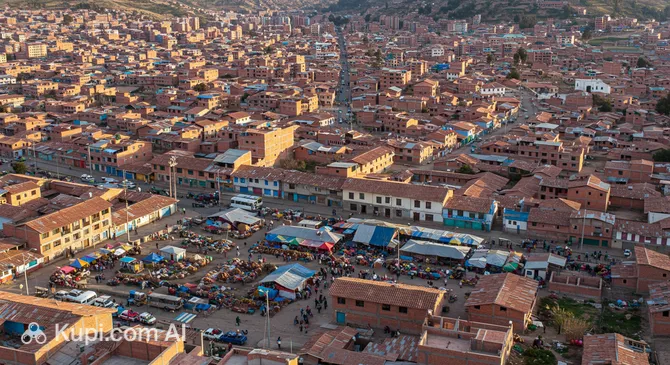
Juliaca. Source: Kupi.Binoculars

Visitors are often captivated by the city's authentic atmosphere, especially during the spectacular Carnival of Juliaca, a massive celebration filled with colorful folklore, music, and dance. Key landmarks include the colonial Santa Catalina Church and the Franciscan convent, which offer a glimpse into the area's architectural heritage. Furthermore, its proximity to the majestic Lake Titicaca makes it a strategic gateway for exploring one of South America's most iconic natural wonders.

Whether you are looking to shop for high-quality alpaca textiles or are en route to nearby attractions, Juliaca offers a unique perspective on daily life in the Peruvian highlands. It is a destination that welcomes travelers with its dynamic energy and serves as an excellent starting point for adventures in the Puno region.

Weather Overview

Juliaca features a high-altitude climate defined by cool temperatures and two contrasting seasons. Because of the elevation, the air remains crisp year-round, making warm layers necessary for any trip. To help you pack appropriately for your specific travel dates, check the detailed forecast for the weather in Juliaca.

Temperatures are generally moderate during the day, with monthly averages hovering between 7.0°C and 11.4°C. The warmest days usually occur in November, reaching highs of up to 17.5°C. Conversely, the winter months of June and July are the coldest, with nighttime lows dropping to -1.3°C, creating frosty conditions after sunset.

Precipitation is concentrated in the austral summer months. From January to March, the city experiences significant rainfall, with March seeing rain on nearly every day of the month. In sharp contrast, the dry season from June to August is arid, often recording 0mm of precipitation and just one or two wet days. Expect mild, wet summers and dry, sunny winters with freezing nights.

Interesting Facts

Beyond the main attractions and its reputation as a bustling trade hub, Juliaca holds many fascinating secrets that reveal the unique character of the Andean highlands.

  • A runway for the skies: The city is home to the Inca Manco Cápac International Airport, which boasts one of the longest paved runways in Latin America. Stretching over 4,200 meters, this massive runway is an engineering necessity, allowing aircraft to build enough speed to take off in the thin air of the high altitude.

  • The Knitting Capital: While it is famously known as the "City of Winds," Juliaca has another industrious nickname: the "City of Knitters." The local textile tradition is so vital to the identity of the city that there is a monument in the center dedicated to the Calcetera (the knitting woman), honoring the artisans who produce high-quality wool and alpaca garments.

  • The longest celebration: The Carnival of Juliaca is legendary for its duration and intensity, often cited as one of the longest in the Peruvian Andes. Unlike shorter festivals, this celebration can extend for more than a week, filling the streets with thousands of dancers and musicians in a spectacular display of Andean folklore.

  • A guardian on the hill: Watching over the urban sprawl from the summit of Huaynarroque Hill is a towering statue of the White Christ (Cristo Blanco). This landmark not only serves as a spiritual symbol but also marks the best vantage point for panoramic views of the city and the vast Collao Plateau.

How to Get There

Reaching this high-altitude commercial hub is relatively straightforward, as it serves as a major transit point for the Puno region. Whether you are arriving from within Peru or neighboring countries, you can find more about how to get to Juliaca and the most convenient routes for your itinerary below.

The most direct way to arrive is by flying into Juliaca Airport (IATA: JUL), officially known as Inca Manco Cápac International Airport. It is located just 4.7 km from the city center, offering a very quick transfer. A taxi or shuttle ride to the downtown area typically takes about 30 minutes. Although it handles a smaller volume of passengers compared to the capital, it is the primary gateway for travelers heading to Lake Titicaca.

If you are exploring the southern circuit of Peru, you might land at Rodriguez Ballon International Airport (IATA: AQP) in the city of Arequipa. This significant regional hub is approximately 180 km from Juliaca. From Arequipa, the journey by bus or taxi involves a scenic drive across the Andean plains, taking roughly 5 hours.

Another common option for tourists is Alejandro Velasco Astete (IATA: CUZ) in Cusco. Situated about 292 km away, this airport serves millions of visitors annually. Travelers often combine their trip to Machu Picchu with a visit to the Altiplano; the overland trip from Cusco to Juliaca takes approximately 7.5 hours.

For clarity, here is a summary of the main airports:

Airport Name City Passenger Traffic Km from City
Alejandro Velasco Astete Cusco Large 292.0
El Alto International Airport La Paz Large 235.8
Rodriguez Ballon International Airport Arequipa Medium 180.2
Tacna Airport Tacna Small 283.0
Juliaca Airport Juliaca Small 4.7

Main Attractions

While Juliaca is primarily known as a commercial and industrial hub, the city possesses a distinct charm and several landmarks that offer insight into its rich history and culture. Visitors willing to explore beyond the bustling markets will find colonial architecture, scenic viewpoints, and natural beauty just a short distance from the urban center.

Santa Catalina Church is the city's most prominent historical landmark, dominating the main square (Plaza de Armas). Construction of this architectural gem began in the late 17th century by the Jesuit order and was later completed by Franciscans. It is interesting to tourists for its unique "Mestizo Baroque" style, which blends Spanish colonial design with indigenous stone carving techniques. The church is particularly famous for its single bell tower and the intricate details of its facade, standing as a testament to the region's colonial past.

For the best panoramic views of the "City of Winds," a visit to Huaynarroque Hill is essential. Located on the outskirts of the city, this hill is crowned by the imposing statue of the White Christ (Cristo Blanco). It is a popular spot for both locals and tourists to watch the sunset and gaze out over the vast Collao Plateau. The climb offers a refreshing break from the busy streets below and provides a perfect vantage point to appreciate the scale of the city against the backdrop of the Andes.

Just a short drive from the city center lies Laguna de Chacas, a serene natural attraction that contrasts sharply with the urban energy of Juliaca. This lagoon is surrounded by hills and offers a peaceful environment for walking, photography, and observing local flora and fauna. It is an excellent destination for travelers looking to experience the natural landscape of the Puno region without venturing too far, and it serves as a reminder of the water-rich geography of the Altiplano.

Another significant religious site is the Franciscan Convent (Convento de los Franciscanos), historically linked to the Santa Catalina Church. Built on the foundations of an ancient site, it has played a crucial role in the spiritual life of the city for centuries. Visitors are drawn here to learn about the evangelization of the southern Andes and to admire the robust, fortress-like architecture that characterizes many religious buildings in this high-altitude region.

Local Cuisine

The culinary landscape of Juliaca is defined by its high altitude and cold climate, resulting in a cuisine that is hearty, warming, and energy-rich. As a major commercial hub in the Puno region, the city brings together ingredients from across the Altiplano, offering travelers an authentic taste of Andean flavors. The food here is not about delicate presentation but rather about robust tastes and sustenance, relying heavily on local staples like potatoes, quinoa, lamb, and river fish.

One of the most emblematic dishes you must try is Cancacho, a flavorful roast lamb delicacy that is widely enjoyed throughout the region. The meat is marinated in dark beer, chili peppers, and local herbs before being roasted to perfection in a clay oven, typically served with potatoes and moraya (white freeze-dried potatoes). Another local favorite is Thimpu de Cordero, a boiled lamb dish served with a variety of tubers and a spicy sauce, perfect for warming up on a chilly day. For those preferring fish, Trucha Frita (fried trout) is abundant and fresh, sourced directly from the nearby rivers and Lake Titicaca.

To accompany these heavy meals, locals often turn to traditional beverages that also help with digestion and altitude acclimatization. Mate de Coca is the most common non-alcoholic drink, an herbal infusion of coca leaves that is essential for combating the effects of the thin air. For a taste of local tradition, try Chicha de Jora, a fermented corn beer that has been consumed in the Andes since the time of the Incas. It has a distinctive sour taste and is often served in large glasses in traditional eateries.

The true heart of Juliaca's food culture lies in its bustling markets and street stalls rather than formal restaurants. The city's commercial nature means that "eating on the go" is a way of life for many residents. Visitors should head to the central markets to see rows of vendors serving steaming bowls of Chairo, a thick and nutritious soup made with beef, lamb, and chuño. The energy in these markets is palpable, offering an immersive experience where you can dine shoulder-to-shoulder with locals and witness the daily rhythm of this industrious city.

Travel Tips

Visiting Juliaca, often the first point of contact with the Puno region for many air travelers, is a unique experience that requires a bit of preparation due to its high altitude and bustling commercial nature. To help you navigate the "City of Winds" comfortably and safely, here are some essential practical tips for your stay.

  1. Clothing and Gear: Due to the elevation of over 3,800 meters, the weather can be unpredictable and chilly, especially at night when temperatures often drop below freezing. Pack thermal layers, a heavy jacket, and a windbreaker. Comfortable walking shoes are a must for navigating the paved and unpaved streets. Don't forget high-SPF sunscreen, sunglasses, and a hat, as the high-altitude sun is incredibly strong even when the air feels cold.
  2. Transportation: The most common way to get around the city center is by mototaxi (a motorized tricycle rickshaw) or "triciclo" (pedal rickshaw), which are abundant and inexpensive. For longer distances or trips to the airport, it is safer and more comfortable to use standard taxis. Always agree on the fare before getting into any vehicle, as meters are rarely used.
  3. Finances: The local currency is the Peruvian Sol (PEN). While major hotels and some restaurants in the center may accept cards, cash is king in Juliaca, especially in its famous markets. It is advisable to carry small denominations for street purchases. ATMs are available around the Plaza de Armas, but it is best to withdraw money during daylight hours inside secure banks.
  4. Health and Safety: Altitude sickness, or soroche, is a genuine concern here. Take it easy upon arrival, drink plenty of water, and consider drinking coca tea. Pharmacies are widely available in the city center for basic remedies. regarding safety, keep a close eye on your belongings in crowded areas like the markets and bus terminals, as petty theft can occur. Avoid walking alone in unlit areas at night.
  5. Communication: Spanish is the primary language used in commerce and daily life, though many locals also speak Quechua or Aymara. English is not widely spoken outside of the airport and high-end tourist services. downloading an offline translation app or learning basic phrases like "¿Cuánto cuesta?" (How much is it?) will be very helpful. You can purchase SIM cards from major providers like Claro or Movistar in the city center.
  6. Local Etiquette: People in the Peruvian highlands are generally reserved but polite. A simple greeting like "Buenos días" or "Buenas tardes" when entering a shop or taxi goes a long way. If you wish to take photos of the local women in their traditional colorful skirts and bowler hats, always ask for permission first, as some may expect a small tip or prefer not to be photographed.
  7. What to Avoid: Do not drink tap water under any circumstances; always buy bottled water to avoid stomach issues. Additionally, try to avoid arriving or departing late at night by bus if you are unfamiliar with the area, as the bus terminals can be chaotic and less secure after dark.
  8. Shopping Tip: Juliaca is a massive commercial hub known for its affordable textiles. If you need warm clothing, this is one of the best places in Peru to buy high-quality alpaca wool sweaters, scarves, and blankets at prices significantly lower than in tourist-heavy cities like Cusco or Lima.

By keeping these practical tips in mind, you will be well-equipped to handle the high altitude and the energetic pace of Juliaca. Whether you are just passing through or staying to explore, a little preparation ensures your visit to the Peruvian Altiplano is both safe and memorable.

Entertainment & Nightlife

While Juliaca is primarily known as a bustling commercial hub rather than a nightlife destination like Cusco or Lima, the city still offers a variety of evening entertainment options for those willing to explore. The nightlife here is authentic and geared largely towards the local population, providing a genuine glimpse into the social culture of the Andean highlands. Nights in the "City of Winds" are characteristically cold, but the atmosphere inside the venues is often warm and energetic, filled with the sounds of Cumbia, Huayno, and Latin pop.

The most active areas for evening entertainment are concentrated around the city center, particularly near the Plaza de Armas and the surrounding commercial streets. Here, you can find traditional peñas—venues dedicated to folk music and dance—where locals gather to celebrate with live bands and plenty of dancing. For a more modern and relaxed evening, the area around the Real Plaza shopping center offers a safer and more familiar environment, featuring a cinema and a food court that stays open late.

If you are looking to experience the local party scene, Iguana Nightclub is one of the well-known spots in the city. It attracts a younger crowd and plays a mix of Reggaeton, Salsa, and electronic music, making it a lively place to dance the night away. For travelers interested in a more traditional experience, Peña Wari Qhantati is a recommended venue. This establishment focuses on Andean folklore, offering live performances that showcase the rich musical heritage of the Puno region, often accompanied by local drinks.

For a quieter night out, the Real Plaza Juliaca is the best option. It houses Cineplanet, a modern movie theater where you can catch the latest international and Peruvian films in a comfortable setting. This is also an excellent place to grab a late dinner without the hustle of the street markets. Speaking of food, the night markets near the center are bustling with activity, offering steaming bowls of quinoa soup or anticuchos (grilled skewers) to warm you up in the freezing temperatures.

Practical Advice and Safety:

Safety is a primary concern when exploring Juliaca at night. It is highly advisable to avoid walking alone in poorly lit areas or on the outskirts of the city. The safest way to get around is by using official taxis rather than the ubiquitous mototaxis, especially after dark. Most nightlife venues open their doors around 9:00 PM, but the real action typically starts after 11:00 PM. Dress warmly, as temperatures drop significantly at night, and be mindful of the high altitude if you plan on consuming alcohol, as its effects can be stronger.

During the day, entertainment in Juliaca revolves around its intense commercial life. You can visit the massive Manco Cápac Market to see the sheer scale of trade in the region or explore the local textile shops. For a cultural touch, the Municipal Theater occasionally hosts events, though schedules can be irregular. Whether day or night, Juliaca offers an unfiltered look at modern Andean life.

Parks & Museums

While Juliaca is primarily known as a bustling commercial and industrial hub, the city offers several inviting green spaces and cultural venues where visitors can take a break from the energetic pace of the streets. The urban landscape is dotted with lively plazas that serve as the center of social life, while the surrounding region provides natural escapes that showcase the stark beauty of the Andean highlands.

Plaza Bolognesi is one of the city's most significant and vibrant public squares, often bustling with activity day and night. It serves as a popular meeting point for locals and is surrounded by a variety of shops, cafes, and historical buildings. The plaza is an excellent spot to observe the daily rhythm of the city, featuring well-maintained gardens and a central monument that pays tribute to Peruvian hero Francisco Bolognesi. During festivals, this space frequently transforms into a stage for musicians and dancers, offering an open-air cultural experience.

For a more traditional atmosphere, Plaza Melgar offers a glimpse into the authentic lifestyle of the residents. Located in a busy sector of the city, this square is particularly famous for its Sunday market, where the lines between a recreational park and a commercial hub blur. It is a fascinating place to witness the exchange of goods and traditions, as families from the surrounding countryside gather here. Just a short distance from the urban sprawl, Laguna de Chacas serves as the area's premier natural park. This serene lagoon is ideal for picnics, birdwatching, and enjoying the peaceful reflection of the hills on the water, providing a much-needed respite from the city center.

In terms of museums, Juliaca differs from other tourist cities in Peru; its culture is best experienced through its living traditions rather than static exhibits. The city does not have many large formal museums, but the Galeria de las Calceteras (Knitters' Gallery) inside the commercial galleries near the center acts as a unique cultural venue. Here, visitors can admire the intricate work of the city's artisans, who have earned Juliaca the title of "The Knitting Capital." It is a living exhibition of textile art where you can see the high-quality alpaca and wool garments that drive the local economy.

For those interested in religious art and history, the interiors of the local churches serve as impromptu galleries. The Santa Catalina Church houses a collection of colonial-era paintings and religious iconography that reflects the "Mestizo Baroque" style. The artwork within these sacred walls offers a quiet and profound look at the region's spiritual history, standing in contrast to the modern commerce outside. Additionally, the nearby Franciscan Convent occasionally opens its doors to reveal architectural details and historical artifacts preserved by the order.

Insider Tip: If you have time for a half-day trip, visit the town of Pucará, located about an hour north of Juliaca. It is home to the Lithic Museum of Pucará, which houses an impressive collection of pre-Inca stone monoliths and ceramics. It is a worthwhile detour for history buffs that perfectly complements a stay in Juliaca.

Getting Around

Navigating Juliaca is an experience defined by its informal and highly active transportation network. Unlike larger metropolises, the city does not have a metro system, trams, or large municipal bus lines. Instead, the streets are dominated by a vast fleet of smaller, independent vehicles that provide point-to-point service. For a visitor, the system might initially seem chaotic, but it is surprisingly efficient once you understand the hierarchy of vehicles, ranging from human-powered cycles to motorized vans.

The most iconic and ubiquitous form of transport in the city is the triciclo (pedicab). Juliaca is famously known for having thousands of these three-wheeled, pedal-powered vehicles. They are used for short distances and are particularly popular for carrying passengers along with their market goods or luggage. Alongside them are the mototaxis, often referred to as "toritos." These motorized rickshaws are faster than pedicabs and are ideal for medium-distance trips across the urban area. They are nimble, able to weave through traffic, and are the primary mode of transit for most locals.

For longer distances or travel along main avenues, combis (minibuses) and coasters are the standard. These vans follow fixed routes, usually displayed on the windshield with a list of major landmarks or street names. They do not have fixed timetables; instead, they depart when full and stop frequently to pick up or drop off passengers. To catch one, you simply wave your hand from the roadside, and to get off, you shout "baja" (getting off) as you approach your destination.

The payment system across all forms of public transport in the city is exclusively cash-based. There are no travel cards, passes, or mobile payment systems for public transit. Fares are extremely affordable, typically costing just a few Soles. It is essential to carry sencillo (small change/coins) with you, as drivers often do not have change for large bills. For combis, you pay the assistant (cobrador) or the driver upon exiting. For triciclos and mototaxis, there are no meters, so you must negotiate and agree on the fare before you get in to avoid disputes later.

If you prefer a more comfortable and private alternative, standard taxis are widely available. Unlike the mototaxis, these are regular sedans or station wagons and are the safest option for tourists, especially at night or when carrying valuable luggage. While ride-sharing apps are becoming more common in major commercial hubs, they may not be as reliable here as in the capital; relying on official radio taxis or asking your hotel to call one is often the best practice. Taxis generally do not use meters, so the rule of negotiating the price beforehand applies here as well.

It is important to note that while the city has a train station, it serves the PeruRail line, which is a long-distance tourist service connecting to Puno and Cusco, rather than an urban commuter train. Therefore, for daily exploration within the city limits, you will almost certainly rely on the colorful mix of mototaxis, tricycles, and taxis that give the streets their unique character.

Accommodation

Where to Stay:

Accommodation in Juliaca primarily caters to business travelers and those in transit to Puno or Cusco, rather than long-term vacationers. As a result, the city lacks ultra-luxury resorts but offers a solid selection of functional and comfortable options. The range generally spans from budget-friendly hostels (hospedajes) and guesthouses to mid-range hotels that provide modern amenities. For travelers stopping over before a flight or a train ride, there are reliable establishments that ensure a good night's rest despite the city's bustling commercial nature.

The most convenient and popular area for tourists to stay is the City Center (El Centro), particularly the blocks surrounding the Plaza de Armas and Plaza Bolognesi. Staying in this zone places you within walking distance of banks, pharmacies, restaurants, and the main transport connections. It is also the safest part of the city for walking, especially in the evening. While there are accommodation options near the bus terminals, these areas can be chaotic and less secure at night, so the central district is highly recommended for peace of mind.

When selecting a hotel, it is crucial to prioritize heating and hot water. Nights in Juliaca are freezing year-round, and not all budget accommodations have central heating. Look for hotels that explicitly advertise "agua caliente" (hot water) 24 hours a day and provide heavy blankets or space heaters. Many of the better-rated local hotels specifically cater to the needs of high-altitude travelers, offering oxygen availability at the front desk for those suffering from altitude sickness.

Booking and Prices:

The cost of accommodation in Juliaca is generally lower than in nearby tourist hubs like Cusco or Arequipa. Budget hostels are very affordable, while the top-tier local hotels fall into a moderate price range. For the best experience, it is advisable to book your room in advance through major online platforms, especially if you are arriving late at night or during the busy Carnival of Juliaca in February or March, when the city fills up completely. While larger hotels accept credit cards, smaller guesthouses often prefer cash, so having local currency on hand is a good travel tip.

Nearby Cities

For those looking to explore the surroundings, Juliaca serves as an excellent base for day trips to several interesting nearby locations:

The most popular and accessible destination is the city of Puno, located just a short drive away on the shores of Lake Titicaca. As the folklore capital of Peru, Puno offers a rich cultural experience with its vibrant festivals and access to the famous Uros Floating Islands. Visitors can easily spend a day exploring the lively pedestrian streets, visiting the cathedral, or taking a boat tour on the world's highest navigable lake before returning to Juliaca in the evening.

Another fascinating nearby town is Lampa, known as the "Pink City" due to the distinctive color of its adobe walls. Located roughly 30 minutes from Juliaca, Lampa feels like a place frozen in time. It is home to the magnificent Santiago Apóstol Church, which houses a replica of Michelangelo's Pietà and impressive catacombs. The town offers a peaceful and architecturally stunning contrast to the commercial hustle of Juliaca, making it perfect for a cultural afternoon.

City Population Distance (km)
Arequipa 1,008,290 181
Cusco 428,450 294
Tacna 286,240 278
Puno 128,637 39
Moquegua 69,882 206

These nearby destinations offer a glimpse into the diverse culture and landscapes of the region.

Shopping & Souvenirs

Shopping in Juliaca is an experience quite unlike any other in Peru. As the commercial capital of the southern Andes, the entire city feels like one massive, bustling marketplace. While it lacks the high-end luxury boutiques found in Lima, it makes up for it with an incredible volume of trade, particularly in textiles and wholesale goods. The city is famous as the "City of Knitters," making it arguably the best place in the country to find high-quality alpaca and sheep wool garments at prices significantly lower than in tourist-heavy destinations like Cusco or Arequipa.

The heart of the city's commerce beats in the streets surrounding Plaza Bolognesi and Plaza de Armas. This downtown area is a labyrinth of shops and galleries where you can find everything from electronics to traditional clothing. The streets are often crowded with vendors and shoppers, creating a vibrant, albeit chaotic, atmosphere. Walking down Jirón San Román, you will encounter numerous "Galerías" (shopping arcades) dedicated almost exclusively to the textile industry, showcasing the work of local artisans who produce sweaters, scarves, gloves, and blankets.

For those seeking a modern shopping experience, Real Plaza Juliaca is the city's primary shopping mall. Located centrally, it offers a stark contrast to the outdoor markets with its clean, organized environment. Here, you will find well-known Peruvian department stores, a large supermarket for supplies, a home improvement store, and various brand-name clothing shops. It is a convenient stop for travelers needing to purchase hiking gear, electronics, or familiar Western-style goods in a comfortable setting.

However, the true spirit of shopping in Juliaca lies in its traditional markets. The Manco Cápac Market is a sprawling hub of activity where locals buy their daily necessities. It is an excellent place to see the sheer variety of potatoes and grains produced in the Altiplano. For adventurous shoppers, the Sunday market, often referred to as La Cachina or the fair at Laguna Temporal, is a massive flea market where you can find absolutely anything, from second-hand goods and auto parts to antiques and traditional handicrafts. It is a fascinating cultural spectacle, even if you don't plan to buy much.

When it comes to souvenirs, the top recommendation is undoubtedly alpaca and wool knitwear. The "Galería de las Calceteras" is a specific landmark for this, where you can buy directly from the knitters. Beyond textiles, Juliaca is also a good place to find Andean musical instruments, such as charangos and quenas, often sold at fair prices. Miniature handicrafts and stone carvings are also popular keepsakes that reflect the local artistry.

Most shops in the city center open around 9:00 AM and close by 8:00 PM or 9:00 PM. The large markets start much earlier, often at sunrise, and wind down by the afternoon. Cash is the primary method of payment everywhere except the Real Plaza mall and major supermarkets. It is essential to carry Peruvian Soles (PEN) in small denominations, as vendors in the markets rarely have change for large bills. Bargaining is a standard practice in markets and street stalls, so do not hesitate to negotiate a better price politely.

Regarding tax refunds, the tax-free shopping system (IGV refund) for tourists is not widely operational in Juliaca's local markets or small galleries. While major chains in the mall might technically be eligible if they participate in the Global Blue system, the paperwork and processing are typically done at the airport in Lima before leaving the country. For the vast majority of purchases you will make here—especially textiles and crafts—expect to pay the final price without a tax refund option.
Reached the end of the page?

That means the route is fully explored