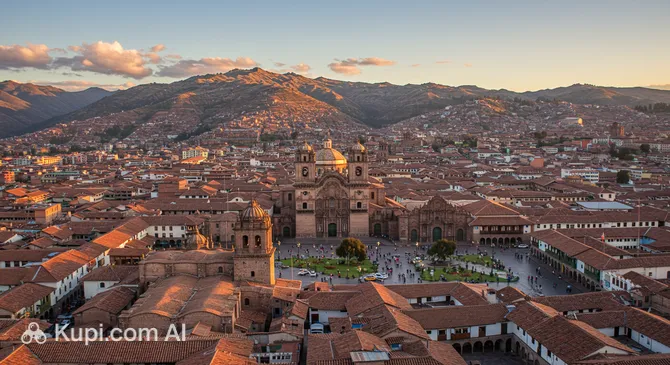
Cusco, often referred to as the "Imperial City," is a captivating destination nestled high in the Andes Mountains of southeastern Peru. With a population of approximately 428,000 residents, it serves as a vibrant cultural hub where ancient Incan heritage seamlessly blends with Spanish colonial architecture. The city sits at an elevation of around 3,400 meters (11,150 feet), offering visitors crisp mountain air and stunning panoramic views of the surrounding valleys.
Walking through its cobblestone streets feels like stepping back in time. The rich history of Cusco is evident in every corner, from the massive stone walls built by the Incas to the ornate cathedrals constructed by the Spanish. As the historic capital of the Inca Empire and a UNESCO World Heritage site, the city holds immense significance and remains one of the most important archaeological centers in South America.
Cusco. Illustration.
Source: Kupi.com AI
Travelers are drawn to the bustling Plaza de Armas, the spiritual heart of the city, and the nearby fortress of Sacsayhuamán, known for its precise and colossal stonework. Cusco is also the primary gateway to the Sacred Valley and the world-famous Machu Picchu, making it an essential stop for adventurers and history enthusiasts alike. Visitors can also explore the bohemian neighborhood of San Blas, famous for its artisans and narrow, winding streets.
Whether you are acclimating to the altitude before a trek or simply soaking up the local culture, Cusco offers an unforgettable experience. Its unique atmosphere, defined by a fusion of eras and traditions, invites you to explore the deep roots of Andean civilization.
Weather Overview
Due to its high elevation in the Andes, the weather in Cusco is generally cool and crisp year-round, defined by two distinct seasons rather than extreme temperature fluctuations. The city experiences a subtropical highland climate where days are typically mild, but nights can become quite chilly, often requiring warm layers.
Expect mild daytime highs averaging between 13°C and 15°C throughout the year, with colder nights that can drop to around 3°C during the dry winter months of June and July. The rainy season, particularly from December to March, sees frequent precipitation with up to 29 wet days per month, while the period from May to August is significantly drier, offering clear skies and very few rainy days.
Average monthly temperature
Average monthly precipitation
Interesting Facts
Beyond the main attractions, Cusco holds many fascinating secrets and historical curiosities that reveal the depth of its ancient heritage. Here are a few unique facts about the Imperial City that often surprise visitors:
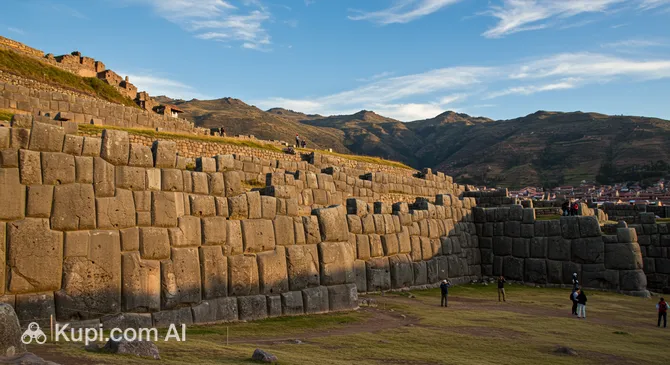
Sacsayhuamán. Illustration.
Source: Kupi.com AI
Traveler photos:
The original layout of the ancient city was designed in the shape of a puma, an animal sacred to the Incas representing earthly power. The massive fortress of Sacsayhuamán formed the head of the puma, while the city center served as the beating heart of the animal.
In the wall of the Inca Roca palace, you can find the famous Twelve Angled Stone. This massive block is a marvel of Inca masonry, fitting so perfectly with the surrounding stones that not even a sheet of paper can be inserted between them, all without the use of mortar.
Visitors are often intrigued by the rainbow flags flying all over the city. While they resemble the modern pride flag, this banner is actually the official flag of Cusco and represents the Tahuantinsuyo, symbolizing the four regions of the Inca Empire.
The Qorikancha, or Temple of the Sun, was once the richest temple in the Inca Empire. Historical accounts state that its walls were covered in sheets of solid gold, and its gardens featured life-sized gold and silver replicas of corn, llamas, and shepherds.
Look up at the rooftops of local houses, and you will likely see a pair of ceramic bulls known as "Toritos de Pucará." These are placed on roofs for good luck, fertility, and protection, often accompanied by a cross and a ladder to symbolize the climb to heaven.
How to Get There
Reaching the heart of the Inca Empire is a highlight of any trip to Peru, with the journey often beginning in the skies above the Andes. For a detailed breakdown of all transport options and routes, you can read more about how to get to Cusco. Most visitors choose to fly, as it is the fastest and most convenient method, although scenic overland routes are also popular among those with more time.
The principal gateway to the region is Alejandro Velasco Astete (CUZ), located directly in the city of Cusco. This busy international airport is situated just 3.1 km from the historic center, making the transfer very quick. A taxi or bus ride to the main plaza typically takes around 25 minutes. It handles a high volume of passengers annually and offers frequent connections to Lima and other major South American hubs.
Travelers exploring the wider southern highlands might also encounter Yanamilla Airport (AYP) or Juliaca Airport (JUL), but it is important to note that these are located in other cities. Yanamilla is in Ayacucho, approximately 246 km from Cusco, which would require a long overland journey of about 6.5 hours. Similarly, Juliaca Airport serves the city of Juliaca near Lake Titicaca and is roughly 290 km away, with a travel time of around 7.5 hours by road. These airports are best suited for multi-stop itineraries rather than direct travel to Cusco.
For clarity, here is a summary of the main airports:
Beyond air travel, Cusco is well-connected by a network of roads and railways. The city is a major hub for luxury trains arriving from Puno and Arequipa, offering one of the most scenic rail journeys in the world through the high Andes. Long-distance buses also frequently arrive from Lima and other major cities, providing an affordable alternative that allows visitors to witness the dramatic changes in landscape as they ascend into the mountains.
Main Attractions
While the ancient streets of the city are an attraction in themselves, specific landmarks define the unique character of this Andean capital. From bustling plazas to sacred temples, the sites listed below offer a deeper understanding of the local culture and history.
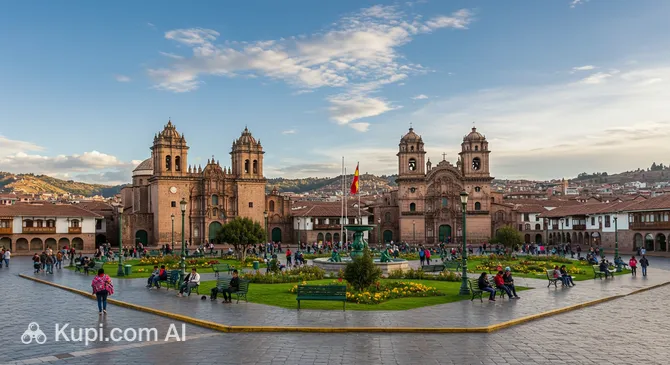
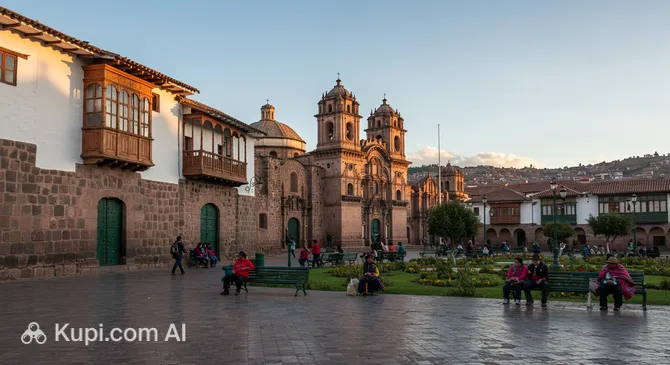
The beating heart of the city is undoubtedly the Main Square of Cusco, locally known as the Plaza de Armas. Surrounded by elegant colonial arcades and manicured gardens, this plaza has been the center of public life since the Inca era, when it was known as Huacaypata. Today, it is the perfect spot to sit on a bench, admire the fountains, and watch the vibrant mix of tourists and locals passing by.
Main Square of Cusco. Illustration.
Source: Kupi.com AI
Traveler photos:
Dominating the northeast side of the plaza is the majestic Cusco Cathedral. Built between 1560 and 1654 on top of the foundations of the Inca palace of Viracocha, this massive structure is a prime example of the Spanish colonial style. Inside, visitors can marvel at an impressive collection of colonial art, including the famous painting of the Last Supper featuring a guinea pig (cuy) as the main dish, symbolizing the fusion of Catholic and Andean traditions.
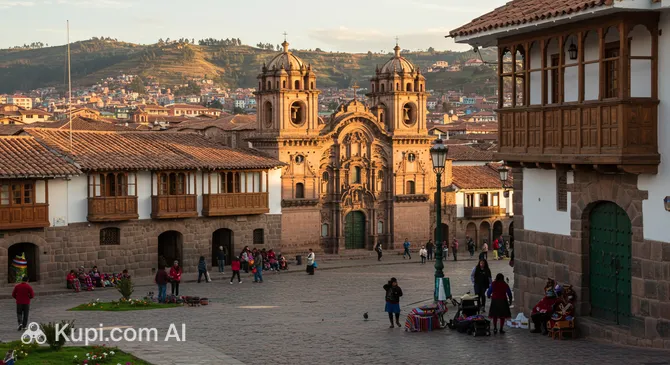
For a taste of the city's bohemian side, head to San Blas Square. Located in the artisan quarter, this area requires a steep climb up cobblestone streets, but the effort is rewarded with charming white-washed houses and panoramic views. The neighborhood is famous for its galleries and workshops where you can watch master craftsmen create intricate religious art and textiles.
San Blas Square. Illustration.
Source: Kupi.com AI
Traveler photos:
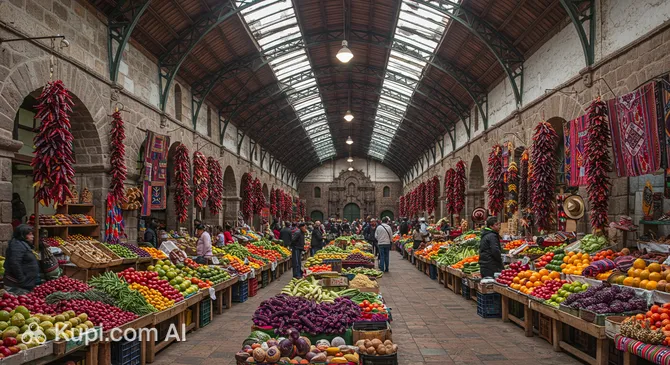
To experience the daily life of modern Cusqueños, a visit to the San Pedro Market is essential. Designed by Gustav Eiffel, this bustling market is a sensory explosion of colors and smells. Here, you can find everything from fresh exotic fruits and medicinal herbs to colorful alpaca sweaters. It is also a popular spot to try local snacks and freshly squeezed juices at very affordable prices.
Just a short distance from the city center lies the Q'enqo Archaeological Complex. Unlike the massive walls of other sites, Q'enqo is known for its fascinating limestone rock formations carved with zigzag channels and figures. It is believed to have been a center for religious ceremonies and mummification, featuring underground galleries and a semicircular amphitheater that continues to intrigue archaeologists.
Local Cuisine
The culinary scene in Cusco is a vibrant reflection of its history, blending ancient Andean traditions with Spanish colonial influences and modern innovation. Known as "Novo-Andine" cuisine, the local food culture relies heavily on indigenous ingredients such as corn, quinoa, chili peppers, and hundreds of varieties of native potatoes. Dining here is an adventure in itself, offering flavors that are as bold and memorable as the surrounding landscapes.
For the adventurous eater, the most iconic dish to try is Cuy Chactado, or fried guinea pig. Traditionally served whole with a side of potatoes and corn, it is considered a delicacy in the Andean highlands. If that feels too daring, Alpaca meat is a widely available and delicious alternative. Often served as a steak or in skewers (anticuchos), it is lean, tender, and generally considered healthier than beef. Another staple found on almost every menu is Lomo Saltado, a stir-fry combining marinated beef strips, onions, tomatoes, and french fries, served with rice.
To accompany your meal, you will encounter a variety of unique local beverages. Upon arrival, most hotels offer Mate de Coca, a tea made from coca leaves that is renowned for helping with altitude sickness. For something refreshing and non-alcoholic, try Chicha Morada, a sweet drink made from purple corn boiled with pineapple, cinnamon, and cloves. On the stronger side, the Pisco Sour remains the national cocktail of choice, but you might also want to sample Chicha de Jora, a traditional fermented corn beer that has been consumed since Inca times.
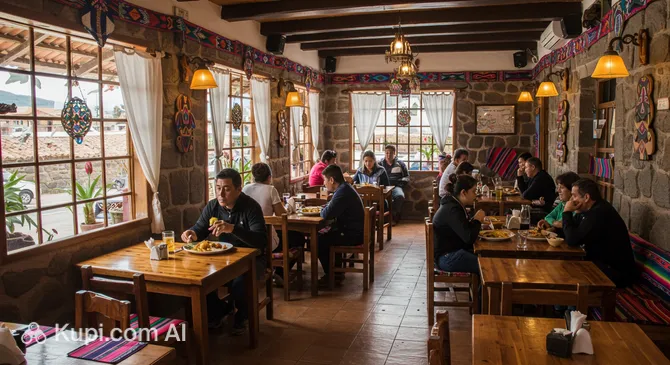
Kusykay Peruvian Craft Food. Illustration.
Source: Kupi.com AI
Traveler photos:
The city offers a diverse range of dining environments, from high-end restaurants around the main plaza to humble street stalls. For a truly authentic experience, locals and visitors alike flock to the food section of the San Pedro Market. Here, you can enjoy hearty soups, fresh fruit juices, and typical snacks at very affordable prices. For those seeking a more refined gastronomic experience, restaurants like Kusykay Peruvian Craft Food offer creative interpretations of classic dishes in a cozy setting. Additionally, chocolate lovers should not miss a visit to the ChocoMuseo, where you can taste and learn about Peruvian cacao.
Travel Tips
Welcome to Cusco, a city where every cobblestone tells a story and the thin mountain air is filled with history. To ensure your journey through the ancient capital of the Incas is as smooth and enjoyable as possible, we have compiled a set of essential tips to help you navigate the local customs, climate, and logistics with ease.
Clothing and Gear: The weather in the Andes can be unpredictable, so the key to comfort is dressing in layers. You might experience warm sunshine in the morning and freezing temperatures at night. Bring a good quality windbreaker, a warm fleece, and a hat. Since you will be walking on uneven cobblestones and climbing steep Inca stairs, sturdy, broken-in walking shoes or hiking boots are an absolute must. Don't forget high-SPF sunscreen and sunglasses; the sun is incredibly strong at this altitude.
Transportation: The historic center is best explored on foot, though the altitude can make walking strenuous. For longer distances, taxis are plentiful and affordable. Note that most taxis do not have meters, so you must agree on the fare with the driver before getting in. Ride-hailing apps like Uber are also available and can be a hassle-free alternative. Renting a car is generally not recommended for driving within the city due to narrow, one-way streets and limited parking.
Finances: The local currency is the Peruvian Sol (PEN). While major hotels and restaurants accept credit cards (Visa and Mastercard are most common), cash is king in local markets, small shops, and for taxi fares. It is wise to carry small denominations, as getting change for large bills can be difficult. ATMs are widely available around the Plaza de Armas. Tipping is not mandatory but is appreciated; leaving about 10% in restaurants is standard practice.
Health and Safety: The most common challenge for visitors is altitude sickness (soroche). To prevent it, take it easy for the first day, eat light meals, and stay hydrated. Avoid drinking tap water; always opt for bottled or purified water to prevent stomach issues. Pharmacies (boticas) are easy to find throughout the city, and many in the center cater specifically to tourists. Cusco is generally safe, but exercise standard caution with your belongings in crowded areas like the San Pedro Market.
Communication: The official language is Spanish, though you will also hear Quechua spoken by locals. English is widely understood in hotels, tour agencies, and tourist restaurants, but less so in local shops and taxis. Learning a few basic phrases like "Buenos días" (Good morning) and "Gracias" (Thank you) goes a long way. For connectivity, you can easily purchase a local SIM card from providers like Claro or Movistar upon arrival.
Local Etiquette: Cusqueños are generally polite and welcoming. A friendly greeting upon entering a shop or taxi is expected. When interacting with locals, especially women in traditional dress walking with llamas, always ask for permission before taking their photo. They usually expect a small tip (a few soles) in exchange for the picture, which is their livelihood.
What to Avoid: Never buy ancient-looking artifacts or pottery fragments from street vendors; they may be genuine cultural heritage items, and exporting them is illegal. Also, avoid rushing your itinerary. The high altitude demands a slower pace, and pushing yourself too hard can lead to exhaustion or illness that might spoil your trip.
Additional Tip: To visit many of the key attractions, such as Sacsayhuamán or the museums, you will need the Boleto Turístico (Tourist Ticket). You cannot buy entry tickets for these sites individually. It is best to purchase the full ticket if you plan to stay for a few days and explore the Sacred Valley as well.
By keeping these practical tips in mind, you will be well-prepared to embrace the magic of Cusco without the common travel hiccups. Relax, breathe deeply, and let the timeless charm of this Imperial City captivate your spirit.
Entertainment & Nightlife
As the sun sets over the Andes and the streetlights illuminate the cobblestone streets, Cusco transforms from a historical hub into a vibrant center of nightlife. The city offers a diverse evening scene that caters to everyone from weary trekkers celebrating their return from Machu Picchu to locals enjoying a night out. The atmosphere is generally relaxed and welcoming, with a mix of cozy pubs, energetic dance clubs, and sophisticated lounge bars.
The epicenter of the action is undoubtedly the area surrounding the Main Square of Cusco (Plaza de Armas). Just steps away from the cathedral, you will find a high concentration of venues tucked into colonial buildings with balconies overlooking the plaza. For a more bohemian and artistic vibe, the San Blas neighborhood offers intimate bars and cafés where live music often spills out onto the narrow streets. The dress code in most places is casual, reflecting the city's status as a hiking capital, so you will feel comfortable in jeans and a warm jacket.
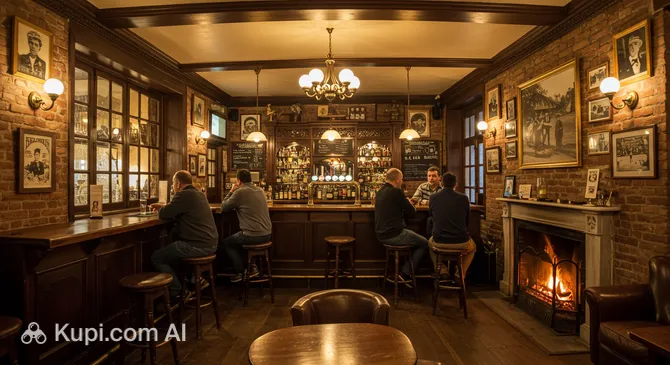
Molly's Irish Bar and Restaurant. Illustration.
Source: Kupi.com AI
Traveler photos:
For those seeking a lively pub atmosphere, Molly's Irish Bar and Restaurant is a popular meeting point. It is known for its friendly crowd, comfort food, and wide selection of drinks, making it a great place to start the evening and meet fellow travelers. If you are interested in sampling local flavors, Chull's Peruvian Cuisine & Craft Beer offers an excellent opportunity to taste Peruvian craft beers paired with traditional tapas in a rustic-chic setting.
Travelers looking to dance the night away often head to El Muki, a legendary nightclub located right on the Plaza de Armas. Operating for decades, this venue is famous for its cave-like interior and energetic mix of Latin, electronic, and pop music. It typically gets busy after midnight, drawing a fun mix of tourists and locals.
When enjoying the nightlife, it is crucial to remember the altitude. At 3,400 meters, the effects of alcohol can be felt much faster and more intensely than at sea level, so pace yourself and stay hydrated. In terms of safety, the main tourist areas are generally well-patrolled, but it is best to avoid walking alone in dark alleys late at night. When returning to your accommodation, always use an official radio taxi or a ride-sharing app rather than hailing a random car off the street.
Before the sun goes down, the city offers plenty of daytime entertainment to fill your schedule. History buffs can explore the fascinating Inca Museum, which houses a vast collection of artifacts, or visit the Museum of Popular Art to appreciate local craftsmanship. Whether you are exploring ancient history by day or enjoying a Pisco Sour by night, the city ensures every moment is memorable.
Parks & Museums
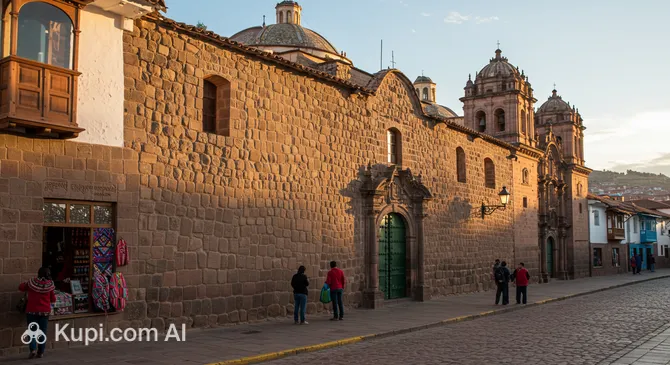
While the entire historic center of Cusco feels like a living museum, the city's dedicated exhibition spaces offer a deeper dive into its artistic and archaeological treasures. One of the standout institutions is the Museum of Pre-Columbian Art (MAP). Located in a beautifully restored colonial mansion that sits atop Inca walls, this museum showcases a world-class collection of ceramics, gold, and silver artifacts from Peru's ancient cultures, presented in modern, well-lit galleries.
Museum of Pre-Columbian Art. Illustration.
Source: Kupi.com AI
Traveler photos:
Another key site for history enthusiasts is the Regional Historical Museum of Cusco, housed in the former home of the famous chronicler Garcilaso de la Vega. It provides a comprehensive overview of the region's past, from pre-ceramic hunter-gatherers to the colonial era. For a more contemporary cultural experience, Xapiri Ground in the San Blas district serves as a bridge between travelers and Amazonian communities, featuring indigenous art and photography in a serene setting.
Beyond the bustling Plaza de Armas, the city offers several other charming squares perfect for relaxation. Plaza Regocijo, located just a block away from the main square, is a peaceful urban park adorned with fountains and tall trees, often hosting book fairs and local events. Further from the tourist center, Túpac Amaru Square provides a spacious green area dedicated to the indigenous revolutionary leader, offering a glimpse into local life away from the crowds.
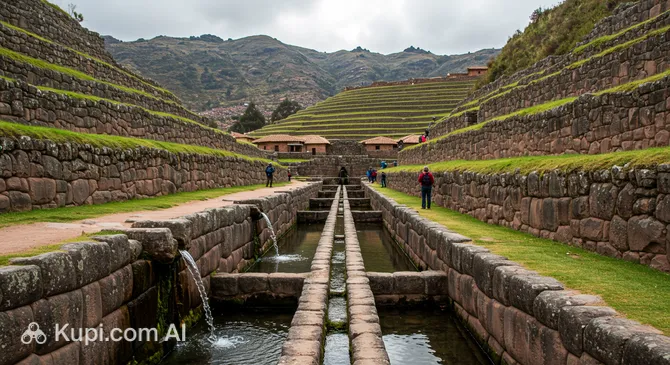
For those seeking fresh air and ancient engineering, a visit to Tambomachay is essential. Known as the "Bath of the Inca," this archaeological site features ceremonial stone fountains where crystal-clear water still flows today, surrounded by the tranquil scenery of the Andean highlands.
Tambomachay. Illustration.
Source: Kupi.com AI
Traveler photos:
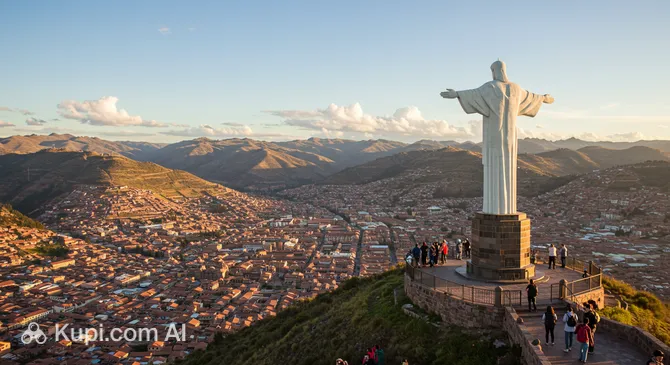
Closer to the city, nature and history intertwine at the Sapantiana Aqueduct. Hidden in a small ravine, this colonial hydraulic structure offers a picturesque walking path and a quiet escape from the urban noise. Finally, to appreciate the scale of the city and its mountainous backdrop, head to the Cristo Blanco Viewpoint. The towering white statue of Christ stands guard over Cusco and offers one of the most spectacular panoramic views in the region, especially during sunset.
Cristo Blanco Viewpoint. Illustration.
Source: Kupi.com AI
Traveler photos:
Getting Around
Navigating Cusco is an adventure in itself, offering a glimpse into the daily rhythm of local life. The public transport system here is quite different from what you might find in major modern capitals. There is no underground metro, tram, or light rail network. Instead, the city relies entirely on a vast, informal web of privately owned buses and minibuses, locally known as combis or colectivos. These vehicles are the backbone of urban mobility, buzzing through the narrow streets and connecting the historic center with the surrounding neighborhoods.
Using these buses is an authentic experience, though it can be a bit chaotic for first-time visitors. Routes are not identified by numbers but rather by the names of key avenues and landmarks painted on the sides of the vehicles. There are very few designated bus stops; to catch a ride, you simply stand on the roadside and wave your hand when you see a bus approaching. To get off, you just alert the driver or the assistant—known as the cobrador—by calling out "baja" (getting off) as you near your destination.
The payment system is strictly cash-only. There are no travel cards, transit passes, or mobile apps for the bus network. You pay the fare directly to the cobrador, usually after you have boarded and found a spot, or sometimes upon exiting. Fares are incredibly affordable, typically costing between 1 and 2 soles depending on the distance. It is crucial to carry small coins, as the staff rarely has change for large banknotes, and trying to pay with a high-denomination bill can cause delays.
Public transport generally operates from around 6:00 AM until 10:00 PM. While the buses are efficient for locals, they can get extremely crowded during peak hours. For tourists carrying luggage or those who prefer a more direct route, taxis are the most popular alternative. Taxis are ubiquitous and relatively cheap, but they have a unique feature: they do not use meters. You must always state your destination and negotiate the fare with the driver before getting into the car. To ensure safety and fair pricing, it is best to use official "Radio Taxis," which display a phone number on the roof light.
For those who prefer modern conveniences, ride-hailing apps like Uber are available and provide a stress-free way to secure a ride with a fixed price, eliminating the need to haggle. However, in the very heart of the historic center, the best way to get around is often on foot. Many streets are pedestrian-only or too narrow for vehicles, though you should be prepared for steep climbs and cobblestones. While there are no urban trains for commuting, the local train stations (San Pedro, Wanchaq, and nearby Poroy) serve as the departure points for the famous scenic rail journeys to the Sacred Valley and Machu Picchu, acting as a special transit link for travelers.
Accommodation
Finding the perfect place to stay in Cusco is an integral part of the travel experience, as the city offers a remarkable variety of accommodation options that reflect its rich heritage. Visitors can choose from a wide spectrum of lodging, ranging from lively backpacker hostels and comfortable mid-range guesthouses to luxurious five-star hotels housed in restored colonial mansions and ancient monasteries. Whether you are looking for a budget-friendly bed or a lavish suite with oxygen-enriched rooms to help with the altitude, the city caters to every type of traveler.
The most popular area for tourists is the historic center, particularly the streets surrounding the Main Square of Cusco (Plaza de Armas). Staying here puts you within walking distance of the cathedral, major museums, and the best restaurants. For those seeking a quieter atmosphere but still wanting to be central, Plaza Regocijo is an excellent alternative. Located just a block away from the main hustle and bustle, this charming square is often surrounded by hotels and offers a peaceful green space to relax.
Plaza Regocijo. Illustration.
Source: Kupi.com AI
Traveler photos:
If you prefer a more bohemian vibe and don't mind navigating steep cobblestone streets, the neighborhood around San Blas Square is a fantastic choice. Known as the artisan's quarter, this area is filled with boutique hotels, family-run B&Bs, and art galleries. The elevation here provides stunning panoramic views of the city's red-tiled rooftops, especially at sunrise and sunset, though the uphill walk can be demanding upon arrival.
Regarding pricing and booking, the range is vast. Budget travelers can find dormitory beds for very affordable rates, while high-end properties can command international luxury prices. It is highly recommended to book your accommodation in advance, especially if you plan to visit during the dry season (May to October) or around the Inti Raymi festival in June, when the city is at its busiest. Many hotels can be booked via major online platforms, but direct booking is also common for smaller guesthouses. Additionally, given the chilly Andean nights, it is worth checking if your chosen accommodation offers heating or plenty of warm blankets.
Nearby Cities
For those looking to explore the surroundings, Cusco serves as an excellent base for day trips to several interesting nearby locations:
One of the most popular destinations is Pisac, located in the Sacred Valley of the Incas. Famous for its vibrant artisan market where locals sell colorful textiles and ceramics, the town also sits beneath an impressive archaeological complex featuring vast agricultural terraces and ancient hilltop fortifications. It is an ideal spot to experience both living culture and historical grandeur within an hour's drive from the city.
Further along the valley lies Ollantaytambo, often called a "living Inca city" because its residents still inhabit the original stone buildings and navigate the narrow canals designed centuries ago. Dominated by a massive fortress built into the cliffs, this town offers a unique glimpse into the past and serves as a major gateway for trains departing to Machu Picchu.
For a different landscape, travelers can visit Chinchero, a high-altitude village renowned for its traditional weaving communities and a colonial church built upon Inca foundations. The town offers sweeping views of the Vilcabamba mountain range and provides an authentic look at Andean textile traditions that have been preserved for generations.
These nearby destinations offer a glimpse into the diverse culture and landscapes of the region.
Shopping & Souvenirs
Shopping in Cusco is a vibrant experience that mirrors the city's cultural diversity, offering everything from high-quality alpaca textiles and intricate silver jewelry to modern fashion brands. The city is a paradise for handicraft lovers, where ancient weaving traditions meet contemporary design. Visitors can spend hours browsing through colorful stalls, boutique galleries, and bustling open-air fairs, finding unique treasures that serve as perfect mementos of their Andean adventure.
The historic center acts as a massive open-air shopping district. The streets radiating from the Main Square of Cusco, particularly Avenida El Sol and Calle Triunfo, are lined with souvenir shops and jewelry stores. For a more artistic atmosphere, the steep, narrow lanes of the San Blas Square neighborhood are essential. Known as the artisan's quarter, San Blas is home to family-owned workshops and upscale galleries where you can buy paintings, religious art, and ceramics directly from the creators.
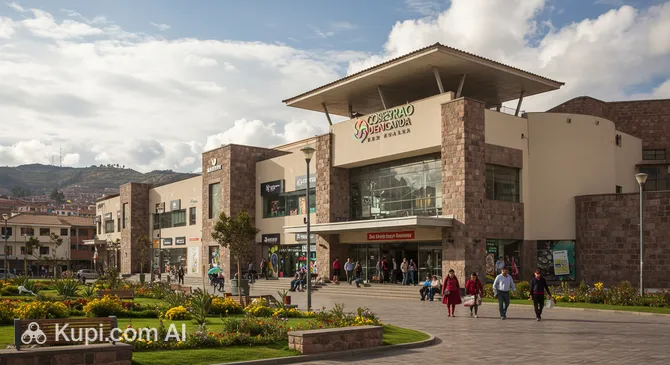
While traditional goods dominate the scene, those looking for a modern retail experience can visit Real Plaza Cusco. Located a short taxi ride from the historic center, this large shopping mall features a cinema, a food court, and a wide range of international and Peruvian clothing brands. It is a convenient spot for purchasing hiking gear, electronics, or simply enjoying a break from the tourist trail. Another option for general shopping is the Imperial Plaza Shopping Center, which offers a variety of local stores and services.
Real Plaza Cusco. Illustration.
Source: Kupi.com AI
Traveler photos:
For a truly authentic local experience, no trip is complete without visiting the city's markets. The most famous is the San Pedro Market, a chaotic yet fascinating hub of activity. Here, amidst the stalls of fresh produce and food, you will find aisle after aisle of affordable souvenirs, including colorful beanies, woven bags, and musical instruments. It is the perfect place to practice your bargaining skills and pick up small gifts for friends back home.
San Pedro Market. Illustration.
Source: Kupi.com AI
Traveler photos:
When it comes to souvenirs, alpaca wool products are the top choice. From scarves and sweaters to blankets, the quality varies from inexpensive synthetic blends in the markets to luxurious "Baby Alpaca" wool in boutique stores. Silver jewelry is another highlight, often featuring Inca designs with semi-precious stones like turquoise and chrysocolla. For edible treats, Peruvian chocolate is world-renowned; you can visit the ChocoMuseo to taste and purchase high-quality organic cacao products.
Most shops in the main tourist areas are open daily from around 10:00 AM to 8:00 PM, though markets like San Pedro start much earlier, often by 6:00 AM, and close around 5:00 PM or 6:00 PM. While malls, upscale boutiques, and restaurants accept major credit cards (Visa and Mastercard), cash is essential for street markets and smaller stalls. It is advisable to carry Peruvian Soles in smaller denominations to make transactions smoother.
Tourists should also be aware of the "Tax Free" system. Some registered stores offer a refund of the general sales tax (IGV) to foreign visitors upon departure. Look for the "Tax Free" logo in shop windows. If you make a qualifying purchase, ask for the necessary documentation, which you can present at the tax refund counter at the airport before leaving the country.