Support

Andahuaylas

About

Welcome to Andahuaylas, a captivating destination often referred to as the "Pradera de los Celajes" (Prairie of Colored Clouds) due to the stunning hues that frequently adorn its sky. As a significant cultural and commercial hub in the Apurímac Region, this city offers travelers an authentic glimpse into the heart of the Andes. Its vibrant atmosphere and welcoming locals make it a pleasant stop for those seeking to explore the less-traveled paths of Peru.
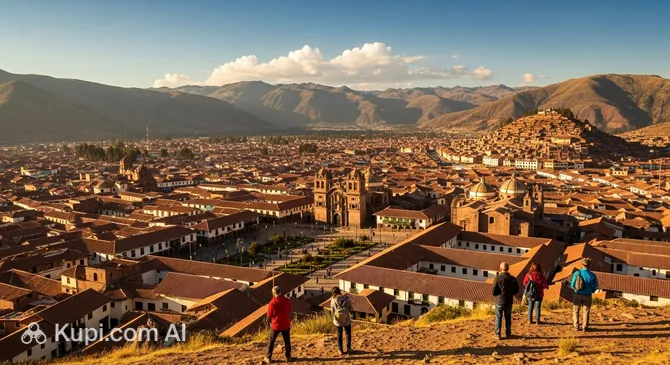
Andahuaylas. Source: Kupi.Binoculars

Geographically, Andahuaylas is nestled in the valley of the Chumbao River at an altitude of approximately 2,900 meters above sea level. This elevation contributes to its temperate and generally dry climate, which is favorable for agriculture and tourism alike. With a population of around 80,000 inhabitants, it strikes a balance between a bustling provincial city and a peaceful Andean retreat, surrounded by rolling hills and agricultural terraces.

The region is deeply rooted in the legacy of the Chanka culture, a powerful civilization that once rivaled the Incas. Exploring the history of Andahuaylas reveals a fascinating past filled with ancient traditions and archaeological significance. Visitors can witness this heritage firsthand at the nearby Sondor Archaeological Complex, a monumental site that served as a religious and administrative center for the Chankas.

Beyond its historical allure, the city is a gateway to remarkable natural attractions. The shimmering Pacucha Lagoon, located just a short drive away, is one of the largest and most beautiful lakes in the region, perfect for boat rides and enjoying local cuisine. Within the city itself, the Cathedral of San Pedro stands out with its colonial architecture and impressive stone facade. Whether you are a history buff or a nature lover, Andahuaylas invites you to discover its unique charm and enduring spirit.

Weather Overview

The climate in this Andean city is generally temperate and varies significantly between the dry and wet seasons. For travelers planning outdoor activities or trekking, understanding the weather in Andahuaylas is essential for a comfortable trip. The region enjoys relatively stable daytime temperatures year-round, making it a pleasant destination to visit at almost any time.

Temperatures typically range with average highs between 14°C and 16°C throughout the year, while nights can get quite chilly. The coldest months are usually June and July, where minimum temperatures drop to around 3°C. In contrast, the period from January to March sees the highest frequency of precipitation, with up to 30 wet days per month, although the overall rainfall volume remains moderate. The middle of the year, particularly June and July, offers the driest conditions with very few wet days, perfect for sightseeing.

Interesting Facts

Beyond the scenic landscapes and historical ruins, Andahuaylas preserves unique traditions and stories that define its identity. Delve into these lesser-known facts to truly understand the spirit of this Andean city.

  • The city is the final resting place of José María Arguedas, one of the most significant writers in Peru. It was Arguedas who affectionately bestowed the poetic title "Pradera de los Celajes" (Prairie of Colored Clouds) upon the valley, immortalizing the magnificent colors of its sky in literature.

  • Andahuaylas is considered the historical capital of the Chanka nation, a civilization known for being the fiercest rivals of the Incas. Locals proudly maintain this warrior legacy, distinguishing their heritage from the Quechua-Inca traditions dominant in other parts of the southern Andes.

  • The province is a biodiversity hotspot for native potatoes, cultivating hundreds of distinct ancestral varieties. The agricultural diversity is so vast that local markets display tubers in a rainbow of shapes and colors, ranging from deep purples to bright yellows, which are rarely seen outside the highlands.

  • Every June, the Sondor Raymi festival takes place at the nearby archaeological complex. This dramatic event serves as a massive historical reenactment of the mythical origins and epic battles of the Chanka culture, often referred to as the "Chanka Epic."

How to Get There

Reaching Andahuaylas is an adventure that takes you deep into the heart of the Peruvian Andes. While the city is accessible by air, many travelers choose overland routes to experience the dramatic shifts in landscape. The journey involves navigating winding mountain roads, but the breathtaking scenery makes it a memorable part of the trip. For a detailed breakdown of routes and transport options, you can read more about how to get to Andahuaylas to plan your arrival efficiently.

For the most direct access, the city is served by its own terminal, Andahuaylas Airport (ANS), located in the district of Huancabamba. Direct commercial flights from Lima are available, typically taking about an hour, which saves significant travel time compared to ground transportation. However, flight schedules can be limited, leading many visitors to consider alternative regional hubs.

A common alternative is to fly into Yanamilla Airport (AYP) in Ayacucho. While the airport is geographically close—approximately 106 km away in a straight line—the actual road journey is much longer due to the rugged terrain. Expect the drive by bus or taxi to take around 6 hours. Another major gateway is Alejandro Velasco Astete (CUZ) in Cusco. Although it is a significant international hub, the overland trip from Cusco to Andahuaylas is a demanding but scenic drive of approximately 8 hours.

Below is a summary of airports in the wider region. Please note that the distances listed are geodesic (straight-line) measurements; actual travel distances by road are significantly greater.

Airport Name City Passenger Traffic Geodesic Distance (km)
Alejandro Velasco AsteteCuscoLarge156.2
Yanamilla AirportAyacuchoMedium105.7
Maria Reiche Neuman AirportNazcaSmall216.0

Since there are no railway services in the immediate area, the final leg of your trip from any neighboring city will be by road. Reliable bus companies and private transportation services operate regularly from both Ayacucho and Cusco, connecting you comfortably to the "Prairie of Colored Clouds."

Main Attractions

Andahuaylas offers a fascinating mix of historical depth and natural beauty, making it a rewarding destination for travelers exploring the Peruvian highlands. From ancient ruins that predate the Incas to serene lakes and unique geological formations, the city and its surroundings provide a variety of experiences for culture enthusiasts and nature lovers alike.

One of the most significant sites in the region is the Sondor Archaeological Complex. Located just a short distance from the city, this ancient ceremonial center was a stronghold of the Chanka culture. The site features pyramidal structures and terraces that blend harmoniously with the landscape. It is particularly interesting for tourists because it offers a rare insight into the Chanka civilization, the fierce rivals of the Incas, and provides breathtaking panoramic views of the valley from the top of the main pyramid, known as Muyu Muyu.

For those seeking relaxation and scenic views, Pacucha Lagoon is a must-visit destination. Situated approximately 17 kilometers from the city center, it is renowned for its intense blue waters and pastoral surroundings. Visitors flock here to enjoy boat rides and savor the local culinary specialty: fresh trout served in the rustic restaurants along the shore. It is an ideal spot for a peaceful afternoon, offering a perfect contrast to the rugged mountain adventures often found in the Andes.

In the heart of the city lies the Plaza de Armas, anchored by the impressive Cathedral of San Pedro. This colonial-era church is a masterpiece of religious architecture, distinguished by its robust stone facade and historical significance. A visit here allows tourists to soak in the daily life of the locals (Andahuaylinos) and admire the fountain adorned with distinct Chanka motifs, serving as a reminder of the city's proud heritage.

A bit further afield but well worth the journey is the Pampachiri Stone Forest. Often referred to as the "House of the Smurfs" due to its surreal, conical rock formations, this geological wonder creates a landscape that feels almost otherworldly. It captures the imagination of photographers and adventurers, offering a unique hiking experience through a labyrinth of natural stone spires that have been sculpted by wind and rain over centuries.

Local Cuisine

Local Cuisine:

The culinary scene in Andahuaylas is a reflection of its rich agricultural heritage, often described as the "pantry" of the Apurímac region. The local gastronomy is characterized by hearty, flavorful dishes that make the most of native ingredients, particularly the hundreds of varieties of native potatoes grown in the surrounding fertile valleys. Food here is not just sustenance; it is a celebration of Andean identity, offering tourists a chance to taste authentic flavors that have been passed down through generations.

For a truly traditional experience, you must try Cuy Chactado. This is one of the most iconic dishes in the southern Andes, featuring guinea pig that is seasoned with local herbs and fried under a stone to ensure it becomes incredibly crispy. It is typically served with boiled potatoes, corn, and a spicy chili sauce known as uchucuta. Another local favorite is Chicharrón de Cerdo, chunks of pork fried in their own fat until golden and served with mote (hominy) and a fresh onion salad, often enjoyed as a heavy breakfast or lunch.

A unique feature of Andahuaylas cuisine is the popularity of Tallarines de Casa. Unlike standard pasta, these are thick, homemade noodles prepared with eggs and flour, then sun-dried. They are usually served with a rich chicken or beef stew (estofado) or sometimes with Kapchi, a creamy sauce made from cheese, milk, and either wild mushrooms or chuño (freeze-dried potatoes). This combination of Italian influence and Andean ingredients creates a comfort food that is distinct to the region.

When it comes to beverages, the traditional drink of choice is Chicha de Jora, a fermented corn beer that has been consumed since pre-Inca times. It is often found in local picanterías and varies in sweetness and fermentation strength. For a non-alcoholic option, visitors can enjoy Chicha Morada, made from purple corn, or warm up with an Emoliente, a hot herbal drink sold by street vendors in the early mornings and evenings, believed to have medicinal properties.

To experience the local food culture, head to the central market, where stalls offer fresh, affordable meals and a glimpse into daily life. For a more scenic dining experience, locals and tourists alike flock to the shores of Pacucha Lagoon. Here, numerous rustic restaurants specialize in Trucha Frita (fried trout), caught fresh from the lake and served with a side of potatoes and salad, providing a perfect meal with a view of the water.

Travel Tips

Planning a trip to Andahuaylas is an exciting prospect, but a little preparation goes a long way in this high-altitude Andean city. To help you make the most of your visit to the "Prairie of Colored Clouds," here are some essential practical tips to ensure a smooth and enjoyable journey.

  1. Clothing and Gear: Since the city sits at approximately 2,900 meters, the weather can be changeable. It is best to dress in layers; days can be sunny and warm, but temperatures drop significantly at night. Bring a warm jacket, comfortable walking shoes for the hilly terrain, and high-SPF sunscreen, as the UV radiation is strong in the Andes.
  2. Transportation: The most common and affordable way to get around the city center is by mototaxi (a three-wheeled motorized rickshaw). They are everywhere and perfect for short trips. Regular taxis are available for longer distances or trips to the airport. For excursions to nearby sites like Pacucha or Sondor, you can take local colectivos (shared vans) from specific terminals in the city.
  3. Finances: The local currency is the Peruvian Sol (PEN). While some hotels and larger restaurants may accept cards, cash is king in Andahuaylas. Make sure to carry small bills and coins for mototaxis, markets, and street food. ATMs are available near the Plaza de Armas, but it is wise to withdraw money during the day.
  4. Health and Safety: To prevent altitude sickness (soroche), take it easy on your first day, stay hydrated, and try the local remedy, mate de coca (coca leaf tea). Pharmacies are plentiful in the city center for basic needs. Andahuaylas is generally safe, but exercise standard precautions: keep an eye on your belongings in crowded markets and avoid poorly lit areas at night.
  5. Communication: Spanish is the primary language used for commerce and tourism, though many locals also speak Quechua. English is not widely spoken, so learning a few basic phrases or having an offline translation app is highly recommended. You can buy SIM cards from major providers like Claro or Movistar in shops around the main square.
  6. Local Etiquette: People in the Andean highlands are generally polite and reserved. It is customary to greet shopkeepers and drivers with a friendly "Buenos días" or "Buenas tardes." If you wish to take photos of locals, especially those in traditional dress, always ask for permission first out of respect.
  7. What to Avoid: Do not drink tap water; always opt for bottled or boiled water to avoid stomach issues. Also, try not to underestimate the altitude—avoid heavy meals and excessive physical exertion immediately after arrival to let your body acclimatize.
  8. Sunday Market Tip: If your schedule permits, try to be in the city on a Sunday. The Feria Dominical is one of the largest and most vibrant markets in the region. It is a fantastic place to see local life in full swing, buy fresh produce, and find unique handicrafts, but be prepared for crowds.

With these practical insights, you are well-equipped to navigate the charming streets and valleys of Andahuaylas. Embrace the local pace of life, and enjoy your adventure in this beautiful corner of the Peruvian Andes!

Entertainment & Nightlife

While Andahuaylas is not primarily known as a bustling nightlife capital like Cusco or Lima, it offers a spirited and authentic evening scene that surprises many visitors. The city's nightlife is centered around socializing, music, and dance, reflecting the warm hospitality of the Apurímac region. The action typically concentrates on the streets surrounding the Plaza de Armas, particularly along Jirón Constitución and Avenida Perú, where you can find a variety of venues ranging from relaxed pubs to energetic dance clubs.

The atmosphere in Andahuaylas is distinctly local and casual. You won't find strict dress codes or exclusive guest lists here; instead, the vibe is welcoming and unpretentious. Locals love to dance, and the music often features a mix of Latin hits—salsa, cumbia, and reggaeton—blended with modern pop. For a night of dancing, Sky Club Discoteca on Jirón Constitución is a popular choice. It is known for its energetic crowd, modern lighting, and resident DJs who keep the dance floor moving until the early hours of the morning.

If you prefer a more laid-back environment to enjoy a drink and conversation, Bar La Jungla is an excellent option. This venue offers a "vibrant oasis" with a rustic aesthetic, serving a good selection of cocktails and local beers. It is a great spot to start your evening or to unwind after a day of trekking. Karaoke is also a favorite pastime in the Peruvian highlands, and venues like Momentos Karaoke Bar provide a fun space where you can sing your heart out alongside friendly locals.

For those planning a night out, here are some practical tips. The nightlife typically kicks off later in the evening, with bars filling up around 9:00 PM and clubs peaking after 11:00 PM. Prices are generally very affordable compared to larger Peruvian cities; a beer might cost between 10 to 15 PEN, and cocktails are similarly reasonable. Cash is essential, as many smaller bars and clubs do not accept credit cards.

Safety is an important consideration. The city center is generally safe for walking in the early evening, but as the night progresses, it is advisable to use transportation. While three-wheeled mototaxis are convenient for short daytime trips, it is safer to take a standard radio taxi late at night. Avoid walking alone in poorly lit areas on the outskirts of the city. If you are visiting in February or March, the city transforms for the Pukllay Carnival, a massive celebration that serves as the ultimate entertainment experience, filling the streets with parades, music, and dancers day and night.

During the day, entertainment in Andahuaylas leans towards cultural and outdoor activities. While there are no large amusement parks, the city offers charming spots like the local cinemas or cultural centers that occasionally host theater performances and art exhibitions. The vibrant markets also provide a form of daily entertainment, where the colors, sounds, and flavors of the Andes come alive.

Parks & Museums

While Andahuaylas is primarily known for its sweeping Andean landscapes and agricultural prowess, the city also nurtures a deep connection to its history and environment through its public spaces and cultural institutions. Visitors will find that the green areas here are often intertwined with the surrounding hills, while the museums serve as vital guardians of the fierce Chanka legacy.

Plaza de Armas serves as the city's central "park" and social heart. Far more than just a square, it is a lush, landscaped garden adorned with tall palm trees and vibrant native flowers that bloom year-round. It is the perfect spot for tourists to sit on a bench, enjoy a locally made ice cream, and observe the daily rhythm of the Andahuaylinos. The plaza is anchored by a unique fountain featuring Chanka iconography, making it a relaxing place to soak in both nature and local identity.

For a more rugged natural experience within reach of the city, the Mirador de Huayhuaca offers a blend of hiking and sightseeing. Located on a hill overlooking the urban center, this vantage point is accessible via a stone staircase surrounded by eucalyptus trees and local vegetation. It functions as a vertical park where visitors can enjoy fresh mountain air and capture the best panoramic photos of the Chumbao Valley stretching out below.

Although Andahuaylas does not have a vast array of museums, the Museo Arqueológico y Antropológico of the National University José María Arguedas is a standout cultural gem. This facility houses an impressive collection of artifacts from the Wari and Chanka civilizations. It is particularly interesting for history enthusiasts because it displays well-preserved ceramics, textiles, and even mummies. The museum provides crucial context for understanding the fierce warriors who once inhabited this region and challenged the Inca Empire.

Another significant cultural site is the Mausoleum of José María Arguedas. While not a traditional museum, this monument is a place of pilgrimage for those interested in Peruvian literature and indigenous advocacy. Located near the city center, it holds the remains of the famous writer and anthropologist who championed Andean culture. The site often features plaques and art that reflect his life's work, offering a somber and inspiring look into the soul of the region.

Among the historical and architectural highlights, the Colonial Bridge of Chumbao is a must-see landmark. Built with sillar stone and limestone in the 17th century, this arch bridge spans the Chumbao River and connects the main city with the district of San Jerónimo. It stands as a testament to colonial engineering and remains in use today, providing a picturesque setting for a walk along the riverbank.

For an authentic insider experience, take a short trip to the neighboring district of Talavera to visit its main square. It is often quieter than Andahuaylas and features beautiful stone architecture that feels frozen in time. A walk here offers a peaceful escape and a chance to see the famous "Niño Jesus de Praga" sanctuary, a local center of faith that is less crowded than the main cathedral.

Getting Around

Navigating the city is a straightforward and authentic experience, as the public transport system does not rely on complex metro lines or trams. Instead, the streets are dominated by the iconic mototaxi, often referred to locally as a "torito." These three-wheeled motorized rickshaws are the most popular and efficient way to travel short distances within the urban center. They are agile, colorful, and readily available on almost every corner, offering a breezy and unique way to get around the bustling streets.

For longer journeys, such as moving between districts like San Jerónimo and Talavera, or visiting nearby attractions, colectivos (shared vans or minibuses) are the standard mode of transport. These vehicles follow fixed routes along the main avenues. While they do not always have formal bus stops, you can typically flag one down anywhere along their path by simply raising your hand. They are often crowded but provide a genuine insight into local daily life and are the most economical way to cover greater distances.

The payment system in Andahuaylas is entirely cash-based. There are no travel cards, passes, or mobile apps for public transit. Fares are extremely affordable, typically costing just a few coins for a ride across town. It is essential for tourists to carry small change, as drivers of mototaxis and colectivos rarely have enough change for large banknotes. You generally pay the driver or the assistant (known as the cobrador) upon reaching your destination or sometimes when you board, depending on the vehicle type.

A crucial piece of advice for visitors is to agree on the fare before starting your journey. Neither mototaxis nor standard taxis use meters, so stating your destination and settling on a price upfront is standard practice to avoid misunderstandings. Public transport operates frequently from early morning until the evening, but availability decreases significantly after 9:00 PM. If you are traveling late at night, it is safer and more reliable to call a radio taxi rather than hailing a vehicle on the street.

While global ride-sharing apps are not active in the city, traditional taxis are plentiful and offer a comfortable alternative, especially if you are carrying luggage or traveling in a group. Walking is also a highly viable option for exploring the compact city center, where the main plaza, markets, and historical sites are clustered close together. Although there are no cable cars or trains, the vibrant flow of mototaxis provides a memorable and spirited transport experience that defines the rhythm of the city.

Accommodation

Where to Stay:

Accommodation in Andahuaylas is characterized by its affordability and unpretentious, welcoming atmosphere. As a provincial capital rather than a major international tourist hub, the city does not feature large luxury chains or five-star resorts. Instead, travelers will find a solid selection of budget hostels, family-run guesthouses (hospedajes), and mid-range hotels that offer comfortable and clean amenities. The options are generally functional and geared towards trekkers, business travelers, and those exploring the authentic side of the Andes.

The most convenient area to stay is undeniably the city center, specifically the blocks surrounding the Plaza de Armas. Staying here places you within walking distance of the main cathedral, banks, pharmacies, and a variety of restaurants. It is also the hub for transportation, making it easy to catch a mototaxi or find a colectivo to nearby attractions like the Sondor ruins or Pacucha Lagoon. For those seeking a slightly quieter environment away from the commercial hustle, the neighboring district of San Jerónimo offers a more relaxed pace while still being just a short drive from the main action.

In terms of pricing, Andahuaylas is very budget-friendly compared to cities like Cusco or Lima. Budget accommodations can be found for very low rates, often offering simple rooms with shared bathrooms. Mid-range hotels provide private en-suite bathrooms, hot water, cable TV, and reliable Wi-Fi, typically costing a fraction of what similar amenities would command in larger tourist centers. While breakfast is sometimes included, it is often a simple affair, encouraging visitors to head out and try the local markets or cafes.

Booking Tips: While some of the larger hotels have a presence on major online booking platforms, many smaller establishments still operate primarily offline or via direct phone and WhatsApp reservations. For most of the year, it is easy to find a room upon arrival. However, if you plan to visit during the Pukllay Carnival in February or March, or during the Sondor Raymi festival in June, it is essential to book well in advance. During these festivities, the city fills up completely with visitors from across the region, and finding a vacancy can be extremely difficult without a reservation.

Travelers should also note that amenities like hot water can be variable in budget lodgings, often relying on electric shower heads. If a hot shower is a priority for you after a day of hiking, it is worth asking to check the room or confirming the water heating system before checking in. Overall, the hospitality in Andahuaylas is warm, and hotel staff are usually eager to help you navigate their city.

Nearby Cities

For those looking to explore the surroundings, Andahuaylas serves as an excellent base for day trips to several interesting nearby locations:

City Population Distance (km)
Cusco 428,450 153
Ica 282,407 259
Ayacucho 216,444 107
Abancay 72,277 52
Huancavelica 49,570 199

Among the most accessible destinations is Abancay, the capital of the Apurímac region. Situated at a lower altitude, it offers a warmer climate and serves as the gateway to the majestic Ampay National Sanctuary. Nature lovers can hike here to see the protected Intimpa forest and the crystalline Angasccocha lagoon, making it a perfect spot for eco-tourism and a refreshing change of scenery.

Another captivating option for a short visit is Ayacucho, renowned as the "City of Churches." Famous for its colonial architecture and deep-rooted religious traditions, particularly during Holy Week, it is also a hub for Peruvian folk art. Visitors can explore workshops dedicated to Huamanga stone carving and the creation of intricate Retablos, offering a deep dive into the artistic soul of the Andes.

These nearby destinations offer a glimpse into the diverse culture and landscapes of the region.

Shopping & Souvenirs

Shopping in Andahuaylas offers a vibrant and authentic immersion into Andean culture rather than a tour of high-end boutiques or international chain stores. The city serves as a major commercial hub for the Apurímac Region, meaning the shopping experience is centered around bustling markets, agricultural abundance, and practical local goods. Visitors will find that commerce here is lively and colorful, providing a unique opportunity to purchase fresh produce, traditional handicrafts, and regional delicacies directly from the producers.

The commercial heart of the city beats strongest in the streets surrounding the Plaza de Armas. Thoroughfares such as Jirón Constitución and the avenues leading towards the river are lined with small shops, pharmacies, and independent retailers selling clothing, electronics, and household items. A walk down these busy streets reveals the daily rhythm of the locals, where vendors display their wares on sidewalks and small commercial galleries offer a variety of goods in a compact setting.

Unlike Lima or Cusco, Andahuaylas does not feature large, modern shopping malls with cinemas and food courts. Instead, the retail landscape is defined by "galerías"—multi-story buildings housing numerous small stalls. These are the best places to find affordable clothing, shoes, and accessories. For tourists, the lack of western-style malls is compensated by the genuine charm of small-town commerce where personal interaction with shopkeepers is the norm.

The true highlight of the shopping scene is the famous Feria Dominical (Sunday Fair). This is one of the largest and most important open-air markets in the southern Andes. Every Sunday, farmers and artisans from remote villages descend upon the city to sell everything from livestock and native potatoes to colorful textiles. It is a chaotic but fascinating spectacle where you can find hand-woven blankets, ponchos, and traditional hats. For daily needs, the Mercado Modelo offers fresh fruits, cheeses, and prepared foods throughout the week.

When looking for souvenirs, the edible options are often the most prized. Andahuaylas is renowned for its delicious local breads, particularly the sweet, anise-flavored loaves and "wawas" (baby-shaped breads), which make for excellent gifts. You can also look for bags of native potato snacks or local honey. For non-edible keepsakes, look for artisan crafts made from leather or wool, which reflect the strong agricultural and pastoral traditions of the Chanka people.

Most shops typically open around 9:00 AM and stay open until 8:00 PM or 9:00 PM. The markets start much earlier, often at sunrise, and are busiest in the morning. When it comes to payment, cash is absolutely essential. While a few larger supermarkets or hotels might accept credit cards, the vast majority of market vendors, small shops, and artisans deal exclusively in Peruvian Soles. It is advisable to carry small bills and coins to make transactions smoother.

Travelers should be aware that tax-free shopping (IGV refund) is generally not available in Andahuaylas. The "Tax Free" system in Peru is typically limited to specific authorized retailers in major tourist cities like Lima and Cusco or at international airports. Therefore, the price you see is the final price, although polite bargaining is acceptable and expected in the markets and street stalls.

Reached the end of the page?

That means the route is fully explored