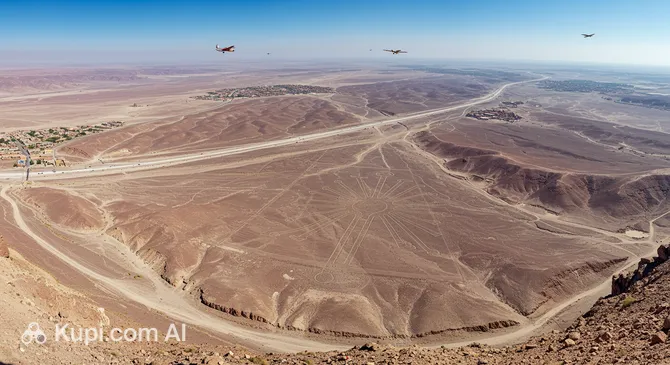
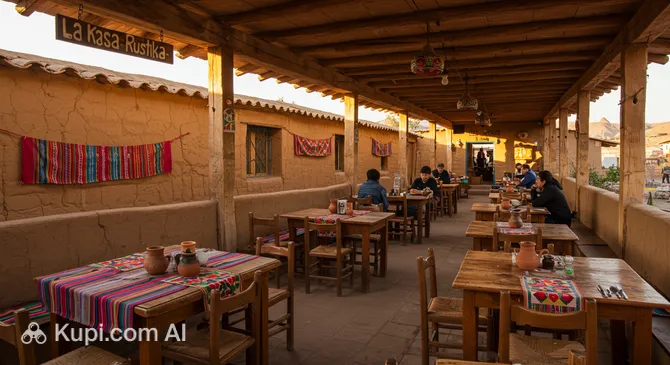
While Nazca is situated in the heart of a coastal desert, the city and its surroundings offer a surprising array of cultural venues and open spaces that celebrate its deep historical roots. Visitors will not find lush botanical gardens here, but rather a landscape where the "parks" are vast natural reserves and the museums serve as custodians of an ancient legacy.
Key Parks and Green Spaces
The Plaza de Armas of Nazca serves as the city's primary urban oasis. It is a refreshing green space in the middle of the arid town, featuring well-maintained gardens, fountains, and shade trees that offer respite from the midday sun. It is the social heart of the community, where locals gather in the evenings, making it an excellent spot for people-watching and soaking in the relaxed atmosphere of modern Nazca.
For a truly unique natural experience, travelers often venture to the Pampa Galeras Bárbara d'Achille National Reserve. Although located about two hours from the city in the highlands of the Ica region, it is the most significant natural sanctuary accessible from Nazca. This high-altitude reserve is dedicated to the protection of the vicuña, a wild camelid relative of the llama. The stark, windswept landscape offers a dramatic contrast to the coastal desert and provides a rare opportunity to see these graceful animals in their natural habitat.
Museums and Galleries
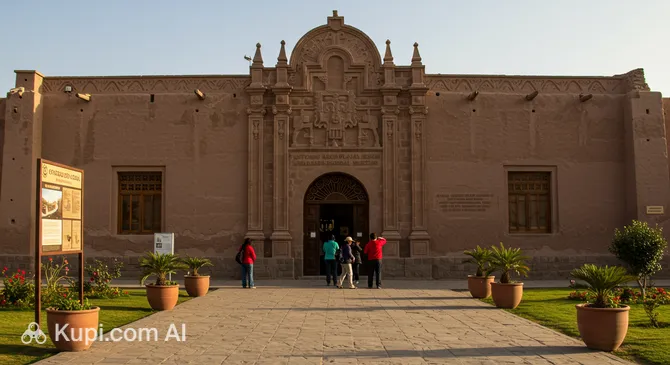
The most comprehensive collection in the city is found at the Antonini Archaeological Museum. Managed by the Italian Center for Columbia Archaeology, this facility is essential for understanding the people who created the famous lines. It houses an impressive array of textiles, musical instruments, and trophy heads recovered from the ceremonial center of Cahuachi. A unique feature of the museum is the ancient aqueduct channel that runs through its backyard, allowing visitors to see Nazca hydraulic engineering up close.
Another pivotal cultural site is the Maria Reiche House Museum, located near the San José pampa. This small museum was the actual home of the German mathematician who dedicated her life to studying the geoglyphs. Preserved exactly as she left it, the museum displays her sketches, measuring tapes, and the simple room where she lived. It offers a poignant and personal look at the woman whose tireless efforts ensured the preservation of the Nazca Lines for future generations.
Historical and Architectural Sites
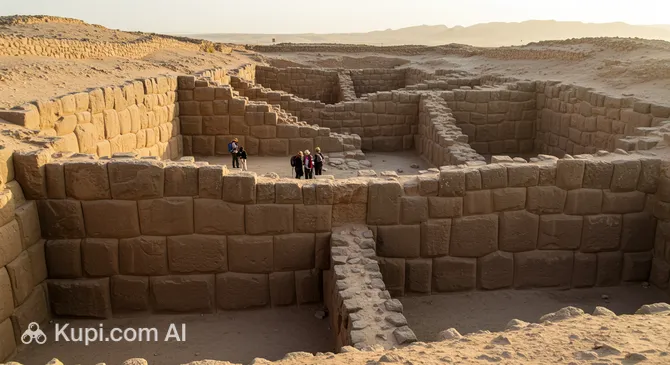
Just outside the city limits, the archaeological complex of Los Paredones stands as a testament to the Inca expansion into the coastal valleys. This administrative center was built to link the coast with the Andean highlands. Visitors can wander through the remains of stone and adobe structures, observing the precise architectural style characteristic of imperial Inca construction, which contrasts sharply with the earlier local designs.
The ceremonial center of Cahuachi is another monumental site that defines the region's history. Known as the largest adobe city in the world, it consists of several stepped pyramids and plazas that were used for pilgrimages and burials by the Nazca culture. Unlike a residential city, Cahuachi was a sacred space, and walking among its excavated mounds provides a solemn sense of the spiritual magnitude this area held for its ancient inhabitants.
Authentic Experiences
For a hands-on cultural experience, seek out the local ceramic workshops scattered around the city. Nazca pottery is world-renowned for its polychrome finish and "horror vacui" style. In these small, family-run studios, you can watch artisans use ancestral techniques to mine local clay and paint intricate designs using mineral pigments, keeping a 2,000-year-old artistic tradition alive.