Support

Pisco

About

Welcome to Pisco, a vibrant port city located in the Ica Region of Peru. Often associated with the country's famous national spirit of the same name, this coastal destination offers a unique blend of maritime culture and desert landscapes. With a population of approximately 109,965 residents, Pisco serves as a crucial hub for travelers exploring the southern coast, providing a lively atmosphere and a strategic starting point for various adventures.

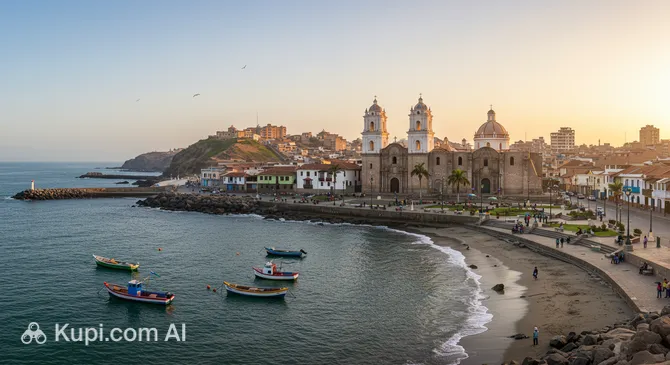
Pisco. Source: Kupi.Binoculars

Geographically, Pisco sits on the Pacific coast, enjoying a mild desert climate that makes it accessible year-round. While the city itself is bustling with local life, the fascinating history of Pisco reveals a resilient community that has weathered natural challenges and preserved its heritage. From its origins as a colonial port to its modern-day significance, the city has long been a vital link between the sea and the fertile valleys inland.

Travelers are primarily drawn here because of its proximity to some of the region's most spectacular natural wonders. Pisco acts as a convenient gateway to the nearby Paracas National Reserve, where dramatic desert dunes meet the ocean, and the famous Ballestas Islands, which are teeming with sea lions, penguins, and marine birds. For those interested in archaeology, the well-preserved Inca ruins of Tambo Colorado are just a short drive away. Whether you are here to explore ancient sites or set sail for wildlife watching, Pisco invites you to discover the charm of the Peruvian coast.

Weather Overview

Travelers planning a trip to the Peruvian coast will find that the local climate is exceptionally mild and arid, typical of a coastal desert environment. The weather in Pisco is generally comfortable throughout the year, characterized by moderate temperatures and very little rainfall, ensuring that outdoor excursions to nearby islands and reserves are rarely disrupted by storms.

The warmest period occurs from January through March, where average temperatures hover around 23°C to 24°C, with daily highs peaking at 26.6°C in February. While this season technically sees a few more wet days—up to seven in February—precipitation amounts remain negligible. The cooler months, spanning from June to September, offer a refreshing change with average temperatures dropping to approximately 17.7°C in August and lows around 14.4°C. Expect warm, pleasant summers with occasional cloud cover and mild, extremely dry winters perfect for exploration.

Interesting Facts

Beyond the main attractions, Pisco holds many fascinating secrets that reveal its deep connection to the ancient cultures and maritime history of the region. From linguistic roots to archaeological marvels, the city offers curious travelers a wealth of stories hidden in plain sight.
  • The Bird Connection: The name "Pisco" is derived from the Quechua word pisqu, which translates to "bird." This is a nod to the region's incredible biodiversity, particularly the millions of seabirds that have inhabited the coastline and nearby islands for centuries, long before the city was founded.

  • A Port, Not Just a Drink: While the Pisco sour is famous worldwide, few realize that the spirit was named after the port, not the other way around. During the colonial era, the local grape brandy was stored in clay jars known as piscos and shipped from this harbor, leading traders to identify the drink by its point of origin.

  • The Painted Ruins: Just inland from the city lies Tambo Colorado, an Inca administrative center that is unique for being constructed of adobe rather than stone. It is one of the few ancient sites in Peru where you can still see original strips of red, yellow, and white paint on the walls, preserved by the arid coastal climate.

How to Get There

Travelers planning a trip to this coastal region have several options for arrival, though the choice often depends on where they are coming from. For a comprehensive guide on all available transport methods, you can read more about how to get to Pisco. The most convenient entry point for those already in Peru or taking specific charter flights is the city's own Capitan FAP Renan Elias Olivera Airport (PIO). Located just 5.2 km from the city center, this airport allows for a quick transfer, with a taxi ride taking approximately 10 to 15 minutes to reach downtown accommodations.

For international visitors, the most common route is flying into Jorge Chavez International Airport (LIM) in Lima. As the primary aviation hub for Peru, it handles a massive volume of passengers and offers connections from major cities worldwide. However, it is located about 212.6 km north of Pisco. From Lima, tourists typically continue their journey by bus or private transfer along the Pan-American Highway, a trip that takes around 3 to 4 hours depending on traffic conditions.

For clarity, here is a summary of the main airports:

Airport Name City Passenger Traffic Km from City
Jorge Chavez International Airport Lima Very High 212.6
Yanamilla Airport Ayacucho Medium 223.1
Jauja Airport Jauja Medium 227.1
Maria Reiche Neuman Airport Nazca Low 182.6
Capitan FAP Renan Elias Olivera Airport Pisco Low 5.2

Main Attractions

While Pisco is often viewed as a gateway to the famous Ballestas Islands, the city itself possesses a distinct charm and several points of interest worth exploring. A tour of the city typically begins at the Plaza de Armas, the heart of local life. Rebuilt and revitalized over the years, this central square is a gathering place for residents and visitors alike, surrounded by important municipal buildings and offering a glimpse into the daily rhythm of this coastal community. It is an excellent spot to take a leisurely walk, enjoy an ice cream, and observe the resilience of the city.

For travelers looking for modern conveniences, shopping, or a break from sightseeing, MegaPlaza Pisco is the city's primary commercial hub. This shopping mall serves as a lively meeting point where you can find a variety of retail stores, a cinema, and a food court offering both local and international fast food. It provides a comfortable, air-conditioned environment to rest and restock on supplies before heading out on desert excursions or boat trips.

MegaPlaza Pisco. Source: Kupi.Binoculars

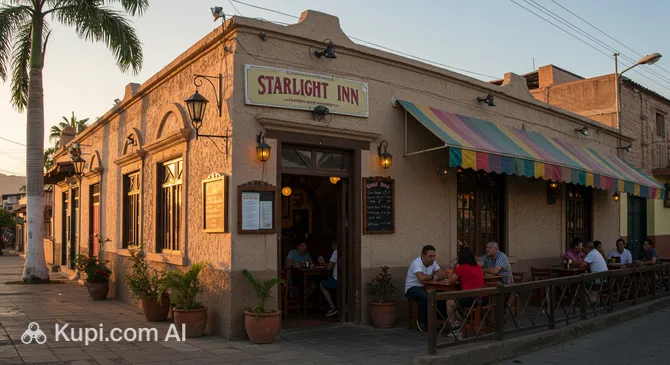
Culinary enthusiasts looking to sample local flavors might find their way to establishments like the Starlight Inn. As a restaurant and hospitality venue, it offers visitors a chance to experience the local hospitality and cuisine in a relaxed setting. Places like this are integral to the travel experience, allowing tourists to unwind after a day of exploration and enjoy traditional Peruvian dishes, potentially including fresh seafood caught right off the coast.

Starlight Inn. Source: Kupi.Binoculars

Just a short distance from the city center lies one of the most significant archaeological sites in the region, Tambo Colorado. Although located slightly inland, it is a key attraction for anyone staying in Pisco. This incredibly well-preserved Inca administrative center is built from adobe and still retains strips of its original red, yellow, and white paint. Unlike the stone structures found in the highlands, Tambo Colorado offers a unique perspective on how the Inca adapted their architecture to the coastal desert environment.

Local Cuisine

The culinary scene in Pisco is, unsurprisingly, deeply influenced by the Pacific Ocean. As a coastal port city, the local gastronomy revolves around the daily catch brought in by fishermen, ensuring that seafood dishes are exceptionally fresh and flavorful. The undisputed star of the table is Ceviche, prepared here with the catch of the day, lime juice, onions, and chili peppers, often served with sweet potato and corn. Another favorite among locals is Jalea Mixta, a generous platter of lightly battered and fried fish, squid, and shrimp, typically topped with a refreshing onion and tomato salsa known as salsa criolla.

No visit to this city would be complete without tasting the spirit that shares its name. Pisco, the famous Peruvian grape brandy, is the pride of the region, produced in the fertile valleys nearby. Visitors should try a classic Pisco Sour, a cocktail made with pisco, lime juice, syrup, egg white, and bitters, or opt for a refreshing Chilcano, which mixes the brandy with ginger ale and lime. For a non-alcoholic alternative, Chicha Morada, a sweet drink made from purple corn, is widely available and pairs perfectly with the savory local food.

Dining in Pisco offers a mix of traditional and modern experiences. For an authentic taste of daily life, the areas surrounding the Plaza de Armas and the local markets are filled with small eateries offering hearty lunches at affordable prices. Travelers looking for a comfortable sit-down meal might visit the Starlight Inn, which is known for providing a welcoming atmosphere to enjoy local flavors. Meanwhile, those seeking a variety of quick options or familiar fast food chains can head to the food court at MegaPlaza Pisco, a convenient stop for families and groups with diverse tastes.

Travel Tips

To help you navigate the coastal charm and desert surroundings of Pisco with ease, we have compiled a set of practical recommendations. These tips are designed to ensure your visit is as comfortable and enjoyable as possible, allowing you to focus on the wildlife and history of this unique Peruvian destination.

  1. Clothing and Gear: The coastal desert climate requires versatile packing. Bring light, breathable clothing for the sunny days, but always carry a windbreaker or a warm jacket, as the coastal winds—known locally as "Paracas winds"—can pick up significantly in the afternoon. A hat, high-SPF sunscreen, and sunglasses are essential protection against the strong sun. If you plan to visit the Ballestas Islands, wear layers, as it can be chilly on the open sea. Comfortable walking shoes are a must for exploring the town and nearby archaeological sites.

  2. Transportation: Getting around Pisco is often best done using mototaxis (motorized rickshaws), which are ubiquitous and perfect for short distances within the city. Standard taxis are also available; however, they often do not use meters, so it is crucial to agree on the fare before getting in. For visiting nearby attractions like the Paracas Reserve, organized tours or private transfers are usually the most convenient options if you haven't rented a car.

  3. Finances: The local currency is the Peruvian Sol (PEN). While major hotels and the MegaPlaza mall accept credit cards (Visa and Mastercard are most common), smaller restaurants, local markets, and mototaxi drivers deal exclusively in cash. ATMs are available near the Plaza de Armas. It is wise to carry small bills and coins for minor purchases. Tipping is appreciated in restaurants, typically around 10% for good service.

  4. Health and Safety: Tap water in Pisco is not potable; strictly stick to bottled or purified water for drinking and brushing your teeth. Pharmacies, marked as Farmacias or Boticas, are easily found in the city center for basic medical supplies. In terms of safety, Pisco is generally welcoming, but it is advisable to remain vigilant with your belongings in crowded areas and avoid walking alone in poorly lit neighborhoods at night.

  5. Communication: The primary language is Spanish. While staff at high-end hotels and tour agencies may speak English, it is not widely spoken by the general population or taxi drivers. Learning a few basic phrases like "¿Cuánto cuesta?" (How much does it cost?) and "Gracias" (Thank you) will go a long way. Pre-paid SIM cards from providers like Claro or Movistar can be purchased in local shops for reliable mobile data.

  6. Local Etiquette: Peruvians are generally polite and formal in their greetings. A handshake is standard for strangers, while a friendly kiss on the cheek is common among acquaintances. When entering a shop or boarding a bus, a simple greeting of "Buenos días" or "Buenas tardes" is considered good manners. Locals are proud of their cuisine and pisco heritage, so showing appreciation for their food and drink is a great way to build rapport.

  7. What to Avoid: Do not take photographs of residents without asking for permission first, as some may find it intrusive. Additionally, avoid booking tours to the Ballestas Islands or Paracas Reserve at the very last minute on the street; it is safer and more reliable to book through established agencies or your hotel to ensure legitimate service and safety standards.

  8. Timing Your Tours: A specific tip for this region is to schedule any boat trips to the Ballestas Islands for the early morning (usually around 8:00 AM). The sea tends to get rougher, and the winds stronger as the day progresses, often leading to the cancellation of afternoon departures. Early starts also offer the best lighting for photography and calmer waters.

By keeping these practicalities in mind, you will be well-prepared to embrace the laid-back rhythm of Pisco. Whether you are sipping the city's namesake spirit or marveling at the marine life, a little preparation ensures your adventure on the Peruvian coast is memorable for all the right reasons.

Entertainment & Nightlife

The nightlife in Pisco reflects the city's character as a relaxed coastal port rather than a high-energy party destination. Unlike the bustling clubs of Lima, the evening scene here is laid-back and centers around socializing, dining, and enjoying the local spirit. Visitors will find that the entertainment is authentic and geared towards locals, offering a genuine glimpse into the daily life of the Ica Region. The atmosphere is generally casual, with music ranging from salsa and cumbia to Latin pop, creating a lively yet comfortable backdrop for a night out.

The heart of the action is undoubtedly the area surrounding the Plaza de Armas. As the sun sets, this central square and the adjacent pedestrian streets come alive with families, couples, and groups of friends. Here, you will find a variety of "restobars"—venues that function as restaurants during the day and transition into bars at night. These establishments are perfect for sampling the city's namesake drink, the Pisco Sour, or a refreshing Chilcano while enjoying live music or karaoke, which is a popular pastime in the city.

For travelers looking for a specific place to unwind, the Starlight Inn is a notable venue. It offers a hospitable environment where you can enjoy evening meals and drinks in a setting that feels safe and welcoming. It is an excellent choice for those who want to experience local hospitality without the intensity of a loud nightclub. Meanwhile, for a more modern entertainment experience, MegaPlaza Pisco serves as a key nightlife hub in a different sense. Open until late, this shopping center houses a cinema and a food court, making it the go-to spot for catching the latest movies or enjoying a late-night snack in a secure, air-conditioned environment.

Regarding practical advice, the nightlife in Pisco typically winds down earlier than in larger cities, with many places closing around midnight or 1:00 AM on weekdays, though weekends can stretch later. The dress code is almost exclusively casual; jeans and a nice shirt are perfectly acceptable everywhere. Prices are generally very affordable compared to tourist-heavy destinations like Cusco. A beer or a cocktail at a local bar is reasonably priced, allowing for an enjoyable night without breaking the bank.

Safety is an important consideration when exploring Pisco at night. While the area immediately around the Plaza de Armas is generally safe and well-lit, it is advisable to avoid walking into unlit side streets or the outskirts of the city after dark. When moving between your hotel and the center, or if you are heading to the MegaPlaza, always use a registered taxi or a mototaxi. It is best to ask your hotel or restaurant to call a taxi for you rather than hailing one on the street late at night. By sticking to the main commercial areas and taking simple precautions, you can enjoy a pleasant and safe evening in this historic port city.

During the daylight hours, entertainment in Pisco is more subdued and often involves preparing for excursions to nearby natural attractions. However, within the city limits, the main plazas and the boardwalk offer pleasant spaces for a stroll. Cultural enthusiasts can visit local landmarks, while those seeking leisure can take advantage of the amenities at the shopping malls, which provide a break from the desert heat before the evening activities begin.

Parks & Museums

While Pisco is primarily known as a bustling port and a gateway to the Pacific, the city and its immediate surroundings offer distinct spaces where nature and history converge. The urban landscape is defined by its central gathering spots, while the region's rich cultural heritage is preserved in nearby museums that narrate the stories of ancient civilizations. Visitors here can transition from the social atmosphere of the main square to the quiet contemplation of ancient artifacts within a short journey.

The heart of the city's green space is the Plaza de Armas. Reconstructed following the 2007 earthquake, this main square serves as the principal park for residents and tourists alike. Lined with tall palm trees and well-maintained gardens, it offers a shaded respite from the coastal desert sun. It is a vibrant location where locals come to socialize, making it an excellent spot for people-watching and soaking in the daily rhythm of the city. Just a short distance away, the Pisco Wetlands (Humedales de Pisco) offer a different kind of natural experience. Located along the coastline, this ecological area is a haven for the seabirds that gave the city its name, providing a quiet setting for birdwatching and coastal walks away from the urban noise.

For those seeking to delve into the region's deep historical roots, the Julio C. Tello Site Museum is the premier cultural institution to visit. Although located just outside the city limits at the entrance to the Paracas National Reserve, it is the essential museum for anyone staying in Pisco. The museum houses a fascinating collection of artifacts from the Paracas culture, including their world-famous intricate textiles and examples of cranial deformation. It provides crucial context to the landscape you see around you, explaining how ancient peoples thrived in this arid environment.

Another significant cultural stop is the site museum at Tambo Colorado. While the archaeological complex itself is the main draw, the small on-site museum offers valuable insights into the Inca presence on the coast. It displays fragments of pottery, textiles, and scale models that help visitors visualize the administrative center at its peak. Exploring this venue allows for a deeper understanding of the strategic importance of the Pisco valley in connecting the coast with the Andean highlands during the Inca empire.

For a truly authentic experience, take a moment to walk along the Malecón Miranda. This boardwalk area, while simple, offers unfiltered views of the ocean and the fishing boats that drive the local economy. It is a less manicured, more genuine slice of port life where you can feel the cool sea breeze and watch the sunset over the Pacific, often accompanied by the sights of pelicans diving for their dinner nearby.

Getting Around

Navigating the city of Pisco is a straightforward and authentic experience, quite different from the complex transit networks found in larger metropolitan areas. The city does not have a metro, tram, or large-scale municipal bus system. Instead, the public transport landscape is dominated by smaller, more agile vehicles that are well-suited to the local street layout and the relatively compact size of the urban area.

The most popular and ubiquitous mode of transport is the mototaxi. These three-wheeled motorized rickshaws are the heartbeat of local mobility, buzzing through the streets at all hours. They are ideal for short trips within the city center or for getting from your hotel to the main square. Mototaxis are open-air, offering a breezy ride that allows you to take in the sights and sounds of the city directly. They are abundant, so you will rarely have to wait more than a minute to flag one down on any major street.

For those preferring a standard car, regular taxis are also available, though they are less numerous than mototaxis. These are a better option if you are traveling with significant luggage, heading to the airport, or looking for a safer alternative late at night. Unlike in many Western cities, taxis here generally do not use meters. It is standard practice to flag a taxi down and negotiate the fare with the driver before getting in. Fares are usually fixed based on zones or distance, but confirming the price upfront avoids any confusion upon arrival.

For travel to the outskirts or neighboring towns, colectivos (shared taxis or minivans) and combis (minibuses) are the primary options. These vehicles operate on fixed routes but do not have designated stops in the traditional sense; passengers can typically wave them down anywhere along the route and ask to be dropped off at any safe point. They are the most economical way to travel but can be crowded and may wait until they are full before departing from their starting point. Destination signs are usually displayed in the windshield.

The payment system in Pisco is almost exclusively cash-based. There are no electronic travel cards, transport apps, or ticket machines for local transit. You pay the driver directly upon reaching your destination for taxis and mototaxis, or upon boarding/alighting for combis. It is essential to carry small change (coins and small denomination bills), as drivers often do not have enough change for large banknotes. Fares are generally very affordable, with mototaxi rides within the city center costing just a few soles.

Regarding modern alternatives, ride-sharing apps like Uber or Cabify are not widely established or reliable in Pisco compared to the capital. It is best not to rely on them. Walking is a viable and pleasant alternative for exploring the downtown area, particularly around the Plaza de Armas and the pedestrian boulevards, where many attractions and restaurants are clustered close together. For excursions to the Paracas Reserve or the beach, renting a bicycle is a growing trend, though most tourists still prefer organized tours or private drivers for these longer distances.

Accommodation

Accommodation in Pisco generally caters to travelers looking for functional and affordable stays rather than high-end luxury. The city serves primarily as a transit hub and a base for workers and tourists before they head to the nearby nature reserves. As a result, the lodging landscape is dominated by budget-friendly hostels, family-run guesthouses (often called hostales), and mid-range business hotels. Visitors seeking five-star resorts or extensive luxury amenities typically choose to stay in the neighboring town of Paracas, leaving Pisco with a more authentic, low-key selection of options.

The most convenient area for tourists to stay is the downtown district surrounding the Plaza de Armas. Staying here places you within walking distance of the main supermarkets, banks, and transport terminals for buses and mototaxis. This central zone is lively and safe, offering easy access to local restaurants and the city's commercial life. Another option is the area known as Pisco Playa near the waterfront; however, this neighborhood is often quieter and further from the main amenities found in the city center, so it is worth checking the specific location of your hotel relative to the services you might need.

Regarding costs and booking, Pisco is significantly more affordable than the resort-heavy areas nearby. Travelers can expect to find comfortable, clean rooms at very reasonable prices, making it an excellent choice for backpackers and budget-conscious families. While many of the larger hotels appear on major online booking platforms, smaller establishments often rely on direct contact or walk-ins. It is generally a good idea to book your accommodation in advance if you are visiting during the peak summer months (January to March) or during major Peruvian holidays, as the best-rated options can fill up quickly.

Nearby Cities

For those looking to explore the surroundings, Pisco serves as an excellent base for day trips to several interesting nearby locations:

One of the most popular destinations is Ica, located just about an hour south of the city. This bustling regional capital is famous for its sunny climate and the nearby Huacachina Oasis, a picturesque lagoon surrounded by towering sand dunes that are perfect for sandboarding and high-speed dune buggy rides. Additionally, the valley surrounding the city is the heart of Peru's traditional wine and pisco industry, offering numerous vineyards where visitors can tour historic bodegas and taste local vintages.

To the north lies the culturally rich town of Chincha, widely recognized as the cradle of Afro-Peruvian heritage. A visit here offers a vibrant immersion into traditional music, dance, and unique gastronomy. It is the ideal place to try local specialties like Sopa Seca (a seasoned noodle dish) and Carapulcra (dried potato stew). The town's distinct identity and warm hospitality make it a compelling stop for travelers interested in the diverse cultural history of the Peruvian coast.

City Population Distance (km)
Lima 10,320,000 207
Callao 1,129,854 210
Huancayo 378,203 210
Ica 282,407 63
Ayacucho 216,444 221

These nearby destinations offer a glimpse into the diverse culture and landscapes of the region.

Shopping & Souvenirs

Shopping in Pisco is generally a practical and authentic experience rather than a luxury pursuit. As a working port city, the retail scene focuses largely on daily necessities, local produce, and regional specialties. While you will not find high-end fashion boutiques or massive luxury outlets, the city offers a convenient mix of modern retail services and traditional market culture, allowing visitors to stock up on supplies or purchase unique local gifts before heading to the nearby nature reserves.

The primary commercial activity is concentrated in the downtown area, specifically the streets radiating from the Plaza de Armas. This district serves as an open-air shopping hub where small, family-owned shops line the sidewalks. Here, travelers can find everything from pharmacies and clothing stores to shops selling beach gear and electronics. A stroll through these bustling streets offers a glimpse into the local lifestyle, with vendors often displaying their wares directly on the sidewalk.

For a modern shopping experience, the city boasts MegaPlaza Pisco. This is the most significant shopping mall in the area and serves as a one-stop destination for both locals and tourists. Inside, you will find a supermarket for groceries, a department store for clothing and home goods, and various smaller retailers. It is a reliable spot to purchase forgotten travel essentials, withdraw money from ATMs, or enjoy a break in the air-conditioned environment.

To experience the true flavor of the region, a visit to the local markets is essential. The city's central markets are vibrant and chaotic in the best possible way, filled with the sights and smells of fresh produce. Given Pisco's location on the coast, the fish sections are particularly impressive, showcasing the catch of the day. While tourists might not be buying raw fish, these markets are excellent places to find cheap seasonal fruits or observe the daily trade of the Ica region.

When it comes to souvenirs, the undisputed choice is a bottle of Pisco, the grape brandy that shares the city's name. While the spirit is produced throughout the region, buying it here feels particularly special. Look for local bodegas or specialty shops that sell artisanal brands not found in major supermarkets. Additionally, visitors often pick up tejas or chocotejas—traditional sweets from the Ica region made with manjar blanco (dulce de leche), pecans, and chocolate or fondant.

Store opening hours in Pisco typically run from around 9:00 AM to 9:00 PM. The MegaPlaza mall stays open later, usually until 10:00 PM. Smaller, independent shops may close for a short break during the hottest part of the afternoon, though this is less common in the main commercial district. Regarding payment, cash is king for small transactions, taxis, and market stalls. The Peruvian Sol (PEN) is the required currency. However, the shopping mall, supermarkets, and larger stores readily accept major credit and debit cards.

Regarding tax-free shopping, Peru does not have a widely accessible VAT refund system for casual purchases made by tourists in smaller cities like Pisco. The tax refund scheme is generally limited to specific authorized stores in major tourist hubs like Lima or Cusco and requires specific procedures at the airport. Therefore, visitors should expect the listed price to be the final price, inclusive of the general sales tax (IGV).
Reached the end of the page?

That means the route is fully explored