Support

Jauja

About

Jauja is a captivating city located in the heart of the Mantaro Valley within the Junín Region. As the very first capital of Peru established by the Spanish, it holds a special place in the nation's heritage and offers a glimpse into the colonial past. With a population of approximately 27,560 inhabitants, the city maintains a tranquil and welcoming atmosphere, making it a delightful destination for travelers seeking an authentic Andean experience.

Jauja. Source: Kupi.Binoculars

One of the city's most renowned features is its exceptionally dry and healthy climate, which has long been celebrated for its therapeutic properties. Visitors exploring the history of Jauja will discover that this favorable weather, combined with its strategic location, made it an important center for commerce and health throughout the centuries. The surrounding landscape consists of fertile valleys and rolling hills, providing a picturesque backdrop for the city.

Travelers are often drawn to the stunning Laguna de Paca, a scenic lake located just a short distance from the town center, surrounded by totora reeds and steeped in local legends. The city is also famous for its vibrant cultural traditions, particularly the Tunantada dance, which fills the streets with color and music during festivals. Whether you are interested in colonial architecture, natural beauty, or rich folklore, Jauja invites you to explore its unique charm.

Weather Overview

The climate in this Andean city is generally cool and temperate, characterized by consistent daytime temperatures and crisp, chilly nights. Visitors often appreciate the refreshing air, but packing layers is essential to stay comfortable regardless of when you visit. For a more comprehensive breakdown of conditions during your specific travel dates, you can consult the guide to the weather in Jauja.

Temperatures remain relatively stable throughout the year, with average daytime highs steadily reaching between 10°C and 12°C. However, the evenings can get quite cold. The months of June and July are typically the chilliest, with minimum temperatures dropping to around -0.7°C to 0.2°C. During the rest of the year, overnight lows are slightly milder, averaging around 3°C to 4°C.

Precipitation patterns show a distinct seasonal shift. The beginning and end of the year, particularly from December to March, are characterized by frequent moisture, with precipitation occurring on up to 30 days per month. In contrast, the middle of the year is significantly drier; July typically sees the fewest wet days, often recording just 8 days with precipitation. Expect cool days year-round, with frequent showers in the summer months and clearer, colder skies in the winter.

Interesting Facts

Beyond the main attractions, Jauja holds many fascinating secrets that blend history with local mythology. From linguistic legends to architectural surprises hidden in the Andes, the city offers curious details for the observant traveler.

  • The Mythical "Land of Jauja": In the Spanish-speaking world, the phrase "País de Jauja" refers to a "Land of Cockaigne"—a mythical place of idleness and extreme abundance where no one needs to work. This expression originated when the first Spanish conquistadors arrived and were astounded by the massive Inca storehouses (Qollqas) in the city, which were overflowing with enough food, clothing, and wealth to sustain their army for months.

  • A Gothic Surprise in the Andes: While most Peruvian highland towns feature colonial Baroque architecture, Jauja is home to the Capilla de Cristo Pobre. This unique chapel is built in a striking Gothic Revival style, featuring pointed spires and ribbed vaults that resemble a miniature version of the famous Sainte-Chapelle or Notre Dame in Paris, making it an architectural rarity in the region.

  • The Legend of the Golden Bell: Local folklore claims that the bottom of Laguna de Paca hides a massive golden bell, thrown into the waters by the indigenous people to protect it from Spanish looters. It is said that on nights of the full moon, the bell can still be heard tolling from the depths, guarded by a siren with golden hair who enchants anyone who dares to look for the treasure.

  • The Stone Woman: Another haunting legend of the lagoon tells of a woman who was turned to stone. According to the story, God visited the town disguised as a beggar to test the residents' kindness but was rejected by everyone except one poor woman. He warned her to flee the city and never look back as he punished the town with a flood; when she glanced back at the destruction, she was instantly petrified into a rock figure that locals can still point out today.

How to Get There

Reaching this historic city in the Peruvian Andes is relatively straightforward, with options to suit different itineraries and travel styles. Whether you prefer a direct flight or a scenic journey by road, you can read more about how to get to Jauja to plan your arrival. The city is well-connected to the capital, making it an accessible destination for visitors exploring the Junín Region.

The most convenient entry point is Jauja Airport (IATA: JAU), located just 1.5 km from the city center. This regional hub allows travelers to fly directly into the heart of the Mantaro Valley, bypassing the long drive from the coast. Upon arrival, the transfer to the downtown area is very quick, taking just a few minutes by taxi or local transport.

For international travelers, the primary gateway is Jorge Chavez International Airport (IATA: LIM) in Lima. Although this major hub is located about 179 km from Jauja, it handles a massive volume of passengers and connects Peru with the rest of the world. From Lima, visitors can take a connecting flight to Jauja or opt for a bus or private transfer. The overland journey from the capital offers spectacular views of the Andes, though it takes time; a trip by taxi or car is estimated to take several hours.

For clarity, here is a summary of the main airports serving the region:

Airport Name City Passenger Traffic Km from City
Jorge Chavez International Airport Lima Very High 179.3
Yanamilla Airport Ayacucho Medium 206.3
Jauja Airport Jauja Medium 1.5
Huanuco Airport Huanuco Small 224.5
Capitan FAP Renan Elias Olivera Airport Pisco Unknown 231.4

Main Attractions

Jauja is a destination that seamlessly blends its colonial legacy with the breathtaking natural beauty of the Andean highlands. While the city is often remembered as the first capital of Peru, its true charm lies in the diverse sites that surround it, ranging from tranquil lakes to ancient archaeological ruins. Visitors will find that the attractions here offer a deep connection to both the Wanka culture and the serene landscapes of the Mantaro Valley.

Laguna de Paca is undoubtedly the most iconic natural attraction in the area. Located just a short drive from the city center, this expansive lake is fringed by totora reeds and framed by rolling mountains. It is a favorite spot for tourists looking to relax, take a boat ride, or enjoy a traditional lunch at one of the waterfront restaurants, which are famous for serving fresh fried trout. The calm waters and the scenic backdrop make it perfect for photography and a peaceful afternoon escape.

For history enthusiasts, the Plaza de Armas serves as the historic heart of the city. It is a place where the colonial past is palpable, anchored by the impressive Iglesia Matriz Santa Fe de Jauja. This church is not only an architectural landmark but also houses magnificent wooden altarpieces that reflect the religious artistry of the region. Walking around the square allows visitors to appreciate the traditional layout of a Spanish colonial town while observing the daily life of the locals.

A short distance from the city lies the Complejo Arqueológico de Tunanmarca, a significant site that predates the Inca empire. This ancient hilltop settlement was once the capital of the Wanka culture and features hundreds of circular stone dwellings that have withstood the test of time. Exploring these ruins offers a fascinating glimpse into pre-Columbian civilization, and the site's elevated position provides spectacular panoramic views of the entire valley below.

Nature lovers seeking a bit more adventure should visit the Cañón de Shucto. This impressive geological formation features towering vertical rock walls carved by the Piñascocha River. The canyon is an excellent location for hiking and admiring the raw power of nature. The dramatic landscape, with its narrow passages and rugged cliffs, contrasts beautifully with the open valleys, making it a memorable stop for those exploring the outskirts of Jauja.

Local Cuisine

The culinary scene in Jauja is a delightful reflection of its location in the fertile Mantaro Valley. Known historically as a land of abundance, the city offers a gastronomy rich in Andean flavors, utilizing fresh ingredients like corn, native potatoes, and river trout. Visitors will find that the local food is hearty, comforting, and deeply rooted in both pre-Hispanic and colonial traditions, making every meal a cultural experience.

One of the most emblematic dishes to try is Pachamanca, a traditional feast cooked underground using hot stones. This ancient method infuses meats—typically pork, lamb, or beef—with the earthy aromas of local herbs like chincho, served alongside fava beans, sweet potatoes, and humitas. Another staple, especially popular for breakfast, is Patasca. This robust soup is made with mote (hominy corn), mondongo (tripe), and meat, and is renowned for its revitalizing properties, perfect for starting a day in the high-altitude climate.

Given the city's proximity to Laguna de Paca, Trucha Frita (fried trout) is a must-have local specialty. It is usually served crisp and golden, accompanied by boiled potatoes and a fresh salad, and is best enjoyed at the rustic restaurants overlooking the lake. For those willing to try a true Andean delicacy, Cuy Chactado (fried guinea pig) offers a unique taste of the highlands, prized for its crispy skin and tender meat.

Jauja is also celebrated throughout Peru for its exceptional traditional sweets. The city has a long-standing history of confectionery, producing treats such as blanquillos, huevos de faltriquera, and fruit jellies. These sweets are often handcrafted by local families and serve as a perfect afternoon snack or a delicious souvenir to take home.

To wash down these hearty meals, locals often drink Chicha de Jora, a fermented corn beer that has been consumed in the Andes for millennia. In the chilly evenings, it is common to warm up with an Emoliente or a "Calientito," a hot herbal tea often spiked with a dash of cane liquor. Dining in Jauja ranges from scenic country restaurants near the lagoon to bustling market stalls where you can taste the most authentic flavors alongside the residents.

Travel Tips

Planning a trip to the historic city of Jauja requires a bit of preparation, especially considering its high-altitude setting and traditional charm. To help you make the most of your visit to this beautiful part of the Junín Region, here are some essential practical tips to keep in mind.

  1. Clothing and Gear: The weather in the Andes can be unpredictable, so dressing in layers is the best strategy. Days can be sunny and warm, while nights get quite cold, so bring a warm jacket and a scarf. Since the sun is stronger at high elevations, a wide-brimmed hat, sunglasses, and high-SPF sunscreen are essential. Comfortable walking shoes are also a must for navigating the cobblestone streets and archaeological sites.
  2. Transportation: For short distances within the city, mototaxis (three-wheeled motorized rickshaws) are the most convenient and affordable option; just agree on the fare before hopping in. For excursions to Laguna de Paca or nearby ruins, you can hire a standard taxi or take a shared colectivo from the terminals near the city center. Walking is also a pleasant way to explore the compact downtown area.
  3. Finances: The official currency is the Peruvian Sol (PEN). While a few hotels and larger restaurants may accept credit cards, cash is definitely king in Jauja, especially for street food, markets, and transport. ATMs are available around the Plaza de Armas, but it is wise to carry small bills and coins, as change can be hard to find for large notes.
  4. Health and Safety: Jauja sits at an altitude of approximately 3,400 meters (11,150 feet). To prevent altitude sickness (soroche), take it easy on your first day, stay well-hydrated, and try drinking mate de coca (coca tea). Pharmacies are readily available in the center for over-the-counter needs. The city is generally very safe, but exercise standard caution with your belongings in crowded market areas.
  5. Communication: Spanish is the primary language spoken in Jauja, and English is not widely used. It is highly recommended to learn a few basic phrases or download an offline translation app to communicate with locals. You can easily buy a prepaid SIM card from major providers like Claro or Movistar in the town center to stay connected.
  6. Local Etiquette: The culture in the Peruvian highlands is polite and conservative. It is customary to greet people with a friendly "Buenos días" or "Buenas tardes" when entering a shop or boarding a shared vehicle. If you wish to take photos of locals, particularly those in traditional dress, always ask for permission first as a sign of respect.
  7. What to Avoid: Do not drink tap water under any circumstances; always opt for bottled or boiled water to avoid stomach issues. Additionally, avoid eating heavy meals late at night, as digestion is slower at high altitudes and this can lead to discomfort or difficulty sleeping.
  8. A Sweet Tip: Jauja is famous across Peru for its confectionery. Make sure to visit a local bakery or street vendor to buy traditional sweets like rosquitas or fruit jellies. It is a delicious way to experience local culture, and these treats make for excellent, affordable gifts to take home.

By keeping these practical tips in mind, you will be well-equipped to navigate the city comfortably and respectfully. Embrace the relaxed pace of life in the Andes, enjoy the crisp mountain air, and have a wonderful time exploring the unique heritage of Jauja.

Entertainment & Nightlife

While Jauja is widely known for its historical significance and tranquil daytime atmosphere, the city also offers a welcoming and authentic nightlife scene for those looking to unwind after sunset. Unlike the bustling chaos of larger metropolises, the evening entertainment here is more relaxed and focused on socializing in cozy environments. The main hub for activity is centered around the Plaza de Armas and the bustling Jirón Junín, a pedestrian-friendly street where locals and visitors gather to enjoy the crisp Andean nights.

The nightlife in Jauja caters to various tastes, ranging from quiet spots for conversation to livelier venues for dancing. Travelers can find traditional peñas, which are unique venues offering live folk music and a deep dive into regional culture. For a more contemporary experience, there are several restobars and local discos scattered near the main square. These places typically play a mix of Latin hits and modern music, providing a fun atmosphere for the younger crowd to socialize and dance on weekends.

The atmosphere in these venues is generally casual and friendly. There is no strict dress code, but given the high altitude and chilly evenings, it is highly recommended to dress warmly; jeans and a good jacket are the standard attire. Nightlife typically picks up later in the week, with Friday and Saturday being the busiest nights. Bars usually start filling up around 9:00 PM, while clubs may not hit their peak until close to midnight. Prices are very affordable compared to other major cities in Peru, with beers and cocktails costing significantly less.

When it comes to safety and logistics, the city center is generally safe for walking, especially along the well-lit Jirón Junín. However, as the night deepens, it is advisable to use transportation rather than walking to accommodations on the outskirts. The most common way to get around is by mototaxi (motorized rickshaw). They are abundant and cheap, but it is best to use authorized ones or ask your venue to call a trusted taxi for you to ensure a secure ride home.

During the day, the entertainment shifts towards the city's commercial pulse. Jirón Junín transforms into a lively corridor lined with small shops, traditional bakeries, and local businesses. It is the perfect place to shop for regional handicrafts, textiles, or the city's famous dairy products without the need for a formal tour. For a truly authentic experience, visitors can wander through the local markets where the daily rhythm of the city comes alive, offering a colorful array of fresh produce and goods that reflect the agricultural richness of the valley.

Parks & Museums

Jauja offers a serene blend of well-kept urban spaces and rich cultural repositories that celebrate its status as a historic Andean capital in Peru. While it may not have the vast museum districts of a large metropolis, the city's green areas and heritage collections provide an intimate look into the Wanka civilization and the region's colonial past.

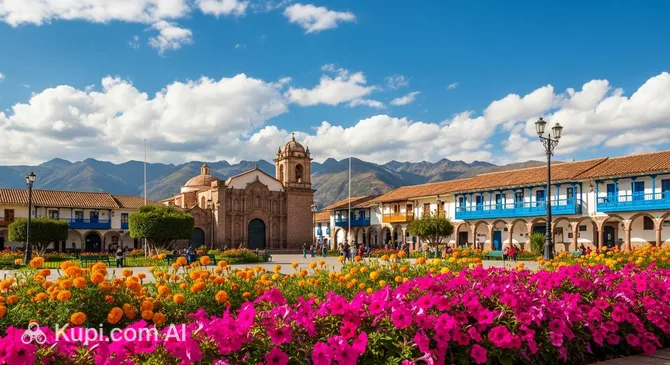
Plaza de Armas de Jauja serves as the city's principal urban park and social gathering spot. Unlike the busy squares of larger cities, this plaza maintains a peaceful, garden-like atmosphere filled with native trees and colorful flowerbeds. It is the perfect place to sit on a bench, enjoy the mountain sunshine, and admire the bronze fountain at its center, which is often surrounded by locals engaging in quiet conversation. The square acts as a green oasis framed by historic buildings, offering a relaxing break for travelers exploring the downtown area.

For a more immersive natural experience, the shores of Laguna de Paca function as the area's premier natural park. While the lake itself is a major attraction, the surrounding grassy banks and totora reed zones are ideal for walking, picnicking, and birdwatching. Families often gather here on weekends to enjoy the fresh air and the stunning views of the reflection of the mountains on the water, making it a natural playground that complements the city's urban offerings.

The cultural highlight for history buffs is the Museo de Arqueología y Paleontología de la I.E. San José. This institution is a treasure trove of local heritage, housing a fascinating collection that spans from the pre-Inca era to colonial times. Visitors can examine intricate ceramics, textiles, and tools from the Xauxa (Wanka) culture, as well as fossils found in the Mantaro Valley. The museum provides essential context for understanding the archaeological sites scattered around the region, offering narratives that explain the area's strategic importance before and after the Spanish arrival.

In terms of architectural heritage, the Capilla de Cristo Pobre stands out as a monument of great artistic value. Although it is a religious site, its unique Gothic Revival architecture—inspired by the Sainte-Chapelle in Paris—makes it a visual museum of sorts. The intricate spires and the design of the facade are starkly different from the typical Andean Baroque style found elsewhere in the country. Exploring its exterior and, when open, its modest interior, offers a glimpse into the diverse architectural influences that reached this high-altitude valley.

Another significant site is the Iglesia Matriz Santa Fe de Jauja, located on the main square. More than just a church, it houses a collection of colonial art, including impressive wooden altarpieces carved in the Baroque style. These retablos are masterpieces of religious art, serving as a testament to the craftsmanship of the period and functioning as a living gallery of the city's spiritual history.

For an authentic insider experience, take a morning walk up to the Mirador de Jauja (often associated with the Cerro San Cristóbal or a nearby elevated point). The climb offers not only a bit of exercise but also a panoramic view of the grid-like colonial streets and the vast valley beyond. It is a quiet spot often overlooked by hurried tourists, perfect for photography and appreciating the city's layout from above.
Getting Around

Navigating Jauja is a straightforward and authentic experience, as the city does not rely on complex heavy transit systems like metros, trams, or large municipal bus networks. Instead, the public transport system is informal, flexible, and perfectly scaled to the compact size of the urban area. For most visitors, getting around involves a mix of walking and utilizing smaller, locally adapted vehicles that zip through the streets with frequency and ease.

The undisputed king of local transport is the mototaxi. These three-wheeled motorized rickshaws are ubiquitous throughout the city and serve as the primary means of moving from one neighborhood to another. They are ideal for short distances, such as getting from your hotel to the main square or the market. Mototaxis are covered, offering protection from the sun and rain, but they are open-air on the sides, providing a breezy ride that allows you to take in the sights and sounds of the city up close.

For trips to the outskirts or nearby attractions, such as the famous Laguna de Paca, colectivos (shared taxis or vans) are the standard option. These vehicles operate on fixed routes but do not have strict timetables; they simply depart when they are full. You can typically find them gathered at specific street corners or designated terminals near the city center. They are an efficient and very affordable way to reach surrounding villages without the cost of a private charter.

The payment system in Jauja is entirely cash-based. There are no travel cards, mobile apps, or electronic passes. You will need to pay the driver directly in the local currency. Fares for mototaxis are generally calculated by zones or distance, but they are inexpensive. A typical ride within the town center costs just a few coins. It is crucial to carry small change, as drivers often do not have enough change for large banknotes.

Practical advice for tourists using mototaxis includes agreeing on the fare before you get in. Since there are no meters, a quick negotiation or confirmation of the price ensures there are no misunderstandings at your destination. While service is available throughout the day, mototaxis become less frequent late at night. If you are out after dark, it is safer and more reliable to ask your restaurant or hotel to call a standard taxi for you.

Standard taxis (sedans or station wagons) are also available and are the best choice if you are traveling with heavy luggage or heading to the airport. Unlike mototaxis, they offer a more enclosed and comfortable ride, which can be preferable during the chilly Andean evenings. Additionally, the historic center of Jauja is quite walkable. Many of the main sights, restaurants, and shops are clustered within a few blocks of the Plaza de Armas, making walking a viable and enjoyable alternative for exploring the heart of the city.

Accommodation

Accommodation in Jauja reflects the city's status as a historic and traditional Andean destination. Visitors will primarily find a selection of budget-friendly guesthouses, known locally as hospedajes, and comfortable mid-range hotels. There are no large international luxury chains here; instead, the hospitality scene is dominated by family-run establishments that offer a warm, personalized experience. Many of these lodgings are housed in renovated colonial buildings, providing a charming and authentic atmosphere that complements the city's heritage.

When choosing where to stay, most travelers prefer the city center, particularly the streets surrounding the Plaza de Armas. Staying in this area is highly convenient, as it places you within easy walking distance of the main church, restaurants, and transport terminals. For those seeking a more tranquil experience closer to nature, there are lodging options located near Laguna de Paca. These accommodations often feature rustic country lodges or bungalows, offering scenic views of the lake and a peaceful retreat just a short drive from the downtown bustle.

Prices in Jauja are generally very affordable compared to major tourist hubs like Cusco or Lima. The range typically spans from basic budget rooms to reasonably priced mid-range suites that include essential amenities like hot water and Wi-Fi. While some established hotels can be booked via major online platforms, many smaller establishments still operate on a walk-in basis or via direct phone contact. A crucial tip for visitors is to book accommodation well in advance if traveling in January during the Tunantada festival, as the city fills to capacity with dancers and tourists, making last-minute rooms extremely difficult to find.

Nearby Cities

Jauja serves as an excellent starting point for exploring the wider Junín Region and the central highlands of Peru. Its strategic position in the Mantaro Valley keeps it well-connected to several other important urban centers. The most significant nearby hub is Huancayo, the commercial capital of the region, located just a short drive away. This proximity allows visitors to easily enjoy day trips to the bustling markets and cultural festivals of the neighboring city while basing themselves in the quieter atmosphere of Jauja.

For those traveling towards the Pacific coast, the route leads past several notable towns before reaching the nation's capital. Lima and the port city of Callao are the major gateways for international arrivals, situated to the west across the Andes. Along the highway connecting the highlands to the coast, travelers will also pass through places like Chosica, known for its sunny weather and country clubs, and Huaycan, making the journey a transition through diverse landscapes and communities.

City Name Population Distance (km)
Huancayo 378,203 44
Huaycan 160,000 147
Chosica 88,606 157
Lima 10,320,000 172
Callao 1,129,854 181

Shopping & Souvenirs

Shopping in Jauja offers a delightful immersion into the traditions and flavors of the Peruvian Andes. Unlike the commercialized experience of large metropolises, the retail scene here is authentic, community-focused, and deeply rooted in local craftsmanship and agriculture. Visitors will not find high-end luxury boutiques, but rather a charming array of family-run stores and lively markets where the region's famous dairy products and confectionery take center stage.

The primary hub for commerce in the city is Jirón Junín. This bustling street functions as the commercial artery of Jauja, lined with small shops selling everything from clothing and shoes to household goods. Walking down this pedestrian-friendly avenue is a great way to experience the daily rhythm of the town. The streets surrounding the Plaza de Armas also host various establishments, particularly those specializing in regional souvenirs and the city's celebrated sweets.

Travelers looking for modern, large-scale shopping complexes should be aware that Jauja does not have major shopping malls. The city maintains a traditional urban layout characterized by independent merchants and small commercial galleries rather than sprawling retail centers. For those in need of a modern mall experience with cinema chains and international brands, the city of Huancayo is located less than an hour away and offers these amenities.

For a truly local experience, a visit to the Mercado Modelo is essential. This central market is the beating heart of the city's trade, offering a vibrant explosion of colors and smells. Here, tourists can find fresh fruits from the valley, sacks of Andean grains, and traditional textiles. It is also an excellent place to purchase local cheeses and fresh butter, which are renowned throughout Peru for their quality.

When it comes to souvenirs, Jauja is famous nationwide for its confectionery. The Dulces de Jauja are a must-buy; look for blanquillos (meringue-like sweets), huevos de faltriquera, and fruit jellies made from tumbo or sauco. Another unique keepsake is a traditional Tunantada mask. These wire mesh masks, hand-painted with rosy cheeks and blue eyes, are used in the city's famous dance festival and make for a striking piece of folk art to take home.

Most shops in Jauja operate from approximately 9:00 AM to 8:00 PM, though some smaller businesses may close for a short break during lunch hours. Cash is the primary method of payment throughout the city. While a few larger hotels or restaurants may accept cards, market vendors and small shopkeepers deal exclusively in Peruvian Soles (PEN), so it is advisable to carry sufficient cash and small change.

Regarding tax refunds, the tax-free shopping schemes found in major international airports or large department stores are generally not applicable in Jauja. The local commerce is driven by small businesses and informal markets where such administrative procedures are not in place. Visitors should simply enjoy the affordable prices and the direct support they provide to local artisans and producers.

Reached the end of the page?

That means the route is fully explored