Support

Lima

About

Lima, the sprawling capital of Peru, is a fascinating city where history and modernity coexist seamlessly. Perched on dramatic cliffs overlooking the Pacific Ocean, this metropolis offers a unique blend of pre-Columbian heritage, colonial architecture, and bustling urban life.

With a population exceeding 10 million people, it is one of South America's largest and most dynamic cities. Uniquely situated in a coastal desert strip between the Andes mountains and the sea, Lima is known for its mild, arid climate and the atmospheric mist known locally as garúa.

Lima. Source: Kupi.Binoculars

The history of Lima is rich and complex, visible in its UNESCO-listed historic center, which features grand plazas and ornate churches. Visitors can explore the magnificent Plaza Mayor or wander through the bohemian streets of Barranco, a district famous for its artistic vibe and colorful mansions.

Modern Lima is perhaps best experienced in the upscale district of Miraflores, which boasts beautiful parks, shopping centers, and stunning ocean views. Furthermore, the city has earned a reputation as the Gastronomical Capital of the Americas, making it an absolute paradise for food lovers eager to taste world-class ceviche and fusion cuisine. Whether you are exploring ancient adobe pyramids or enjoying a sunset by the sea, Lima invites you to discover its endless charms.

Weather Overview

Travelers to the Peruvian capital will encounter a mild desert climate that remains relatively comfortable throughout the year. The warmest period spans from January to March, with February seeing an average temperature of 22.0°C and daily highs reaching up to 23.8°C. Interestingly, these summer months also record the highest number of "wet days"—up to 9 days in February and March—although the actual precipitation volume is negligible, typically staying around 1mm.

As the year progresses into the cooler winter season from June to September, temperatures drop moderately. August is generally the coolest month, with an average temperature of 16.8°C and lows dipping to 14.9°C. This period is exceptionally dry, with data showing 0mm of precipitation and almost no wet days recorded from May through June. Expect warm summers with occasional light drizzle and cool, dry winters that are perfect for exploring the city.

For a more comprehensive breakdown of seasonal trends and what to pack, you can view the detailed guide to the weather in Lima.

Interesting Facts

Beyond its famous culinary scene and colonial architecture, Lima holds many fascinating secrets that often escape the casual observer. From ancient ruins hidden among modern high-rises to quirky local legends, the city offers plenty of surprises for the curious traveler.
Huaca Pucllana Site Museum. Source: Kupi.Binoculars
  • Lima is widely considered the second-largest desert capital in the world, surpassed only by Cairo. Despite being situated next to the Pacific Ocean and having high humidity, the city experiences almost no heavy rainfall, relying instead on a seasonal atmospheric mist locally known as garúa.

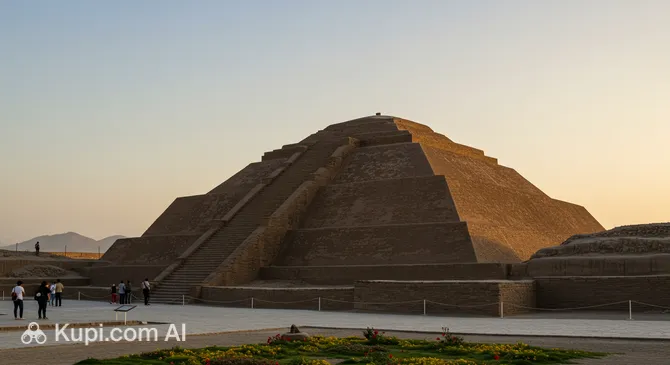
  • You do not need to leave the city limits to explore ancient history; the Huaca Pucllana Site Museum is a massive pre-Incan adobe pyramid that stands in stark contrast to the modern residential buildings surrounding it in the Miraflores district.

  • A charming local tradition surrounds the Bridge of Sighs in the bohemian Barranco district. Legend has it that if you can cross the entire wooden structure for the first time while holding your breath, your wish will be granted.

  • Animal lovers will be delighted to discover that Kennedy Park serves as an unofficial sanctuary for dozens of stray cats. These felines are well-fed, vaccinated, and protected by the community, often seen sleeping peacefully on park benches next to visitors.

How to Get There

Reaching the Peruvian capital is the first step of your adventure, and most international visitors will arrive by air. For a comprehensive overview of all transport options, including land routes, you can read more about how to get to Lima in our detailed guide.

The principal entry point for the vast majority of travelers is Jorge Chavez International Airport (IATA: LIM). While it serves as the main airport for Lima, it is geographically located in the constitutional province of Callao, approximately 8.2 km from the historic city center. As the country's busiest hub with large annual passenger traffic, it connects Peru to major cities worldwide. The journey to the city center or the popular Miraflores district typically takes about 35 minutes by taxi or shuttle, though Lima's dense traffic can often extend this travel time.

For those exploring the wider region, another option is Jauja Airport (IATA: JAU). It is important to note that this airport is located in the city of Jauja, not Lima, and is situated about 173.5 km away from the capital. Due to the distance and the mountainous terrain of the Andes, traveling from Jauja to Lima by road is a significant undertaking, taking approximately 4.5 to 5 hours. Consequently, this airport is generally used by regional travelers rather than as a direct gateway to Lima itself.

For clarity, here is a summary of the main airports:

Airport Name City Passenger Traffic Km from City
Jorge Chavez International Airport Lima Large 8.2
Jauja Airport Jauja Medium 173.5
Huanuco Airport Huanuco Small 256.7
Capitan FAP Renan Elias Olivera Airport Pisco Small 208.0

Main Attractions

Lima offers a diverse array of sights, ranging from ancient archaeological sites to vibrant modern parks. Whether you are a history buff or simply looking for breathtaking views, the city's landmarks provide a memorable glimpse into Peruvian culture.

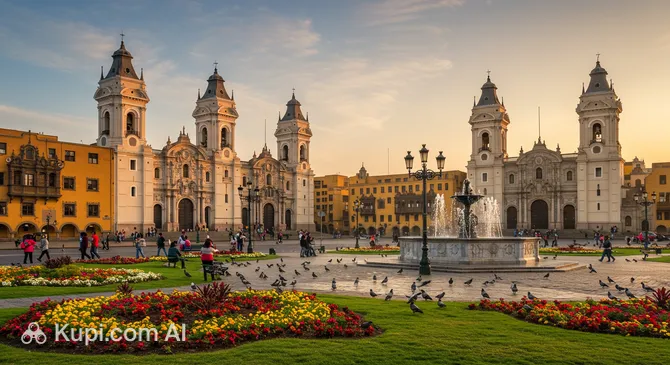
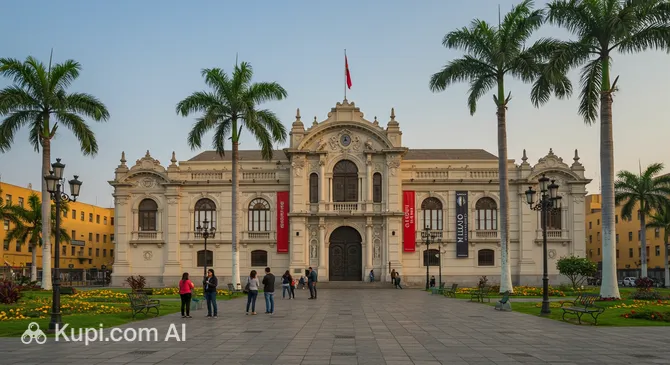
The beating heart of the historic center is the Lima Main Square, also known as the Plaza Mayor. This UNESCO World Heritage site is the spot where the city was founded in 1535. Surrounded by significant buildings like the Government Palace and the Cathedral, it is an essential stop for understanding the colonial history of the capital and admiring its grand architecture.

Lima Main Square. Source: Kupi.Binoculars

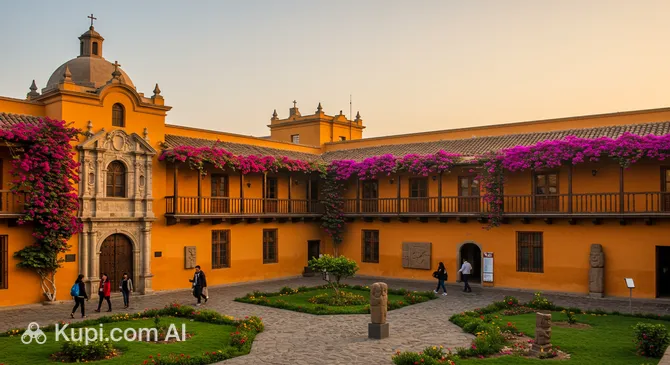
For a deep dive into the country's pre-Columbian past, the Larco Museum is a world-class institution housed in a beautiful 18th-century vice-royal mansion. It boasts an impressive collection of gold and silver artifacts, as well as a famous gallery of erotic pottery. The museum is also renowned for its colorful gardens and excellent on-site restaurant, making it a cultural highlight for many visitors.

Larco Museum. Source: Kupi.Binoculars

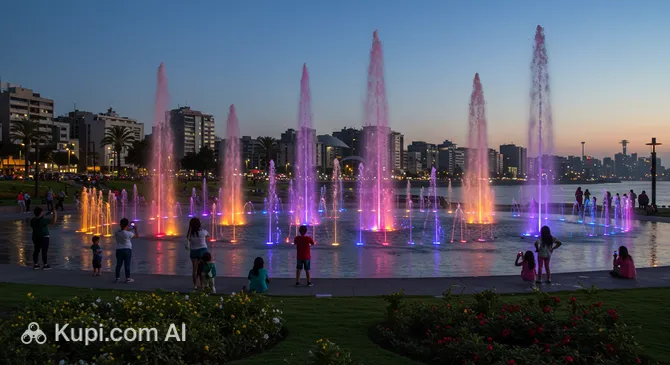
A more modern but equally spectacular attraction is the Magic Water Circuit located in the Reserve Park. Holding a Guinness World Record, this complex features 13 distinct fountains that come alive at night with synchronized lights, music, and laser effects. It is a family-friendly destination that offers a magical evening experience in the center of the city.

Magic Water Circuit. Source: Kupi.Binoculars

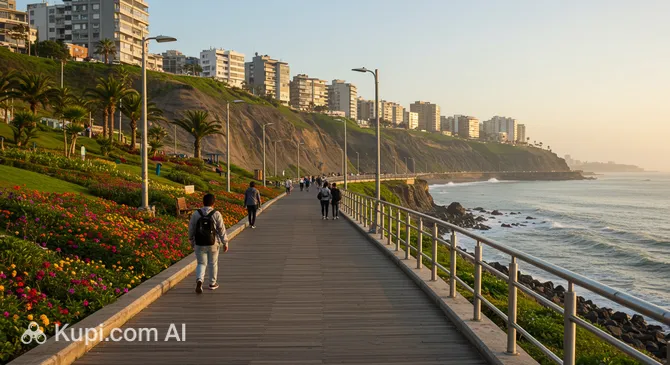
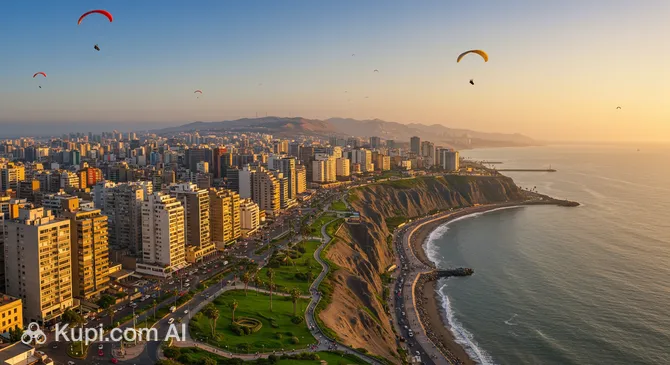
To experience the city's stunning coastal geography, a walk along the Miraflores Boardwalk (Malecón) is a must. This scenic cliff-top path stretches for miles overlooking the Pacific Ocean, offering lush parks, sculptures, and uninterrupted sea views. It is the perfect place to watch the sunset, see paragliders taking off, or simply enjoy a relaxing stroll away from the urban bustle.

Miraflores Boardwalk. Source: Kupi.Binoculars

Local Cuisine

Lima is widely recognized as the gastronomic capital of South America, offering a culinary landscape that is as diverse as its history. The local cuisine is a delicious melting pot of indigenous traditions mixed with Spanish, African, Chinese, and Japanese influences. For any visitor, exploring the city's flavors is just as important as visiting its museums and archaeological sites.

No trip to the Peruvian capital is complete without tasting Ceviche, the country's flagship dish. It consists of fresh raw fish cured in freshly squeezed lime juice, seasoned with chili peppers, onions, and cilantro, typically served with sweet potato and large-kernel corn. Another must-try is Lomo Saltado, a hearty stir-fry that perfectly illustrates the fusion of Peruvian and Chinese cultures, featuring beef strips, onions, and tomatoes cooked in a wok and served with both french fries and white rice.

When it comes to beverages, the undisputed king is the Pisco Sour. This refreshing cocktail is made from Pisco—a grape brandy produced in the region—blended with lime juice, syrup, egg white, and a dash of Angostura bitters. For a unique non-alcoholic option, try Chicha Morada, a sweet, deep-purple drink made from purple corn boiled with pineapple, cinnamon, and cloves.

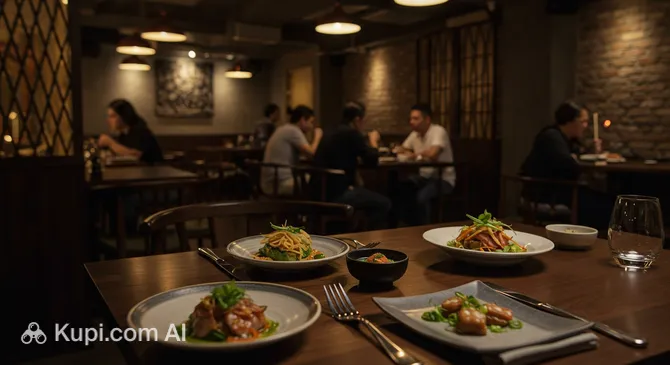
Maido. Source: Kupi.Binoculars

The dining scene in Lima ranges from humble street stalls to some of the world's best restaurants. The city is particularly famous for its "Nikkei" cuisine, a sophisticated fusion of Japanese techniques and Peruvian ingredients. A prime example of this culinary excellence is Maido, which is frequently ranked among the top restaurants globally. Whether you are dining at a high-end establishment or grabbing a quick bite at a local market, the quality and creativity of the food are sure to impress.

For those looking to experience traditional "Criollo" comfort food in a nostalgic setting, taverns like Isolina offer generous portions of classic dishes in the heart of the bohemian Barranco district. From savory grilled anticuchos (beef heart skewers) to sweet picarones (doughnuts made from squash and sweet potato), Lima promises a gastronomic adventure that will delight every palate.

Travel Tips

Visiting Lima is an exciting immersion into South American culture, but like any bustling metropolis, it has its own rhythm and rules that can take first-time visitors by surprise. To help you navigate the "City of Kings" with confidence and ease, we have compiled a list of essential practical tips.

  1. Clothing and Gear: Lima is known for its high humidity and the constant coastal mist called garúa. Even in winter (June to September), it rarely freezes, but the dampness makes it feel colder, so dress in layers. Bring comfortable walking shoes for exploring the cliffside boardwalks. The standard voltage is 220V, and outlets typically accept both flat (US-style) and round (European-style) plugs, but a universal adapter is recommended to be safe.
  2. Transportation: Traffic in Lima can be chaotic and heavy. For tourists, the safest and most convenient way to get around is by using ride-hailing apps like Uber or Cabify, which avoid the hassle of negotiating fares. For public transport, the Metropolitano (a rapid bus system with dedicated lanes) is efficient for moving between the Historic Center, Miraflores, and Barranco. Avoid renting a car unless you are very experienced with aggressive driving styles.
  3. Finances: The local currency is the Peruvian Sol (PEN). While credit cards are widely accepted in hotels, malls, and restaurants in upscale districts, you will need cash for taxis, small kiosks, and markets. It is best to exchange money at official casas de cambio (exchange houses) or banks rather than on the street. Tipping around 10% is standard in restaurants if service is not already included.
  4. Health and Safety: The most important health rule is to never drink tap water; always rely on bottled water for drinking and brushing your teeth. Stick to tourist-friendly districts like Miraflores, San Isidro, and Barranco, which are generally safe. Pharmacies like Inkafarma and Mifarma are ubiquitous, and many operate 24/7. Always keep an eye on your belongings in crowded areas to prevent pickpocketing.
  5. Communication: Spanish is the official language. While staff in major hotels and tourist attractions often speak English, it is not widely spoken by taxi drivers or shopkeepers. Learning basic phrases like "Buenos días" (Good morning) and "Gracias" (Thank you) goes a long way. You can easily buy a prepaid SIM card from providers like Claro or Movistar at supermarkets or official stores, provided you have your passport.
  6. Local Etiquette: Peruvians are generally polite and formal. When entering a shop or taxi, it is customary to greet the person. In social situations, a common greeting—even among new acquaintances of the opposite sex or between women—is a single kiss on the right cheek. Handshakes are appropriate for more formal or business interactions.
  7. What to Avoid: Do not hail random taxis on the street, especially at night, as they are unregulated and can be unsafe. Also, avoid walking alone in the Historic Center (Downtown Lima) late at night; while beautiful by day, it is better to return to more residential tourist districts after dark.
  8. Culinary Planning: Lima is a world-renowned gastronomic destination. If you plan to dine at top-tier restaurants like Central or Maido, you must make reservations months in advance. For a more casual local experience, look for the Menú del día at lunchtime—a set meal that is both affordable and delicious.

By keeping these practicalities in mind, you will be well-prepared to look past the chaotic traffic and gray skies, discovering the warm hospitality and incredible flavors that make Lima truly special. Enjoy your adventure in the gastronomic capital of the Americas!

Entertainment & Nightlife

As the sun sets over the Pacific, Lima transforms into a vibrant hub of entertainment, offering a nightlife scene that rivals any major global capital. The city's energy shifts from its historic plazas to its coastal districts, where music, cocktails, and ocean breezes create an unforgettable atmosphere. Whether you are looking for a sophisticated rooftop lounge, a traditional peña with folk music, or a pulsating nightclub, the Peruvian capital has something for every nocturnal traveler.

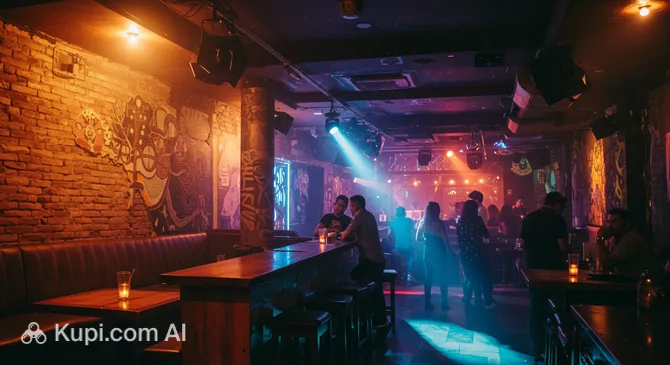
The bohemian district of Barranco is widely considered the soul of Lima's nightlife. Famous for its artistic flair and colonial mansions turned into bars, this area attracts a mix of locals and tourists seeking a relaxed yet lively vibe. A staple of this neighborhood is Noche de Barranco, a legendary cultural center and bar known for its live music performances ranging from jazz to rock and Afro-Peruvian rhythms. Walking around the main square and the Bridge of Sighs at night, you will find dozens of venues offering craft beers and signature Pisco Sours.

Noche de Barranco. Source: Kupi.Binoculars

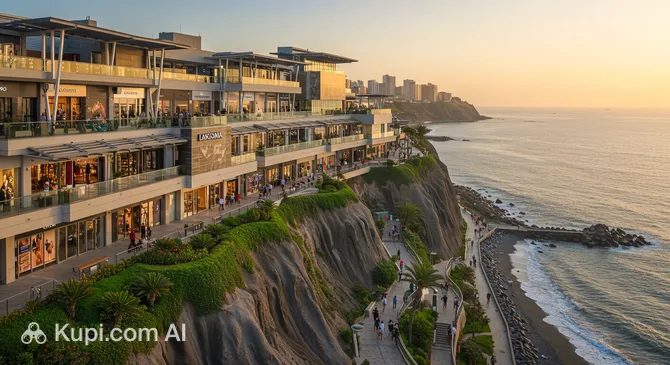
For a more upscale and cosmopolitan experience, the district of Miraflores is the place to be. Here, the nightlife is often centered around stylish clubs and modern bars. A unique spot to start your evening is Larcomar, an open-air shopping and entertainment complex built into the cliffside. It offers a variety of restaurants and bars with stunning views of the dark ocean, perfect for a sunset drink or a late dinner. If you are looking for a specific venue to enjoy cocktails in a chic setting, Eden Bar is a popular choice among the trendy crowd.

When planning a night out, keep in mind that the party starts late in Lima. Bars typically fill up around 10:00 PM, while nightclubs (discotecas) often don't get going until after midnight and stay open until dawn. The dress code varies by district; Miraflores tends to be "smart casual" to dressy, while Barranco is generally more laid-back and artistic. Prices are moderate compared to North American or European cities, but cover charges may apply at popular clubs on weekends.

Safety is an important consideration for nightlife. It is highly recommended to stick to the busy, well-lit areas of Miraflores and Barranco. While these districts are neighbors, walking between them late at night is not engaging or recommended; instead, use a taxi app like Uber or Cabify to move securely between venues. Avoid hailing street taxis at night to ensure a safe journey back to your accommodation.

Beyond the nightlife, Lima offers plenty of daytime entertainment for families and culture enthusiasts. Visitors can explore the Park of the Legends Zoo, which combines a zoo, botanical garden, and archaeological sites in one massive complex. For those seeking thrills, amusement parks like Rancho Aventura Park provide fun rides and activities. Whether day or night, the city's diverse entertainment options ensure there is never a dull moment.

Parks & Museums

Beyond its bustling streets and coastal cliffs, Lima is a city dotted with serene green spaces and world-class cultural institutions. For tourists, exploring these parks and museums offers a deeper understanding of the capital's artistic heritage and a welcome respite from the urban rhythm.

One of the most significant green areas in the city center is the Exposition Park. Originally built for the International Exhibition of 1872, this grand park features beautiful gardens, ornamental fountains, and pavilions. It is a cultural hub where visitors can enjoy leisurely walks, attend outdoor events, or simply admire the surrounding architecture. Located within this park is the renowned Lima Art Museum (MALI), housed in the historic Palace of the Exposition. MALI holds the most representative collection of Peruvian art, spanning 3,000 years from pre-Columbian times to the modern era, making it an essential stop for art lovers.

Lima Art Museum. Source: Kupi.Binoculars

For a different kind of outdoor experience, head to the district of Surco to visit Friendship Park. This expansive recreational area is famous for its towering "Arco Morisco" (Moorish Arch), a replica of a Spanish arch originally gifted to the city. The park is particularly popular with families due to its artificial lagoon with pedal boats and a vintage steam train that offers rides around the grounds. It provides a charming, local atmosphere away from the main tourist trail.

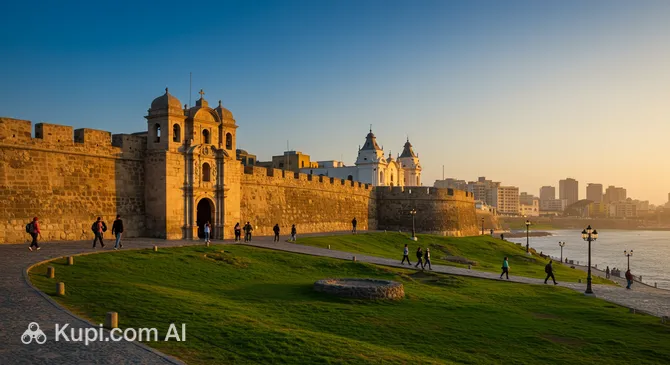
History enthusiasts should not miss the Real Felipe Fortress, located in the port area of Callao. Built in the 18th century to protect Lima from pirates and corsairs, this massive military fortification is one of the best-preserved in the Americas. Today, it serves as a museum where you can explore its stone ramparts, cannons, and the Governor's House, offering a fascinating glimpse into Peru's colonial military history.

Real Felipe Fortress. Source: Kupi.Binoculars

Another jewel of colonial heritage is the Casa de Aliaga. Situated just a block from the Main Square, this stunning mansion is as old as the city itself, having been granted to the Aliaga family by Francisco Pizarro in 1535. Uniquely, it has been continuously inhabited by the same family for 17 generations. Tours of the house reveal exquisite interiors, wood carvings, and a silent courtyard that transports visitors back to the vice-regal era.

For a unique cultural insight, visit the Church of Las Nazarenas. This sanctuary is the home of the Lord of Miracles (Señor de los Milagros), the patron saint of the city. The church is the focal point of one of the largest religious processions in the world, held every October, and remains a site of deep spiritual significance and baroque beauty year-round.

Getting Around

Navigating the public transport system in Lima can be an adventure in itself, ranging from modern rapid transit options to chaotic, informal networks. For most visitors, the system is a mix of efficiency and confusion, but understanding the main modes of travel will help you move around the city safely and economically.

The most practical option for tourists is the Metropolitano, a Bus Rapid Transit (BRT) system that functions much like a surface metro. Its high-capacity buses run in dedicated lanes, bypassing the city's notorious traffic jams. This system connects the key tourist districts of Barranco, Miraflores, and San Isidro directly with the Historic Center (Cercado de Lima). Stations are well-marked, and the service is generally reliable, although it can get extremely crowded during peak rush hours (7:00 AM–9:00 AM and 5:00 PM–8:00 PM).

Lima also has an electric train system known as the Metro de Lima (Line 1). It is an elevated railway that traverses the city from south to northeast. While it is modern and clean, its route is primarily designed for commuters living in residential outskirts rather than for sightseeing. However, it can be useful if you are visiting specific destinations like the Gamarra fashion district or the Museum of the Nation in San Borja.

Complementing these systems are the Corredores Complementarios, which are modern, color-coded buses (Blue, Red, Purple, and Yellow) that run on major avenues. In contrast, the city is swarming with thousands of informal minibuses known as combis and coasters. These vehicles are ubiquitous, cheap, and stop anywhere on demand, but they are often crowded, driven aggressively, and confusing for those who do not know the routes. While they offer an authentic glimpse into local life, they are generally not recommended for first-time visitors due to safety concerns and lack of clear signage.

To use the Metropolitano or the Corredor buses, you must purchase a rechargeable card known as the Lima Pass or the Metropolitano card. These can be bought and topped up at vending machines located at any Metropolitano station. The fare is affordable, typically costing around 3.20 PEN for a general ticket. It is important to note that the Metro (train) uses a completely different card, which must be purchased separately at train stations. Cash is generally not accepted on the formal buses or the metro, but it is the only way to pay for the informal combis.

Operating hours for the Metropolitano and Metro generally run from roughly 5:00 AM to 10:00 PM or 11:00 PM. If you are traveling late at night, public transport becomes scarce, and it is safer to rely on other means. Always validate your card at the turnstiles before entering the platform; for buses, you tap the card upon entry.

Given the complexity of the bus network, many tourists prefer using taxi apps like Uber or Cabify. These are widely available, safe, and spare you the trouble of negotiating fares, as street taxis in Lima do not have meters. If you do hail a taxi on the street, you must agree on a price before getting in, but this is generally discouraged for safety reasons. For shorter distances, especially along the coastal boardwalks of Miraflores and San Isidro, bike rentals are a popular and scenic alternative, with plenty of dedicated cycle lanes available.
Accommodation

Finding the perfect place to stay in Lima is relatively easy, as the city offers a wide range of accommodation options to suit every budget and preference. Visitors can choose from lively backpacker hostels, comfortable mid-range guesthouses, and luxurious five-star hotels that offer world-class amenities. Whether you prefer a modern apartment overlooking the Pacific Ocean or a boutique hotel housed in a restored colonial mansion, the Peruvian capital has something for everyone.

The most popular district for tourists is undoubtedly Miraflores. Known for its safety, beautiful parks, and stunning coastal views, it is the ideal base for first-time visitors. Here, you are within walking distance of top restaurants, shopping centers like Larcomar, and the scenic boardwalk. For those seeking a more bohemian and artistic atmosphere, Barranco is an excellent alternative. This district is famous for its vibrant nightlife, colorful streets, and charming boutique hotels that often have a more intimate, historic feel. Business travelers and those looking for upscale tranquility often prefer San Isidro, the city's financial center, which boasts exclusive luxury hotels and manicured olive groves.

Travelers looking for resort-style facilities or specific hotel amenities can explore various establishments in the region. Options such as the Bilbao Hotel provide comfortable lodging services for visitors. Additionally, for those seeking a club-resort atmosphere, the VPX Club offers a distinct experience, often combining accommodation with leisure activities.

Bilbao Hotel. Source: Kupi.Binoculars

Regarding costs, Lima is generally affordable compared to North American or European capitals. Budget travelers can find hostel beds for as little as $10–$15 USD per night, while mid-range hotels typically range from $50 to $100 USD. Luxury stays can start from $150 USD and go upwards depending on the season and location. Most hotels and hostels can be booked easily via major online platforms, though direct booking is also common.

Booking Tip: If you plan to visit during the summer months (December to April) or around major holidays like Fiestas Patrias in July, it is highly recommended to book your accommodation well in advance. Hotels with ocean views in Miraflores and Barranco tend to sell out quickly during the peak sunny season.

Nearby Cities

Nearby Cities:

While the Peruvian capital itself offers endless exploration, the surrounding region of the Lima Province and beyond is dotted with destinations that provide a perfect escape from the bustling metropolis. From historic ports and sunny Andean retreats to coastal towns known for their gastronomy, these nearby cities offer a diverse range of experiences for travelers looking to venture slightly further afield.

One of the most immediate and significant neighbors is Callao. Although it is seamlessly integrated into the metropolitan area, it is a distinct constitutional province with its own rich history. Located just 9 km from the city center, it is home to the country's main airport and seaport, as well as the historic Real Felipe Fortress and the charming La Punta peninsula. For those seeking sunshine during Lima's gray winter months, Chosica is a favorite local getaway. Situated about 16 km inland in the Rímac valley, it is known as the "Villa del Sol" (City of Sun) due to its pleasant, dry climate year-round.

Traveling further north along the coast, visitors can discover Huacho and Barranca. These cities are agricultural and commercial hubs that offer a more relaxed pace of life, traditional cuisine—such as the famous Huacho sausage—and access to nearby archaeological sites like Caral. Closer to the capital lies Huaycan, a vibrant urban community known as the "City of Hope," which sits at the foothills of the Andes.

Here is an overview of these nearby locations to help plan your excursions:

City Distance from Lima (km) Population
Callao 9 1,129,854
Chosica 16 88,606
Huaycan 25 160,000
Huacho 119 200,585
Barranca 163 144,381

Shopping & Souvenirs

Shopping in Lima is a delightful experience that ranges from browsing high-end designer boutiques to haggling for colorful handicrafts in bustling traditional markets. As the commercial hub of the country, the city offers an impressive variety of goods, making it the perfect place to find unique Peruvian treasures. Whether you are looking for premium textiles, intricate jewelry, or modern fashion, the capital provides diverse options to suit every taste and budget.

The most popular shopping district for tourists is undoubtedly Miraflores. Its main thoroughfare, Avenida Larco, is lined with numerous shops, bookstores, and cafes, offering a safe and walkable environment for window shopping. Nearby, the streets of San Isidro offer a more exclusive experience, featuring luxury boutiques and high-end international brands, particularly around the area of Avenida Conquistadores.

For a truly unique retail experience, you must visit Larcomar. This award-winning shopping center is built directly into the cliffs of Miraflores, offering stunning panoramic views of the Pacific Ocean while you shop. It features a mix of international chains and high-quality Peruvian brands selling alpaca clothing and jewelry. Another excellent modern option is Salaverry Mall in the Jesús María district, which is known for its grand architecture and extensive selection of department stores and fashion outlets.

Larcomar. Source: Kupi.Binoculars

If you are searching for authentic local crafts, the Inca Markets (Mercados Indios) located along Avenida Petit Thouars in Miraflores are the place to go. This cluster of artisanal markets is packed with stalls selling everything from woven textiles and ceramics to paintings and musical instruments. It is the ideal spot to find souvenirs and gifts, and bargaining is expected and welcomed here.

When it comes to souvenirs, alpaca wool products are the top choice; look for sweaters, scarves, and blankets made from "Baby Alpaca" for the softest quality. Peru is also a major producer of silver, so you will find exquisite silver jewelry at very competitive prices. Other popular items include colorful Andean textiles, Pisco (the national grape brandy), and high-quality Peruvian chocolate.

Most shopping malls and department stores are open daily from 10:00 AM to 10:00 PM. Major credit and debit cards are widely accepted in malls, supermarkets, and established shops. However, if you plan to visit traditional markets or buy from smaller street vendors, it is essential to carry cash in Peruvian Soles (PEN), as card terminals may not be available.

Tourists should also be aware of the Tax-Free shopping system. Foreign visitors can claim a refund of the General Sales Tax (IGV) on goods purchased at authorized stores. Look for the "Tax Free" logo in shop windows, and remember to ask for a specific invoice (factura) and the tax refund form to present at the airport upon departure.

Nearby cities

Reached the end of the page?

That means the route is fully explored