Support

Huanuco

About

Welcome to Huanuco, a captivating destination nestled in the central highlands of Peru. Known affectionately as the "City with the Best Climate in the World," it offers visitors a delightful atmosphere characterized by eternal spring-like weather throughout the year. Situated at the convergence of the Andes and the Amazon basin, this vibrant city serves as a crucial link between the rugged mountains and the lush jungle, hosting a population of approximately 196,000 inhabitants.

Huanuco. Source: Kupi.Binoculars

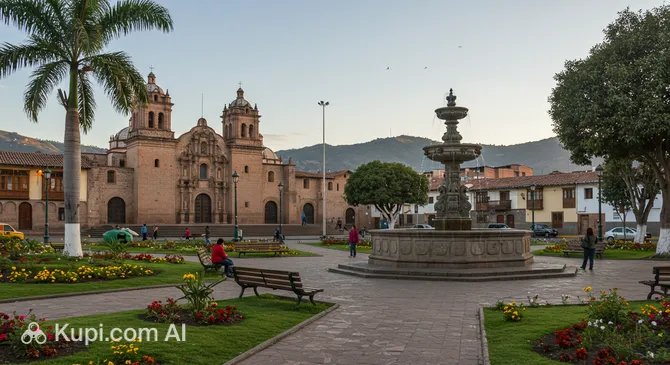
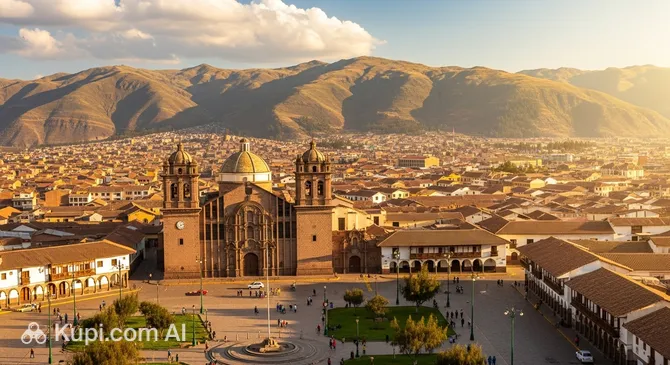
The region is steeped in rich cultural heritage and ancient traditions. Travelers interested in the past can explore the fascinating history of Huanuco, which dates back thousands of years. Just a short distance from the city center lies the archaeological site of Kotosh, famous for the Temple of the Crossed Hands, considered one of the oldest structures in the Americas. The city itself features charming streets and a lively Plaza de Armas that reflects its storied past.

Beyond its historical significance, Huanuco is known for its festive spirit, particularly during the colorful celebration of the Danza de los Negritos. Nature lovers will appreciate the breathtaking landscapes surrounding the city, including the legendary Pillco Mozo rock formation that stands guard over the valley. Whether you are seeking archaeological wonders or simply a relaxing getaway in a pleasant climate, Huanuco invites you to discover its unique charm and warm hospitality.

Weather Overview

Travelers visiting this Andean region can expect a relatively stable and mild climate throughout the year, distinct from the extremes found in other parts of the country. The weather in Huanuco is characterized by consistent temperatures, with average daily highs hovering comfortably around 14°C to 15°C and cooler nights dropping to between 5°C and 8°C. This creates a fresh atmosphere that requires light layers during the day and warmer clothing for the evenings.

The year is generally divided into a wetter season and a drier period, though precipitation is often light. The months from October to March typically see a higher frequency of wet days, with January often experiencing some form of moisture daily. Conversely, the middle of the year, particularly from June to August, brings drier skies and slightly cooler average temperatures, dropping to around 9.5°C. Regardless of when you visit, the climate remains moderate, avoiding sweltering heat or freezing cold.

Interesting Facts

Beyond the main attractions and its reputation for perfect weather, Huanuco holds many fascinating secrets and cultural milestones that surprise many visitors.
San Sebastián Church. Source: Kupi.Binoculars
  • The city is the birthplace of Daniel Alomía Robles, the renowned composer behind the world-famous melody "El Cóndor Pasa." His musical legacy is deeply cherished here, serving as a cultural anthem that connects the Andean spirit with the rest of the world.

  • Literature enthusiasts may be intrigued by the mystery of "Amarilis," an anonymous colonial poet who sent verses to the Spanish playwright Lope de Vega. Her identity remains a subject of debate, but her legacy is honored at Amarilis Park, a modern recreational space in the city.

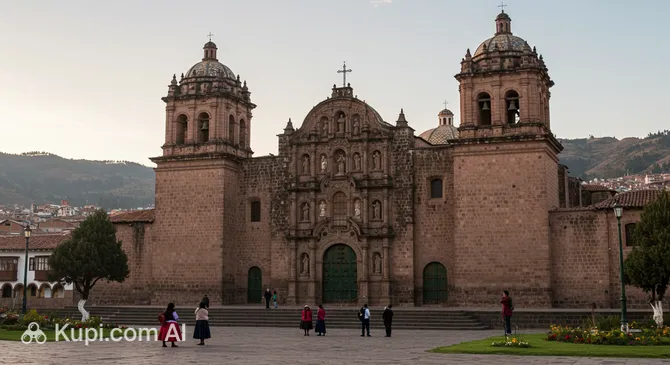
  • The San Sebastián Church features a curious and rare detail: the statue of Saint Sebastian is depicted with spots representing smallpox. Legend says this unique iconography was created after the saint miraculously cured the son of a local official from the disease during a devastating epidemic.

  • Local tradition asserts that the nearby village of Tomayquichua was the home of Micaela Villegas, famously known as "La Perricholi." She was a captivating 18th-century entertainer and the mistress of the Viceroy of Peru, whose dramatic life story has inspired numerous operas and novels.

How to Get There

Reaching this charming Andean destination is relatively straightforward, with air travel being the fastest option for most visitors. For a comprehensive overview of all travel methods, including bus routes and driving directions, you can read more about how to get to Huanuco.

The city is served by its own airport, making it very accessible. Huanuco Airport (IATA: HUU), also known as Alférez FAP David Figueroa Fernandini Airport, handles regional flights and is conveniently located just 6.1 km from the city center. A taxi or shuttle ride from the terminal to the heart of the city typically takes around 30 minutes. This airport sees a moderate flow of travelers, with an annual traffic of approximately 179,000 passengers, ensuring a functional but not overly crowded experience.

Alternatively, travelers can consider flying into Tingo Maria (IATA: TGI), located in the nearby city of Tingo Maria. Although it is a smaller hub with lighter passenger traffic, it serves as a viable entry point for those exploring the wider region. It is situated about 74.7 km away from Huanuco. The ground transfer from Tingo Maria to Huanuco involves a scenic drive through the high jungle landscapes, taking approximately 2 hours and 15 minutes by taxi or collective transport.

For clarity, here is a summary of the main airports in the vicinity:

Airport Name City Passenger Traffic Km from City
Huanuco Airport Huanuco Medium 6.1
Tingo Maria Tingo Maria Small 74.7
Anta Anta Small 161.9
Jauja Airport Jauja Medium 222.4
Capitan Rolden Airport Pucallpa Large 250.4

Regarding rail travel, the city of Huanuco does not have a commercial railway station offering regular passenger services. While Peru has some famous train routes, they do not currently connect directly to this part of the central highlands. Visitors relying on ground transport typically arrive via the well-connected road network from Lima or other major Andean cities.

Main Attractions

Exploring this delightful Andean city reveals a mix of colonial history, relaxing green spaces, and modern lifestyle centers. Visitors can start their journey at the iconic San Sebastián Church, a religious landmark that dates back to the 17th century. Located near the bridges over the Tingo River, this church is not only an architectural gem but also a site of deep cultural significance, housing the revered image of the city's patron saint. Its historical charm makes it a must-visit for those interested in the region's colonial past.

Amarilis Park. Source: Kupi.Binoculars

For a peaceful escape within the city, Amarilis Park offers a lush and inviting environment. Named after the mysterious colonial poetess who is a source of local pride, this park serves as a major recreational hub for residents and tourists alike. With its well-maintained walkways, gardens, and family-friendly atmosphere, it is the perfect spot to enjoy a leisurely afternoon stroll or simply soak in the city's famous "eternal spring" weather.

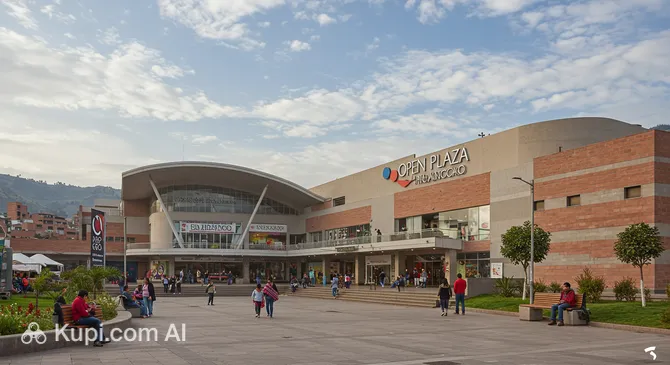
Open Plaza Huanuco. Source: Kupi.Binoculars

Travelers looking for modern amenities and shopping opportunities will find everything they need at Open Plaza Huanuco. As one of the primary commercial centers in the area, it features a variety of retail stores, a food court with diverse dining options, and entertainment facilities. It is a bustling meeting point where visitors can take a break, watch a movie, or pick up supplies for their onward travels.

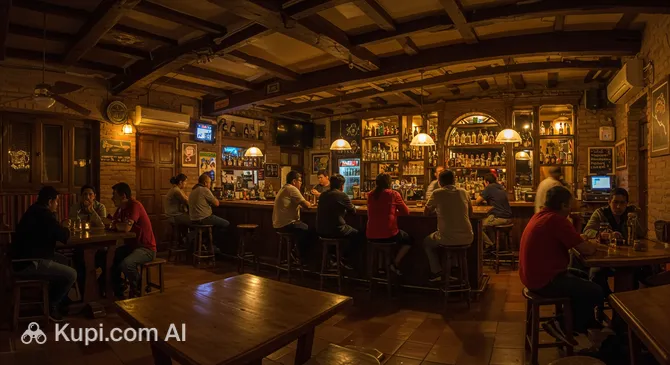
When the sun sets, the city offers several cozy spots to unwind. Venues like Bunyar Restobar provide a lively atmosphere to enjoy drinks and conversation. Experiencing the local nightlife is a great way to mingle with the friendly locals and get a taste of the contemporary social scene in the highlands.

Local Cuisine

The culinary landscape of Huanuco is a delightful fusion where the hearty traditions of the Andes meet the exotic flavors of the Amazon rainforest. Due to its privileged location and climate, the city enjoys an abundance of fresh ingredients, ranging from highland potatoes to tropical fruits. One of the most iconic dishes you must try is the Pachamanca Huanuqueña. Unlike other regional variations, this slow-cooked feast is famously seasoned with chincho, a local aromatic herb that imparts a unique green color and a distinct, savory flavor to the pork and tubers cooked underground.

For those seeking authentic Andean comfort food, Locro de Gallina is a local favorite. This rich soup is prepared with free-range chicken and yellow potatoes, serving as a warm embrace on cool evenings. Another staple is Picante de Cuy, a spicy guinea pig dish that is crispy on the outside and tender on the inside, typically served with a generous portion of rice and potatoes. The influence of the nearby jungle is also evident in dishes that feature bananas and cecina (dried pork), offering a diverse menu for adventurous eaters.

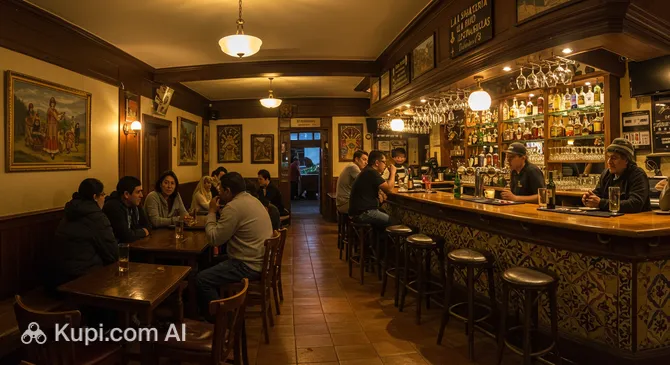
La Shacteria Bar. Source: Kupi.Binoculars

No gastronomic tour of the city is complete without sampling the local beverages. The region produces excellent sugar cane, which is distilled into a potent spirit known as Shacta. This aguardiente is often enjoyed straight or mixed into cocktails with regional fruits. Visitors looking to experience this side of the local culture can visit La Shacteria Bar, a popular spot dedicated to these traditional drinks. Additionally, the fermented corn beer known as Chicha de Jora remains a beloved staple at lunch tables throughout the city.

The food culture in Huanuco is casual and community-oriented. Locals often flock to the central markets for breakfast or a quick lunch, where food stalls serve fresh juices and sandwiches. For a more relaxed dining experience, especially on weekends, families head to "recreos campestres"—countryside restaurants located just outside the city center. Within the city, you can also find venues like Tingo María, a restaurant that celebrates the region's diverse culinary heritage, offering a perfect setting to enjoy the bold and natural flavors of central Peru.

Travel Tips

To help you make the most of your visit to the "City of Eternal Spring," we have compiled a list of essential travel advice. These practical tips will ensure your journey through Huanuco is as relaxing and enjoyable as the pleasant weather that defines it.

  1. Pack Layers for Variable Weather. Although the city enjoys a mild climate year-round, the temperature can fluctuate. Bring light clothing for the warm, sunny days, but definitely pack a warm jacket or sweater for the evenings when it gets cooler. Don't forget sunscreen and a hat, as the high-altitude sun can be quite strong.
  2. Master Local Transport. The most popular and convenient way to get around the city is by mototaxi (motorized rickshaw). They are everywhere, affordable, and perfect for short distances. Be sure to agree on the fare with the driver before you hop in, as they do not use meters. Standard taxis are also available for longer trips.
  3. Cash is King. While some modern commercial centers and hotels accept credit cards, most local restaurants, markets, and transport providers operate only with cash. Carry the local currency, the Peruvian Sol, and try to keep smaller denominations (coins and small bills) handy for easier transactions.
  4. Stay Healthy and Hydrated. Tap water is generally not safe to drink, so always opt for bottled or purified water. Since the city is located at an altitude of about 1,900 meters, stay hydrated to avoid any mild symptoms of altitude sickness, although it is much gentler here than in the higher Andes.
  5. Language Essentials. Spanish is the primary language spoken in the region, and English proficiency is not widespread outside of major tourist hubs. Downloading a translation app or learning a few basic phrases like "Buenos días" (Good morning) and "¿Cuánto cuesta?" (How much?) will go a long way in your daily interactions.
  6. Respect Local Etiquette. Locals are generally polite and appreciate formal courtesies. When entering a shop or greeting someone, a simple "hola" or "buenas tardes" is customary. If you plan to take photos of residents, especially in traditional markets, always ask for permission first with a polite "¿Puedo?".
  7. Avoid Unmarked Taxis at Night. While the city is generally welcoming, it is wise to exercise caution. Use registered taxis or those recommended by your hotel when moving around late at night, and avoid walking alone in poorly lit areas on the outskirts of the city.
  8. Try the Local Breads. Don't leave without tasting the famous pan de Huanuco. The region is renowned for its variety of delicious breads, such as "pan de yema" or "mistiras," which are perfect for a light breakfast or an afternoon snack.

By keeping these simple tips in mind, you will be well-prepared to navigate the charming streets and lush surroundings of this Andean gem. Embrace the local rhythm of life, enjoy the eternal spring, and have a safe and unforgettable adventure in Peru.

Entertainment & Nightlife

Nightlife in Huanuco reflects the city's friendly and welcoming spirit. While it may not have the overwhelming bustle of a major metropolis, the "City of Eternal Spring" offers a vibrant social scene that comes alive after sunset. The action is primarily concentrated around the Plaza de Armas and the adjacent streets, where locals and visitors gather to enjoy the mild evening weather. The atmosphere is generally casual and relaxed, making it easy to mingle with the friendly residents.

For those seeking a lively spot to start the evening, Bunyar Restobar is a standout choice. This venue perfectly bridges the gap between a restaurant and a night lounge, offering a spirited environment with good music and a wide selection of drinks. It is a favorite among the younger crowd and professionals alike, providing a safe and modern setting to enjoy the local rhythm.

Bunyar Restobar. Source: Kupi.Binoculars

If you want to experience a more traditional side of the local drinking culture, you should visit La Shacteria Bar. This establishment is dedicated to shacta, the region's signature sugar cane aguardiente. The rustic decor and authentic vibe make it an excellent place to sip on regional cocktails and immerse yourself in the highland traditions before the night gets busier.

For a more low-key evening or for those traveling with family, the Huánuco Mall offers a different kind of entertainment. It features a modern cinema complex where you can catch the latest movies, as well as a food court for late-night dining. It serves as a convenient and secure hub for evening activities that don't involve the club scene.

When heading out at night, it is practical to keep safety in mind. The areas around the main square and commercial centers are generally safe, but it is best to use registered taxis or mototaxis when moving between venues, especially late at night. Prices for transport are affordable, and the dress code at most bars and clubs is casual. Daytime entertainment in the city is also plentiful, with various theaters and cultural centers offering a glimpse into the region's artistic heritage.

Parks & Museums

Huanuco's reputation as the "City of Eternal Spring" makes its outdoor spaces particularly inviting, allowing visitors to enjoy lush greenery and open-air culture throughout the year. The city blends its natural beauty with historical pride, offering a selection of parks and cultural venues that provide a glimpse into the region's soul.

One of the most iconic green spaces in the city is the Alameda de la República. This expansive, tree-lined avenue serves as a central promenade where history and nature converge. Adorned with monuments dedicated to national heroes and the region's independence, it is a favorite spot for locals to take leisurely walks, exercise, or simply relax under the shade of ancient trees. The Alameda is not just a park but a living corridor that connects different parts of the city, pulsating with daily life and community activities.

For those seeking recreation near the water, the Laguna Viña del Río is a beloved urban oasis. This artificial lagoon and park complex offers a refreshing escape with opportunities for boat rides and family picnics. It is surrounded by willow trees and walking paths, creating a tranquil atmosphere just minutes from the city center. On weekends, it becomes a vibrant hub where families gather to enjoy the pleasant climate and the scenic views of the surrounding hills.

Another significant recreational area is Amarilis Park. This modern ecological park is designed to offer a blend of leisure and culture, featuring well-maintained gardens, playgrounds for children, and spaces for cultural events. It is a testament to the city's commitment to providing high-quality public spaces that honor its literary and historical figures while offering a safe and green environment for visitors of all ages.

When it comes to museums, the Museo Regional Leoncio Prado stands out as the primary custodian of the area's heritage. Located in the heart of the city, this museum houses a diverse collection that spans archaeology, history, and natural sciences. Its exhibits include ceramics and artifacts from the ancient Kotosh tradition, offering valuable insights into one of the earliest civilizations in the Americas. It also features displays dedicated to the colonial and republican eras, helping tourists understand the complex layers of Huanuco's past.

A short distance from the city lies the Casa de la Perricholi, a cultural venue that functions as a house-museum. Located in the picturesque village of Tomayquichua, this site preserves the memory of Micaela Villegas, the famous colonial entertainer who captivated 18th-century Peru. The house retains its colonial architecture and offers a romantic window into the viceregal era, complete with period furniture and gardens that transport visitors back in time.

For a unique insider experience, take a walk to the Calicanto Bridge at sunset. While not a park or museum in the traditional sense, this architectural marvel built with river stones and egg whites offers a living history lesson and one of the best vantage points to view the Huallaga River and the city's natural landscape bathed in golden light.
Getting Around

Navigating Huanuco is a unique experience that differs significantly from larger metropolises. The city does not rely on a complex network of trains, trams, or large municipal buses. Instead, the public transport system is informal and dominated by mototaxis (motorized rickshaws). These nimble, three-wheeled vehicles are the heartbeat of local mobility, offering a quick and breezy way to travel through the city's streets. They are ubiquitous, easy to hail, and perfectly suited for the relatively short distances within the urban area.

For those seeking more comfort or traveling with luggage, standard taxis are available, though they are outnumbered by the smaller mototaxis. Additionally, you will find colectivos—shared taxis or minibuses that operate on specific fixed routes. These are particularly useful for traveling between the city center and neighboring districts like Amarilis or Pillco Marca. They function similarly to a bus service but with the speed of a smaller vehicle, picking up and dropping off passengers along main avenues.

The payment system is entirely cash-based. There are no electronic travel cards, transit passes, or ticket machines in the city. Fares are generally very affordable, but the most important rule for tourists is to negotiate the price before beginning the journey. Taxis and mototaxis do not use meters, so you must agree on the fare with the driver upfront to avoid misunderstandings. Small coins and low-denomination bills are essential, as drivers often do not have change for large banknotes.

While major international ride-hailing apps are not the standard method of securing transport here, the sheer volume of vehicles on the street makes finding a ride incredibly easy. You simply stand at the curb and wave; a mototaxi will usually appear within seconds. Transport operates effectively throughout the day, but the frequency decreases late at night. If you plan to be out past midnight, it is advisable to have your accommodation arrange a trusted taxi for your return.

Given the compact and flat nature of the city center, walking is often the best alternative for exploring. Most major hotels, restaurants, and the main square are within easy walking distance of one another. This allows visitors to soak in the "eternal spring" atmosphere at a leisurely pace, reserving vehicle transport primarily for trips to the airport or excursions to the surrounding countryside.

Accommodation

Accommodation in Huanuco is characterized by its practicality and affordability, catering primarily to travelers seeking comfort and convenience rather than extreme luxury. The city offers a variety of options ranging from budget-friendly hostels and family-run guesthouses to modern mid-range hotels. While you won't typically find sprawling five-star resort complexes here, the hospitality is warm, and the facilities are generally clean and well-maintained, making them perfect for resting after a day of exploring the central highlands.

For the most convenient stay, it is highly recommended to look for lodging within the historic city center, particularly in the blocks surrounding the Plaza de Armas. Staying in this area places you within easy walking distance of the main cathedral, banks, and popular dining spots. Alternatively, the Amarilis district offers a slightly more residential vibe while still remainig accessible to the center via a short mototaxi ride. This area is often quieter and is located near modern amenities like the shopping malls and green spaces.

Prices in the city are generally very reasonable compared to Peru's major tourist hubs, making it an excellent destination for budget-conscious travelers. Most standard rooms fall into the budget to mid-range category. While major online booking platforms list the larger established hotels, many smaller local hostales may not have a strong online presence. For these, it is often possible to find a room upon arrival, though booking in advance is strongly advised if you plan to visit during major festivities, such as the Danza de los Negritos in January, when the city fills up quickly. Additionally, keep in mind that smaller establishments may only accept cash payments.

Nearby Cities

For those looking to explore the surroundings, Huanuco serves as an excellent base for day trips to several interesting nearby locations. The region's central position allows travelers to experience the dramatic transition from the lush high jungle to the rugged Andean peaks and the coastal valleys beyond.

City Population Distance (km)
Huacho 200,585 200
Barranca 144,381 190
Huaraz 118,836 148
Huaral 79,011 204
Cerro de Pasco 58,899 83

These nearby destinations offer a glimpse into the diverse culture and landscapes of the region. Cerro de Pasco is the closest major stop, famous for being one of the highest cities in the world; it offers a unique look at Peru's mining heritage amidst a stark, chilly highland climate. For nature enthusiasts, Huaraz is a renowned destination that serves as the gateway to the Cordillera Blanca, offering breathtaking views of snow-capped mountains and alpine lakes. Meanwhile, coastal cities like Barranca provide a complete change of scenery with their proximity to the Pacific Ocean and ancient archaeological sites.

Shopping & Souvenirs

Shopping in Huanuco offers a delightful mix of modern convenience and traditional Andean commerce. While the city is not a massive metropolis known for luxury fashion, it provides a genuine experience where visitors can find everything from daily necessities to unique regional handicrafts. The commercial atmosphere is lively and welcoming, reflecting the city's role as a bridge between the high mountains and the Amazon jungle.

The heart of the city's retail activity is concentrated around the Plaza de Armas and the adjacent streets. Jirón General Prado and Jirón Huánuco are the main commercial arteries, bustling with pedestrians and lined with a variety of small shops. Here, tourists can browse through clothing boutiques, shoe stores, pharmacies, and electronics shops. It is the perfect place to absorb the local vibe and pick up travel essentials at reasonable prices.

For those who prefer a modern shopping experience with familiar amenities, the city has established retail centers. Open Plaza Huanuco is the primary destination for contemporary retail, featuring a large supermarket, a department store, and a food court. It is a clean and secure environment where you can find international brands and standardized services. Another notable spot is Huánuco Mall, which offers a selection of boutiques and entertainment options, making it a popular gathering place for local families and visitors alike.

Huánuco Mall. Source: Kupi.Binoculars

To truly understand the local culture, a visit to the Mercado Modelo de Huánuco is essential. This bustling central market is a sensory explosion of colors and scents, showcasing the region's agricultural richness. You will find an abundance of fresh fruits from the nearby jungle, local cheeses, and traditional breads. It is also a great place to find affordable clothing and household goods, offering a stark contrast to the modern malls.

When it comes to souvenirs, travelers should look for items that represent the region's history and geography. Ceramics inspired by the ancient Kotosh culture, particularly replicas of the "Crossed Hands," are popular keepsakes. Additionally, given the city's proximity to the high jungle, food products make excellent gifts. Bags of locally grown coffee, organic cacao, or a bottle of shacta (sugar cane aguardiente) are highly recommended for those wishing to bring a taste of Huanuco back home.

Most shops in the city center open around 9:00 AM or 10:00 AM and close between 8:00 PM and 9:00 PM. Markets typically start their day much earlier, often at dawn. While the shopping malls and larger supermarkets readily accept major credit and debit cards, cash is the preferred method of payment in smaller stores, traditional markets, and street stalls. Tourists should carry Peruvian Soles in smaller denominations to facilitate smoother transactions. Tax-free shopping (IGV refund) is generally not available for standard purchases in local shops in this region.

Reached the end of the page?

That means the route is fully explored